TL;DR
-
-
- Practice proactive, evidence-based cat care across hydration, nutrition, preventive veterinary care, dental health, and routine wellness.
- Tailor care by life stage (kitten, adult, senior) with stage-specific nutrition, vaccinations, parasite prevention, and monitoring for early signs of illness.
- Prioritize early detection through behavioral and physical symptom awareness, with emergency readiness for severe signs or toxins.
Table of Contents
Introduction
Purpose and scope of the guide
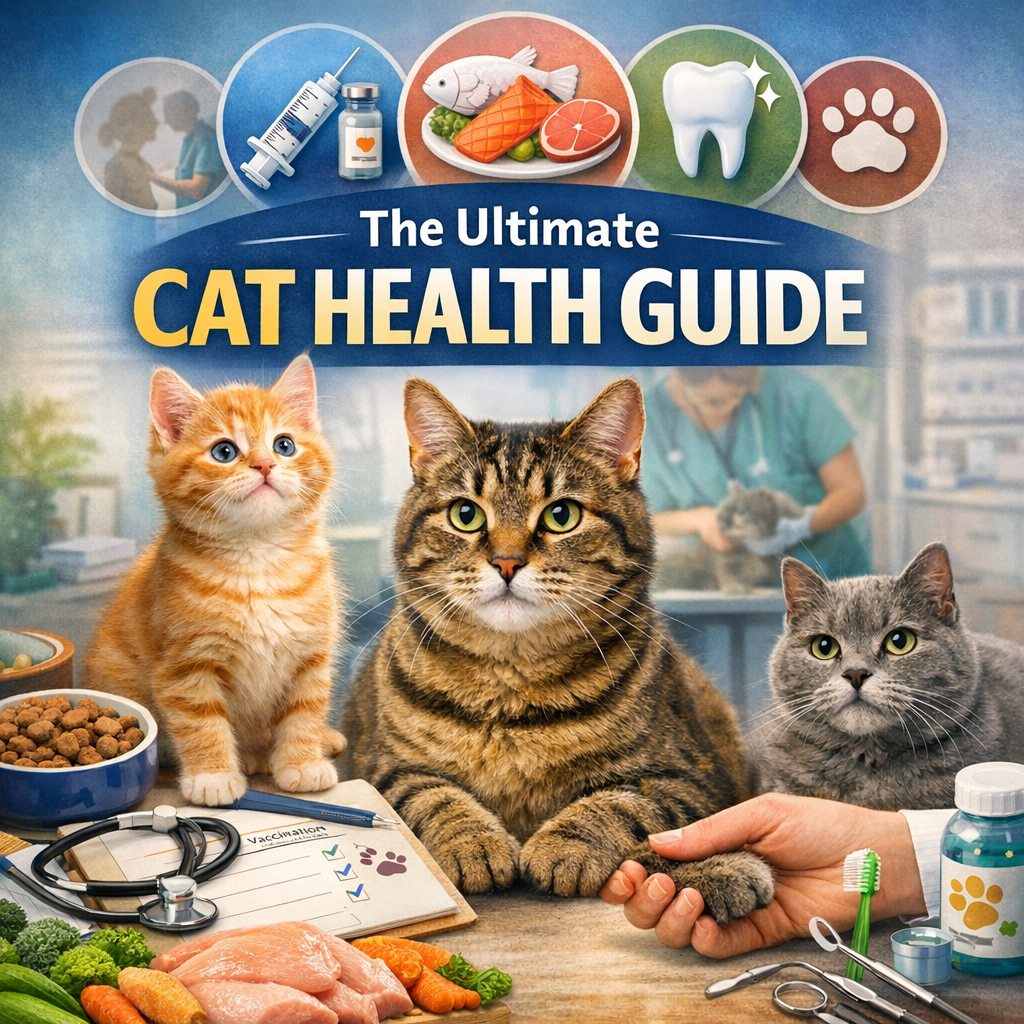
This guide offers practical, evidence-based guidance for everyday cat care. It covers nutrition, preventive steps, and common health issues to help your cat thrive across life stages. You’ll find clear, actionable tips backed by veterinary knowledge to support confident caregiving.
Whether you’re caring for a kitten, an adult cat, or a senior, you’ll find steps you can implement now. The guide emphasizes proactive care, early detection, and routines that fit real life. You’ll learn about hydration, diet, parasite prevention, and routine vet visits in a practical home context.
How to use this guide for long-term cat wellness
-
-
- Establish a baseline: note your cat’s weight, appetite, and activity level to track changes over time.
- Follow stage-specific tips: use the kitten, adult, and senior sections as your reference for age-appropriate care.
- Adopt a routine: regular vaccinations, parasite prevention, dental care, and wellness exams form the cornerstone of ongoing health.
- Monitor and act: learn early signs of illness and know when to seek veterinary help.
We at Bella Gatti US Shop focus on practical, readable guidance you can apply while you shop for your cat’s health and comfort needs.
Expert Insight
“Preventive healthcare for cats is a multi-faceted, lifesaving approach, regular exams, early disease detection, vaccinations, and parasite prevention together form the backbone of long-term feline wellness.” , Industry Expert
Hydration and Nutrition Essentials for Cats
Understanding feline hydration needs
Cats often underestimate their daily water needs. Ensure steady access to fresh water and watch for signs of dehydration like dry gums or skin that doesn’t bounce back quickly. Adjust intake with heat and activity level to keep them properly hydrated.
Proper hydration supports kidney function, digestion, and joint health. Offer options beyond a single bowl, such as wet foods or a drinking fountain, to encourage fluid intake.
Choosing a balanced diet: wet vs dry food
Both wet and dry formats can meet a cat’s nutritional needs when properly balanced. Wet food provides extra moisture and variety in calories, while dry kibble offers convenience and may help with dental abrasion. The key is balance across life stages.
-
-
- Kitten diets are calorie dense to support growth and should include adequate protein and fat.
- Adult maintenance diets focus on weight control and steady energy levels.
- Senior formulas may emphasize joint support and easier digestibility.
Interpreting cat-specific nutrition labels
Look for reputable statements that the product is complete and balanced for your cat’s life stage. Check protein, fat, fiber, and moisture content, and ensure essential amino acids like taurine are included.
-
-
- Always verify the product is labeled for cats, not general “pet food.”
- Avoid foods that rely heavily on fillers or artificial additives.
Hydration-friendly feeding practices
Spread feeding across several small meals to maintain energy and hydration. Pair dry kibble with wet meals or broth to increase moisture intake.
-
-
- Provide a fresh water source daily and consider a fountain to encourage drinking.
- Monitor weight and adjust portions to prevent obesity or rapid weight changes.
Preventive Veterinary Care You Shouldn’t Miss
Vaccinations and parasite prevention
Vaccinations shield your cat from core infectious diseases and help prevent severe illness. Your cat’s schedule varies by life stage and exposure risk, so follow a veterinarian approved plan. Regular parasite prevention reduces internal and external threats that can impact overall health.
-
-
- Core vaccines are typically given in a staged series for kittens and boosted throughout adulthood.
- Parasite prevention includes monthly options for fleas, ticks, and heartworms where applicable.
- Discuss regional risks with your clinician to tailor timing and frequency.
Common Cat Health Issues by Life Stage
Kitten health milestones and vaccinations
Early life is a window for growth and immune system development. Track milestones to ensure proper development and timely vaccination follow-ups.
-
-
- Birth to 8 weeks: rapid growth, socialization, and learning normal litter box use.
- Vaccination series typically starts in kittens and continues through the first year, with boosters as advised by your veterinarian.
- Parasite screening and deworming schedules are commonly introduced in the kitten phase to prevent intestinal issues.
Adult cat health maintenance
Maintaining steady energy and weight signals good health. Routine care supports long-term wellness and early issue detection.
-
-
- Annual wellness exams assess dental health, weight trends, and organ function markers.
- Nutrition adjustments may be needed as activity and metabolism shift.
- Behavioral monitoring helps catch early signs of discomfort or illness.
Senior cat considerations and aging signs
Aging brings changes in metabolism, mobility, and organ function. Proactive care reduces discomfort and prolongs quality of life.
-
-
- Weight management becomes more critical to prevent metabolic disorders.
- Joint health support and mobility aids may be beneficial as stiffness increases.
- Renal and thyroid function changes require tailored screening and treatment adjustments.
Early Detection: Signs Your Cat Needs Vet Care
Behavioral changes to watch for
You know your cat best. Watch for sudden withdrawal, reduced grooming, or lost interest in activities you usually share. If your cat hides more or avoids interaction, note it as a potential signal. Additionally, be sure to monitor for changes in behavior, appetite, or urination after ingestion.
-
-
- Changes in sleeping patterns or restlessness
- Altered litter box usage or avoidance of the box
- Unusual vocalization or irritability during routine care
Physical symptoms that require attention
Physical clues can accompany underlying problems. Track anything out of the ordinary, even if it seems minor at first. Early action can prevent progression and keep your cat comfortable.
-
-
- Persistent vomiting, diarrhea, or loss of appetite
- Drinking more or less water than normal, weight fluctuations
- Limping, swelling, coughing, or labored breathing
When to seek emergency care
Some signs demand immediate veterinary evaluation. Delays can endanger your cat’s health. If you notice any of the following, contact veterinary services without delay.
-
-
- Severe trauma, uncontrolled bleeding, or unconsciousness
- Inability to walk, severe pain, or persistent collapse
- Collapse after ingestion of toxins or suspected exposure to dangerous substances
Parasite Control and Indoor Cat Wellness
Flea and tick prevention strategies
Protecting your indoor cat starts with targeted prevention that fits your home and routine. Choose products based on weight, age, and health status, and follow the label or your veterinarian’s guidance.
-
-
- Apply preventives consistently, especially during peak seasons or when your cat goes outdoors.
- Address the environment as well; vacuum regularly and treat common areas to reduce exposure.
- Monitor for signs of infestation such as scratching, hair loss, or visible fleas, and adjust the plan as needed.
Internal parasites and deworming schedules
Many intestinal parasites can affect cats at any life stage. Establish a risk-based deworming plan in consultation with your veterinarian.
-
-
- Follow your veterinarian’s guidance on deworming frequency and product type.
- Screening may be recommended during wellness visits to catch hidden infections.
- Keep litter boxes clean to reduce opportunities for parasite transmission.
Indoor cat enrichment to support health
Enrichment supports physical and mental wellbeing, lowers stress, and promotes activity. A well designed space helps maintain a healthy immune response and appetite.
-
-
- Schedule daily interactive play to encourage movement and curiosity.
- Provide climbing structures, scratching posts, and puzzle feeders to challenge your cat’s senses.
- Ensure a quiet, safe retreat area so your cat can relax and recover from stimulation.
Lifestyle and Environmental Factors for Health
Mental stimulation and exercise routines
Your cat benefits from regular, varied activity that matches its energy level. Short, frequent play sessions help maintain fitness and curiosity while preventing boredom.
-
-
- Rotate toys to keep engagement high and prevent routine fatigue.
- Incorporate vertical spaces like cat trees and shelves to encourage climbing and exploration.
A clean, accessible litter area reduces avoidance and accidents. Plan for multiple boxes in larger homes or multi-cat households.
-
-
- Scoop daily and refresh litter to minimize odors.
- Place boxes in quiet, low-traffic zones away from feeding areas.
- Ensure boxes are easy to enter for aging cats, with lower sides if needed.
Safe indoor enrichment and enrichment ROI
Indoor enrichment supports physical and mental well being and can reduce stress. A practical setup yields clear health benefits without overwhelming you.
-
-
- Provide variety: toys, puzzle feeders, and interactive options.
- Schedule dedicated enrichment time to boost engagement and mood.
- Observe what your cat enjoys most and adjust setups to maximize use and satisfaction.
Managing Chronic Conditions at Home
Diabetes management basics
Diabetes in cats requires steady routines. You’ll need to monitor how food, activity, and insulin interact to keep blood glucose stable and avoid spikes or drops.
-
-
- Track weight and appetite daily to catch changes early.
- Maintain a consistent feeding schedule with portion control.
- Collaborate with your veterinarian to adjust medications and targets as needed.
Chronic kidney disease: monitoring and care
Kidney disease often progresses slowly, so regular monitoring is essential. Focus on hydration, kidney friendly nutrition, and routine checkups to slow progression and manage symptoms.
-
-
- Ensure fresh water is available at all times and consider water rich foods when appropriate.
- Schedule periodic blood work to track kidney function and electrolyte balance.
- Follow a renal supportive diet if advised by your vet and watch for vomiting or fatigue.
Hyperthyroidism and weight management
Hyperthyroidism can speed up metabolism and cause weight loss. Early detection and dietary management help stabilize body condition and energy levels.
-
-
- Weigh your cat weekly and adjust food intake under veterinary guidance.
- Consider a thyroid health focused diet if recommended.
- Monitor for increased appetite with weight loss or behavioral changes and report promptly.
FAQ
This section answers common questions you may have about keeping a cat healthy. It offers practical, actionable guidance grounded in everyday care.
-
-
-
- How often should I take my cat to the vet for wellness checks? Schedule at least once a year for healthy adults, with more frequent visits for kittens and seniors. Your veterinarian can tailor a plan based on your cat’s life stage and health needs.
- What vaccines are essential for cats? Core vaccines protect against common infectious diseases. Non-core vaccines depend on your cat’s lifestyle and risk factors. Your vet can create a personalized vaccination plan.
- Which foods are best for a growing kitten? Choose a kitten formula that supports development, and transition gradually to new foods to avoid digestive upset.
- How can I prevent parasites indoors? Maintain regular parasite prevention, clean litter boxes daily, and seal entry points to reduce exposure in living spaces.
- What signs suggest a vet visit is urgent? Sudden weight loss, persistent vomiting, trouble breathing, seizures, or sudden limping require prompt veterinary assessment.
Quick reference tips
-
-
- Keep fresh water accessible and consider separate bowls for each cat in multi-cat homes.
- Monitor changes in appetite, energy, or litter box use between visits.
- Document weight and notable changes to share with your veterinarian during exams.
Conclusion
A proactive approach to cat health pays off in a happier, more resilient feline companion. By pairing consistent hydration, balanced nutrition, regular veterinary care, and attentive at home monitoring, you build a solid foundation for lifelong wellness.
Early detection matters. Small changes in behavior or appetite can signal meaningful shifts in health, so keep a simple diary to track trends over time and bring them up with your vet during routine visits.
At Bella Gatti US Shop, we focus on practical, sustainable routines. Key habits include:
-
-
- Staying consistent with feeding and activity patterns
- Maintaining parasite prevention and indoor enrichment
- Scheduling age‑appropriate wellness exams and vaccines
With the right daily choices and a trusted veterinary partner, you can navigate kitten growth, adult maintenance, and senior care with confidence. Your cat’s health grows from everyday actions that add up over years, not just moments of crisis.