TL;DR
-
-
- Provides a practical overview of domestic cat diversity, covering common breed groups, personality-based breed ideas, and visual coat patterns.
- Offers guidance on selecting a breed by size, energy level, grooming needs, and lifestyle fit, including adoption considerations.
- Discusses breed origins, cultural context, unrecognized/hybrid breeds, and how to evaluate health, temperament, and care requirements.
- Includes practical tips for buyers and designers, plus a FAQ section to clarify common questions about breeds and care.
Table of Contents
The Ultimate Guide to Cat Breeds and Types
Welcome to your practical map for choosing a feline friend. Whether you’re seeking a calm lap cat or a lively explorer, this guide explains how registries classify cats, what traits to expect, and how to align a breed with your home and lifestyle.
You’ll explore common cat breeds, understand how size and temperament vary, and learn what care each breed typically requires. We also touch on the domesticated cat’s history and how breed categories emerged, so you can appreciate both the science and the charm behind purring companions.
Introduction
Purpose of the guide
This guide provides a practical overview of cat breeds and types, helping you understand what makes each breed unique. We cover traits, care needs, and personalities so you can choose with confidence. It aligns with how we think about cat inspired designs for our Adult Unisex Graphic T-shirts at Bella Gatti US Shop, where clarity and character matter.
You’ll get a straightforward look at domesticated cats, from ancient origins to modern hybrids. Our aim is to equip you with usable knowledge, not filler. Each section ties breed characteristics to everyday life and potential pet ownership considerations.
How to use this guide for cat lovers and t-shirt enthusiasts
Whether you’re shopping for a cat themed tee or selecting a feline companion, this guide helps you connect breed traits to style and care. Use the sections to:
-
-
- Identify breeds that match your living space and energy level
- Spot visual cues for coat colors and patterns that mirror shirt designs
- Compare care needs and temperament to find a good lifestyle fit
Think of this as a twin track resource: you learn about cats while discovering graphic ideas for shirts. We reference breeds most relevant to common conversations and product categories, like Persian, Maine Coon, Siamese, Abyssinian, Russian Blue, Tonkinese, Burmese, and other notable varieties. This approach keeps information practical and aligned with our catalog of cat themed tees.
Expert Insight
“Understanding a cat’s breed helps predict behavior and care needs, guiding owners to match a cat’s energy, affection, and routine with home life.” , Industry Analyst
1. Domestic Cat Diversity: Common Breed Groups
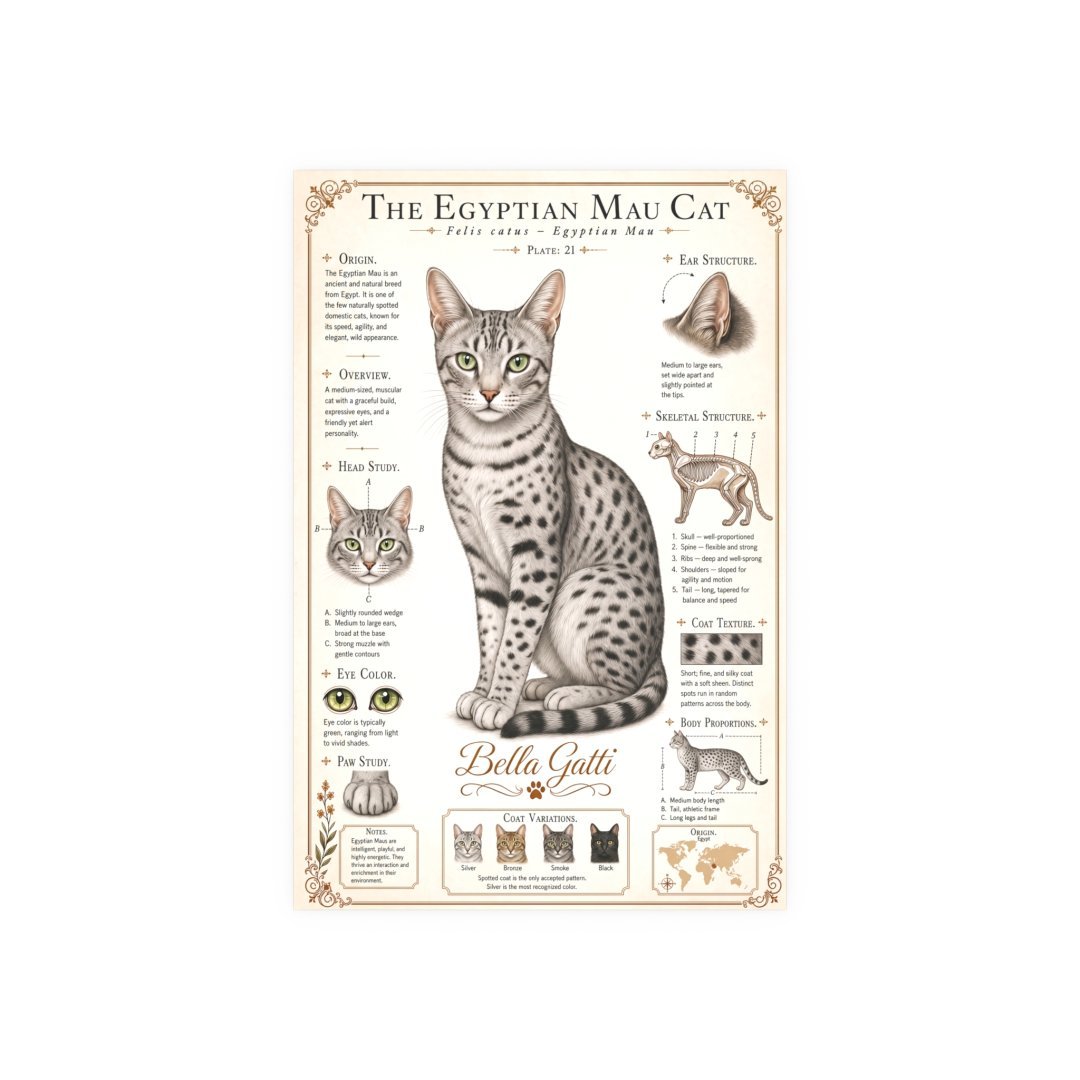
Short-Haired Breeds (e.g., American Shorthair, British Shorthair)
Short-haired cats typically have dense coats that are easy to maintain and a sturdy build. They adapt well to apartment living and busy households, often forming steady bonds with family routines.
Grooming is straightforward, with moderate to high activity during play and generally solid health histories across lines.
-
-
- American Shorthair style: balanced body, muscular frame, family-friendly demeanor
- British Shorthair style: compact silhouette, calm and independent temperament
Long-Haired Breeds (e.g., Maine Coon, Persian)
Long-haired breeds boast luxurious coats that require regular brushing to prevent mats and reduce shedding around the home. They often display strong social bonds with people and a patient, easygoing nature.
Care routines emphasize routine grooming, periodic professional trims, and attentive eye and ear care. Introductions to multi-pet homes should be gradual.
-
-
- Maine Coon traits: large size, shaggy coat, friendly, dog-like behaviors
- Persian traits: brachycephalic face, calm disposition, needs consistent grooming
Medium-Toed and Mixed Coat Breeds
Medium-toed and mixed coat cats offer versatility in appearance and temperament. Coat maintenance varies, but many fall into a middle ground for grooming needs.
These cats suit homes seeking a balance between upkeep and adaptability, with temperaments that span from playful to serene.
2. Popular Cat Breeds by Personality
Affectionate and Social: Ragdoll, Burmese
You value daily companionship and close interaction with your feline friend. Affectionate cats thrive on human attention, often following you around and enjoying gentle petting or lap time. These breeds are ideal for households that want a steady, loving presence and consistent bonding moments.
Ragdolls are famous for their laid-back mood and a unique tendency to go limp when held, signaling deep trust. Burmese cats stay engaging and communicative, typically vocal and eager to participate in family activities. They blend sociability with a lively curiosity that keeps household life bright.
-
-
- Ragdoll: calm, affectionate, loves lap time
- Burmese: interactive, people-oriented, playful even as adults
Curious and Playful: Abyssinian, Bengal
If you want a cat that needs mental and physical stimulation, these breeds deliver. Expect an inquisitive nature, climbing tendencies, and a readiness to explore new toys and spaces. Regular enrichment helps channel energy into positive activities.
Abyssinians are known for high activity levels and problem-solving play, while Bengals bring athleticism and boldness with a love for interactive games and even water play. Both breeds reward owners who provide stimulating environments and varied toys.
-
-
- Abyssinian: energetic, intelligent, highly social
- Bengal: athletic, bold, enjoys puzzle toys
Calm and Independent: Russian Blue, Chartreux
These cats tend to be low-key at home, enjoying self-directed play and quieter vocalizations. They adapt well to routines and prefer a predictable environment where they can relax and observe.
Russian Blues are noted for their gentle reserve and tidy habits, while Chartreux cats combine a soft voice with a serene temperament and thoughtful pacing in daily life. Both make excellent companions for quieter households or first-time owners seeking a mellow feline partner.
-
-
- Russian Blue: reserved, loyal, enjoys quiet interaction
- Chartreux: placid, observant, steady companionship
Expert Insight
“Kats have distinct personalities shaped by both breed-linked tendencies and individual experiences, with patterns in sociability, boldness, and playfulness that are meaningful for welfare and environment design.” , Industry Analyst
3. Visual Guide to Coat Colors and Patterns
Solid Colors and Van Patterns
Solid color coats show a single hue across the body. Shade depth can range from pale to rich, influenced by genetics and age. Van patterns place color on the head and tail while the body remains white for a bold contrast.
-
-
- Common solid shades include black, white, red, cream, and blue.
- Van patterns emphasize bold color placement with white covering most of the body.
Tortoiseshell, Calico, and Bi-Color Patterns
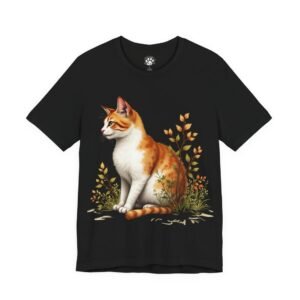
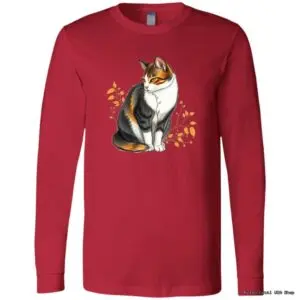
Tortoiseshell and calico coats combine two or more colors in mosaic-like patches. Bi-color cats show a primary color with white on the underparts or markings, creating high contrast.
-
-
- Tortoiseshell blends black and orange tones without white.
- Calico adds white, producing three distinct color regions on the coat.
- Bi-color patterns range from subtle white patches to bold white mittens.
Tabby Patterns: Classic, Mackerel, Spotted
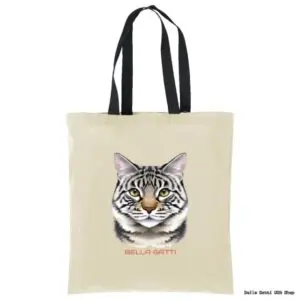
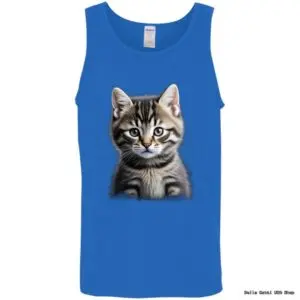
Tabby coats feature striped or swirled markings, with each pattern offering distinct line work that can accentuate facial features and overall silhouette.
-
-
- Classic tabby presents broad swirls resembling a marble pattern.
- Mackerel tabby shows narrow vertical stripes along the sides.
- Spotted tabby displays kidney-shaped or circular rosettes.
4. Breed Origins and Cultural Context
Historical Roles of Cats in Homes and Work
Cats shifted from utility animals to cherished companions. Early farm cats guarded grain stores by controlling vermin, while urban felines offered companionship and pest control in homes. Breeders increasingly prioritized agility, hunting prowess, temperament, and sociability to suit evolving lifestyles.
Across many cultures, cats carried symbolic meanings in art and folklore as guardians, messengers, or symbols of luck. Domestication produced diverse lineages shaped as much by temperament as appearance, influencing how families welcome cats into daily life.
Breeds with Cultural Significance
-
-
- Persian: long history of companionship and a calm demeanor suited to quiet households, often paired with careful grooming.
- Maine Coon: developed to withstand harsh climates, valued for a friendly, sturdy personality.
- Siamese: noted for vocal communication and strong bonds with people, shaping breed standards globally.
- Russian Blue: admired for refined manners and a distinctive coat, associated with sailors and households alike.
Some breeds gained fame through media, pedigrees, or exhibitions, boosting public interest and prompting broader recognition of breed traits. Designer mixes and crossbreeds emerged as enthusiasts sought blends of temperament and appearance to suit modern homes.
Modern Breeds and Designer Names
-
-
- Designer mixes: blends that combine traits from two or more recognized breeds for unique looks and personalities.
- Hybrid considerations: some crosses aim for specific energy levels, coat textures, or social tendencies, with care needs reflecting mixed ancestry.
- Recognition status: many associations list a subset of breeds, while others exist as informal or experimental lineages awaiting formal registration.
Understanding origins helps you anticipate care needs and compatibility with your home. It also informs how you compare breeds for family life, activity preferences, and grooming commitments.
5. Practical Considerations for Choosing a Breed
Size, Energy Levels, and Care Requirements
Your cat’s size and activity shape daily routines, space needs, and how you interact. Larger breeds tend to enjoy longer cuddle sessions, while smaller cats may be energetic relative to their size. A breed’s energy level drives how you structure play, training, and mental stimulation.
Care needs vary by breed and individual cat. Some cats benefit from structured enrichment, while others thrive with simple, consistent daily activities. Consider how much time you can devote to play, training, and routine veterinary care.
-
-
- Large breeds: Maine Coon, Norwegian Forest Cat
- Medium breeds: British Shorthair, Burmese
- Small to petite: Tonkinese, Burmese
Grooming Needs and Allergies
Grooming requirements range from minimal to quite involved. Coat type and shedding influence how often you’ll brush, bathe, and trim nails. Allergy awareness matters because some people react to fur or dander.
-
-
- Long-haired: regular brushing, occasional professional trims
- Short-haired: moderate brushing, fewer tangles
- Allergy considerations: no breed is entirely hypoallergenic, but some produce fewer allergens for sensitive households
Lifestyle Fit and Adoption Tips
Balance your daily routines with a breed’s social needs and territorial instincts. If you travel often, choose a cat that adapts to alone time or plan reliable care. Adoption paths vary from rescue groups to reputable breeders.
-
-
- Assess your typical day: work hours, guests, and noise levels
- Evaluate space: vertical enrichment, litter area, and quiet retreats
- Adoption considerations: temperament history, health background, and post-adoption support
6. Notable Unrecognized and Hybrid Breeds
Domestic Variants and Mixed-Line Breeds
Domestic variants arise when breeders blend traits from multiple recognized lines. These cats often display a wide range of temperaments, coat textures, and sizes, making a single profile hard to pin down. They reflect local gene pools and breeding goals more than formal standards.
Health history and coloration can vary considerably. Focus your care plan on the individual cat’s needs, enrichment, grooming, and routine veterinary checks, rather than relying on breed rules.
Hybrid Breeds: Possibility and Care Implications
Hybrid breeds combine domestic cats with wild or non-domesticated relatives. They can offer striking looks and distinctive energy levels, but may require specialized environments, higher stimulation, and stricter safety measures.
If you’re considering a hybrid, plan for:
-
-
- Enhanced environmental enrichment and secure spaces
- Potential legal and zoning considerations in certain areas
- Elevated grooming and health monitoring needs
Breed Recognition by Cat Fancies
Recognition varies across associations. Some breeds appear in multiple registries, while others exist as informal or experimental lineages. This affects show eligibility, breeding considerations, and pedigree documentation.
When evaluating a breed outside mainstream recognition, prioritize:
-
-
- Health history and genetic diversity
- Consistency of temperament and care requirements
- Access to reputable breeders or rescue groups with transparent lineages
FAQ
This section answers common questions readers have about cat breeds, care, and selection. It pulls together practical guidance without assuming prior study of breed registries.
What is a cat breed and how are they classified?
A cat breed is a defined group with shared physical traits and predictable temperaments. Registries classify them by ancestry, standardized color and pattern, and documented lineage. Not all breeds appear in every registry, and some exist largely as informal or experimental lines.
How many cat breeds exist, and where can I learn about them?
There are many recognized and informal breeds worldwide. Start with broad groups such as short-haired, long-haired, and mixed-coat types, then narrow to specific breeds like Persian, Maine Coon, Siamese, or Russian Blue. Consult registry websites and reputable breed profiles for characteristics and care needs.
-
-
- Short-haired examples: American Shorthair, British Shorthair
- Long-haired examples: Maine Coon, Persian
- Hybrid concepts exist but require careful care planning
What should I consider before choosing a breed?
Focus on size, energy, grooming needs, and suitability for your lifestyle. Some breeds demand daily mental and physical stimulation, while others thrive with quiet routines. Allergy considerations and housing setup also matter.
-
-
- Evaluate daily time for play and training
- Assess space for enrichment and privacy
- Check grooming commitments and potential allergen exposure
Are designer or hybrid cats a good fit for first-time owners?
Designer and hybrid cats can be rewarding but may require specialized environments and ongoing health monitoring. Research their specific needs, ensure safe housing, and seek experienced breeders or rescues with transparent histories.
Expert Insight
“Choosing a cat breed is about matching personality, activity level, grooming needs, and lifestyle, it’s the foundation for a happy, long-term relationship with your feline companion.” , Cat Care Expert
Conclusion
Understanding cat breeds helps you align temperament, care needs, and living space for a harmonious home. A clear breed profile supports realistic daily routines, enrichment, and health considerations from day one.
Throughout this guide you’ve seen how personality, energy, and grooming demands influence how a cat fits into everyday life. That insight also informs choices about accessories, furnishings, and care routines that support wellbeing.
For shoppers and cat-friendly designers, thinking in terms of breed groups and traits keeps decisions practical. Translate insights into actionable plans like litter routines, feeding schedules, and safe enrichment ideas that enhance your cat’s quality of life.
-
-
- Assess energy, sociability, and grooming demands before adopting
- Consider how these traits influence your daily rhythm and space layout
- Plan for ongoing enrichment to keep a chosen breed happy and healthy
In the Bella Gatti US Shop world, our adult unisex graphic tees celebrate cat diversity with the same care given to breed selection. A well-matched lifestyle and a thoughtfully chosen tee reflect personality, comfort, and quality.
If you want a concise reference, revisit this guide’s key sections on breed groups, personality, and practical care. Your next feline friend, or your next favorite tee design, benefits from thoughtful preparation and a clear sense of what matters most in everyday cat care.