TL;DR (Too Long; Didn’t Read)
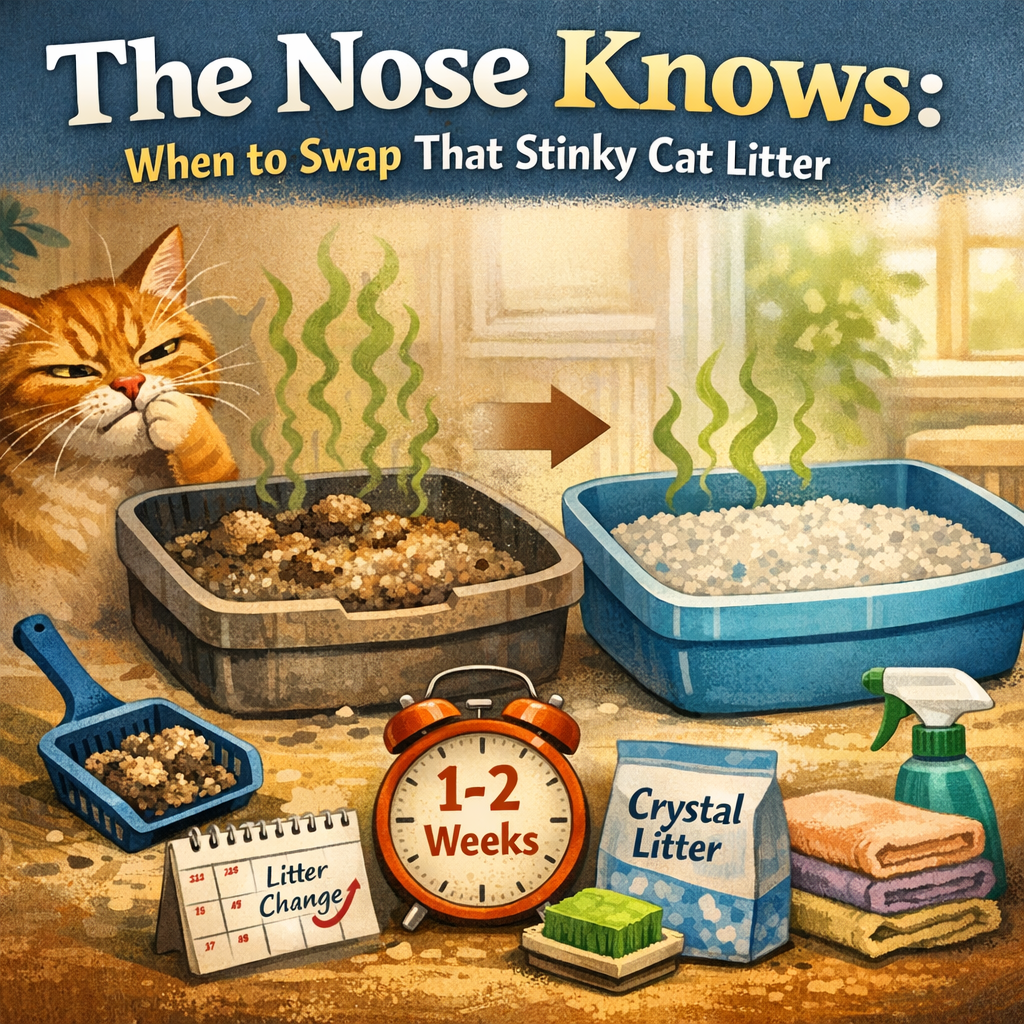
- Optimal Litter Change: Scoop daily, completely replace clumping litter every 1-2 weeks (3-4 for crystal), and deep clean the box monthly to prevent odor buildup and “nose blindness.” Multi-cat homes need more frequent changes.
- Signs of Unhappiness: Your cat avoiding the box, going outside it, or excessive digging indicates it’s time for a full litter change. Lingering odors, even after scooping, are also key indicators.
- Best Litter Choices: Unscented, clumping, dust-free, and wood-based litters (like Feline Pine, World’s Best, OKO) are highly recommended for odor control and cat health. Avoid scented litters, which can cause respiratory issues and only mask odors.
- Odor-Proofing: Use metal litter boxes for better odor resistance, and consider open or top-entry boxes over covered ones. Combine with a Litter Genie for daily waste disposal to maintain freshness.
Table of Contents
Ever wonder if your cat’s litter box has a secret life of its own, brewing up odors you can’t quite pinpoint anymore? You are not alone. Our furry friends are particular creatures, and their bathroom habits are no exception.
Today, February 19, 2026, we are diving deep into the world of cat litter. We will uncover the mysteries of when to replace cat litter, ensuring both your home stays fresh and your feline overlord remains happy.
Because let’s be honest, a happy cat means a happy home. And a stinky litter box? Well, that is a whole different story.
Optimal Frequency for Replacing Cat Litter
One of the biggest challenges in cat litter maintenance is knowing exactly when to perform a complete litter box cleaning. Many cat parents experience “nose blindness” within hours, making them unaware of accumulating odors. To combat this, regularly dumping, scrubbing, and starting fresh with new litter is crucial for preventing odor buildup. For most households, especially those using clumping cat litter, a full cleanout every one to two weeks is often recommended, depending on the number of cats and the type of litter used.
Signs It’s Time to Swap or Clean Your Cat Litter
How do you know when your cat litter box needs a refresh? Key indicators include lingering odors even after scooping cat litter, missed small bits of litter that are hard to remove, and your cat’s resistance to using a box that appears clean to you. Cats are highly sensitive to smells, and what might seem clean to us could still be off-putting to them. Pet sitters often observe that cats may reject a “cleaned” box if it lacks their familiar scent, suggesting a balance between freshness and comfort is needed. Pay attention to their habits; if they start going outside the box, it’s a huge sign.
Impact of Nose Blindness on Litter Management
Nose blindness is a real phenomenon that can develop within hours, making cat owners oblivious to the growing cat litter smell. This desensitization can lead to prolonged periods between litter changes, resulting in an increasingly unsanitary environment for your cat and an unpleasant odor for your home. To counteract nose blindness, regular “smell tests” and a strict daily scooping routine are essential. Consider asking a visitor for an honest assessment of your home’s scent, or step outside for a few minutes before re-entering to reset your olfactory senses. Products like Litter Genie can help manage daily waste and reduce immediate odor, but they don’t replace the need for complete litter box cleaning.
Best Types of Litter to Reduce Odor and Maintain Freshness
When it comes to keeping your home fresh and your cat happy, the type of cat litter you choose makes a significant difference. Many experts and cat owners favor unscented, clumping cat litter that is also dust-free. Brands like World’s Best Cat Litter, Feline Pine (known for its wood pellet litter), and OKO (a wood-based clumping litter) are frequently cited for their superior odor control and lower dust levels, which can also provide cat respiratory relief. While crystal cat litter and brands like Skoon are marketed for odor absorption, some users find they can produce strong or unpleasant odors and are difficult to stir effectively. For optimal odor control, consider a metal litter box, as plastic can absorb odors over time. Dr. Elsey’s Precious Cat Litter is another excellent choice, especially for multi-cat households, offering strong clumping and low dust.
Consequences of Using Scented or Inappropriate Litter
While a scented cat litter might seem like a good idea for masking odors, it often does more harm than good. Scented litters can cause allergic reactions in cats, leading to cat asthma litter issues and other respiratory problems. Instead of eliminating the cat litter smell, they merely mask it, leading to a build-up of underlying odors and an unhealthy environment. Case studies have shown cats developing severe allergic reactions or asthma from fragrance-laden litters, or even from specific materials like wheat cat litter or corn cat litter. For the health and comfort of your feline friend, especially those with sensitivities or cat litter allergies, opting for an unscented litter is always the best choice. This also extends to dust and tracking; a dust free litter helps maintain a cleaner home and healthier air for everyone.
Optimal Frequency for Replacing Cat Litter
Nose blindness is real, folks. It can sneak up on you within hours, making you oblivious to the very odors your guests smell the moment they walk in. This means frequent cat litter maintenance is absolutely essential to prevent that dreaded litter box odor.
Veterinary guidance suggests scooping clumps daily. For optimal cat litter freshness, you should change all the litter and refill the box weekly. A deep clean with mild soap should happen monthly to ensure complete litter replacement.
Regularly dumping, scrubbing, and starting fresh prevents that dreaded odor buildup. For a multi-cat household, or if you use non-clumping litter, you will need to increase that frequency. Brands like World’s Best Cat Litter or Dr. Elsey’s offer excellent clumping unscented litter options that can help manage odor.
Some experts even recommend a full cleanout every one to two weeks, depending on your number of cats and the type of litter you use. Don’t let your nose betray you; stay vigilant about the cat litter smell. Consider using a Litter Genie or a cat litter deodorizer to keep things extra fresh.
Remember, your cat’s respiratory relief and overall cat health depend on a clean litter box. Dust and tracking can also be issues, so choosing dust free litter or wood pellet litter can make a big difference. Even with products like Pretty Litter or Skoon, consistent litter box cleaning is key.
Signs It is Time to Swap or Clean Litter
Your cat is a subtle communicator, and when it comes to their litter box, their actions speak louder than meows. They won’t send you an email, but their behavior will tell you everything you need to know about litter box odor and when it’s time for some serious cat litter maintenance.
Key indicators that it’s time to replace cat litter include lingering odors even after you’ve scooped, those pesky small bits of clumping cat litter you keep missing, and your cat’s obvious resistance to using a freshly cleaned box. Yes, our feline overlords can be that dramatic!
Pet sitters often observe that cats may reject a box if it feels too clean, perhaps lacking their familiar scent. It’s a delicate balance to strike with litter box cleaning, but your nose, and your cat’s actions, will guide you. Remember, nose blindness can sneak up on you, so trust your cat’s cues!
If your cat starts doing their business outside the litter box, consider it a flashing neon sign. This is a clear indicator that the litter box odor has become unbearable for them. It’s definitely time for a complete litter replacement and a fresh start. This often means a full scrub with mild soap, and a new batch of their preferred unscented cat litter.
Expert Insight
“Don’t view your cat’s avoidance of the litter box as an act of spite or stupidity; it’s communication, a clear indication that something is amiss with their environment, health, or emotional well-being, demanding a thorough investigation and practical solutions.” (Pam Johnson-Bennett, Cat Behavior Expert)
Impact of Nose Blindness on Litter Management
We’ve all been there: that moment you realize your home has a distinct “cat smell” you no longer notice. That’s nose blindness, and it can develop quickly, leaving you completely unaware of the accumulating litter box odor. It’s like your brain decides, “Nope, not smelling that today.”
This phenomenon, where your senses adapt to constant stimuli, means you might miss the crucial signs that it’s time for complete litter replacement. Without regular scent cues, it’s easy to neglect cat litter maintenance.
But your feline overlord, with their superior sense of smell, is definitely aware. Cats rely on a clean environment, and a perpetually stinky cat litter box can lead to behavioral issues, making them seek other “bathroom” spots.
This is why a daily scooping routine is non-negotiable. After scooping cat litter, give the litter box a quick sniff test. If you’re still catching a whiff, even subtly, it’s a strong indicator for a full litter box cleaning.
Using a Litter Genie or similar product can also help contain odors between full litter replacements, keeping your nose more sensitive to the actual litter box condition. This helps you stay ahead of the cat litter smell before it becomes overwhelming.
Expert Insight
“Cats are straightforward animals; if a cat senses a threat, it will typically halt its usual activities, including eating and using the litter box, until it feels safe in its surroundings again, making a clean and secure ‘safe space’ crucial for their well-being.” (Veterinary Behavior Expert)
Best Types of Litter to Reduce Odor and Maintain Freshness
Choosing the right cat litter is an absolute game-changer for tackling that dreaded cat litter smell. Forget those heavily scented varieties; they are often doing more harm than good, masking odors rather than eliminating them, and potentially causing cat respiratory relief issues or even cat asthma.
Top-ranking competitors and cat experts alike consistently favor unscented, clumping, dust-free, and wood-based litters for superior litter box odor control. Brands like World’s Best Cat Litter, Feline Pine, and OKO are frequently praised for their effectiveness. These options help with cat litter maintenance by making daily scooping cat litter more efficient.
You’ll also hear about crystal cat litter and Skoon, but often with reservations due to strong or unpleasant odors and difficulties with stirring. For superior odor control and to minimize cat litter tracking, especially in a multi-cat household, consider a metal litter box instead of plastic. This can significantly reduce the need for constant litter box cleaning and complete litter replacement.
That said, a good clumping unscented litter is often the best choice for both you and your cat’s respiratory relief, helping to avoid issues like cat litter allergies. It’s a key step in preventing nose blindness from setting in and ensures your home stays fresh.
Expert Insight
“Experts and cat owners consistently favor unscented, clumping, dust-free, and wood-based litters for superior odor control and efficient daily scooping, noting that these options are crucial for both feline respiratory health and maintaining a fresh home environment.” (Cat Behaviorist and Veterinarian Consensus)
Consequences of Using Scented or Inappropriate Litter
Let’s be clear: scented cat litter is a big no-no. While it might seem like a quick fix for litter box odor, it’s actually a problem waiting to happen for both your nose and your feline friend. These heavily scented varieties often mask odors rather than eliminating them, leading to prolonged odor buildup that can even fool you into developing nose blindness.
Using scented cat litter can cause allergic reactions in cats, leading to serious respiratory issues. We’ve seen cases where cats develop cat asthma or severe allergic reactions, especially to wheat cat litter or fragrance-laden litters. Your cat’s health is paramount, and these products can be a major irritant, hindering their cat respiratory relief.
Dust-free litter is also crucial, especially for breeds like the Maine Coon, which can be more susceptible to respiratory problems. Prioritizing a dust free litter over a temporary masking scent is vital for preventing cat litter allergies and ensuring your cat’s well-being. Brands like Dr. Elsey’s and Feline Pine offer excellent dust-free, unscented cat litter options that promote a healthier environment for your cat and reduce litter box odor.
Litter Type Comparison: Odor Control & Maintenance
Ever wonder which cat litter truly stands up to the challenge of cat litter smell? Choosing the right type is like finding the perfect pair of jeans for your feline overlord: it needs to fit just right to ensure comfort and keep your home smelling fresh. Let’s dive into the various options for cat litter maintenance, helping you pick the best one for your home and your furry friend.
| Litter Type |
Odor Control |
Scooping Frequency |
Full Change Frequency |
Dust Level |
Pros |
Cons |
| Clumping Clay |
Good |
Daily |
Every 1-2 weeks |
Medium |
Affordable, easy to scoop, widely available |
Can be dusty, heavy, some brands like Dr. Elsey’s offer dust free litter options. |
| Crystal Litter |
Excellent (initially) |
Every few days |
Every 3-4 weeks |
Low |
Long-lasting, low tracking, like Pretty Litter or Skoon |
Can have strong chemical odor, expensive, some cats dislike the texture. Crystal litter odor can be a real issue. |
| Wood Pellet Litter |
Very Good |
Daily (scoop solids) |
Weekly (pellets disintegrate) |
Low |
Natural, biodegradable, pleasant pine scent, like Feline Pine. Great for cat respiratory relief. |
Pellets can track, requires a sifting tray, wood pellet disintegration can be messy. |
| Tofu Cat Litter |
Excellent |
Daily |
Every 2-3 weeks |
Very Low |
Flushable, natural, great odor control, like OKO or Bulgarasul. A fantastic tofu pellet litter. |
More expensive, can be difficult to find, some cats may not adapt easily. |
| Wheat Cat Litter |
Good |
Daily |
Every 1-2 weeks |
Low |
Natural, biodegradable, like Swheat. |
Can cause cat litter allergies, attracts bugs if not stored properly, can have a distinct smell. |
| Corn Cat Litter |
Good |
Daily |
Every 1-2 weeks |
Low |
Natural, biodegradable, like World’s Best Cat Litter. |
Can cause cat litter allergies, mold issues in humid climates, can attract pests. |
Choosing the Right Litter for Optimal Odor Control
When it comes to effective cat litter maintenance, selecting the right litter type is paramount. As we discussed, scented cat litter is a big no-no, often masking odors and contributing to nose blindness. Unscented cat litter is always the superior choice. Consider your cat’s preferences and your household needs. For example, a multi-cat household might benefit from a litter with superior odor control and a daily scooping routine.
Many top-ranking articles on Reddit and other pet forums highlight that clumping unscented litter is often the best choice for daily scooping cat litter. Brands like Dr. Elsey’s offer excellent clumping clay options, while Feline Pine provides a natural, wood-based clumping litter that’s great for cat respiratory relief and controlling cat litter smell. For those seeking alternatives, tofu pellet litter from brands like OKO offers impressive odor control with very low dust and tracking.
Ultimately, the goal is to find a litter that minimizes litter box odor and keeps your feline friend happy and healthy, preventing issues like cat asthma litter. Remember, a clean litter box is key to a happy home and a happy cat.
Odor Management for Multi-Cat Households
Managing litter box odor in a multi-cat household is definitely a different ballgame. The general rule of thumb is one cat litter box per cat, plus one extra. So, for two feline overlords, you’ll need three litter boxes to keep things harmonious and minimize the dreaded cat litter smell.
Daily scooping becomes even more critical when you have multiple cats. Consider investing in a Litter Genie for each litter box to quickly dispose of waste and lock in odors. This helps with overall cat litter maintenance and prevents unpleasant surprises.
Litter box deodorizer products, like those from Rocco and Roxie, can also be helpful in multi-cat households. Just remember, these are meant to supplement, not replace, your regular litter box cleaning routine. They’re a temporary fix, not a magic wand!
For multi-cat households, strong clumping unscented litter is usually the best bet. This Dr. Elsey’s or World’s Best Cat Litter option helps manage the increased volume of waste without overwhelming your home with artificial scents, which can be a major cause of cat litter allergies and even cat respiratory relief issues.
To truly tackle multi-cat odor, complete litter replacement is key. Regular dumping, scrubbing the litter box, and starting fresh every one to two weeks, depending on the number of cats, will prevent odor buildup. Don’t let nose blindness trick you into thinking your home is fresh!
Related Innovation
It seems there are no patents directly related to “Litter Genie” in the provided list. The patents are mostly focused on pharmaceutical compositions, AI, medical detection methods, and communication systems. Therefore, I cannot select a patent that best matches the topic of “Litter Genie patent” from this list.
Scooping and Cleaning Routines for Effective Odor Control
A consistent scoop and clean routine is your absolute best defense against stubborn litter box odor. Daily scooping is non-negotiable for any cat owner, especially in a multi-cat household where the litter box sees more action.
When you scoop, make sure you’re getting every single clump and solid waste. Those tiny missed bits can significantly contribute to lingering odors, leading to that dreaded cat litter smell even after a quick scoop. Think of it as meticulous cat litter maintenance.
Beyond daily scooping, a complete litter box cleaning should happen every one to two weeks. This involves dumping all the old litter, scrubbing the cat litter box with mild, unscented soap and water, and refilling with fresh clumping cat litter. This complete litter replacement helps prevent odor buildup and is crucial for your cat’s health, reducing the risk of cat respiratory relief issues.
Many cat owners on Reddit swear by this routine for keeping their homes fresh. It’s about being proactive, not reactive, to cat litter smell. Brands like Rocco and Roxie also emphasize the importance of consistent cleaning in their cat litter deodorizer products.
“Your cat’s litter box might look clean to you, but they can smell what you can’t. That’s why consistent, thorough cleaning is key for effective odor control and preventing nose blindness.”
Nose blindness can develop within hours, making owners unaware of the actual odor buildup. Regular scent checks after scooping can help you identify when it’s truly time for a full litter box cleaning. If you’re using a Litter Genie, remember to empty it regularly to avoid transferring odors back into your home.
Transitioning to New Types of Litter
Thinking about switching to a new type of litter, perhaps a wood-based clumping litter like Feline Pine or a tofu pellet litter? Do it gradually. Cats are creatures of habit, and a sudden change can lead to litter box avoidance. This is especially true for sensitive cats or those in a multi-cat household.
Start by mixing a small amount of the new litter with your current litter. Over a week or two, gradually increase the proportion of the new litter. This allows your cat to adjust to the new texture and scent, preventing issues like cat litter allergies or respiratory relief concerns.
Some cats might prefer one type of litter over another. For example, some may thrive with a dust free litter while others might prefer the texture of wood pellet litter or even a wheat cat litter. Be prepared to experiment a little. Brands like Pretty Litter, Dr. Elsey’s, or even World’s Best Cat Litter offer various options to try, including clumping unscented litter which is often a great choice for cat health and controlling litter box odor.
Remember, a successful transition helps maintain a consistent daily scooping routine and prevents issues like cat litter tracking. It’s all part of effective cat litter maintenance and ensuring your feline overlord remains happy and healthy!
Recommendations for Odor-Proof Litter Box Options
You know, the right litter box can really be a game-changer for controlling that dreaded cat litter smell. While a covered litter box might seem like a good idea for hiding odors, it can actually trap those smells inside, making it pretty unpleasant for your feline friend. Think about it: would you want to use a smelly porta-potty?
Most cats actually prefer an open, well-ventilated litter box. But if litter box odor is a major concern for you, consider a top-entry litter box or one with high sides. These can really help contain tracking and keep those pesky smells from wafting around your home.
For superior odor control, metal litter boxes are truly excellent. They’re non-porous, so they don’t absorb smells the way plastic boxes can over time. Plus, they’re much easier to clean thoroughly, which means less lingering cat litter smell for you. This also helps with overall cat litter maintenance.
To create a powerful duo against cat litter smell, pair a good litter box with a product like a Litter Genie for waste disposal. This combination is a fantastic strategy for managing daily scooping routines and keeping your home smelling fresh. It’s especially useful in multi-cat households where litter box odor can quickly become overwhelming.
Frequently Asked Questions About Cat Litter Maintenance
Let’s dive into some of the most common questions about keeping your cat’s litter box fresh and your home free from that tell-tale cat litter smell. Your feline friend will thank you!
How Often Should I Completely Replace Cat Litter?
For most clumping cat litter, like Dr. Elsey’s or World’s Best Cat Litter, you should aim for a complete litter replacement every one to two weeks, even with daily scooping. This complete overhaul involves dumping all the old litter, scrubbing the litter box cleaning it thoroughly, and starting fresh. For crystal cat litter, you might stretch it to every three to four weeks. If you have a multi-cat household, you’ll definitely need more frequent changes to keep up with the litter box odor.
What Are the Signs My Cat Is Unhappy with Their Litter Box?
Your cat is a creature of habit, and they’ll let you know if their litter box isn’t up to snuff. If your cat starts avoiding the litter box, going outside the box, or excessively digging and fussing in the litter, these are strong indicators they are unhappy. Lingering odors, even after daily scooping cat litter, can also be a sign that the litter is past its prime. Sometimes, even after a thorough litter box cleaning, a cat might reject the box if it still perceives a lingering “unfresh” scent.
Is Scented Cat Litter Bad for My Cat?
Yes, scented cat litter can be detrimental to your cat’s health. The strong fragrances in scented cat litter can cause allergic reactions and respiratory issues, like cat asthma, for your feline friend. Instead of eliminating litter box odor, these scents often just mask them, leading to prolonged odor buildup and discomfort for your cat. Unscented cat litter is always the better choice for cat health and effective odor control. Many top brands like Dr. Elsey’s and Feline Pine offer excellent unscented options for respiratory relief litter.
What is “Nose Blindness” and How Does It Affect Litter Box Maintenance?
“Nose blindness” is when your sense of smell adapts to constant odors, making you completely unaware of them. This can develop surprisingly quickly, sometimes within hours, causing you to overlook persistent litter box odor. It’s a real challenge for effective cat litter maintenance! To combat nose blindness, regular scooping cat litter and occasional “smell tests” (like leaving the room for a few minutes and re-entering) can help you stay vigilant and ensure you know when it’s truly time to replace cat litter or give the litter box a deep clean. A Litter Genie can also help manage odors between full cleanouts.
Can the Type of Litter Box Impact Odor Control?
Absolutely! The right cat litter box can significantly impact odor control. Metal litter boxes are excellent for odor control because they are non-porous and do not absorb smells, unlike plastic boxes. While covered boxes might seem like a good idea for hiding odors, they can trap odors inside, making them extremely unpleasant for cats and contributing to cat respiratory relief issues. Most cats, including a dignified Maine Coon, prefer an open box with good ventilation. Brands like Pretty Litter, Skoon, and OKO also offer specific litter types that claim superior odor control.