TL;DR (Too Long; Didn’t Read)
- Routine Care: Healthy adult cats need annual exams, while kittens and seniors (10+) require more frequent visits—every 3–4 weeks and every 6 months, respectively—to manage life-stage-specific health risks.
- Preventive Diagnostics: Establishing baseline blood work and adhering to vaccination schedules are critical for detecting “silent killers” like kidney disease early and preventing fatal viruses.
- Emergency Warning Signs: Immediate veterinary attention is required for respiratory distress, inability to urinate, seizures, sudden hind-leg paralysis, or extreme lethargy.
- Proactive Monitoring: Because cats instinctively hide pain, regular physical examinations and rear health checks (monitoring for scooting or discharge) are essential to prevent late-stage diagnoses and high emergency costs.
Table of Contents
Cat Rear Health: When to See the Vet
Seek immediate care for straining, inability to urinate, seizures, or respiratory distress. Rapid intervention for urinary blockages is life-saving and prevents irreversible organ damage.
Frequency of Vet Visits Based on Age and Health Status
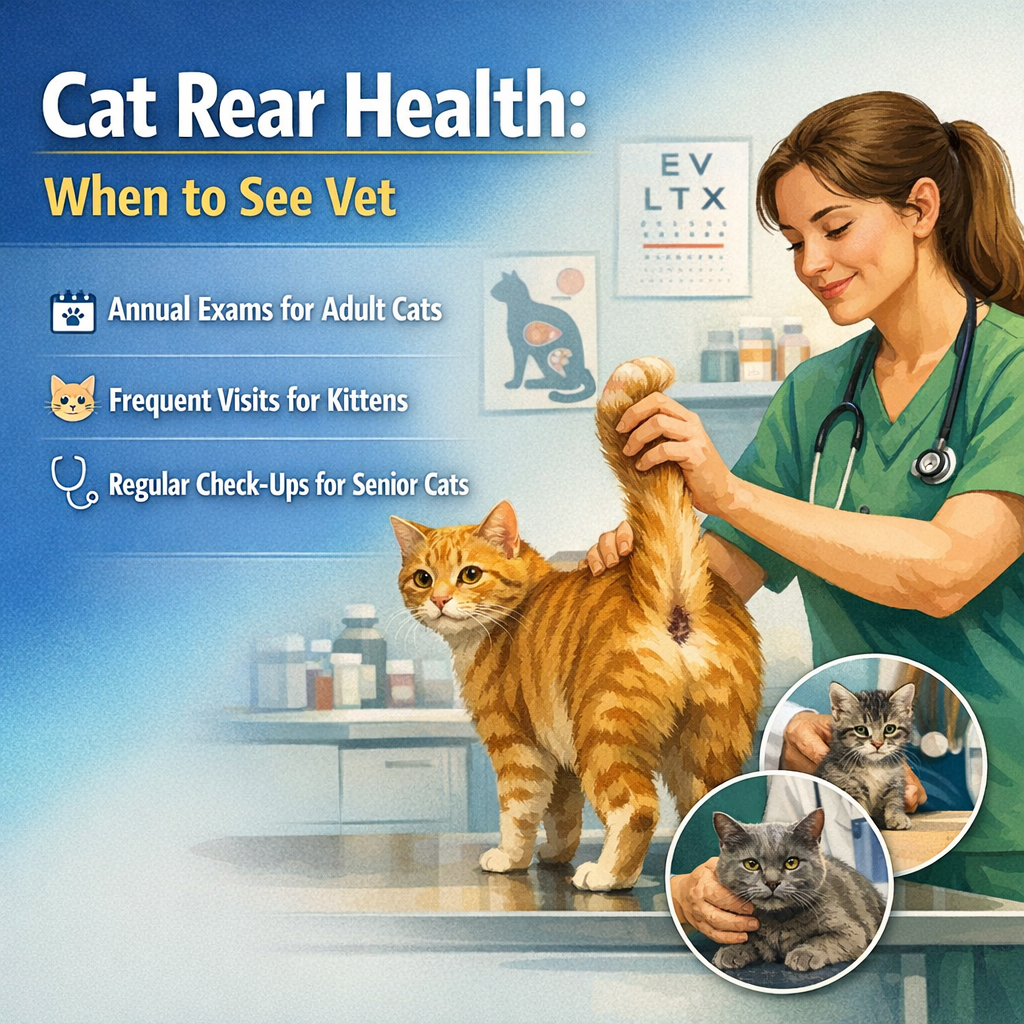
How often should you take a cat to the vet? The answer depends mostly on their feline life stage. Healthy adult cats between the ages of one and ten generally require an annual wellness exam to stay in peak condition and ensure their cat immune system is robust.
Senior cats over ten years old should ideally visit the animal hospital every six months. As cats age, they become more prone to sneaky health problems like chronic kidney disease or hyperthyroidism. These conditions can develop rapidly within a single year without visible symptoms.
Kittens need even more frequent attention. You should schedule a veterinary appointment every three to four weeks until they reach about 16 to 20 weeks of age. This ensures they meet every kitten growth milestones and stay on track with their understanding of their cat age care plan.
Importance of Baseline Blood Work for Early Disease Detection
Just like you might track your fitness stats, your cat veterinarian needs a baseline to measure health. Routine diagnostic blood work is the gold standard for catching silent killers like dental disease or organ failure before they become emergencies.
The American Animal Hospital Association and the American Association of Feline Practitioners recommend regular lab work to establish what is normal for your specific pet. Early kidney failure can often be detected through blood tests long before your cat starts acting sick, significantly prolonging their life.
Think of it as a technical tune up for your furry friend. By investing in an annual wellness examination that includes blood panels, you can manage chronic conditions with precision rather than playing a stressful game of guesswork later on.
Vaccination Schedule and Its Role in Preventing Disease
Your kitten care journey must include a strict vaccination schedule. Kittens require a series of shots every few weeks to protect them while their maternal antibody protection wears off. This includes defenses against rabies, herpesvirus, and calicivirus.
Skipping a rabies vaccination or failing to keep up with parasite preventives can lead to devastating health outcomes. Unvaccinated cats are at high risk for feline panleukopenia, which often results in a costly stay at an emergency animal hospital and can be fatal without immediate care.
Beyond shots, your vet will discuss kitten deworming and heartworm prevention. Even indoor cats need a flea and tick strategy to prevent skin issues like ringworm in cats or the transmission of blood borne pathogens that compromise their long term health.
Risks of Skipping Routine Vet Care
Cats are masters of disguise, often hiding pain until a condition is advanced. Missing a wellness checkup means missing the chance to spot a cat heart murmur, an umbilical hernia, or the early stages of cancer during a physical examination.
PetMD and other experts note that many owners lose their pets prematurely because an illness went unnoticed during years of routine neglect. By the time a cat shows signs of distress, the treatment cost often far exceeds the price of an annual wellness exam.
Staying consistent with your cat healthcare plan is the best way to avoid the heartbreak of a late diagnosis. Regular visits allow for better chronic disease management and ensure your cat stays comfortable, happy, and healthy for years to come.
Importance of Baseline Blood Work for Early Detection
Routine diagnostic blood work is vital for establishing a health baseline, allowing veterinarians to detect subtle shifts before they become emergencies. Both the AAHA and AAFP emphasize these tests during annual wellness exams to monitor internal organ function that physical exams might miss.
Early detection is critical for managing common feline conditions like hyperthyroidism or chronic kidney disease, which often lack visible symptoms until they are advanced. By tracking trends across life stages, your vet can identify rising values even within “normal” ranges. This proactive approach facilitates life-extending interventions, such as dietary changes or medication, leading to better clinical outcomes. Integrating regular lab work into your cat’s care plan is as essential for long-term health as vaccinations or parasite prevention.
Expert Insight
“Establishing a health profile through regular lab work is essential for long-term success; it allows us to track trends over your cat’s life stages and pinpoint when levels begin to creep up, even before they fall outside the normal range.”, Veterinary Health Specialist
Signs Indicating Emergency Vet Attention
Cat health can decline rapidly, making it vital to recognize when emergency veterinary care is required. Delaying treatment for serious conditions, such as organ failure or urinary blockages, can lead to fatal complications within hours.
Watch for these critical emergency signals:
- Difficulty breathing, gasping, or sudden collapse
- Inability to urinate or painful straining (especially in males)
- Uncontrolled vomiting or severe diarrhea
- Seizures, traumatic injuries, or hind-leg paralysis
- Sudden lethargy or signs of a heart murmur
If you notice blood in waste or vocalizing in the litter box, contact a veterinarian immediately. Early intervention is life-saving and far more effective than home management. Keep emergency contact details ready; acting fast is essential for your cat’s survival and long-term recovery.
Vaccination Schedule and Disease Prevention
Vaccinations are the cornerstone of feline health, protecting against fatal viruses like calicivirus. Kittens require boosters every 3 to 4 weeks until age 16 weeks to bolster their developing immune systems during critical growth milestones.
Frequency of Vet Visits Based on Age and Health Status
Healthy adults need annual wellness checkups. However, senior cats (10+ years) require exams every six months, as they often mask symptoms of chronic kidney disease or hyperthyroidism. Regular visits establish vital health baselines for early intervention.
Importance of Baseline Blood Work for Early Disease Detection
Diagnostic blood work identifies internal trends before symptoms appear. Catching issues like heart murmurs or dental disease early reduces treatment costs and improves long-term prognosis. Many owners utilize pet insurance to manage these essential screenings.
| Life Stage |
Visit Frequency |
Key Focus Areas |
| Kitten (0–1 year) |
Every 3–4 weeks |
Vaccinations, deworming, spay/neuter |
| Adult (1–10 years) |
Annually |
Parasite prevention, dental health |
| Senior (10+ years) |
Every 6 months |
Blood work, chronic disease management |
Risks of Skipping Routine Vet Care
Skipping exams risks late-stage diagnosis of cancer or respiratory infections. Consistent care ensures subtle signs, like weight loss or diarrhea, are addressed before becoming life-threatening emergencies.
Risks of Skipping Routine Vet Care
Cats instinctively hide illness, making routine wellness exams critical for early disease detection. Regular checkups identify silent issues like chronic kidney disease or dental decay before they require expensive emergency intervention.
Frequency of Vet Visits Based on Age and Health Status
- Kittens: Frequent visits every 3–4 weeks for vaccinations and parasite control.
- Adults: Annual physical examinations to maintain immunity and baseline health.
- Seniors (10+): Biannual screenings to monitor rapid age-related changes.
Importance of Baseline Blood Work for Early Disease Detection
Diagnostic blood work establishes health trends, allowing vets to spot subtle shifts in organ function. Early intervention for conditions like hyperthyroidism significantly improves long-term survival rates.
Signs Indicating Emergency Vet Attention
Seek immediate care for respiratory distress, inability to urinate, seizures, or severe lethargy. Delays in treating trauma or sudden neurological changes often lead to rapid deterioration.
Vaccination Schedule and Its Role in Preventing Disease
Strict adherence to vaccination and parasite prevention schedules protects against fatal viruses like panleukopenia. Preventive care remains more affordable and effective than treating advanced infections.
Expert Insight
“Cats, above all other species, need preventive care because they hide pain and illness… early detection through routine exams allows us to manage health issues before they escalate.”, FelineVMA Guidelines
Common Rear Health Issues in Cats
Monitor your cat’s mobility and hygiene; issues like impacted anal glands or parasites require immediate veterinary attention. Consistent preventives against heartworms and intestinal parasites are vital for long-term health.
The Importance of Routine Physical Examination
Adult cats need annual wellness exams to screen for dental disease and heart murmurs. Senior cats over age ten require biannual checkups to detect age-related issues that felines instinctively mask.
Diagnostic Blood Work and Early Detection
Routine blood panels establish health baselines, identifying kidney disease or hyperthyroidism before symptoms appear. Early detection via annual screening significantly extends life expectancy and reduces emergency costs.
Vaccination Schedule and Disease Prevention
Adhering to a strict kitten vaccination schedule builds essential immunity against rabies and respiratory viruses. Timely boosters are the most cost-effective defense against fatal feline illnesses.
Signs Indicating Emergency Vet Attention
Seek emergency care for respiratory distress, seizures, or inability to urinate. Rapid intervention for sudden lethargy or trauma prevents critical deterioration.
Kitten Growth Milestones and Spaying or Neutering
Track growth milestones and schedule spay or neuter procedures to prevent reproductive cancers. Proactive care ensures your cat thrives through every life stage.
Frequently Asked Questions and Expert Cat Healthcare Advice
What are the signs of a healthy cat rear?
A healthy rear features clean fur and skin without redness, discharge, or swelling. Cats should move sturdily without “scooting” or excessive licking, which often signals impacted anal glands or discomfort.
Do indoor cats need parasite preventives?
Yes. Mosquitoes and fleas enter homes through windows or clothing. Year-round heartworm and flea prevention is vital for indoor feline health and immune support.
When should I spay or neuter my kitten?
Experts recommend surgery at five to six months. This prevents unwanted litters and reduces risks of reproductive cancers and behavioral issues.
How often should my cat visit the veterinarian?
Adult cats require annual wellness exams. Senior cats over ten should visit every six months to detect age-related issues like kidney disease early via diagnostic blood work.
What indicates a veterinary emergency?
Seek immediate care for breathing difficulties, inability to urinate, seizures, or collapse. Early intervention for acute trauma or infections is life-saving.