



Table of Contents
- Cat Licking Paws Excessively: What It Could Mean for Your Cat
- Introduction
- 1. Common Causes of Excessive Paw Licking in Cats
- 2. When to See a Veterinarian
- 3. Home Care and Management While Investigating Causes
- 4. Treatment Options for Common Causes
- 5. Preventive Tips to Minimize Paw Licking
- FAQ
- Conclusion
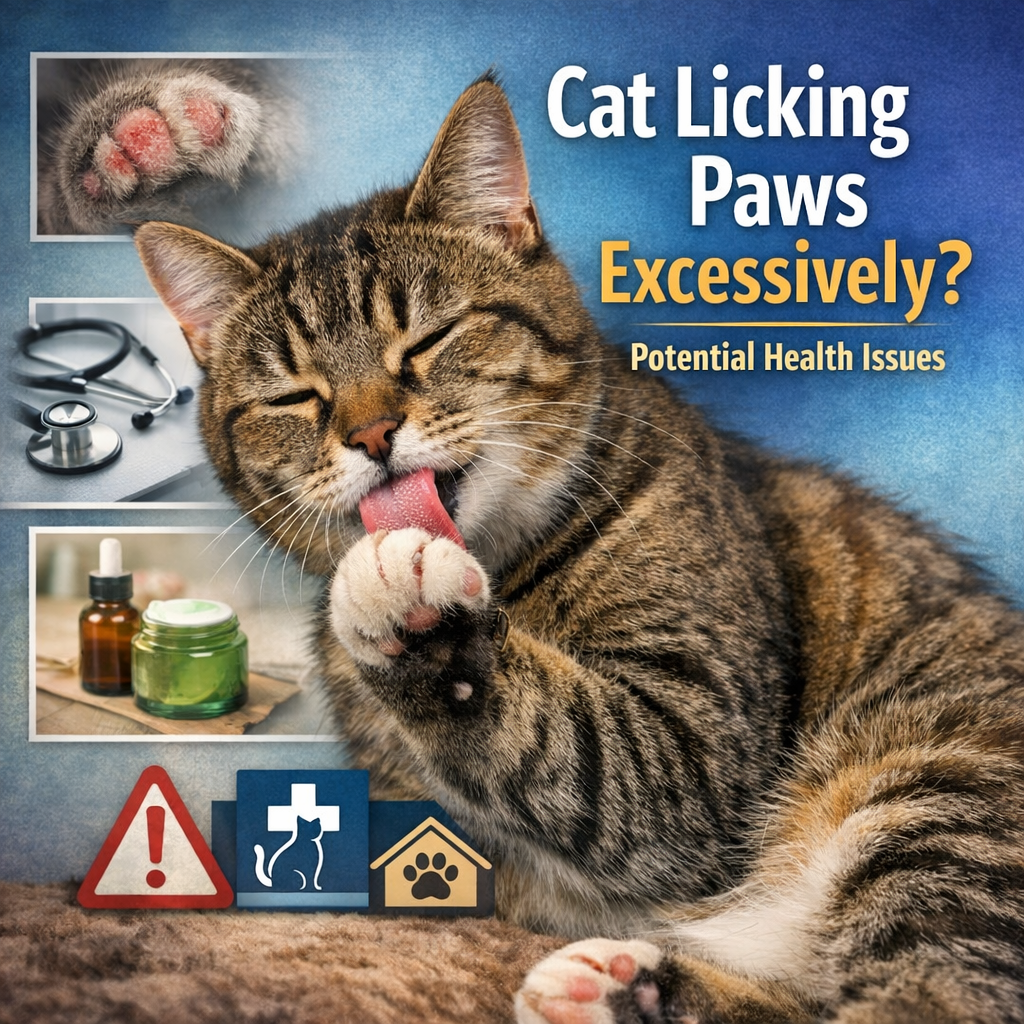
Cat Licking Paws Excessively: What It Could Mean for Your Cat
If you notice your cat licking its paws more than usual, you’re not alone. Excessive paw licking can signal health or behavioral issues, not just a habit—and because cats often mask discomfort, it helps to understand why subtle signs matter (see Why Cats Hide Pain: The Importance of Routine Exams). Here’s how to understand the causes, signs to watch for, and practical steps you can take.
Concrete examples and practical steps
Example: A house cat that suddenly starts licking paws after a change in litter brand may be reacting to skin irritation from scented litter. Action: switch to unscented, dust-free litter and monitor for improvement over 7 days.
Step by step approach: keep a brief diary noting when licking starts, duration, paw color, and any other symptoms (this pairs well with a weekly home health check). This helps differentiate transient irritation from a deeper issue.
Data point: studies show that up to 40 percent of chronic licking cases in cats have an allergic component, often linked to environmental triggers or diet.
Edge case: seasonal paw licking that improves outside of peak pollen months suggests environmental allergies, not a skin infection. Reassess when seasons shift.
Tip: take high-quality photos of any paw redness, swelling, or lesions. Images help veterinarians triage and monitor progress between visits.
Causes to consider
Several factors commonly drive paw licking in cats, including allergies, infections, injuries, parasites, and stress. Fleas or other parasites can trigger itching and lead to persistent licking. Allergies may be tied to foods, pollen, mold, or household cleaners, causing uncomfortable skin and paw irritation.
Medical conditions like bacterial, fungal, or yeast infections can cause itching and discomfort, prompting cats to lick paws excessively. Injuries or irritations to the paws themselves can also be a source of constant grooming. Environmental changes or boredom can heighten stress and trigger displacement grooming, where licking becomes a coping behavior (see Why Do Cats Groom So Much? 8 Scientific Reasons).
Behavioral and psychological factors
Stress, anxiety, or changes in the home environment can turn into habitual licking. If your cat’s routine, surroundings, or social dynamics shift, the behavior may persist even after the initial trigger is gone. Behavioral management and enrichment often help reduce these habits when medical issues have been ruled out.
When to suspect a medical issue
Look for signs beyond paw licking such as hair loss, skin redness, lesions, or persistent skin infections. Changes in appetite or energy, or new signs like limping or swelling around the paws, warrant a veterinary check.
Caveat: licking can mask pain from arthritis in older cats. A full physical and gait assessment may reveal discomfort in joints rather than skin alone.
Why a veterinary examination matters
A thorough exam helps distinguish medical causes from behavioral ones. A vet can diagnose infections, allergies, or injuries and recommend appropriate treatments such as antibiotics for infections or antihistamines or special diets for allergies.
Practical note: prepare a short history for the vet. Include recent foods, new cleaners, travel, and any pets at home that could spread parasites.
Key steps for owners
- Observe and document when licking starts, how long it lasts, and any accompanying signs like hair loss or itching elsewhere.
- Check for visible paw injuries, redness, or swelling and inspect the environment for possible allergens or irritants.
- Schedule a veterinary appointment if licking is persistent, worsening, or paired with other concerning symptoms.
- Work with your veterinarian on a plan that may include parasite prevention, allergy management, topical treatments, or environmental changes.
How to support your cat at home
- Provide environmental enrichment to reduce stress, such as interactive toys and regular play sessions.
- Maintain a consistent routine with feeding times, play, and quiet time.
- Use hypoallergenic or vet-approved diets if allergies are suspected, and avoid household cleaners that irritate paws.
- Keep up with parasite prevention as recommended by your veterinarian.
Bella Gatti US Shop can help you source cat-safe products, from gentle cleansers to enrichment toys, as you navigate this process. If you’re in Terre Haute, IN or near Brown Veterinary Hospital, consider reaching out to your local veterinary team for guidance tailored to your cat’s needs. For immediate questions about paw licking concerns, contact veterinary professionals such as Pamela Perry, D.V.M., or a trusted local clinic like the Cornell Feline Health Center for reference information and expert advice.
In sum, excessive paw licking can signal anything from a simple itch to a serious health issue. A prompt veterinary exam helps identify the cause and guides effective treatment, so your cat can get back to comfortable grooming without discomfort.
Introduction
Why paw licking can signal health concerns
Paw licking in cats can be a simple grooming habit or a sign of something deeper. When it becomes excessive, it may point to allergies, infections, skin irritation, or pain in a paw or limb. Obsessive grooming can lead to skin damage or infection if left unchecked.
Several underlying issues can drive this behavior:
- Allergies to foods or environmental triggers like pollen, mold, or household cleaners
- Parasites or skin infections
- Pain from injuries or joint problems
- Dermatological conditions and hotspots
- Stress or boredom that manifests as grooming
How this article helps readers recognize when to seek care
We outline clear signs that warrant veterinary evaluation and explain what to expect during a visit. You’ll also find practical steps you can take at home while investigating the cause.
Key takeaways:
- Know when paw licking signals an urgent issue
- Learn what tests veterinarians may perform
- Discover initial home care and monitoring strategies
Expert Insight
“Excessive paw licking usually signals discomfort, stress, or a medical issue such as allergies, skin infections, parasites, or pain, and warrants a veterinary evaluation to identify the underlying cause and appropriate treatment.” , Veterinary Expert
1. Common Causes of Excessive Paw Licking in Cats
Allergies and irritants (food, environmental factors)
Allergies often drive paw licking. For example, a cat might lick after a new fish-based treat or exposure to seasonal pollen during spring walks. Look for itchy paws, redness, or localized skin changes on the pads or between toes.
- Food triggers commonly involve proteins such as beef, fish, or poultry
- Environmental culprits include pollen spikes, mold, dust, or scented cleaners
- Household products like laundry detergents can irritate sensitive paws
Practical steps: track your cat’s meals and daily environment for 2-4 weeks to spot patterns. Swap to a hypoallergenic diet under veterinary guidance and use fragrance-free cleaners. Bella Gatti US Shop offers pet-safe cleaning products that minimize irritation.
Parasites and skin infections
Fleas, mites, and yeast overgrowth can trigger constant licking. A minor itch can escalate into visible lesions if scratched persistently.
- Visible itching with small red bumps may appear on paws or legs
- Focal hair loss, crusting, or a greasy sheen can signal infection
- Swollen or warm-to-the-touch paw pads suggest inflammation
How to act: perform a gentle combing check for fleas, use vet-approved spot treatments, and seek a skin scrape or culture if infection is suspected. Start with a clean environment and regular grooming to reduce debris that fosters irritation.
Pain and injuries in paw or limb
Pain from injuries or conditions like sprains can prompt licking as a soothing reflex. This behavior may hide orthopedic problems or soft tissue damage.
- Nail bed injuries, splitting, or splinters
- Arthritis, tendinopathy, or sprains affecting mobility
- Trauma from rough floors, jumping gaps, or missteps
Actionable steps: assess gait for limping, trim nails cautiously, and provide padded bedding. If pain is suspected, schedule a vet visit promptly for imaging or a tactile exam.
Dermatological conditions and hot spots
Localized itch from dermatologic issues or hot spots can lead to focused paw licking. A moist, inflamed, or crusty patch may be present.
- Contact dermatitis from plants, chemicals, or fabrics
- Fungal or bacterial skin infections
- Chronic dermatologic diseases that increase itch risk
Practical care: keep the coat dry after baths, avoid known irritants, and apply topical vet-approved medicated creams only as directed. Quick intervention limits spread and speeds healing.
Stress, anxiety, and behavioral factors
Stressful environments or boredom can drive excessive grooming. Licking becomes a coping mechanism even when a physical cause isn’t clear.
- Routine changes or travel disruptions
- Low enrichment, limited play, or insufficient vertical space
- Separation anxiety or confinement distress
Strategy: create a predictable routine, add interactive toys, and provide safe hiding spots. If behavior persists, consider a vet- or behaviorist-guided plan, with Bella Gatti US Shop resources to support enrichment.
| Category | What to look for | When to consult a vet |
|---|---|---|
| Allergies | Itchy paws, redness, swelling | If symptoms persist despite home care |
| Parasites/Infection | Visible irritation, crusting, odor | Urgent if spreading or fever |
| Pain/Injury | Limping, reluctance to bear weight | Prompt evaluation advised |
| Dermatology/Hot spots | Moist, crusty patches | Controls needed to prevent spread |
| Stress/Behavior | Grooming without clear irritation | Behavioral assessment recommended |
2. When to See a Veterinarian
Signs that require urgent evaluation
If your cat has sudden ataxia, swelling, or a fever alongside paw licking, seek veterinary care promptly. Rapidly spreading redness, severe pain, or signs of systemic illness demand immediate assessment.
- Persistent or worsening swelling of the paw
- Vocalizing in pain when the paw is touched
- Non-healing wounds or crusting that spreads
- Fever, lethargy, loss of appetite
What a vet will check during a visit
A veterinarian conducts a focused exam to identify root causes. Expect assessment of skin health, nail and paw pad integrity, and overall body condition that could accompany paw licking.
- External inspection for wounds, parasites, and dermatitis
- Assessment of mobility and limb use
- Evaluation of the cat’s overall health and weight
What tests might be recommended (skin scraping, allergy testing, etc.)
Tests help pinpoint the underlying issue and guide treatment. Your vet may propose:
- Skin scraping to check for mites or fungi
- Skin cytology to identify bacteria or yeast
- Allergy testing to identify food or environmental triggers
- Biopsy for persistent, unusual lesions
3. Home Care and Management While Investigating Causes
Gentle paw inspection and cleaning routines
Start with a calm, thorough check of each paw. Look for swelling, redness, or foreign objects. If your cat tolerates it, trim around the nails to reduce snagging from irritated skin.
Clean crusts or debris with a mild, veterinary-approved solution. Avoid harsh chemicals and avoid soaks that can dry the skin or sting. Dry thoroughly to prevent damp, warm environments that invite bacteria and infections.
Real world tip: perform inspections after outdoor play or before meals when your cat is more cooperative. For trim safety, use a kitten nail clipper in small increments and reward with a treat to reduce stress.
Environmental modifications to reduce allergens
Keep windows closed during peak pollen times and use HEPA filters where possible. Vacuum regularly to remove dust, dander, and mold spores. Choose fragrance-free cleaners and avoid scented products around your cat.
Limit access to known irritants such as certain plants, fabrics, or new laundry detergents. Create a quiet, enriched space to reduce stress that can exacerbate grooming behaviors like paw licking.
Practical step: rotate fabrics and bedding monthly to minimize trapped dust. If you notice a flare after a detergent switch, revert to your previous brand and introduce samples gradually to gauge tolerance.
Safe topical products and what to avoid
Pick products labeled for cats and approved by a veterinarian. Apply sparingly to affected areas and monitor for irritation. Do not use human medications without veterinary guidance.
Avoid strong alcohol-based sanitizers, heavy oils, or scented balms that can worsen licking or cause additional reactions.
Bella Gatti US Shop tip: choose a vet-approved paw balm with soothing ingredients like colloidal oatmeal or ceramides, and apply a thin layer after cleaning to lock in moisture.
Monitoring and recording symptoms for your vet
Keep a daily log of paw status, licking frequency, and any new signs such as limping or changes in appetite. Note environmental changes, diet tweaks, and new products introduced at home.
Photograph the paws periodically to track progression or improvement. Share observations with your veterinary team to refine diagnosis and treatment decisions.
Expert Insight
“Pododermatitis in cats underscores how paw inflammation reflects broader allergic and dermatologic processes, and effective management rests on addressing the underlying trigger, from allergens to parasites, while minimizing irritants and stress to reduce self-trauma.” , Industry Expert
4. Treatment Options for Common Causes
Allergy management strategies (diet trials, medications)
Allergies remain a common driver of paw licking. Start with identifying triggers and reducing exposure. Diet trials can reveal food related reactions, while environmental adjustments lessen overall irritation. Any medications should be used under veterinary guidance.
- Elimination diet trials to test for food allergies
- Environmental control to minimize pollen, mold, and household cleaners exposure
- Topical or systemic medications as prescribed by a veterinarian
Parasite control and infectious disease management
Parasites and infections fuel itch and paw licking. Addressing these issues helps stop the itch‑scratch cycle and protects the skin. Regular parasite prevention and targeted therapies are essential.
- Parasite prevention products suitable for cats
- Topical antifungals or antibacterials when infections are present
- Follow up exams to confirm clearance and adjust plans
Dermatology based treatments and skin healing
Dermatology focused care supports the skin barrier and inflammatory conditions. Healing protocols promote recovery and reduce recurrence of hotspots or rashes.
- Medicated shampoos or spot applications for affected areas
- Barrier supporting moisturizers formulated for feline skin
- Controlled exposure to allergens under supervision to limit flare ups
Pain management and mobility support
When pain drives licking, alleviating discomfort is key. Pain relief and mobility aids can improve quality of life and reduce self grooming.
- Analgesics prescribed by a vet for short or long term use
- Joint support supplements or physical therapy recommendations
- Activity modification to protect sore limbs during recovery
Expert Insight
“Allergies in cats cannot generally be cured but are managed through diet, environmental control, and targeted care, with pain and discomfort addressed by veterinary guidance.” , Industry Analyst
5. Preventive Tips to Minimize Paw Licking
Regular grooming and nail care
Regular grooming helps you spot issues early and reduces irritants that cling to the fur. Focus on gentle brushing, especially after outdoor time. Trim nails carefully to prevent snagging that can worsen paw irritation.
Establish a routine so your cat remains comfortable during each session. Use feline-safe tools and keep sessions short to minimize stress that could trigger grooming behaviors.
Household allergy minimization
Control indoor allergens by using fragrance-free cleaners and maintaining low dust levels. Run a HEPA filter and vacuum regularly to reduce pollen and dander. Keep windows closed during peak pollen seasons to limit exposure.
Consider hypoallergenic litter and washable bedding. If you notice reactions after introducing new products, pause use and assess potential irritants with your veterinarian.
Early signs to watch for and routine wellness checks
Document subtle changes such as brief increases in licking bouts, redness on paws, or slight swelling. Early detection supports faster guidance from your veterinary team.
Schedule routine wellness visits and keep a note of any dietary or environmental changes between appointments. A proactive approach helps prevent flare-ups and supports long-term paw health.
FAQ
What parasites cause overgrooming in cats?
Parasites are a common trigger for itchiness that can lead to paw licking. Mites, fleas, and other skin parasites can irritate paws and prompt excessive grooming. If you notice persistent licking, your vet should examine for signs of infestation and suggest appropriate treatments. Regular parasite prevention helps reduce this risk.
What can I give my cat for overgrooming?
Do not give human medications to your cat. Your veterinarian may recommend antihistamines, anti inflammatory medications, or topical therapies tailored to your cat. In some cases, addressing the underlying cause with diet changes or parasite control is part of the plan.
How long does it take for a treatment to work?
Response times vary by cause and treatment. Some cats improve within days of starting therapy, while others may need several weeks to reach full relief. Regular follow up with your veterinary team helps adjust the plan as needed.
Conclusion
Key takeaways and next steps
Excessive paw licking in cats can indicate a range of issues from environmental allergies to infections. Start with careful observation, noting when licking spikes and watching for redness, swelling, hair loss, or sores. Share these details with your veterinarian to guide next steps.
Maintain a calm, clean home and establish a straightforward paw check routine. Short, regular checks and simple at‑home steps can help you and your vet narrow down likely causes more efficiently.
Encouragement to seek professional guidance
If paw licking persists, a veterinary evaluation is important. If medical causes are ruled out, you may also find 7 Signs Your House Cat Is Bored and Solutions helpful for addressing boredom-related grooming. For more context on other signs that may point to an underlying issue, see Common Cat Health Problems and Symptoms. A clinician can assess skin health, screen for allergies, and rule out infections or injuries.
Brown Veterinary Hospital in Terre Haute, IN, is available to discuss concerns. You can reach our team at 812-645-0715 or request an appointment to review your cat’s paw health and tailor a treatment plan. Our clinicians help translate symptoms into actionable steps for relief.
References
- Why Is My Cat Licking Its Paws? Understanding Causes and Solutions
- Cats that Lick Too Much | Cornell University College of Veterinary …
- Excessive Paw Licking In Cats | Causes and Solutions – Pet Assure
- Paws and Purrs: The Importance of Feline Paw Health and Care
- Cat Overgrooming: Why Is My Cat Licking Itself So Much? | PetMD