



-
-
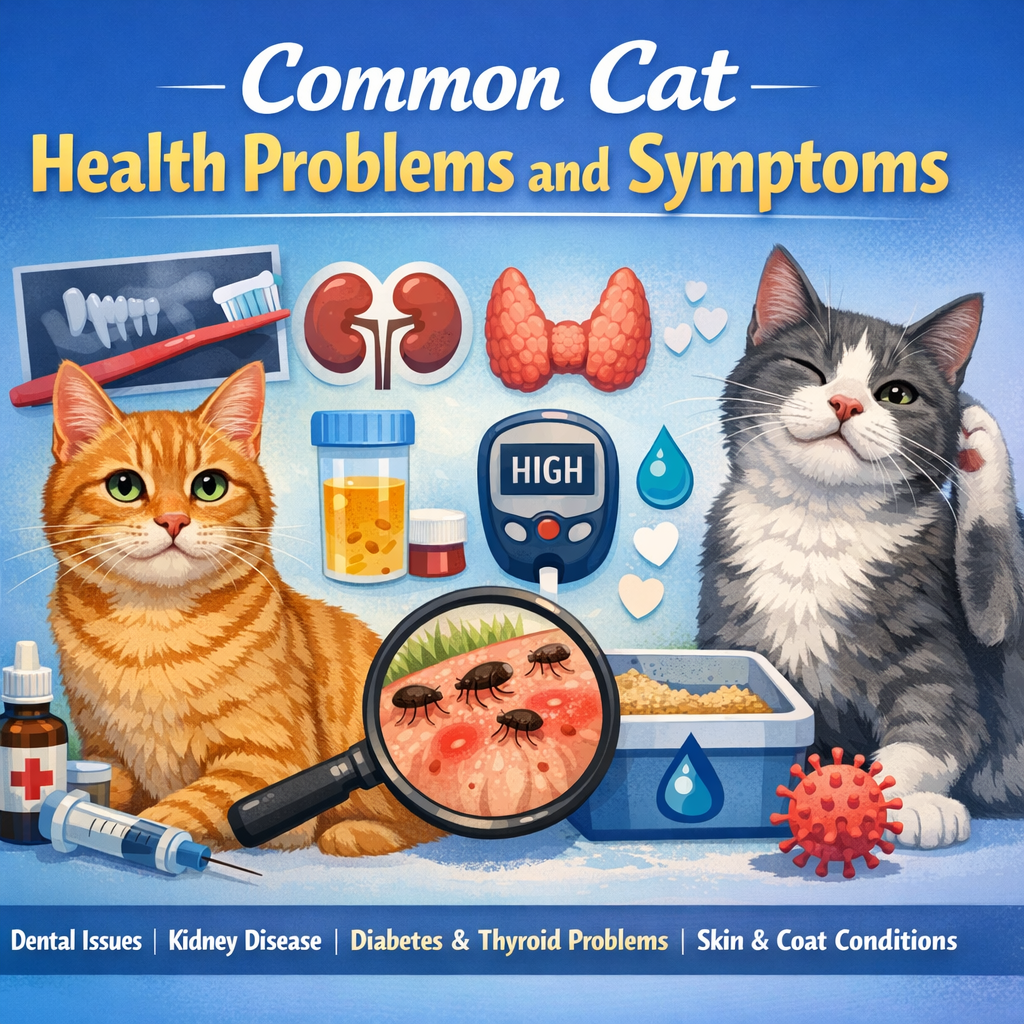
- The guide highlights common cat health issues (dental disease, CKD, hyperthyroidism, diabetes, FLUTD, infectious diseases, skin/coat problems) and their early signs, risk factors, and home-care Prevention strategies.
- It emphasizes regular veterinary checkups, proactive monitoring of appetite, thirst, weight, litter box habits, and coat/skin changes to catch problems early.
- Practical steps include daily dental care, weight and fluid monitoring, stress reduction, proper vaccination, and having a home first-aid plan and emergency contacts.
-
Table of Contents
Expert Insight
“Cats commonly show signs of illness through subtle changes in behavior and function, such as dental disease, urinary issues, or weight changes, and owners should seek veterinary care promptly when these signs appear.” , Industry Expert
Introduction
Purpose of the guide
Cats are cherished family members, and their health matters to you. This guide helps you recognize common cat health problems early by outlining typical signs and practical steps. It emphasizes what to watch for and what actions to take to support your cat’s wellbeing.
How to use this article for cat care
Use this as a reference alongside regular vet checkups. It highlights conditions commonly seen in cats and the symptoms you should not ignore.
-
-
- Keep an eye on changes in appetite, thirst, urination, weight, and behavior.
- Note any unusual skin, coat, or mouth issues and address them promptly.
- Discuss concerns with your veterinarian, especially regarding digestive and urinary issues, and ask about screening suited to your cat’s age and risk factors.
-
1. Dental Disease in Cats
Signs of dental disease
Dental issues often hide behind quiet behavior. Watch for trouble during meals or when brushing teeth. Common signs include bad breath, red or swollen gums, and difficulty chewing. You may notice drooling, pawing at the mouth, or avoiding dental contact with toys.
Behavioral changes can accompany pain. Your cat might become irritable, less active, or show a decrease in self-grooming. Some cats hide discomfort by retreating to quiet spots or avoiding contact with people or other pets.
Why it matters for overall health
Oral health affects more than the mouth. Bacteria from tooth decay can enter the bloodstream and impact organs such as the heart and kidneys. Left untreated, dental disease can contribute to weight loss and reduced quality of life.
Early dental problems can progress to infections or abscesses. Regular dental checks help catch issues before they cause systemic effects or require more invasive treatment.
Prevention and early treatment
Establish a routine that includes daily brushing with feline-approved toothpaste. Use regular veterinary cleanings to remove tartar and assess gum health.
-
-
- Provide dental treats or toys approved by your vet to promote chewing and cleaning.
- Monitor for changes in appetite or chewing patterns and seek guidance if signs appear.
- Discuss a care plan that suits senior cats or those with prior dental issues.
-
Note: Antibiotics may be used in cases of infection as directed by a veterinarian. Regular checkups remain essential for maintaining feline health and preventing complications tied to dental disease.
2. Kidney Disease (CKD) in Cats
Impact on health and quality of life
Kidney function loss leads to toxin buildup in the blood, appetite fluctuations, and fatigue. Hydration status and weight changes directly affect comfort and mobility.
As CKD progresses, you may need adjustments to diet, fluids, and medications to maintain quality of life and activity levels for as long as possible.
3. Hyperthyroidism in Cats
Common symptoms
Hyperthyroidism typically brings increased energy and weight loss. You may also see a rising appetite with thirst and urination, fast or irregular heartbeats, and restlessness. Some cats vomit, have diarrhea, or show a poorer coat despite seeming busy.
Behavior changes are common as well. Look for louder vocalization, heightened startle responses to noises, or difficulty settling. In older cats, signs can be subtler, so routine checks matter.
Risk factors and screening
Age is a major factor, especially in senior cats. There isn’t a single cause, but environmental influences and genetics may contribute. Regular thyroid screening helps catch the condition before symptoms escalate.
Screening usually includes blood tests to measure thyroid hormone levels and evaluate kidney function, since thyroid changes can affect other organs. Your veterinarian may suggest baseline testing during wellness visits for at risk cats.
Treatment options
Treatment aims to control hormone production and stabilize body systems. Options include medication, dietary management, and procedures. The best approach depends on your cat’s overall health, age, and lifestyle.
-
-
- Antithyroid drugs taken daily to reduce hormone production, with regular blood tests to monitor effectiveness and potential side effects.
- Dietary therapy focusing on low iodine intake to limit hormone synthesis, paired with periodic weight and energy checks.
- Definitive therapies such as surgical thyroid removal or radioactive iodine in select cases, typically after a full health assessment.
-
4. Diabetes Mellitus in Cats
Indications of diabetes
Diabetes in cats often presents with increased thirst and urination, weight loss despite a steady appetite, and sometimes a rise in appetite as weight falls. Some cats may have sugar in the urine or become unusually tired as the condition progresses.
Daily management
Managing diabetes relies on a consistent routine and careful monitoring. Feed at roughly the same times each day to stabilize blood sugar. Your veterinarian may prescribe insulin therapy or other medications, and you’ll likely track glucose at home under guidance.
-
-
- Choose a consistent, weight-appropriate diet as advised by your vet
- Weigh your cat weekly and monitor water intake to spot early changes
- Maintain a med and meal log for quick veterinary review
-
Common complications
Poorly controlled diabetes can lead to dehydration, muscle wasting, and vision changes. Recurrent infections and long-term high blood glucose may affect organ function. Regular vet follow-ups help prevent or delay these issues, and early signs like frequent urination should prompt a check.
5. Lower Urinary Tract Diseases (FLUTD/FIC)
When to seek care
Call your veterinarian if you notice urinary distress or blood in the urine. A check is needed to rule out infections, stones, or structural issues.
Get urgent care for blocked bladder signs such as continuous crying, inability to urinate, or firm abdomen. Early treatment improves outcomes, and Bella Gatti US Shop can help you choose appropriate urinary health products.
6. Infectious Diseases and Upper Respiratory Infections
Symptoms and contagiousness
Cats with infectious diseases often show nasal discharge, coughing, sneezing, or eye discharge. You may also notice fever, reduced appetite, or lethargy. Some cats have only subtle changes, so regular checks help you catch signs early.
Many infections spread easily between cats, especially in multi‑cat homes or shelters. Cats can shed viruses before symptoms appear, enabling transmission through shared spaces and objects.
Prevention and vaccination
-
-
- Follow your veterinarian on core vaccines to reduce the risk of severe illness and ongoing spread.
- Minimize stress, keep litter boxes clean, and avoid overcrowding to support immune health.
- Isolate new or visibly sick cats for 2 to 3 weeks and sanitize bowls, bedding, and toys to curb transmission.
-
What to do if exposed
-
-
- Monitor for coughing, nasal discharge, or reduced appetite in the 2 to 4 weeks after exposure.
- Call your veterinarian if signs appear, especially for unvaccinated or immunocompromised cats or if the cat is a kitten.
- Follow your vet’s plan for testing, treatment, and isolation to protect other pets and prevent outbreaks in the home.
-
7. Skin and Coat Problems (Feline Acne, Dermatitis)
Common skin issues
Cats can develop a range of skin problems, from feline acne to dermatitis. Look for itching, redness, small scabs, and irritation around the chin, lips, and ears. Recurrent skin issues may signal underlying conditions like allergies, parasites, or hormonal imbalances. Watch for skin lesions, unusual hair loss, or persistent scratching. A sudden flare after a new food or litter often points to an allergy.
Grooming and home care
Regular grooming helps catch issues early and reduces irritation. Use a soft brush and ask your vet before bathing. Keep the home clean and free of irritants, and note any outbreaks after changes in shampoo, litter, or bedding. Do daily chin and facial checks to spot problems early. If you notice crusts around the lips after a bath, rinse thoroughly and dry the area to prevent further irritation.
-
-
- Inspect the chin and facial area daily for bumps, discharge, or crusts.
- Avoid scratching by trimming nails and offering safe distractions.
- Provide a balanced diet to support skin health if advised by your vet.
-
When antibiotics or veterinary care are needed
Antibiotics or prescription meds are not routine for every skin issue. Seek veterinary guidance if redness, swelling, pus, or the condition spreads. A vet can identify causes such as bacterial or fungal infections or dermatitis and tailor treatment. Early veterinary advice helps, especially if signs could indicate systemic issues.
FAQ
Here are concise answers to common questions about cat health and symptoms.
-
-
- What counts as a normal temperature for a cat? A typical range is about 38.0 to 39.0 degrees Celsius. If your cat feels unusually warm or cold, or if you notice a persistent fever, contact your veterinarian. For home care, use a digital rectal thermometer with petroleum jelly and record the reading, then share it with your vet.
- How can I tell if my cat has kidney issues? Look for increased thirst, more frequent urination, weight loss, and reduced appetite. Sudden lethargy or vomiting can also indicate kidney problems, including potential chronic kidney disease. If you notice these signs, ask your vet about a blood panel and urine tests, and track water intake over 24 hours.
- When should I worry about dental disease? Bad breath, drooling, trouble eating, or swelling around the face warrant veterinary evaluation. Early dental care helps prevent more serious health issues. Consider a dental preventive plan with your clinic, including brushing and tartar control treats as recommended by your vet.
- Is obesity a health risk for cats? Yes. Overweight cats face higher risks for diabetes mellitus type II, liver problems, and joint disease. Work with a vet to set a safe weight loss plan, typically 1-2% of body weight per week, and adjust calories based on activity level.
- How important are vaccines? Vaccines reduce the risk of serious infectious diseases. Core vaccines are typically recommended based on age and exposure risk by your veterinarian. Bella Gatti US Shop can help you locate a local clinic and supply age-appropriate vaccination schedules.
- What should I do if my cat stops eating? Loss of appetite can signal many conditions. Monitor for other symptoms and seek veterinary care promptly, especially in senior cats. Try offering easily digestible options and a warm, appealing feeding environment while arranging a vet visit.
- What about common cat diseases like FIP or FeLV? Feline Infectious Peritonitis (FIP) is most common in young cats and those in high-density environments; symptoms include weight loss, lethargy, depression, and fever. Feline Leukemia Virus (FeLV) affects a small percentage of cats in the U.S. and increases cancer and blood disorder risks. Always consult a vet if you notice concerning signs or changes in behavior.
- How do I recognize urinary tract issues? Signs such as frequent urination, straining, blood in the urine, or vocalizing during urination may indicate lower urinary tract disease. If you see these signs, seek veterinary care promptly.
- Is CKD common in senior cats? Yes. Chronic Kidney Disease tends to appear in older cats and can involve increased thirst, urination, and weight loss. Early detection and management by a veterinarian can help slow progression. Regular blood work and urine tests during senior exams are key.
-
Expert Insight
“CKD is very common in older cats; early signs can be subtle, but early detection and comprehensive monitoring, urine protein testing, phosphorus, electrolytes, bicarbonate, and blood pressure, greatly improve long-term outcomes.” , Industry Expert
Conclusion
Cat health requires consistent attention. Early detection and timely action help keep your feline companion comfortable and thriving.
Understanding common cat diseases and their signs helps you spot trouble early and seek care before issues escalate. Regular vet visits, a balanced diet, and a stable home support long-term well being. Stay attentive to changes in appetite, litter box patterns, coat condition, and energy levels.
-
-
- Keep a simple health log: track weight, water intake, urination patterns, and any new signs you notice.
- Prioritize routine dental checks and preventive care as part of annual wellness.
- Discuss vaccination and screening plans with your veterinarian, especially for senior cats.
-
Rapid changes deserve professional input. If you notice persistent signs such as excessive thirst, weight loss, vomiting, or behavioral shifts, contact a veterinarian promptly to tailor a care plan for your cat.
Practical steps you can take this month
-
-
-
- Set a weekly 10-minute grooming and health check to spot skin or coat issues early.
- Use a measuring cup to monitor daily water intake for a week and note any spikes.
- Create a simple home-first-aid plan with emergency numbers and the nearest 24/7 clinic.
-
-
We at Bella Gatti US Shop keep your cat in mind as you browse our cat themed graphic tees. Our approach blends practical pet health awareness with a touch of playful style, so you can enjoy both quality basics and designs that celebrate feline friends.
References
- 25 Most Common Cat Diseases, Parasites & Health Problems
- Common Cat Diseases & Symptoms | My Best Friend Veterinary …
- Common and Contagious Cat Illnesses & Diseases | Thousand Oaks
- Serious Cat Health Problems: Early Warning Signs Pet Owners Must …
- Common Cat Illnesses | Our Helpful Guide – Cats Protection