



- Cats deliberately hide pain; regular wellness exams and baseline testing help detect subtle health changes early, improving comfort and outcomes.
- Routine exams assess weight, organ function, dental health, and behavior; indoor cats need preventive care just as much as outdoor cats.
- An age- and life-stage based plan (more frequent for seniors, regular for adults) plus at-home health tracking supports proactive prevention and reduces invasive treatments.
- Why Cats Hide Pain and Why Routine Exams Matter
- Introduction
- 1. The Cat’s Pain-Dulling Survival Strategy
- 2. What Routine Exams Look For
- 3. Early Detection Saves More Than Money
- 4. Age-Driven Exam Planning
- 5. Indoor Cats Still Need Wellness Exams
- 6. What to Expect During a Wellness Exam
- 7. Building a Proactive Health Plan
- FAQ
- Conclusion
- Baseline blood work and parasite prevention are commonly discussed components
- Vaccinations can be integrated into a broader wellness plan
- Weight monitoring during visits helps prevent obesity-related problems
- Behavior shifts can be subtle: less grooming, hiding, or changes in activity
- Changes in appetite or sleep patterns may signal hidden issues
- Weight drift over weeks matters, even if the cat seems fine
- Weigh your cat monthly and note fluctuations that exceed 2-3% of baseline
- Offer consistent feeding times and monitor for picky eating or sudden shifts
- Provide enrichment to reduce stress related behavior changes
- Body condition score to track weight trends
- Heart and lung auscultation for murmurs or fluid buildup
- Oral health evaluation to detect dental disease early
- Musculoskeletal assessment for arthritis or stiffness
- Blood work to screen organ function and overall health
- Urinalysis to assess kidney health and hydration status
- Parasite screening and vaccination status alignment
- Adjustments to diet or supplements based on trends
- Kidney health indicators that drift quietly can prompt dietary tweaks or medications before full failure sets in
- Dental screenings reveal decay, tartar buildup, and gum inflammation that you might miss at home
- Thyroid screening detects hyper or hypothyroidism, which can drive weight and energy changes without obvious symptoms
- Adult cats: annual baseline wellness exam
- Senior cats: every 6 months for closer monitoring
- Adjust timing based on individual risk factors or existing conditions
- New or worsening symptoms such as appetite, weight, or behavior changes
- Chronic conditions like kidney disease or thyroid issues requiring closer follow up
- Recent surgeries or dental procedures needing post procedure monitoring
- Watch for drooling after meals or consistently foul breath as early red flags
- Ask your vet about a preventive cleaning schedule and at-home brushing routines
- Use a dental chew or gel recommended by your veterinarian to maintain baseline oral health
- Record monthly weights to identify gradual increases
- Adjust portions during seasonal activity changes or new enrichment routines
- Incorporate interactive feeders or puzzle toys to boost daily calories burned
- Baseline health profile guides future visits
- Nutrition, activity, and environment discussed for risk reduction
- Customized schedule for vaccines, tests, and preventives
- Document weight and body condition scores at home and during visits
- Note changes in appetite, water intake, and litter box habits
- Record energy levels, sleep patterns, and grooming frequency
- Track environmental factors such as new diets or stressors
- Use a weekly weight log and keep a photo record to compare coat condition
- Maintain a shared note of behavior changes or routine shifts
- Weigh food portions and monitor intake relative to activity level
- Set up a simple symptom diary for any new behaviors or discomfort
- Pair weight data with a monthly mini health check, including coat shine and hydration cues
- Photograph litter box changes weekly to spot subtle urinary issues
- Introduce sensory checkpoints, like reaction to new textures or sounds
- Baseline data from routine exams establish clear reference points for future health checks
- Early detection often means less invasive treatments and smoother recoveries
- A structured wellness plan reduces surprises and supports long term comfort, including dental care and vaccination planning
Table of Contents
Why Cats Hide Pain and Why Routine Exams Matter
Cats are experts at masking pain, a survival trait that can hide illness until it’s advanced. Routine wellness exams help catch problems early and keep your cat comfortable.
During a wellness exam, a veterinarian can spot signs you might miss at home. Early kidney disease, dental issues, thyroid problems, and other concerns can progress quietly. Regular checks create a baseline through blood work, urinalysis, and a careful physical exam, helping you stay ahead of costly complications.
What happens during a routine exam
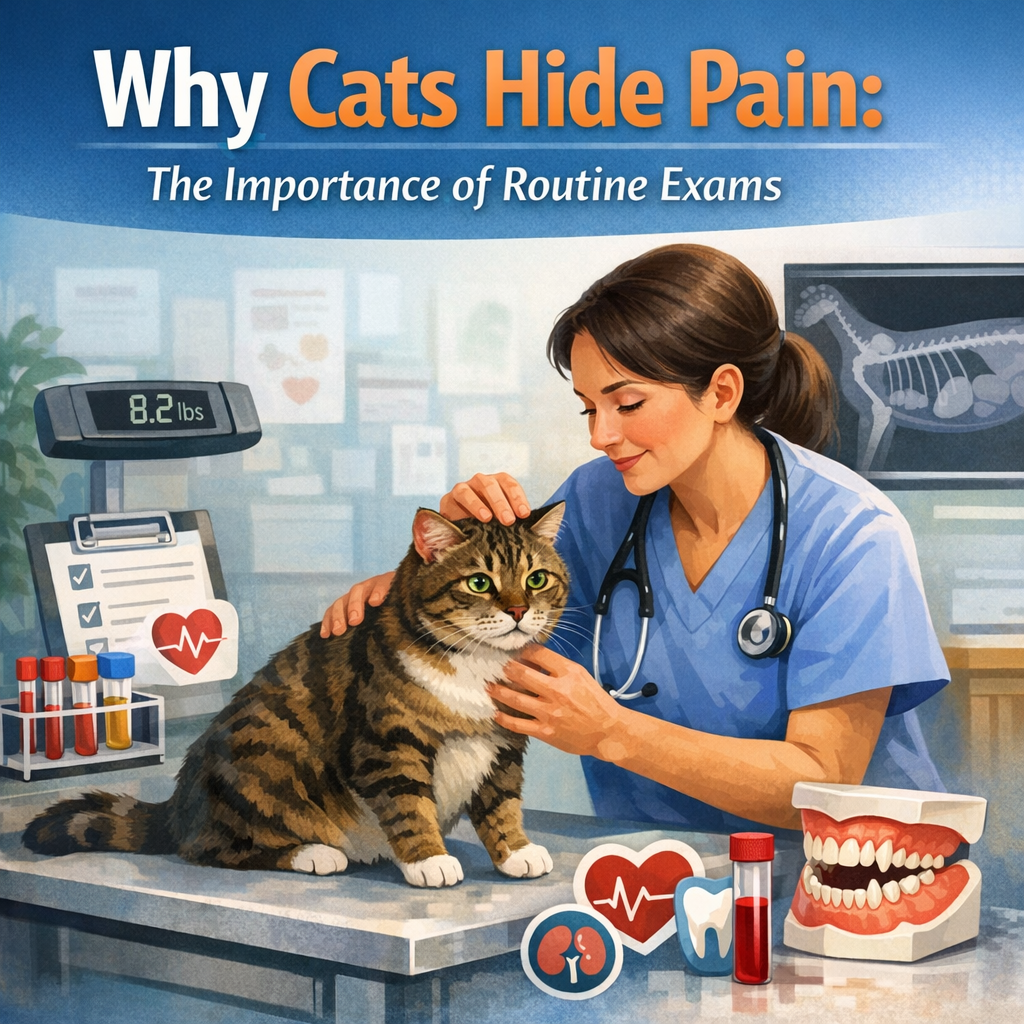
A typical visit includes weighing, eye and ear checks, dental inspection, coat condition, and a hands-on assessment of internal organs. Your vet reviews behavior, appetite, and water intake, then discusses preventive care. Blood tests and urinalysis flag issues before symptoms appear, especially as cats age.
Example: if a 9-year-old cat has slightly elevated thyroid hormones, the vet can start a low-dose plan before weight changes or hyperactivity become obvious.
How often to schedule visits
Frequency depends on age and health status. For most cats, an annual wellness check serves as a solid baseline. Kittens require more frequent visits, often every 3-4 weeks until about six months old. Seniors and cats with preexisting conditions benefit from biannual exams for early detection and ongoing management.
set a recurring reminder after your cat’s birthday and align it with dental cleanings or parasite prevention with your Bella Gatti US Shop supplies for seamless care.
Indoor cats and common concerns
Indoor cats aren’t exempt from risk. Dental disease, obesity, hyperthyroidism, and kidney disease can develop quietly. By age 3, many cats show signs of dental disease, which can affect organs like the kidneys and heart if left untreated. Regular wellness exams, weight monitoring, and targeted preventive care help keep these risks in check.
Edge case: a normally quiet cat with subtle appetite changes may signal early kidney issues. Don’t ignore slight weight drift or increased urination after a move or changes in environment.
Preventive care essentials
Preventive care extends beyond the exam room. Vaccinations, parasite prevention, and blood work guidance are part of maintaining cat health. Even indoor cats can benefit from vaccines and a standard preventive plan to guard against diseases that can sneak in without obvious symptoms.
Practical steps: schedule vaccines and blood tests on the same visit when possible, and use Bella Gatti US Shop to stock preventives and care supplies for a cohesive plan.
Why routine exams matter
Scheduling routine exams is an act of care that pays off in fewer urgent visits, clearer spotting of subtle changes, and a longer, healthier life for your feline companion.
Introduction
Understanding the invisible nature of cat pain
Cats mask discomfort as a survival mechanism, so subtle changes in daily routines can signal trouble before you see a physical symptom. Tracking shifts in activity, grooming, and displays other behavioral signs indicating pain or discomfort helps you catch issues early.
Regular wellness care creates a health baseline your vet can rely on. With consistent data, they can spot small changes in weight, coat condition, or energy that may indicate problems such as kidney disease, dental disease, or thyroid issues.
Why routine exams matter for lifelong health
Wellness visits focus on prevention as much as treatment. An exam paired with targeted tests can reveal kidney disease or dental disease before symptoms appear, potentially reducing emergency care later.
A proactive plan lessens invasive procedures and stress for your cat. Ongoing care supports long term feline health and helps you keep your cat comfortable at home.
What happens during a routine wellness exam
A typical visit includes weight checks, eye and ear assessments, dental inspection, coat evaluation, and listening to the heart and lungs. The vet may discuss hydration, appetite, and behavior as part of daily care.
Bloodwork and urinalysis establish baselines and flag early warnings. In cats, these tests commonly screen for kidney function, dental health, and thyroid status, sometimes before appetite or activity changes become obvious.
Key benefits of regular wellness exams
Regular exams support prevention and early detection, enabling you to address issues before they worsen. They also guide practical plans for nutrition, dental care, grooming, and enrichment.
Common elements in a wellness plan include bloodwork, parasite prevention, and vaccinations aligned with a broader strategy. Weight tracking during visits helps prevent obesity and supports cardiovascular and metabolic health through ongoing monitoring.
1. The Cat’s Pain-Dulling Survival Strategy
Why cats mask discomfort
Cats evolved to hide signs of pain as a survival tactic. Showing vulnerability can invite threats in the wild, so many symptoms stay quiet until a condition is advanced.
This instinct means you might miss early warning cues at home. Regular wellness exams help reveal subtle changes you can’t see day to day.
Common illnesses that hide behind quiet behavior
Several conditions progress without obvious signs until they become noticeable or serious. Early detection through routine exams helps catch these before they escalate.
| Condition | Why it hides | What to watch |
|---|---|---|
| Kidney disease | Symptoms may be subtle and nonspecific early on | Changes in drinking, urination, or weight |
| Dental disease | Pain may be localized; cats often avoid showing discomfort | Difficulty eating, drooling, bad breath |
| Thyroid issues | Overt signs can be gradual with time | Weight changes, increased vocalization, hyperactivity |
The role of routine wellness exams in early detection
Regular wellness exams provide a health baseline and help veterinarians spot subtle shifts in weight, coat, energy, and behavior that indicate hidden problems.
Early detection through routine wellness care supports cat health care goals like kidney disease prevention, dental care, and thyroid issue management. By catching problems early, you may reduce invasive procedures and costs over the long term.
What to expect during a routine wellness exam
A standard wellness visit typically includes a weight check and physical assessment of eyes, ears, teeth, coat, heart, and lungs. The veterinarian may palpate internal organs and discuss behavior and environment.
Diagnostic tests often accompany the exam, including bloodwork and urinalysis, to establish a true health baseline. Parasite prevention and vaccination status are reviewed to keep your cat on track for preventive care.
Practical steps for proactive indoor cats
Track subtle changes by keeping a simple daily log of activity, appetite, litter box use, and grooming. Share this with your Bella Gatti US Shop veterinarian during wellness visits.
Frequent questions about indoor cats and early signs
Indoor cats can hide problems just as easily as outdoor cats. Common red flags include changes in energy, appetite, or litter box habits, and subtle shifts in weight or coat condition. If you notice any of these, schedule a wellness exam promptly.
Key conditions and why routine care matters
Understanding the typical conditions that often go unnoticed helps you stay proactive. For example, early kidney disease, dental disease, and thyroid issues can progress with few obvious symptoms. Regular wellness exams provide the time and tests needed to detect these issues early, supporting ongoing cat health care and overall wellness.
Evidence-based notes to keep in mind
Evidence from veterinary care emphasizes the value of routine checkups, bloodwork, and urinalysis as baselines for aging cats and for early warning signs. Regular exams paired with preventive care keep your cat healthier longer and support weight management, dental health, and dietary planning.
2. What Routine Exams Look For
Physical assessment beyond the surface
A wellness exam reveals clues your pet owner can miss at home. A thorough check catches subtle shifts in function that predict issues before they escalate.
Practically, expect the vet to note weight stability, coat sheen, clear breathing, and flexible joints. For example, a breath sound change may precede fluid buildup, and a stiff gait can hint at early arthritis.
Baseline tests and why they matter over time
Think of baseline tests as a medical compass that marks health at a given age. They set reference points so you can spot deviations later.
Regular repeats highlight trends rather than single numbers, guiding timely changes in care.
Expert Insight
“Early detection through routine wellness exams is the most effective way to preserve a pet’s quality of life, catching subtle changes in weight, behavior, and oral or organ health before they escalate into costly, invasive problems.” , Industry Analyst
3. Early Detection Saves More Than Money
Catching kidney, dental, and thyroid issues early
Cats hide illness, so routine wellness exams are non negotiable. Early kidney disease, dental disease, and thyroid issues often progress silently, with few obvious signs.
Share baseline data from blood work and screenings with your vet to spot subtle shifts in kidney function, oral health, and metabolic balance long before behavior changes appear.
Reducing invasive treatments through timely care
Early action often means simpler, less invasive options and a smoother recovery path. Catching issues early helps you avoid aggressive therapies later.
Regular checkups support quality of life and can reduce the need for surgeries or intensive treatments, especially when you align care with preventive products from Bella Gatti US Shop.
4. Age-Driven Exam Planning
Frequency by life stage: adult, senior
Plan smartly around your cat’s aging process. Adults benefit from a baseline wellness check that tracks subtle shifts over time. For many cats, annual exams help you stay ahead on health trends and care decisions.
Seniors deserve closer oversight. Biannual exams enable earlier detection of age-related changes and support proactive adjustments in diet, activity, and preventive care. Regular visits help monitor weight, dental health, and cardiovascular and kidney function as aging progresses.
When to consider more frequent checkups
Several scenarios justify additional visits even for younger cats. Proactive monitoring can catch issues before they escalate.
Collaborate with your veterinarian to tailor a plan that fits your cat’s health trajectory. Bella Gatti US Shop resources can support preventive strategies during visits, with regular wellness exams offering timely care as needs evolve.
5. Indoor Cats Still Need Wellness Exams
Risks unique to indoor living
You can still miss warning signs when your cat never goes outside. Indoor living can mask early problems because exposure to pathogens is lower, delaying detection. Stress, obesity, and urinary issues often emerge without obvious triggers, unless you track changes.
Start with a routine wellness check each 6-12 months to establish a health baseline for weight, behavior, and activity. Use this baseline to notice subtle shifts and adjust preventive care, nutrition, and enrichment accordingly, with Bella Gatti US Shop product picks to support daily wellness.
Dental care
Dental disease is common in indoor cats and can progress quietly. A wellness exam assesses bite alignment, tartar buildup, and gum health, which influence appetite and comfort.
Obesity and weight management
Indoor cats gain weight more easily without ample play. Wellness exams monitor body condition scores and guide dietary tweaks to reduce related risks.
Age-related concerns indoors
Even with limited outdoor exposure, aging brings arthritis, thyroid changes, and metabolic shifts. Regular blood work and targeted screenings help catch these changes early and plan care accordingly.
| Aspect | Indoor Cat Focus | Routine Exam Benefit |
|---|---|---|
| Dental health | Often overlooked | Early detection and management |
| Weight management | Higher risk of obesity | Baseline tracking and adjustments |
| Age-related disease | Slower symptom cues | Timely intervention planning |
6. What to Expect During a Wellness Exam
What the vet checks: teeth, heart, weight, coat, eyes
A wellness exam provides a comprehensive baseline. The vet assesses movement, breathing, and overall body condition to detect subtle shifts that suggest underlying issues.
Expect attention to dental health, heart and lung function, skin and coat quality, and eye clarity. These touchpoints help guide preventive care and early intervention strategies.
Vaccinations, blood work, parasite prevention guidance
Vaccine planning is tailored to your cat’s age, lifestyle, and exposure risk. Core vaccines are reviewed, with targeted additions as needed.
Routine panels typically include blood work and urinalysis to assess kidney function, thyroid status, and metabolism before symptoms appear. Parasite prevention is aligned with local risk factors and exposure history.
7. Building a Proactive Health Plan
Creating a baseline health profile
A baseline profile captures your cat’s normal values and habits. This snapshot guides future comparisons and helps your vet notice subtle shifts early. Establish it through comprehensive notes on weight, activity, appetite, coat, and stress triggers.
Start with a simple record set you update at each visit. Over time, trends become clearer and inform personalized care decisions. A well-documented profile supports smoother veterinary care and more precise recommendations.
How to track changes at home between visits
Regular home monitoring complements veterinary checks. Simple, consistent records accelerate detection of deviations from baseline.
Practical steps for Bella Gatti US Shop readers
Use a dedicated notebook or app to centralize data. Include timestamps and context for notable changes.
FAQ
How often should my cat have a wellness exam?
Most cats benefit from a wellness exam at least once a year. Senior cats, those over eight years old, may need biannual visits to catch age related changes sooner. Regular exams establish a health baseline you can compare against over time and support ongoing cat health care.
What signs indicate I should book an exam sooner?
Reach out early if you notice sudden changes in appetite, weight, or litter box habits. Look for shifts in energy, grooming, or coat condition. Subtle signs like coughing, trouble breathing, or limping also warrant prompt veterinary care. If you’re ever unsure, a quick check with your vet is a wise move for early detection.
Expert Insight
“Regular, comprehensive wellness testing, combining CBC, biochemistry, urinalysis, thyroid testing, and blood pressure, allows us to detect hidden diseases early in senior cats and tailor care before they show symptoms.” , Veterinary Wellness Expert
Conclusion
Cats hide pain by design, but routine wellness exams provide a clear view of their health over time. Regular visits help you catch subtle shifts before they become urgent concerns.
Pairing exams with an at home health log supports early awareness of changes in weight, energy, or behavior. This collaborative approach with your veterinarian enables timely care and targeted prevention.
Expert Insight
“Baseline data from routine exams enables precise future comparisons; early detection supports less invasive treatments and smoother recoveries; a planned wellness program reduces surprises and supports long-term comfort.” , Industry Analyst
References
- Why Every Cat Needs Routine Vet Checkups – Cat Care Society
- Why Cats Need Annual Exams (Even If They Never Go Outside)
- Pets Hide Pain Well, That’s Why Routine Exams Matter More Than …
- Why Are Routine Exams and Checkups Important for Cats and Dogs?
- Cats hide pain, regular checkups are important – Facebook