


Table of Contents
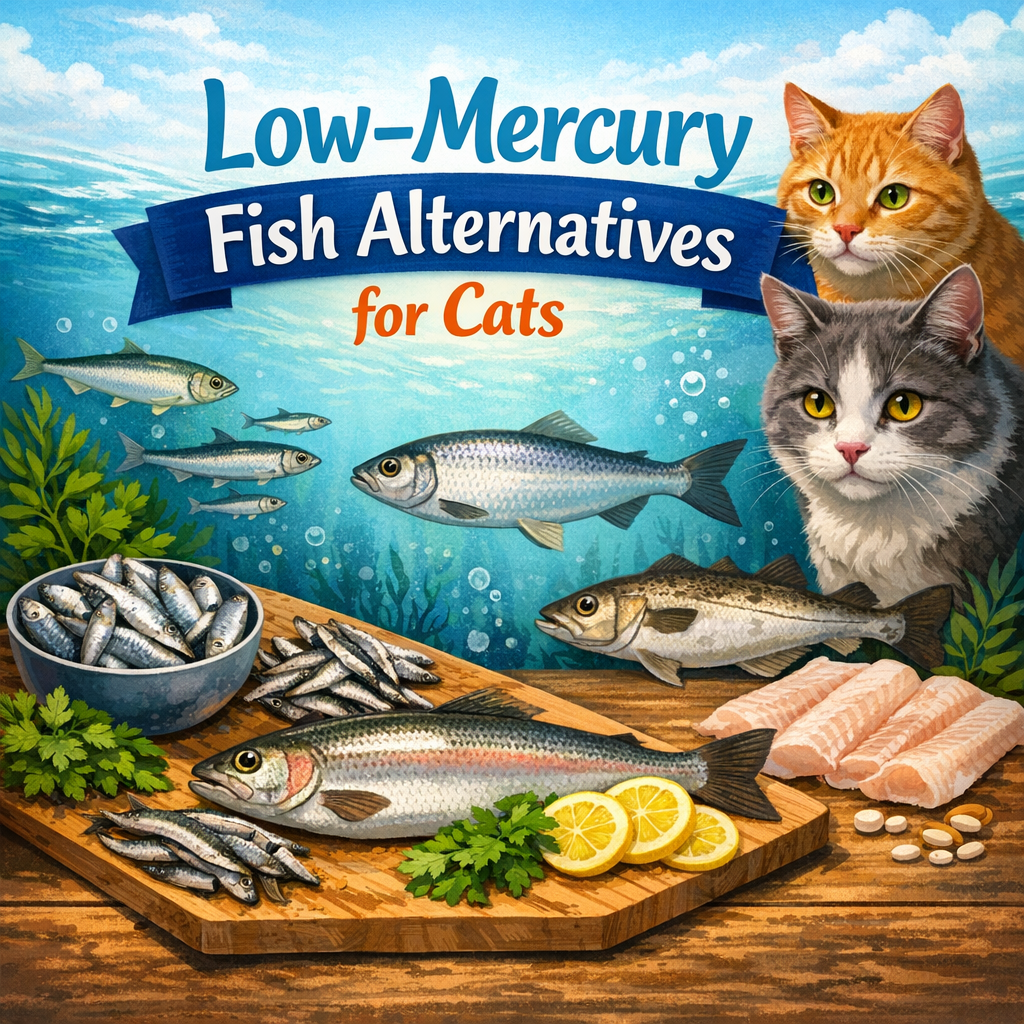
- Low-Mercury Fish Alternatives for Cats
- Introduction
- 1. Sardines: Tiny Fish, Big Benefits
- 2. Anchovies: Small but Mighty
- 3. Herring: A Salmon-Lighter Option
- 4. Trout: Freshwater Choice with Low Mercury
- 5. Pollock: Common and Gentle on the System
- 6. Cod and Haddock: Whitefish Options
- 7. Shrimp and Other Shellfish: Occasional Treats
- FAQ
- Conclusion
Low-Mercury Fish Alternatives for Cats
Important note: fish can be a healthy part of a cat’s diet for many cats, thanks to omega-3 fatty acids that support skin and coat health, joints, and immune function. However, fish should not be the sole protein source. Cats are obligate carnivores, so variety matters and fish-free diets should emphasize animal proteins like chicken, turkey, and beef when possible. Use fish as a tasty, occasional addition rather than a daily staple.
Introduction
For obligate carnivores, the focus should be on high-quality protein with balanced fats and nutrients. We favor options that support skin and coat health, immune function, and joint health without overloading mercury.
1. Sardines: Tiny Fish, Big Benefits
Sardines are small, oil-rich fish that can fit neatly into a low-mercury feeding plan. Their compact size and rapid life cycle typically translate to lower contaminant loads while delivering essential nutrients your cat needs.
Mercury levels and nutritional profile
Compared with larger ocean fish, sardines generally carry lower mercury levels, making them a safer option for regular or occasional meals. They offer high-quality animal protein and a natural source of omega-3 fatty acids, which support skin, coat health and joint comfort. Sardines also provide calcium and vitamin D in edible bones when served whole, contributing to bone health as part of a balanced diet.
- High in protein and omega-3s
- Natural calcium from edible bones
- Lower mercury profile than larger species
Serving tips and portion guidelines
Introduce sardines gradually to monitor tolerance and digestion. Choose boneless varieties when possible or mash bones finely to ease feeding. Use as a protein supplement or mix with a single-protein cat food to maintain variety without compromising safety.
- Offer small servings, about a teaspoon for a typical adult cat, mixed into meals
- Limit to a few times per week as part of a varied protein plan
- Avoid added salt or oil when preparing at home
Practical tips for Bella Gatti US Shop customers
When selecting sardines at Bella Gatti US Shop, look for brands that can certify minimal added ingredients and responsibly sourced fish. For picky eaters, try mashing sardines into a pate with a small amount of water to improve texture and aroma. If your cat has a history of urinary issues, pair sardines with a balanced dry diet and ensure plenty of fresh water.
- Choose sardines packed in water or olive oil with no added salt
- Start with 1/2 teaspoon and watch for any digestive upset
- Rotate with other protein sources to maintain nutrient balance
2. Anchovies: Small but Mighty
Mercury considerations and omega-3 content
Anchovies offer a compact, nutrient-dense option with a typically lower mercury footprint than larger finfish. Their brief life cycle helps keep contaminant levels manageable while providing essential nutrients that support skin and coat health. They also deliver lean protein to diversify a meat based diet without overloading mercury.
- Rich in omega-3 fatty acids that benefit skin and coat
- Lean protein source for variety in meals
- Often easy to digest for many cats
How to introduce anchovies safely
Begin with a small portion to test tolerance. Opt for anchovies packed in water or oil with no added salt and rinse if feasible before feeding.
- Use as an occasional topper or mix into a single protein cat food to test compatibility
- Limit to a few servings per week as part of a varied menu
- Monitor for sensitivity or allergies, particularly if your cat is on a fish-light plan
Expert Insight
“Anchovies are a small, nutrient-rich fish whose omega-3s, selenium, and protein support heart, thyroid, and eye health, while also offering a lean protein option, yet their high sodium content and processing methods require mindful serving as a healthy treat for cats or meals for people.” , Industry Analyst
3. Herring: A Salmon-Lighter Option
Mercury comparison with other fish
Herring sits between small, low-mercury species and larger ocean fish. It tends to carry less mercury than many longer-lived options, while still offering robust nutrition and omega-3 fats that support skin and coat health.
- Rich in EPA and DHA for immune and joint support
- Provides essential minerals that complement a meat-based diet
Serving ideas for cats
Incorporate herring as a regular yet moderate part of a varied protein plan. Use it to add flavor and texture without overwhelming other proteins.
- Offer small flakes mixed into a single-protein cat food
- Pair with responsibly raised chicken for balanced amino acids
- Aim for occasional use rather than daily to maintain variety
4. Trout: Freshwater Choice with Low Mercury
Mercury levels and nutritional benefits
Trout from well managed freshwater systems tends to have lower mercury levels than many saltwater options. This lean fish provides high quality protein and a balanced fatty acid profile that supports skin and coat health as well as joint comfort.
- Good source of lean protein for a meat based diet
- Omega-3 fatty acids help with inflammatory support and immune function
- Contains essential minerals that complement overall feline nutrition
Best preparations for cats
Prepare trout in ways that preserve nutrients and minimize added fats or salt. Gentle cooking methods improve digestibility and flavor.
- Offer fresh, flaked trout as a portion within a single protein or mixed meat plan
- Avoid high fat additions; keep prep simple with lightly steamed or baked flesh
- Use as an occasional mix in rather than a daily staple to maintain variety
5. Pollock: Common and Gentle on the System
Mercury content and protein quality
Pollock remains a reliable whitefish option with a favorable mercury profile compared with larger species. It provides a moderate protein punch that fits a meat based diet without adding unnecessary calories.
- Lean protein source suitable for variety in feline meals
- Balanced fatty acids that support overall health
- Typically lower contaminant load than larger ocean fish
Practical feeding tips
Use pollock as part of a diverse protein plan. Start with small portions to gauge tolerance and adjust frequency based on your cat’s response.
- Mix with other single-protein options to maintain interest
- Aim for occasional use rather than daily reliance
- Choose preparation that preserves natural flavors without added salt
6. Cod and Haddock: Whitefish Options
Mercury levels and selenium balance
Cod and haddock offer a low mercury profile among whitefish and bring selenium to the table, which can help balance exposure in a varied diet. They pair well with meat based meals without adding extra calories.
- Lean protein sources that support a varied protein plan
- Selenium content that may aid antioxidant defense
- Mild flavors that mix smoothly with other single protein options
How to include in a balanced diet
Use cod or haddock as measured portions within a broader meals plan and avoid daily reliance. Choose preparation methods that preserve texture and nutrients while limiting salt.
- Mix flakes into a single protein mixture to maintain variety
- Pair with chicken or venison to diversify amino acid profiles
- Use occasional servings rather than consistent daily use
Expert Insight
“The concern isn’t just mercury levels , it’s the balance between selenium and mercury, and almost all ocean fish have more selenium than mercury, which helps protect against mercury’s harm.” , Industry Expert
7. Shrimp and Other Shellfish: Occasional Treats
Mercury considerations and safe preparation
Shrimp and other shellfish are generally lower in mercury than larger fin fish, but they can accumulate contaminants with frequent feeding. Prepare shellfish without added salt, butter, or seasoning, and remove shells to minimize choking and digestion concerns.
- Offer as an occasional treat rather than a staple protein
- Choose fresh or frozen options labeled as wild-caught or responsibly sourced
- Avoid shellfish with sauces that add sodium or onion powder
Frequency and portion guidance
Use shellfish sparingly to complement a meat-based diet. Monitor for intolerance such as digestive upset or skin reactions, and adjust accordingly. Maintain variety with other single-protein options to support balanced nutrition.
- Limit to once every 1-2 weeks for most cats
- Offer small portions that fit within the cat’s daily calorie target
- Pair with a primary protein like Open Farm Harvest Chicken Rustic Blend or another single-protein option
FAQ
What is the safest fish for cats?
Safest does not mean zero risk. Smaller, short-lived species tend to carry lower mercury levels and are gentler on digestion. Always prioritize well cooked, plain fish with bones removed and consult your veterinarian if your cat has a fish allergy or a sensitive stomach.
Rotate small fish like sardines, haddock, and pollock to reduce exposure to any single contaminant and to support a varied protein intake.
How often can I feed low-mercury fish to my cat?
Treat low mercury fish as an occasional option within a varied, meat based diet. Monitor tolerance and adjust frequency based on overall health, weight, and activity level.
Aim for limited fish days, couple them with other protein sources, and track weight every 2-4 weeks to catch changes early.
What are signs of mercury exposure in cats?
Look for changes in energy, tremors, behavioral shifts, or impaired coordination. Digestive upset or coat changes can also occur. If you notice signs, reduce fish intake and consult a vet promptly.
Older cats or those with neurological concerns may show milder symptoms; closer monitoring and adjusted portions are warranted.
Should I supplement with fish oil if I feed low-mercury fish?
Fish oil can help with omega 3 intake, but use should align with your cat’s overall diet and veterinary guidance. Avoid excessive dosing and choose cat-specific formulations to prevent gut or bleeding issues.
Choose a stable product with a dosing chart, start at the low end, and adjust over 2-3 weeks based on tolerance and any skin or coat improvements.
Expert Insight
“Based on our results, I would encourage pet owners to avoid or minimize the feeding of fish-based foods to their pets to mitigate potential risks related to chronic mercury exposure.” , Industry Expert (pet nutrition/regulatory research interpretation)
Conclusion
Key takeaways for selecting low-mercury options
Choose small, short-lived fish to minimize mercury exposure while supplying essential nutrients. For example, canned sardines can be a practical option when you need an easy, fuss-free protein source. Prioritize plain, well-cooked preparations with no added salt or seasonings. Focus on single-protein options to simplify monitoring of digestion and allergies, especially if your cat shows sensitivity to multi-ingredient meals.
- Prefer fish varieties first described as low-mercury in guidance from reputable sources
- Aim for occasional servings rather than daily consumption to curb cumulative exposure
- Ensure bones are fully removed and textures suit your cat’s chewing needs
Creating a balanced, cat-approved plan
Mix fish-free proteins with meat-based staples to cover essential amino acids and energy needs. Start with a simple weekly rotation: sardines one day, pollock two days, cod on another, then repeat. Use a rotating selection of proteins to reduce dietary monotony and support immune and coat health. Prioritize antioxidant-rich foods and maintain hydration as part of the plan.
| Protein source | Role in diet | Serving approach |
|---|---|---|
| Sardines | Omega-3 support and lean protein | Small portions, occasional |
| Pollock | Gentle on digestion, versatile | Mix with other proteins |
| Cod/Haddock | Low mercury balance with selenium | Measured, non-daily |