




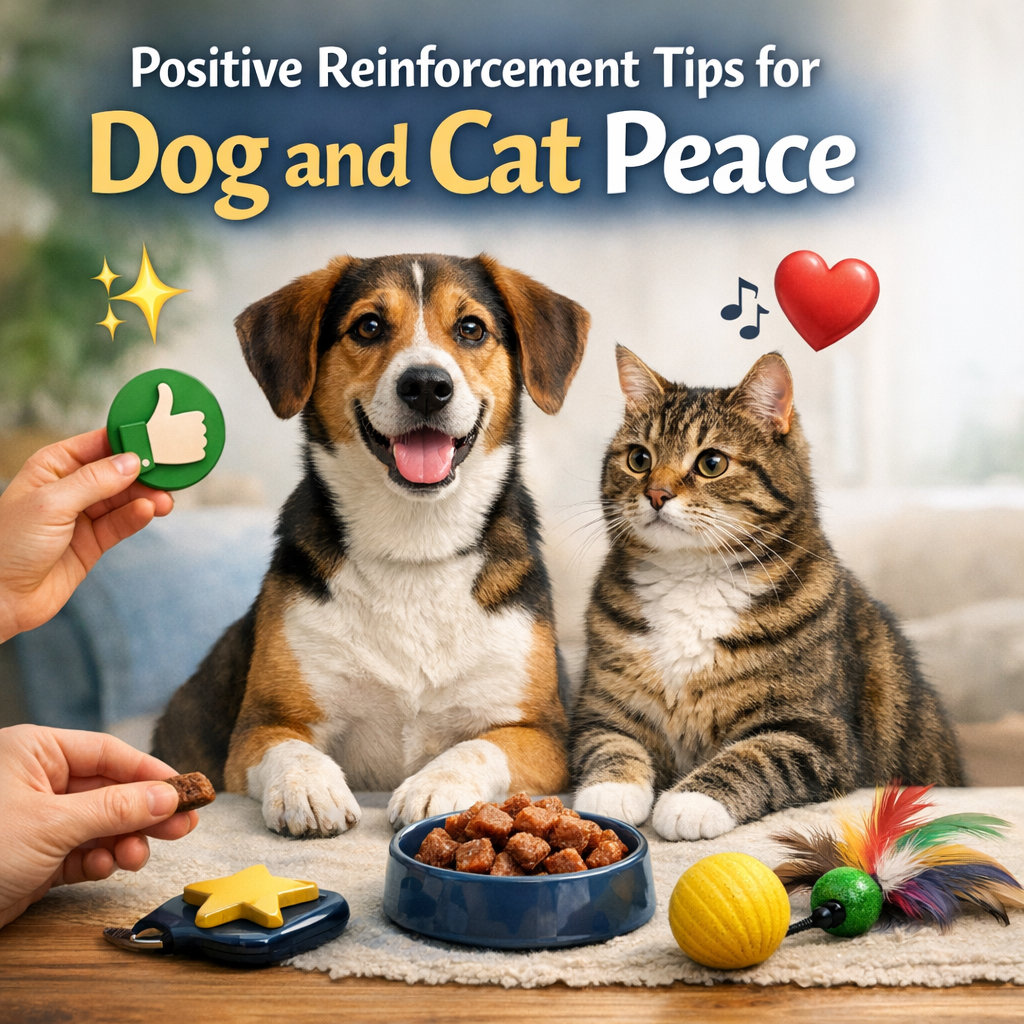
- Prioritize Positive Reinforcement: Use immediate rewards like high-value treats, praise, and play to encourage desired behaviors in both dogs and cats, fostering a bond based on trust rather than fear.
- Master Timing and Consistency: Deliver rewards within seconds of good behavior to ensure pets make the correct association, and ensure all household members follow the same rules to avoid confusion and stress.
- Safe Introductions: Use gradual techniques such as scent exchange and physical barriers (like baby gates) to prevent predatory aggression and allow pets to acclimate at their own pace.
- Avoid Punishment: Eschew negative methods like scruff shakes or alpha rolls, which increase anxiety and risk of injury; instead, transition to intermittent reinforcement once behaviors are reliably learned for long-term harmony.
Table of Contents
- Positive Reinforcement for Dog and Cat Peace
- The Core Principles of Positive Reinforcement Pet Training
- Importance of Timing and Reward Based Training Methods
- Consistency in Reinforcement Across Household Members
- Types of Treats and Rewards Used in Training
- Applications of Positive Reinforcement for Dogs and Cats
- Gradual Reduction of Treats and Intermittent Reinforcement
- Avoidance of Punishment and Negative Methods
- Managing the Multi Pet Household Environment
- Core Principles of Positive Reinforcement for Pet Training
- The Importance of Timing and Consistency
- Effective Rewards for Canine Feline Socialization
- Transitioning to Intermittent Reinforcement
- Prioritizing Animal Welfare and Professional Guidance
- Types of Rewards for Training Success
- Applications for Both Dogs and Cats
- Gradual Reduction of Treats and Intermittent Reinforcement
- Avoidance of Punishment and Negative Methods
- Introducing Dogs and Cats Safely
- Frequently Asked Questions About Dog and Cat Harmony
- Core Principles of Positive Reinforcement in Pet Training
- The Importance of Timing Your Rewards
- Consistency in Reinforcement Across Household Members
- Types of Rewards Used in Training
- Applications of Positive Reinforcement for Dogs and Cats
- Gradual Reduction of Treats and Intermittent Reinforcement
- Avoidance of Punishment and Negative Methods
Positive Reinforcement for Dog and Cat Peace
Creating a harmonious home for both dogs and cats is the ultimate goal for many pet owners. While popular culture suggests they are natural enemies, modern behavioral science proves otherwise.
By using positive reinforcement, you can guide your pets toward a peaceful coexistence. This method focuses on rewarding the behaviors you want to see rather than punishing the ones you do not.
Success comes down to patience, timing, and a lot of tasty treats. Let us dive into how you can transform your living room from a battlefield into a sanctuary of mutual respect.
The Core Principles of Positive Reinforcement Pet Training
Positive reinforcement is rooted in rewarding good behavior immediately after it occurs, which leads to more effective and humane training. This approach creates a stronger bond and better long term behavior between species.
Experts at the Western Veterinary Center Medical and Surgical Hospital agree that positive reinforcement and addressing the root cause are the gold standard. By focusing on animal kindness, you help your pets associate each other with good things like food and praise.
Modern Positive Reinforcement Pet Training has long been considered the most effective way to manage a multi pet household. It builds pet trust and reduces the need for outdated, forceful corrections.
Importance of Timing and Reward Based Training Methods
In the world of animal behavior, timing is everything. Rewards should be given immediately after the desired behavior for pets to effectively associate the reward with the action.
If your dog looks at the cat and remains calm, a treat must land in their mouth within seconds. This increases the likelihood of repetition and solidifies the lesson in their mind.
Correct timing is crucial for success in reward based training methods. If you wait too long, your pet might think they are being rewarded for something else entirely, like scratching their ear.
Consistency in Reinforcement Across Household Members
Consistent rewarding of desired behaviors by everyone in the household prevents confusion. If you reward the dog for sitting but your partner lets them chase the cat, the training will fail.
Inconsistent responses can undermine training efforts, as mentioned across multiple sources. Everyone in the family must be on the same page regarding behavioral reinforcement rules.
Whether you are browsing training tips on Google or sharing progress on Facebook, remember that a united front is key. Clear pet communication starts with a consistent message from every human in the house.
Types of Treats and Rewards Used in Training
Rewards include treats, praise, petting, toys, or playtime. Mixing rewards maintains engagement and motivation for pets, keeping them excited about the learning process.
High value pet treats are often the best motivator for difficult tasks like canine feline socialization. Think small pieces of chicken or specialized training snacks that your pets crave.
Using different types of positive feedback ensures that your pets do not get bored. A quick belly rub or a toss of a favorite toy can be just as effective as a biscuit in the right moment.
Applications of Positive Reinforcement for Dogs and Cats
While primarily discussed for dogs, pet trainers state that cats also respond well to positive reinforcement techniques. Cats are highly motivated by food treats, praise, and interactive play.
This makes the method versatile for managing both sides of the friendship. You can reward your cat for staying relaxed on a perch while the dog passes by, fostering a sense of pet safety.
Animal welfare organizations, such as the Friends of Havelock Animal Control, advocate for these gentle training methods. They work for kittens, puppies, and even senior pets.
Gradual Reduction of Treats and Intermittent Reinforcement
Once behaviors are reliably learned, trainers recommend reducing treat frequency gradually. This is known as intermittent reinforcement, which keeps pets motivated without the risk of overfeeding.
By rewarding occasionally rather than every single time, the behavior becomes more deeply ingrained. Your pets will continue to behave well in hopes that the next reward is just around the corner.
This transition is a vital part of behavioral modification for pets. It ensures that your dog and cat maintain their manners even when you do not have a pocket full of snacks.
Avoidance of Punishment and Negative Methods
Punitive methods like scruff shakes, alpha rolls, or physical punishment can lead to bites and long term negative effects. These tactics increase pet anxiety and stress, which is the opposite of what you want.
Emphasizing positive techniques is essential for peace and safety. Negative methods often trigger predatory aggression in dogs or cause cats to hide in fear, breaking the bond of trust.
Choosing animal kindness over conflict is the best way to prevent behavioral issues. A happy home is built on mutual respect and veterinary medical care, not on fear or intimidation.
Managing the Multi Pet Household Environment
Using technology like Chrome, Firefox, or Edge to research interspecies communication can provide great insights. You can even find helpful videos on your Samsung device to see these techniques in action.
Understanding animal body language interpretation is a massive part of reducing pet anxiety. Watch for stiff tails or pinned ears, which are signs of stress or over excitement during introductions.
Techniques like desensitization through scent exchange can help bridge the gap. By swapping bedding, you allow your pets to get used to each other’s smell before they ever meet face to face.
Ultimately, the goal is pet bonding and long term harmony. With the right approach to animal welfare and control, your dog and cat can become the best of friends, or at least very peaceful roommates.
Core Principles of Positive Reinforcement for Pet Training
Positive reinforcement is rooted in rewarding good behavior immediately after it occurs. This leads to more effective and humane training compared to older, fear based methods that often damage the bond you share with your pets.
Studies show that reward based training methods create a stronger bond and better long term behavior. When your pet associates a specific action with a pleasant outcome, they are much more likely to repeat that action naturally.
Positive reinforcement training has long been considered the most effective and humane method by experts at the Western Veterinary Center Medical and Surgical Hospital. It builds pet trust and reduces the stress of learning new rules in a multi pet household.
The Importance of Timing and Rewarding Good Behavior
Correct timing is crucial for success in positive reinforcement training. You must provide the reward within seconds of the desired action so your dog or cat makes a clear connection between the behavior and the treat.
If you wait too long to offer praise or a snack, your pet might get confused about what they are being rewarded for. Immediate behavioral reinforcement ensures that pet communication remains clear and effective during your sessions.
By capturing the exact moment of calm during a cat and dog introduction, you teach them that peace leads to prizes. This precision is a cornerstone of animal behavior modification used by professional trainers worldwide.
Consistency in Reinforcement Across Your Household
Consistency is the secret sauce to achieving dog and cat harmony. Every human in your home must follow the same rules to avoid confusing your furry friends or undermining your training efforts.
If you reward your dog for staying calm around the cat but someone else encourages chasing, your progress will stall. Inconsistent responses are a leading cause of behavioral issues and can increase pet anxiety and stress.
To maintain animal welfare and control, ensure everyone uses the same verbal cues and reward schedules. This unified approach creates a predictable environment where pet safety and mutual respect can truly flourish.
Diverse Types of Rewards Used in Training
Rewards go far beyond just a piece of kibble. While pet treats are highly motivating, you can also use verbal praise, physical petting, favorite toys, or even a quick session of interactive playtime.
Mixing rewards maintains engagement and motivation for pets, preventing them from getting bored with the routine. Some pets are food motivated, while others might work harder for a toss of a tennis ball or a scratch behind the ears.
Understanding what your pet values most is a key part of animal body language interpretation. By tailoring rewards to their personality, you enhance pet emotions and make the learning process a joyful experience for everyone.
Applications for Both Dogs and Cats
While often discussed in the context of dog training tips, cats also respond remarkably well to positive reinforcement techniques. Feline friends can be taught to sit, stay, or use a scratching post through food treats and play.
This versatility makes reward based training the gold standard for canine feline socialization. It helps bridge the gap between species by focusing on positive feedback rather than the predatory aggression in dogs or fear in cats.
Whether you are working on desensitization through scent exchange or teaching a “leave it” command, these gentle training methods work across the board. They are supported by organizations like Friends of Havelock Animal Control for their humane approach.
Gradual Reduction of Treats and Intermittent Reinforcement
Once behaviors are reliably learned, trainers recommend reducing treat frequency gradually. This process, known as intermittent reinforcement, keeps pets motivated without the risk of overfeeding or weight gain.
You transition from rewarding every single time to rewarding every third or fifth time, eventually moving to occasional surprises. This ensures the behavior becomes a permanent habit rather than a transaction for food.
Managing this transition carefully is vital for long term multi pet household management. It keeps your pets sharp and attentive, ensuring they continue to choose peace even when a treat is not immediately visible.
Why You Must Avoid Punishment and Negative Methods
Punitive methods like scruff shakes, alpha rolls, or physical punishment can lead to defensive bites and long term psychological damage. These techniques rely on fear rather than understanding and mutual respect.
Modern veterinary medical care emphasizes that punishment often increases pet anxiety and can escalate aggression between dogs and cats. It breaks the pet trust building process and creates a hostile living environment.
Choosing animal kindness over coercion is the best way to ensure pet safety. By focusing on rewarding the good, you eliminate the need for force and create a home where every pet feels secure and loved.
For more tips on pet care and behavior, you can find expert resources through Google or follow community updates on Facebook. Our content is optimized for the best viewing experience on Chrome, Firefox, Edge, and Samsung mobile devices.
The Importance of Timing and Consistency
Correct timing is the secret sauce to successful positive reinforcement. You must deliver the reward within seconds of the desired behavior so your pet makes a clear mental connection between the action and the treat.
If you wait too long, your dog or cat might think they are being rewarded for something else entirely, like scratching their ear or walking away. Immediate positive feedback is the absolute key to clear pet communication and behavioral reinforcement.
Consistency across all household members is just as vital for maintaining dog and cat harmony. If you reward your dog for being calm around the cat, but your partner allows the dog to bark or chase, the animal will become incredibly confused.
Consistent rewarding by everyone in the home prevents confusion and ensures your training sticks. Inconsistent responses from different people can undermine training efforts, making it much harder for pets to understand what is expected of them in a multi pet household management setting.
Effective Rewards for Canine Feline Socialization
When it comes to reward based training methods, variety is more than just the spice of life: it is a powerful motivator. Rewards can include high value pet treats, enthusiastic praise, gentle petting, or a favorite toy for a quick round of play.
Mixing rewards keeps your pets engaged and prevents them from getting bored with the routine. While many think of this as a dog training tip, pet trainers confirm that cats also respond beautifully to positive reinforcement techniques like food treats and play.
Using these gentle training methods helps in desensitization through scent exchange and sight introductions. By rewarding good behavior with diverse prizes, you encourage mutual respect and help reduce pet anxiety during those first tricky face to face meetings.
Remember that your goal is animal kindness and building pet trust. Whether you are using a soft voice or a piece of chicken, the reward should always make the pet feel safe and successful in their environment.
Transitioning to Intermittent Reinforcement
Once your pets have reliably learned a specific behavior, such as sitting calmly when the cat enters the room, you can begin the gradual reduction of treats. This process is known as intermittent reinforcement and is a staple in professional animal behavior training.
By rewarding intermittently rather than every single time, your pets stay motivated and alert without the risk of overfeeding. This stage is crucial for long term behavioral modification for pets, ensuring they listen because they want to, not just because they see a snack.
This transition should be slow and steady to avoid frustration. If you notice a lapse in progress, simply go back to more frequent rewards until their confidence returns and their predatory aggression in dogs or fear in cats remains managed.
Prioritizing Animal Welfare and Professional Guidance
If you find that behavioral issues are escalating, it may be time to consult experts like those at the Western Veterinary Center Medical and Surgical Hospital. Seeking professional veterinary medical care ensures there are no underlying health issues causing pet stress.
Groups like the Friends of Havelock Animal Control often emphasize that animal welfare and control start with education. Understanding animal body language interpretation is a vital skill for every owner to prevent conflicts before they start.
For more resources on pet safety and interspecies communication, many owners turn to digital platforms. You can find community support and training videos via Google or Facebook, accessible through any modern browser like Chrome, Firefox, Edge, or even on your Samsung mobile device.
Always avoid punitive methods such as scruff shakes or alpha rolls, as these can lead to bites and permanent damage to the pet bonding process. Stick to positive reinforcement pet training to ensure your home remains a sanctuary of peace and animal welfare.
Types of Rewards for Training Success
Not every pet is motivated by the same thing. While pet treats are the most common tool for rewarding good behavior, they are just one part of a successful Reward Based Training Methods strategy.
Your dog might flip for a piece of chicken, while your cat might prefer a gentle chin scratch or a quick session with a feather wand. Mixing rewards maintains engagement and keeps your pets motivated during Canine Feline Socialization.
Positive reinforcement is the presentation of something pleasant or rewarding immediately following a behavior. This definition from the Arizona Humane Society highlights why animal kindness is more effective than outdated punitive measures.
Core Principles of Positive Reinforcement in Pet Training
Positive reinforcement pet training is rooted in rewarding good behavior immediately after it occurs. This approach is widely considered the most effective and humane method by experts at the Western Veterinary Center Medical and Surgical Hospital.
Studies show that reward based training creates a stronger bond and better long term animal behavior. By focusing on the positive, you build pet trust and ensure a much safer environment for everyone in the home.
Using animal body language interpretation allows you to see when your pet is ready to learn. When you reward the right actions, you are actively reducing pet anxiety and preventing future behavioral issues before they start.
Applications of Positive Reinforcement for Dogs and Cats
While often discussed in the context of dog training tips, cats also respond exceptionally well to positive reinforcement. Whether it is food treats, praise, or play, cats are highly capable of learning new habits through behavioral reinforcement.
This versatility makes the method perfect for a multi pet household management plan. You can use these techniques to manage predatory aggression in dogs or to help a shy cat feel more confident around its canine sibling.
Consistent pet training ensures that both species understand the house rules. By rewarding mutual respect, you can transform a chaotic living room into a space of dog and cat harmony where everyone feels secure.
The Dangers of Punishment and Negative Methods
Avoiding punishment is critical for pet safety and animal welfare. Punitive methods like scruff shakes, alpha rolls, or physical corrections can lead to bites and long term negative effects on pet emotions.
Negative reinforcement often increases pet anxiety and stress, which can trigger defensive aggression. Organizations like Friends of Havelock Animal Control advocate for gentle training methods to ensure a peaceful coexistence.
Choosing positive feedback over fear based tactics is the best way to handle behavioral modification for pets. It creates a foundation of pet communication that relies on cooperation rather than intimidation.
Gradual Reduction of Treats and Intermittent Reinforcement
Once behaviors are reliably learned, trainers recommend a process called intermittent reinforcement. This involves reducing treat frequency gradually so your pets stay motivated without overfeeding or becoming dependent on snacks.
By transitioning from a treat every time to a treat every few times, you solidify the habit. This ensures your dog or cat continues to follow commands even when you do not have a bag of chicken in your hand.
This phase of training is essential for long term success in dog and cat introduction. It keeps the animals sharp and focused on you, reinforcing the idea that good behavior is its own reward in the household.
| Reward Type | Best For | Example |
|---|---|---|
| High Value Treats | New or difficult behaviors | Small pieces of chicken or cheese |
| Verbal Praise | Reinforcing known habits | A happy “Good boy” or “Yes!” |
| Physical Affection | Building pet bonding | Ear scratches or belly rubs |
| Playtime | High energy pets | Tugging a rope or chasing a laser |
For more tips on animal welfare and control, many owners turn to resources on Google, Facebook, or specialized pet care apps available on Chrome, Firefox, Edge, and Samsung devices.
Remember that veterinary medical care is a vital part of this journey. If your pet shows sudden behavioral changes, consult a professional to rule out health issues before adjusting your training routine.
Expert Insight
“The best way to train your pet is through the proper use of positive reinforcement and rewards while simultaneously avoiding punishment, as most common training issues can be resolved by establishing a positive relationship between behavior and consequences.”, Dr. Zazie Todd, Animal Behavior Expert
Applications for Both Dogs and Cats
While often associated with canines, experts at the Western Veterinary Center Medical and Surgical Hospital confirm that cats also thrive under positive reinforcement. Cats are highly intelligent and capable of learning complex social cues when the motivation is right.
Using food treats, verbal praise, and interactive play makes this method versatile for any multi pet household. You can use Behavioral Modification for Pets to teach a cat to remain calm and relaxed even when an energetic dog enters the room.
Implementing Desensitization through Scent Exchange is a brilliant starting point for building pet trust. Rub a soft cloth on your cat and place it near the dog’s food bowl, rewarding your dog for sniffing it with a calm demeanor.
This creates a positive association with the other animal’s scent before they ever meet face to face. It is a cornerstone of effective Multi Pet Household Management and helps in reducing pet anxiety during those first critical introductions.
Core Principles of Positive Reinforcement in Pet Training
Success in Positive Reinforcement Pet Training is rooted in rewarding good behavior immediately after it occurs. This approach is considered the most effective and humane method because it focuses on what the animal is doing right rather than wrong.
By providing a reward the second your pet follows a command, you create a clear line of pet communication. Scientific studies show that reward based methods create a stronger bond and better long term behavior than any other technique.
Whether you are working on Canine Feline Socialization or basic house manners, behavioral reinforcement ensures your pets feel safe. This foundation of animal kindness prevents the development of behavioral issues often caused by fear based tactics.
The Importance of Timing and Consistency
The Reward Based Training Methods you use depend heavily on split second timing. Rewards must be given immediately so your pet associates the treat or praise with the specific action they just performed.
If you wait too long to offer a reward, your dog or cat might get confused about which behavior earned the prize. Correct timing is the secret sauce that increases the likelihood of your pet repeating the desired behavior in the future.
Consistency across all household members is equally vital to avoid sending mixed signals. If one person rewards a behavior while another ignores it, you may inadvertently cause pet anxiety and stress, undermining your hard work.
Gradual Reduction of Treats and Avoiding Punishment
Once your pets have reliably learned a behavior, trainers recommend a transition to intermittent reinforcement. This means you gradually reduce the frequency of treats so your pets stay motivated without the risk of overfeeding.
Maintaining animal welfare means strictly avoiding punitive methods like scruff shakes or alpha rolls. These negative tactics can trigger Predatory Aggression in Dogs or lead to defensive bites and long term fear.
Focusing on Animal Body Language Interpretation allows you to reward mutual respect before a conflict starts. For more tips on Veterinary Medical Care and training, many owners turn to resources like Friends of Havelock Animal Control or search for expert guides on Google and Facebook using browsers like Chrome, Firefox, or Edge on their Samsung devices.
Gradual Reduction of Treats and Intermittent Reinforcement
You might worry about carrying pet treats in your pockets forever like a human vending machine. Fortunately, that is not the case once your pet learns a new behavior through positive reinforcement pet training.
Once behaviors are reliably learned, trainers at the Western Veterinary Center Medical and Surgical Hospital recommend reducing treat frequency gradually. This strategy is known as intermittent reinforcement, which keeps pets motivated without the risk of overfeeding.
This phase of behavioral modification for pets ensures that your dog or cat stays engaged. If a reward comes occasionally rather than every single time, the behavior actually becomes more resistant to stopping over time.
Think of it like a slot machine effect for animal behavior. Your pet learns that if they keep responding correctly, a reward will eventually come, which strengthens pet bonding and mutual respect.
Intermittent rewarding is a key part of reward based training methods. It transitions your pet from relying on food to responding to your pet communication and verbal praise, ensuring long term dog and cat harmony.
By moving away from constant pet treats, you encourage animal kindness and pet trust building. This shift helps manage a multi pet household management plan without causing pet anxiety or stress during the transition.
If you have questions about specific behavioral issues during this phase, you can find resources through Friends of Havelock Animal Control. Many owners also share their success stories on social platforms like Facebook or via mobile browsers like Chrome and Safari on Samsung devices.
Whether you are using Edge, Firefox, or Google to research animal welfare and control, the consensus remains the same. Consistency in rewarding good behavior, followed by a smart reduction, leads to the best results in interspecies communication.
Avoidance of Punishment and Negative Methods
While your dog might look adorable in a stylish cotton tee, their behavior needs more than just a stylish outfit to stay calm. It is crucial to avoid punitive methods like scruff shakes, alpha rolls, or physical punishment.
These harsh actions do not teach your pet what to do. Instead, they only teach your pet to fear you, which destroys the foundation of pet trust building and mutual respect.
Punitive methods can lead to defensive bites and long term negative effects on animal welfare. Fear often triggers Predatory Aggression in Dogs or extreme pet anxiety in cats, making a peaceful home impossible.
Focusing on animal kindness ensures that your home remains a safe space for everyone. If a conflict occurs between your furry friends, separate the animals calmly rather than reacting with anger or force.
Organizations like Friends of Havelock Animal Control emphasize that Animal Body Language Interpretation is a far better tool than physical correction. Understanding these social cues is vital for multi pet household management.
You should watch for stiff postures, dilated pupils, or tucked tails to intervene before a fight starts. By using these gentle training methods, you address the behavioral issues without damaging your bond.
Modern behavioral modification for pets focuses on redirecting energy. If your dog starts to fixate on the cat, use a positive reinforcement pet training cue to get their attention back on you before things escalate.
Choosing reward based training methods over punishment protects the emotional health of your pets. This approach aligns with the highest standards of veterinary medical care and animal welfare and control.
Whether you are browsing for pet accessories on Chrome, Firefox, Edge, or your Samsung device, remember that a happy home starts with pet safety. Consistent pet training based on love will always outperform fear.
Expert Insight
“There is no role for aversive training in behavior modification plans, as these methods rely on fear and pain which can cause stress and damage the human animal bond; instead, reward based training offers the most advantages for animal welfare.”, American Veterinary Society of Animal Behavior (AVSAB)
Introducing Dogs and Cats Safely
The first meeting sets the tone for the entire relationship. Never rush the process or force the animals to be in the same space without a barrier. A chaotic first encounter can trigger predatory aggression in dogs or severe fear in cats, making future pet bonding much harder.
Start with desensitization through scent exchange. Swap bedding between your pets so they become familiar with each other’s smell before they ever lock eyes. This is a core part of multi pet household management that reduces the shock of a physical meeting.
When you are ready for visual contact, use a baby gate or a screen door. This allows for canine feline socialization without the risk of physical touch. It is a vital step in pet anxiety and stress reduction, ensuring neither animal feels trapped or threatened.
- Reward both pets with high value pet treats for looking at each other calmly.
- Keep the dog on a short leash during the first few loose interactions to maintain animal control.
- Ensure the cat has high vertical places, like shelves or cat trees, to escape to if they feel crowded.
- Watch for positive animal body language interpretation, such as relaxed ears and soft eyes.
The Core Principles of Positive Reinforcement in Pet Training
Positive reinforcement pet training is rooted in rewarding good behavior immediately after it occurs. This method is the most effective and humane way to foster dog and cat harmony. By focusing on what your pets are doing right, you build a foundation of pet trust building and mutual respect.
Scientific studies shared by organizations like the Western Veterinary Center Medical and Surgical Hospital show that reward based training methods create a stronger bond. Unlike punishment, which causes fear, positive feedback encourages your pets to repeat desirable actions willingly.
This approach is essential for animal welfare. When you reward a dog for sitting calmly while the cat walks by, you are using behavioral modification for pets to replace a chase instinct with a calm response. This leads to long term peace rather than a temporary, fear based compliance.
The Importance of Timing and Consistency in Rewards
Timing is everything in reward based training. You must deliver the reward immediately after the desired behavior so the pet associates the action with the treat. If you wait too long, your pet might think they are being rewarded for something else entirely.
Consistency across all household members is just as critical. If you reward the dog for staying off the cat’s bed but your partner allows it, the animal becomes confused. Inconsistent responses undermine your training efforts and can lead to behavioral issues and increased stress.
Whether you are using Google to find training videos or browsing Facebook groups for pet tips, the consensus remains the same. Everyone in the home must use the same cues and reward the same behaviors to ensure successful interspecies communication and safety.
Types of Rewards and Intermittent Reinforcement
While food treats are a powerful motivator, rewards can also include verbal praise, petting, favorite toys, or extra playtime. Mixing these rewards keeps your pets engaged and motivated. This variety is a key element of effective behavioral reinforcement during the cat and dog introduction phase.
Once a behavior is reliably learned, you should transition to intermittent reinforcement. This means you gradually reduce the frequency of treats, rewarding the behavior only occasionally. This technique keeps pets motivated to perform the task without the risk of overfeeding or dependency on food.
By prioritizing pet safety and rewarding good behavior, you allow the animals to set the pace. This careful approach to pet emotions ensures that your home remains a sanctuary. For more advice, many owners look to resources like Friends of Havelock Animal Control or consult with experts in veterinary medical care.
Managing these interactions requires patience and the right tools. Just as you might use a reliable browser like Chrome, Firefox, Edge, or a mobile device like a Samsung to research pet care, you must use reliable, science based methods to manage your pets. This ensures a lifetime of dog and cat harmony.
Frequently Asked Questions About Dog and Cat Harmony
Creating a peaceful home is a journey. Whether you are browsing for pet supplies or training a stubborn pup, patience is your best friend. Here are the most common questions pet parents ask about fostering mutual respect.
How long does it take for a dog and cat to get along?
Every pair is different. Some pets bond in a few days, while others require weeks or months of consistent pet training and behavioral reinforcement. The timeline depends on their individual pet emotions and past experiences.
Success relies on Multi Pet Household Management. If you stay patient and use positive feedback, most animals will eventually reach a state of calm coexistence. Never rush the pet bonding process, as forced interactions can cause setbacks.
Can older dogs learn to be nice to cats?
Yes. While Canine Feline Socialization is often easier with puppies, older dogs can absolutely learn new behaviors through Reward Based Training Methods. Senior dogs often have better impulse control than rambunctious puppies.
Focus on rewarding good behavior whenever the dog remains calm near the cat. Using high value pet treats helps build pet trust and reinforces that the cat is a source of good things rather than a target for chasing.
What if my dog has a high prey drive?
If your dog shows signs of Predatory Aggression in Dogs, such as intense staring or stiffening, safety is the priority. Consult a professional or seek Veterinary Medical Care to discuss safety protocols and Animal Welfare and Control standards.
Management is key in these cases. Use sturdy barriers and never leave the animals alone. Understanding Animal Body Language Interpretation can help you intervene before a chase begins, keeping everyone safe and reducing pet anxiety.
Should I let them “figure it out” on their own?
No. Letting pets “fight it out” is dangerous and outdated. This can lead to serious injury or permanent fear. Always supervise interactions and use Positive Reinforcement Pet Training to guide their behavior toward animal kindness.
Intervention prevents negative associations from forming. By directing their movements and rewarding calm pet communication, you ensure that their relationship is built on a foundation of safety rather than dominance or fear.
Core Principles of Positive Reinforcement in Pet Training
Positive reinforcement is rooted in rewarding good behavior immediately after it occurs. This approach is widely considered the most effective and humane method for animal behavior modification. It focuses on what the pet should do rather than punishing mistakes.
Scientific studies show that reward based methods create a stronger bond and better long term behavior. When you use animal kindness instead of force, your pets feel safe. This safety is the essential first step toward achieving true dog and cat harmony in your living space.
The Importance of Timing Your Rewards
In the world of pet training, timing is everything. Rewards should be given immediately, ideally within one to two seconds of the desired behavior. This allows the pet to effectively associate the reward with the specific action they just performed.
Correct timing increases the likelihood of the behavior being repeated. If you wait too long to offer praise or pet treats, your dog or cat might get confused about which action earned the prize. Precision is the secret to successful behavioral reinforcement.
Consistency in Reinforcement Across Household Members
Consistency is vital for pet safety and learning. Every person in your home must use the same cues and reward the same behaviors. Inconsistent responses from different family members can lead to confusion and undermine your training efforts.
When everyone follows the same Positive Reinforcement Pet Training plan, the animals learn faster. This unified approach prevents “mixed signals” and ensures that the rules of the house remain clear for both your canine and feline companions.
Types of Rewards Used in Training
Rewards are not limited to just food. While pet treats are highly motivating, you can also use verbal praise, petting, favorite toys, or dedicated playtime. Mixing rewards maintains high engagement and keeps your pets motivated to learn.
Each animal has different preferences. Some cats might prefer a quick chin scratch, while some dogs live for a toss of a tennis ball. Identifying what your pet values most makes your Reward Based Training Methods much more powerful and effective.
Applications of Positive Reinforcement for Dogs and Cats
While often discussed for dogs, cats also respond exceptionally well to positive reinforcement techniques. Food treats, gentle praise, and play sessions are excellent tools for teaching cats to remain calm when a dog enters the room.
This method is incredibly versatile. It works for teaching a dog to “leave it” and for rewarding a cat for staying on their perch. By focusing on mutual respect, you can bridge the gap between species and foster better Interspecies Communication.
Gradual Reduction of Treats and Intermittent Reinforcement
Once behaviors are reliably learned, trainers recommend a transition to intermittent reinforcement. This involves gradually reducing treat frequency so pets stay motivated without overfeeding. You move from rewarding every time to rewarding occasionally.
This phase of Behavioral Modification for Pets ensures that the good behavior becomes a habit. Your pets will continue to perform the desired actions because they know a reward is possible, which strengthens the behavior over the long term.
Avoidance of Punishment and Negative Methods
Punitive methods like scruff shakes, alpha rolls, or physical punishment are dangerous and counterproductive. These actions can lead to defensive bites and long term negative effects on the pet’s mental health. They destroy the pet trust building you have worked for.
Emphasizing positive techniques is the only way to ensure lasting peace and safety. By avoiding intimidation, you reduce pet anxiety and stress. Choosing kindness over conflict is the hallmark of modern, responsible Multi Pet Household Management.
For more information on pet health and behavior, you can research resources from the Western Veterinary Center Medical and Surgical Hospital or local organizations like the Friends of Havelock Animal Control. Many pet owners also share their success stories on platforms like Google, Facebook, and various pet forums accessed via Chrome, Firefox, Edge, or Samsung devices.
References
- [PDF] Positive Reinforcement: Training Your Dog or Cat with Treats and …
- The Power of Positive Reinforcement: Training Your Pet with Kindness
- [PDF] Positive Reinforcement: Training Your Dog Or Cat With Treats And …
- Introducing dogs and cats slowly with positive reinforcement
- Dogs and cats: Keeping peace in the house