





Fostering Friendships: Cat to Cat Interaction Guide
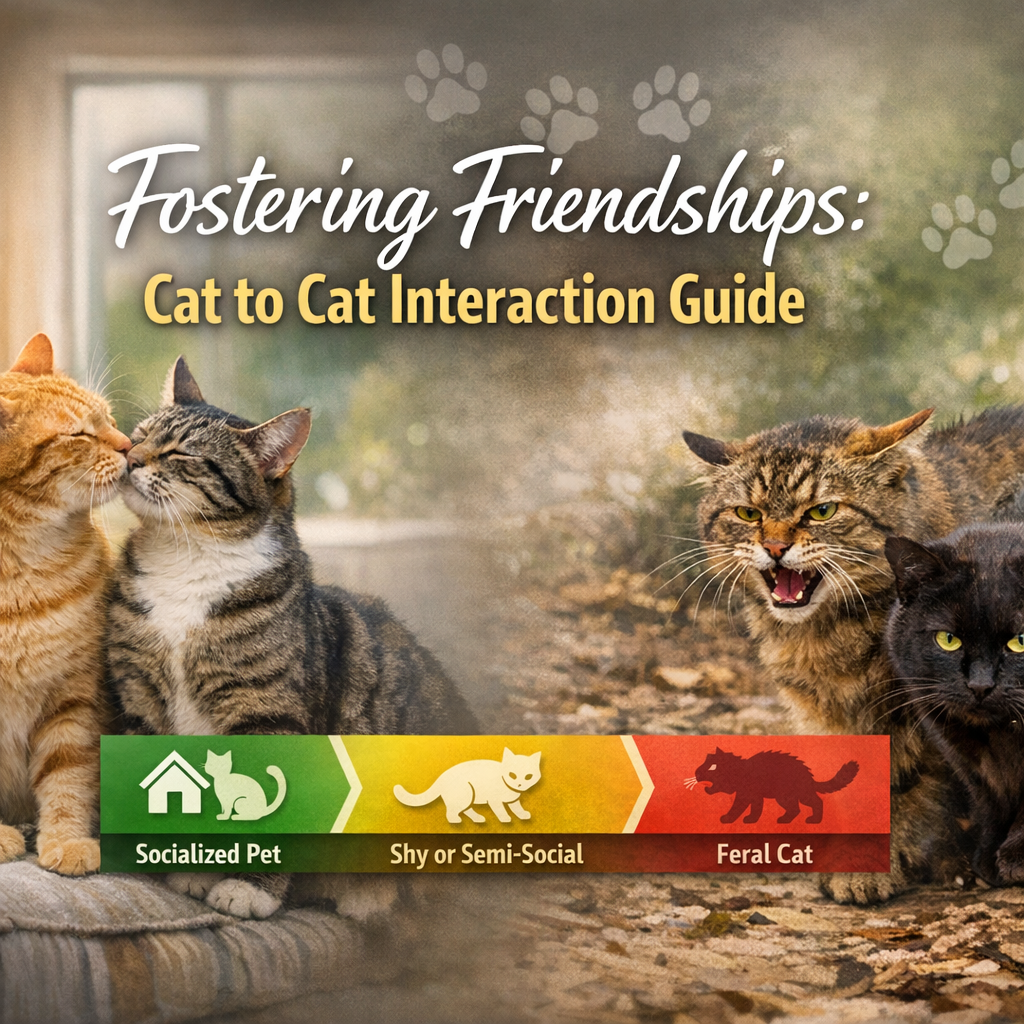
- The Socialization Spectrum: Feline behavior exists on a continuum from fully socialized pets to unsocialized feral cats; understanding a cat’s position on this scale—and respecting the “touch barrier”—is essential for successful integration into a home.
- The Critical Window: The most effective time for socialization occurs between 2 and 8 weeks of age; beyond 4 months, cats without human contact are significantly harder to socialize and often thrive better in managed outdoor colonies (TNR).
- Strategic Introductions: To foster friendships between cats, use a gradual process involving separate territories, scent swapping, and providing abundant resources (like the “plus-one” rule for litter boxes) to prevent territorial conflict.
- Patience and Observation: Successful adaptation requires monitoring body language for signs of stress and providing consistent, positive human interaction to move a cat toward the socialized end of the spectrum over time.
Table of Contents
- Cat to Cat Interaction Guide: Fostering Friendships
- Understanding the Cat Socialization Continuum
- The Touch Barrier and Feline Behavior Adaptation
- Recognizing Signs of Socialized Cats
- Identifying Signs of Unsocialized Cats
- Critical Factors Influencing Socialization
- The Critical Window for Kitten Socialization
- The Impact of Age on Socialization Success
- Time and Quality Contact with Humans
- Humane Advocacy and Community Cat Policies
- The Cat Socialization Continuum
- Understanding the Touch Barrier and Feline Behavior
- Identifying Signs of Socialized Cats and the Socialization Continuum
- Recognizing Signs of Unsocialized Cats
- Factors Influencing Socialization Levels in Felis Catus
- The Critical Window for the Kitten Socialization Process
- Age as a Deciding Factor in Socialization
- The Socialization Continuum and the Touch Barrier
- Identifying Signs of Socialized and Unsocialized Cats
- Impact of Age on the Cat Socialization Continuum
- Comparing Socialization Traits and the Touch Barrier
- Steps for a Successful Introduction and Feline Behavior Adaptation
- The Importance of Separate Resources and the Cat Socialization Continuum
- Monitoring Feline Behavior and the Socialization Continuum
- When to Consult a Veterinary Professional
- Frequently Asked Questions about Feline Behavior Adaptation
- The Global Context of Feline Behavior and Socialization
- Navigating the Cat Socialization Continuum
- Breaking the Touch Barrier
- Identifying Signs of Socialized Cats
- Recognizing Signs of Unsocialized Cats
- Factors Influencing Feline Socialization
- The Critical Window for Kitten Socialization
- The Impact of Age on Socialization Success
- The Importance of Time and Human Contact
Cat to Cat Interaction Guide: Fostering Friendships
Adding a new feline to your home is exciting. You probably imagine them napping together immediately while you relax in your favorite Soft Cotton Tee.
In reality, cats are territorial creatures. They need a strategic introduction to become best friends rather than rivals.
At Bella Gatti US Shop, we love seeing happy cat families. Here is how you can foster a lifelong bond between your resident pets and a new arrival, as reading signals strengthens the emotional bond.
Understanding the Cat Socialization Continuum
When introducing cats, it is vital to understand the cat socialization continuum. This concept, championed by organizations like Alley Cat Allies, explains that socialization exists on a spectrum.
Domesticated cats (Felis catus) range from fully socialized pets to unsocialized feral cats. Recognizing where your cats sit on this continuum helps you tailor your introduction strategy.
Whether your cat is from an animal shelter in Iowa or a street colony in Hong Kong, their history with human interactions dictates their comfort level with new environments.
The Touch Barrier and Feline Behavior Adaptation
The touch barrier is a primary way to differentiate between socialized and unsocialized cats. Socialized cats generally allow and enjoy human touch, often purring or grooming in your presence.
Unsocialized cats or community cats typically avoid being touched. They may maintain a tense posture or display dilated pupils if they feel cornered in a new home environment.
By respecting the touch barrier during introductions, you allow for better species adaptation. This patience is essential for a successful human animal interaction and a peaceful multi cat household.
Recognizing Signs of Socialized Cats
Socialized cats are often vocal and will approach humans for companionship. They show relaxed body language and are generally more receptive to meeting a new Felis catus housemate.
Common signs include rubbing against furniture, upright tail positions, and a willingness to play. These cats have successfully navigated the domestication process and view humans as caregivers.
In places like Iceland or India, domestic cats have evolved through self selected evolution to thrive alongside people, making them prime candidates for indoor friendships.
Identifying Signs of Unsocialized Cats
Unsocialized cats, often referred to as feral cats, display very different behavioral traits. They tend to hiss, growl, or hide when faced with new people or animals.
These cats often prefer the company of their own colony and may struggle with indoor dynamics initially. Their instincts are geared toward survival rather than human companionship.
If you are working with a stray cat, look for signs of extreme fear or aggression. These cats require a much slower introduction process to prevent high stress levels.
Critical Factors Influencing Socialization
Several factors influence how well a cat socializes, including their early experiences and the amount of time spent with humans. Early life history is the biggest predictor of adult behavior.
Cats that have had positive human interactions from a young age are much more likely to adapt to a new home. Environmental stability also plays a massive role in their ability to bond.
John Bradshaw, a noted expert in feline behavior, emphasizes that a cat’s individual personality and past trauma can also shift their place on the socialization continuum over time.
The Critical Window for Kitten Socialization
The most important period for a cat is the kitten socialization process. Kittens between 2 and 8 weeks old are in a critical window where they are most receptive to new experiences.
Handling kittens during this timeframe significantly increases the chances of them becoming well adjusted, socialized adult cats. This window closes rapidly after 8 weeks of age.
If you are adopting from an animal shelter, ask about the kitten’s early weeks. Proper socialization during this phase makes future cat to cat introductions much smoother.
The Impact of Age on Socialization Success
Age significantly impacts how easily a cat can be socialized. Cats older than 4 months that have had no human contact are much harder to socialize, particularly if they are feral cats.
The likelihood of a cat becoming a cuddly lap cat decreases as they age without human intervention. This is why early intervention and trap neuter return programs are so vital for community cats.
While adult cats can still form bonds, the process requires significantly more time and patience from the cat caregiver compared to working with a young kitten.
Time and Quality Contact with Humans
The level of socialization is directly tied to the quantity and quality of contact a cat has with humans. Frequent, positive interactions lead to a more socialized pet.
Less contact or negative experiences lead to a higher likelihood of unsocialized or fearful behavior. Consistent cat care and a safe cat environment are necessary for building trust.
Whether you are a seasoned cat advocate or a first time pet owner, providing a stable home allows your cats to move toward the socialized end of the continuum at their own pace.
Humane Advocacy and Community Cat Policies
Modern animal shelter policies are shifting toward humane advocacy, focusing on the best outcomes for both indoor and outdoor cats. This includes supporting trap neuter return initiatives.
Understanding feline behavior adaptation helps communities manage stray cats effectively. It ensures that socialized cats find homes while unsocialized cats can live safely in managed colonies.
By supporting these policies, we help every Felis silvestris descendant find their rightful place, whether that is on a sofa or in a protected outdoor environment.
The Cat Socialization Continuum
Socialization is the measure of a cat’s comfort around humans and other animals. It is not a simple yes or no trait. Instead, it is a complex spectrum of behavior.
Experts like John Bradshaw and organizations such as Alley Cat Allies describe this as the Cat Socialization Continuum. Cats fall at different points based on their history and species adaptation.
Understanding where your cats sit on this scale helps you set realistic expectations. Whether you are in Iowa or Iceland, the biology of Felis catus remains the same.
Breaking the Touch Barrier
The touch barrier is a major milestone in feline behavior adaptation. Socialized domesticated cats typically allow and enjoy human touch, often seeking out human companionship for comfort.
Unsocialized cats, or feral cats, usually avoid being touched at all costs. They view a reaching hand as a threat rather than a gesture of affection from a cat caregiver.
In places like Hong Kong or India, community cats may live near humans but still maintain a strict touch barrier to ensure their survival in an outdoor environment.
Signs of Socialized Cats
A fully socialized cat shows clear signs of comfort. They often vocalize, approach you with a high tail, and show relaxed body postures while purring or grooming.
These cats have successfully navigated species domestication. They see humans as a source of food, safety, and play, making them ideal candidates for indoor pet ownership.
If your cat naps on your lap while you wear a soft graphic tee, they are likely high on the socialization continuum and enjoy constant human interaction.
Signs of Unsocialized Cats
Unsocialized cats display defensive behaviors when cornered. You might see dilated pupils, hissing, growling, or a tense posture that signals they are ready to lash out.
Feral cats often hide during the day and avoid eye contact. These instincts are inherited from their ancestor, Felis silvestris, to stay safe from perceived predators.
These cats are often best served through Trap, Neuter, Return programs. This humane advocacy approach allows them to live healthy lives in their outdoor colonies without the stress of human handling.
The Critical Window for Kitten Socialization
The most important factor in cat socialization is early experience. Kittens have a critical window between 2 and 8 weeks of age where they are most receptive to new things.
Handling kittens during this brief period significantly increases their chances of becoming socialized adult cats. This window closes rapidly once they pass 8 weeks old.
Volunteers at an animal shelter focus heavily on this timeframe. Proper kitten socialization during these weeks makes the difference between a lap cat and a shy stray.
How Age and Contact Impact Socialization
Age plays a massive role in how a cat interacts with the world. Cats older than 4 months who have had no human contact are much harder to socialize.
The likelihood of a feral cat becoming a cuddly pet decreases as they get older. While some self selected evolution allows for flexibility, many adult feral cats prefer their independence.
Consistent, quality time and contact with humans are essential. A veterinary professional can often help assess if a cat is a candidate for indoor life or if they belong with their community cat colony.
Understanding the Touch Barrier and Feline Behavior
The touch barrier is a vital concept in feline behavior and species adaptation. It serves as a clear line between cats that view human interaction as a reward and those that perceive it as a threat.
Socialized cats, often referred to as domesticated cats or Felis catus, will frequently cross this barrier of their own accord. They exhibit behaviors like purring, rubbing against your legs, and seeking out human companionship.
In contrast, unsocialized cats or feral cats maintain a strict personal distance. If you attempt to reach across this invisible line, these cats may hiss, flee, or show dilated pupils as a part of their natural cat instincts for survival.
Respecting this barrier is the first step toward building trust. Whether you are a cat caregiver or a veterinary professional, understanding this boundary helps you navigate the complex indoor, outdoor dynamics of feline life.
Signs of Socialized Cats vs. Unsocialized Cats
Socialized cats are usually comfortable in a human environment. They tend to vocalize, maintain relaxed postures, and may even groom themselves in your presence to show they feel safe and secure.
Unsocialized cats often display tense postures and avoid direct eye contact. These community cats might lash out if cornered, as they have not undergone the same species domestication process as your average lap cat.
Organizations like Alley Cat Allies emphasize that recognizing these signs is crucial for effective cat advocacy. It helps determine if a cat belongs in an animal shelter or if they are better suited for a trap, neuter, return program.
The Critical Window for Kitten Socialization
The kitten socialization process is most effective during a very narrow timeframe. Kittens between 2 and 8 weeks old are in their peak receptive period for learning to trust humans and other animals.
Regular handling during this 2 to 8 week window significantly increases the chances of a kitten becoming a well adjusted adult. This early intervention is the foundation of successful pet ownership and long term feline health.
Once a cat passes the age of 4 months, the window for easy socialization begins to close rapidly. While some progress can be made with older stray cats, the process requires much more time and consistent contact with humans.
Factors Influencing Socialization and Species Adaptation
Socialization is not a fixed trait but a result of various factors. These include the cat’s age, their history of human interactions, and their specific genetic lineage from Felis silvestris ancestors.
Experts like John Bradshaw suggest that self selected evolution played a role in how cats integrated into human societies in places as diverse as Iceland, India, Hong Kong, and Iowa. This history shapes how they respond to us today.
The more quality time a cat spends with a caregiver during their youth, the more likely they are to enjoy a life of domestic bliss. Understanding this helps us provide better cat care and fosters stronger bonds between you and your furry roommates.
Identifying Signs of Socialized Cats and the Socialization Continuum
Understanding your cat begins with recognizing where they fall on the cat socialization continuum. This scale helps cat caregivers identify how a feline perceives human interactions and species adaptation.
Socialized cats, or domesticated cats known as Felis catus, typically view people as sources of comfort. Unlike feral cats, these friendly felines have successfully navigated the self selection evolution to live alongside us.
You will notice relaxed body postures when a cat is well socialized. Their tails are often held high with a slight curl at the top, which is a classic sign of a confident and happy pet.
The Touch Barrier and Human Animal Interaction
The touch barrier is a major milestone in cat care. Socialized cats actively seek out human companionship and will often cross this barrier by leaning into your hand or jumping into your lap.
Common signs of a socialized cat include kneading, grooming their owners, and maintaining soft, blinking eye contact. These behaviors show they feel safe in their cat environment.
In places like Hong Kong, Iceland, and across Iowa, animal shelter policies focus on these traits to determine if a cat is ready for pet ownership or if they are better suited as community cats.
Critical Window for Kitten Socialization
The kitten socialization process is most effective during a narrow window between 2 and 8 weeks of age. Handling by a veterinary professional or caregiver during this time is vital for development.
If a kitten misses this window, they may become unsocialized cats or even join the ranks of outdoor cats that avoid human contact. Early species domestication relies heavily on these first two months of life.
According to experts like John Bradshaw, the more quality time a kitten spends with humans, the more likely they are to become socialized adults. This foundation is what makes a great companion for your favorite cat t shirt lifestyle.
Impact of Age and Environment on Socialization
The impact of age on socialization is significant. While kittens are flexible, cats older than 4 months are much harder to socialize if they have lived as stray cats or in a colony caregiving setting.
Organizations like Alley Cat Allies advocate for Trap, Neuter, Return programs for these older, unsocialized animals. This humane advocacy recognizes that not every cat belongs in an indoor, outdoor dynamics home.
Whether in India or the United States, feline behavior adaptation depends on early experiences. At Bella Gatti US Shop, we celebrate all cats, from the cozy lap cat to the resilient community cats roaming our neighborhoods.
Recognizing Signs of Unsocialized Cats
Unsocialized cats prioritize safety and escape above all else. When they encounter humans, they often display tense body language, dilated pupils, and a ready to bolt stance.
These felines are often referred to as community cats or feral cats. They have mastered a unique species adaptation that allows them to thrive outdoors without human companionship.
Unlike domesticated cats, unsocialized cats view humans as potential predators. If they feel cornered, they might growl, lash out, or retreat to hide for hours in the safety of their cat environment.
The Touch Barrier and Behavioral Traits
A major indicator on the cat socialization continuum is the touch barrier. Socialized cats enjoy human interactions, but unsocialized cats find physical contact terrifying.
John Bradshaw and other feline experts note that these cats do not vocalize or meow at people. Instead, they rely on silent survival instincts honed over generations of self selected evolution.
In places from Iceland to Hong Kong, these cats live in colonies. They are often managed by a dedicated cat caregiver who provides food while respecting their need for distance.
The Impact of Age on Socialization
Age is the most significant factor in feline behavior adaptation. Kittens have a very narrow window for kitten socialization, typically between two and eight weeks old.
If a kitten is handled by humans during this critical window, they likely become friendly domesticated cats. After four months, the likelihood of socialization drops significantly.
For an adult feral cat, the socialization process is incredibly difficult. Their instincts are set, making them highly successful at outdoor life but fearful of indoor pet ownership.
Humane Advocacy and Trap, Neuter, Return
Organizations like Alley Cat Allies advocate for Trap, Neuter, Return as the most humane approach for unsocialized animals. This practice stabilizes community cat populations effectively.
Many animal shelter policies now prioritize Trap, Neuter, Return over traditional impoundment. This allows unsocialized cats to return to their outdoor homes where they are most comfortable.
While we love a cat in a soft graphic tee, we recognize that for feral cats, freedom is the best gift. Supporting cat advocacy helps ensure every Felis catus lives their best life.
Consulting a Veterinary Professional
If you find a cat and are unsure of their status, a veterinary professional can help. They can check for a tipped ear, which is a universal sign of a neutered community cat.
Understanding the difference between a shy stray and a truly unsocialized cat is vital for proper cat care. This knowledge helps you provide the right support for every feline you meet.
Whether they are napping on your sofa or patrolling the neighborhood in Iowa or India, every cat deserves respect. Recognizing their place on the continuum is the first step in true advocacy.
Expert Insight
“A collaborative, community engaged, service learning Trap, Neuter, Return (TNR) model provides the necessary surgical capacity to rapidly stabilize free roaming cat populations while generating meaningful benefits for shelters, students, and the well being of the community.” : Journal of the American Veterinary Medical Association (JAVMA)
Factors Influencing Socialization Levels in Felis Catus
A cat’s personality is a complex cocktail of genetics and environment. While their wild ancestor, Felis silvestris, passed down a cautious nature, the modern Felis catus has mastered a unique species adaptation through self selection evolution.
This evolutionary path allows domesticated cats to thrive alongside human companionship. However, the level of comfort a cat feels around you depends heavily on their place on the Cat Socialization Continuum.
The amount of time and contact with humans during early life is the primary deciding factor. Cats with positive early experiences are more resilient and adaptable to new feline siblings and indoor, outdoor dynamics.
The Critical Window for Kitten Socialization
The kitten socialization process has a very strict timeline. Kittens between 2 and 8 weeks old are in their most receptive phase for human animal interaction.
Handling kittens during this period significantly increases the chances of them becoming well adjusted, socialized adult cats. This window is the gold standard for pet ownership preparation.
Once a kitten passes the 8 week mark, the window begins to close rapidly. Early intervention by a cat caregiver or animal shelter staff is vital for future domestic success.
Impact of Age on Socialization
Age plays a massive role in how a cat views the world. Cats older than 4 months that have had no human contact are much harder to socialize, often remaining as feral cats.
The likelihood of a cat accepting touch or indoor life decreases as they get older. This is why many organizations like Alley Cat Allies focus on specific strategies for different age groups.
For older unsocialized animals, the feline behavior adaptation is geared toward survival rather than friendship. They prioritize their cat instincts over seeking out a lap to nap on.
The Socialization Continuum and the Touch Barrier
Socialization is not a simple yes or no toggle. It exists on a continuum with many shades between a lap cat and a community cat living in the wilder parts of Iowa or the streets of Hong Kong.
A key concept used by experts like John Bradshaw is the Touch Barrier. This physical boundary differentiates socialized cats, who enjoy pets and purr, from unsocialized cats who avoid contact at all costs.
Recognizing where your cat sits on this continuum helps you tailor your care. It prevents you from forcing interaction on a cat that prefers the feline version of social distancing.
Signs of Socialized vs. Unsocialized Cats
Socialized cats are the life of the party. They often vocalize, approach humans with a high tail, allow touch, and display relaxed postures that show they feel safe in their cat environment.
In contrast, unsocialized cats or feral cats display defensive behaviors. You might see dilated pupils, hissing, or a ready to bolt stance whenever a human enters the room.
Whether you are in Iceland, India, or right here in the US, these behavioral traits remain consistent across the species. Understanding these signs is the first step in humane advocacy and proper colony caregiving.
Time and Contact with Humans
The more quality interaction a cat has with a veterinary professional or owner during their youth, the more socialized they become. Frequent, gentle contact builds a bridge of trust.
Less contact leads to a higher likelihood of unsocialized behavior. For those living outdoors, Trap, Neuter, Return programs are often the best way to support them while respecting their lack of interest in domestication.
At Bella Gatti US Shop, we know every cat is unique. Whether your feline is a social butterfly or a mysterious loner, providing the right environment is key to their happiness.
The Critical Window for the Kitten Socialization Process
There is a specific, high stakes timeframe that defines the future of every Felis catus. This period is known as the kitten socialization process, and it acts as the foundation for a cat’s ability to handle human companionship.
The critical window typically occurs between 2 and 8 weeks of age. During these precious weeks, kittens act like tiny sponges, soaking up new experiences and forming their permanent view of the world.
Handling kittens daily during this period is essential for their development. It teaches them that humans and other pets are safe, friendly, and part of their family circle rather than a threat.
Once a kitten passes the 8 week mark, the window begins to close rapidly. Socializing them after this point becomes a much longer and more difficult task for any cat caregiver or animal shelter professional.
Age as a Deciding Factor in Socialization
The impact of age on socialization cannot be overstated. While kittens are flexible, cats older than 4 months are significantly harder to socialize, especially if they have lived as feral cats or community cats.
Experts like John Bradshaw have noted that early feline behavior adaptation is key to species domestication. Without early human interactions, the natural instincts of Felis silvestris tend to take over.
The likelihood of a cat becoming a cuddly lap cat decreases with every month they spend without positive human contact. This is why early intervention by a veterinary professional or rescue group is so crucial.
The Socialization Continuum and the Touch Barrier
It is important to understand the cat socialization continuum. Socialization is not a simple yes or no switch; it exists on a spectrum with many shades between fully socialized and unsocialized animals.
A major indicator on this continuum is the touch barrier. Socialized cats often vocalize, approach humans, and actively seek out pets, showing relaxed postures and purring to express their comfort.
In contrast, unsocialized cats or stray cats who have regressed will typically avoid being touched at all costs. They may maintain tense postures, hiss, or hide when a human enters their cat environment.
Recognizing this barrier helps in tailoring care and intervention strategies. Whether you are working with Alley Cat Allies on trap, neuter, return or just bringing a new pet home, respecting these boundaries is vital.
Identifying Signs of Socialized and Unsocialized Cats
Socialized cats display clear signs of comfort around people. They are likely to groom themselves in your presence, show off their bellies, and engage in play, proving they have successfully navigated species adaptation.
Unsocialized cats or feral cats display a different set of behaviors. You might notice dilated pupils, lashing tails, and a constant effort to maintain distance from human interactions.
These cats are often part of the self selection evolution, where they have learned to survive outdoors without direct human reliance. Understanding these signs is key for effective colony caregiving and pet ownership.
Whether you are in Iowa, Iceland, or Hong Kong, cat instincts remain the same. The more quality time and contact a cat has with humans during their youth, the more likely they are to thrive in a domestic setting.
Impact of Age on the Cat Socialization Continuum
Age is the most significant hurdle in feline behavior adaptation. While kittens are flexible, adult Felis catus often have more rigid boundaries regarding human interactions.
The Cat Socialization Continuum suggests that socialization is not a simple switch. It is a spectrum with many shades between a fully socialized lap cat and an unsocialized feral cat.
Kittens are much more receptive to domestication and species adaptation than older cats. Their ability to bridge the gap between wild instincts and human companionship is at its peak during youth.
The Critical Window for Kitten Socialization
The kitten socialization process has a high stakes timeframe. Kittens between 2 and 8 weeks old are most receptive to socialization and new experiences.
Handling during this period significantly increases the chances of a kitten becoming a socialized adult. This window closes rapidly after 8 weeks of age.
A veterinary professional will often tell you that early human contact is the foundation of pet ownership. Without it, a cat may never fully cross the touch barrier.
The Touch Barrier and Socialization Success
The touch barrier is a major concept used by organizations like Alley Cat Allies. It differentiates socialized cats from those who are unsocialized.
Socialized cats allow and enjoy human touch. They often vocalize, approach humans, purr, and show relaxed body postures when a cat caregiver is near.
In contrast, unsocialized cats typically avoid being touched. They may display dilated pupils, hissing, and tense postures to maintain their distance from humans.
Challenges for Cats Older Than Four Months
Cats older than 4 months that have had no human contact are often considered feral cats. Socializing them to a traditional home environment is extremely rare.
According to experts like John Bradshaw, these cats have already formed their permanent view of the world. Their cat instincts prioritize survival over human animal interaction.
While adult stray cats who were once pets can often be re socialized, true feral cats usually prefer their outdoor colonies and community cats lifestyle.
Behavioral Traits of Unsocialized Cats
Unsocialized cats often exhibit behaviors like hiding, growling, or lashing out when cornered. This is a natural response rooted in their evolution from Felis silvestris.
These cats often thrive best in managed outdoor environments. Programs like Trap, Neuter, Return are essential for their health and the stability of their outdoor colonies.
Animal shelter policies have evolved to recognize these differences. Many shelters now focus on community cat advocacy rather than trying to force domestication on unsocialized animals.
Individual Variation and Environmental Factors
Every cat is an individual with a unique personality. Some older cats may surprise you with their ability to adapt to a new cat environment over time.
Factors like the amount of quality time spent with humans and the specific cat care provided play a role. Even in places like Iceland, India, Hong Kong, or Iowa, feline behavior remains consistent.
Self selection evolution suggests that some cats are naturally more prone to seeking human companionship. While age is a major factor, patience can sometimes move a cat further along the socialization continuum.
Comparing Socialization Traits and the Touch Barrier
To help you assess your cats and their readiness for human companionship, use this comparison table. It highlights the key differences in behavior between socialized and unsocialized cats.
| Behavior | Socialized Cat | Unsocialized Cat |
|---|---|---|
| Response to Touch | Leans in, purrs, rubs against you | Flinches, retreats, hisses, or lashes out |
| Vocalization | Meows for attention or food | Silent, defensive growls, or yowls |
| Eye Contact | Soft blinks, relaxed, or playful | Wide stares, dilated pupils, or avoidance |
| Environment | Enjoys indoor comforts and beds | Prefers hiding, high spots, or outdoors |
Understanding the Cat Socialization Continuum
The Cat Socialization Continuum is a spectrum developed by organizations like Alley Cat Allies to help cat caregivers identify where a feline falls. It is not a simple switch between wild and tame.
Domesticated cats, known scientifically as Felis catus, can move along this continuum based on their experiences. A stray cat might move toward socialization, while a neglected pet might slide toward fear.
Recognizing these many shades helps in tailoring your cat care. Whether you are working with an animal shelter or managing community cats in your backyard, understanding the continuum is vital.
The Touch Barrier in Feline Behavior Adaptation
The touch barrier is a critical concept in feline behavior adaptation. It differentiates socialized cats, who seek out human interactions, from unsocialized cats who avoid physical contact at all costs.
For a socialized Felis catus, touch is a form of bonding and communication. They often break the touch barrier themselves by head butting your hand or jumping into your lap for a snuggle.
In contrast, unsocialized cats or feral cats view an outstretched hand as a threat. Breaking the touch barrier with these cats requires extreme patience, often taking months of consistent, gentle proximity.
Signs of Socialized Cats and Human Companionship
Socialized cats are those that have successfully navigated the species adaptation to live alongside people. They often show their comfort through vocalization and relaxed body language.
You will notice they approach humans with a vertical tail, purr loudly when petted, and even groom their owners. These behaviors indicate they view you as part of their social group.
These cats thrive in a home environment. They have traded the hunting instincts of their ancestor, Felis silvestris, for the reliable meals and safety provided by human companionship.
Signs of Unsocialized and Feral Cats
Unsocialized cats, often called feral cats, display behaviors rooted in survival and cat instincts. They typically maintain a tense posture and keep a safe distance from any human caregiver.
Common signs include dilated pupils, flattened ears, and a complete lack of meowing. They communicate through hisses or growls if they feel cornered, as they do not view humans as social partners.
These cats are often part of the community cats population. They are best managed through Trap, Neuter, Return programs to ensure their health without forcing them into stressful indoor lives.
Factors Influencing Socialization and Species Domestication
Several factors influence where a cat lands on the socialization spectrum. Genetic history, early life experiences, and the amount of time spent with humans all play a role.
According to experts like John Bradshaw, the process of self selection evolution allowed some cats to become more comfortable around human settlements in places like Iceland, India, and Hong Kong.
Pet ownership today is the result of thousands of years of this interaction. However, a cat’s individual personality and its environment still dictate its ability to bond with you.
The Critical Window for Kitten Socialization Process
The kitten socialization process has a very narrow timeframe. Kittens between 2 and 8 weeks old are at their most receptive to learning that humans are friends, not foes.
Handling kittens during this period significantly increases their chances of becoming well adjusted, socialized adult cats. This window is the golden opportunity for any animal shelter or foster parent.
If a kitten has no human contact during these first two months, the window closes rapidly. By the time they hit 8 weeks, their fear response is much more developed.
The Impact of Age on Socialization Success
Age is the most significant hurdle when it comes to socialization. While a young kitten is a blank slate, cats older than 4 months are much harder to socialize if they have lived as feral cats.
The likelihood of a cat becoming a lap cat decreases as they age. This is why early intervention and kitten focused programs are so critical for animal shelter policies across the country.
While some older cats can eventually learn to trust a single cat caregiver, they may never become fully socialized to all humans. Respecting their boundaries is a key part of humane advocacy.
Time and Contact with Humans
The amount of quality human animal interaction is the primary driver of socialization. Regular, positive contact helps bridge the gap between a fearful stray and a loyal pet.
Less contact leads to a higher likelihood of unsocialized behavior. This is why indoor, outdoor dynamics are important to monitor, as cats that spend all their time outside may lose some social traits.
Whether you are in Iowa or a bustling city like Hong Kong, the rule remains the same. Consistent, gentle presence is the only way to foster a lasting bond with a skeptical feline.
Steps for a Successful Introduction and Feline Behavior Adaptation
Never just throw them together. This leads to aggressive behavior and broken trust between your domesticated cats. Introducing two animals is a delicate process of species adaptation that requires patience and strategy.
Start by creating a separate territory for the new arrival. Use a spare room with all their necessities, ensuring a controlled cat environment. This allows the new cat to adjust to the smells of the house without the pressure of human interactions or other pets.
Swap scents by rubbing a cloth on one cat and placing it near the other. This introduces their unique pheromones without a physical threat. In the world of Felis catus, scent is the primary way to establish social boundaries and reduce stress.
Use feline pheromones, such as diffusers, to lower stress levels in the house during this transition. This mimics the natural calming signals used by community cats and helps both the resident cat and the newcomer feel more secure in their shared space.
Understanding the Cat Socialization Continuum
The Cat Socialization Continuum is a vital tool for any cat caregiver. It explains that socialization exists on a spectrum, from fully socialized indoor pets to completely unsocialized feral cats. Recognizing where your cats fall on this scale helps you tailor your introduction strategy.
Experts like John Bradshaw and organizations such as Alley Cat Allies emphasize that socialization is not binary. Some cats may be stray cats who were once socialized but have become wary, while others are community cats who have never had positive human companionship.
By assessing a cat’s place on the continuum, you can better predict their reactions. A cat from an animal shelter may transition quickly, while a cat with a history of self selection evolution in the wild may require months of scent swapping before a face to face meeting.
Breaking the Touch Barrier in Domesticated Cats
The Touch Barrier is the ultimate divider between socialized and unsocialized cats. Socialized cats often lean into pets, purr, and seek out human contact as a form of bonding. They view touch as a positive reinforcement of their relationship with their owner.
In contrast, unsocialized or feral cats view touch as a threat. They may flinch, retreat, or lash out if their personal space is invaded. Breaking this barrier requires time, consistent positive experiences, and respect for the cat’s instincts.
For a successful introduction between two cats, both should ideally be comfortable with human touch first. This ensures that you, the cat caregiver, can safely intervene or comfort them if the initial feline interaction becomes too tense.
Recognizing Signs of Socialized Cats
Socialized cats display specific behavioral traits that signal they are ready for companionship. These include vocalizing with chirps or meows, approaching humans with a raised tail, and displaying relaxed body postures. They are the typical feline friends we imagine in our homes.
A socialized cat will often groom themselves in your presence and may even attempt to groom you or another cat. This behavior shows they feel safe in their environment. These cats have usually had positive early experiences during their critical socialization window.
When introducing a socialized cat to a new friend, they are more likely to use play and curiosity rather than fear based aggression. They understand the nuances of feline communication and are generally more receptive to living with other domesticated cats.
Identifying Signs of Unsocialized Cats
Unsocialized cats, often referred to as feral cats, exhibit a different set of survival based behaviors. They tend to hide in dark corners, have permanently dilated pupils, and maintain tense, crouched postures. Their primary goal is to remain undetected by potential threats.
If cornered, an unsocialized cat will hiss, growl, or strike. These are not signs of a mean cat, but rather a cat following its natural instincts for self preservation. They have not yet learned that human interactions can be beneficial or safe.
Understanding these signs is crucial for pet ownership, especially if you are adopting from a colony caregiving situation. You must move much slower with introductions if one cat shows these traits, as their stress levels are significantly higher than those of a socialized pet.
Factors Influencing Socialization and Species Domestication
Several factors influence how socialized a cat becomes. The amount of time spent with humans and the quality of those early experiences are the most significant. Cats in places as diverse as Iceland, India, Hong Kong, and Iowa all follow these same biological rules of domestication.
Environment plays a huge role in feline behavior adaptation. A cat raised in a busy home will have a different socialization level than one raised in a quiet animal shelter. Even the history of Felis silvestris, the wild ancestor of our pets, influences how modern cats view their territory.
Genetics and the mother cat’s temperament also play a part. If a mother cat is wary of humans, her kittens are likely to observe and mimic that behavior. This is why humane advocacy and trap, neuter, return programs are so important for managing community cat populations.
The Critical Window for Kitten Socialization
The most important period for a cat’s development is the critical window for kitten socialization, which occurs between 2 and 8 weeks of age. During this time, kittens are like sponges, soaking up information about what is safe and what is dangerous in their world.
Handling kittens frequently during this window significantly increases the chances of them becoming well adjusted, socialized adult cats. Simple acts like picking them up, talking to them, and introducing them to various sounds can shape their entire personality.
If a kitten misses this window without human contact, they are much more likely to grow up as unsocialized or feral cats. While some progress can be made later, the foundation for human companionship is built during these first two months of life.
The Impact of Age on Socialization Success
Age is a major factor in how easily a cat can be socialized. Kittens under 4 months old are generally very receptive to taming and socialization. However, once a cat passes the 4 month mark, the process becomes significantly more difficult and time consuming.
For adult feral cats, full socialization may never be possible. In these cases, animal shelter policies often recommend trap, neuter, return (TNR) rather than forcing the cat into an indoor only lifestyle that causes them extreme distress. This is a key focus for groups like Alley Cat Allies.
Understanding the impact of age helps set realistic expectations for your feline family. Older cats can still form deep bonds, but their transition period will be much longer, and they may always retain some of their outdoor cat instincts and cautious nature.
The Importance of Time and Contact with Humans
The more quality interaction a cat has with a veterinary professional or a dedicated cat caregiver, the more socialized they become. Consistency is key. Short, positive interactions multiple times a day are better than one long session that might overwhelm the cat.
Less contact leads to a higher likelihood of unsocialized behavior. If a cat is left alone for long periods without mental stimulation or affection, they may regress on the socialization continuum. This is why active pet ownership is so vital for maintaining a happy, social cat.
By providing a rich cat environment filled with toys, scratching posts, and cozy spots, you encourage your cat to engage with their surroundings and with you. This steady stream of positive human animal interaction is the secret to a lifelong, friendly bond between you and your feline friends.
The Importance of Separate Resources and the Cat Socialization Continuum
Cats are notoriously protective of their personal space. In the world of Felis catus, competition for food or bathrooms triggers primal cat instincts to defend territory. This is why understanding the cat socialization continuum is vital for a peaceful home.
Whether you are dealing with socialized domesticated cats or those closer to the feral cats end of the spectrum, providing abundance is key. Follow the plus one rule for litter boxes. If you have two cats, you need three boxes to prevent any feline behavior adaptation issues.
Place food bowls in different areas of your cat environment. This prevents one cat from guarding the meal station and allows for a more relaxed species adaptation. Just like a comfortable Unisex Soft Cotton Tee, a stress free environment fits every cat perfectly.
Providing vertical space, such as cat trees, allows your pets to observe each other from a safe distance. This is especially helpful for community cats or stray cats that have recently transitioned to indoor life and still feel the need to scan for threats.
The Touch Barrier and Signs of Socialized Cats
When fostering friendships, you must recognize the touch barrier. Socialized cats often vocalize, approach humans, and show relaxed postures. They are the ones who purr, groom, and actively seek out human interactions and human companionship.
In contrast, unsocialized cats or those with limited kitten socialization process experience will hiss, growl, and maintain tense postures. Organizations like Alley Cat Allies emphasize that recognizing these signs helps in tailoring your care and intervention strategies.
If your cat avoids being touched or hides when you enter the room, they may be on the less socialized side of the continuum. Respecting this barrier is a crucial part of cat care and responsible pet ownership during the introduction phase.
Critical Window for Kitten Socialization and Age Factors
The age of your cats plays a massive role in how they interact. Kittens between two and eight weeks old are in a critical window for socialization. Handling them during this period significantly increases their chances of becoming well adjusted adult cats.
As cats get older, socialization becomes much harder. Cats older than four months, particularly those from outdoor cats backgrounds, require significantly more time and patience. The likelihood of easy socialization decreases as they age, making early intervention a priority for any cat caregiver.
John Bradshaw, a noted expert in feline behavior, highlights that the more quality interaction a cat has with humans during this window, the more socialized she becomes. Less contact often leads to the wary behavior seen in colony caregiving scenarios or animal shelter environments.
Domestication and Species Adaptation
The journey from Felis silvestris to the modern domesticated cats in your living room is a result of self selection evolution. This domestication process means cats have adapted to live near humans, but they still retain the survival instincts of their ancestors.
Whether your cat came from a high end breeder or a local animal shelter, their history affects their current behavior. In places from Iowa to Hong Kong, and Iceland to India, the principles of trap, neuter, return and humane advocacy show that every cat has a unique place on the socialization continuum.
By providing separate resources and respecting individual boundaries, you support the natural feline behavior adaptation required for a multi cat household. This strategic approach ensures your pets move toward a harmonious bond rather than a territorial feud.
Monitoring Feline Behavior and the Socialization Continuum
When your cats finally meet face to face, keep the interaction brief and supervised. You are looking for specific feline behavior cues that indicate how they are navigating their new social environment.
Watch for the touch barrier during these sessions. Socialized domesticated cats may eventually allow touch from each other, while those further along the cat socialization continuum might remain guarded.
If you see flattened ears, a twitching tail, or a rippling back, your cat is overstimulated. These are clear signs of feline behavior adaptation where the cat feels its territory is under threat.
Signs of Socialized Cats vs. Unsocialized Cats
Positive signs include brief sniffing followed by a casual walk away. This shows they accept the other’s presence as part of their self selected evolution into a multi cat household.
Socialized cats often vocalize, approach humans or other cats with confidence, and display relaxed postures. They are more likely to engage in human animal interaction and show signs of domestication.
In contrast, unsocialized cats or feral cats tend to hiss, growl, and hide. They may have dilated pupils and maintain tense postures to protect themselves from perceived predators or rivals.
If hissing occurs, do not panic. Within the species adaptation of Felis catus, hissing is a way of setting boundaries rather than a declaration of war or a sign of failed socialization.
The Critical Window for Kitten Socialization
The success of these meetings often depends on early life experiences. Kittens between 2 to 8 weeks old are in a critical window for kitten socialization where they are most receptive to new friends.
Handling during this period significantly increases the chances of them becoming socialized adult cats. This window closes rapidly after 8 weeks, making early intervention vital for future pet ownership.
Cats older than 4 months, especially those with little human companionship, are much harder to socialize. The likelihood of easy socialization decreases with age, as seen in many community cats or those in an animal shelter.
Whether you are in Iowa, Hong Kong, or Iceland, the principles of Felis silvestris ancestry remain the same. The more quality interaction a cat has during its youth, the more socialized it becomes as an adult.
Understanding Environmental Factors and Advocacy
Organizations like Alley Cat Allies emphasize that socialization exists on a continuum. Recognizing these shades helps a cat caregiver tailor their approach to each unique animal’s needs.
John Bradshaw and other experts note that indoor, outdoor dynamics and previous colony caregiving roles influence how a cat reacts to a new roommate. A cat’s history with trap, neuter, return programs can also shape its instincts.
If you are struggling with a tense introduction, consult a veterinary professional. They can provide insights into behavioral fluidity and help you move your cats toward a more peaceful point on the continuum.
When to Consult a Veterinary Professional
Sometimes, even the most patient introductions hit a wall. If your cat stops eating, begins hiding constantly, or shows signs of depression, they are likely experiencing high levels of stress. In these moments, professional guidance is a hallmark of responsible pet ownership.
A veterinary professional can rule out underlying health issues that might be masking as behavioral problems. Since Felis catus is an expert at hiding discomfort, pain often manifests as irritability or aggression during the socialization process.
Your vet may recommend specific behaviorists or calming supplements to help your cats navigate their environment. They can also provide insight into the cat socialization continuum to determine if your pet is simply taking longer to adapt or if there is a deeper physiological hurdle.
The Socialization Continuum and Behavioral Fluidity
Socialization in domesticated cats exists on a fluid continuum rather than a fixed point. This spectrum ranges from fully socialized cats who seek out human interactions to unsocialized cats or feral cats who remain guarded. Recognizing where your cat falls on this scale helps you tailor your intervention strategies effectively.
Organizations like Alley Cat Allies emphasize that behavioral fluidity allows cats to move along this continuum over time. However, this movement depends heavily on the cat environment and the quality of human companionship they receive. A cat that was once a friendly stray might retreat toward unsocialized behavior if a new feline introduction is handled too aggressively.
Understanding this continuum is vital for community cats and those in an animal shelter setting. It informs everything from trap, neuter, return protocols to individual cat care plans. By respecting the pace of species adaptation, you ensure that your cat feels safe enough to eventually cross the touch barrier with their new housemate.
The Touch Barrier and Signs of Socialized Cats
The touch barrier is a critical concept in feline behavior adaptation. Socialized cats will eventually allow touch and may even seek it out through head bunting or grooming. These cats typically vocalize, approach humans with a vertical tail, and show relaxed body postures that indicate they have successfully integrated into a domestic setting.
When a cat is well socialized, they are more likely to extend this comfort to other felines. You will notice them purring in each other’s presence or engaging in mutual grooming. These are clear indicators that the domesticated cats in your home have moved past the initial territorial instincts of Felis silvestris and accepted each other as family.
If you find that one cat consistently avoids being touched or maintains a tense posture, they may still be navigating their place on the socialization continuum. Respecting these boundaries prevents the development of long term anxiety and fosters a more stable home environment for all your pets.
Recognizing Signs of Unsocialized Cats
Unsocialized cats, often referred to as feral cats, display distinct behaviors that set them apart from their more domesticated counterparts. These cats tend to hiss, growl, or lash out when cornered. Their pupils may remain dilated, and they often maintain a crouched, ready to bolt posture when humans or other cats are near.
In many cases, unsocialized cats will hide for extended periods and avoid any form of human animal interaction. According to experts like John Bradshaw, these cats have often missed the critical window for kitten socialization, making them more reliant on their wild cat instincts for survival. They view new interactions as threats rather than opportunities for companionship.
Recognizing these signs is essential for any cat caregiver. If a cat in your care consistently avoids touch and shows no interest in vocalizing or approaching you, they may require a much slower introduction process. Forcing interaction on an unsocialized cat can lead to significant setbacks in their species domestication journey.
Factors Influencing Socialization and Early Experiences
Several factors influence how a cat navigates the socialization process. The amount of time spent with humans and the quality of early experiences are the most significant predictors of future behavior. Cats that have had positive human interactions from a young age are much more likely to adapt to new feline friends and household changes.
Geography and environment also play a role in how community cats evolve. Whether in Iowa, Hong Kong, Iceland, or India, the local animal shelter policies and colony caregiving practices shape the temperament of the local Felis catus population. Self selection evolution suggests that cats who are more tolerant of humans have historically fared better in urban environments.
Ultimately, the level of socialization is a result of both nature and nurture. While some cats are naturally more outgoing, the environment you provide at home can significantly shift their trajectory. Consistent, gentle interaction is the best way to move a cat toward the socialized end of the spectrum.
The Critical Window for Kitten Socialization
The most receptive period for socialization occurs when kittens are between 2 and 8 weeks old. During this critical window, handling by humans significantly increases the chances of them becoming well adjusted, socialized adult cats. This is the time when they learn to distinguish between friends and predators.
The window for kitten socialization closes rapidly after 8 weeks. Kittens that have not had positive contact with humans by this point often begin to display the wary behaviors of feral cats. While socialization is still possible after this age, it becomes a much more intensive and slow moving process.
For those involved in humane advocacy or trap, neuter, return programs, prioritizing kittens within this age bracket is essential for successful adoption. Early intervention ensures that these young cats can enjoy a life of human companionship rather than living as outdoor cats in potentially harsh conditions.
Impact of Age on Socialization Success
Age is a primary factor in how easily a cat can be socialized. Cats older than 4 months who have had no human contact are significantly harder to socialize than younger kittens. This is particularly true for feral cats who have already established their territory and survival routines in the wild.
As cats age, their feline behavior becomes more fixed. While an adult stray cat might eventually learn to trust a cat caregiver, the process can take months or even years. This is why early socialization is emphasized by organizations like Alley Cat Allies as the most effective way to reduce the number of unsocialized cats in shelters.
If you are adopting an older cat, it is important to have realistic expectations. They may never become a lap cat, but through patient species adaptation and a stable cat environment, they can still lead a happy, peaceful life in your home. Respecting their age and history is a vital part of pet ownership.
The Importance of Time and Contact with Humans
The degree of socialization is directly correlated with the frequency and quality of contact with humans. The more positive interactions a cat has, especially during their formative months, the more socialized they become. Conversely, a lack of contact leads to a higher likelihood of unsocialized or fearful behavior.
Regular human animal interaction helps break down the fear of the unknown. For indoor, outdoor dynamics, ensuring your cat feels safe and pampered inside the home encourages them to view humans as a source of security. This bond is what allows for successful introductions between multiple cats in the same household.
At Bella Gatti US Shop, we believe every cat deserves a chance to find their place on the socialization continuum. Whether you are caring for a former feral cat or a pampered kitten, your dedication to their well being makes all the difference. Remember, fostering a friendship takes time, but the reward of a harmonious cat family is worth every effort.
Frequently Asked Questions about Feline Behavior Adaptation
How long does it take for cats to get along?
It can take anywhere from two weeks to several months. Every Felis catus has a unique timeline for species domestication in a new home.
The cat socialization continuum plays a major role here. A cat from an animal shelter might adapt faster than community cats who are used to the indoor, outdoor dynamics of the streets.
Can two male cats live together?
Yes. Neutering significantly reduces territorial aggression. Their individual personalities and feline behavior adaptation matter more than their gender.
Whether you are in Hong Kong, Iceland, or Iowa, the rules of cat care remain the same. Focus on human animal interaction and ensuring each cat feels secure in their cat environment.
What if my resident cat won’t stop hissing?
Hissing is communication. It means “give me space.” Slow down the process and go back to scent swapping for a few days.
This is a natural part of cat instincts. Even domesticated cats need time to move along the cat socialization continuum when a new human companionship dynamic is introduced.
Should I let them “fight it out”?
No. This can cause permanent psychological damage. Always intervene before a physical fight starts to maintain a safe cat environment.
According to experts like John Bradshaw, forcing human interactions or feline confrontations can backfire. It is better to follow the kitten socialization process steps even for adult cats to ensure a peaceful species adaptation.
Understanding the Socialization Continuum
The cat socialization continuum is a scale used by organizations like Alley Cat Allies to measure how comfortable a cat is around people. It ranges from feral cats to fully socialized cats.
Recognizing where your cat falls on this continuum helps you tailor your cat advocacy and colony caregiving efforts. It acknowledges that socialization is not a simple yes or no, but a fluid journey of species domestication.
The Importance of the Touch Barrier
The touch barrier is a major milestone in feline behavior adaptation. Socialized cats will eventually seek out or allow human companionship through petting and grooming.
In contrast, unsocialized cats or stray cats may maintain a tense posture and avoid touch. Respecting this barrier is a hallmark of a responsible cat caregiver and prevents unsocialized animals from feeling threatened.
Signs of Socialized Cats
Socialized cats show their comfort through specific cat behavior. They often vocalize, approach you with a high tail, and enjoy human interactions like purring and kneading.
These domesticated cats have successfully navigated self selection evolution to thrive alongside people. They display relaxed body language and are generally receptive to the kitten socialization process if started early.
Signs of Unsocialized Cats
Unsocialized cats, such as feral cats, often display cat instincts geared toward survival. You might see dilated pupils, hiding, or lashing out if they feel cornered.
These community cats often prefer the company of their own kind over human companionship. Understanding these signs helps in animal shelter policies and trap, neuter, return programs in places like India or the United States.
Factors Influencing Socialization
Several factors impact how a Felis catus bonds with others. These include their cat environment, previous human interactions, and their genetic history descending from Felis silvestris.
Early experiences are the foundation of pet ownership success. A cat’s species adaptation is heavily influenced by whether they were raised in a home or as part of a group of outdoor cats.
The Critical Window for Kitten Socialization
The kitten socialization process has a very narrow window. Kittens between 2 and 8 weeks old are the most receptive to socialization and human animal interaction.
During this time, frequent handling by a cat caregiver significantly increases the chance of them becoming socialized cats. After 8 weeks, the window begins to close, making species domestication more challenging.
The Impact of Age on Socialization
Age is a decisive factor in cat behavior. Cats older than 4 months who have had no human interactions are much harder to socialize than younger kittens.
While humane advocacy encourages patience, it is important to realize that feral cats may never fully cross the touch barrier. This reality influences animal shelter policies and how we manage community cats.
Time and Contact with Humans
The amount of quality time spent with a veterinary professional or cat caregiver dictates a cat’s comfort level. Constant, positive human companionship leads to a more socialized Felis catus.
Lack of contact during species adaptation often leads to unsocialized cats. Whether in a busy city like Hong Kong or a rural area, consistent socialization is the key to a happy cat environment.
The Global Context of Feline Behavior and Socialization
Cats are found everywhere, from the bustling streets of Hong Kong to the rural landscapes of Iceland, India, and Iowa. These masters of self selected evolution have adapted their survival strategies over millennia.
Whether navigating indoor, outdoor dynamics or living as strictly indoor pets, the core instincts of Felis catus remain consistent. Understanding these instincts is the first step toward becoming a true cat advocate.
By respecting the cat socialization continuum, you provide the best care possible for your feline friends. Fostering harmony takes patience, but the reward of a peaceful home is always worth the effort.
Navigating the Cat Socialization Continuum
The cat socialization continuum is a spectrum that describes how comfortable a cat is around people. It ranges from fully socialized domesticated cats to unsocialized cats who have had little to no human interactions.
Organizations like Alley Cat Allies emphasize that socialization is not binary. Many community cats fall somewhere in the middle, showing behavioral fluidity based on their environment and past experiences.
Recognizing where your cat sits on this continuum helps you tailor your approach. A cat from an animal shelter may transition quickly, while a former stray might need months to feel secure in a home setting.
Breaking the Touch Barrier
The touch barrier is a primary indicator used to assess a cat’s socialization level. Socialized cats typically allow and even enjoy human touch, often leaning into pets or purring to show contentment.
In contrast, unsocialized cats or feral cats generally avoid being touched at all costs. They may view a reaching hand as a threat rather than a gesture of affection, reflecting their wilder Felis silvestris ancestry.
Respecting this barrier is vital for cat care. Forcing interaction on a cat that isn’t ready can lead to a breakdown in trust and increase stress for both the cat caregiver and the pet.
Identifying Signs of Socialized Cats
Socialized cats are often vocal and will approach humans for attention. They use body language like upright tails, blinking, and relaxed postures to signal that they are open to human companionship.
These cats are comfortable in a domestic cat environment and often display behaviors like grooming their owners or napping in open spaces. They have successfully navigated the species adaptation to domestic life.
According to experts like John Bradshaw, these behaviors are signs of a strong bond. A socialized cat sees you as a source of security and comfort rather than a predator.
Recognizing Signs of Unsocialized Cats
Unsocialized cats display distinct behaviors to maintain their distance. You might notice them hiding for long periods, having dilated pupils, or hissing and growling when approached by humans.
These cats often maintain a tense posture and may lash out if they feel cornered. This is a natural survival instinct common in community cats who have lived without regular human contact.
Understanding these signs is crucial for humane advocacy. It prevents owners from misinterpreting fear as “meanness” and allows for a more compassionate approach to feline behavior adaptation.
Factors Influencing Feline Socialization
Several factors influence how social a cat becomes, including their early experiences and the amount of time spent with humans. Genetics and the mother cat’s temperament also play a role in species domestication.
A cat’s history with trap, neuter, return programs or animal shelter policies can also impact their comfort level. Positive human interactions early in life create a foundation for future friendliness.
Environmental stability is another key factor. A cat that feels safe in its territory is much more likely to move forward on the socialization continuum than one in a high stress environment.
The Critical Window for Kitten Socialization
The kitten socialization process has a very narrow timeframe. Kittens between 2 and 8 weeks old are at their most receptive stage for learning to trust humans and other animals.
Handling kittens frequently during this period significantly increases the chances of them becoming well adjusted, socialized adult cats. This early intervention is the gold standard in cat advocacy.
Once this window closes, typically after 8 weeks, the process becomes much more difficult. This is why early rescue and foster efforts are so critical for the future of stray cats.
The Impact of Age on Socialization Success
Age is a major factor in feline behavior. Cats older than 4 months who have had no human contact are much harder to socialize, often remaining wary of people for the rest of their lives.
While some older feral cats can eventually become comfortable with a single cat caregiver, they rarely become “lap cats” in the traditional sense. Their instincts for self preservation remain high.
For these older unsocialized animals, colony caregiving or living as outdoor cats in a managed environment is often a more humane choice than forced indoor confinement.
The Importance of Time and Human Contact
The frequency and quality of human animal interaction directly correlate with a cat’s socialization level. Consistent, gentle contact helps bridge the gap between fear and friendship.
For a cat in a new home, this might mean spending time in the same room without forcing touch. Simply existing in the same space helps the cat realize you are not a threat.
Patience is your best tool. Over time, even a wary cat can learn to associate human presence with positive things like food, play, and a cozy place to sleep.
Expert Insight
“Cats are really flexible with their social behavior; it is highly individual and based off the cat and their personal experiences, which is why social interaction and proper socialization are so important for their development.” : Kristyn Vitale, Animal Behavior Scientist
References
- The Cat Socialization Continuum: A Guide to Interactions Between …
- Introducing Cats to Cats – American Humane Society
- C-A-T Friendly Interaction Guidelines – Friends For Life Animal Shelter
- How to Introduce Cats to Each Other | Best Friends Animal Society
- How to Introduce Cats to Each Other – Veazie Veterinary Clinic


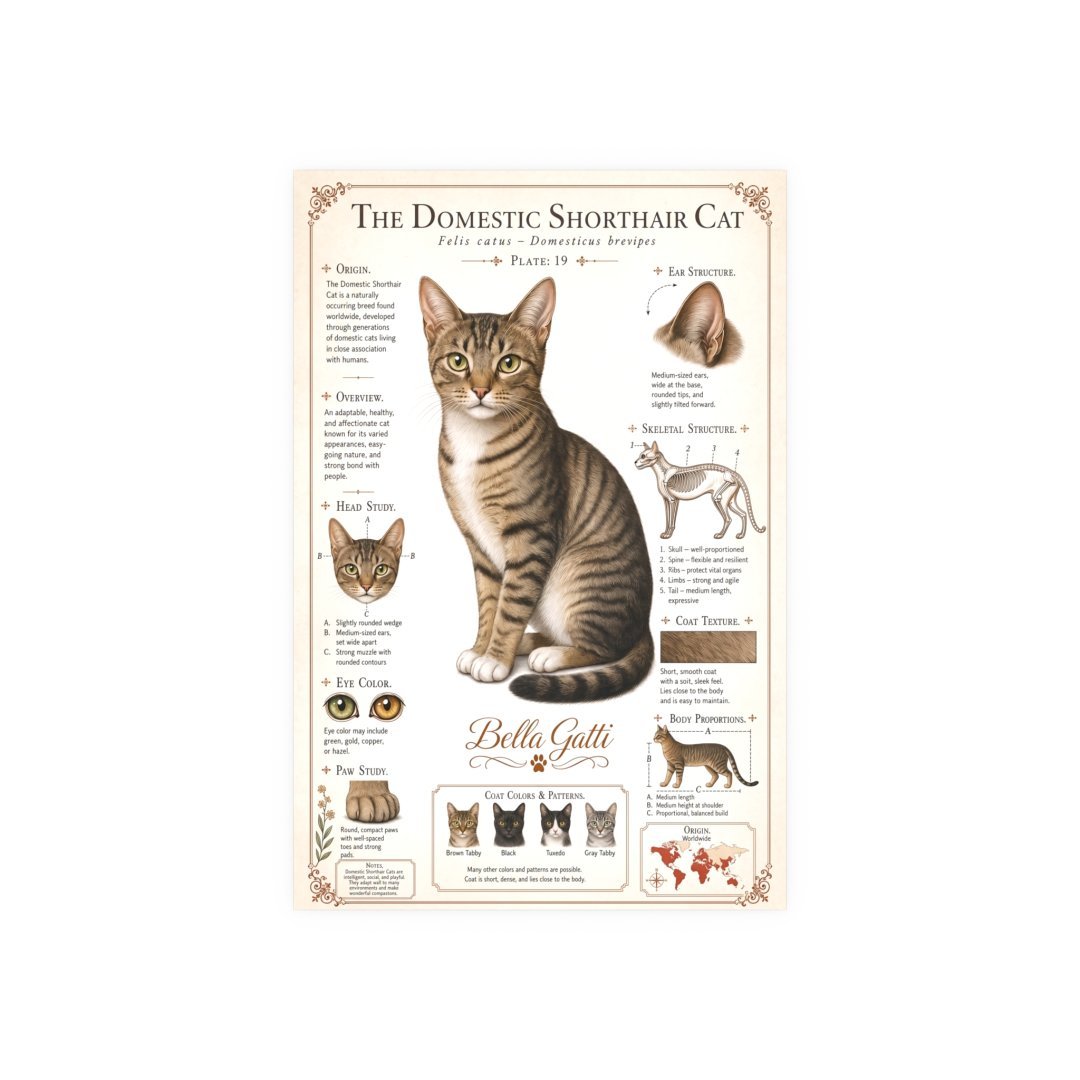
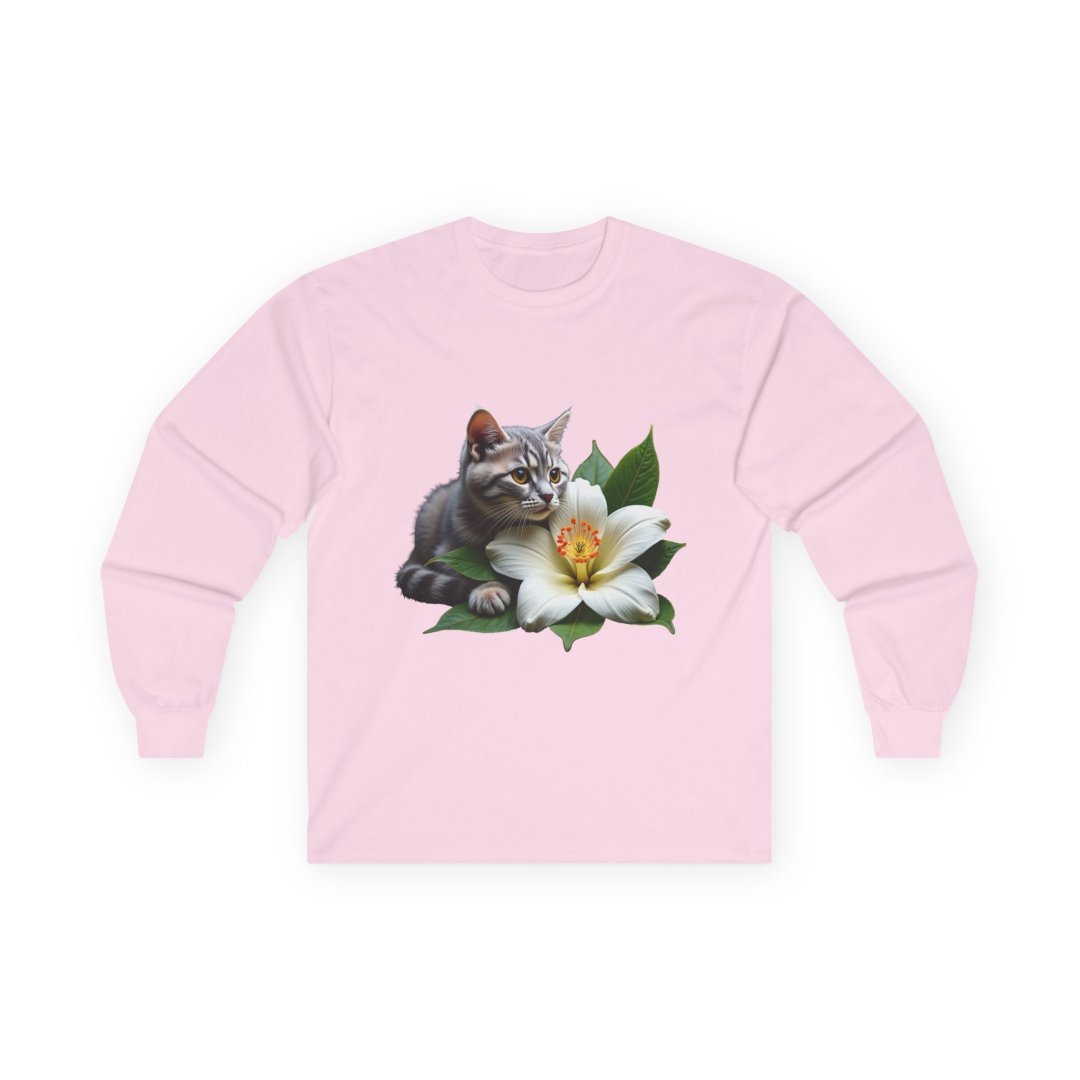
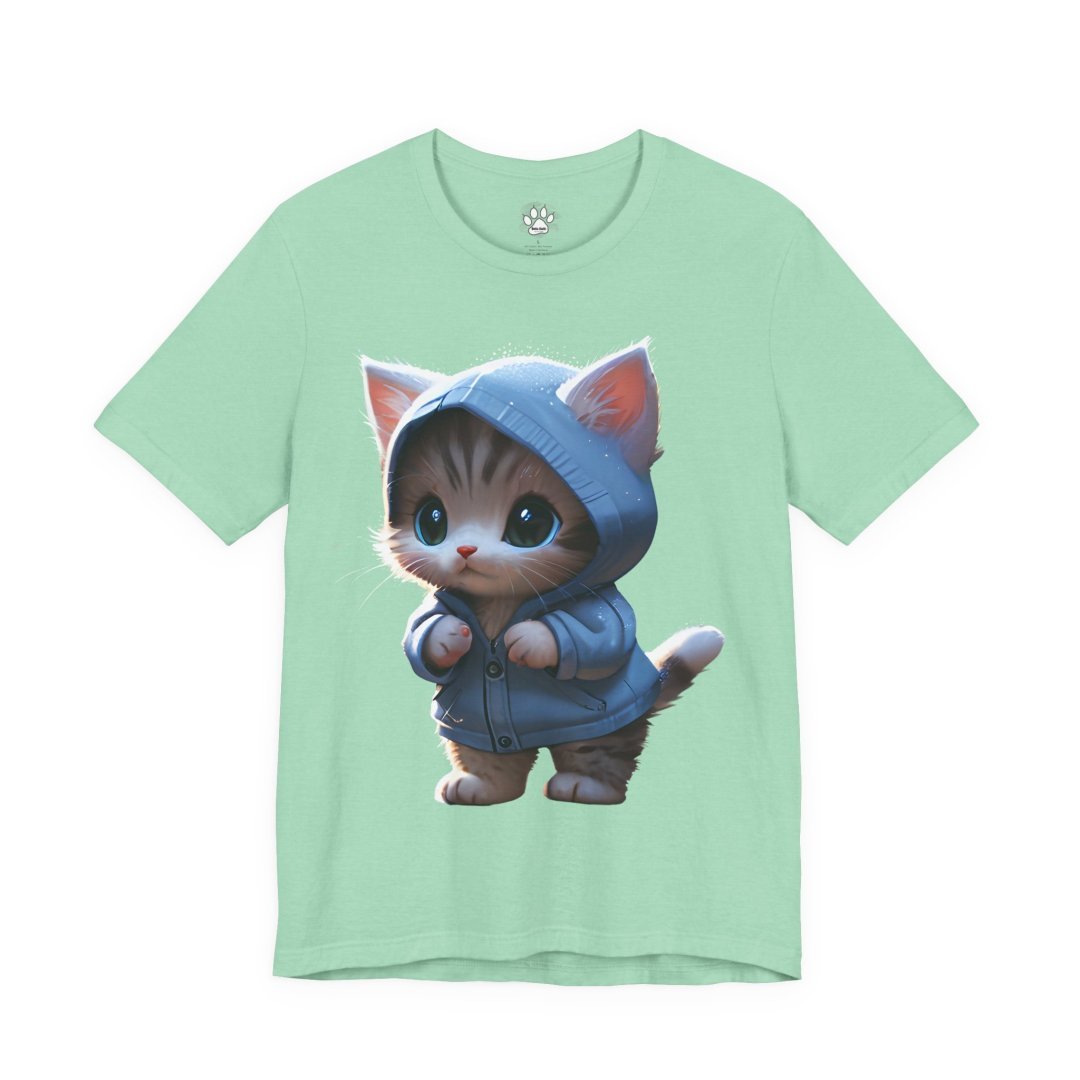
Domestic Shorthair Cat Breed P
$24.50 – $45.50Price range: $24.50 through $45.50





Disclaimer
The information provided on this website, including articles, blogs, and tips, is designed solely for general informational and educational purposes. It is important to understand that this content is not intended to serve as veterinary advice, diagnosis, or treatment. For any questions or concerns regarding your pet’s medical condition, always consult directly with a qualified veterinarian to ensure the best care and guidance for your furry friend.
Bella Gatti US Shop