



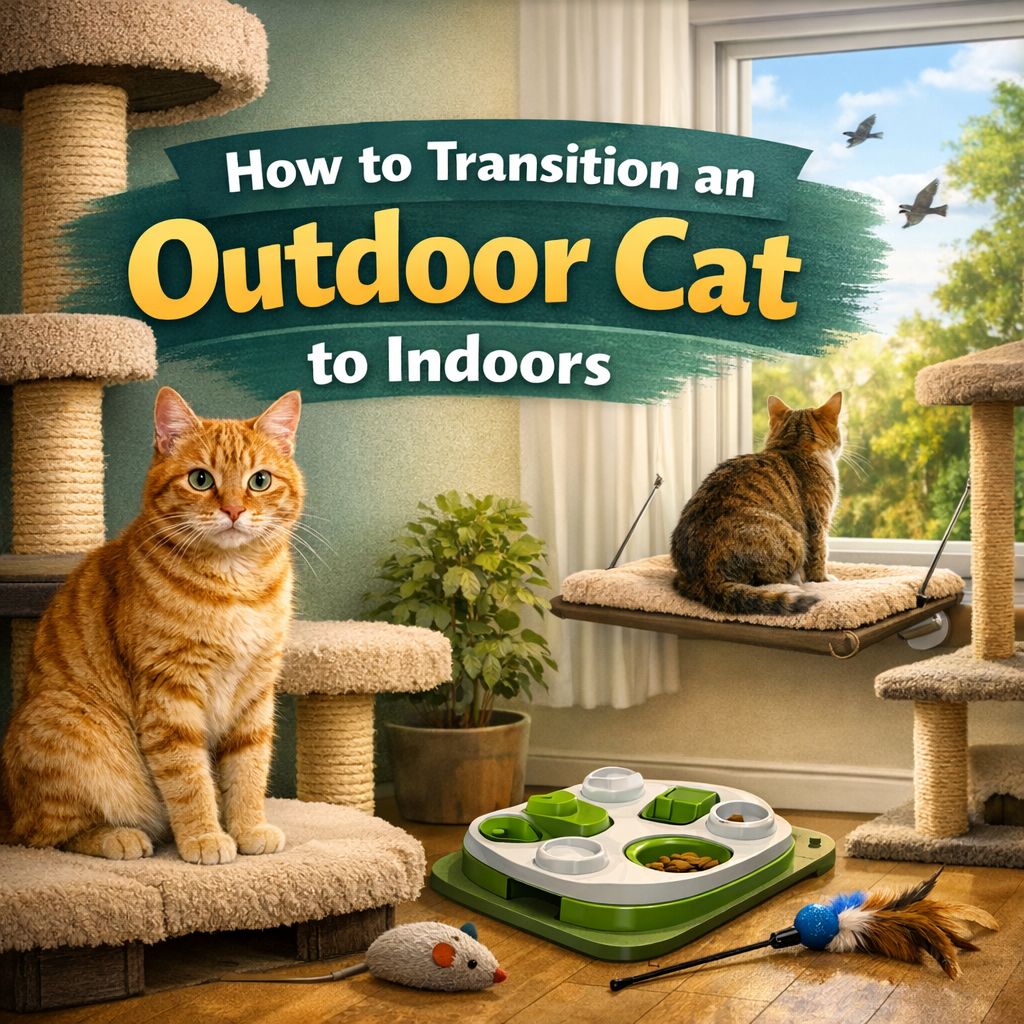
- Prioritize Enrichment: Replace outdoor stimulation with vertical spaces (cat trees), interactive puzzle toys, and window perches to satisfy predatory instincts and prevent boredom.
- Gradual Transition: Use a slow approach by introducing leash training, cat backpacks, or “catios” to provide safe, supervised outdoor access while the cat adjusts to indoor residency.
- Manage Behavior & Safety: Address “door dashing” and restlessness through consistent play therapy and “buffer zones,” keeping in mind that full adjustment typically takes between a few weeks to six months.
- Health Maintenance: Prevent obesity by monitoring caloric intake and encouraging activity, and ensure the cat is spayed/neutered to reduce the hormonal urge to roam.
Table of Contents
- Providing Indoor Enrichment and Stimuli
- Using Toys and Comfort Items for Indoor Residency
- Gradual Introduction and Training Methods
- Managing Behavioral Responses to the Transition
- Strategies to Prevent Escape Attempts
- Providing Enrichment and Stimuli Indoors
- Using Toys and Comfort Items to Encourage Indoor Residency
- Gradual Introduction and Training: Leash, Harness, and Catios
- Managing Behavioral Responses to Transition
- Strategies to Prevent Cats from Running Outside
- Using Toys and Comfort Items to Encourage Indoor Residency
- Gradual Introduction and Training
- Behavioral Responses to Transition
- Strategies to Prevent Cats from Running Outside
- Health and Wellness Considerations
- Frequently Asked Questions About Cat Transition
So, you have decided to turn your little backyard explorer into a full-time indoor lounge enthusiast. This is a major lifestyle upgrade for your feline friend, moving them from the unpredictable wild to the luxury of a climate-controlled living room.
Whether you are worried about traffic, local wildlife, or just want more snuggle time, making the switch is a big move. It is the ultimate act of pet safety, ensuring your buddy stays away from predators and the dangers of the street.
It is totally possible to take a stray cat or a seasoned roamer and turn them into a happy house cat with a bit of wit and a lot of patience. You are essentially acting as their personal lifestyle coach during this cat transition.
In short: Your cat might think you have lost your mind at first, but they will eventually thank you for the safety and the premium snacks. Just remember that cat behavior takes time to adjust, so keep that sense of humor handy.
Providing Indoor Enrichment and Stimuli
To keep an indoor cat happy, you must master the art of environmental enrichment. Since they are no longer hunting real mice, you need to provide mental stimulation through cat trees and indoor climbing structures that mimic high tree branches.
Interactive toys and puzzle toys are essential tools to satisfy their predatory instincts. Studies show that consistent enrichment reduces stress and prevents behavioral issues, making the move from the garden to the couch much smoother.
Consider setting up a bird-watching station near a window. This provides hours of feline activity without the risk of them actually catching anything. It is like giving your cat a high-definition television tuned to the Nature Channel.
Using Toys and Comfort Items for Indoor Residency
High-quality cat furniture and scratching posts are not just for decor. They allow your cat to mark their territory without destroying your favorite armchair. Think of it as setting up their own private executive suite.
Gradual Introduction and Training Methods
The transition should be a slow burn rather than an overnight lockdown. Many experts suggest starting with leash training and harness training. This allows your cat to explore the outdoors safely under your supervision.
If you have the space, building a catio or an enclosed porch is a game-changer for cat health. These protected outdoor spaces offer fresh air and sunbeams without the risks of the open road, serving as a perfect middle ground during the transition.
Success stories often highlight the importance of gradual exposure. Start with short indoor stints paired with high-value treats to create a positive association with being inside. Before you know it, they will be more interested in the cat backpack than the backyard fence.
Managing Behavioral Responses to the Transition
Be prepared for some feline drama as they adjust. You might notice an increase in the zoomies, localized scratching, or even a bit of bitey behavior. This is just their way of processing the change and burning off extra energy.
Cat play therapy is the best way to manage these outbursts. Scheduled sessions with a wand toy can help mimic a hunt, leaving them tired and satisfied. Consistent routines are your best friend when dealing with a restless former roamer.
Owners report that while cats may seem frustrated initially, they become significantly less restless over time. With enough interactive play and vertical space, those midnight sprints across the hallway will eventually turn into long, peaceful naps.
Strategies to Prevent Escape Attempts
A transitioning cat is often a master of the “door dash.” To prevent them from running outside, ensure all window screens are secure and consider installing pet doors that only open for specific microchips. Safety first is the golden rule here.
Creating a “buffer zone” at the entryway can help stop a stray cat from bolting back to the streets. Some owners have successfully used tall pet gates or simply distracted their cats with a treat in another room before opening the front door.
One owner who transitioned a street rescue reported that it took about six months for a full indoor adjustment. With persistence and the right boredom prevention tools, even the most dedicated wanderer can learn to love the indoor life and avoid the risks of cat obesity and injury.
Providing Enrichment and Stimuli Indoors
The biggest challenge for an outdoor cat moving inside is the sudden lack of nature’s television. To prevent boredom, you must provide indoor stimulation that mimics the complexity of the outside world.
Experts emphasize that cat trees, additional perches, and catwalks are essential for expanding your territory vertically. Think of it as upgrading your cat from a studio flat to a luxury high-rise apartment.
Studies show that cat enrichment through vertical space significantly reduces stress and behavioral issues during the cat transition. Consider indoor climbing options that allow your cat to move across a room without ever touching the floor.
Using Toys and Comfort Items to Encourage Indoor Residency
Mental stimulation is just as important as physical climbing. Interactive toys and puzzle toys are your best friends here, as they simulate the predatory instincts and hunting simulation of free-roaming cats.
Many owners suggest that feline activity stays high when you provide food-dispensing toys to keep their minds sharp. To keep things fresh, try rotating their toys every three days so the novelty never wears off.
Adding plush blankets or using catnip can help a stray cat or former roamer accept their new indoor lifestyle. These comfort items provide a sense of security that is vital for successful cat adoption and long-term residency.
Gradual Introduction and Training: Leash, Harness, and Catios
Building a catio or an enclosed porch is another fantastic way to provide pet safety while satisfying their need for fresh air. This protected outdoor space acts as a bridge between their old life and their new indoor cat status.
Managing Behavioral Responses to Transition
Expect some spicy cat behavior during the first few weeks. You might encounter the zoomies, scratching, or even a few bitey moments as they adjust to the indoor lifestyle and burn off excess energy.
Consistent routines and dedicated cat play sessions are the best way to manage these outbursts. Play therapy helps redirect their energy away from your furniture and toward their toys, reducing restlessness over time.
Patience is a virtue when dealing with environmental enrichment and behavior modification. Most cats settle into their new routine within a few months, trading their street smarts for the comfort of a soft cat furniture throne.
Strategies to Prevent Cats from Running Outside
To prevent your feline friend from making a break for it, ensure all windows have secure screens. Installing pet doors that lead only to secure enclosures can also help manage their desire to roam while maintaining pet safety.
Door dashing is a common hurdle, but you can discourage it by creating a landing zone away from the entrance. Use treats and interactive toys to draw their attention deep into the house whenever you arrive or depart.
One owner reported that their rescued street cat took about six months to fully adjust. By staying diligent with litter box training and boredom prevention, you can turn any outdoor explorer into a happy, healthy indoor companion.
Using Toys and Comfort Items to Encourage Indoor Residency
Making the indoors feel cool is all about the gear you provide. To encourage your cat to accept an indoor lifestyle, you need to rotate their interactive toys every three days to keep things fresh and exciting.
Providing plush blankets or items that smell like home helps a cat transition by offering a sense of security. One owner noted that a specific blanket and a steady supply of catnip were the only things that kept their rescue from staring longingly at the door.
If the inside is more fun and comfortable than the outside, your feline friend will have less reason to complain. Using comfort items like cat furniture and soft bedding helps simulate the cozy hiding spots they once sought in the wild.
Incorporating environmental enrichment and mental stimulation is vital for pet safety and cat health. When you offer puzzle toys for animals, you are providing a healthy outlet for their predatory instincts without the risks of the street.
Check out the table below for a quick look at the best indoor upgrades to replace their old backyard haunts.
| Enrichment Item | Outdoor Equivalent | Benefit |
|---|---|---|
| Cat Trees | Oak Trees | Safe indoor climbing and high ground security. |
| Puzzle Toys | Hunting Mice | Mental stimulation and reward based eating. |
| Cat Window Perch | Garden Patrol | Visual stimulation without the outdoor danger. |
| Scratching Posts | Tree Bark | Scent marking and essential claw maintenance. |
Experts suggest that these tools are the best way to prevent cat obesity and feline boredom. By mimicking hunting and climbing, you ensure your former stray cat stays active and engaged in their new home.
Whether you found your buddy through cat adoption or rescued a local roamer, quality gear makes the difference. A happy indoor cat is one that has enough toys to forget that the backyard ever existed.
Expert Insight
“Providing stimulation is just as essential to a cat’s physical health, mental balance, and overall happiness as nutrition and veterinary visits; an enriched environment allows them to express natural behaviors while staying safe from outdoor hazards.” (Feline Welfare Specialist)
Gradual Introduction and Training
You cannot just lock the door and hope for the best. Transitioning an outdoor cat requires more than a sturdy deadbolt; it requires a strategy that respects their wild side while keeping them safe. A successful cat adoption or transition often requires a mix of patience and the right gear.
Most experts suggest a slow leash training and harness training process so your cat can still experience the grass under their paws. This allows for safe feline activity without the risks of roaming. It is the perfect compromise for a cat who still craves the smell of the garden but needs to avoid the dangers of the street.
Some owners find great success building a catio or an enclosed porch to act as a transitional space. These protected outdoor cat spaces are a massive win for boredom prevention. Success stories often highlight that gradual exposure to the indoors, while maintaining safe outdoor access, makes the cat feel less trapped and more like a pampered roommate.
If you are worried about your cat becoming a couch potato, focus on indoor stimulation and cat enrichment. Use a cat backpack for weekend adventures or set up cat trees near windows to simulate the climbing they once did on oak trees. This helps manage predatory instincts while keeping them away from local birds.
The most important first step for any transition is to spay or neuter your cat. This simple veterinary procedure is crucial for pet safety and cat health because it significantly reduces the hormonal urge to roam and fight. It is the foundation of any successful move to an indoor lifestyle.
Transitioning from street life to the home involves more than just a change of scenery; it is a total behavior modification. By using interactive toys and puzzle toys to mimic hunting, you can prevent cat obesity and keep their mind sharp. Remember, a tired cat is a happy, indoor-loving cat.
Behavioral Responses to Transition
Expect some drama. Your cat might become bitey, start scratching the furniture, or develop a legendary case of the midnight zoomies. These are perfectly normal cat behavior responses to a major change in their environment.
Many owners recommend play therapy and consistent routines to manage these outbursts. Reports show that while cats may be restless initially, they usually become much calmer over a few months as they adjust to the indoor lifestyle.
To handle nocturnal hyperactivity, schedule consistent cat play sessions right before your own bedtime. Using interactive toys that mimic predatory instincts helps tire them out so they do not spend the night yelling at the back door.
Managing Boredom and Predatory Instincts
Boredom prevention is the secret sauce for a happy indoor cat. Without the stimulation of the outdoors, your cat needs environmental enrichment and mental stimulation to prevent cat obesity and depression.
Incorporate puzzle toys and cat trees to provide indoor climbing opportunities that satisfy their natural urges. Rotating these interactive toys every three days keeps the experience fresh and prevents them from losing interest in their new indoor residency.
If your feline friend is a former stray cat, they may have high energy levels. You can simulate hunting by hiding treats around the house or using food puzzles that require some brain power to solve, effectively turning mealtime into a game.
Strategies to Prevent Cats from Running Outside
The transition from the street to the home takes time, and your cat might try to make a break for it. Using secure window screens and installing pet doors with locking mechanisms can help prevent these unwanted escapes and ensure pet safety.
One owner who transitioned a street rescue reported that it took a full 6-month period for a total indoor adjustment. During this time, providing plush blankets and comfort items helps the cat feel secure in their new territory.
If your cat is persistent, consider more advanced cat furniture like a catio or an enclosed porch. This allows for safe feline activity and fresh air without the risks associated with roaming free, making the indoor lifestyle much more appealing.
Strategies to Prevent Cats from Running Outside
The door dash is a classic move for a transitioning outdoor cat who still feels the call of the wild. To prevent these daring escapes, you must ensure all cat furniture and climbing towers are placed far away from exit points.
Using secure screens on every window is a non-negotiable part of pet safety. You might also consider installing smart pet doors that only unlock for a specific microchip, ensuring your indoor cat stays put while you manage the threshold.
One owner who transitioned a street rescue reported it took six months of consistent effort for the cat to stop trying to bolt every time the mail arrived. This timeframe is common for a stray cat adjusting to a new indoor lifestyle.
Creating a doorway plan is your best defense against a feline escape artist. Distract your cat with puzzle toys or interactive toys in a separate room before you head out the door to shift their focus away from the exit.
Focusing on boredom prevention ensures they do not feel the need to seek excitement in the driveway. By providing enough environmental enrichment and mental stimulation, you can satisfy their predatory instincts without the risks of the great outdoors.
Providing Enrichment and Stimuli Indoors
To keep your former explorer happy, you need to bring the adventure inside. Specialty pet shops offer a variety of cat trees and indoor climbing sets that simulate the vertical world of trees and fences.
Studies show that environmental enrichment significantly reduces stress and behavioral issues during a cat transition. Providing a variety of textures, heights, and hiding spots helps a house cat feel secure in their new territory.
Feline activity levels often drop after moving inside, which can lead to cat obesity. To combat this, use puzzle toys for cats that force them to work for their kibble, mimicking the natural hunting process and providing much-needed mental stimulation.
Using Toys and Comfort Items to Encourage Indoor Residency
Success in the indoor lifestyle often comes down to the right gear. Many experts suggest rotating interactive toys every three days to keep the novelty alive and prevent your cat from getting bored with their stash.
Providing plush blankets or items rubbed with catnip can help your feline friend associate the indoors with comfort and rewards. One owner noted that a specific soft blanket and high-quality toys were crucial for helping their new indoor cat settle into a routine.
Don’t forget the power of scent and touch. Creating cozy spaces with familiar smells helps with animal behavior modification, making the transition from the street to the living room feel like a permanent vacation rather than a prison sentence.
Gradual Introduction and Training with Leashes and Catios
If your cat is truly missing the fresh air, consider a middle ground like leash training or a cat backpack. Most experts recommend a slow harness training process that starts with short sessions inside the house before ever stepping onto the porch.
Building a catio or an enclosed porch is a gold-standard strategy for providing a protected outdoor space. These enclosures allow your cat to enjoy the sights and sounds of nature while maintaining total pet safety from traffic and predators.
Success stories from the community emphasize the importance of gradual exposure. Whether you are using a catio or a leash, moving slowly ensures your cat remains calm and does not develop a frantic desire to roam free again.
Health and Wellness Considerations
Moving inside changes a cat’s caloric needs significantly. Without the constant patrolling and hunting of the great outdoors, cat obesity becomes a real risk for your newly minted lounge lizard.
You may need to adjust their diet and monitor their weight closely during the first year of their indoor lifestyle. Swapping to a high protein formula can help manage feline activity levels while keeping them satisfied between naps on the sofa.
Proper litter box training is also vital, especially if they are used to using the neighbor’s flower bed as their personal restroom. Transitioning from soil to litter can be a process, so start by mixing a little potting soil into the tray to bridge the gap.
Use a large, open litter tray in a quiet area to make the cat transition as easy as possible. Keeping the box pristine is the best way to prevent your cat from looking for an outdoor alternative in the corner of your rug.
Regular check ups with a vet will ensure their cat health stays top notch as they adjust. This is also the perfect time to discuss spaying or neutering, which often reduces the urge to roam and helps with behavior modification.
Providing Enrichment and Indoor Stimulation
To keep your former explorer from getting bored, you must focus on environmental enrichment and mental stimulation. Studies show that providing a variety of cat trees and indoor climbing options reduces stress and prevents behavioral issues during the transition.
Set up several vertical spaces near windows so they can watch the birds safely. Interactive toys and puzzle toys for animals are excellent for mimicking predatory instincts, allowing your cat to hunt for their kibble rather than just eating from a bowl.
Many owners suggest rotating interactive toys every three days to keep the novelty alive. This simple trick prevents boredom and ensures your indoor cat remains engaged with their environment rather than staring longingly at the back door.
Using Toys and Comfort Items for Indoor Residency
Creating a sense of security is key to making a stray cat or former roamer feel at home. Providing plush blankets, catnip, and familiar scents helps cats accept indoor life much faster than a bare room ever could.
One successful cat adoption story noted that a specific soft blanket and a collection of silvervine toys were crucial for keeping a new indoor cat engaged and relaxed. These comfort items act as an emotional support system while they learn the ropes of house life.
You can also find great enrichment tools to help simulate the hunt. Whether it is a feather wand or a motorized mouse, active play therapy is the best way to burn off that excess energy and bond with your pet.
Gradual Introduction and Training Strategies
If your cat truly misses the fresh air, consider leash training or harness training. This allows for controlled outdoor access without the risks of free roaming, though most experts suggest a very slow introduction to the harness indoors first.
Building a catio or an enclosed porch is another fantastic way to provide a transitional outdoor space. Success stories from many pet owners indicate that gradual exposure to these protected areas helps satisfy their curiosity while maintaining pet safety.
A cat backpack is another trendy option for taking your feline friend on adventures. It offers a secure way to see the world together, ensuring they get their fix of the outdoors while staying firmly under your protection.
Managing Behavioral Responses to Transition
Expect some behavioral shifts like the zoomies, scratching, or even becoming a bit bitey. These are natural reactions to a change in environment as your cat learns to channel their energy into indoor play rather than hunting wildlife.
Consistent routines and scheduled play sessions are the best way to manage these outbursts. Owners of street rescues report that while a cat might be restless initially, most settle into a calm routine within a six month period of full indoor adjustment.
If nocturnal hyperactivity or night pacing becomes an issue, try a heavy play session right before bed followed by a small meal. This mimics the natural hunt, eat, sleep cycle of a wild feline and helps everyone get a better night of rest.
“The goal is to make the great indoors as fun and intriguing as the outdoors.”
Frequently Asked Questions About Cat Transition
How long does it take for an outdoor cat to adjust to being indoors?
Patience is your best friend here. Most cats take between a few weeks to six months to fully embrace the indoor lifestyle. It depends on their age and how much indoor enrichment you provide to keep their busy minds occupied.
A senior stray cat might retire to the sofa immediately, while a young hunter might need months of cat behavior modification. Consistency with their new routine is the secret sauce to a smooth transition.
Will my cat be depressed if I keep them inside?
Not if you swap the dangerous woods for a curated feline wonderland. Cats are highly adaptable and usually prefer the safety and regular meals of indoor life once they realize the kibble fairy visits daily.
To prevent boredom and depression, focus on mental stimulation. Use puzzle toys and interactive toys that mimic the movement of prey. This satisfies their predatory instincts without any actual birds being harmed in the process.
Can I still take my cat outside safely?
Absolutely. You do not have to go cold turkey on the fresh air. Many owners find success with leash training using a secure harness or carrying their feline friend in a stylish cat backpack for neighborhood strolls.
If you have the space, building a catio or a protected outdoor enclosure is a game changer. These secure areas allow your cat to enjoy the sun and breeze without the risks of traffic, predators, or getting lost.
How do I stop my cat from meowing or scratching at the door?
The golden rule is to ignore the drama. If you give them attention or let them out when they cry, you are rewarding the behavior. Redirect that energy toward indoor climbing on cat trees or a vigorous session of cat play.
To prevent them from running outside, create a buffer zone or use deterrents near the entry. Providing plenty of cat furniture and vertical spaces away from the door helps them establish a new favorite territory inside the home.
What are the health benefits of moving a cat indoors?
The shift to an indoor lifestyle significantly increases your pet’s lifespan. By removing the threat of feline diseases and accidents, you are prioritizing long term pet safety and overall cat health.
Keep in mind that an indoor cat has lower caloric needs. To avoid cat obesity, monitor their food intake and encourage feline activity through daily play. A high protein diet and interactive feeding can keep your former roamer fit and trim.
References
- has anyone turned their former outdoor cat into an indoor cat? – Reddit
- Transitioning an outdoor cat to indoor life – Animal Humane Society
- How to Bring an Outdoor Cat Indoors – Humane World for Animals
- Transitioning an Outdoor Cat to Life Indoors – Supakit
- Transitioning outdoor cat to indoor home? – Facebook