
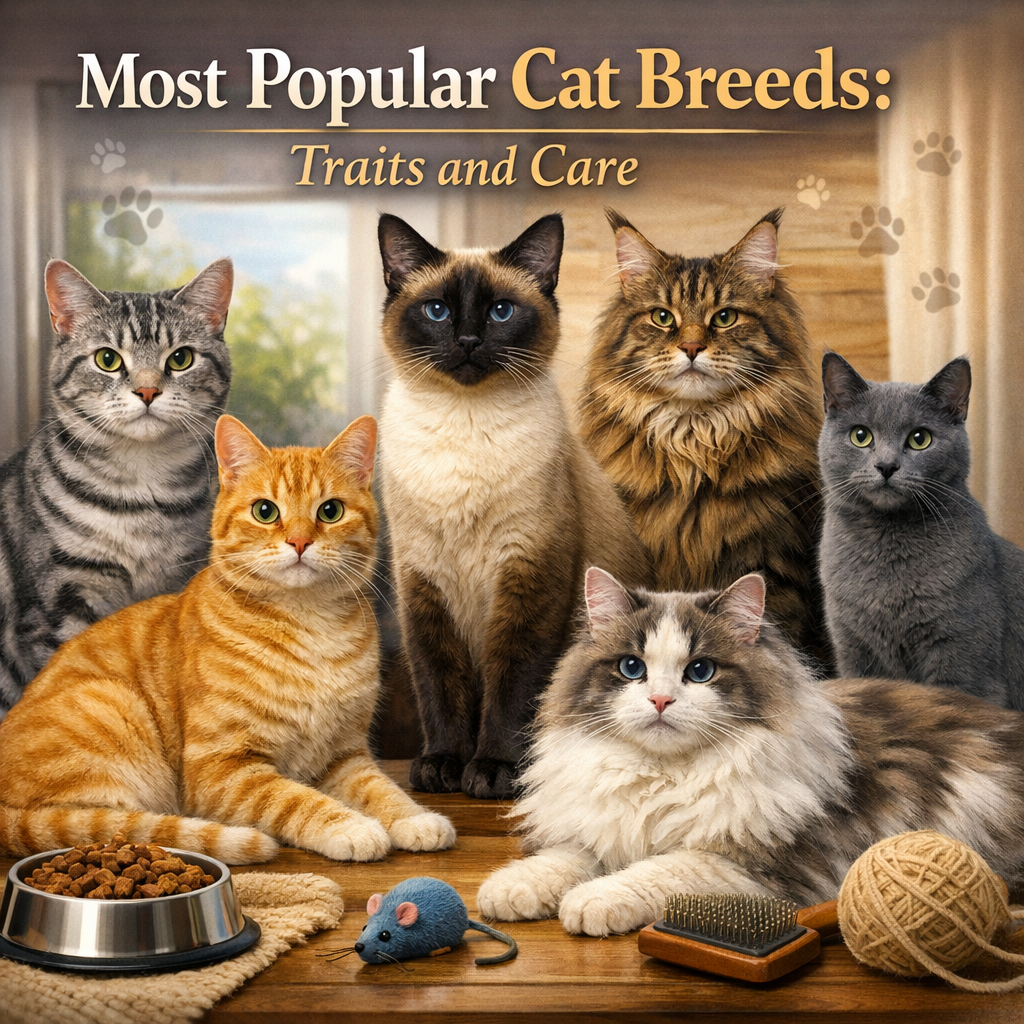
Table of Contents
- Introduction
- 1. Domestic Shorthair
- 2. American Shorthair
- 3. Domestic Longhair
- 4. Siamese
- 5. Maine Coon
- 6. Ragdoll
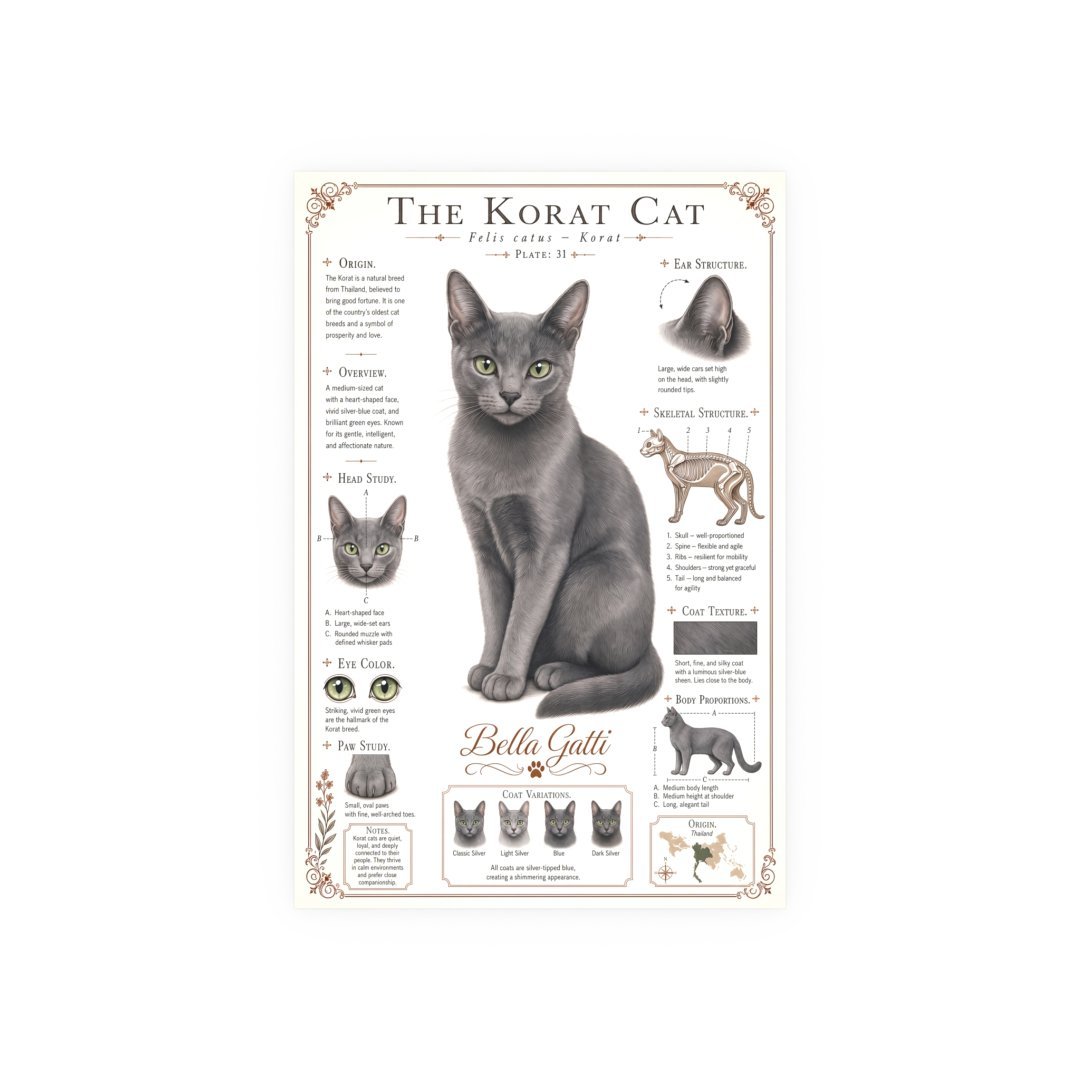
- 7. Russian Blue
- FAQ
- Conclusion
Expert Insight
“Popular cat breeds reflect a timeless balance between appearance and personality, with traits like sociability, playfulness, and adaptability driving their appeal across households.” , Industry Analyst
Introduction
Overview of popular cat breeds and why owners care about traits and care
Across US homes, certain cat breeds stand out for how they fit busy lifestyles and living spaces. Understanding typical traits helps you choose a cat that complements your daily routine and environment.
This guide concentrates on widely recognized breeds and their practical needs. From calm lap companions to active, vocal types, each breed brings its own coat patterns, energy levels, and care requirements.
- Coat type and grooming needs
- Temperament and suitability for families or solo living
- Nutrition and enrichment to support health
Whether you’re a first time owner or expanding a growing household, this section outlines breed characteristics you’re likely to encounter in US homes. It aims to help you shortlist options based on everyday practicality and compatibility with your space.
1. Domestic Shorthair
Appearance and common coat patterns
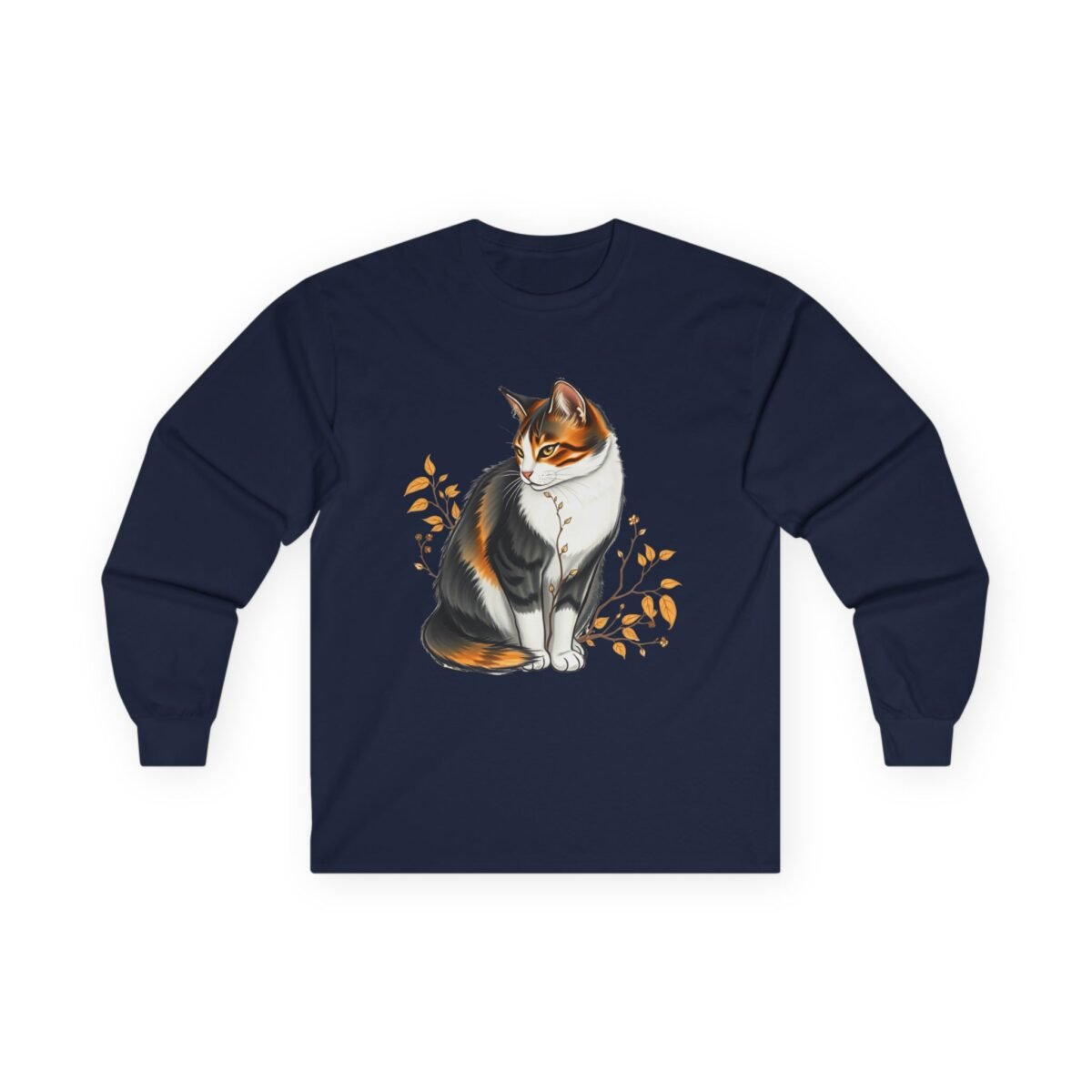
The Domestic Shorthair serves as the versatile, nonpedigreed cat that covers a wide range of looks. They typically range from medium to large in size with a sturdy, athletic build. Their short coats are low maintenance and easy to care for.
Coat patterns span solid colors, tabby, calico, tortoiseshell, and silver or smoky varieties, reflecting their mixed heritage and broad genetic palette.
Personality traits and daily care
Adaptability defines the Domestic Shorthair. They can be affectionate or more independent, depending on the individual cat. Daily play supports hunting instincts and helps prevent boredom.
Care basics include regular feeding and routine veterinary checkups. Enrichment that mirrors natural behaviors is key: interactive toys, climbing structures, and puzzle feeders keep them mentally engaged. Grooming is typically minimal unless shedding is noticeable, at which point light brushing can help.
If you want an easygoing, reliable house cat with a broad personality range, the Domestic Shorthair fits many US homes due to its adaptability and varied appearance. It’s a solid starting point when exploring cat breed profiles and everyday living dynamics.
2. American Shorthair
Grooming needs and health considerations
- Coat care: Short, low-maintenance fur that benefits from periodic brushing to reduce shedding and maintain shine.
- Health focus: Regular vaccination, dental hygiene, and weight management support overall well being.
- Exercise and enrichment: Interactive toys and daily play help sustain muscle tone and prevent boredom.
- Environment: They adapt well to family life but appreciate safe vertical spaces like cat trees to satisfy climbing instincts.
3. Domestic Longhair
Coat maintenance and shedding management
Domestic Longhairs wear a lush, longer coat that benefits from regular upkeep. Brush several times a week to prevent matting and reduce hairballs, with extra attention during seasonal shedding. A grooming session every few months helps keep the coat smooth and tangle-free.
Establish a routine that targets areas prone to tangles, such as the chest and hindquarters. Include adequate moisture and high-quality fiber in their diet to support healthy skin and a shiny coat. Create a dedicated shedding zone and keep lint rollers handy for quick touchups around the home.
Temperament and enrichment
Domestic Longhairs are typically calm, affectionate, and people-oriented. They form strong bonds with their families and enjoy a mix of gentle play and relaxed companionship. Regular interactive play pairs well with quiet time to establish a comforting routine.
Enrichment should blend light activity with views of the outdoors from safe vantage points. Their longer coats make cozy resting spots and routine grooming time especially enjoyable. Provide vertical spaces like cat trees and window perches to satisfy curiosity without overstimulation.
4. Siamese
Distinctive features and personality
Siamese cats are slender and athletic, with a short, fine coat and color points such as seal, blue, chocolate, and lilac. Their striking blue eyes set against pale bodies are a hallmark of the breed. They are highly vocal and naturally drawn to active involvement in household activities.
They tend to form strong, close bonds with one or two core family members and seek ongoing social interaction. This makes them attentive and expressive companions, and they often prefer being included in daily routines.
Nutrition, training, and care requirements
- Nutrition: Provide a protein-forward, balanced diet matched to their activity level. Monitor portions to maintain a healthy weight, as they can overeat when understimulated.
- Training: Positive reinforcement yields the best results. Use treats and praise and incorporate interactive games to challenge their intelligence.
- Care: Regular dental care and ear checks are helpful. Plan daily play sessions and mental enrichment to prevent boredom and support social needs.
Expert Insight
“Siamese cats have more personality in one paw than some breeds have in their whole body.” , Ross, Cat Breeder, GCCF Judge, Feline Behaviourist
5. Maine Coon
Size, appearance, and temperament
The Maine Coon is a large, sturdy cat with a friendly, sociable demeanor. They sport a broad chest, tufted ears, and a bushy tail that hints at a raccoon’s tail. Their thick double coat and muscular frame give them a robust, dignified presence.
Known as the gentle giant, they tend to be patient with families and good with children and other pets. They enjoy interactive play but also value relaxed downtime with their people.
Shedding, grooming, and exercise
Maine Coons shed year round, with peak shedding in seasonal transitions. Regular brushing helps reduce loose fur around the home and limits hairballs. A routine that combines weekly grooming with occasional baths keeps the coat in good condition.
Encourage daily movement through wand toys, climbing structures, and puzzle feeders. They typically enjoy moderate to high activity, so consistent play supports fitness and bonding without becoming overstimulated.
Expert Insight
“The Maine Coon is a large, sturdy cat with a friendly, sociable demeanor, often called the gentle giant, who thrives on interactive play yet cherishes relaxed companionship.” , Industry Analyst
6. Ragdoll
Relaxed nature and affectionate behavior
Ragdolls are known for their easygoing, laidback temperament. They seek close contact and often enjoy being held or nestled in your arms. They tend to be social with family and can form strong, lifelong bonds with multiple adults.
They typically prefer calm environments and steady routines. Ragdolls may follow you around, ready for quiet companionship rather than high energy play. Their gentle demeanor makes them popular house cats in many US homes.
Care tips for long coats and social cats
- Coat maintenance: Brush several times a week to prevent mats and reduce shedding. Regular combing of the undercoat helps keep it silky and manageable.
- Grooming routine: Combine brushing sessions with bonding time. Use a detangling spray only as needed to ease tangles without over-wetting the coat.
- Social needs: Schedule daily interactive play and provide cozy corners for quiet time. Social cats benefit from consistent human interaction and enrichment that includes gentle puzzles.
7. Russian Blue
Coat characteristics and energy level
The Russian Blue features a dense, plush coat with a distinctive silvery blue sheen. Its short, double-layered fur provides warmth and a refined appearance. The breed generally shows a moderate energy level, enjoying quiet play mixed with brief periods of activity.
They tend to prefer a calm environment and may form a close bond with a single person, while remaining affectionate with the rest of the family. Expect a poised, observant demeanor with subtle curiosity rather than high energy.
Health monitoring and enrichment
- Health checks: Regular weight tracking and dental care help maintain overall wellness. Be aware of dental sensitivities and respiratory issues that can appear in blue-coated lines.
- Enrichment: Provide puzzle feeders and vertical spaces for exploration. Gentle interactive play supports mental stimulation without overstimulation.
- Grooming: Occasional brushing helps reduce shedding and keeps the coat sleek and vibrant.
FAQ
You want a quick reference to common questions about popular cat breeds. Here are concise, helpful answers to compare options without digging through guides.
- Which breed suits a busy household? Look for calm, sociable models such as Ragdoll and Russian Blue. They adapt well to steady routines and enjoy gentle interaction with family members.
- Do all shorthaired cats shed heavily? Shedding varies by cat and season. Shorthaired cats like Domestic Shorthair and American Shorthair shed, but regular brushing helps manage loose fur and keeps coats healthy.
- Which breeds require the most grooming? Longhaired varieties such as Domestic Longhair and Maine Coon benefit from routine brushing to prevent mats and reduce shedding around the home.
- Are vocal cats loud or quiet? Vocal tendencies differ by breed. Siamese cats are known for expressive vocalization, while others may be quieter and more reserved.
- What about health concerns? Routine preventive care covers dental checks, weight management, and age-related screenings. Always consult a veterinarian for breed-specific guidance.
| Breed | Coat Type | Care Focus | Typical Personality |
|---|---|---|---|
| Domestic Shorthair | Short, varied patterns | Regular brushing, balanced diet | Adaptable, friendly |
| American Shorthair | Short, dense | Moderate grooming, routine health checks | Affectionate, easygoing |
| Domestic Longhair | Long, varied | Daily brushing, coat maintenance | Curious, social |
| Siamese | Short, sleek | Frequent mental stimulation, dental care | Vocal, highly engaged |
| Maine Coon | Long, thick | Weekly grooming, exercise opportunities | Gentle giant, sociable |
Conclusion
Understanding cat breed traits helps you find a pet that fits your home and daily routine. Each breed brings a unique blend of personality and care needs, from the easygoing Domestic Shorthair to the sociable Maine Coon.
When narrowing options, consider coat maintenance, activity level, and social expectations. This clarity makes choosing a cat that suits your lifestyle feel straightforward and practical.
- Consider temperament and space before selecting a breed profile to reference in shirts and designs.
- Balance grooming needs with your available time for brushing and enrichment activities at home.
- Keep familiar US breeds in mind to align with common living situations and pets in the US.
| Key takeaway | Breeds to consider | Care focus |
|---|---|---|
| Low maintenance | Domestic Shorthair, American Shorthair | Regular brushing, consistent routines |
| High companionship | Maine Coon, Ragdoll | Interactive play, grooming for long coats |
| Vocal engagement | Siamese | Mental stimulation and enrichment |