TL;DR
-
-
- The content is an English breed-matching guide for selecting a family dog, covering temperament, size, grooming, health, training, living scenarios, and a structured matching process with practical steps and expert insights.
- It emphasizes aligning a dog’s energy, grooming needs, and health considerations with the household’s lifestyle, space, and routines, including guidance for different breed profiles (calm, moderate, high-energy) and sizes.
- It includes actionable steps, FAQs, and references to reputable sources, plus a conclusion encouraging thoughtful, ongoing enrichment and responsible sourcing.
Table of Contents
-
-
- Breed Traits and Care Guide: Matching Needs to Homes
- Introduction
- 1. Temperament Profiles: Calm, Moderate, and High-Energy Breeds
- 2. Size-Based Suitability: Small, Medium, and Large Breeds
- 3. Grooming and Maintenance Demands: Low, Moderate, and High
- 4. Health Considerations and Common Breed Tendencies
- 5. Activity and Training Needs: Exercise, Mental Stimulation, and Training Style
- 6. Living Situations and Compatibility: Families, Singles, Apartments, and Homes with Pets
- 7. Matching Process: Steps to Find Your Best Breed Fit
- FAQ
- Conclusion
Breed Traits and Care Guide: Matching Needs to Homes
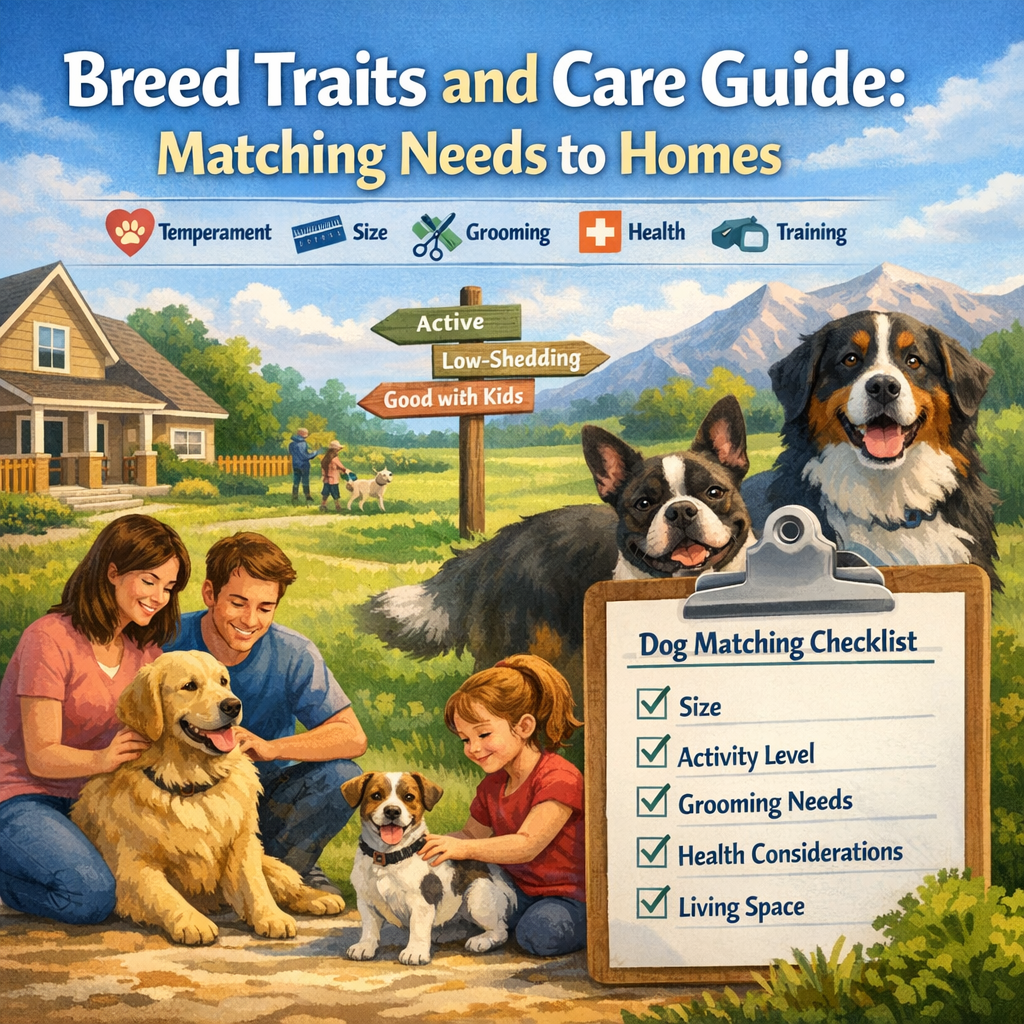
You’re about to embark on a lifelong journey with a dog that fits your lifestyle, space, and daily routine. This guide breaks down common breed groups by their physical traits, temperament, grooming, exercise needs, and health considerations. By understanding these basics, you can better match a dog breed to your family and home.
We’ll cover this in clear, bite-sized sections so you can compare options quickly. Each breed group is described with practical tips you can use when researching dogs through AKC resources, reputable breeders, or rescue groups.
Short to Medium Haired, Active Breeds
Physical traits often reveal how much grooming and daily activity a dog will need. Active, short to medium haired breeds tend to require regular exercise to stay healthy and happy, plus consistent mental stimulation.
Key considerations:
-
-
- Energy level: Expect higher daily activity, frequent play, and opportunities for bursts of running or training.
- Grooming: Minimal daily brushing with periodic professional grooming for some breeds; expect shedding in season.
- Size and space: Most do well with a yard or regular access to outdoor space, though apartment living is possible with extra walks.
- Health and care: Look for breed health history, especially joint and eye concerns common to active lines. Regular checkups help catch issues early.
Examples you’ll often hear about in life with a family dog include breeds with sturdy builds and reliable temperaments. When you’re choosing, consider the predictability of traits common to purebred dogs as well as the variety found in mixed-breed dogs. This helps you align a dog’s habits with your family’s energy and daily schedule.
Long Haired, Calm or Sedate Breeds
Long-haired and more sedate breeds typically enjoy downtime and steady routines. They often thrive in homes with slower, predictable days and spaces that suit lounging and light activity.
What to know:
-
-
- Grooming: Regular brushing to prevent tangles and mats plus periodic trims. Some long-haired breeds benefit from professional grooming.
- Exercise: Moderate daily activity; shorter, well-paced walks and gentle play generally suffice.
- Temperament: Often affectionate, loyal, and good with families, though some individuals may be more independent.
- Health: Joint comfort and coat-related skin care can be priorities; routine vet visits help monitor breed-specific concerns.
These breeds can be excellent first-time dogs for many families, especially when you value predictability and a calmer household rhythm. Always verify health testing and breed history when possible to support a responsible ownership choice.
Small Breeds for Compact Living
Small breeds frequently suit apartments or smaller homes, but their exercise and mental engagement still matter for well-being and happiness.
Tips for owners:
-
-
- Space needs: Small does not always mean low exercise. Schedule predictable play, training sessions, and short walks to meet energy needs.
- Grooming: Coat type varies; some may require more frequent brushing and trimming.
- Temperament and training: Many small dogs are confident and clever, which can lead to spirited behavior without consistent training.
When researching small breeds, consider how a dog’s size, energy, and grooming will fit your home and routine. This ties directly into responsible dog ownership and thoughtful breed selection.
Medium to Large Working and Herding Breeds
These breeds often bring high energy, strong drive, and impressive stamina. They excel in active households that can provide daily vigorous exercise, mental challenges, and structured training.
Key points:
-
-
- Exercise: Pulled toward sustained activity; plan for long daily workouts and frequent training sessions.
- Grooming: Varies by breed; some require regular professional care, others are moderate to low maintenance.
- Health: Some lineages may face specific issues like hip dysplasia or endurance-related conditions. Regular screening and preventive care are important.
- Training and temperament: Consistent, positive reinforcement training works best; these breeds often respond well to structure and clear leadership.
For families drawn to the energy and loyalty of working and herding dogs, it helps to research breed clubs, parent clubs, and breeder ethics to ensure you’re getting a healthy, well-socialized companion.
Grooming, Health, and Monthly Care at a Glance
Regardless of group, certain routines apply to most dogs. A predictable care schedule makes life easier for you and happier for your dog.
-
-
- Grooming: Brush frequency by coat type, professional trims when needed, and regular dental care.
- Nutrition: Balanced diet tailored to size, age, and activity level; watch for weight gain with lower activity or high-calorie diets.
- Health checks: Routine vet visits, vaccination updates, parasite prevention, and breed-specific health testing when available.
- Training and socialization: Start early with basic commands and gentle exposure to various environments to prevent behavior problems.
Choosing the Right Breed: How to Start
Plan to gather information from reputable sources such as the American Kennel Club (AKC) and breed clubs. Look for breed health testing, responsible breeders or rescue options, and realistic expectations about size, energy, and grooming needs.
Important considerations include whether you prefer a purebred or mixed-breed dog, and how you weigh predictability against the joy of discovering a dog who fits your family like a perfect puzzle piece. Research, meet dogs through reputable channels, and ask questions about training, nutrition, and daily routines. A thoughtful approach helps ensure a lifelong, happy partnership.
FAQ
Q: How do I know which breed group fits my family best?
A: Start with your activity level, available space, and how much time you can dedicate to training and grooming. Consider whether you want a high-energy companion or a calmer, low-maintenance friend. Always check breed health history and talk to reputable breeders or breed clubs for guidance.
Q: Is a purebred dog more predictable than a mixed breed?
A: In general, purebred dogs show more consistent physical traits and behaviors within a breed. This predictability can help you match a dog to your lifestyle, but mixed-breed dogs can also make wonderful lifelong companions with a mix of desirable traits. Always consider the individual dog and its training, socialization, and health history.
Q: What should I look for when choosing a breeder or rescue?
A: Seek responsible breeders who perform health testing and belong to breed clubs or AKC Marketplace listings. If adopting, choose reputable rescues or shelters that assess temperament and health before rehoming. Ask about vaccination, spay/neuter status, and return policies.
Introduction
Purpose of the guide
This guide helps you align a dog breed’s needs with your lifestyle. It breaks down temperament, size, grooming, and care requirements so you can choose a family dog that fits your world. You’ll see how these factors influence long term happiness for you and your new companion.
Understanding breed traits and home environments
Breeds carry patterns in energy, grooming, and health that help you gauge fit for your home. Whether you live in a bustling family house or a smaller apartment, practical, observable traits guide confident decisions.
-
-
- Predictability helps you match a breed to your activity level and schedule.
- Consider both purebred and mixed-breed options for a well matched lifelong commitment.
- Think about housing, family dynamics, and daily routines when evaluating dog breeds.
For example, a high energy herding breed may thrive with an active family that runs daily, while a calm, low-shedding breed suits small apartments and first time owners. Bella Gatti US Shop recommends pairing a busy household with dogs that have moderate exercise needs and robust health profiles, reducing long term vet costs and stress.
Actionable steps you can take today: map a typical weekday for all household members, note peak activity times, and compare those to a breed’s energy curve. Check breeder or rescue sources for health testing and lineage details, and request a trial period when possible. Avoid breeds with specialized grooming that your routine can’t support, as neglect often leads to skin and coat problems.
1. Temperament Profiles: Calm, Moderate, and High-Energy Breeds
Understanding how a dog’s temperament fits your daily rhythm helps you choose a breed that meshes with your routines and household dynamics. Temperament influences not just energy but how a dog interacts with family members, guests, and other pets.
Traits of calm breeds
Calm breeds tend to settle quickly and prefer low-key activities. They suit quieter homes and predictable daily pacing without sudden bursts of energy.
-
-
- Lower daily energy requirements and longer rest periods
- Steady pacing during training and consistent responses
- Gentle interactions with children and other pets
Traits of moderate-energy breeds
Moderate-energy breeds balance play and rest. They stay engaged without constant stimulation, adapting well to a range of living situations.
-
-
- Regular activity needs with daily walks and play
- Willingness to participate in family routines
- Reliability in basic training and problem-solving tasks
Traits of high-energy breeds
High-energy breeds require sustained activity and varied daily life. They do best in active homes with structured exercise and ongoing mental challenges.
-
-
- Frequent physical exertion and mental stimulation
- Higher training bandwidth and social interaction needs
- Early focus on impulse control and structured routines
2. Size-Based Suitability: Small, Medium, and Large Breeds
Space and housing considerations by size
Size helps you imagine where a dog will feel most comfortable, but it doesn’t lock in energy or needs. Consider your living space, noise levels, and outdoor access when evaluating by size.
-
-
- Small breeds often adapt well to apartments and compact homes.
- Medium breeds strike a balance and fit many suburban layouts.
- Large breeds benefit from open spaces or secure yards and sturdy furniture to accommodate their size.
Care and exercise needs by size
Exercise requirements do not scale perfectly with size. Each dog still needs daily movement, mental stimulation, and a structured routine.
-
-
- Small breeds can stay active through shorter, multiple sessions and benefit from indoor enrichment.
- Medium breeds typically require a mix of daily walks, games, and training tasks.
- Large breeds often need longer daily exercise and regular opportunities to stretch out and relax safely.
3. Grooming and Maintenance Demands: Low, Moderate, and High
Coat types and grooming frequency
Your dog’s coat drives grooming needs. Short, smooth coats shed less and typically require less brushing, while long or dense coats need regular upkeep to prevent matting and tangles.
-
-
- Low maintenance: short, single coats with light shedding and minimal brushing.
- Moderate maintenance: medium-length or double coats needing routine brushing and periodic trims.
- High maintenance: long or curly coats requiring daily brushing, frequent baths, and scheduled professional styling.
Determinants of maintenance burden
Maintenance includes more than coat care. Nail trimming, ear cleaning, dental upkeep, and occasional spa days contribute to the routine. Some breeds benefit from specialized care or equipment to keep skin and coat healthy.
-
-
- Skin sensitivity or seasonal shedding patterns can raise care time.
- Professional grooming may be needed to maintain coat health.
- Allergies or skin conditions influence product choices and bathing frequency.
4. Health Considerations and Common Breed Tendencies
Genetic health risks by breed
Understanding common health tendencies helps you plan proactive care. Breed groups often show predictable health patterns, guiding screening and prevention without implying universal outcomes.
-
-
- High energy working breeds may be prone to joint and muscular stress if activity is not conditioned properly. For example, a German Shepherd benefits from a structured conditioning plan that ramps up gradually.
- Medium sized companion breeds can face dental and obesity risks when activity declines. A consistent routine of daily walks and regular brushing supports oral health.
- Large breeds may encounter skeletal or heart-related concerns that benefit from early monitoring and controlled exercise. Discuss orthopedics and cardiac checks with your veterinarian as appropriate for the breed.
Preventive care and screening recommendations
Regular preventive care supports lifelong health. Tailor screenings to breed tendencies and your veterinarian’s guidance.
-
-
- Schedule annual wellness exams with targeted labs when indicated by risk factors. Note changes in energy, appetite, and gait between visits.
- Include joint and orthopedic assessments for breeds predisposed to mobility issues. Use gait analysis and range of motion tests as baseline references.
- Prioritize dental health with exams and cleanings to prevent periodontal disease. Maintain a 6 month at-home brushing rhythm and professional cleanings every 1-2 years as advised.
| Breed group |
Common health focus |
Suggested screenings |
| Working and herding |
Joint health, tendon injuries, stamina management |
Orthopedic exam, gait assessment, cardiovascular check |
| Toy and companion |
Dental health, obesity risk, respiratory considerations |
Dental exam, body condition scoring, airway evaluation if needed |
| Large and giant breeds |
Skeletal development, heart health |
Radiographs as indicated, echocardiogram if risk flagged, annual vet visit |
5. Activity and Training Needs: Exercise, Mental Stimulation, and Training Style
Daily exercise expectations
Your dog’s energy level drives daily movement. Plan a routine that aligns with the breed’s drive while fitting your schedule. Consistency matters more than volume for building lasting habits.
-
-
- Calm breeds: two 15 minute walks plus a short midday play burst.
- Moderate energy breeds: a 30 minute walk with 10 minutes of interactive play and a short training task.
- High energy breeds: a 45 minute hike, an active game, and a structured training session.
Mental enrichment and puzzle needs
Mental challenges prevent boredom and related behaviors. Choose puzzles that match your dog’s ability and rotate them to keep interest high. Aim for a solvable challenge at least twice daily.
-
-
- Calm breeds: brief puzzle breaks with simple rewards.
- Moderate energy breeds: a rotating set of puzzle types several times per week.
- High energy breeds: integrate puzzles with obedience cues during breaks to blend mental and physical effort.
Training approaches by temperament
Training should reinforce natural tendencies while building reliability. Positive reinforcement works across temperaments, with tweaks for motivation and structure tolerance.
| Temperament |
Training focus |
Best methods |
| Calm |
Consistency, impulse control |
Short sessions, clear cues |
| Moderate |
Reliability, manners |
Varied environments, steady feedback |
| High energy |
Drive management, stamina |
Frequent challenges, longer sessions |
6. Living Situations and Compatibility: Families, Singles, Apartments, and Homes with Pets
Family dynamics and breed compatibility
Your family routine and living style shape which dog breeds will thrive. Consider how children, visitors, and daily schedules align with a dog’s energy and tolerance levels.
-
-
- Active households benefit from breeds that handle sustained play and outdoor time, such as Labs or Border Collies, with daily 60 to 90 minutes of focused activity.
- Calm, patient breeds like Cavalier King Charles Spaniels or greyhounds can adapt to younger children with steady supervision and gentle handling.
- Consistency in rules and routines supports any breed; set feeding, walking, and training times and maintain them for three weeks or more.
Apartment friendly breeds and space considerations
Living in a compact space requires planning around exercise, noise, and enrichment. Some breeds adapt well to apartments with a predictable routine.
-
-
- Seek smaller or lower energy profiles, such as a Pug or Shih Tzu, that cope with limited space when paired with regular walks.
- Assess access to outdoor potty breaks and activity, and consider a dog-friendly balcony with secure containment if indoor options are limited.
- Incorporate daily mental enrichment through toys and short training sessions to offset confinement and prevent boredom.
Multi-pet household dynamics
Introducing a new dog to an existing household depends on temperament compatibility and prior socialization. Plan for gradual introductions and ongoing observation.
-
-
- Match energy levels and play styles to minimize friction; start with brief, supervised interactions on neutral ground.
- Provide separate resources to reduce competition over toys and feeding areas, using labeled bowls and crates if needed.
- Regular socialization with both dogs fosters harmonious interactions over time; consider group walks to build shared routines and trust.
7. Matching Process: Steps to Find Your Best Breed Fit
Self assessment of lifestyle and goals
Start with a clear picture of your daily routine, activity level, and long term plans. A dog is a lifelong commitment, so align your choice with where you live, your work hours, and family dynamics.
-
-
- Evaluate energy tolerance and preferred activities, from hikes to couch time.
- Consider grooming time, budget, and readiness for training needs.
- Set non negotiables, such as size, allergy considerations, or noise sensitivity.
Concrete scenario: if you work 9 to 5 and enjoy weekend trails, a medium energy breed with moderate grooming fits best. If you live in a small apartment and work long hours, explore low maintenance, high trainability options and schedule enrichment time.
Screening and choosing a breed
Screen breeds by temperament, size, and care requirements that fit your profile. Use reliable breed resources to compare typical traits, not just appearances.
-
-
- Match family dog potential to household routines and safety with children or other pets.
- Weigh predictability of traits against lifestyle variability, such as travel or shift work.
- Document questions for breeders or shelters to validate health history and lineage.
Practical step: create a two-column comparison of top three breeds you’re considering, listing energy level, grooming needs, typical health concerns, and daily time commitment.
When to consult breeders or rescue organizations
Consult professionals to confirm suitability and obtain responsible sourcing. Ethical channels emphasize health screening and transparent lineage.
-
-
- Ask about temperament testing, socialization opportunities, and aftercare support.
- Request health clearances and recent veterinary records to assess breed risks.
- For mixed breeds or uncertain histories, inquire about behavior assessments and adoption processes.
Expert tip: Bella Gatti US Shop recommends verifying breeder accreditation, visiting facilities if possible, and requesting a trial foster to ensure compatibility with your home before finalizing adoption or purchase.
FAQ
Common questions help you compare dog breed options with confidence. This section covers practical considerations you may encounter during the matching process as you look for a lifelong family dog.
-
-
- Can breed traits predict behavior? Predictability exists, but individual dogs vary. Look to reliable sources such as the American Kennel Club (AKC) and transparent breeder information to gauge typical temperament tendencies and daily behavior patterns. Be aware that a listed watchdog trait does not guarantee aggression and often comes with specific socialization needs.
- How do I choose between purebred and mixed breed? Purebreds offer defined expectations for energy, size, and health, while mixed breeds bring genetic diversity. Assess your lifestyle, space, and tolerance for variability. If you rent, verify pet policies and consider rescue options from Bella Gatti US Shop partner shelters for vetted mixed breeds.
- What is a responsible breeder responsible for? Health screenings, clear lineage records, and ongoing aftercare support signal responsible sourcing. Seek breeders affiliated with recognized clubs and verify health testing and ethics before adopting. Request health clearances for common conditions and a contract covering return options if needs change.
- What if I live in a smaller space? Target smaller or lower energy breeds and plan enrichment and daily activity to offset space limits. Review breed energy levels and temperament to find a good match for apartment living. Include puzzle feeders and brief training sessions to burn energy indoors.
- How much exercise does a typical breed need? Exercise needs vary by temperament and size. Use breed profiles as a starting point, then tailor routines to your schedule, climate, and the dog’s health. Regular walks, play, and mental stimulation support lifelong well being. Aim for a balanced mix of structured activity and enrichment daily.
| Question |
Key Consideration |
| Purebred vs mixed-breed |
Trait predictability vs genetic diversity |
| Breeder trust factors |
Health screenings, transparency, aftercare |
| Space and exercise |
Breed energy, size, enrichment needs |
Expert Insight
“Breed is generally a poor predictor of individual dog behavior; what matters most is the dog’s individual temperament and the socialization and enrichment they receive.” , Industry Expert
Conclusion
Choosing a dog breed is a balance between your lifestyle, home environment, and the long term commitment you’re making. By weighing temperament, size, grooming, health, and training needs, you can select a breed that fits your daily routine and future plans.
At Bella Gatti US Shop, we emphasize practical matches that respect both people and pets. The right breed should harmonize with your family dynamics, activity level, and living space, reducing surprises and supporting lasting companionship.
-
-
- Reflect on daily routines and identify non negotiables such as exercise capacity or space.
- Prioritize health considerations and transparent lineage when researching breeders or rescues.
- Plan for ongoing enrichment, training, and preventive care as part of a lifelong partnership.
If you’re unsure, observe how different breed profiles align with your rhythm before making a final choice. A well matched dog becomes a trusted family member and a source of daily joy.
Expert Insight
“Experts warn that breed reputation alone can mislead, environment, training, and owner engagement often shape behavior more than genetics.” , Industry Expert