TL;DR
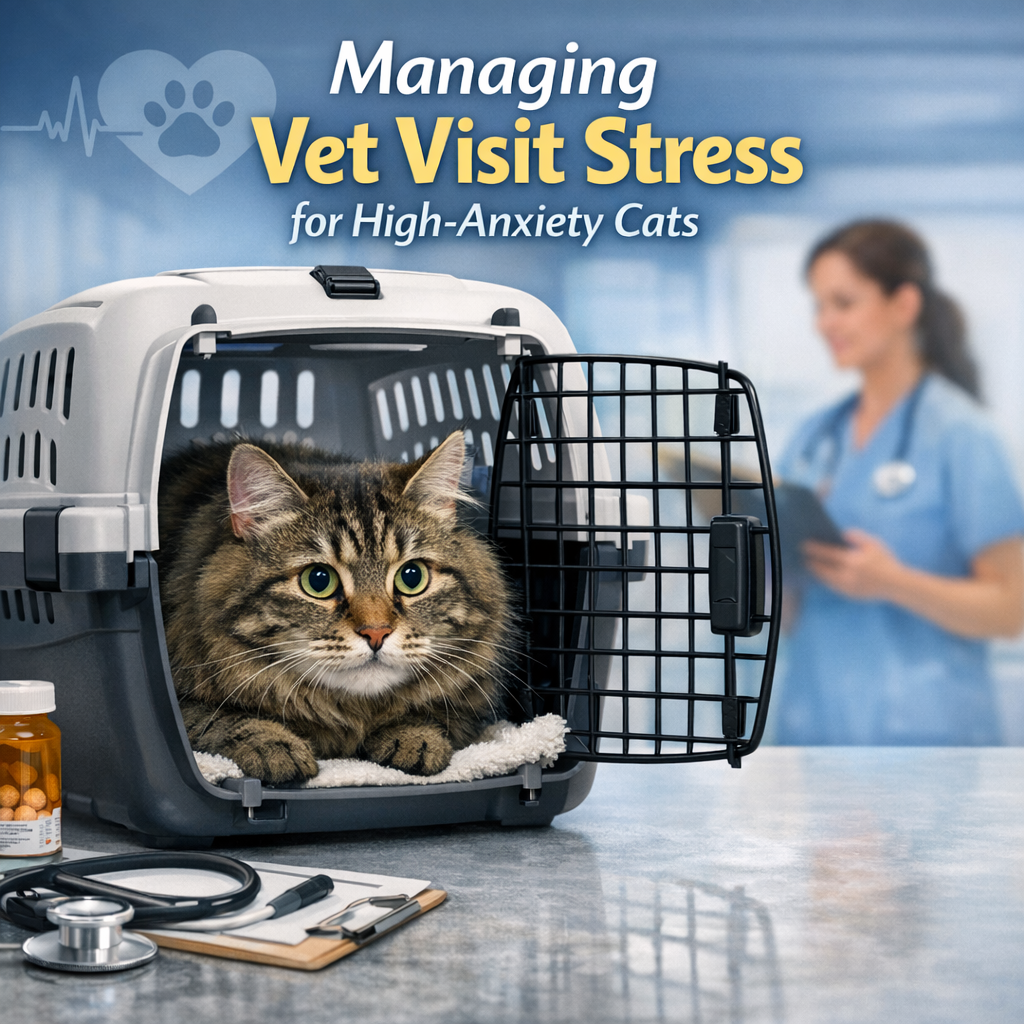
- Choose the Right Carrier: Use a sturdy, well-ventilated carrier with a removable top or “clamshell” design so your cat can stay inside their “safe zone” during the veterinary exam.
- Desensitize Through Exposure: Keep the carrier in your living area permanently and use treats, toys, and meals to create positive associations, making voluntary entry a habit.
- Create a Sensory Safe Haven: Line the carrier with familiar-smelling bedding (like an unwashed t-shirt) and consider pheromones or calming music to mask clinic odors and sounds.
- Monitor Stress Cues: Watch for signs like “meatloafing” or rapid tail flicking; if environmental adjustments aren’t enough, consult your vet about a sedation plan to prevent long-term trauma.
Table of Contents
Does the sight of a cat carrier send your feline friend into a vanishing act? You are not alone. Many cat owners dread the annual check-up as much as their pets do.
Routine veterinary care is vital for a long, healthy life. However, statistics show that over 60 percent of cats miss these visits due to the sheer terror of the trip. Understanding why your cat feels this way is the first step to a calmer experience.
Cats are deeply attached to their home territory. When you remove them from their predictable routine, they feel vulnerable. The noise of the car and the strange scents of the animal clinic create a perfect storm of feline anxiety.
The Importance of Using a Proper Cat Carrier
Selecting a sturdy, well-ventilated carrier is the first step in mitigating the “vanishing act” mentioned earlier. Veterinary experts recommend hard plastic or high-quality soft-sided models with removable tops; these designs allow a veterinarian to perform an initial exam while the cat remains nestled in their “safe zone.” To further improve comfort, line the base with thick, familiar bedding to maintain home scents. Beyond durability, ensure the design features multiple entry points and ample airflow to prevent overheating during the journey. It’s also important to ensure your cat receives life saving veterinary care whenever necessary.
Training Cats with Positive Reinforcement
Once you have the right equipment, the next phase involves transforming that carrier from a looming threat into a familiar sanctuary. Instead of storing the crate in a garage or closet, leave it permanently in a common living area to normalize its presence. You can accelerate this acceptance by placing high-value treats, favorite toys, or even meals inside the unit daily. This gradual behavior modification replaces the traumatic “catch and cage” routine with voluntary entry, ensuring your cat’s cortisol levels remain low before you even leave the house.
Transforming the Cat Carrier into a Safe Haven
While pheromones set the mood, the physical architecture of the carrier dictates the ease of the veterinary exam itself. Experts recommend sturdy, hard-plastic carriers or high-quality soft-sided models that feature multiple entry points. Specifically, look for designs with a removable top or a “clamshell” opening. This allows a fearful cat to remain in the bottom half of their familiar “nest” while the veterinarian performs the check-up, eliminating the need to drag a resisting pet through a small front door.
To deepen this sense of security, line the base with an unwashed t-shirt or a fleece blanket that smells like home. This creates a sensory “safety bubble” that masks the sterile, intimidating odors of the clinic. By surrounding the cat with their own scent profile, you provide a portable territory that remains constant regardless of the external environment. Exploring pet acclimation techniques can also enhance your cat’s comfort during these experiences.
Frequently Asked Questions
How can I tell if my cat is stressed?
Feline distress is often subtle; look for physiological cues like excessive paw pad sweating, rapid tail flicking, or “meatloafing”, where the cat hunches tightly with their paws tucked and head low. Beyond the physical tools already discussed, you can enhance the auditory environment by playing species-specific music, which utilizes frequencies and tempos designed to mimic a purr. If your cat remains in a state of “feline tonic immobility” (freezing in terror) despite these environmental adjustments, monitor stress and use calming aids to prevent long-term psychological trauma.