TL;DR
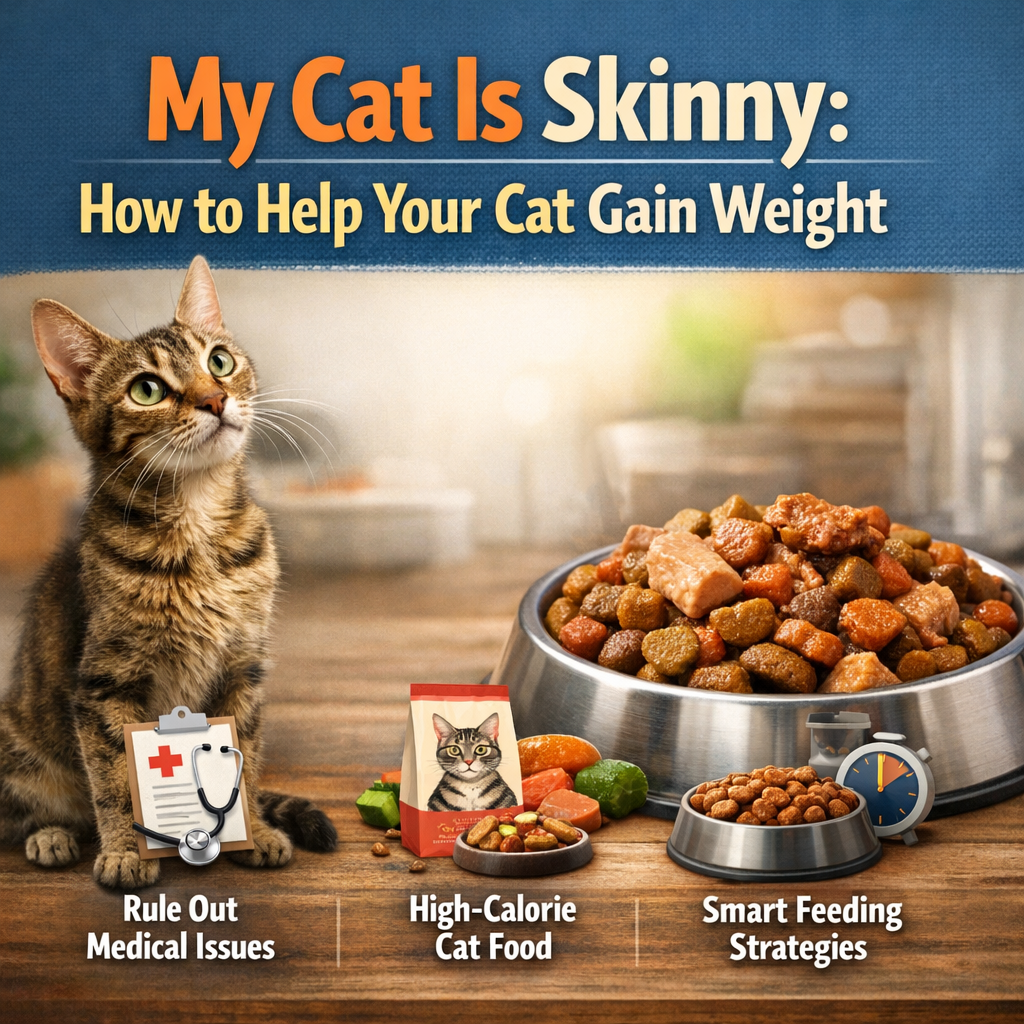
- Rule Out Medical Issues: Sudden weight loss often signals underlying conditions like Chronic Kidney Disease (CKD), hyperthyroidism, diabetes, or dental pain; a veterinary evaluation with blood work is the essential first step.
- Optimize Nutrition: Help your cat gain weight by offering high-protein, calorie-dense foods (such as kitten formulas), adding flavor-enhancing toppers, and ensuring the diet is species-appropriate (animal-based proteins).
- Feeding Strategies: Encourage eating by warming food to 101°F, serving 4-6 small meals daily in a quiet, “whisker-friendly” environment, and using appetite stimulants or high-calorie supplements if necessary.
- Monitor Progress: Use the Body Condition Score (BCS) to assess health, ribs should be feelable but not visible, and track weekly weight alongside improvements in coat quality and energy levels.
Table of Contents
It is a common worry for many pet parents. You pet your feline friend and suddenly realize those ribs feel a bit too prominent under your touch.
While we often focus on feline obesity, having an underweight cat is just as serious. Seeing your kitty lose their fluff can be stressful for any cat lover.
With modern advancements in pet nutrition, we have better tools than ever to help our cats reach their ideal weight safely and happily.
Identifying Cat Rib Visibility and Weight Issues
Determining whether your feline companion is truly underweight requires more than just a passing glance. A primary indicator of body condition is cat rib visibility and the tactile sensation of the spine through the fur. Veterinary professionals often use a Body Condition Score (BCS) to standardize this assessment, looking for specific physical landmarks that signal a caloric deficit.
In a healthy cat, you should be able to feel the ribs under a thin layer of fat without using excessive pressure, but they should not be visually obvious from a distance. If the ribs are protruding or the pelvic bones feel sharp to the touch, it is a clear sign that the body is burning through its fat reserves and potentially its muscle mass.
Beyond the ribcage, look for a dramatic “tucked-in” waist and a lack of abdominal fat. If you notice a sharp spine or sudden weight fluctuations, your cat’s body is signaling a metabolic imbalance that requires immediate attention to prevent long-term health complications.
Medical Evaluation and Diagnostics for Weight Loss
Once you have identified these physical changes, the next step is to seek professional vet advice to ensure no underlying illness is driving the drop in pounds. Because cats are masters at hiding discomfort, weight loss is often the first, and sometimes only, visible symptom of an internal health struggle that cannot be fixed by extra treats alone.
Your veterinarian will likely recommend a comprehensive cat blood test to screen for common culprits such as hyperthyroidism or Feline Diabetes. They may also perform a fructosamine test to get a long-term picture of blood sugar levels, or a feline leukemia (FeLV) and immunodeficiency virus (FIV) panel, as these viral infections can significantly impact a cat’s ability to maintain a healthy weight. Proper feline nutrition is crucial in preventing these health issues.
Furthermore, diagnostic tools like dental radiography are vital for a complete evaluation. Hidden issues like resorptive lesions or fractured teeth can cause intense oral pain, leading to cat kibble refusal. If eating becomes a source of agony rather than nourishment, even the most food-motivated cat will begin to waste away.
Understanding Chronic Kidney Disease and Cat Kidney Health
If blood work and dental exams are clear, your veterinarian will look closely at organ function, as weight loss is a hallmark of feline CKD symptoms. When the kidneys struggle to filter metabolic waste, toxins build up in the bloodstream, leading to persistent cat appetite loss, nausea, and progressive muscle wasting that is difficult to reverse without specialized intervention.
In advanced cases, such as Stage 4 CKD or an Acute Kidney Injury, the body’s internal chemistry becomes severely disrupted. Managing the potassium-calcium ratio and providing highly bioavailable nutrients becomes critical to prevent further systemic decline. At this stage, the goal shifts from simple weight gain to metabolic stabilization and the preservation of remaining organ function.
Because the kidneys play a major role in fluid balance, veterinarians frequently prescribe a nutritional rehydration solution. This helps combat the chronic cat dehydration that accompanies renal failure, which often makes cats feel too lethargic or nauseated to approach their food bowl, creating a dangerous cycle of weight loss.
Nutritional Needs of Underweight Cats
After addressing the medical hurdles, the focus must shift to a recovery diet centered on high protein cat food and calorie-dense options. For an underweight adult, the objective is to provide maximum nutrition in smaller, more manageable portions that don’t overwhelm a sensitive digestive system or a diminished appetite.
A common veterinary recommendation is to incorporate high-calorie kitten formula into the diet. Kitten food serves as an excellent tool for adult weight gain because it is naturally higher in fats and essential amino acids designed to support rapid tissue growth. This concentrated energy source allows your cat to consume more calories per volume compared to standard maintenance diets.
To further entice a finicky eater, consider enhancing meals with “toppers” that provide both flavor and function. Adding small amounts of organ meats like liver, a sprinkle of eggshell powder for essential minerals, or plain boiled chicken can stimulate the sense of smell. These additions make the meal more enticing while providing the dense nutrients necessary to rebuild muscle and restore your cat’s natural fluff.
Feeding Strategies for the Picky Eater Cat
Beyond simply adding toppers, the physical presentation of the meal plays a vital role in overcoming a cat’s refusal to eat. Many underweight felines suffer from dental sensitivity or fatigue, making hard textures unappealing. Try softening dry kibble with warm water or a splash of low-sodium chicken broth; the heat releases fats and aromas that are more likely to trigger a feeding response than cold, stagnant food.
The environment where you feed your cat also dictates their willingness to consume calories. Ensure their bowl is placed in a quiet, low-traffic area far from the litter box to minimize stress. If they remain hesitant, try “whisker-friendly” shallow plates rather than deep bowls, as many cats find the sensation of their whiskers touching the sides of a dish overstimulating, which can lead to premature meal abandonment.
Use of Appetite Stimulants and Supplements
When environmental adjustments and texture changes aren’t enough to jumpstart a metabolism, clinical interventions may be necessary to bridge the nutritional gap. High-calorie supplements like Nutrigel provide concentrated energy in a small volume, while KMR (Kitten Milk Replacer) powder can be dusted over adult food to provide a familiar, protein-rich flavor profile that mimics the nutrient density of mother’s milk.
For cats in a critical state of recovery, specialized veterinary diets like Hill’s a/d are formulated with high digestibility in mind. These “critical care” formulas have a smooth, pate-like consistency that can be easily licked or, if the cat is severely weakened, administered via a feeding syringe under veterinary guidance. Additionally, addressing underlying emotional triggers with pheromone diffusers or calming supplements can help resolve lethargy-related anorexia caused by household changes or anxiety.
Monitoring Progress and Breed-Specific Needs
As your cat begins to accept these new feeding protocols, it is important to understand that “healthy” looks different depending on the breed. For instance, in Persian cat care, a healthy adult typically oscillates between 7 and 12 pounds. While a weight of approximately 4.5 kg is often considered the ideal standard for this breed, you should focus more on the “Body Condition Score”, you should be able to feel the ribs under a layer of muscle, but they shouldn’t be protruding sharply.
Consistency is the most effective tool for long-term success, so maintain a weekly log of your cat’s weight to catch any plateaus or sudden drops. Beyond the scale, look for qualitative markers of recovery: a coat that regains its natural oils and luster, a decrease in hiding behavior, and a return of the “zoomies” or playful curiosity. These behavioral shifts often precede significant physical weight gain and indicate that the body is successfully absorbing nutrients.
Species-Appropriate Nutrition and Long-Term Health
The ultimate goal of weight restoration is to establish a permanent diet rooted in species-appropriate nutrition. As obligate carnivores, cats lack the metabolic pathways to efficiently process plant-based carbohydrates; therefore, long-term health depends on animal-based proteins rather than corn or soy fillers. High-quality wet foods with high moisture content are generally superior for weight gain as they support kidney function while providing the amino acids necessary for lean muscle repair.
Navigating the vast array of commercial options can be daunting, but leaning on expert communities can provide clarity. Resources like Paws of Prey offer deep dives into raw and lightly cooked formulations, while experienced contributors in feline health forums often provide anecdotal insights into managing specific complications like blood parasites or chronic malabsorption. By combining these community-vetted strategies with high-quality ingredients, you can ensure your cat doesn’t just put on “fat,” but builds the sustainable muscle mass required for a long, vibrant life.
Medical Evaluation and Feline Diagnostics
Before adjusting your cat’s caloric intake, a professional consultation is essential because sudden weight loss is frequently a clinical symptom of systemic issues like feline diabetes, hyperthyroidism, or inflammatory bowel disease. Comprehensive diagnostic blood panels, including T4 levels and chemistry profiles, allow veterinarians to identify metabolic imbalances that no amount of extra food can fix on its own. Additionally, dental radiography is often required to detect resorptive lesions or periodontal disease that may be causing hidden oral pain, leading to food avoidance.
Understanding Cat Health Issues and Weight Fluctuations
What often looks like a “finicky eater” may actually be a cat suffering from nausea or chronic pain. If a medical condition is confirmed, your vet might prescribe mirtazapine or capromorelin to stimulate the hunger drive while simultaneously treating the root cause. While community insights are helpful for day-to-day care, expert diagnostics serve as the foundation for any successful recovery plan, ensuring that weight gain efforts don’t inadvertently strain compromised organs like the kidneys.
Monitoring and Target Weight for Specific Breeds
Target weights vary significantly by breed; for instance, a healthy Persian typically falls between 7 and 12 pounds, whereas a Maine Coon may naturally weigh double that. Beyond the raw numbers on a digital scale, you should utilize the Body Condition Score (BCS) system to assess muscle coverage. A prominent, “bony” spine or a deep abdominal tuck indicates a cat is dangerously underweight and requires immediate nutritional intervention to restore its metabolic vitality.
Monitoring and Target Weight Range
To ensure your cat is gaining healthy lean mass rather than just subcutaneous fat, you must perform weekly physical assessments. Place your hands over the ribcage; the ribs should feel like the back of your hand, palpable under a thin layer of tissue but not protruding. If the pelvic bones are sharp to the touch, it is a sign that the body is still in a catabolic state, breaking down its own muscle for energy.
Environmental Influence on Feeding
Beyond the bowl, the feeding environment plays a massive role in weight restoration. Stress and competition from other pets can cause “social tension anorexia,” where a cat avoids the food dish to avoid conflict. Creating a “safe zone” with elevated feeding stations can lower cortisol levels, making the cat more likely to settle in and finish a full meal. This behavioral approach complements medical treatments by addressing the psychological barriers to eating.
Advanced Hydration Techniques
Hydration is the silent partner of weight gain, as dehydrated cats often lose interest in eating. While water bowls are standard, offering moisture-wicking lickable treats or low-sodium chicken broth can significantly increase fluid intake. For cats that prefer running water, feline fountains can encourage drinking, which supports kidney function and helps the body process the increased protein load required for weight gain.
Habituation and Feeding Strategies
Consistency is key when rehabilitating an underweight pet. Offering four to six small, warmed meals throughout the day is more effective than two large feedings, as it prevents the digestive system from becoming overwhelmed. Warming wet food to exactly 101°F (38.5°C) mimics the temperature of fresh prey, which can bypass a cat’s instinctual hesitation and encourage a robust feeding response.
| Condition |
Physical Signs |
Action Needed |
| Underweight |
Visible ribs, spine, and pelvis; no palpable fat. |
Increase calorie density and consult a vet. |
| Ideal |
Ribs felt under a slight fat layer; waist visible. |
Maintain current caloric and activity balance. |
| Overweight |
Ribs difficult to feel; rounded abdomen. |
Gradual portion reduction and increased play. |
Habituation to Preferred Foods and Feeding Strategies
As you refine these sensory techniques, consider how the delivery of food can tap into feline instincts. Transitioning from two large meals to five or six micro-meals throughout the day better mimics natural hunting behaviors and prevents the “hunger-nausea” cycle. If your cat remains hesitant, try “plate-pacing,” where food is spread thinly across a flat surface to make it easier to lap up without effort. For cats recovering from illness, the social stimulation of hand-feeding or sitting nearby during mealtime can provide the necessary reassurance to spark an appetite. This habituation period is also the ideal time to introduce moisture-rich toppers, which support overall hydration and ease the workload on the kidneys during weight gain.
Addressing Dental and Oral Health Issues
Beyond general body condition, specific attention must be paid to the mouth, as dental disease is a primary driver of feline weight loss. Oral pain often manifests as “starving but hesitant” behavior, where a cat approaches the bowl but retreats after one bite. Watch for subtle signs like tilting the head while chewing, dropping pieces of kibble, or excessive drooling, which may indicate gingivostomatitis or fractured teeth.
The Impact of Oral Health on Feline Nutrition
When chewing becomes a barrier to satiety, the texture of the diet must evolve. Transitioning to smooth patés or liquified diets can bypass mechanical pain, while adding a calorie-dense nutritional gel provides concentrated energy without requiring significant mastication. These interventions serve as a temporary bridge, maintaining the cat’s strength until professional veterinary intervention, such as an ultrasonic scaling or necessary extractions, can permanently resolve the discomfort.
Frequently Asked Questions About Cat Weight Gain
Supporting an underweight cat involves a multi-pronged approach that balances medical management with environmental enrichment. Owners often find that addressing the psychological aspects of feeding, such as reducing competition in multi-cat households or using pheromone diffusers, can be just as effective as changing the brand of food for a stressed or “anxious eater.”
How can I encourage weight gain?
- Incorporate moisture-rich toppers like bonito flakes or goat milk to increase palatability.
- Utilize puzzle feeders for highly active cats to keep them engaged with their food.
- Feed smaller, more frequent meals throughout the day to mimic natural hunting patterns and prevent digestive upset.
While every cat’s metabolism is unique, owners can generally expect to see a visible improvement in coat quality and energy levels within three to four weeks of a consistent, high-calorie regimen.