




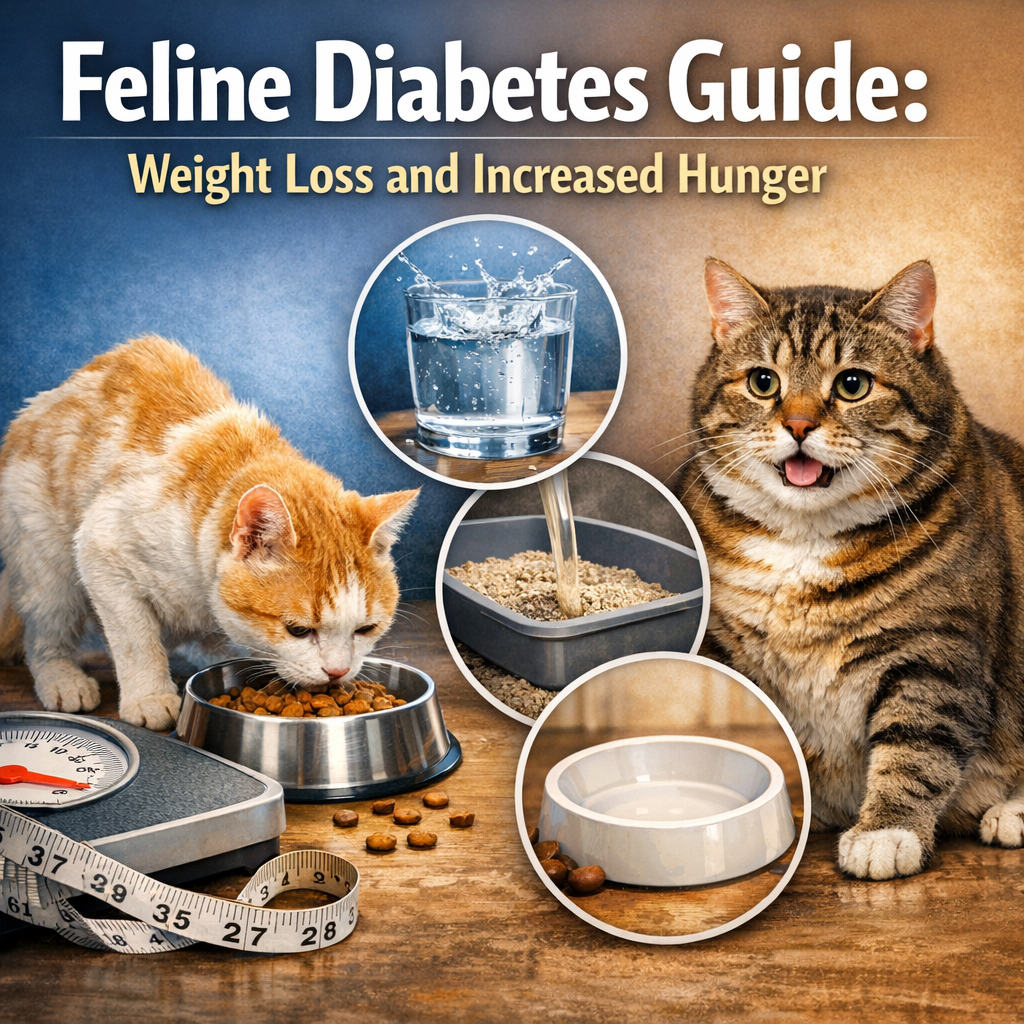
- Core Symptoms: Feline diabetes is primarily characterized by the “classic triad” of excessive thirst, frequent urination, and increased hunger paired with unexplained weight loss.
- The Obesity Link: Excess weight is a major driver of insulin resistance; every kilogram of extra fat can reduce a cat’s insulin sensitivity by approximately 30%, making weight management a critical part of treatment.
- Management & Treatment: Most diabetic cats require daily insulin injections (which are generally painless) and a high-protein, low-carbohydrate wet diet to stabilize blood glucose levels.
- Prognosis: With early detection and consistent routine care, many cats can achieve clinical remission or live a full, high-quality life indistinguishable from non-diabetic pets.
Table of Contents
- Understanding Feline Diabetes Types and Insulin Resistance
- Key Symptoms of Diabetes Mellitus in Cats
- The Impact of Feline Obesity on Insulin Sensitivity
- Insulin Therapy and Daily Administration
- Frequently Asked Questions and Expert Insights
Finding out your cat has diabetes can feel like a lot to process. You might notice your once-sleepy friend is suddenly raiding the kibble bowl like they haven’t eaten in weeks. Even stranger, they might be losing weight while doing it.
Understanding these shifts is the first step toward helping your pet feel like themselves again. This guide breaks down the science of feline diabetes and how to manage it with the latest veterinary standards.
Understanding Feline Diabetes Types and Insulin Resistance
Feline diabetes mellitus is a complex endocrine disorder that primarily mirrors human type 2 diabetes. In these cases, your cat’s body struggles with chronic insulin resistance, a state where the peripheral cells fail to respond effectively to the insulin produced by the pancreas. This inefficiency leads to persistent hyperglycemia, as glucose remains trapped in the bloodstream rather than being converted into cellular energy.
While type 2 is most common, some cats suffer from a condition resembling type 1 diabetes, often triggered by permanent pancreatic damage or advanced beta cell dysfunction. This occurs when the pancreas can no longer secrete sufficient insulin to maintain metabolic balance. Distinguishing between these specific classifications is vital for establishing therapeutic goals, such as determining if clinical remission is possible or if lifelong insulin therapy is required for long-term glycemic control and overall health.
Key Symptoms of Diabetes Mellitus in Cats
Building on this understanding of insulin resistance, it becomes easier to spot the physical manifestations of the disease. Owners should watch for the “classic triad” of symptoms: excessive thirst, frequent urination, and a sudden, ravenous spike in hunger. This increased appetite occurs because the body cannot effectively transport glucose into the cells for energy. Consequently, despite consuming more calories, cats often experience rapid weight loss and persistent lethargy as their systems begin breaking down fat and muscle tissue to compensate for the energy deficit.
Early clinical detection is a game changer for your cat’s long-term health and quality of life. According to veterinary experts at the University of Tennessee College of Veterinary Medicine, catching these metabolic symptoms early significantly improves the clinical prognosis. Prompt intervention not only prevents dangerous complications like ketoacidosis, a life-threatening state where ketones build up in the blood, but also drastically increases the statistical likelihood of achieving feline diabetes remission.
The Impact of Feline Obesity on Insulin Sensitivity
While the symptoms of weight loss are alarming, the initial development of the disease is frequently rooted in the opposite problem: excess weight. Feline obesity is a leading driver of metabolic adaptations that inevitably lead to type 2 diabetes. Research published in Today’s Veterinary Practice highlights that excess fat does not just sit idle; it functions as an active endocrine organ, secreting pro-inflammatory cytokines that drastically increase insulin resistance in our feline friends. This physiological shift forces the pancreas to work overtime, eventually leading to beta-cell exhaustion.
In fact, clinical data suggests that each kilogram of weight gain can reduce insulin sensitivity by approximately 30 percent. This creates a destructive cycle of adipose tissue inflammation that makes it increasingly difficult for a cat to maintain healthy blood sugar levels. Beyond the metabolic strain, obesity complicates daily management, as overweight cats often require higher insulin dosages and face a significantly lower probability of returning to a non-diabetic state compared to their leaner counterparts. Maintaining an ideal body condition score is therefore a cornerstone of preventative and therapeutic care.
Insulin Therapy and Daily Administration
To complement the metabolic stability provided by high-quality proteins, most cats diagnosed with this endocrine disorder require daily insulin injections to regulate their glucose levels. While the prospect of using needles may initially seem daunting, modern veterinary medicine has made the process remarkably stress-free. Insulin syringes utilize ultra-fine gauges that are virtually painless; when administered during mealtime, the positive association with food ensures most cats remain completely unbothered by the procedure.
Success in this phase of treatment relies on owner technique and environmental consistency. Your veterinarian will demonstrate the “tenting” method, which involves gently lifting the skin at the scruff to create a subcutaneous space for the injection. Beyond the physical administration, long-term management involves tracking glycemic trends through diagnostic tools like fructosamine tests. These measurements provide a “retrospective” look at blood sugar levels over the previous two to three weeks, offering a more accurate picture of progress than a single glucose reading taken during a stressful clinic visit.
Frequently Asked Questions and Expert Insights
Beyond the mechanics of injections, navigating the daily realities of an endocrine disorder requires a shift in how we view feline nutrition. As obligate carnivores, cats possess a unique metabolic blueprint that dictates how they process fuel and respond to treatment.
What is the long-term prognosis for a diabetic feline?
With diligent care, the prognosis is excellent. If the owner can maintain a consistent routine and a healthy body condition score, most diabetic cats enjoy a full lifespan with a quality of life indistinguishable from their non-diabetic peers.
How does the “starving in the midst of plenty” phenomenon work?
This occurs because insulin acts as the key to the cellular “locks.” Without it, the glucose from food stays trapped in the bloodstream rather than fueling the organs. The brain perceives this lack of cellular energy as a famine, triggering a ravenous appetite even as the body breaks down muscle and fat stores to survive.
Does the moisture content in food matter for these patients?
Yes, significantly. Beyond the carbohydrate count, canned food provides essential hydration that supports kidney function, a common concern in aging cats. Wet diets also make it easier to achieve the high-protein, low-starch ratios necessary to minimize post-meal glucose spikes.
What is the specific correlation between weight and insulin efficacy?
Excess fat is not just stored energy; it is an active endocrine organ that secretes inflammatory cytokines. These chemicals directly interfere with insulin signaling. Clinical data suggests that for every kilogram of excess weight a cat carries, their sensitivity to insulin can drop by roughly 30 percent, making the disease much harder to regulate.
What are the early warning signs of a hypoglycemic episode?
While we strive for control, it is vital to watch for signs that blood sugar has dropped too low, such as extreme lethargy, staggering, or twitching. Keeping a source of liquid glucose, like corn syrup, on hand to rub on the gums can be a life-saving measure while transitioning the cat to emergency veterinary care.
References
- Nutritional Strategies for Cats With Diabetes
- Could Weight Loss and Excessive Thirst Be Signs of Feline Diabetes?
- iCatCare 2025 consensus guidelines on the diagnosis and … – PMC
- [PDF] Diabetes-Feline.pdf – Home Veterinary Care of Northern Virginia
- [PDF] Guide to feline diabetes – Royal Veterinary College