


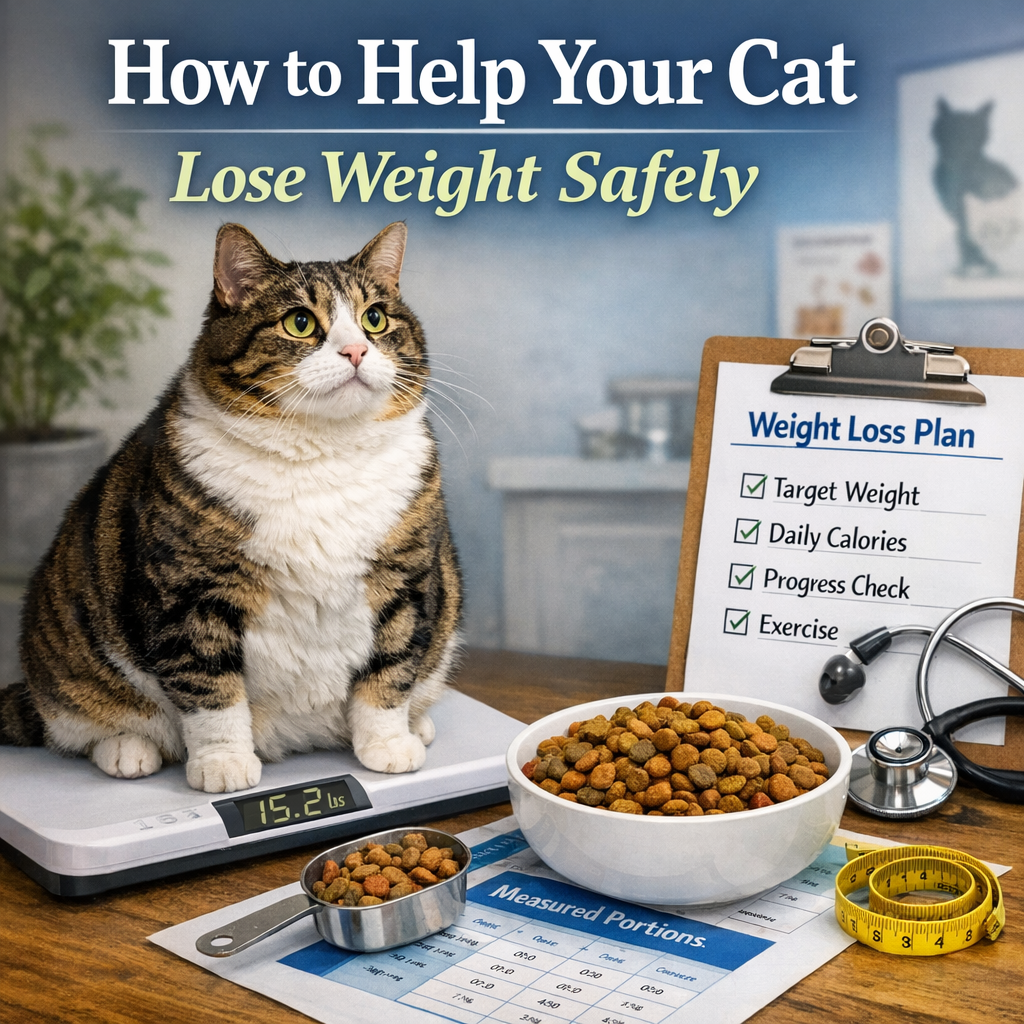

- Safe, vet-guided plan is essential for cat weight loss, including a target weight, gradual calorie reduction, and regular progress checks.
- Use a personalized feeding approach with measured portions, a weight-management diet, and gradual diet transitions to protect muscle and health.
- Enhance weight loss through engaging feeding methods, safe physical activity, environmental enrichment, and careful management of treats and rewards.
- How to Help Your Cat Lose Weight Safely
- Introduction
- 1. Schedule a Veterinary Checkup and Body Condition Assessment
- 2. Implement Individualized Calorie Controlled Feeding
- 3. Choose a Weight-Management Diet Appropriate for Cats
- 4. Use Engaging Feeding Methods to Slow Down Eating
- 5. Increase Safe Physical Activity and Enrichment
- 6. Monitor Progress and Adjust the Plan
- 7. Manage Treats and Calorie Free Rewards
- Conclusion
- Portion control matters. Use a kitchen gram scale to measure portions in grams per day rather than relying on cups. The initial feeding amount is set by your veterinary team, with follow-up adjustments as your cat progresses. Reassessment about 1 to 2 weeks after starting the plan helps ensure the weight comes off safely.
- Consider palatability. If your cat balks at a new formula, try warming the bowl slightly or adding a teaspoon of water or low-sodium broth to entice eating without adding calories.
- Divide daily calories into 2 to 3 smaller meals to maintain satiety.
- Use a kitchen gram scale or measuring cup to ensure accuracy with every portion.
- Adjust portions only under veterinary guidance to avoid abrupt changes.
- Seek products with 30-40% protein by dry matter and reduced calories per cup to support gradual loss.
- Favor omega-3 rich options from fish oils to support skin, coat, and heart health.
- Ensure vitamins and minerals remain adequate when calories are reduced to avoid deficiencies.
- Use a 7-10 day ramp, logging daily intake in grams and tracking weight weekly.
- Monitor appetite, stool consistency, and energy; slow the pace if needed and consult your vet for gradual steps.
- Offer smaller, more frequent meals during the switch and limit treats that add calories.
- Choose feeders aligned with your cat’s skill level and patience.
- Observe meal pacing and adjust complexity to maintain steady challenge.
- Keep feeders clean and refilled to sustain interest and safety.
- Incorporate a brief session before playtime to tap curiosity.
- Vary textures and scents to maintain interest without adding calories.
- Suspend initial use if frustration arises to prevent stress-related behaviors.
- Aim for 5 to 10 minute play blocks 2-3 times daily.
- Rotate between wand toys, feather teasers, and laser pointers to encourage chasing and pouncing.
- Balance quick bursts with slower, exploratory play to support recovery and avoid overexertion.
- Begin with short balcony or hallway sessions, increasing duration as your cat adapts.
- Provide cat trees, shelves, and perches to promote deliberate movement and curiosity.
- Supervise to prevent slips and ensure equipment fits securely.
- Record weight with date in a simple log and review trends weekly.
- Weigh during calm moments to avoid stress or activity that skews results.
- Share progress charts with your veterinary team at each checkup.
- Weight loss exceeds 0.5-1% of body weight per week.
- Persistent vomiting, diarrhea, or lethargy lasting more than a day.
- A sharp appetite drop or sustained low energy despite adjustments.
- Assign a fixed daily treat allowance based on guidance from your veterinarian and your cat’s activity level.
- Opt for low calorie treats or use appropriately sized, portion-controlled pieces.
- If treats are given, subtract their calories from the next meal to maintain daily totals.
- Short play sessions with a wand toy or laser pointer as a post-activity reward.
- Gentle grooming or extended petting as positive reinforcement after tasks.
- Access to a new safe toy or a supervised exploration time in a fresh area of the home.
- Calm praise or a brief cue to acknowledge progress during routines.
- Set realistic goals with your veterinarian and adjust as needed based on response, health indicators, and ideal body weight targets.
- Rely on calorie restriction guided by your vet, choose veterinary weight loss foods when appropriate, and use enrichment to support steady progress without increasing calorie intake.
- Keep treats limited and opt for non-food rewards to maintain motivation while staying within calorie needs.
Table of Contents
How to Help Your Cat Lose Weight Safely
If your cat is carrying extra weight, you’re not alone. The good news is you can help them lose weight safely with a plan that fits their needs and lifestyle. This section walks you through a veterinary-guided approach so you reduce health risks while keeping your cat comfortable and fed.
Important note: never put an obese cat on a weight loss plan without veterinary supervision. A vet performs a physical exam and may run diagnostic tests to tailor a plan, monitor progress, and catch potential problems early. Rapid weight loss can be dangerous, so guidance from your veterinary healthcare team is essential.
Below, you’ll find a practical, step-by-step framework to reach a healthier weight while protecting your cat’s wellbeing. We’ll cover how to calculate portions, transition to new foods, monitor progress, and sustain weight loss over time.
1) Start with veterinary supervision
Overweight cats face higher risks for type 2 diabetes, heart disease, osteoarthritis, high blood pressure, and certain cancers. Even a small excess weight, two pounds over the ideal weight, can significantly raise health risks. Your veterinarian will determine an ideal body weight and set a realistic target for your cat.
Real-world example: a 12-pound cat with an ideal weight of 9.5 pounds might begin at a daily calorie target tailored to reach that goal over several months, with monthly checks to adjust as needed. Bella Gatti US Shop supports you by offering validated veterinary-backed guidance and access to approved weight management foods when recommended by your vet.
2) Create a personalized weight loss plan
A tailored plan begins with calculating daily calories needed for weight loss based on your cat’s body condition. Expect a gradual, step-by-step approach rather than a crash diet. Your veterinary team will help determine calorie needs and adjust them as your cat loses weight.
Actionable step: ask your vet to provide a written calorie target in grams per day and a schedule for rechecks. Use a kitchen gram scale to log exactly how many grams you feed at each meal.
3) Choose appropriate food options
Veterinary therapeutic weight-loss foods typically have lower energy density and higher protein and fiber. These foods support weight reduction while maintaining muscle and providing essential vitamins and minerals. Some formulas may help nudge metabolism to burn calories more efficiently, all while meeting your cat’s health requirements.
compare calories per 100 grams across brands, and prioritize options with at least 8-12% protein above maintenance levels. Measure portions by grams, not cups, to keep portions precise.
4) Plan a gradual transition to new diet
Switching to a new diet should happen over three weeks. Start with small mixes of the new and old food, then increase the new food gradually every two to three days. If your cat is finicky or sensitive to GI changes, slow the transition further. Strategies like warming the food or adding palatability boosters can improve acceptance.
5) Set up a sustainable feeding protocol
Calorie intake should be calculated and measured in grams at every meal. If you’re using therapeutic weight-loss foods, follow the feeding protocol provided by your veterinary team. Regular follow-ups help keep the plan on track and adjust portions as your cat improves.
keep a daily log of grams fed, and compare against target intake at each weekly check. Small, consistent adjustments beat large changes that can disrupt metabolism.
6) Monitor progress and schedule rechecks
Around one week after starting the diet, schedule a recheck with your veterinary team. Then check every one to two weeks until you see steady progress. After that, weigh-ins every two weeks are common. Home weighing with a luggage scale or a similar device can help you track changes between visits.
Data point: typical clinics aim for about 0.5-2% of body weight loss per week. If your cat isn’t progressing after 3-4 weeks, your vet may adjust calories or switch foods.
7) Understand the expected timeline
Most cats lose about 0.5 to 2 percent of their body weight weekly on a well-managed plan. Faster weight loss can be dangerous and lead to hepatic lipidosis, so pace is important. The total duration depends on your cat’s initial weight, how quickly they respond to the plan, and how closely you follow medical guidance.
Realistic target examples: a 12-pound cat might reach target weight in 3-6 months, while a heavier cat could take longer. Always follow veterinary guidance rather than chasing a calendar date.
8) Incorporate lifestyle and environment changes
Weight management isn’t only about food. Encourage safe, age-appropriate activity and ensure your cat has access to interactive play, climbing structures, and gentle exercise routines. If you have multiple cats, your plan may involve separate meals or feeds to prevent overeating and to accommodate different dietary needs.
Practical setup: schedule two short play sessions per day and place feeders in separate rooms if needed. Use enrichment toys to promote movement without stressing the cat.
9) Document and adapt
Keep a simple food diary noting daily calorie intake and activity. This helps you and your veterinary team spot trends and make timely adjustments. A steady transition, consistent measuring, and openness to small changes keep the plan practical and effective.
Tip for success: photograph the scale readings monthly and track progress alongside a note on activity level and mood. Small improvements add up over time.
10) What about treats and snacks?
Treats can fit into a weight loss plan if you account for them in the daily calorie allowance. Opt for low-fat, high-protein options and limit portion size. Consider using treats for training and enrichment rather than as a routine reward, and always discuss treats with your veterinarian to ensure they fit the plan.
Real-world example: if you allocate 15 grams of treats per day, choose treats around 5-6 calories per gram and adjust meal portions accordingly. Bella Gatti US Shop offers select treat options that align with veterinary-recommended weight management guidelines.
Introduction
Overview of feline weight management
Weight management starts with steady, gradual changes rather than rapid shifts. The plan here combines appropriate calories, balanced nutrition, and enrichment, guided by your veterinarian to fit your cat’s unique needs.
Healthy weight management is about sustainable habits that support comfort and energy while safeguarding overall well being.
Why safe weight loss matters for longevity and quality of life
A steady, supervised approach helps reduce stress on joints and supports mobility, lowering the risk of related health issues. This approach aims to help your cat maintain an active, comfortable life over time.
Regular progress monitoring helps prevent nutritional imbalances. Subtle adjustments, guided by your veterinary healthcare team, keep your cat on a healthy path toward an ideal weight.
1. Schedule a Veterinary Checkup and Body Condition Assessment
Baseline health screening
Before starting any weight loss plan, have your veterinarian evaluate your cat’s overall health. This helps identify conditions that could affect progress, such as thyroid issues or dental disease. A clear health picture ensures you set a safe pace for weight reduction.
Expect a review of your cat’s weight history, activity level, and appetite. The veterinary team may perform a physical examination and routine blood work to confirm readiness for calorie restriction and to prevent nutritional imbalances.
Practical steps you can take now include keeping a three to six month weight log and noting any episodes of vomiting, lethargy, or changes in coat condition. If your cat has dental disease, plan for dental care alongside weight goals to avoid feeding interruptions.
Determining target weight and body condition score (BCS)
Your veterinarian uses a body condition score to establish an ideal weight range for your cat. This helps tailor a weight loss plan to your cat’s frame, musculature, and energy needs.
Regularly reassess the BCS as your cat progresses. Small, steady changes are safer and more sustainable than rapid shifts. Use these assessments to guide adjustments to calories, activity, and the transition plan.
For example, a cat with a leaner frame may lose 0.5 to 1% of body weight weekly, while a heavier cat targets slower progress to preserve lean mass. Expect monthly check-ins, including a quick BCS and weight review, to stay on track. Bella Gatti US Shop recommends pairing gradual calorie reductions with enrichment activities to support motivation and overall well being.
2. Implement Individualized Calorie Controlled Feeding
Calculate daily caloric needs
Work with your veterinary team to set a target daily calorie allowance based on your cat’s ideal body weight and activity level. This supports gradual weight loss without risking malnutrition. Use the target weight as the reference point, not the current weight.
Keep a food diary and record daily intake plus adjustments. Small calorie changes accumulate over weeks, so monitor progress with your veterinarian through periodic weigh-ins and body condition scoring.
Portion control and feeding schedule
Move away from free feeding. Measured portions at consistent times reduce grazing and help pace weight loss. A structured schedule also makes appetite management easier for you and your cat.
Timing meals around activity peaks can help. A short 5 to 10 minute play session before meals can boost energy expenditure and support the calorie restriction plan.
Tip: Bella Gatti US Shop offers portion-controlled, vet-approved feline wet foods that can simplify accurate feeding while supporting palatability. Consider rotating protein sources to reduce boredom without increasing total calories.
3. Choose a Weight-Management Diet Appropriate for Cats
Low-carbohydrate or high-protein options
Cats require strong protein to preserve muscle during weight loss. Select foods labeled for weight control that balance high protein with lower energy density.
Your Bella Gatti US Shop team can help you compare brands and choose a therapeutic weight loss option aligned with your cat’s health profile.
Transitioning to a new diet safely
Plan a careful, data-informed transition to minimize GI upset and拒 refusals.
Reinforce acceptance with palatable toppers only under supervision, and ensure total daily calories stay within the weight-loss target.
Expert Insight
“Cats are obligate carnivores whose hunting instincts persist despite domestication, and their nocturnal nature is matched by exceptional vision and hearing that keeps them attuned to their surroundings.” , Industry Analyst
4. Use Engaging Feeding Methods to Slow Down Eating
Interactive feeders and puzzle toys
Engaging feeders extend meal time and provide mental stimulation while ensuring portions are eaten more slowly. Start with simple puzzle bowls and progress to more advanced feeders as your cat becomes comfortable.
These tools can aid weight management by encouraging deliberate eating and reducing rapid gulping, while adding enrichment that supports overall wellbeing during the plan.
Snuffle mats and food dispensing activities
Snuffle mats promote foraging behavior, slowing intake and offering scent-based enrichment. Place measured portions within the mat to extend meals and help your cat feel fuller with fewer calories.
Use food-dispensing activities throughout the day to spread calories into smaller portions, aiding energy balance and reducing between-meal cravings.
5. Increase Safe Physical Activity and Enrichment
Indoor play routines
Short, engaging play sessions help your cat burn calories while staying mentally stimulated. Structure activities to fit into daily life and prevent boredom.
Leash walks or safe vertical spaces for exploration
Leash walking and vertical exploration provide enrichment without pushing your cat too hard. Start gradually and select safe routes or setups that encourage climbing and environmental scanning.
6. Monitor Progress and Adjust the Plan
Regular weight checks
Set a consistent weekly weighing routine using the same scale and posture. Aim for the same time each week, ideally before a meal, to minimize variability.
Look at trends over time rather than one-off numbers. A steady 1-2% weekly change is a meaningful progress marker.
Signs to contact your veterinarian
Reach out if weight loss accelerates or you notice red flags indicating safety issues with the plan.
Ongoing veterinary guidance remains essential. They may adjust calories, consider therapeutic options recommended by your vet, or tweak activity targets to maintain safe, steady progress.
7. Manage Treats and Calorie Free Rewards
Treat portion guidelines
Treats should fit within your cat’s daily calorie target. Use a kitchen scale or measuring scoop to log exact calories, then subtract that amount from the main meal budget. This precise tracking supports a veterinary weight loss plan for cats.
Limit treats to a small portion of daily intake and avoid high fat or grain-heavy options that can stall progress. Choose options that are high in protein and low in calories to support satiety.
Alternative rewards that don’t add calories
Non-food rewards sustain motivation without increasing energy intake. Use enrichment and tactile rewards to support wellbeing.
Document rewards and review with your veterinary team to maintain a sustainable weight loss plan. If dietary tweaks are needed, discuss vet-approved options like FortiFlora or omega-3 supplements, used under professional guidance.
Expert Insight
“Weight management in pets works best when we address behaviour, human-animal interactions, and careful portion control, not just feeding less, with a focus on low-energy density foods and consistent veterinary guidance.” , Veterinary Weight Management Expert
Conclusion
Helping your cat lose weight safely is a team effort with your veterinary healthcare team. Start with a clear, veterinarian-approved plan tailored to your cat’s needs and monitor progress closely to avoid nutritional imbalances.
Regular check-ins are essential. Share weight trends, appetite changes, activity levels, and any signs of GI sensitivity with your vet to keep the plan on track. With careful management and veterinary supervision, many cats reach a healthier weight and enjoy a better quality of life.
Expert Insight
“Regular follow-up visits allow the caloric intake to be adjusted based on progress, and possibly increase the chance of success.” , Veterinary Weight-Loss Management Expert