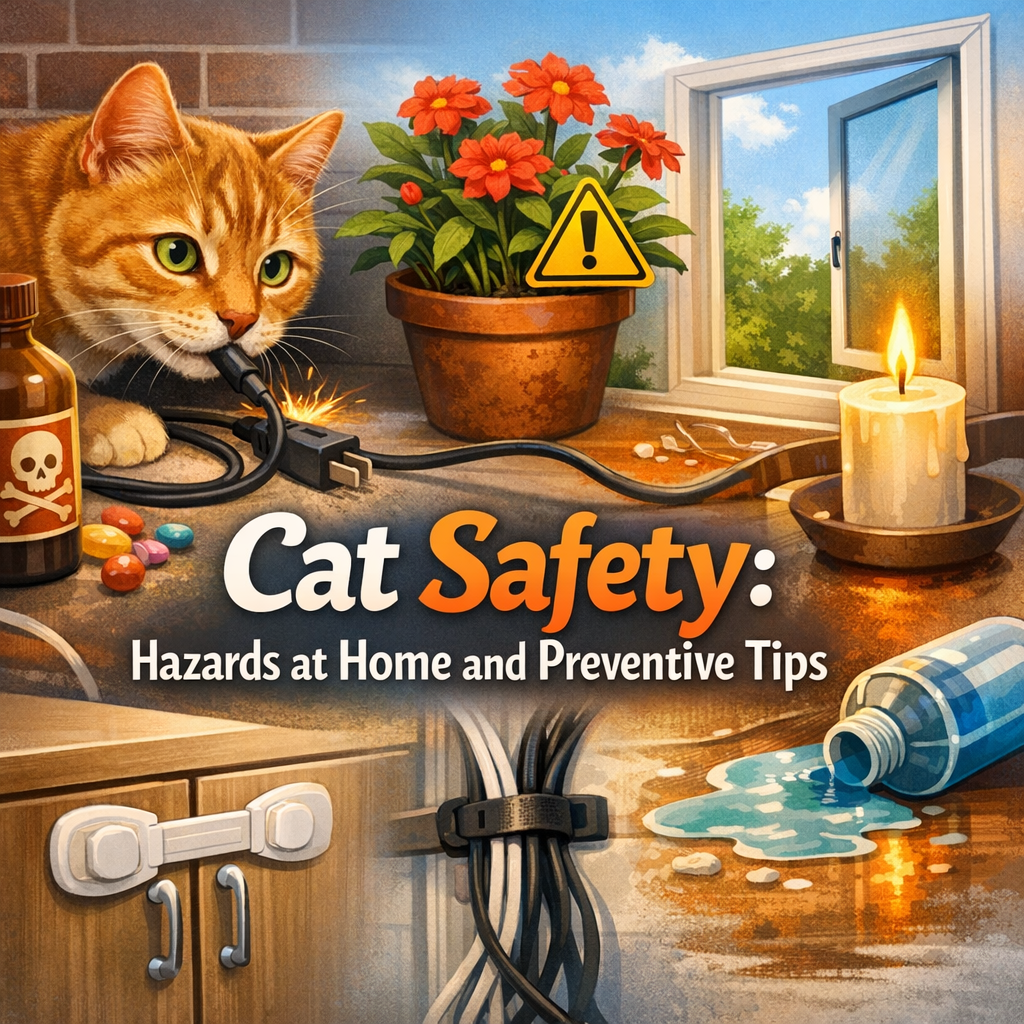
- Keep homes cat-safe by proactively identifying hazards (electrical cords, chemicals, small choking hazards, toxic plants, open windows, and open flames) and implementing secure storage, cable management, and barriers.
- Create safe play and enrichment to satisfy curiosity while avoiding risky strings, ribbons, and loose decorations; rotate toys and provide interactive activities.
- Establish a practical first aid plan: know when to seek veterinary help, assemble a compact pet first aid kit, and have emergency contacts readily accessible.
- Follow a room-by-room approach to prioritize kitchens, bathrooms, balconies, bedrooms, and living spaces for targeted prevention and easy upkeep.
Table of Contents
Expert Insight
“Supervise your cat around everyday hazards, deter exposure to cords, plants, medications, and cleaners, and seek prompt veterinary advice if ingestion or injury occurs to keep your feline safe at home.” , Cat Safety Expert
Introduction
Why cat safety matters
Cats bring joy and curiosity into every corner of your home. That same curiosity can lead to accidents if hazards go unnoticed. From everyday items to seasonal decorations, small missteps can result in injuries or illness for your feline friend.
Addressing safety upfront helps you protect your cat while keeping your living space comfortable and calm. It also reduces trips to the vet and gives you peace of mind as you go about daily routines.
How to use this guide
This guide offers practical sections you can apply right away. Each part highlights common hazards, simple preventive steps, and safe alternatives.
Use these quick actions as a starter kit for cat proofing your home. Refer back whenever you introduce new foods, decorations, or play routines.
- Identify hazards in rooms you and your cat use most often
- Implement everyday storage and layout tweaks for safety
- Choose cat safe toys and enrichment to satisfy curiosity
Expert Insight
“Cats are curious by nature, so defusing hazards at home, by removing toxic plants, securing chemicals and cords, and creating safe indoor spaces, protects their health and peace of mind for you both.” , Veterinary Safety Expert
1. Common Household Hazards for Cats
Electrical cords and wires
Cats are curious about cords, but chewed wires can cause shocks or digestive issues. They can also tangle with furniture or curtains. Keep cords out of reach and use cable management to create a safe space.
- Use cord concealers or protective tubing
- Bundle and route cords away from reachable areas
- Offer sturdy toys to deter nibbling on cables
Cleaning products and chemicals
Household cleaners, detergents, and solvents can be highly toxic if ingested or inhaled. Store products in locked cabinets and ensure lids are secure after use. Ventilate spaces after cleaning to reduce fumes.
- Lock away all cleaners and pesticides
- Wipe spills promptly to prevent residue
- Rinse surfaces thoroughly after cleaning before allowing access
Small objects and choking hazards
Small items like rubber bands, hair ties, coins, and party favors can be swallow hazards. Regularly inspect floors, counters, and low shelves for stray objects that could be picked up by curious paws or mouths.
- Store small items in closed containers
- Dust and sweep daily to remove temptation
- Offer larger, cat-safe toys as distractors
Plants and toxic greenery
Many festive plants are unsafe for cats. Even common greenery can cause upset stomach or more serious reactions. If you have houseplants, verify their safety and place potentially toxic varieties out of reach.
- Replace risky plants with cat-safe options
- Position planters on high shelves or behind barriers
- Educate guests about plant safety when visiting
Opened windows and doors
An open window invites a fall or escape attempt. Screens may not hold a determined climber, and gaps can create access to outdoor spaces. Use secure screens and limit access during busy times.
- Install sturdy, pet-safe screens
- Close doors or use gates in high-risk areas
- Supervise window time and provide indoor enrichment
Open flames and festive lights
Open flames pose burn risks. Keep candles and festive lights out of reach, supervise around fires, and never leave them unattended. Curiosity can lead a cat into trouble.
- Place candles on stable, out-of-reach surfaces
- Opt for flameless or LED alternatives when possible
- Always supervise areas with heat sources around pets
Holiday decorations and accessories
Pets are drawn to shiny decorations. Use shatterproof ornaments, avoid tinsel, and hang small ornaments high out of reach. Costumes should allow easy movement for safety during photos.
- Choose durable, non-toxic decorations
- Avoid long strings or loose parts cats could swallow
- Preview outfits for comfort and safety during play
Open water and holiday greens
Tree water can harbor bacteria or mold, and wrapping paper or bows might tempt chewing. Keep tree water covered and use a tree skirt to keep the base tidy and less enticing.
- Cover the tree stand water to reduce access
- Choose pet-friendly garlands and toppers
- Discard broken ornaments promptly to prevent injuries
Remember that some human foods and beverages are dangerous for cats. Keep items like chocolate, grapes, raisins, xylitol, onions, alcohol, and meat scraps out of reach and away from feeding bowls. Bella Gatti US Shop offers cat-safe festive treats and enrichment ideas to keep curious paws busy during celebrations.
2. Safe Home Setup and Proofing Techniques
Cable management and furniture layout
Plan your space to keep outlets and cords out of reach and create clear play zones with safe toys. This reduces temptations for curious cats and lowers the risk of tangling.
- Use cord organizers or protective tubing to conceal wires
- Route cables along walls or behind furniture
- Position enticing toys away from high-traffic zones
Secure storage for medications and cleaners
Keep medications and cleaners out of reach and make cleanup easy around the area. A tidy setup helps prevent accidental access by a curious cat.
- Lock cabinets or use childproof latches
- Keep lids tightly closed after use
- Store items on top shelves or in locked drawers
Cabinet locks and access control
Protect commonly accessed areas to prevent exposure to hazards. Use a simple system your household can maintain without ongoing fuss.
- Install magnetic or push-to-open locks on risky cabinets
- Label sensitive areas for quick identification
- Regularly test locks to ensure functionality
Safe storage of foods and snacks
Human foods can be dangerous for cats even in small amounts. Establish routines that minimize temptation and spills.
- Keep snacks in sealed containers
- Store perishables in the main fridge or sealed cupboards
- Clean up crumbs promptly after preparation
Real-world setup tips from Bella Gatti US Shop
Think like a cat owner who wants a tidy home. Measure cabinet depths and choose doors with soft-close hardware to reduce sudden noise that could startle a cat.
- Use clear, labeled containers for cleaners to avoid misplacement
- Install a simple magnetic latch system on kitchen cabinets near feeding areas
- Attach a small, washable mat under pet food bowls to contain spills
Practical safety checklist
Run through a quick routine to catch gaps before they become problems. A little planning saves major headaches later.
- Do a weekly cord sweep behind furniture to catch loose cables
- Check all locks monthly for ease of use and functionality
- Rotate safe toys to keep play areas engaging without clutter
3. Pet-Proofing Areas: Rooms to Prioritize
Balconies and outdoor access
Outdoor spaces offer enrichment but also heightened danger. Ensure barriers are sturdy and pets can’t squeeze through gaps or climb screens.
- Install pet-rated screens or fixed barriers with no gaps larger than an inch
- Keep doors closed or use a spring-operated screen door to prevent escapes
- Provide indoor enrichment like puzzle feeders when doors are open
4. Safe Play and Enrichment for Curious Cats
Cat-safe toys and avoidances
Choose toys that stand up to chewing and boredom without small parts that can break off. Durable, store-bought options tend to be safer and longer lasting than loose household items.
- Interactive toys that mimic hunting behaviors
- Wand toys with fabric feathers or ribbons attached to a safe handle
- Elastic or soft toys that are easy to grip and carry
Proper string and ribbon safety
Strings and ribbons can tempt a curious cat but pose swallowing and gut obstruction risks. Supervise play and store these items out of reach when not in use.
- Limit access to string, twine, and yarn
- Choose cat-safe alternatives for play that do not unravel
- Dispose of remnants promptly after play sessions
Interactive play to reduce risk behaviors
Structured play channels energy and reduces boredom-driven mischief. Short, frequent sessions are safer and more engaging than long, unstructured play.
- Set daily play times with varied activities
- Incorporate puzzle feeders to challenge problem-solving skills
- Rotate toys to maintain novelty and interest
Expert Insight
“Interactive play and enrichment are essential for indoor cats, transforming safety into stimulation, bonding, and well-being while reducing boredom-driven mischief.” , Industry Analyst
5. First Aid and Emergency Steps for Cat Home Care
Immediate actions for common injuries
Act quickly but stay calm. If you suspect an injury, move your cat to a safe area and assess the scene before handling. Do not offer food or drink until a vet advises otherwise.
- Minor cuts: Apply gentle pressure with a clean cloth to stop bleeding. If the wound looks deep or dirty, contact a vet for guidance.
- Falls or suspected fractures: Keep your cat still, support the affected limb, and transport carefully to the clinic. Use a towel or soft stretcher to avoid jolts during movement.
- Foreign objects in the mouth or throat: Do not poke with fingers. Open the mouth only if you can do so safely and seek help.
- Choking or breathing difficulty: Check for an obstruction if you are trained. If not, seek urgent veterinary care immediately.
When to contact a veterinarian
If you are ever unsure, call a professional. Some signs require immediate attention even if they seem minor at first.
- Severe bleeding, persistent vomiting, or collapse
- Unresponsive or disoriented behavior
- Difficulty walking, obvious swelling, or deformity
- Exposure to toxins or ingestion of unknown substances
Creating a basic pet first aid kit
Put together a compact kit you can grab on the go and keep it near common living areas. Include items for immediate care and vet communication.
- Gauze pads, nonstick bandages, and self-adhesive wrap
- Adhesive tape, nitrile gloves, and antiseptic wipes
- Pet-safe thermometer, a digital timer, and a list of emergency contacts
- Contact information for local VCA Hospitals or your preferred veterinary clinic
FAQ
What should I do first if I suspect my cat has eaten something toxic at home?
Call your veterinarian or an emergency clinic right away. Do not wait for symptoms to appear, as some toxins can act quickly. Keep a sample of the item or packaging handy to show the vet.
Which common foods are most dangerous for cats?
- Chocolate, grapes, and raisins
- Xylitol and certain meat scraps
- Alcohol-containing beverages
Are there household items I should always keep out of reach?
- Cleaning products and cleaners
- Medications and vitamins
- Small objects that could be swallowed
What are signs a cat needs urgent care?
- Difficulty breathing, persistent vomiting, or collapse
- Bleeding, severe swelling, or disorientation
- Unresponsiveness or inability to walk
How can I reduce risk during holidays and gatherings?
- Provide safe, covered food areas and supervise guests around pets
- Remove decorative ornaments that could be ingested
- Dispose of wrapping paper, bows, and strings promptly after use
Conclusion
Protecting your cat at home starts with quick recognition of everyday risks and calm, proactive steps. You should couple practical adjustments with consistent routines to minimize accidents and support your cat’s well being. Notice where cords or spills can create hazards, and translate that awareness into small, repeatable fixes.
Small changes accumulate into safer spaces. Managing cables, securing shelves with perishables, and providing dedicated play zones can reduce risk without compromising comfort. Consider a simple setup like clearly labeled storage, reachable enrichment, and barriers that keep high-risk areas off limits.
- Keep potential toxins out of reach and know which foods pose a risk
- Create dedicated, safe spaces for play and exploration
- Have a basic first aid plan and know when to call a veterinarian
We focus on practical steps you can adopt today. For example, place stable lighting out of reach, position a vertical cat tree to minimize falls, and maintain a compact first aid kit tailored for pets. Bella Gatti US Shop suggests items that support safety without complicating daily life. Start with one room and expand as your cat learns boundaries.