




Table of Contents
- How to Tell If Your Cat Is in Pain
- Introduction
- 1. Common Causes of Pain in Cats
- 2. Subtle Behavioral Clues That May Signal Pain
- 3. Physical Signs You Can Observe at Home
- 4. How Pain Affects Appetite and Hydration
- 5. When to Seek Veterinary Care
- 6. Pain Management Approaches Vets May Use
- 7. At-Home Comfort and Care Tips
- FAQ
- Conclusion
How to Tell If Your Cat Is in Pain
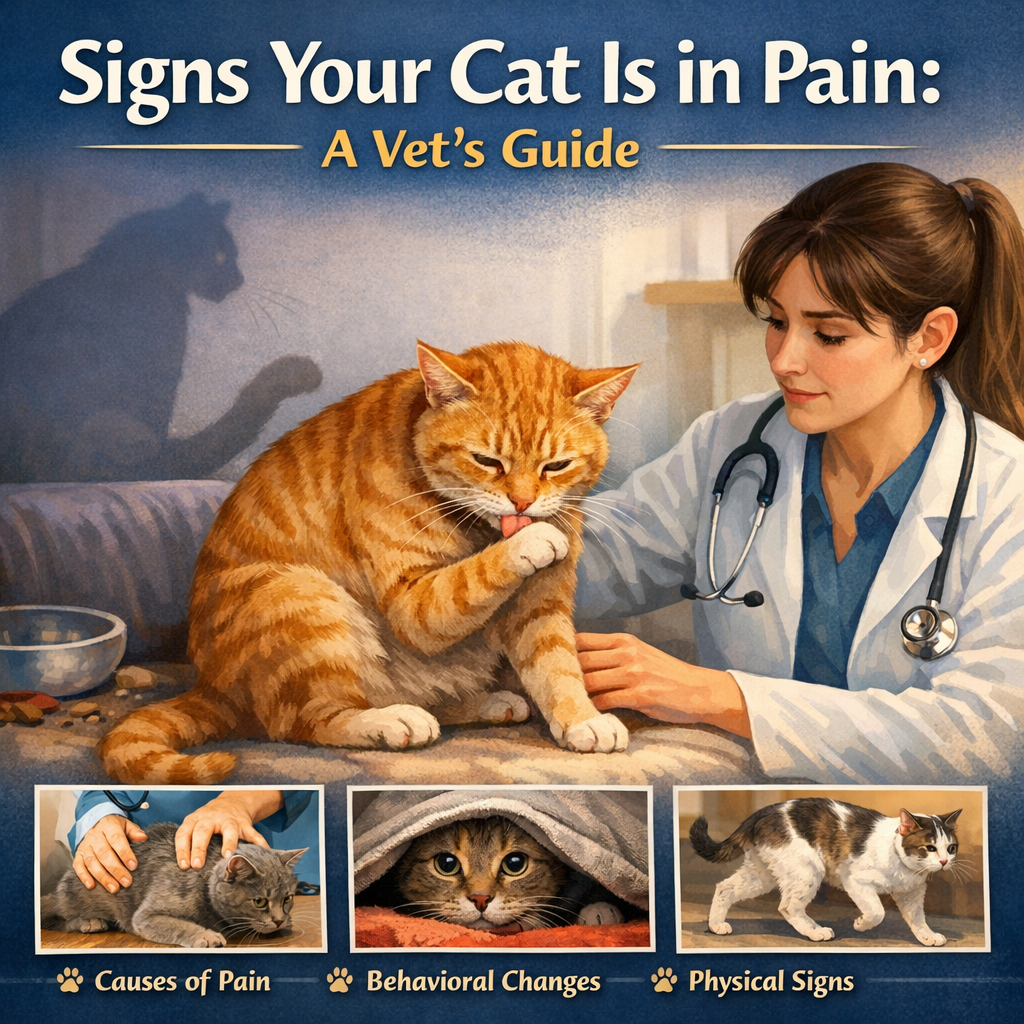
If your cat is showing signs of trouble, you want clear, practical guidance you can act on. This section highlights the key ways pain can show up in cats , from behavior to body language to facial clues , and what to do next.
Behavioral changes to watch for
Pain often shows up first as behavior shifts. Look for:
- Increased withdrawal or hiding, especially after being touched
- Decreased appetite or interest in food
- Less social interaction or play, and avoiding previously loved activities
- Increased vocalizing or unusual meowing, especially at times you normally interact
- Changes in grooming, such as overgrooming a spot or neglecting grooming
Even subtle changes can signal pain. Track what is different from your cat’s normal routine and report it to your veterinarian with specifics about timing and intensity.
Body language signals
Pain can affect posture and movement. Common cues include:
- Tense or hunched body, and a lowered head
- Tail flicking or tucked tail, and stiffness when moving
- Reluctance to jump, climb, or use stairs
- Changes in gait or slower, hesitant movements
These signs may be subtle, but they are meaningful. Observing how your cat sits, stands, and moves helps your vet assess discomfort.
Facial expressions and facial clues
Cats express pain through facial changes. Look for:
- Squinting or narrowed eyes
- Tense facial muscles or a tight mouth
- Ears laid back or flattened against the head
The feline grimace scale is a practical tool used by veterinary teams to evaluate pain through facial cues, aiding in timely diagnosis and treatment.
Chronic pain and age related changes
Chronic conditions like osteoarthritis are common in aging cats. Key facts to know:
- Osteoarthritis appears in many cats as they age, with rising prevalence in older cats
- Signs include reluctance to jump or climb, reduced activity, and changes in gait
- Chronic pain may be persistent, requiring ongoing management and regular veterinary follow up
Early recognition improves outcomes, so watch for ongoing changes in how your cat moves and behaves over weeks to months. For added context, slight changes in daily routines, like avoiding a favorite high shelf, can signal underlying discomfort.
Activity changes as a pain indicator
How your cat moves during daily activities can reveal pain. Note:
- Hesitation when jumping or running up stairs
- Less enthusiasm for chasing, playing, or exploring
- New or increased rest and hiding after activity
Patterns in activity help distinguish pain from temporary mood shifts and guide your vet toward the right diagnosis and treatment plan. If you notice a sudden drop in activity after a recent change in routine, document it with timestamps.
Why your observation matters
Your information is invaluable. Owners who document changes and communicate them clearly help veterinarians gauge pain levels and tailor care. Tools used in practice, like structured pain assessments, support this process and improve communication between you and the veterinary team. Bella Gatti US Shop recommends keeping a simple pain diary to share during visits.
What to do if you suspect pain
Acting quickly can prevent escalation. Steps to take now:
- Note specific changes: what happened, when it started, and how often it occurs
- Record behaviors, appetite, activity, and any grooming changes
- Schedule an urgent or same-day vet visit if pain signs are new, severe, or worsening
- Ask about a formal pain assessment and appropriate pain management options
Early diagnosis and treatment support healing and help your cat maintain a normal life. For reference, your vet may use established scales and tools to quantify pain and track response to treatment. If you need a vetted source, Bella Gatti US Shop can guide you to practice-recommended scales and at-home observation tips.
Introduction
This guide helps you spot signs that your cat might be in pain and explains what to do next. It blends practical observations with veterinary insight so you can act quickly when it matters most.
What this guide covers
We outline common pain scenarios, subtle behavior shifts, and concrete at‑home observations. You’ll also find guidance on when to seek veterinary care and how pain is assessed in cats. The goal is to help you tell if your cat is in pain and understand the care path from your veterinary practice.
Why recognizing pain matters for cats
Cats often mask discomfort, which can hide serious conditions. Early recognition supports better outcomes in pain management for both cats and dogs. By noting changes early, you give your cat a clearer path to comfort and ongoing veterinary care.
1. Common Causes of Pain in Cats
Arthritis and age-related conditions
As cats age, you may notice stiffness after resting or slower movements. You might see them pause at the top of stairs or take extra time to settle.
- Reduced jumping ability
- Trouble getting in and out of beds or boxes
- Avoidance of stairs or high surfaces
Look for subtle shifts in daily routines, like slower perching or a wary gait after naps. Consider enrichment that supports mobility, such as low-impact play and padded resting spots.
Dental pain and oral health
Dental disease is a common source of discomfort. Inflammation and tooth loss can cause persistent pain and changes in eating behavior.
- Bad breath, drooling, or reluctance to eat
- Chewing on one side or dropping food
- Visible red or inflamed gums
Schedule veterinary dental checkups regularly and explore home routines like feline-safe brushing. Early intervention preserves chewing comfort and appetite.
Urinary tract and bladder issues
Urinary problems can be intensely painful. Infections, crystals, or blockages require timely veterinary care and monitoring for warning signs.
- Frequent trips to the litter box or straining
- Blood in urine or foul-smelling waste
- Yowling during urination or withdrawal from normal routines
Urine changes demand prompt evaluation. Keep fresh water available and work with your vet on a plan that may include a timed feeding and litter box routine to reduce stress.
Injuries and post-surgical pain
Acute injuries and recovery from surgery bring visible discomfort and slower healing if not managed properly.
- Limping or guarding a limb
- Favoring one side of the body
- Reduced activity after procedures
Effective pain control combines prescribed medications, warm compresses, and guided activity. If advised, reintroduce gentle play within 24 to 48 hours.
Chronic illnesses and cancer
Long-term diseases can manifest as ongoing or fluctuating pain. Cancer, inflammatory diseases, and organ disorders are common culprits.
- Reluctance to jump or play
- Persistent low energy or behavioral changes
- Decreased appetite linked to systemic discomfort
Work with your veterinarian to build a plan that includes regular checkups, targeted treatments, and adjustments. Bella Gatti US Shop can offer comfort tools and nutritional supports tailored to your cat’s needs.
2. Subtle Behavioral Clues That May Signal Pain
Withdrawal from social interaction and play
A cat in pain may retreat from family interactions. They might seek quiet corners or resist familiar pets and handling.
- Less head nudging or affectionate behavior
- Reduced responsiveness to routine cues or games
- Vigilance or avoidance during routine petting
3. Physical Signs You Can Observe at Home
Posture and body language cues
Watch for subtle shifts in how your cat holds itself. A stiff stance, a tucked abdomen, or guarding a limb can signal discomfort. A hunched posture or hiding in unusual spots may also indicate distress.
- Slow or guarded movements after rest
- Preference for low or secluded resting places
- Avoidance of typical contact or play
a cat that usually naps in the sunbeam now curls tightly in a corner and avoids jumping onto its favorite chair. Action: offer a warm, accessible bed, and monitor for changes over 48 hours.
Vocalizations and facial expressions
Cats often change their voice when in pain. You may notice more frequent vocalizations, sudden yowls, or quiet, withdrawn sounds. Facial cues like narrowed eyes or a tense muzzle can accompany distress.
- Meowing more than usual or at odd times
- Whimpers when touched or picked up
- Flattened ears or a fixed, tense stare
Tip: record any new sounds with a timestamp to share with a veterinarian. Note if the cat vocalizes during movement or grooming, which can pinpoint painful zones.
Litter box behaviors and urination changes
Pain can alter bathroom habits. Note how often your cat uses the litter box, urination patterns, and any signs of discomfort during elimination.
- Straining, vocalizing, or sudden cessation of urination
- Reluctance to use the litter box or preference for a private spot
- Changes in waste amount or color differing from baseline
Real world scenario: a cat begins hiding near the litter box and shows signs of distress when approaching it. Action: clean the litter box more frequently, choose a low-entry box, and observe for 24-48 hours before visiting the vet if pain persists.
Sensitivity to touch and handling
Tender areas may trigger withdrawal or resistance. Gentle handling might cause flinching, guarding, or avoidance of contact altogether.
- Avoidance of being picked up or stroked along certain regions
- Guarding a side of the body or limb when touched
- Increased withdrawal during routine grooming
Practical steps: test touch gently from multiple angles on nonverbal cues, stop if withdrawal occurs, and schedule a veterinary check if guarding lasts beyond a day. For Bella Gatti US Shop customers, consider comfort-focused grooming tools and soft-touch brushes to reduce stress during care.
4. How Pain Affects Appetite and Hydration
Changes in eating habits
Pain can dull your cat’s interest in food. Discomfort may make meals feel burdensome, leading to irregular eating patterns.
- Nearby pain, such as dental problems or mouth sores, can reduce willingness to chew.
- Changes in routine or environment during feeding can decrease intake.
- Texture and temperature of food may influence comfort during meals.
Water intake and dehydration risks
Hydration matters for kidney function and overall health. Pain can shift thirst signals and drinking behavior.
- Pain-related stress may cause cats to drink less, especially if they avoid water bowls in certain spots.
- Dehydration risk rises with reduced intake and with conditions that cause vomiting or diarrhea.
- Environmental factors like temperature and humidity can compound dehydration when pain is present.
Impact on weight and body condition
Even short periods of reduced intake can alter body weight and condition over time. Pain can make weight loss more likely if it limits eating.
- Weight fluctuations may occur without obvious illness signs.
- Muscle mass can decline when activity decreases alongside lower calories.
- Body condition scoring helps track gradual changes related to pain and comfort.
5. When to Seek Veterinary Care
Red flags that require urgent attention
Act quickly if you notice sudden, severe pain signs or drastic changes in behavior. Some red flags warrant an emergency visit.
- Sudden inability to move or collapse, trouble standing, or nonweight bearing on a limb
- Rapid breathing, pale gums, or fainting episodes
- Severe vomiting, persistent diarrhea, or repeated cries of pain
- Bloody urine, inability to urinate, or abdominal distention
- Trauma from a fall or accident with visible injury or swelling
What to tell your veterinarian
Provide a clear snapshot of your cat’s pain signs and daily habits. This helps the team tailor care quickly.
- Onset and duration of the pain symptoms
- Recent injuries, surgeries, or illnesses
- Changes in appetite, water intake, litter box use, and activity
- Medications or supplements your cat is currently taking
- Any visible triggers or activities that worsen the pain
What to expect during a pain assessment
A veterinary evaluation combines observation and targeted exams to gauge discomfort and guide treatment.
- Conducted physical exam with attention to posture, gait, and range of motion
- Discussion of behavior changes and daily routines
- Possible diagnostics such as bloodwork or imaging to identify underlying causes
- Development of a pain management plan tailored to the cat’s needs
6. Pain Management Approaches Vets May Use
Medications and safety considerations
Vets tailor drug choices to your cat’s age, health, and underlying condition. The goal is to reduce pain while limiting side effects so your cat can heal and return to a normal life.
- Nonsteroidal anti inflammatory drugs may be used with caution for short terms under supervision
- Opioids and local anesthetics can provide targeted relief after procedures
- Steroids or disease specific medicines may help if pain stems from inflammation or autoimmune issues
- Dental pain might require analgesics alongside dental procedures
Non pharmacologic therapies
These approaches support meds, comfort, and mobility without relying on drugs alone.
- Physical rehabilitation exercises and gentle massage can improve range of motion
- Acupuncture or laser therapy may assist in managing chronic pain in select cases
- Environmental adjustments such as padded resting spots reduce strain during recovery
- Joint supplements or dietary changes can support connective tissue health
Monitoring and follow up
Ongoing assessment ensures the plan stays effective and safe over time.
- Regular weight checks and appetite notes help track response to treatment
- Owners document activity levels, pain signs, and medication tolerance between visits
- Veterinarians adjust dosages or switch therapies based on progress
- Follow up imaging or bloodwork may be recommended to gauge underlying disease control
7. At-Home Comfort and Care Tips
Creating a low-stress environment
A calm, predictable routine helps your cat relax and recover. Start with familiar scents and quiet spaces where your cat can retreat.
- Provide quiet retreat zones with soft bedding away from household traffic.
- Maintain regular feeding, play, and bedtime routines to build predictability.
- Use pheromone diffusers or calming enrichment appropriate for cats if recommended by your veterinary team.
Environmental modifications to aid mobility
Small changes can reduce effort and discomfort during movement. Focus on easier access to essentials and comfortable resting spots.
- Install low-entry litter boxes to minimize squatting strain and reduce litter kickout.
- Place food, water, and litter within easy reach to reduce jumping and stretching.
- Provide padded ramps or shallow stairs for bed or sofa access, and test them with your cat’s weight before full use.
Nutrition and supplementation considerations
Nutrition supports overall comfort, weight management, and tissue health. Work with your vet to tailor a plan that fits your cat’s needs.
- Assess calorie intake to maintain a healthy body condition and reduce joint load, adjusting after weight checks every 4-6 weeks.
- Discuss joint-support supplements if indicated by your veterinarian, noting any interactions with current medications.
- Offer easily digestible meals and hydration options to prevent dehydration and digestive upset, tracking response over time.
Expert Insight
“Empathetic communication and a collaborative team approach are essential to balance effective medical intervention with caregiver empowerment, ensuring chronic pain management maintains the cat’s quality of life while strengthening the human-cat bond.” , Veterinary Pain Management Expert
FAQ
What is the 3-3-3 rule for cats?
The 3-3-3 rule offers a simple check for potential developmental or health concerns. In kittens, look for delays in weight gain, excessive clinging, or coordination issues beyond what is typical. In adult cats, use it as a prompt to schedule a veterinary visit if you notice unexpected changes in mobility or energy levels.
How do vets determine pain levels in cats?
vets combine observations from behavior, posture, and activity with a physical exam. They may use pain scales and ask about daily routines, then use diagnostics such as imaging or bloodwork to identify causes and tailor a plan.
Can pain be present without obvious signs?
Yes. Cats often mask discomfort, especially with chronic conditions. Look for subtle shifts in activity, grooming, or litter box habits. Regular checkups and owner-reported observations help reveal hidden pain and inform treatment.
Expert Insight
“Cats hide pain as a survival strategy, so accurate assessment relies on attentive observation of subtle behavioral and facial cues, owner-veterinary collaboration, and standardized pain scales to guide timely management.” , Veterinary Pain Management Expert
Conclusion
Key takeaways for cat owners
You can spot signs your cat is in pain by observing daily behavior with clarity. Subtle shifts in energy, grooming, and posture often emerge over time, helping you catch issues before they escalate. Early attention supports faster assessment and a smoother path to recovery.
- Note changes in activity, appetite, and litter box use as potential pain indicators
- Observe posture, facial expressions, and vocalizations for clues
- Keep a simple pain diary to share with your veterinary team
Partnering with your veterinarian for ongoing comfort
Pain management is a teamwork effort. Your veterinary practice helps tailor care to your cat’s needs, balancing safety and quality of life.
- Prepare concrete observations for visits to aid diagnosis
- Follow prescribed plans and report any new or worsening signs promptly
- Discuss non pharmacologic options alongside medications when appropriate
Expert Insight
“Cats hide pain as a survival response, and observation of subtle daily behavioral changes, activity, grooming, posture, and vocal cues, can help guardians and clinicians detect discomfort early and seek appropriate care.” , Feline Pain Insight Expert
References
- [PDF] How to Tell if Your Cat is in Pain. – AAHA
- 14 Signs Your Cat May Be in Pain and How to Tell for Sure – GoodRx
- Signs of Pain in Cats & What Can Help – Sears Veterinary Hospital
- a cool guide on how to tell if your cat is in pain : r/coolguides – Reddit
- Signs of Pain in Cats & How to Help | Clemmons Vet