





Table of Contents
- Introduction
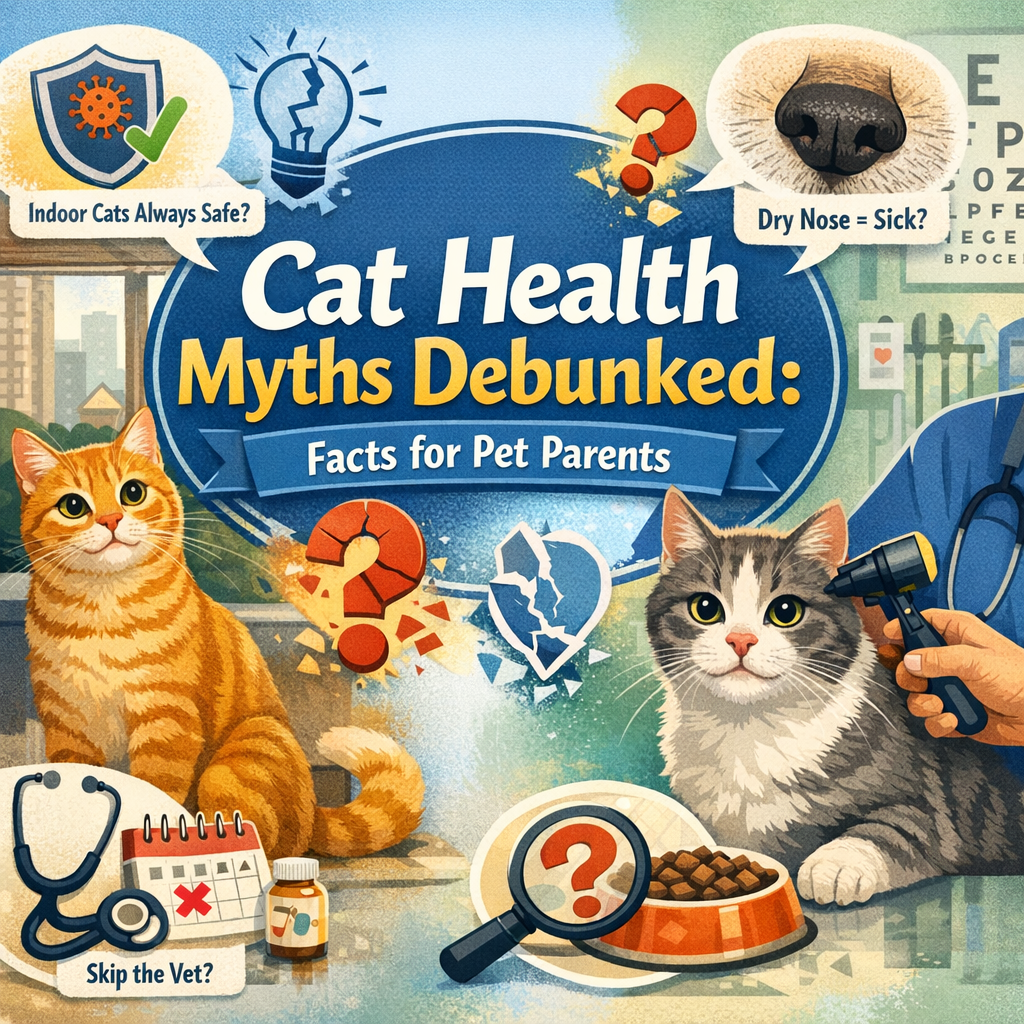
- 1. Indoor Cats Are Immune to Illness: The Truth About Hidden Risks
- 2. Routine Vet Visits Are Optional for Healthy Cats
- 3. A Dry Nose Does Not Equal Illness
- 4. Cats Always Land on Their Feet: Debunking the High-Rise Myth
- 5. Purring Is Not Always a Sign of Happiness
- 6. Spaying Before First Heat Is Essential: Myths Around Reproduction
- 7. Cats Cannot Be Trained: Training as a Health and Welfare Tool
- FAQ
- Conclusion
Expert Insight
“Caring for cats isn’t about a low-maintenance stereotype; it’s about regular wellness care, preventive parasite protection, dental health, and engaging enrichment to support their physical and emotional well-being.” , Industry Veterinary Expert
Introduction
At Bella Gatti US Shop, we recognize that health conversations about curious felines can get loud. This article presents clear, evidence based facts about cat health you can rely on.
What this article covers
- Common myths about indoor versus outdoor cat health
- The value of routine veterinary care and preventive measures
- How to recognize real signs of illness beyond surface cues
- Practical safety and care tips to support feline wellbeing
Why understanding cat health myths matters for pet parents
Misperceptions can delay care, lead to skipped vaccinations, or neglect preventive needs. By grounding decisions in credible guidance from veterinary organizations and reputable sources, you can help your cat stay healthier longer. Our aim is to distinguish perception from reality so you make informed choices that fit your cat’s unique life and environment.
Expert Insight
“Danger to the cat (trauma and disease) is the most important consideration when addressing indoor-outdoor cats with clients, and One Health topics remain a missed opportunity to educate for informed decisions.” , Veterinary Field Expert
1. Indoor Cats Are Immune to Illness: The Truth About Hidden Risks
Common illnesses indoor cats can still contract
Indoor cats aren’t invincible. Even without outdoor access, they can develop dental disease, obesity related problems, kidney and thyroid concerns, and respiratory infections. Shared living spaces and occasional outdoor forays can still introduce parasites.
- Dental disease can arise from irregular brushing or high carbohydrate diets and can lead to weight loss or bad breath.
- Obesity raises diabetes risk and places stress on joints, potentially causing mobility issues.
- Kidney and thyroid problems may appear with age or genetics, sometimes presenting with subtle weight changes.
- Respiratory infections can spread in crowded rooms or during stress, even among indoor cats.
How to monitor signs and prompt veterinary care
Active monitoring helps catch problems early. Track daily patterns in appetite, water intake, weight, litter box use, and energy. Sudden changes deserve a vet visit.
- Record vomiting, diarrhea, or changes in urination frequency and volume.
- Watch for limping, coughing, sneezing, or breathing difficulties that worsen over 24 hours.
- Inspect the coat and grooming routine; a dull coat or overgrooming can signal illness.
- Seek prompt veterinary evaluation for persistent or alarming symptoms, especially in senior cats.
| Indicator | Possible Concern |
|---|---|
| Appetite or weight change | Metabolic, dental, or endocrine issues |
| Altered drinking or urination | Kidney or diabetes risk |
| Lethargy or hiding more than usual | Illness or pain |
2. Routine Vet Visits Are Optional for Healthy Cats
Think a healthy cat can skip regular checkups? Think again. Routine visits establish a baseline so subtle changes don’t slip by. Preventive care isn’t about reacting to problems after they appear; it’s about spotting shifts before they become serious.
Preventive care and baseline health
Baseline exams create a reference point for every future check. For example, a small drop in activity or a slight coat dullness can signal early issues. In one case, a cat with barely noticeable weight gain was found to have early kidney changes during a routine visit.
Use checklists to stay proactive at home. Track appetite, litter box habits, fur quality, and energy levels weekly. Bring these notes to every visit to reinforce what the vet measures.
- Annual wellness exams are standard for most adult cats
- More frequent visits may be advised for older pets or at-risk cats
- Wellness panels screen organ function and overall health
Vaccinations, dental, and metabolic screening importance
Vaccinations guard against common illnesses, while dental care preserves comfort, appetite, and overall health. Metabolic screening can reveal early signs of kidney disease, thyroid disorders, or diabetes, often before symptoms appear. A practical example: dental tartar buildup correlates with poorer body condition scores and may mask systemic disease.
- Vaccination schedules are tailored to lifestyle and risk
- Dental health affects chewing, comfort, and systemic wellness
- Regular metabolic screens help catch issues early
| Aspect | Why it matters |
|---|---|
| Baseline health | Early detection of subtle changes |
| Vaccinations | Prevents communicable diseases |
| Dental health | Reduces pain and supports overall wellness |
| Metabolic screening | Identifies kidney, thyroid, or diabetic risk |
Expert Insight
“Annual wellness exams establish a baseline of your cat’s general health, emphasize preventive care, and enable proactive recommendations to maintain or improve health across life stages.” , Veterinary Health Expert
3. A Dry Nose Does Not Equal Illness
Understanding nose moisture variability
You might have heard that a dry or warm nose means a cat is sick. Not necessarily. A cat’s nose moisture shifts with temperature, humidity, activity, and lighting. Even healthy cats can have a dry or cool nose at times without a health problem.
- Environmental factors like heat or air conditioning can affect moisture.
- Recent activity or grooming can change how a nose feels.
- Genetic differences influence baseline moisture in some cats.
What signs truly indicate a health issue
Trust the bigger picture. Look for patterns beyond the nose to judge health. Consistent changes in behavior or function point to potential problems.
- Persistent appetite or weight change
- Water intake or urination changes
- Lethargy, hiding, or reduced interaction
- Vomiting, coughing, or breathing difficulties
| Healthy vs Concerning Signals | What to do |
|---|---|
| Normal nose moisture with normal activity | Continue regular care |
| Dry nose accompanied by lethargy or appetite loss | Monitor closely and consider a vet check if symptoms persist |
| Dry nose with clear energy and eating well | Likely environment-related, no immediate action needed |
4. Cats Always Land on Their Feet: Debunking the High-Rise Myth
Yes, cats can twist and brace during a fall, but landing safely is not guaranteed. Even athletic climbers can suffer injuries from misjudged landings or hard surfaces. Don’t fall for the idea that they always recover unscathed.
Risks of falls and common injuries
A fall from height can cause a range of problems, from sprains and fractures to internal injuries. Older cats or those with health issues face higher complication rates after a tumble. At home, a window view can turn dangerous if screens fail or gaps exist.
- Fractures in limbs or ribs
- Sprains and soft tissue injuries
- Aspiration or respiratory stress in severe cases
Home safety tips to prevent trauma
Begin with a quick assessment of every level in your home. Identify where a cat might jump and where a misstep could occur in dim light.
- Inspect and secure window screens to withstand a cat’s weight
- Limit access to high ledges and provide stable ground-level perches
- Offer enrichment and vertical space designed for cats and tested for safety
- Block off nearby tables or shelves with barriers if multiple pets share the space
| Safety measure | Impact |
|---|---|
| Secure screens | Reduces fall risk from open windows |
| Accessible ground-level perches | Encourages safe exploration and resting spots |
| Barriers on high surfaces | Minimizes access to dangerous heights |
5. Purring Is Not Always a Sign of Happiness
Evaluate the full picture beyond the sound. Observe energy, appetite, social interaction, and activity levels to gauge wellbeing. Use a simple daily check to monitor for stress signs and track changes.
6. Spaying Before First Heat Is Essential: Myths Around Reproduction
There are many myths about when to spay a cat. The decision involves health, behavior, and population considerations. This section clears up the facts and helps you make an informed choice with your vet.
Benefits of early spay/neuter
- Lower risk of certain mammary tumors later in life when done under appropriate health guidelines
- Prevents unplanned litters and helps reduce shelter crowding
- Fewer reproductive tract infections and related complications
Addressing overpopulation concerns
- Spay and neuter programs help reduce shelter intake and euthanasia rates
- Community education supports responsible pet ownership and resource use
- Guidelines from veterinary groups emphasize timing that prioritizes health and safety
| Aspect | Impact |
|---|---|
| Health outcomes | Early spay/neuter can lower certain long term health risks |
| Population control | Prevents unplanned litters and reduces shelter burdens |
| Behavioral effects | Can decrease mating related behaviors such as roaming |
7. Cats Cannot Be Trained: Training as a Health and Welfare Tool
Behavioral training benefits for safety and welfare
Training goes beyond performance. It helps keep your cat safe, reduces stress, and supports overall welfare. Regular, friendly sessions can deter risky behaviors like jumping on counters or bolting out doors. Training also strengthens the dialogue between you and your cat, fostering lasting trust.
- Teach stays at doorways to prevent escapes during outdoor exposure or veterinary visits
- Use cue-based responses to ease handling during exams or grooming
- Positive reinforcement supports adaptation to new experiences such as travel or vet care
Simple training basics for busy households
You don’t need hours to start. Short, consistent sessions yield results. Use treats, affection, and gentle repetition to build cues your cat understands.
- Choose 1-2 simple cues and practice daily, such as “sit” or “target”
- Keep sessions to 2-5 minutes to maintain focus
- Apply training to daily routines such as feeding, brushing, and nail trims
| Training focus | Health and welfare impact |
|---|---|
| Doorway stays | Reduces escape risk and exposure to dangers; example: a quick sit cue at entry doors before letting a dog walker in |
| Gentle handling cues | Eases vet visits and grooming; example: cue for calm positioning during a scruff-free exam |
| Progressive desensitization | Mitigates stress in new environments; example: short car rides followed by a favorite treat |
FAQ
How can I tell if my cat is sick despite myths?
Look beyond mood alone. Track energy, appetite, litter box habits, grooming, and response to social interaction. Subtle changes can signal health issues early.
- Unexplained weight loss or gain
- Increased thirst or urination
- Persistent vomiting or diarrhea
- Difficulty breathing or coughing
When should I seek immediate veterinary care?
If you notice sudden or severe signs, treat as urgent. Do not wait for a routine check if symptoms escalate quickly.
- Bloody urine, vomiting with repeated episodes, or not eating for 24 hours
- Seizures, collapsing, or extreme lethargy
- Extreme breathing difficulty or pale gums
What are the most common preventable health issues in cats?
Prevention relies on consistent care, not assuming health equals freedom from illness. Regular screening supports early detection and helps you catch problems before they become emergencies.
- Dental disease and plaque buildup
- Renal health concerns detectable through routine screening
- Parasites and infectious diseases preventable by vaccines and preventive care
| Preventable issue | Prevention strategy |
|---|---|
| Dental health | Regular dental checks and brushing where possible. Consider introducing brushing gradually with a vet guidance and dental treats as a step up. |
| Renal health | Annual wellness exams and renal-focused screening tests. For cats over seven, request a kidney panel and urine albumin tests at every visit. |
| Infectious diseases | Vaccinations and parasite prevention as recommended. Ensure your schedule aligns with Bella Gatti US Shop product compatibility and local life-stage needs. |
Conclusion
Key takeaways for informed pet parenting
Myths can distort cat health decisions. Grounding choices in credible guidance helps reduce preventable issues and supports a longer, healthier life for your cat.
- Indoor and outdoor setups each carry distinct health monitoring needs and risks, so tailor checks to your cat’s environment.
- Preventive care matters. Maintain routine vet visits, vaccines, and dental assessments as the backbone of wellness.
- Look for patterns over time. Track daily behaviors and routines to spot subtle changes early.
Encouraging proactive health practices
Collaborate with your veterinarian to design a practical care routine. Consistency reduces emergencies and builds a reliable health baseline.
- Set reminders for wellness exams and screenings your vet recommends, and keep a brief medical history handy for visits.
- Incorporate dental care and parasite prevention into monthly habits to prevent longer term issues.
- Create a calm, cat friendly home to ease care experiences, such as a quiet examination space and familiar toys.
| Practice | Health impact |
|---|---|
| Routine veterinary care | Early detection and a stable health baseline |
| Vaccinations and dental health | Prevents infectious disease and dental complications |
| Environmental safety | Reduces injury risk and stress during care episodes |
References
- 4 Dangerous Myths Pet Parents Believe About Cat Health – LifeLearn
- Cat Myths & Misconceptions: Get the Facts – Hill’s Pet Nutrition
- The Truth Behind 25 Common Pet Myths Debunked
- The Reality Of Cat Care: Debunking The Low-Maintenance Myth
- Time to ignore these outdated kitty myths. Find more explanation …