



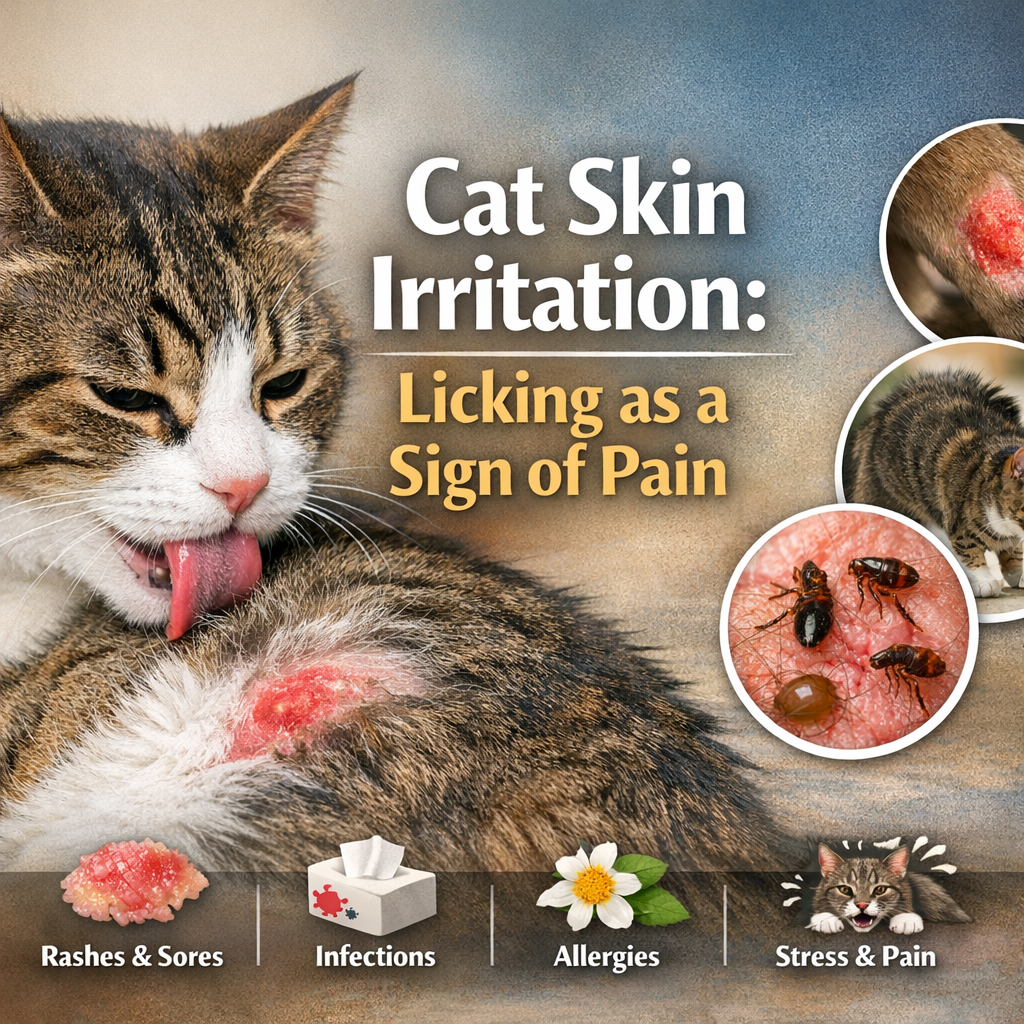

- Licking in cats can signal pain, itch, allergies, infections, or stress, not just grooming; watch for accompanying skin changes or behavioral shifts.
- Acral lick granuloma and hyperesthesia are common trouble signs; early veterinary assessment helps identify triggers and prevent worsening.
- Distinguish normal grooming from problematic licking by patterns, duration, and skin lesions; seek veterinary tests (skin scrapings, cultures, allergy testing) to determine root causes.
- Introduction
- Common Causes of Cat Licking and Skin Irritation
- 2. A Closer Look: Acral Lick Granuloma and Its Relevance to Cats
- 3. Hyperesthesia Syndrome: When Sensitivity Sparks Licking
- 4. Distinguishing Normal Grooming from Problematic Licking
- 5. When Licking Signals Pain: Behavioral and Physical Clues
- 6. Diagnostic Pathways for Clarifying Causes
- 7. Practical Home Management and Care Tips
- FAQ
- Conclusion
- Normal grooming vs excessive licking
- Observable skin changes that warrant attention
- When to seek veterinary help for underlying issues
- Food allergies or intolerances
- Environmental allergens like pollen or molds
- Flea and other external parasite bites
- Fleas, ticks, and mites
- Fungal infections that mimic itchiness
- Environmental pests in nesting areas
- Bacterial skin infections
- Fungal infections like ringworm
- Secondary wounds from persistent licking
- Allergies or underlying skin irritation that prompt repetitive licking and granuloma formation
- Anxiety, stress, or pain in a nearby joint that drives limb-focused grooming
- Infections or skin trauma that sustain irritation and the licking cycle
- Without intervention, lesions can worsen and raise the risk of secondary infections or chronic discomfort
- Long bouts of licking that repeat across multiple days
- Red, inflamed, or raw patches after licking
- Bald patches or thinning fur in the licking area
- Open lesions or crusting from repeated moisture and irritation
- Skin scrapings to check for mites and surface parasites
- Fungal cultures or wood lamp examination to rule out ringworm
- Allergy testing or elimination diets when food or environmental triggers are suspected
- Blood work to assess overall health and screen for systemic conditions
- Biopsy or cytology of skin lesions if infection or unusual growths are suspected
- Joint and neurological assessments if pain or hyperesthesia are factors
- Bathing should be minimal unless your vet advises otherwise
- Provide soft bedding and a clean resting area to limit skin contact with irritants
- Reduce household allergens such as pollen and dust with regular cleaning
- Check for external parasites and treat promptly under veterinary guidance
- Offer distraction with interactive toys and short play sessions
- Provide enrichment to reduce stress, such as puzzle feeders
- Follow your veterinarian’s guidance on safe barrier options and their use
- Maintain consistent feeding and hydration to support overall skin health
Table of Contents
Expert Insight
“Pain in cats is best understood as a multidimensional signal that requires careful interpretation of species-specific behaviors, such as back-area sensitivity, grooming patterns, and facial cues, to reliably discriminate painful from non-painful states and guide effective care.” , Feline Welfare Expert
Introduction
Overview of cat skin irritation and licking
Cats groom as a normal habit, but persistent licking can indicate an underlying issue. Look for red patches, hair loss, or small sores along the skin, and note when licking becomes excessive.
Allergies, parasites, infections, or stress commonly drive repeated licking. Recognizing patterns helps you act before damage worsens.
Why owners should correlate licking with pain signals
Persistent licking can reflect discomfort rather than just cleaning. Observe for restlessness, guarding a limb, or changes in posture that accompany licking.
Early recognition matters. When licking occurs with visible skin changes or shifts in behavior, a veterinary evaluation can prevent chronic problems.
Common Causes of Cat Licking and Skin Irritation
Allergies and contact dermatitis
Allergies drive itchiness and licking in many cats. They can stem from food proteins, environmental factors like pollen or molds, and flea bites. Contact dermatitis occurs when the skin reacts to an irritant it touches. You may notice seasonal patterns or reactions after exposure to certain foods or substances.
Signs to watch for include red or inflamed skin, scratching, and localized hair loss where contact occurs. Tracking patterns helps you identify underlying issues early.
Parasites and infestations
Parasites commonly trigger skin irritation. Fleas, mites, and other parasites can cause intense itching, leading to licking and scratching. Even light infestations can provoke a reaction, especially in cats with sensitive skin or a weakened immune system.
Regular preventive care supports healthier skin and reduces risk.
Infections and wounds
Skin infections often follow scratching and licking. Bacterial or fungal infections can accompany damaged skin and sustain the itch cycle.
Open wounds, hotspots, or inflamed patches require veterinary assessment to identify the trigger and prevent further tissue damage.
2. A Closer Look: Acral Lick Granuloma and Its Relevance to Cats
Possible triggers and outcomes
3. Hyperesthesia Syndrome: When Sensitivity Sparks Licking
Symptoms and behaviors to watch for
Hyperesthesia presents as sudden flashes of heightened sensitivity along the back and base of the tail. You may see brief tail flicks, fur stretching, or quick, sharp vocalizations.
During episodes, the cat might arch its back, strike at the skin with the hind legs, or show rippling skin. Episodes are often short, so careful observation is key to catching them.
How it relates to pain signaling
These episodes can reflect underlying pain or discomfort. The urge to lick or gnaw a specific area may come from irritation, nerve sensitivity, or musculoskeletal issues.
Finding the trigger is essential. If no external cause is identified, prioritize a veterinary evaluation to manage pain and prevent recurrence and secondary skin damage.
4. Distinguishing Normal Grooming from Problematic Licking
What constitutes normal grooming
Normal grooming is a routine, selective cleaning behavior that keeps the coat and skin in good condition. It should be calm, evenly distributed, and not cause irritation.
Most cats groom themselves to help regulate temperature, remove loose hair, and monitor skin health. Occasional licking in specific spots without red flags is typical.
Indicators of excessive licking and skin damage
Excessive licking goes beyond self-care and starts driving skin problems. Look for a pattern that lasts days or weeks and affects multiple areas.
Pay attention to changes in behavior and skin appearance that suggest discomfort or pain.
5. When Licking Signals Pain: Behavioral and Physical Clues
Associated behaviors indicating discomfort
Pain can amplify licking and alter your cat’s movement. You may notice increased withdrawal, irritability, or reluctance to jump or explore during licking episodes. A sudden shift in posture or guarding a limb can point to localized discomfort that drives repetitive grooming.
Observe patterns in daily routines. If your cat licks the same spot repeatedly despite brief calm periods, there could be an underlying issue beyond routine grooming.
Visible skin changes and hotspots to monitor
Ongoing licking often precedes noticeable skin changes. Look for red patches, raw or moist areas, or crusting on the paws, legs, or hindquarters. Movement of hotspots is possible as triggers shift.
Note early signs such as hair thinning around the affected area and small bumps. Document new lesions and the duration of irritation to share with your veterinarian.
6. Diagnostic Pathways for Clarifying Causes
Physical examination and history
A thorough physical exam helps identify visible skin changes and clues beyond the skin. Your veterinarian will review your cat’s behavior, grooming habits, and when licking began. They will assess the skin for redness, lesions, hair loss, and any secondary infections. A detailed medical history, including recent environmental changes, diet, and exposure to parasites, guides the diagnostic direction.
Owners should note accompanying symptoms such as lameness, lethargy, or appetite changes. Documenting a timeline of licking episodes supports pinpointing trigger events. This information helps target tests and avoids unnecessary investigations.
Common tests and assessments veterinarians may perform
7. Practical Home Management and Care Tips
Gentle skin care and environmental adjustments
Support your cat’s skin with calm, simple steps that minimize irritation. Use mild, vet-approved shampoos and avoid harsh chemicals that can trigger itching.
Keep the living space peaceful and predictable. Regular brushing reduces loose fur and surface irritants, which helps curb stress related licking spikes.
Strategies to reduce licking while seeking veterinary care
Use humane strategies that limit access to the affected area without causing distress. Protective coverings or deterrents recommended by a professional can help guard paws and hotspots.
Keep a simple diary of licking patterns and changes in skin appearance to share with your vet. Tracking triggers and responses to home care can be very informative.
Expert Insight
“Feline atopy is life-long and usually involves various treatments and lifestyle changes or adjustments for the patient as well as pet owners; environmental allergens and seasonal factors commonly exacerbate pruritus, and management requires ongoing, multimodal strategies.” , Industry Expert
FAQ
Why does my cat lick or groom a lot even if the skin looks fine at first glance? Excessive grooming can signal underlying issues that aren’t immediately visible. It may indicate itching, pain, anxiety, or environmental triggers that warrant a closer look by a vet.
What should I look for besides licking? Look for bald patches, redness, crusty or moist lesions, and changes in the coat texture. Sudden shifts in grooming habits or new hotspots deserve veterinary attention to identify the cause and prevent progression.
Can skin allergies be the sole cause? Allergies are a common factor, but they often involve multiple symptoms such as sneezing, watery eyes, or gastrointestinal signs. A vet can help determine if food, environmental, or contact allergies are at play through tests or diet trials.
Is acral lick granuloma something I should worry about immediately? Acral lick granulomas are linked to persistent licking and can lead to painful sores. Early veterinary assessment helps address the trigger and prevent skin damage.
What tests might my vet perform? Typical steps include a physical exam, skin sampling, fungal tests, allergy assessments, and possibly diets or environmental reviews. The goal is to identify the root cause and tailor treatment.
How can I manage this at home while waiting for a vet appointment? Gentle skin care, a calm environment, and avoiding irritants help. Document licking patterns and skin changes to share with your vet, and limit access to the affected area under veterinary guidance.
Expert Insight
“Acral lick granulomas arise from an underlying trigger, such as allergies or anxiety, that drives persistent licking; identifying and addressing the root cause is essential to stop the self-traumatizing cycle and heal the skin.” , Veterinary Dermatology Expert
Conclusion
Cat skin irritation from licking often signals more than a simple itch. It can reflect a spectrum of issues such as allergies, infections, or pain and stress in your cat.
Early recognition matters. Note patterns in licking and any accompanying skin changes or behavioral shifts, and discuss them with your veterinarian to prevent chronic problems.
Pair at‑home care with professional guidance to address underlying causes and support your cat’s comfort. A calm environment, consistent routines, and targeted care help protect skin health and strengthen your bond.