

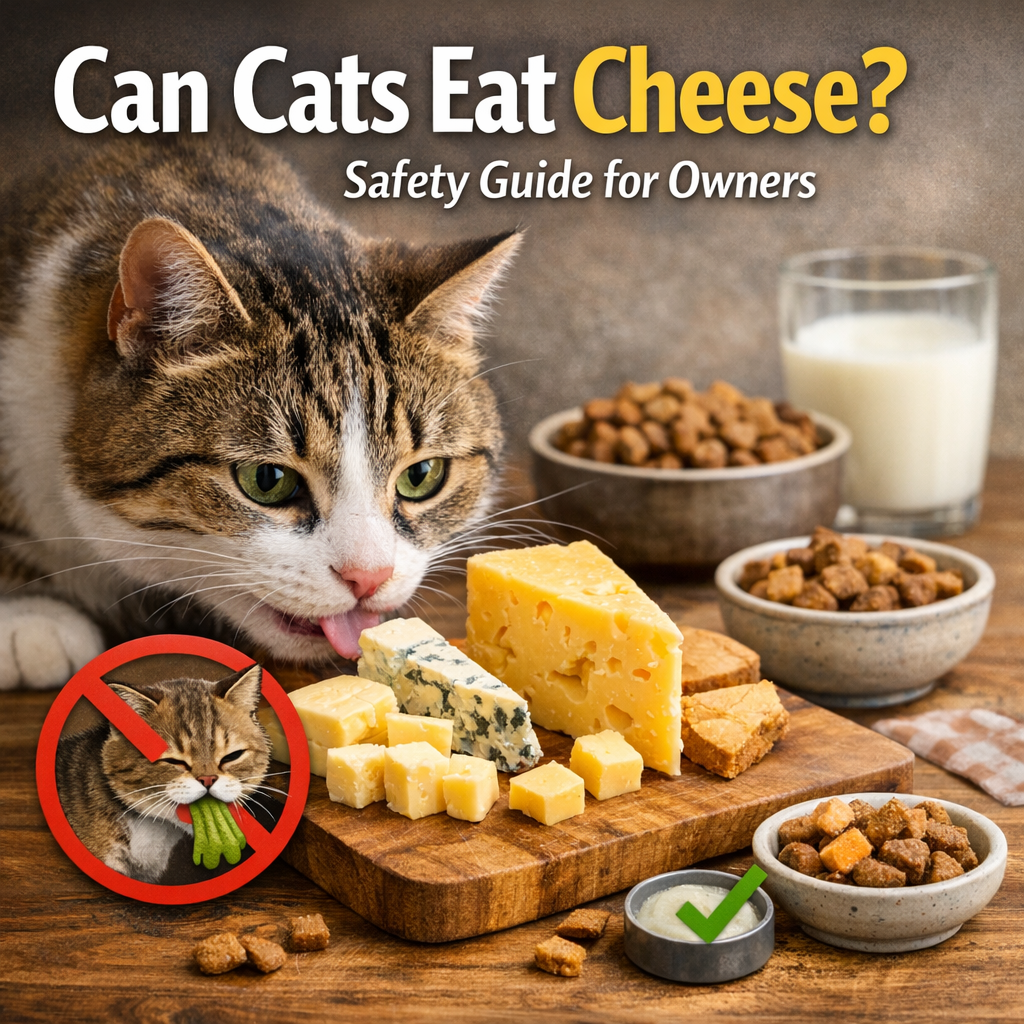

- Most adult cats are lactose intolerant; cheese is not a essential or safe regular treat due to fat, salt, and potential digestive upset.
- If you offer cheese at all, keep portions tiny (the size of a pinhead) and only occasionally; monitor for vomiting, diarrhea, or abdominal discomfort.
- Safer alternatives include high-protein, cat-friendly treats (plain cooked meat, freeze-dried fish, or protein-rich snacks) and avoiding dairy for cats with obesity, pancreatitis, or kidney concerns.
Table of Contents
- Introduction
- 1. Lactose Intolerance in Cats
- 2. Nutritional Considerations of Cheese
- 3. Cheese as an Occasional Treat: When It Might Be Okay
- 4. Safe Alternatives to Cheese for Treats
- 5. Risks and Signs of Dairy-Related Distress in Cats
- 6. Cheese Varieties: Are Some Better or Worse
- 7. Feeding Dairy to Cats with Health Conditions
- FAQ
- Conclusion
Expert Insight
“Most adult cats are lactose intolerant, so dairy like cheese can cause digestive upset and health issues; when in doubt, avoid feeding cheese and opt for properly balanced cat nutrition.” , Veterinary Nutrition Expert
Introduction
Overview of the question
You’ve probably wondered if cheese is a safe treat for cats. The short answer is that it depends. Some cats can tolerate small amounts, but many cats digest dairy poorly after weaning and cheese adds fat and salt without offering meaningful feline nutrition.
Understanding the basics helps you decide when a cheese nibble might be off limits or simply unnecessary for your kitty.
Why it matters for cat health
Dairy can upset the stomach of lactose-intolerant cats, causing vomiting, diarrhea, or gas. Repeated exposure can contribute to weight gain and related health issues.
Choosing safer, cat-friendly treats supports a balanced diet and minimizes risks tied to fat content, sodium, and additives.
- Most cats are lactose intolerant and may not digest dairy well.
- Cheese is high in fat and salt, with little nutritional payoff for felines.
- Safer options exist that deliver protein and flavor without gastrointestinal distress.
1. Lactose Intolerance in Cats
What lactose intolerance means for cats
Lactose intolerance occurs when a cat’s small intestine lacks enough lactase, the enzyme that digests lactose. Undigested lactose travels to the colon where bacteria ferment it and cause discomfort.
For many cats, dairy products like cheese offer little nutritional value and can disrupt digestion, particularly in indoor cats or those unaccustomed to dairy.
Symptoms to watch for after dairy exposure
- Vomiting or regurgitation shortly after eating dairy
- Diarrhea that is loose or frequent
- Gas, bloating, or abdominal discomfort
- Lethargy or decreased appetite following dairy intake
2. Nutritional Considerations of Cheese
Cheese composition and why it’s not ideal for cats
Cheese brings fat and calories but offers limited nutrients cats rely on. Regularly consuming it can displace better protein sources in the diet and may contribute to weight gain, especially if given in larger amounts.
Even for lactose tolerant cats, the energy from fat is not always well utilized, which can lead to digestive upset and, over time, health issues for indoor or sedentary felines.
Potential fats, salt, and additives to avoid
- High fat content can contribute to obesity if cheese becomes a frequent treat.
- Large amounts of salt may increase thirst and urination in some cats.
- Added spices, onion, or garlic are toxic and should be avoided altogether.
- Dairy derivatives and processed cheese often include stabilizers or flavorings with little nutritional value for a cat.
Expert Insight
“Most adult cats are lactose intolerant; dairy products can cause tummy trouble, including diarrhea, vomiting, gas, and bloating, so feeding cheese or milk should be avoided or given only in tiny amounts under veterinary guidance.” , Industry Expert
3. Cheese as an Occasional Treat: When It Might Be Okay
Small amounts and rare occasions
Only offer cheese in tiny amounts and on infrequent occasions. Treat it as a rare indulgence rather than a regular snack.
Best practices if you choose to offer a tiny piece
- Opt for plain dairy cheese without added salts, spices, or flavorings.
- Limit to a scrap the size of a pinhead or about a millimeter.
- Watch for digestive signs after the first exposure and skip it if any distress appears.
- Pair cheese with a higher protein, low-fat treat to help balance calories.
Note: Not all cats tolerate dairy, and some may react after even a tiny piece. If your cat has a history of digestive issues or obesity, it is safer to avoid cheese altogether. Always align any treat with your cat safety goals and overall feeding plan.
Expert Insight
“Not all cats are lactose intolerant, but even when tolerated, cheese should be avoided or given only sparingly as a rare treat; treats must comprise no more than 5% of daily intake, and dairy should generally be avoided due to potential digestive upset.” , Cat Nutrition Expert
4. Safe Alternatives to Cheese for Treats
Cat-safe snack options with protein
Offer protein-rich snacks that fit a balanced diet. Choose treats with real meat as the main ingredient and minimal fillers or artificial additives.
- Thinly sliced cooked chicken or turkey bites
- Freeze-dried fish or poultry treats
- Commercial cat treats with high protein content and limited ingredients
- Small pieces of cooked eggs in moderation for non-allergic cats
Texture and flavor considerations for picky eaters
Texture matters as much as taste. If your cat avoids crunchy options, try softer protein based treats. For cats that prefer stronger flavors, choose fish or plain seasonings on poultry.
- Texture variety: crunchy, semi-soft, and jerky style options
- Flavor variety: fish, chicken, turkey, and liver flavors in moderation
- Avoid added sugars, artificial flavors, and high salt content
- Rotate treats to maintain interest without overfeeding
5. Risks and Signs of Dairy-Related Distress in Cats
Digestive symptoms to monitor
Dairy exposure can trigger digestive issues in cats. After any dairy, watch for changes in comfort over the next several hours. Note how often symptoms occur and how long they last to distinguish a one off reaction from a pattern.
- Vomiting within a few hours of eating dairy
- Loose or watery stools lasting more than a day
- Gas, bloating, or abdominal discomfort
- Restlessness or crying related to digestion
When to contact a veterinarian
Reach out to a vet if symptoms persist, worsen, or recur after dairy exposure. Early guidance can prevent dehydration and further complications. Also seek professional input if your cat has existing health issues or frequent dairy encounters.
- Symptoms last longer than 24 hours
- Repeated episodes after small amounts of cheese or dairy
- Signs of dehydration such as dry gums or lethargy
- Concurrent signs like loss of appetite, weight loss, or vomiting blood
6. Cheese Varieties: Are Some Better or Worse
Common cheeses and their risks
Cheese varies in fat, salt, and added ingredients. The lactose challenge remains for many cats with plain cheeses, and higher fat content can contribute to weight gain with regular feeding. Read labels carefully for hidden ingredients like onion powder or garlic, which are toxic to cats.
- Cheddar and mozzarella: common staples, but still high in fat and may upset the stomach or trigger lactose sensitivity in many cats.
- Parmesan: flavorful in small amounts, yet very salty and fat heavy; use sparingly.
- Cottage cheese: lower fat options exist, but lactose content remains a factor for many cats.
- Feta and goat cheese: tangy profiles with varying fat levels; portion control is essential.
- Processed cheese: often contains additives and higher salt; not ideal for cat safety.
Dairy-free or lactose-free options: are they safer?
Lactose-free or dairy-free cheeses may reduce lactose exposure, but they can still be high in fat and salt and may include ingredients that aren’t ideal for cats. Some non-dairy cheeses use fats and stabilizers that don’t align with a cat’s nutritional needs. Verify there are no onion or garlic components and keep portions tiny if you decide to test safety.
| Cheese type | Primary concern | Feeding note |
|---|---|---|
| Plain cheddar | High fat, lactose potential | Small amount only, infrequent |
| Parmesan | High salt, fat content | Very limited, as a rare treat |
| Cottage cheese | Lactose presence varies | Test tolerance first |
| Non-dairy cheese | Stabilizers and fats | Check ingredients, avoid if unclear |
7. Feeding Dairy to Cats with Health Conditions
Obesity
Cats carrying extra weight are more prone to health problems when dairy is included in their diet. Cheese adds calories and saturated fat without meaningful nutrition. Treat dairy cautiously or avoid it in these cases.
- Track daily calories from all treats and adjust portions as needed
- If a dairy treat is considered, opt for very small amounts and low fat options
- Prioritize veterinarian approved weight management strategies
Pancreatitis
Cats with pancreatitis are more sensitive to fats found in many cheeses. Dairy can trigger flare ups in some cats. After any dairy exposure, monitor closely and err on the side of caution.
- Limit high fat dairy or avoid dairy entirely during flares
- Consult your veterinarian for a tailored plan if pancreatitis is a concern
- Watch for abdominal pain, vomiting, or reduced appetite after dairy intake
Kidney Concerns
Renal health requires careful management of minerals and fluids. Cheese adds sodium and phosphorus that can burden kidney function if eaten regularly.
- Use dairy only under veterinary guidance when kidney health is stable
- Choose protein and electrolyte balance that support kidney function
- Avoid salted or processed cheeses that raise mineral load
Special Diet Considerations
Cats on prescribed therapeutic diets may have limited tolerance for dairy. If a vet approves dairy, keep it as a tiny, infrequent exception and note any reactions for follow-up.
| Health condition | Typical concern with dairy | Practical approach |
|---|---|---|
| Obesity | Extra calories and fat | Limit or avoid dairy treats |
| Pancreatitis | Fat content can trigger flare-ups | Consult vet before any dairy |
| Kidney disease | Sodium and phosphorus load | Only with veterinary guidance |
FAQ
Below are concise answers to common questions about feeding cats cheese. If you have a health concern, consult your veterinarian for guidance tailored to your pet.
- Can cats eat cheese safely in small amounts? Yes, but only as an occasional treat and not a regular part of the diet.
- Is lactose-free cheese better for cats? It may reduce lactose exposure but can still carry fat, salt, and additives that aren’t ideal.
- What signs mean a dairy treat upset my cat? Look for vomiting, diarrhea, abdominal discomfort, or reduced appetite after dairy exposure.
- Are there cat-friendly alternatives to cheese? Yes, options like small, protein-rich treats or plain cooked meat pieces can be safer.
| Question | Answer |
|---|---|
| Should I avoid cheese completely? | Not necessarily, but limit to tiny amounts and monitor for symptoms. |
| Can cheese cause long-term weight issues? | Regular high-fat cheese can contribute to obesity, especially in indoor cats with lower activity. |
| Is there a dairy option that is safe for all cats? | No single dairy product is universally safe; individual tolerance varies and veterinary guidance is key. |
Conclusion
Can cats eat cheese? The short answer is yes for an occasional tiny treat, but it should never be a regular part of your cat’s diet. Dairy products can cause digestive upset and add fat and salt that aren’t ideal for long term health.
Trust your cat. If you notice digestive upset after a dairy nibble, skip cheese and opt for safer, cat friendly alternatives. Monitoring portion size and how often you offer treats helps prevent unnecessary risks.
- Keep dairy treats rare and small if you choose to offer them
- Prioritize protein rich snacks that align with your cat’s dietary needs
- Consult a veterinarian if your pet has obesity, pancreatitis, or kidney concerns
| Takeaway | Practical tip |
|---|---|
| Occasional indulgence | Limit to a tiny piece, infrequent use |
| Health monitoring | Watch for vomiting or diarrhea after dairy |
| Alternate treats | Choose cat safe, high protein options |
When choosing treats, consider lactose tolerance and fat content, especially for indoor cats with low activity. Keep decisions focused on your cat’s overall health and feeding plan.