TL;DR (Too Long; Didn’t Read)
- Superior Senses: Cats aren’t seeing ghosts; they possess ultraviolet light vision and a tapetum lucidum that allow them to see patterns, dust motes, and movements in near-total darkness that are invisible to humans.
- Ultrasonic Hearing: With an auditory range up to 85,000 Hz, cats can hear high-frequency sounds like electricity humming, insects crawling in walls, or distant rodents that we perceive as total silence.
- Hunting Instincts: The “pounce pose” and intense staring are natural predatory behaviors triggered by minor environmental changes, such as shifting shadows or air currents.
- Health Check: While usually normal, frequent staring accompanied by skin rippling or distress could signal medical issues like feline hyperesthesia or cognitive dysfunction, requiring a veterinary consultation.
Table of Contents
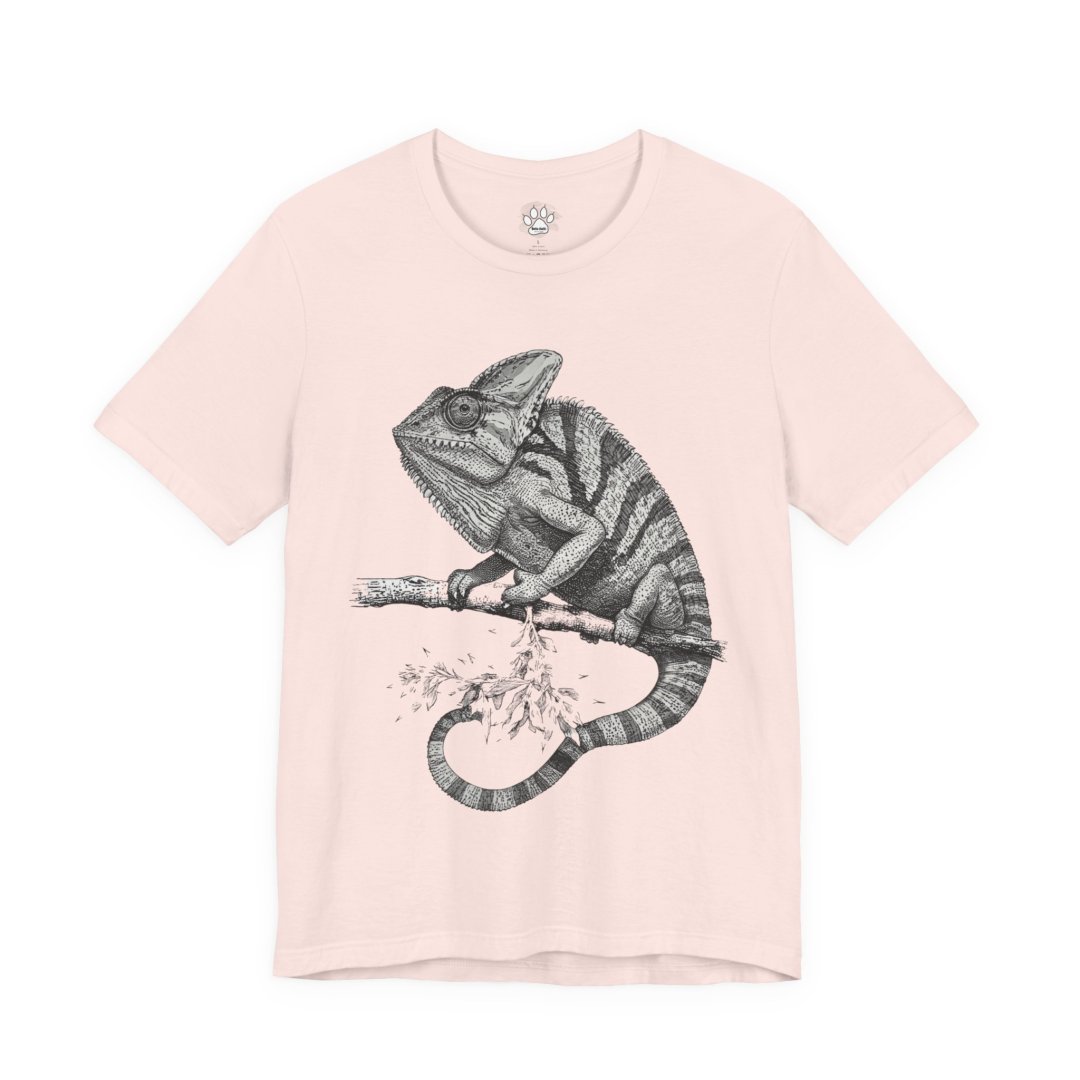
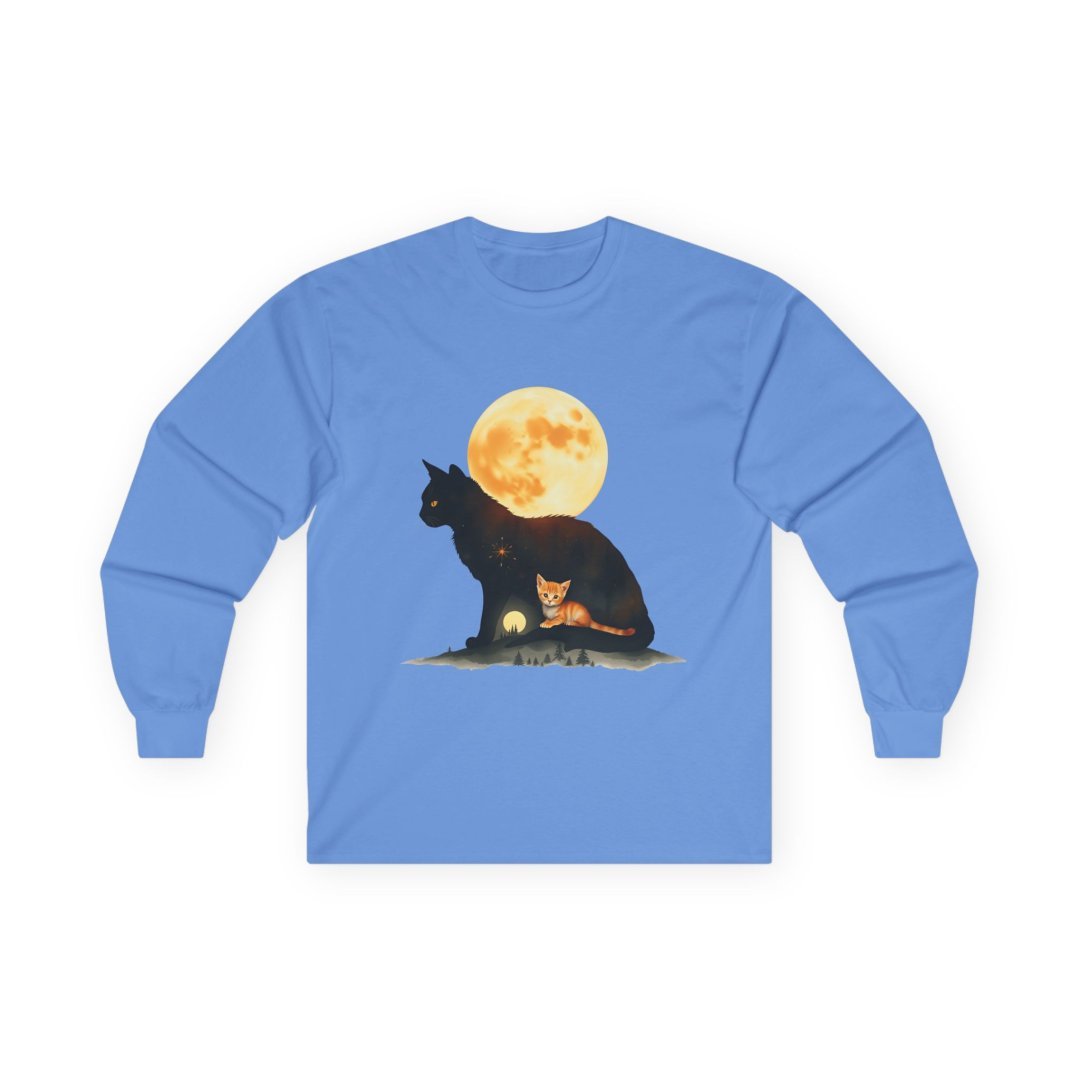
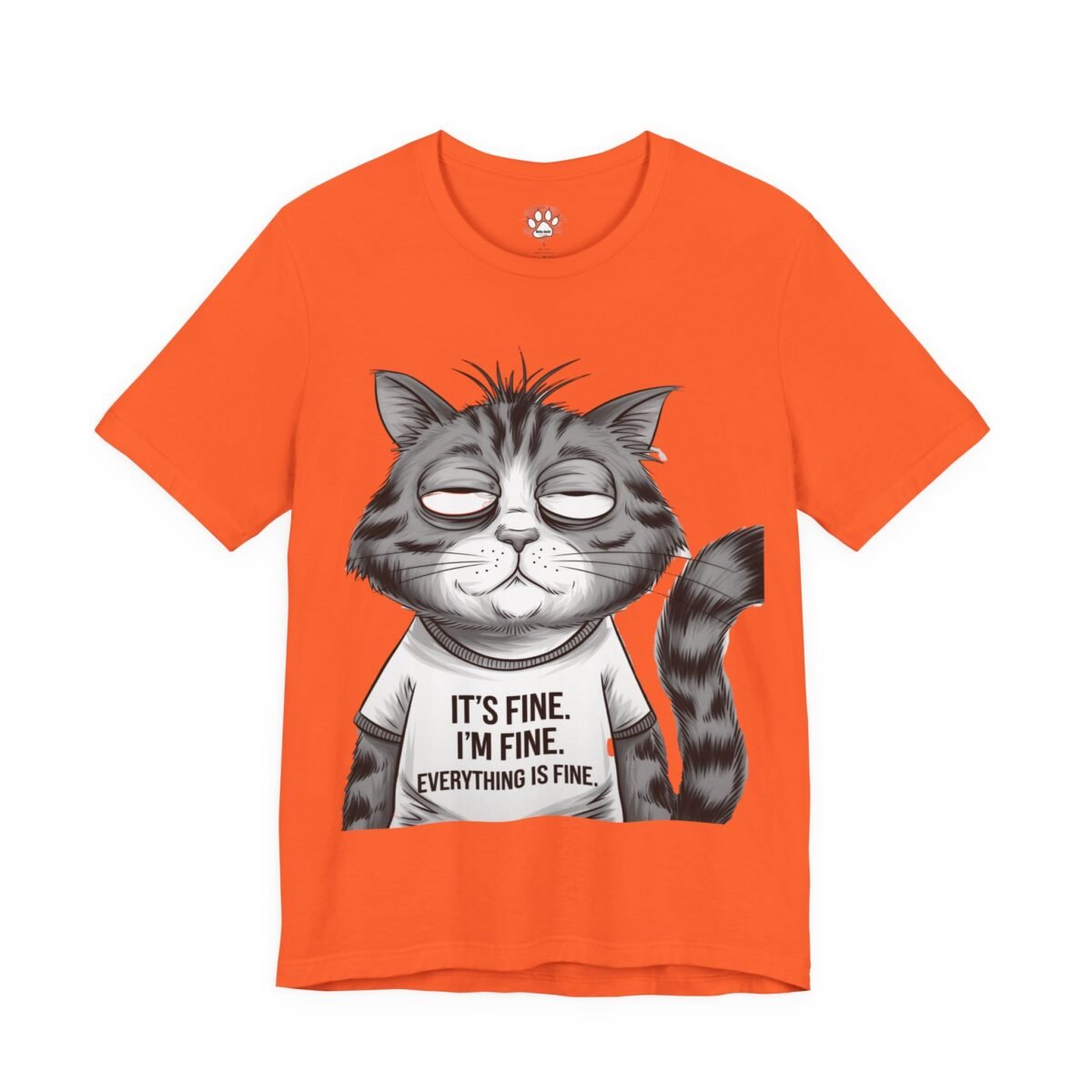
You are sitting on the sofa, relaxing after a long day in your favorite Unisex Soft Cotton Tee.
Suddenly, your cat freezes.
Their eyes lock onto a dark corner of the hallway, pupils wide, body tense in a classic cat pounce pose.
You look. There is nothing there. Is it a visitor from the Great Beyond, or just a very focused feline?
At Bella Gatti US Shop, we celebrate the mysterious nature of our feline friends through every graphic design we create.
Today, we are diving into the science and the spooky myths behind the famous cat stare.
The Mystery of Feline Sensory Perception
When your cat is in feline alert mode, they aren’t necessarily hunting spirits. Feline curiosity is driven by biology.
According to animal behavior explained by experts at VCA Animal Hospitals, cats possess heightened senses that far exceed human capabilities, including feline sensory perception.
From ultraviolet light perception to an incredible auditory range, your pet is experiencing a world you simply cannot see.
Ultraviolet Light Vision and Feline Eyesight
One reason for the cat staring wall phenomenon is ultraviolet light vision. Humans are blind to this spectrum, but cats see it clearly, which is important to consider when managing feline sensory acuity decline, including cat eyesight.
Research from City University London suggests that many mammals, including cats, have ultraviolet light perception that reveals patterns on flowers or trails of urine invisible to us.
What looks like a blank white wall to you might be a shimmering landscape of invisible light cats find absolutely captivating.
Cat Vision in Low Light and the Tapetum Lucidum
Cat vision low light performance is legendary. This is thanks to the tapetum lucidum, a reflective layer behind the retina.
This structure acts like a mirror, giving the retina a second chance to absorb light and creating that eerie glow in videos of cats at night.
With high visual acuity and a high number of rod cells, they can detect the slightest movement of dust motes or shadows in near total darkness.
Feline Hearing Range and Frequency Sensitivity
If your cat is tracking movement with their ears, they are likely utilizing their superior feline hearing frequency.
The feline hearing range extends up to 85,000 Hz, allowing them to hear high frequency sounds like the tiny footsteps of a mouse in the wall.
While you hear silence, your cat is listening to the ultrasonic hum of a lightbulb or a neighbor’s conversation three houses down.
Feline Hunting Instincts and Predatory Behavior
Cat hunting behavior is hardwired. Even a pampered indoor pet will exhibit feline hunting instincts when they spot a small insect.
When a cat tracks movement, they enter a state of intense focus. This cat tracking movement often looks like they are staring at ghosts.
Whether it is a flea allergy dermatitis itch or a real spider, their predatory behavior ensures they stay locked on the target until it moves. This behavior can often mimic mimic hunting behavior.
Cat Health Resources and Behavioral Signs
While a cat spooked by nothing behavior is usually normal, sometimes it can be a sign of feline hyperesthesia syndrome.
This condition, along with obsessive compulsive disorder in animals, may require a trip to a specialist for a checkup.
Consulting pet care experts or decoding feline behavior and health signals can help you distinguish between fun quirks and health issues.
Environmental Triggers and Positive Reinforcement
Environmental triggers like a grain free diet change or sensory overload during thunderstorms can also affect how a cat perceives their space.
Using positive reinforcement and interactive play can help manage a cat that seems overly anxious or fixated on the “unseen.”
Whether they are seeing ghosts or just a very interesting speck of dust, your cat is a marvel of sensory processing.
Expert Insight
“Cats are masters of communication and you can tell a lot from their body language; pay attention to whether they are inviting you closer or asking for distance to distinguish between natural predatory behavior and signs of sensory overload or health issues.”, Pam Johnson-Bennett, Cat Behavior Expert
The Science of Feline Sensory Perception
Before you call an exorcist or search for paranormal investigators, let us look at the scientific facts regarding cat behavior.
Cats are built for the hunt, and their feline hunting instincts are far more advanced than our own.
Their bodies are finely tuned instruments designed to detect the smallest movements, making them experts at sensory processing.
What looks like an empty wall to you is a high definition screen to them, potentially showing a tiny spider or a shifting shadow.
According to experts at VCA Animal Hospitals, cats possess heightened senses that far exceed human capabilities in every category.
They are not staring at nothing; they are likely in feline alert mode, tracking environmental triggers you simply cannot perceive.
The Magic of Ultraviolet Light Vision
Did you know your cat has a secret superpower that makes them a master of invisible light? Cats can see things we cannot.
Research from City University London suggests that cats possess ultraviolet light perception, a trait shared by few mammals.
This invisible light spectrum is completely blocked by the human eye lens, but cats see it with ease.
To a cat, a plain white wall might be covered in shimmering patterns, reflections, or even bird feathers that reflect UV rays.
They might even be tracking a trail of urine from a stray outside, as UV light makes organic materials glow brightly to them.
Low Light Vision and the Tapetum Lucidum
Cats are undisputed masters of the night, boasting cat vision low light capabilities that put high tech goggles to shame.
They have a high number of rod cells in their eyes, which are specialized for detecting light and motion in dim settings.
Behind their retina lies a specialized mirror like structure called the tapetum lucidum.
This thin layer reflects light back through the retina, increasing the light available to the photoreceptors and boosting visual acuity.
This is why their eyes glow in photos and why they can see subtle movements in what we perceive as a pitch black room.
That ghost in the corner might just be a tiny dust mote floating in a stray beam of light, catching their predatory behavior.
Feline Hearing Range and Frequency Sensitivity
If your cat is staring at a wall, they might actually be listening to something behind it using their incredible auditory range.
The average cat hearing range extends up to 85,000 Hz, allowing them to hear high frequency sounds from rodents or insects.
Humans only hear up to about 20,000 Hz, meaning cats can hear the ultrasonic pips of a bat or the scuttle of a beetle in the insulation.
Their feline hearing frequency is so precise they can distinguish between the footsteps of different family members from rooms away.
When they lock into that cat pounce pose while staring at a floorboard, they are likely tracking a sound you will never hear.
When Feline Curiosity Meets Health Concerns
While most staring is just a sign of feline curiosity, sometimes it can be linked to medical issues.
Conditions like feline hyperesthesia syndrome can cause a cat to seem spooked by nothing or act erratically.
If the staring is accompanied by skin rippling or obsessive grooming, it could be related to flea allergy dermatitis or an obsessive compulsive disorder in animals.
In older cats, staring into space might be a sign of cognitive dysfunction, similar to how humans experience aging.
Always consult a veterinarian if the behavior seems distressing rather than just a quirky part of their tracking movement.
Hearing the Unheard: Feline Hearing Frequency and Auditory Range
If your cat is staring at the ceiling or frozen in a pounce posture, they might actually be listening to a world you cannot access.
A cat’s hearing range is truly staggering and serves as a primary pillar of their sensory processing.
While humans tap out at around 20,000 Hz, feline hearing frequency can reach up to 85,000 Hz.
This capability places their auditory range deep into the ultrasonic spectrum, far beyond the reach of any high tech human microphone.
They can hear the high pitched chatter of mice in the attic or the subtle hum of electricity vibrating within your walls.
Your cat might simply be tracking the sound of a tiny spider crawling across the floorboards three rooms away.
Feline Hunting Instincts and Environmental Triggers
Cats are built for predatory behavior, and their heightened senses allow them to detect environmental triggers that we completely ignore.
When they enter feline alert mode, they are often reacting to frequency range sensitivity that detects the ultrasonic vocalizations of small rodents.
This level of sensory perception is why a cat spooked by nothing is usually just a cat hearing everything.
Beyond the Visible: Ultraviolet Light Perception and Low Light Vision
According to research from City University London, cats possess ultraviolet light perception, allowing them to see patterns on flowers or trails of urine invisible to us.
Their cat vision in low light is further enhanced by the tapetum lucidum, a reflective layer behind the retina that creates that eerie glow in night recordings.
This biological mirror gives them excellent night vision, requiring only one sixth of the light that a human needs to navigate a dark room.
When they are staring at a wall, they might be watching the shimmer of ultraviolet light or a tiny dust mote reflecting a stray beam of sun.
| Sense |
Human Capability |
Feline Capability |
| Hearing Range |
20 Hz to 20,000 Hz |
45 Hz to 85,000 Hz |
| Night Vision |
Poor (requires light) |
Excellent (via Tapetum Lucidum) |
| Light Spectrum |
Visible Light only |
Visible and Ultraviolet Light |
| Field of View |
180 Degrees |
200 Degrees |
| Visual Acuity |
High Detail (20/20) |
Motion Optimized (20/100) |
When Staring Becomes a Health Concern
While feline curiosity is normal, sometimes staring at nothing can be linked to more serious health issues.
Feline hyperesthesia syndrome can cause a cat to seem suddenly agitated, staring at their own tail or jumping at invisible stimuli.
Veterinary experts at VCA Animal Hospitals also note that obsessive compulsive disorder in animals can manifest as fixated staring or repetitive tracking.
If your cat seems distressed rather than curious, it may be time to consult a professional about potential flea allergy dermatitis or sensory overload.
Hunting Instincts and the Pounce Pose
Even a pampered house cat has the soul of a tiger. While your feline friend might spend most of their day napping on a sun drenched Unisex Soft Cotton Tee, their predatory behavior is always on standby.
When a cat spots a potential target, they enter a state of extreme feline alert mode. This transition from sleepy companion to apex predator is driven by feline hunting instincts that have remained unchanged for millennia.
You might see the classic pounce pose where the rear end wiggles, eyes become fixed, and whiskers point forward. This pounce posture is a physical manifestation of their intense sensory processing as they calculate distance and speed.
Feline hunting instincts are triggered by the smallest environmental stimuli that humans often miss. A tiny shadow shifting as the sun moves or a speck of dust caught in a beam of light can keep a cat transfixed for an hour.
They are waiting for the perfect moment to strike, even if the prey is just a reflection from your phone screen or a flickering light from a video. This tracking movement is a natural outlet for their energy and predatory drive.
Beyond visual cues, cat hunting behavior is often guided by their superior auditory range. While humans are limited to lower frequencies, feline hearing frequency allows them to detect the high pitched scuttling of a spider or the hum of an appliance.
This frequency range sensitivity means that when your cat is staring at a blank wall, they might actually be tracking the sound of a mechanical vibration or an insect inside the drywall. They are finely tuned machines designed to detect life in the quietest corners.
In low light vision scenarios, their tapetum lucidum reflects light back through the retina, amplifying even the faintest glimmer. This allows them to maintain their pounce pose in near total darkness, seeing movements that are completely invisible to us.
Whether they are reacting to environmental triggers or just demonstrating feline curiosity, this behavior is a sign of a healthy, engaged mind. Sudden freezes are common across the species.
Understanding these predatory patterns is a key part of pet care. By recognizing when your cat is in hunting mode, you can provide positive reinforcement through play, helping them satisfy their natural urges in a safe, indoor environment.
When Staring Becomes a Health Concern
Most of the time, a cat staring at the wall is just a quirky part of being a feline. You might even find it funny while you are lounging in your favorite Unisex Soft Cotton Tee, but sometimes those wide eyes indicate a medical issue rather than a hidden bug.
If the staring is accompanied by frantic skin rippling, tail swishing, or loud vocalization, your pet might be dealing with feline hyperesthesia syndrome. This condition makes a cat’s skin become hypersensitive to touch or specific environmental triggers, leading to sudden bursts of strange behavior.
Other health issues to watch for include:
- Flea allergy dermatitis: This can cause sudden, jerky movements and intense staring as the cat reacts to microscopic bites.
- Obsessive compulsive disorder in animals: This may lead to repetitive staring, pacing, or over grooming that seems impossible to interrupt.
- Cognitive dysfunction: Common in older cats, this is similar to dementia and can leave your senior friend feeling “spaced out” or lost in corners.
If you notice your cat seems distressed, unresponsive, or fixed on nothing for unusually long periods, it is time to consult your vet. Professional cat health resources can help rule out underlying neurological problems or sensory processing issues.
Places like VCA Animal Hospitals are excellent for navigating these concerns. Whether it is a need for positive reinforcement or a change to a grain free diet to manage allergies, getting a professional opinion ensures your cat stays happy and healthy.
Advanced Feline Sensory Processing
The primary reason cats stare at nothing is their incredible sensory processing. While humans rely heavily on what we see clearly, cats use a combination of ultraviolet light perception and high frequency range sensitivity to map their world.
A cat may appear spooked by nothing, but they are likely tracking a dust mote or a tiny spider that your visual acuity simply cannot catch. Their predatory behavior is fine tuned to detect the slightest environmental changes, from a shift in airflow to a sound at 85,000 Hz.
When your cat enters feline alert mode, they are processing a wealth of data. What looks like a blank wall to you is actually a high definition theater of movement and sound to them, powered by their specialized tapetum lucidum and superior low light vision.
The Paranormal Theory: Do They See Ghosts?
We cannot talk about the creepy cat stare without mentioning the supernatural. It is hard not to feel a chill when your pet acts like a guard for the spirit world.
For centuries, folklore has suggested that cats are guardians of the Great Beyond. In digital spaces, thousands of owners share stories of cats tracking invisible figures across a room.
One famous case involves a cat named Rolz. Rolz would become completely spooked, staring into empty space and refusing to enter certain rooms in his home.
While some believe this is a ghost theory in action, science offers a more grounded explanation through feline sensory perception. What looks like a haunt might just be your cat in feline alert mode, processing data you cannot access.
Ultraviolet Light Perception and Feline Vision
Research from City University London has shown that cats possess ultraviolet light vision. This allows them to see patterns on flowers or trails of urine that are totally invisible to the human eye.
Because they can detect ultraviolet light, a cat staring at a plain white wall might actually be watching a complex light show. This invisible light makes dust motes or subtle reflections look like glowing orbs to your pet.
Their cat vision in low light conditions is further enhanced by the tapetum lucidum. This reflective layer behind the retina acts like a mirror, giving them a second chance to absorb light and see movements in the dark.
Feline Hearing Frequency and Heightened Senses
A cat’s hearing range is truly legendary, extending up to 85,000 Hz. This frequency range sensitivity is far superior to humans and even exceeds that of most dogs, making them elite hunters.
When your cat freezes in a pounce posture, they might be tracking the high frequency sounds of a mouse behind a baseboard or a bug crawling in the attic. Their ears can rotate independently to pinpoint the exact source.
This auditory range means that what we perceive as silence is actually a noisy world for a cat. From the hum of an appliance to the scurrying of tiny pests, their feline hearing keeps them in a constant state of feline curiosity.
Feline Hunting Instincts and Environmental Triggers
Even the most pampered indoor pet retains deep seated predatory behavior. A cat staring at nothing is often just engaging their feline hunting instincts, triggered by tiny environmental changes.
Experts and organizations like VCA Animal Hospitals note that cats are highly sensitive to shadows and air currents. A slight shift in a curtain or a floating speck of lint can trigger a full cat tracking movement session.
If your cat is in a pounce pose, they are likely reacting to these subtle stimuli. It is not necessarily a medical issue like feline hyperesthesia syndrome or obsessive compulsive disorder in animals, but rather a display of peak visual acuity.
Expert Insight
“Cats are exquisitely adapted to be predators. They are not staring at nothing; they are staring at the world we are too dull to see.”, John Bradshaw, Author of Cat Sense
Creating a Stimulating Home Environment for Your Super Sensed Feline
Since your cat has such heightened senses, they need a home that keeps their predatory behavior sharp and their mind busy. When feline curiosity strikes, it is usually because their cat vision in low light or their incredible hearing frequency has picked up something you missed.
Environmental and behavioral management is key to a happy kitty. Because cats have ultraviolet light perception, they might spend hours tracking dust motes or light reflections on the wall that are invisible to you. To keep them from getting spooked by nothing, provide plenty of interactive toys.
Try using positive reinforcement to reward them when they engage with a feather wand instead of staring at shadows. Experts at VCA Animal Hospitals often suggest that mental stimulation can reduce obsessive compulsive disorder in animals, which sometimes manifests as fixed staring.
Consider their diet too. Proper nutrition can keep energy levels stable and prevent the frantic zoomies. It can also help manage skin issues like flea allergy dermatitis, which can make a cat feel twitchy or alert.
If your cat exhibits a pounce pose at a blank wall, they might be reacting to environmental triggers like a mouse behind the drywall or a neighbor’s TV. Their frequency range sensitivity allows them to hear the hum of electricity or small insects crawling in the distance.
At Bella Gatti US Shop, we believe a cat’s curiosity is their best trait. It is what makes them the perfect subject for our graphic designs. Whether they are in feline alert mode or just being silly, their unique sensory processing is why we love them.
Next time you see that intense stare, remember that your cat’s tapetum lucidum is working overtime to process a world you cannot see. It is just another reason why they look so cool on a Unisex Soft Cotton Tee.
Expert Insight
“No animal should be in a constant state of stress, anxiety, or fear, so providing things that can help decrease stress and promote a calm environment, such as mental enrichment and physical activities, can manage compulsive behaviors.”, Dr. Ashley Navarrette, Clinical Veterinarian
Frequently Asked Questions About Feline Sensory Perception
Why does my cat stare at the wall for hours?
Your cat is likely tuned into a frequency range sensitivity that you simply cannot access. Because of their incredible feline hearing frequency, they can hear the high pitched skittering of small insects or the hum of plumbing inside the wall.
This behavior is often linked to their feline hunting instincts. Even if you see a blank surface, your cat might be tracking a tiny spider or a subtle vibration that triggers their natural predatory behavior.
In some cases, if the staring is accompanied by frantic skin rippling, it could be a sign of feline hyperesthesia syndrome. If you notice this, it is best to consult a veterinarian.
Can cats see things humans can’t?
Absolutely. Research from City University London has shown that many mammals, including cats, possess ultraviolet light perception. This allows them to see patterns on flowers or trails of urine that are invisible to the human eye.
Their cat vision in low light is also superior thanks to the tapetum lucidum. This reflective layer behind the retina acts like a mirror, giving them a second chance to absorb light and see subtle movements in near darkness.
While we see a dark hallway, your cat sees a world filled with invisible light. This heightened sensory processing is why they might suddenly enter a cat pounce pose in a room that looks completely empty to you.
Should I be worried if my cat is staring at nothing?
Usually, there is no cause for alarm. Staring is a standard part of feline curiosity and hunting behavior. They are simply using their visual acuity to monitor their environment for any potential prey or environmental triggers.
You should only be concerned if the staring is paired with signs of distress. If your cat seems spooked by nothing, acts aggressive, or shows signs of obsessive compulsive disorder in animals, a trip to the vet is a good idea.
Keep an eye out for physical symptoms like flea allergy dermatitis, which can make a cat act twitchy. Otherwise, assume they are just being the quirky, super sensed predators they were born to be.
Do cats have a sixth sense for ghosts?
While many people love to share stories of cats sensing ghosts, science offers a more biological explanation. What we perceive as a “sixth sense” is actually the combination of their elite feline senses.
When a cat goes into feline alert mode, they are processing data from their auditory range and smell that we miss. They are likely tracking a dust mote in a sunbeam or detecting a change in air pressure before a storm.
Their behavior is a masterpiece of animal behavior explained. They aren’t haunted; they are just highly optimized hunters.
How can I support my cat’s sensory health?
A happy cat starts with a healthy body and a busy mind. Providing a high quality, grain free diet can support their neurological health, while positive reinforcement helps manage any anxiety related to sensory overload.
You can also look into resources from VCA Animal Hospitals for tips on environmental and behavioral management. Keeping their environment stimulating prevents boredom and keeps their tracking movement sharp.
Summary of Feline Sensory Facts
To wrap it up, your cat is a sensory genius designed for the ultimate hunt. Their ability to track movement involves a complex mix of biological tools that make human senses look like basic hardware.
They use their tapetum lucidum to see in the dark, reflecting light back through the retina to amplify every photon. This low light vision, combined with a high density of rod cells, allows them to detect subtle reflections that you would never notice.
Your cat also possesses ultraviolet light perception. Research suggests that felines see invisible light that humans cannot. This explains why they might stare at a plain white wall that is actually reflecting UV patterns.
When it comes to feline hearing frequency, their auditory range is truly elite. Cats can hear sounds up to 85,000 Hz, which is significantly higher than the range of humans or even dogs. This heightened sensitivity means they are often listening to the high pitched skittering of insects or the hum of electricity.
Whether it is a tiny dust mote or a legitimate environmental trigger, your cat is just doing their job as the household protector. Their predatory behavior and pounce posture are natural responses to a world teeming with data we simply cannot process.
While some owners joke about a cat sense for ghosts, animal behavior explained by science usually points to feline curiosity or a specific sensory processing event. If your cat seems spooked by nothing, they are likely just in feline alert mode due to a sound or shadow.
However, if you notice extreme behaviors like frantic biting of the tail or skin rippling, consult pet care experts or VCA Animal Hospitals. These can be signs of feline hyperesthesia syndrome, flea allergy dermatitis, or obsessive compulsive disorder in animals rather than just simple curiosity.
For most healthy cats, this behavior is a sign of a sharp mind. You can support their well being with a grain free diet and positive reinforcement during play. Next time you see that intense gaze, just remember: they are just more tuned in than you are.