
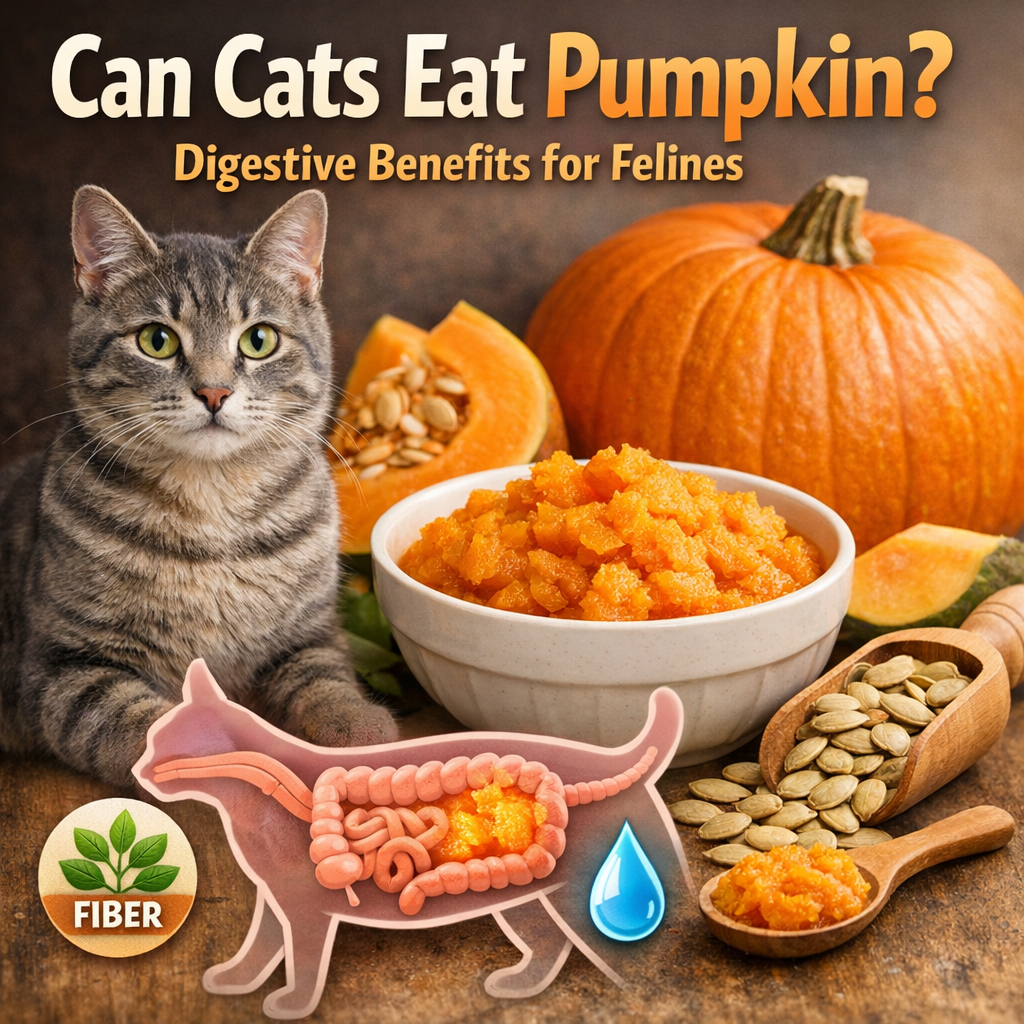
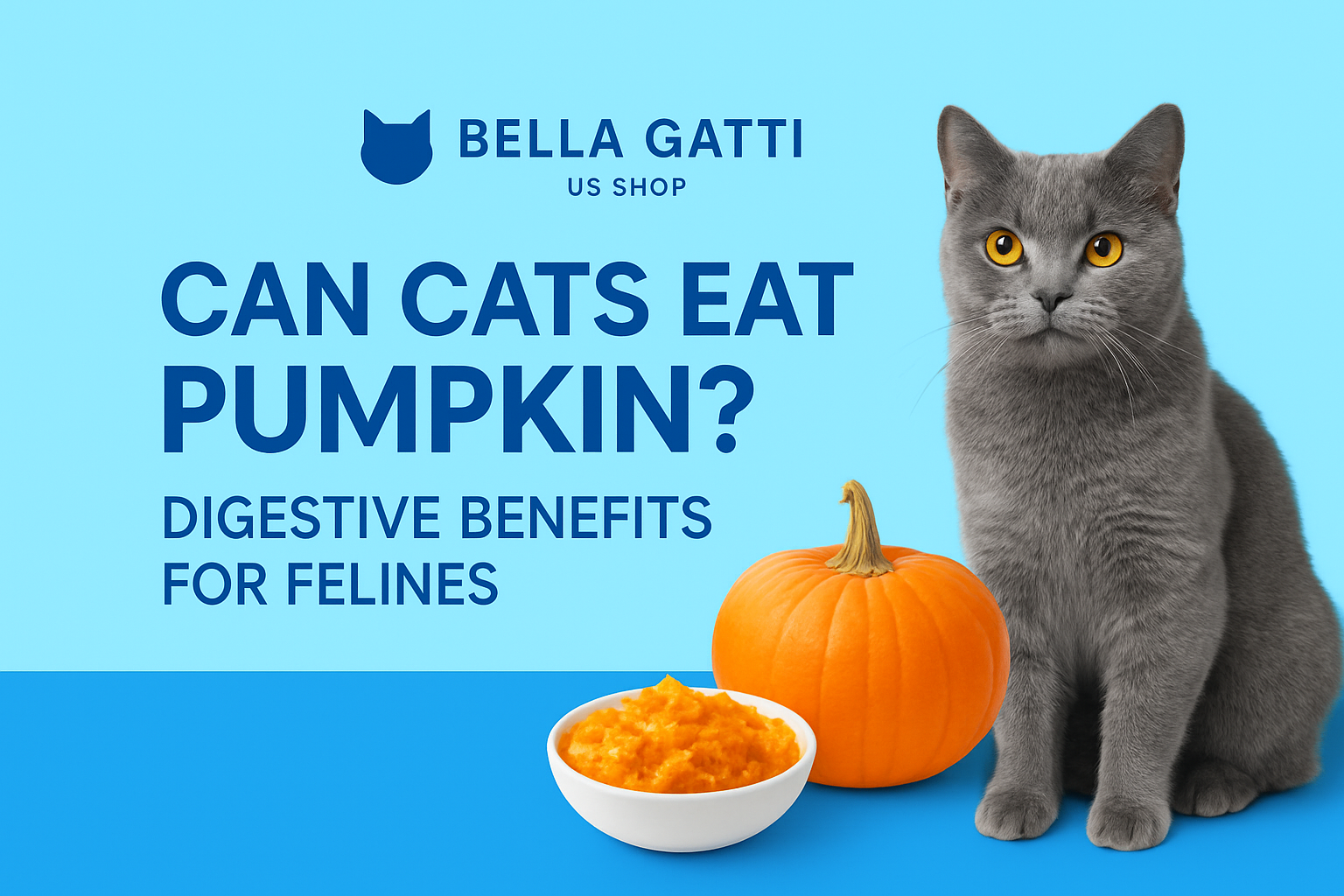
- Plain, cooked pumpkin can support feline digestion in small amounts, mainly via fiber and moisture, but should not replace high-quality animal protein.
- Introduce gradually, use small portions based on cat weight, and avoid pumpkin pie fillings, raw pumpkin, or seasoned varieties.
- Pumpkin seeds are optional; if used, grind them and offer in small amounts to minimize choking risk, avoiding salted or heavily seasoned forms.
- Consult a veterinarian before giving pumpkin to cats with kidney disease, diabetes, pancreatitis, or other medical conditions, and watch for adverse reactions.
- Introduction
- 2. How Pumpkin Supports Digestive Health in Cats
- 3. When and How Much Pumpkin to Feed Your Cat
- 4. Pumpkin Seeds: Benefits and Safety Considerations
- 5. Pumpkin for Special Digestive Scenarios
- 6. Potential Risks and When to Avoid Pumpkin
- FAQ
- Conclusion
- Why fiber matters for constipation and diarrhea
- How to introduce pumpkin safely and in the right portions
- Key cautions to avoid common mistakes
- Small cats (about 5-10 lb): ¼ to ½ teaspoon plain pumpkin per day.
- Medium cats (about 10-15 lb): ½ to 1 teaspoon per day.
- Heavier cats or those with digestive concerns: up to 1-2 teaspoons per day, split into two servings as needed.
- Day 1-3: ¼ teaspoon mixed into meals or offered as a small side.
- Day 4-7: If there are no issues, increase to ½ teaspoon per day and observe.
- Ongoing: use the minimum effective amount that supports digestion.
- Roast seeds without added salt or spices and grind them into a fine texture before mixing into meals.
- Offer seeds in small, meal-ready quantities rather than as a standalone snack.
- Avoid salted, sweetened, or heavily seasoned varieties to prevent unnecessary additives.
- Focus on soluble fiber that draws water into the stool, aiding softness.
- Pair pumpkin with adequate hydration and regular feeding times to support GI comfort.
- Fiber in pumpkin bulkizes stool and can slow transit when needed.
- Limit changes to one variable at a time to gauge your cat’s response.
- Consistency matters more than quantity for hairball support.
- Pair with regular brushing and adequate hydration to maximize effectiveness.
- Keep portions small and introduce gradually when trying new foods.
- Avoid seeds in large quantities or unshelled forms to minimize choking risk.
- Use as a short term aid for digestive hiccups under veterinary guidance.
Table of Contents
Expert Insight
“Plain 100% pumpkin (not pumpkin pie filling) is safe for cats and can even be useful as a treatment for gastrointestinal issues.” , Industry Expert
Introduction
Overview of pumpkin as a feline-friendly option
Pumpkin isn’t just for autumn pies. Plain, cooked pumpkin can be a safe, fiber-rich addition to a cat’s diet in small amounts. It supports digestion without replacing the core nutrition from meat. Steer clear of pumpkin pie fillings and seasoned varieties, which often contain sugars, spices, or additives that aren’t good for cats.
What readers can expect to learn about digestive benefits
In this section you’ll discover how pumpkin supports feline digestion through its fiber content. We’ll cover:
Expert Insight
“Dietary components shape the GI microbiome of cats and dogs, influencing health beyond the gut, including allergies, oral health, weight management, diabetes, and kidney disease.” , Industry Expert
2. How Pumpkin Supports Digestive Health in Cats
Digestive balance beyond fiber
Along with fiber, pumpkin provides a small amount of moisture and nutrients that can support gut function. When used correctly, it can help maintain a steady digestive rhythm without replacing essential animal proteins.
Practical tips for introducing pumpkin
Always start with a tiny amount and monitor your cat’s response over several days. Gradual increases reduce the risk of gastrointestinal upset and allow you to judge tolerability.
3. When and How Much Pumpkin to Feed Your Cat
Guidelines for portion sizes by cat weight and needs
Start with small portions and adjust based on how your cat responds. Use general benchmarks as a starting point, but tailor the amount to your cat’s weight, appetite, and digestion.
Always consider your cat’s regular diet. Pumpkin should complement lean animal protein, not replace it.
Frequency and best practices for gradual introduction
Introduce pumpkin gradually to avoid gastrointestinal upset. Begin with a tiny amount and monitor changes in stool, appetite, and energy.
Choose plain, cooked pumpkin. Avoid pumpkin pie filling, raw pumpkin, or seasoned varieties. If you notice persistent changes or your cat has a medical condition, consult a veterinarian before continuing.
4. Pumpkin Seeds: Benefits and Safety Considerations
Are pumpkin seeds safe for cats?
Pumpkin seeds can be safe for cats in moderation when prepared correctly. They provide dietary fiber and small amounts of nutrients, but they must be served with care to avoid hazards. Whole, unshelled seeds can pose a choking risk and may irritate the digestive tract if given in large amounts.
Ground or finely crushed seeds are gentler for cats with sensitive stomachs. If your cat has a history of pancreatitis or weight concerns, give seeds sparingly and under veterinary guidance. Always start with a tiny portion to gauge tolerance.
Preparation tips to minimize choking risk
5. Pumpkin for Special Digestive Scenarios
Constipation relief
For cats with constipation or hard stools, a small, steady amount of plain cooked pumpkin can help soften stools and ease passage. Start with a cautious amount and monitor changes over a few days.
Diarrhea management
For loose stools, pumpkin can help firm up the output without heavy medication. Use in small doses and observe changes in stool consistency before adjusting amounts.
Hairball assistance
Fiber helps move ingested hair through the digestive tract, reducing buildup that leads to regurgitation. Introduce pumpkin gradually as part of a broader hairball management plan.
6. Potential Risks and When to Avoid Pumpkin
Allergic reactions and sensitivities
Watch for signs of a food allergy or sensitivity to pumpkin, such as itching, vomiting, or diarrhea after introduction. Start with a very small amount and monitor your cat over a few days.
If symptoms persist or worsen, stop feeding pumpkin and consult a veterinarian. Don’t rely on pumpkin as a universal fix for all tummy issues.
Interactions with medical conditions or medications
Plain pumpkin can interact with certain health conditions or prescriptions. For cats with kidney disease, diabetes, or those on fiber sensitive medications, seek professional guidance to avoid electrolyte imbalances or dosage conflicts.
Always share your cat’s full medical history before adding pumpkin to the diet. A veterinarian can help determine safe portion sizes and frequency based on the underlying condition.
Expert Insight
“Plain pumpkin is safe for cats and can be useful for gastrointestinal issues, but it should be fed sparingly and under veterinary guidance, as the tiny amount of fiber in pumpkin and the need for adequate fluids can limit its effectiveness and pose risks if overused or used inappropriately.” , Veterinary Nutrition Expert
FAQ
Is pumpkin good for cats with kidney disease?
If your cat has kidney disease, consult a veterinarian before adding pumpkin to the diet. Pumpkin offers fiber and minerals, but kidney conditions require careful electrolyte and protein management. A vet can help determine safe portions and assess potential interactions with other treatments.
Can cats eat pumpkin every day?
Daily pumpkin is not necessary for most cats. Use it as a short term aid for occasional digestive hiccups or as a weight management tool when advised by a vet. If you feed it regularly, monitor stool, appetite, and hydration to catch changes early.
Can my cat eat raw pumpkin?
Raw pumpkin is harder to digest and may upset some cats. Always cook plain pumpkin until tender and cool it before feeding. Avoid pumpkin with added sugars, salts, or spices, as these can irritate the stomach.
Conclusion
Pumpkin can be a modest but useful addition to your cat’s digestive toolkit when used wisely. The emphasis remains on moderation, plain pumpkin, and careful observation of your cat’s response.
Begin with small portions, watch stool changes and appetite, and seek veterinary guidance if any signs of distress arise. Plain, cooked pumpkin is preferable to pie fillings or seasoned varieties.
For households with multiple needs, pumpkin provides a flexible option to support dietary fiber and stool regulation without relying on heavy interventions. Remember, cats are obligate carnivores, so pumpkin should complement a balanced diet, not replace it.