Table of Contents
Understanding the 7-Point Rule in Fashion
In practice, basics like jeans and a plain T-shirt typically earn 1 point each. Items with more impact, such as a sequined skirt, a bold jacket, or standout jewelry, are usually 2 points. This framework gives you a way to measure visual weight and mix pieces with intention.
Introduction
Overview of the 7-Point Rule
At Bella Gatti US Shop, we keep style simple and effective. The 7-point rule is a quick guide to build outfits that feel complete without overdoing it. Each item in an outfit earns a point or two, and the total should land around seven. It’s a practical framework you can apply to any wardrobe, including our graphic tees for adults.
Think of it as fashion math you can actually use. One-point pieces are quiet anchors, while two-point pieces add personality or impact. The goal is balance, not rigid counting.
How the rule applies to everyday outfits
For daily looks, treat the rule as a flexible target rather than a rigid mandate. Aim for seven to eight points most days, adjusting up or down based on context. On busy mornings, anchor the outfit with a single bold item and keep the rest minimal.
Practical steps to start now include selecting a versatile base piece, like a solid tee, then layering one statement item with a few subtle accents. This approach pairs well with items from Bella Gatti US Shop, ensuring cohesive styling.
How to build a seven-point look
Begin with a dependable base that earns 1 point, such as a neutral tee or cardigan. Add a 1-point bottom or outer layer, then introduce one 2-point item for emphasis, like a graphic tee or a textured accessory. Finish with one or two small 0.5 to 1-point accents to fine tune balance.
Common pitfalls include stacking high-impact pieces at once and neglecting fit. Ensure pieces flatter your silhouette and coordinate color-wise for a polished finish.
1. The Core Concept: Every Item as a Point
Assigning 1-point and 2-point items
Each piece earns 1 point or 2 points based on its visual impact. Basics like a plain tee or neutral pants typically fetch 1 point, while items with pattern, shine, or texture push the total to 2 points. Use this as a flexible guide, not a strict rule.
Begin with a core foundation where essential pieces count as 1 point. Then assess whether any single piece adds meaningful variation or heightens the overall vibe enough to justify a 2-point value. If unsure, test both options in front of a mirror or with a quick photo.
What counts as a ‘point’ in an outfit
- Foundational items such as a plain tee, neutral pants, or a classic shoe typically earn 1 point.
- Elements with pattern, shine, or unexpected texture can earn 2 points.
- Accessories like a bold belt, scarf, or statement earrings may also qualify as 2-point additions.
- Layered pieces that alter silhouette or dimension can contribute additional points without overcrowding.
Expert Insight
“The 7-Point Outfit Method is a practical framework: start with 1-point basics and layer in 2-point statements to reach a cohesive, intentional look.” , Fashion Systems Analyst
2. The Ideal Score Range
Common target totals (seven to eight points)
The goal is a balanced outfit that totals around seven or eight points. This sweet spot keeps the silhouette polished without feeling busy. Start with your foundation and add items that nudge the total toward the target zone.
For real world use, imagine pairing a 3 point top, a 2 point mid layer, and a 2 point accessory set. If you borrow a belt or scarf that’s 1 point, you can adjust by removing another item to stay near seven or eight.
Variants like six to ten points and what they mean
- Six points: A lean, minimalist approach. Great for casual days or when you want a low-contrast, pared-down outfit. Example: a simple tee (2 points) with jeans (2 points) and a neutral accessory (2 points).
- Seven to eight points: The classic balance. Most days benefit from this range, offering cohesion with a subtle emphasis. Example: knit sweater (3), trousers (2), shoes (2), accented by a scarf (1) to reach eight, or omit the scarf for seven.
- Nine to ten points: A fuller look with added texture or statement items. Use sparingly to avoid visual overload. Example: blazer (3), blouse (2), skirt (2), tights (1), bold bag (2) pushes beyond ten; swap in a neutral tote to keep within nine or ten.
Expert Insight
“The seven-point (or eight-point) rule translates wardrobe pieces into a balanced score, guiding you to a seven-to-eight point target where each item contributes without crowding the look.” , Industry Expert
3. Building a 7-Point Outfit: Core Pieces
Foundational items: basics that earn 1 point
Your core pieces form the outfit’s backbone. Start with items that sit cleanly in the background and anchor the look. These typically earn 1 point each and set the tone for the rest of the ensemble.
- Solid color basics such as a plain tee, a neutral blouse, or a simple shirt.
- Timeless bottoms like jeans, tailored trousers, or a classic skirt.
- Simple footwear with minimal embellishment that complements the base color.
Foundations are intentionally understated. They create space for higher impact pieces without crowding the visual field.
Selecting statements that add 1-2 points
Statement pieces introduce personality and texture. They can be 1-point accents or 2-point focal items depending on their prominence.
- Patterns, textures, or slight shine that elevate a plain base to a more considered look.
- A standout accessory, such as a scarf or belt, that shifts the silhouette without overpowering other elements.
- A distinctive jacket or top that alters the overall vibe while still harmonizing with the foundation.
Balancing these elements ensures the total aligns with the seven-point target while preserving flexibility for personal style. Include a well-chosen statement item with solid foundations for a cohesive Bella Gatti US Shop ensemble.
4. Layering and Texture: Adding Points Thoughtfully
How layers contribute to the total score
Layering adds points without clutter. Each additional layer nudges the total toward seven while preserving a clean silhouette. Prioritize silhouette shifts and a cohesive color story over extra bulk.
Consider how pieces interact. A lightweight cardigan over a tee earns 1 point, while a structured blazer or embellished vest can add 2 points because of form and detail. Keep the overall line smooth and proportional.
Practical steps: start with a dependable base like a fitted tee, test a mid layer with contrasting texture, and finish with an outer shell that mirrors your color story. At Bella Gatti US Shop, a neutral cardigan can pair with bold accessories for a subtle 2-point lift.
Texture and pattern as 2-point elements
Texture and pattern carry visual weight and can justify 2 points when balanced. Fabrics with sheen, tactile weaves, or bold prints should stand out against a calm base. Use them judiciously to keep core pieces dominant.
Real world cue: pair a matte sweater with a satin skirt for a controlled 2-point shift. A leather accent over knit adds edge without overwhelming, especially when kept in the same color family.
Common pitfalls include over-mixing patterns or layering busy textures. If a texture reads loud, reduce another element by 1 point to preserve harmony and ensure the look reads as intentionally styled.
5. Accessories and Details: Finishing Touches
Jewelry, scarves, belts, and bags as point opportunities
Accessories add deliberate weight without changing the base silhouette. Treat each piece as a potential point, mindful of size, shine, and color interaction with the rest of the outfit.
- Delicate jewelry: 1 point for subtle polish that remains understated.
- Bold earrings or a statement bracelet: 2 points, establishing a clear focal moment.
- Silk scarf or textured belt: 1-2 points depending on presence and color harmony.
- Structured handbag with color or hardware accents: 1-2 points, anchors the ensemble.
Real‑world example: pair a simple black sheath with a thin gold necklace (1 point) and a red leather belt (1 point) for a total of 2 points that elevates the look without clutter.
Practical steps: photograph your outfit in daylight, tally points for each accessory, and adjust so your total sits between 4 and 6 for a balanced result.
Note: Bella Gatti US Shop emphasizes prioritizing one high‑impact piece per outfit to avoid competing focal points.
Avoiding over clutter: staying within the target range
The aim is harmony, not overload. If you approach seven points, assess each detail for necessity and impact. Remove or replace items that draw the eye away from the intended focal moment.
- Limit high‑impact pieces to one or two per look.
- Choose accessories with a cohesive color story to prevent visual chaos.
- Reserve two‑point items for intentional emphasis rather than random additions.
6. Common Interpretations: 7-Point vs 8-Point vs 9-Point
Why some sources prefer eight or nine points
Some editors look beyond seven to better accommodate expressive outfits. In practice, a look with bold textures or bright accents can still feel cohesive when you have room for an extra point or two.
How to adapt the rule to your personal style
Review your weekly lineup. If seven points feel cramped, aim for eight as a practical target. For maximalist wardrobes, nine points can work when you plan a clear focal piece and toned-down anchors.
- Assign 1 point to foundational items and 2 points to standout pieces based on impact.
- Track outfits for a week to see if eight or nine points reproduce the intended look without crowding.
- Map a simple color story for each ensemble so higher totals stay intentional, not busier.
- Case in point: pair a statement blazer with neutral staples to keep the outfit cohesive while reaching nine points.
7. Practical Examples: 7-Point Outfit Scenarios
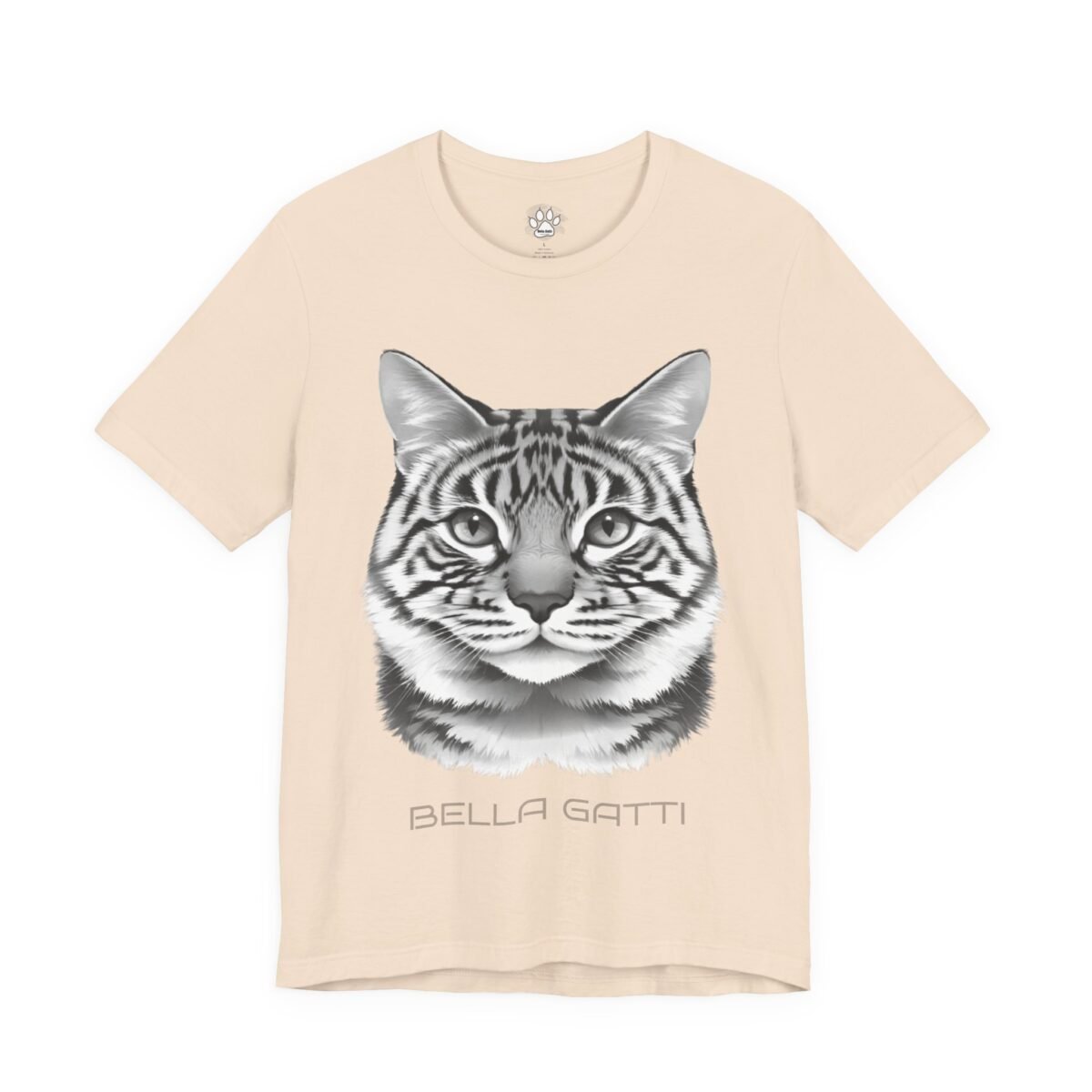
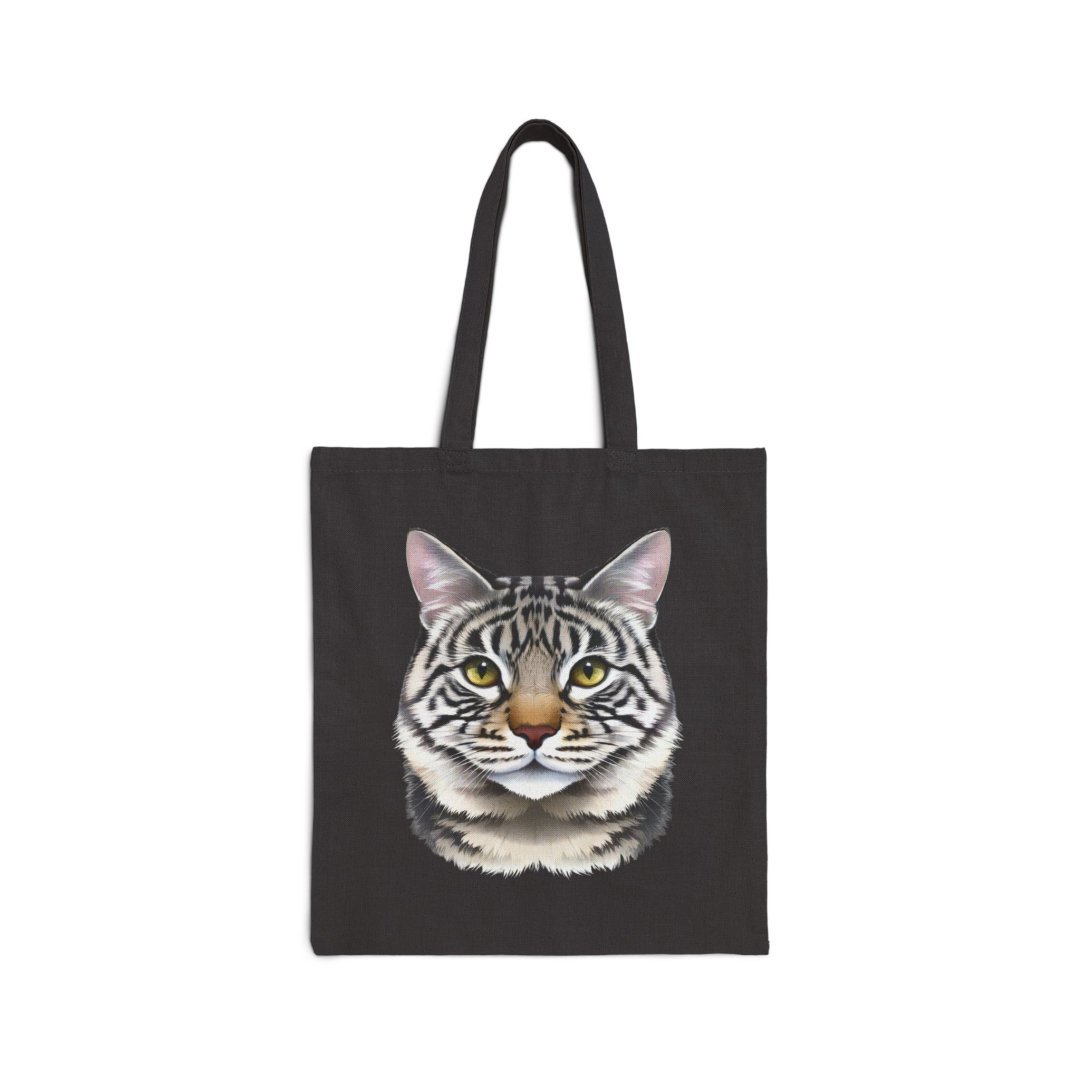
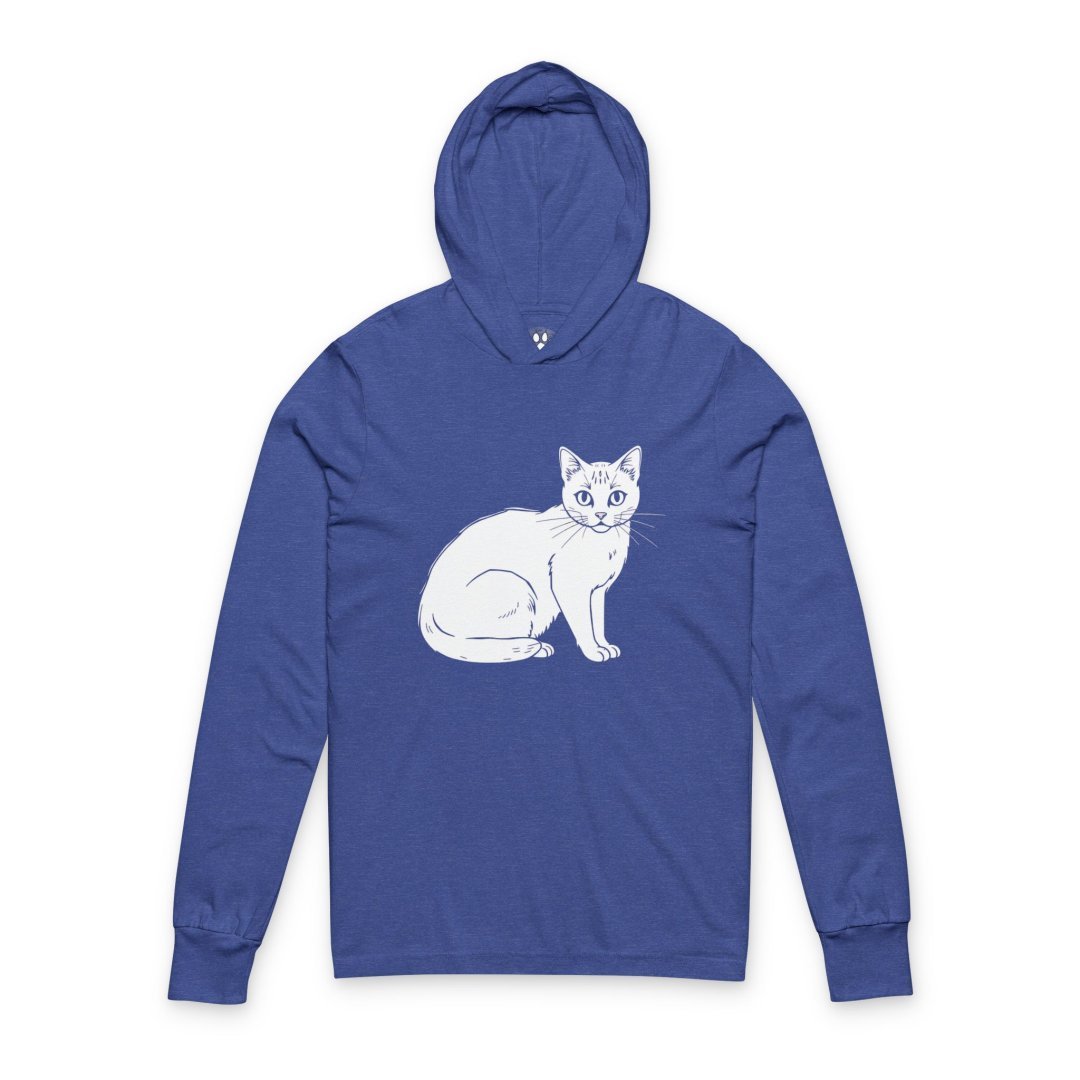
Begin with a cat graphic tee counted as 1 point, then add straight jeans for 1 point. A lightweight sneaker or slide contributes 1 point, followed by a cardigan or denim jacket for 1 point in a cohesive color family. Finish with a small glossy tote for 1 point and a slim bracelet for 1 point. The total sits near seven points for a relaxed yet deliberate vibe.
Real world tip: On busy mornings, swap the tote for a structured crossbody to secure essentials. If it’s cooler, drape the cardigan over your arms to maintain clean lines. Bella Gatti shoppers often pair this look with a belt to subtly define the waist and add polish.
Funny Slogan ensemble with layers
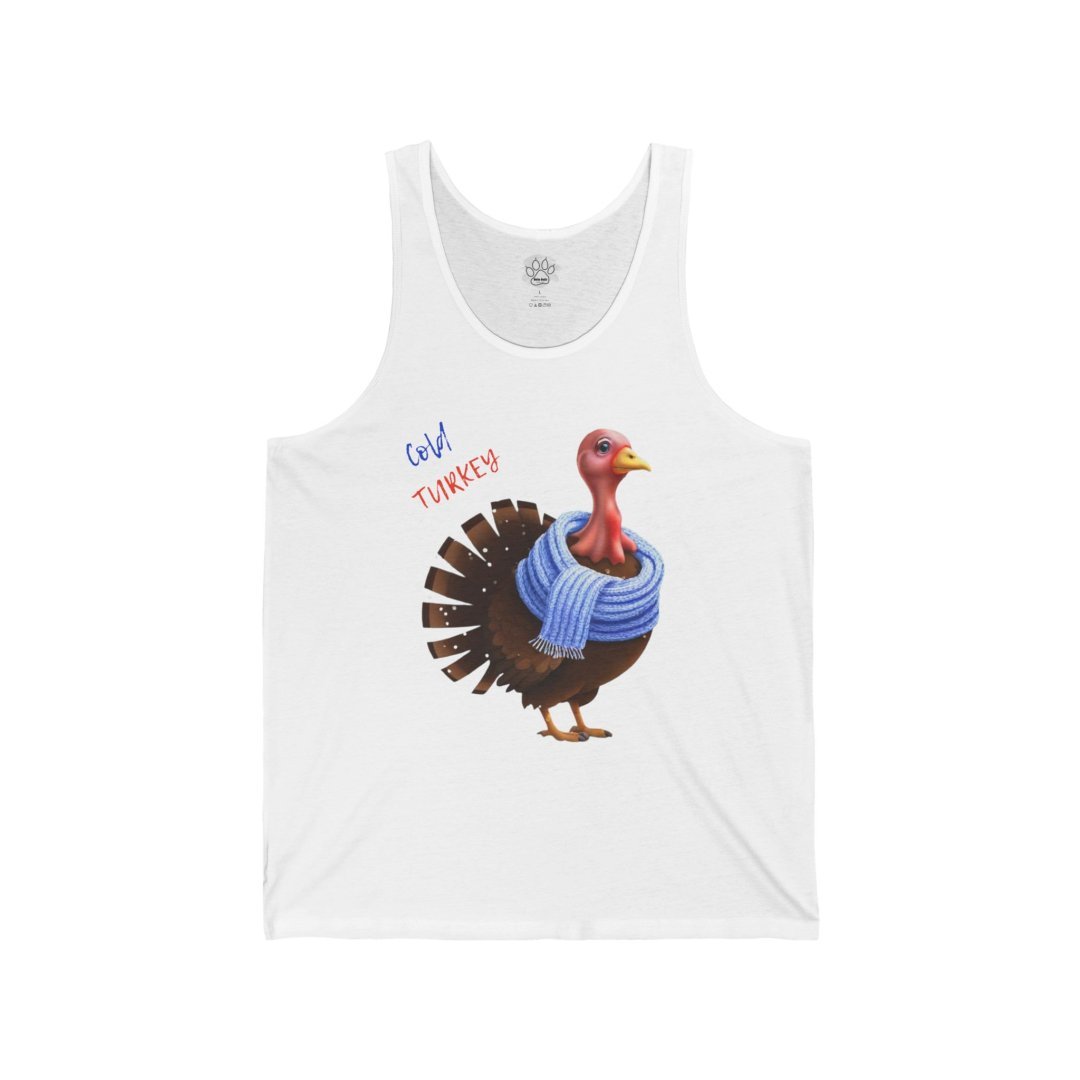
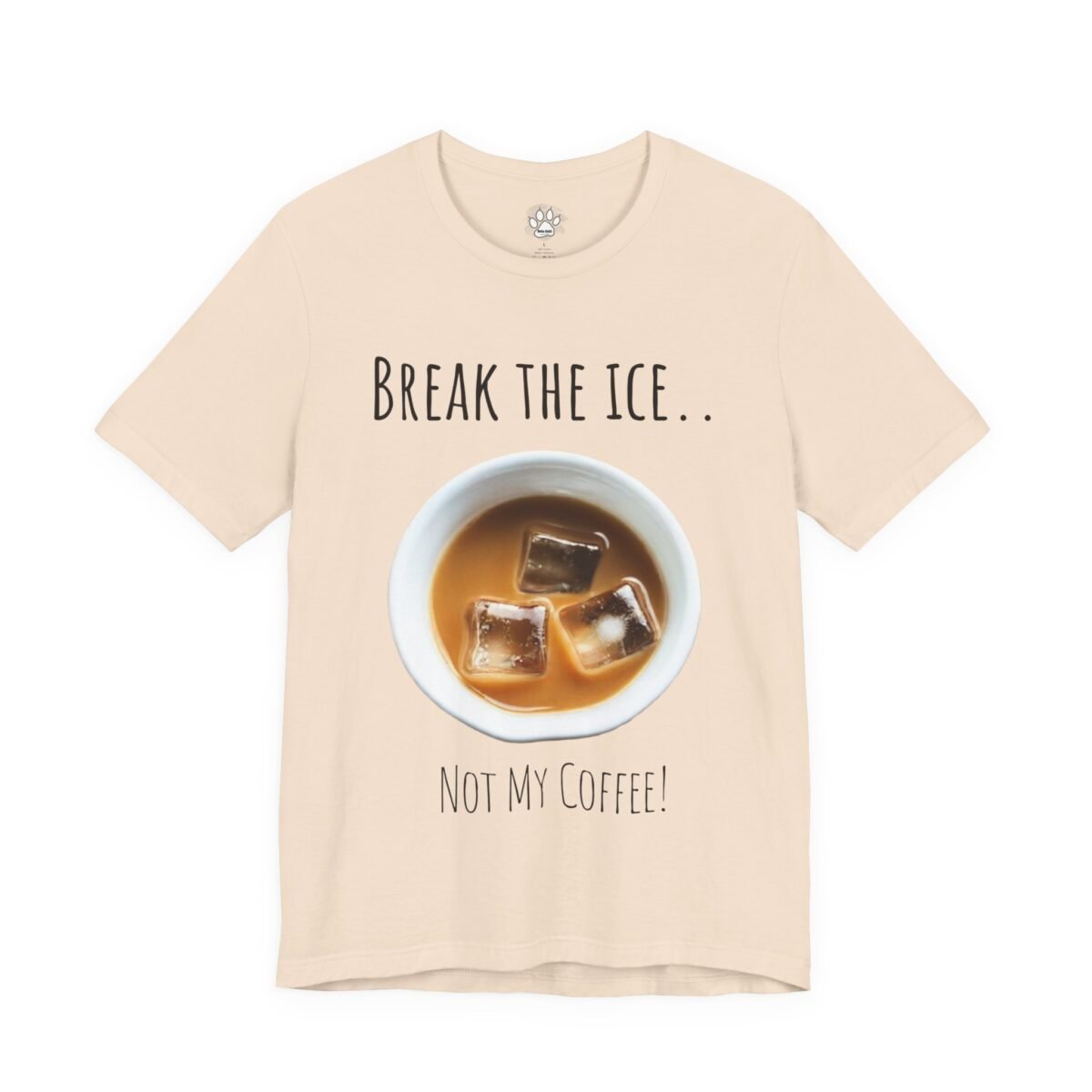
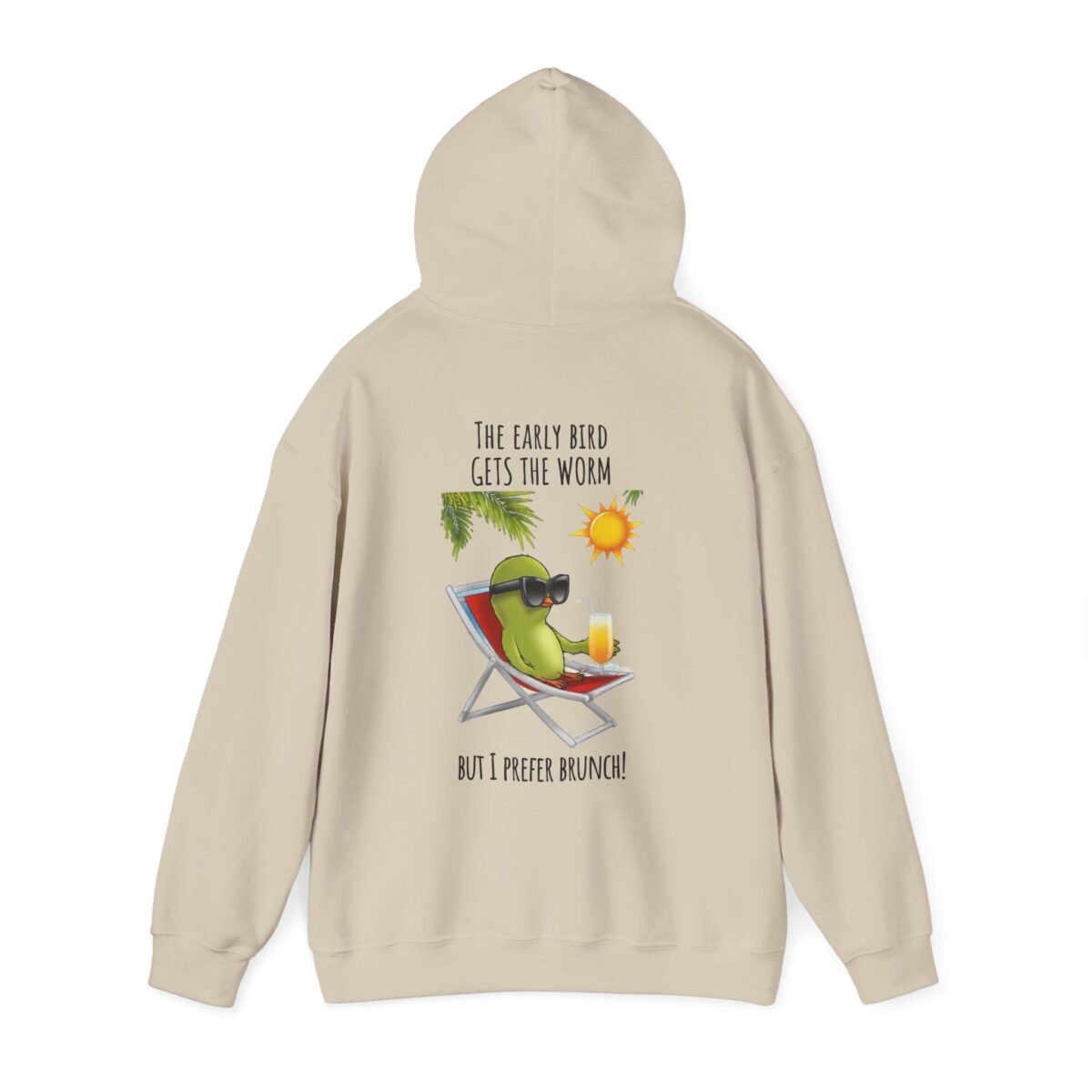
Start with a plain base like a solid tee and neutral bottoms, each at 1 point. Layer a slogan sweatshirt for 2 points as the focal moment. Add a cropped jacket for 1 point to keep the silhouette balanced. Include a textured scarf or belt for 1 point, and finish with a compact crossbody bag for 1 point. This configuration targets seven to eight points without feeling crowded.
Practical tweak: If the slogan feels loud, choose a coordinating jacket to reduce visual weight. For cold offices, swap the scarf for a lightweight puffer vest that fits under the cropped jacket. Bella Gatti US Shop suggests fabrics with subtle sheen to catch light without shouting.
Nature-inspired outfit with textures
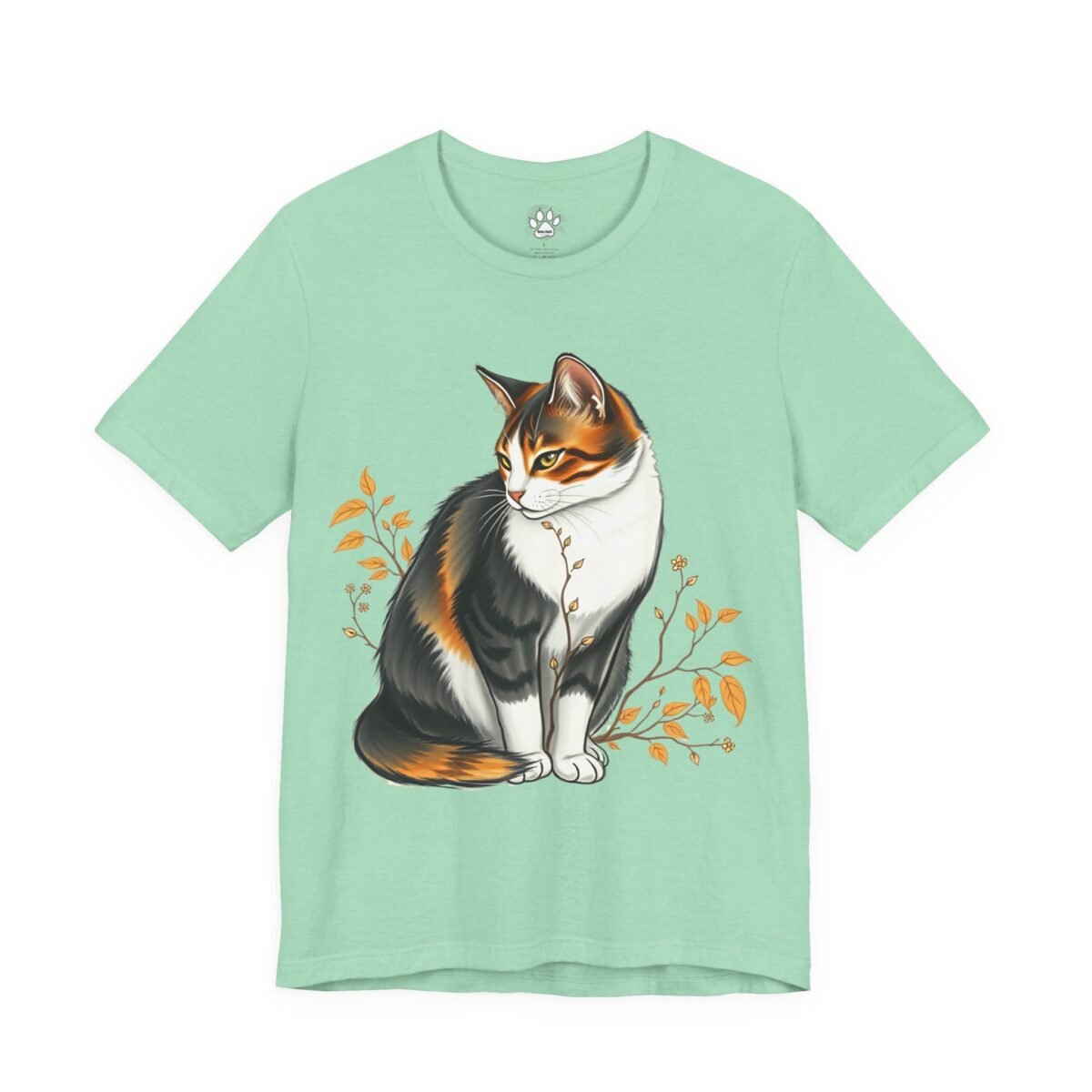
Pick an earthy-toned top and relaxed pants, each earning 1 point. Introduce a textured knit or suede shoe counted as 2 points for material interest. Layer with a shawl or textured cardigan for 1 point, and add a natural fiber tote for 1 point. A piece with subtle metallic hardware can add 1 point, totaling seven points and creating depth through material contrasts.
Real world example: For a day trip, swap the tote for a braided straw bag if weather allows, maintaining a similar texture story. If you work indoors, switch to a suede loafer for comfort and a refined touch. The texture-forward approach shows how small material shifts change the overall feel without increasing points.
FAQ
How strict should I be with point values?
The seven point target is a flexible guide you can apply in real world outfits. For example, a monochrome work look might land at six points, while a bold color pop adds a point or two. If your ensemble feels cohesive and intentional, small deviations keep the result polished.
Yes. Treat a graphic tee as a 1 point base if subtle, or 2 points if the design dominates your silhouette. Layer with a structured jacket or minimalist accessories to dial in balance. The rule is a framework, not a rigid quota.
How to adapt the rule for different occasions
Shift the target within a practical range. For formal events, aim closer to seven points with refined textures, while casual or creative looks can reach eight or nine through thoughtful accents.
- Map foundational items to 1 point each
- Reserve 2 point elements for standout pieces
- Prioritize color cohesion to prevent visual clutter
Conclusion
Key takeaways about applying the 7-Point Rule
Think of each item in your outfit as a point. Aim for seven points, with a comfortable six to nine range to stay cohesive without feeling cluttered.
Foundation pieces anchor the look, while 1-point accents provide subtle emphasis. Layering and texture act as deliberate multipliers when chosen with care, helping you reach balanced results.
Enhancing with real-world examples
Pair a solid tee with a structured jacket and dark jeans for a clean six-point base. Add a statement belt or scarf for a seventh point, then finish with understated shoes to avoid crowding.
Try three midweight pieces plus two textures and two small accessories. You’ll typically land in the seven to eight point range without overdoing it.
Encouragement to experiment with Bella Gatti US Shop
Our graphic tees serve as confident starting points for a balanced seven to eight point look. Begin with a clean base and layer in bold textures and tasteful accessories.
Small swaps, like changing a belt color or adjusting footwear, shift your total without rewriting the outfit. Explore the Bella Gatti catalog to apply the seven-point framework while keeping personal style intact.