
- The content is an English guide on shopping jeans online, focusing on understanding denim measurements, fabric composition, sizing, fit, price value, and return policies.
- It emphasizes using rise, inseam, and leg opening measurements, comparing across brands via size charts, and considering fabric weight and stretch for comfort and longevity.
- Practical tips include measuring a well-fitting pair, reading product descriptions and reviews, and utilizing trial sizing or generous return policies to minimize fit risk.
Table of Contents
- Understanding denim measurements and how to compare jeans online
- Introduction
- 1. Determine Your Denim Fit: Rise, Cut, and Inseam
- 2. Assess Fabric and Stretch: Denim Composition and Wear Comfort
- 3. Compare Sizing and Brand Standards: Reading Size Charts
- 4. Evaluate Price Value: Quality Signals and Longevity
- 5. Read Product Descriptions and Reviews for Fit Insight
- 6. Utilize Return Policies and Sizing Guarantees
- FAQ
- Conclusion
Understanding denim measurements and how to compare jeans online
When you shop for jeans online you want to know exactly what you are getting. Start with the essentials: rise, inseam, and leg opening. These measurements determine how the jeans sit on your waist, how long they are, and how the pant leg falls around your ankle.
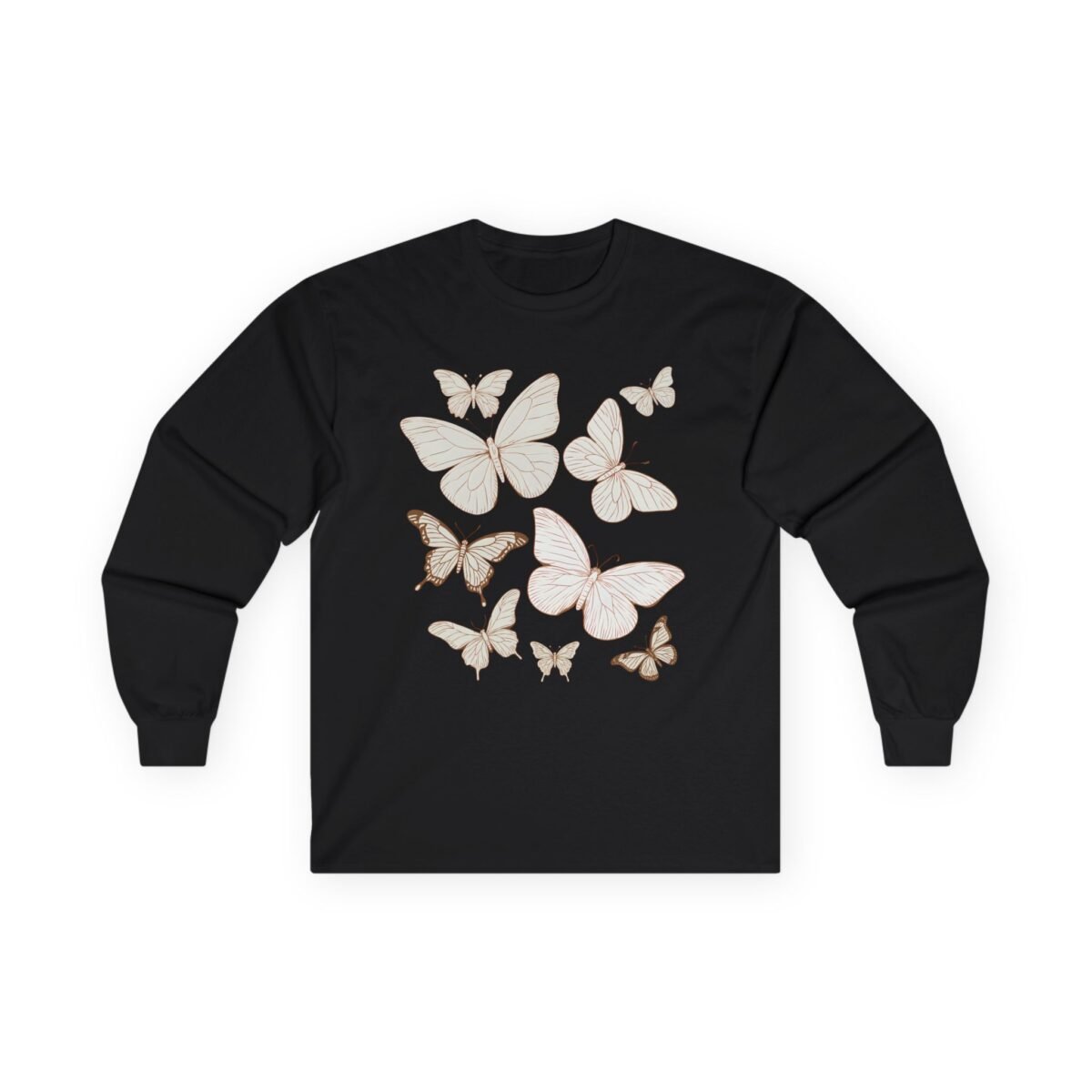
Most product pages reveal rise, inseam, leg opening, and other key details. To nail the fit, measure a pair you already love. Lay them flat, measure from crotch seam to waistband (rise), from the crotch to the hem (inseam), and across the leg opening. Use these figures to compare with new pairs and choose a size and cut that matches your preferred fit. One option that pairs effortlessly with jeans is the Midnight Garden Cat Unisex Tee.
Here’s how different rises generally behave and what to expect when shopping online:
- High rise around 11 to 12 inches. Sits at or above the natural waist and pairs well with tucked shirts or cropped tops. If you frequently sit at a desk, this rise reduces excess fabric at the front and stays comfortable after hours.
- Mid rise around 9 to 10 inches. A versatile fit that suits most body types for a balanced silhouette. This rise works well with a variety of tops and is a safe default when you cannot try on.
- Low rise around 7 to 8 inches. Sits below the waist and often pairs with shorter tops and a leaner leg line. Not ideal for activities requiring bending or lifting, but it can create a streamlined look with slim footwear.
To compare effectively, check the inseam as well. Inseam length affects how much break you want at the ankle and whether you need alterations after purchase. If you cannot try on, rely on the brand’s size chart and the inseam you measure on a pair you own.
Fabric composition and its impact on fit
Denim fabric composition shapes comfort, stretch, and how the jeans hold their shape after wear. Classic denim is traditionally 100% cotton, but most modern jeans include a small amount of stretch fiber such as elastane or spandex. A common and reliable blend is 98% cotton and 2% elastane, which provides comfortable flexibility without sacrificing structure.
Stretch denim helps with movement and keeps the waistband from feeling tight after hours of wear. It also influences how the fabric relaxes over time. If you prefer a firmer feel, look for heavier cotton blends; if you want more give, choose fabrics labeled stretch or with higher elastane content.
Real-world example: a Bella Gatti US Shop customer found that a 98/2 blend held its shape through daily commute and weekends without sagging at the knees, while a 92% cotton/8% elastane pair offered more bounce but required occasional washing to restore the snug waist.
How to measure your jeans for online shopping
The best approach is to measure a pair of jeans you already own that fit well. Keep them flat and record rise, inseam, and leg opening across the garment. Use these measurements to compare with product pages that list the same data. If you are between sizes, consider how the fabric might stretch and whether you prefer a snug or relaxed feel.
Tip: write down waist and hip measurements as a quick cross-check when comparing brands. A 1 to 2 inch difference in waist measurement can change comfort significantly, especially with non-stretch denim.
Remember that different brands may interpret measurements differently. Always consult the brand’s size chart and measurement guide. When in doubt, choose a size up if the fabric is rigid and a size down only if you know the cut runs oversized.
Choosing the right fit based on body type
Your body type can influence the most flattering rise and fit. Hourglass figures often benefit from a mid to high rise that defines the waist, while pear shapes may prefer a higher rise to counterbalance hip width. Straight or carrot shapes might opt for a mid rise with a slightly tapered leg to create a balanced silhouette. Understanding your body type helps you select jeans with the best overall fit even when shopping online.
Practical approach: simulate your usual outfits. Pair a mid-rise with a tucked-in top and a boot or sneaker to see how the leg opening interacts with footwear. If you frequently wear bulky socks, consider a slightly higher inseam to avoid excess fabric.
Expert Insight
“Understanding denim starts with knowing the fabric blend and rise you wear most, because the right balance of cotton and elastane plus your ideal rise and inseam defines how jeans hold shape, flatter your silhouette, and pair with your wardrobe.” , Industry Analyst
Introduction
Why online jeans shopping can be challenging
You can zoom in on fabric details and compare colors, but online jeans require careful reading of measurements. Rise, inseam, and leg opening matter as much as wash and finish.
Different brands use distinct measurement standards. A 32 in inseam from one label may read as long or short on another. This ambiguity can lead to misfires and returns.
What this guide will teach you
We break down the core parts of a jeans purchase so you can compare with confidence. You’ll learn to interpret fits, fabrics, and price signals like a pro.
- How to determine your ideal rise and inseam quickly
- How fabric composition affects comfort and durability
- How to interpret size charts across brands
- How price reflects quality and longevity
1. Determine Your Denim Fit: Rise, Cut, and Inseam
Understanding rise and how it affects comfort and look
The rise tells you how high the waistband sits on your waist. High rise jeans sit around the navel, offering tummy control and a vintage silhouette. Mid rise sits below the waist for modern comfort. Low rise sits on the hips for a contemporary, snug feel. Your choice changes where the fabric sits when you sit, bend, or move.
Real world example: a tall person who sits at a desk all day may prefer a high rise to prevent waist gaps when bending. A quick test: sit in a chair for five minutes in the pair you’re evaluating and notice any pinching or gapping at the back waist.
Think about your torso length and preferred silhouette. A high rise can visually elongate the legs, while a low rise may shorten them if paired with a short leg opening. Compare rise measurements to your torso and hip balance to avoid gaps or pinching. For best results, try three options in-store with your usual daily activities on repeat for a true fit gauge.
Choosing the right cut
The cut defines how the fabric drapes over your leg. Skinny and slim cuts hug the leg with little ease, ideal for a streamlined look. Straight cut offers a balanced fall with consistent width. Bootcut flares slightly from the knee for a classic profile. Relaxed fits provide more room through the thigh and leg for comfort.
Actionable tip: measure your thigh at the widest point while wearing your current favorite pair. Use that number to filter options and avoid guessing. If you often wear boots, a bootcut or slight flare can balance boot volume and leg length.
Match the cut to your leg measurements and personal style. For everyday ease, consider straight or relaxed cuts. For a more tailored appearance, try a skinny or slim fit with the right stretch. Remember to check how the cut works with your preferred shoe style and pant leg length.
Measuring inseam and aligning with leg length
The inseam is measured from the crotch seam to the hem. Use a well-fitting pair of jeans you own to record inseam, or measure your leg length from the crotch to the floor with shoes on.
Practical method: on a heat-murnished day, measure inseam by placing a pair of jeans flat and measuring from the crotch seam to the bottom hem, then compare to your natural leg length while wearing your everyday shoes.
Anchor your online shopping by inseam length. If you fall between lengths, opt for a shorter inseam with hem adjustments or a longer inseam with a taller shoe option. Aim for a slight break at the ankle for a clean finish.
2. Assess Fabric and Stretch: Denim Composition and Wear Comfort
Interpreting denim blends
Check the fabric composition on the product tag or description. A higher cotton content with a touch of elastane or spandex helps recovery and comfort. Blends with more synthetic fibers can affect breathability and feel. Use this as a baseline to compare similar washes across brands.
For example, a pair labeled 98% cotton, 2% elastane will feel firmer at first but bounce back after wearing. A 72% cotton, 28% elastane blend may start with more stretch, then settle into a comfortable, tailored shape after a few wears.
Common ranges you may encounter include blends around 98% cotton with small amounts of stretch, or mixed blends near 70-90% cotton for stretch denim. The exact percentages influence how the jeans move with you and how they wear over time.
Weave and weight considerations for durability and drape
Denim weave impacts stiffness and how the fabric drapes over the leg. Heavier weight denim (around 12 oz and up) tends to hold shape longer and resist wrinkling, while lighter weights drape more fluidly and can wear in faster. The weave quality also influences the jean’s drape and silhouette consistency.
For real world use, opt for a 12 oz mid-weight pair if you walk a lot or commute by bike; they resist creasing in daily wear. If you prefer easy layering with tunics or oversized sweaters, a 10 oz option provides a softer fall without losing structure.
Stretch versus rigid denim: how it impacts fit over time
Stretch denim offers immediate comfort and a flexible fit but may relax with wear. Rigid denim preserves a precise silhouette longer but requires a break-in period. When shopping online, look for notes about stretch recovery and planned break-in behavior to anticipate long-term fit.
Actionable steps: choose one pair with modest stretch (around 2-3%) for daily versatility and a rigid pair for clean creases at the front. After purchase, wash cold, air dry, and wear the rigid pair 2-3 times before washing to encourage natural shaping.
3. Compare Sizing and Brand Standards: Reading Size Charts
Interpreting brand-specific sizing and size charts
Brand charts vary widely, so you must rely on finished measurements, not labels. Check waist, hip, rise, and inseam to gauge how the silhouette will fit you in real life.
Some brands publish several charts by rise or cut. Note stretch percentages and how the label maps to body measurements. This helps you pick the right product line and avoid unexpected fits.
How to convert measurements to sizes across brands
Begin with your waist and hip in inches, then match them to the brand’s chart. If a brand is narrow at the waist but generous at the hips, size up at the waist and plan to tailor the waist later for a flawless fit.
Translate inseam to the closest in-seam option offered. When between lengths, compare leg opening width and knee measurements to predict drape and movement.
For example, a customer with 32″ waist and 34″ hip may choose a size that aligns with 32″ at the waist but adjust the inseam to avoid excess fabric at the cuff.
Tips for choosing a size when between options
- Prefer fabrics with more stretch when between two sizes to reduce restriction during wear.
- Choose the larger size if you plan to layer or wear thicker socks or boots that season.
- Review return policies and try multiple sizes if allowed.
- Consider tailoring for a perfect fit after purchase, especially for premium denim lines.
4. Evaluate Price Value: Quality Signals and Longevity
Linking fabric weight and construction to price
When you shop jeans online, verify more than the price tag. For everyday wear, a 12 oz denim or heavier often lasts longer in knees and seat and resists bagging. Look for reinforced seams and sturdy hardware like brass zippers and bar tack reinforcements at stress points to confirm value.
Weight and stretch interact in ways that affect how the jeans wear over time. A midweight fabric with balanced stretch can hold its shape after many wears, while very light weights may thin at high-use areas. Compare options side by side and perform a quick stretch test to gauge recovery and overall stability.
Assessing durability features (stitching, rivets, selvage)
Examine double stitched seams, bar tacks at the back yoke, and reinforced fly areas. Rivets should sit flush with no sharp edges, and pocket edges should be well finished to curb fray. Selvage edges can indicate premium construction and longer life with frequent washing.
Look for uniform stitching density and consistent thread color across the panel. Irregular stitches can signal weak points. Confirm that stitching continues through belt loops and inner seams without gaps.
When to invest in premium denim vs. budget options
Premium denim rewards regular wear over multiple seasons with a draped silhouette that holds its fit. A higher upfront cost can translate to longer life and fewer replacements over time.
Budget options suit trend-driven styles or limited use. If you wear them only occasionally, prioritize stable fabrics with solid stitching to avoid rapid wear, and consider midweight options that balance price and durability.
5. Read Product Descriptions and Reviews for Fit Insight
What to look for in product descriptions
Focus on measured details rather than generic claims. Look for specifics like rise type, inseam length, leg opening width, and stretch level to gauge how the jean sits and moves with you. Note fabric composition and denim weight as these affect drape and comfort.
When available, compare model measurements to your own. Check inseam length, rise type (high, mid, or low), and leg opening width to predict how the jeans will drape on your body, especially if your leg shape mirrors the model’s.
How to interpret customer photos and reviews for real world fit
Customer photos give a practical view of fit across body types. Use them to verify length, silhouette, rise appearance, and how fabric sits at the knee and thigh during movement. Look for consistency in color, hem, and overall fit across images.
Reviews can reveal issues like waistband tightness, pocket fit, or denim stiffness after washing. Prioritize reviewers with measurements close to yours for better predictive insight into rise, inseam, and leg opening. Note any changes after multiple wears or washes.
Red flags to watch for in online listings
- Vague or conflicting details about rise or inseam without precise measurements.
- Advertisements that omit model measurements or garment finished measurements.
- Inconsistent photos showing color or fit that diverges from the description.
6. Utilize Return Policies and Sizing Guarantees
Understanding return terms and eligibility
Know whether offers free returns and the time window to send items back. Check if there are conditions on packaging, tags, or wear that affect eligibility.
Review any restocking fees and whether refunds are issued to the original payment method or as store credit. This informs how you approach testing multiple sizes.
How to plan size testing to minimize hassle
- Order two sizes that cover your waist and hip measurements, then assess comfort after a day of wear.
- Choose styles with similar rises to compare how they sit on your torso during movement.
- Keep return logistics simple by consolidating to a single carrier and tracking refunds if a size mismatch occurs.
Using trial sizing when available
Trial sizing programs let you wear items for a short period and decide if they fit before full purchase. Use these to evaluate leg length, knee comfort, and hem behavior during real-world activities.
Document measurements from trial items and compare them to your inseam, thigh circumference, and preferred hem clearance to guide future purchases.
Expert Insight
“Sizing and fit are the primary levers in reducing online apparel returns; standardizing sizing, improving accurate fit guidance, and offering trial sizing can convert near-misses into satisfied customers and lower the costly return cycle.” , Industry Analyst
FAQ
Here are quick answers to common questions you may have when shopping jeans online. Keep these points in mind as you compare options.
- What is the best rise for my body type? Rise affects comfort and where jeans sit on your waist. High rise smooths the midsection and pairs well with tucked in tops. Mid rise offers versatility, while low rise emphasizes hip and leg shape. If you wear a belt often, test both mid and high rises with your usual top length to see where you feel most secure.
- How do I read fabric details? Look for the denim composition and the presence of stretch. A higher cotton percentage with a touch of elastane usually means a comfortable, flexible fit that holds shape after wear. For Bella Gatti shoppers, choose blends that balance recovery with softness to avoid bagging at the knees after a day out.
- What inseam length should I choose? Inseam should accommodate your typical shoe height and desired break. If you want a clean hem, add a little length to allow for slight shortening after wear. For tall frames, consider inseams labeled as “tall” even if the waist is standard, to keep the knee seam aligned with your leg.
- How important is leg opening width? Leg opening affects the silhouette from knee to ankle. A wider opening creates a flare or straight line, while a narrow opening favors a slimmer profile. If you favor an ankle-grazing look, verify the cuff type and whether the listing notes a pressed hem that maintains shape with wear.
- Are price and quality related? Generally, heavier fabric and refined construction signal longer wear, but premium prices aren’t a guarantee of fit for every body. Balance fabric weight, stitching, and hardware with your budget. Look for reinforced belt loops, secure rivets, and a durable zipper as practical indicators of value.
If you need model measurements to compare with your own, note the overall leg length, knee position, and hem behavior described in product listings. This helps you predict fit more reliably when shopping online.
Expert Insight
“Rise, inseam, and leg opening measurements are the backbone of shopping for jeans online, helping you predict fit, silhouette, and comfort across styles, from high-rise to wide-leg, while understanding fabric composition guides comfort and longevity.” , Industry Analyst
Conclusion
Start online with your core measurements and translate them into rise, inseam, and leg opening preferences. This keeps you aligned with fit expectations even when you aren’t trying on every pair.
Fabric composition and construction matter as much as silhouette. Heavier weights and durable stitching signal longevity, while blends with a touch of stretch can boost day to day comfort without sacrificing shape.
Compare sizing using brand charts and mind between brand differences. If you’re between sizes, choosing the larger option with flexible fabric can reduce discomfort and the need for returns.
- Check product descriptions for exact measurements like rise, inseam, and stretch level.
- Review customer photos for real life fit cues beyond studio images.
- Understand return policies so you can test two sizes with low risk.
In the end, a thoughtful blend of denim measurements, fabric composition, and informed price perception helps you pick jeans online with confidence.
References
- How to Measure Yourself for Jeans That Fit Perfectly – YouTube
- Help needed for buying jeans online! All advice is welcome! – Reddit
- Tips for shopping for jeans online or in stores with measurements
- How to Shop for Jeans Online: Denim Measurements & Fabric …
- I Asked Two Denim Experts How to Shop for Jeans Online … – InStyle