TL;DR (Too Long; Didn’t Read)
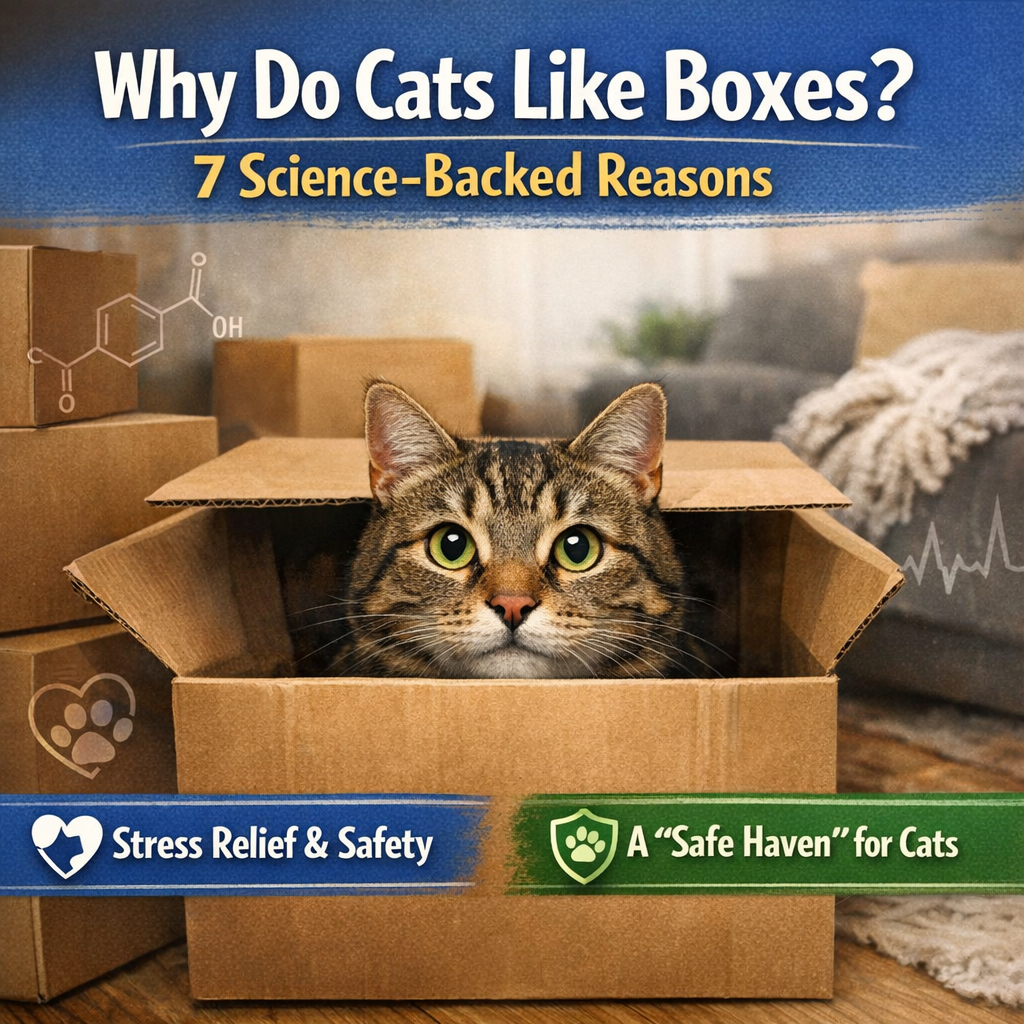
- Stress Relief & Safety: Enclosed spaces like boxes act as a “safe haven,” significantly reducing stress hormones and helping cats (especially shelter cats) adapt to new environments.
- Thermoregulation: Cardboard is an excellent insulator; since cats prefer ambient temperatures between 86–97°F, small boxes help them conserve body heat without expending extra energy.
- Instinctual Behavior: Boxes satisfy wild feline urges by providing the perfect “ambush point” for predatory play and a secure spot for scent marking and territory claims.
- Conflict Avoidance: Cats use boxes as a tactical retreat to resolve social tension by simply removing themselves from perceived dangers or annoying housemates.
Table of Contents
You have seen it a thousand times. You buy a fancy, expensive cat tree, but your cat ignores it for the cardboard box it came in. This quirky feline behavior is more than just a funny meme. It is rooted in deep biological needs and evolutionary history.
At Bella Gatti US Shop, we celebrate everything feline. Understanding your cat’s love for a simple cardboard box helps you create a happier home for them. Let us dive into the science of why your pet thinks inside the box.
1. Cat Stress Relief and the Safe Haven Effect
According to behavioral science research published in Applied Animal Behavioral Science, cats seek secure and enclosed spaces to manage environmental pressure. A study conducted by the University of Utrecht and mentioned by Veterinary Healthcare Associates found that shelter cats provided with boxes adapted to new environments much faster than those without.
The University of Edinburgh and researchers like Danielle Gunn-Moore highlight that boxes act as a safe haven. This enclosed space provides emotional protection, significantly reducing stress hormone reduction. For cats suffering from chronic stress, a simple box offers a private refuge away from visitors or loud noises.
2. Temperature Regulation and Insulation
One of the most practical reasons cats love boxes is thermoregulation in cats. Cardboard is a fantastic insulator. Popular Science and Purina experts note that domestic cats prefer ambient temperatures between 86 and 97 degrees Fahrenheit to maintain body heat without expending extra energy.
Most human homes are kept much cooler than this ideal range. By curling up in a tight space, your cat uses the insulation and body heat trapped by the cardboard to stay cozy. This advanced environmental enrichment hack helps them stay warm in cooler home environments like those found in Winter Haven, Florida or drafty northern cities.
3. Wild Feline Instincts and Predatory Behavior
Even though they live on your sofa, domestic cats retain powerful wild feline instincts. In the wild, small predators use hiding spots to stalk their prey. A box serves as the perfect predatory behavior tool, allowing for pouncing and ambush techniques.
As BBC Earth and Mikel Delgado from Purdue University suggest, boxes provide the ultimate concealment for hunting instincts. Your cat is not just sitting; they are practicing mental enrichment by waiting for the perfect moment to strike at a passing toy or a dangling shoelace, which helps to satisfy the instinctual need for Simulated Hunting Behavior.
4. Protection from Perceived Dangers
Research published in PLOS ONE suggests that cats view enclosed shapes as protection from hazards. This instinct is so strong that cats will even sit inside a two dimensional silhouette taped on the floor. This feline behavior shows they prioritize cat security above all else.
By occupying a box, a cat eliminates the possibility of a “sneak attack” from behind or the side. This sense of feline stress management is vital for their well being. When a cat feels cornered or overwhelmed, the box provides a 360 degree barrier against the world.
5. Scent Marking and Territory
Cats are highly territorial creatures. They use scent marking to claim their space. When your cat is chewing cardboard or rubbing their face against the edges, they are depositing pheromones from glands in their cheeks and paws.
This pheromone scent marking turns a plain object into a familiar piece of home. Ease Pet Vet specialists note that cat scratching on cardboard also provides tactile stimulation. This activity keeps their claws healthy and marks the box as their exclusive property through both scent and physical signs.
6. Environmental Enrichment and Play
A box is not just a bed; it is an interactive toy. Cardboard box safety is a top priority for owners, as these items provide cat play opportunities that involve nail scratching and clawing. This type of environmental enrichment is essential for indoor pets.
Whether they are hiding inside or sliding across the floor, boxes stimulate cat vocalization and senses. Many feline behavior consultation experts recommend keeping boxes around to prevent boredom. This simple addition to your home can prevent destructive behaviors elsewhere.
7. Maternal Instincts and Early Development
The preference for enclosed spaces may also link back to kitten birthing instincts. Mother cats naturally seek out “denning” spots that are dark, dry, and hidden to raise their young. This domestic cat psychology carries over into adulthood.
Whether it is a Google search for cat tips or a YouTube video of a tiger in a giant crate, the evidence is clear. From veterinary medicine insights to behavioral science research, the humble box is a vital tool for feline behavior. It provides comfort, warmth, and a sense of control over their environment.
Expert Insight
“Providing boxes for cats is not just about indulging a cute habit; it is a vital form of environmental enrichment that reduces chronic stress by fulfilling their instinctual need for safety, warmth, and a sense of control over their surroundings.”, Feline Behavior Consultation Expert
1. The Ultimate Safe Haven: Why Cats Seek Secure Spaces
Cats are solitary hunters by nature, but their small size also makes them potential prey for larger animals. This duality means feline behavior is heavily focused on finding a safe haven. A cardboard box provides high, sturdy walls that protect your cat from the side and the back.
In short: If it fits, they sits, and they feel incredibly safe doing it. At Bella Gatti US Shop, we know that a secure cat is a happy cat, much like how a cozy Unisex Soft Cotton Tee makes you feel at home.
Research published in Applied Animal Behavioral Science suggests that domestic cats see enclosed shapes as vital protection from danger. This instinct is so powerful that even a two-dimensional square taped on the floor can attract a cat. They perceive these boundaries as a shelter from potential hazards in their environment.
A study featured in PLOS ONE highlights that boxes are essential for shelter cats to help them cope with environmental changes. When cats have access to these hiding spots, their stress hormone reduction is significant. This emotional protection allows them to adapt to new surroundings much faster than cats without a box.
According to experts like Mikel Delgado and institutions such as Purdue University, providing these safe hiding spots is a key part of environmental enrichment. For anti-social or anxious cats, a box offers a private refuge from visitors or other pets. Veterinary Healthcare Associates in Winter Haven, Florida, often recommend boxes as a simple tool for feline stress management.
If you notice your cat hiding excessively, it could signal chronic stress. While boxes are great for cat health and mental enrichment, Danielle Gunn-Moore from the University of Edinburgh suggests monitoring these behaviors. A box should be a fun choice for pouncing and play, not a permanent escape from the world.
2. Stress Relief and Adaptation
When domestic cats face a new environment, their stress levels skyrocket. Whether it is a move to a new home or a trip to the vet, feline behavior changes instantly when they feel exposed. This is where cardboard boxes become essential tools for feline stress management.
A famous study published in PLOS ONE followed shelter cats at a Dutch animal facility to see how they handled transitions. Researchers discovered that cats provided with boxes adapted to their new surroundings much faster than those without them. The boxes acted as a psychological buffer against the unknown.
According to experts at Veterinary Healthcare Associates in Winter Haven, Florida, boxes help lower stress hormone reduction by providing a sense of enclosure. At Bella Gatti US Shop, we know that a calm cat is a happy cat, much like how you feel in your favorite Unisex Soft Cotton Tee.
Boxes are not just for new cats. They help with cat stress relief for any feline dealing with loud noises, visitors, or sudden changes in the home. The box acts as a safe space where they can regain a sense of control and emotional protection from perceived hazards.
Mikel Delgado, a feline behavior consultant at Purdue University, notes that boxes offer a private refuge. This is especially helpful for anti-social cats who need a break from the world. Without a hiding spot, cats may experience chronic stress, which can impact their long term cat health.
Even the University of Edinburgh and researchers like Danielle Gunn-Moore have highlighted how environmental enrichment, such as a simple cardboard box, can improve a cat’s quality of life. It is a low tech solution for a high energy animal that sometimes just needs to disappear from view.
If you notice your cat hiding excessively, it is always wise to consult a feline behavior consultation expert or a professional through Ease Pet Vet. While boxes provide cat comfort, a sudden change in hiding habits can sometimes signal underlying medical issues that need attention.
3. Natural Insulation and Body Heat
Have you noticed your cat seeking out sunbeams or sleeping on your laptop? It turns out your feline friend is a little heat seeker. Cats have a much higher thermoneutral zone than humans do.
According to Veterinary Healthcare Associates in Winter Haven, Florida, most domestic cats are most comfortable when the air is between 86 and 97 degrees Fahrenheit. This is why they love to snuggle in warm spots.
Most homes are kept around 72 degrees, which is actually a bit chilly for a cat. Cardboard boxes are incredible insulators. The corrugated layers trap body heat, helping your cat maintain their ideal temperature regulation without using extra energy.
This need for insulation and body heat is why a simple box is better than a fancy bed. It creates a micro-environment where cat comfort is the priority. By snuggling into a small space, they effectively manage their thermoregulation in cats needs.
Research from Purdue University and experts like Mikel Delgado suggests that providing these warm hiding spots is essential for cat health. It allows them to rest deeply without their metabolism working overtime to stay warm.
| Feature |
Benefit for the Cat |
| Corrugated Cardboard |
Provides excellent insulation and warmth. |
| High Walls |
Offers cat security and protection from predators. |
| Enclosed Space |
Reduces stress hormone levels. |
| Textured Surface |
Perfect for cat scratching and scent marking. |
Beyond warmth, these boxes serve as a safe haven. Whether it is a shelter cat or your pampered pet at home, the physical barrier of a box provides immediate feline stress management and emotional protection.
At Bella Gatti US Shop, we know your cat is the boss of the house. Just like they choose the best box, you choose the best style with our Unisex Soft Cotton Tee. It is all about staying cozy and looking great while doing it.
4. The Perfect Ambush Point and Hunting Blind
Your living room tiger still carries powerful wild feline instincts. Because cats are ambush predators, they prefer to hide and wait for prey to walk by rather than chasing it across open ground. A cardboard box serves as the ultimate tactical hunting blind.
You have likely seen your cat pouncing from a box onto a passing toy or your unsuspecting ankles. This predatory behavior is essential for their mental enrichment. It allows domestic cats to practice the same hunting instincts their ancestors used to survive in the wild.
BBC Earth and Purina have both highlighted how these hiding spots allow cats to observe their “prey” without being seen. It is a tactical advantage that makes cat play much more satisfying and reduces cat stress by giving them a sense of control over their environment.
According to research from Applied Animal Behavioral Science, having a safe haven to retreat to is a core part of feline behavior. Whether they are stalking a feather wand or just watching the Google Nest cam, a box provides the cat security they need to feel like a top predator.
This environmental enrichment is a key recommendation in veterinary medicine. Experts like Mikel Delgado and researchers at Purdue University suggest that providing cardboard boxes helps satisfy these predator and prey instincts, keeping your cat mentally sharp and physically active.
5. Territorial Marking, Scent, and Texture
Your cat is not just playing when they shred your delivery boxes. Cats have scent glands in their paws that release pheromones during cat scratching and chewing cardboard. This behavior allows domestic cats to claim the box as their official territory.
Cardboard has a unique texture that is incredibly satisfying for biting and clawing. This activity provides essential tactile stimulation and helps keep their claws healthy. It is a form of environmental enrichment that helps with nail scratching and clawing instincts at no cost to you.
According to researchers at the University of Edinburgh, including Professor Danielle Gunn-Moore, these behaviors are vital for feline health. Scent marking helps cats feel secure in their environment, which is a key component of feline stress management in multi-pet households.
Beyond the physical benefits, the act of chewing and scratching serves as a safe haven for their natural predatory behavior. It allows them to relieve tension and engage in mental enrichment, preventing the boredom that often leads to destructive behaviors around your home.
Veterinary groups like Veterinary Healthcare Associates in Winter Haven, Florida, often note that providing outlets for these wild feline instincts is crucial. When a cat marks a box, they are creating a zone of cat comfort that signals to other animals that this space is occupied.
This instinctual need to mark territory is why you might see your cat immediately jump into a new box. They are eager to apply their signature scent through pheromone scent marking. It transforms a generic object into a personalized piece of feline real estate.
“Cats need boxes or other vessels for environmental enrichment purposes. It provides a sense of swaddling that mimics being with their mother.” (Nicholas Dodman, Veterinary Behaviorist)
At Bella Gatti US Shop, we know your cat’s personality is as bold as our graphic tees. Whether they are pouncing from a box or lounging in style, understanding these quirks makes being a cat parent even better. Grab a Unisex Soft Cotton Tee to celebrate your favorite little interior decorator.
Expert Insight
“Cats need boxes or other vessels for environmental enrichment purposes; it provides a sense of swaddling that mimics being with their mother.”, Nicholas Dodman, Veterinary Behaviorist
6. Conflict Resolution (By Avoiding It)
Cats are not exactly known for their ability to talk through their feelings. In the world of feline behavior, the primary strategy for dealing with a stressful situation is simple: avoidance. If a housemate is being too loud or the dog is being annoying, a cardboard box serves as the ultimate do not disturb sign.
Experts from the University of Edinburgh, including Danielle Gunn-Moore, have noted that boxes provide a vital retreat for domestic cats. Instead of engaging in a physical fight, your cat can simply disappear into their safe zone. This behavior is essential for feline stress management, as it prevents chronic stress and keeps the peace in busy, multi-pet households.
This need for a safe haven is especially visible in shelter cats. Research published in Applied Animal Behavioral Science shows that providing hiding spots like cardboard boxes helps new arrivals adapt much faster. By having a place to hide, these cats experience a significant stress hormone reduction, allowing them to feel secure in an unfamiliar environment.
At Bella Gatti US Shop, we know that a relaxed cat is a happy cat. Whether they are hiding from the vacuum or just taking a break from the world, that box is their private sanctuary. It is a low-tech solution for complex feline psychology that helps your pet maintain their emotional protection and overall cat health.
Even if you have the most social cat in the world, they still possess those wild feline instincts that crave a secure and enclosed space. When life gets a bit too chaotic, your cat relies on these hiding spots to decompress. It is a natural form of environmental enrichment that costs nothing but provides priceless mental relief.
Expert Insight
“Hiding enrichment reduces behavioural stress in shelter cats during quarantine situations and can therefore be a relatively simple aid to shelter adaptation.”, PLOS ONE Journal of Veterinary Medicine
7. Developmental Instincts and Maternal Memory
The love for small spaces starts early in a feline’s life. Kitten birthing instincts lead mother cats to seek out dark, enclosed, and protected dens to ensure the survival of their litter. This early association with safety and warmth stays with domestic cats throughout their adult lives.
In short: A box feels like home because, in the wild, a small den was home. This is a behavioral science fact that spans across almost all cat species. Research shared by BBC Earth shows that even large wild feline instincts drive lions and tigers to sit in oversized cardboard boxes.
According to experts like Danielle Gunn-Moore from the University of Edinburgh, this preference is linked to early development. When a cat feels vulnerable, they revert to these primary instincts. A cardboard box provides the same emotional protection as the nests they occupied as newborns.
The Role of Insulation and Temperature Regulation
Cardboard boxes are more than just hiding spots; they are high-quality insulators. Research indicates that boxes help cats maintain warmth by providing insulation, aiding them in keeping body temperatures between 86 and 97 degrees Fahrenheit. This range is the thermoneutral zone for cats.
Most human homes are kept around 72 degrees, which is actually a bit chilly for a cat. By curling up in a tight space, they conserve body heat and reduce the energy needed to stay warm. This temperature regulation is a key reason why cats love boxes even in a safe, quiet room.
Hunting Instincts and Predatory Behavior
Wild felines hide and wait to ambush prey, and domestic cats carry this instinct indoors. Boxes serve as perfect hiding spots for stalking, hunting, and practicing natural predatory behavior. From the safety of a box, your cat can observe the world without being seen.
This “stealth mode” is vital for mental enrichment. Whether they are pouncing on a feather toy or your unsuspecting ankles, the box acts as a tactical base. It allows them to execute hunting and pouncing techniques that are hardwired into their DNA.
Scratching, Chewing, and Scent Marking
Cats enjoy scratching and chewing boxes to mark territory with pheromones, which is an instinctual behavior. The texture of cardboard is perfect for nail scratching and clawing, which helps keep their claws healthy and sheds old nail sheaths.
This activity also provides tactile stimulation and serves as a form of feline stress management. By leaving their scent on the box through glands in their paws, they claim the space as a safe haven. It turns a simple shipping container into a personalized piece of territory.
A Tool for Stress Relief in Shelter Cats
Studies published in PLOS ONE and Applied Animal Behavioral Science have shown that boxes are essential for shelter cat adaptation. Cats suffering from chronic stress are comforted by boxes, as they provide a private refuge away from the noise of a shelter or a busy home.
Veterinary Healthcare Associates and researchers like Mikel Delgado have noted that providing boxes can significantly lower stress hormone reduction. For an anxious cat, having a cardboard box can be the difference between a state of constant alert and a peaceful nap.
At Bella Gatti US Shop, we know your cat’s health and happiness are top priorities. While your cat enjoys their new cardboard castle, you can celebrate their quirky wild feline instincts with a Unisex Soft Cotton Tee that shows off your love for all things cat.
Frequently Asked Questions About Feline Behavior
At Bella Gatti US Shop, we know you want the best for your furry friends. Whether you are wearing one of our Unisex Soft Cotton Tees or watching your cat dive into a delivery box, understanding their needs is key to a happy home.
Is it safe to let my cat chew on cardboard?
Generally, yes. Most cardboard boxes are safe for cat scratching and chewing, which are natural behaviors used for scent marking and tactile stimulation. Cardboard box safety is important, so you should always remove heavy staples, packing tape, or plastic wrap.
Always supervise your cat to ensure they are not actually swallowing the material. While chewing helps keep their claws healthy and provides mental enrichment, eating non-food items can lead to digestive issues. If you notice excessive chewing, it might be worth a feline behavior consultation.
Why does my cat prefer a small box over a big one?
Small boxes provide superior cat insulation and body heat retention. Research in Applied Animal Behavioral Science shows that cats are most comfortable when environmental temperatures are between 86 and 97 degrees Fahrenheit. A tight fit helps them reach this thermoregulation goal easily.
The tighter the fit, the more “swaddled” and secure the cat feels. This limits their field of awareness, allowing them to lower their stress hormone reduction and truly relax. In the eyes of a cat, a small box is a high-quality safe haven from any perceived household hazards.
Should I buy a cat bed or just use a box?
Why not both? You can place a soft blanket inside a sturdy box to give them the best of both worlds: comfort and cat security. Many owners find their cats use this box-bed combo more than any standalone cushion because it mimics the protected dens of their wild feline instincts.
Providing boxes is a form of environmental enrichment recommended by experts at Purdue University and the University of Edinburgh. Whether it is for a shelter cat or a pampered pet, a box offers a private refuge that helps with feline stress management and overall cat health.
How do boxes help with cat stress relief?
A famous study published in PLOS ONE by researchers like those at the University of Utrecht found that shelter cats provided with boxes adapted to new environments much faster. The boxes acted as a shield against chronic stress, significantly lowering their stress levels compared to cats without them.
Veterinary Healthcare Associates and experts like Mikel Delgado often suggest boxes as hiding spots for anti-social or anxious cats. By providing a cardboard retreat, you are helping your cat manage their predatory behavior and pouncing instincts in a controlled, safe environment.
Do wild cats like boxes too?
Absolutely. From the domestic cats in your living room to the big cats featured on BBC Earth or studied by organizations like Purina, the love for enclosures is universal. This is a behavioral science fact rooted in the need for protection while sleeping and the desire to ambush prey.
Even Google and YouTube are filled with videos of lions and tigers interacting with oversized cardboard boxes. It proves that whether in Winter Haven, Florida, or the deep wild, the instinct to seek out a safe, enclosed space is a fundamental part of being a feline.