TL;DR (Too Long; Didn’t Read)
- Rule Out Medical Issues: Sudden aggression is often caused by pain or illness (like arthritis or hyperthyroidism), making a veterinary exam the essential first step before behavioral training.
- Decode Body Language: Learn to recognize “offensive” vs. “defensive” postures and watch for warning signs like flattened ears, dilated pupils, and tail twitching to de-escalate situations early.
- Identify and Manage Triggers: Categorize the behavior—whether it is play, fear, territorial, or redirected aggression—and use environmental enrichment and structured play with toys (not hands) to redirect energy.
- Safe Handling: Never use physical punishment or spray bottles, as these increase fear; instead, provide vertical spaces, give the cat an exit path, and consult a professional behaviorist for severe cases.
Table of Contents
Is your sweet fluffball suddenly acting like a tiny, clawed terror? You are not alone in this feline struggle.
Feline aggression is the second most common behavior problem reported by cat parents today. While it can be scary, understanding the “why” behind the hiss is the first step to a peaceful home.
At Bella Gatti, we love cats, but we also love having un-scratched skin. Let us dive into how to turn your spicy kitty back into a snuggle bug.
Decoding Cat Body Language and Postures
To stop the swatting, you must first speak the language. Cats use complex cat body language to signal their mood long before they strike.
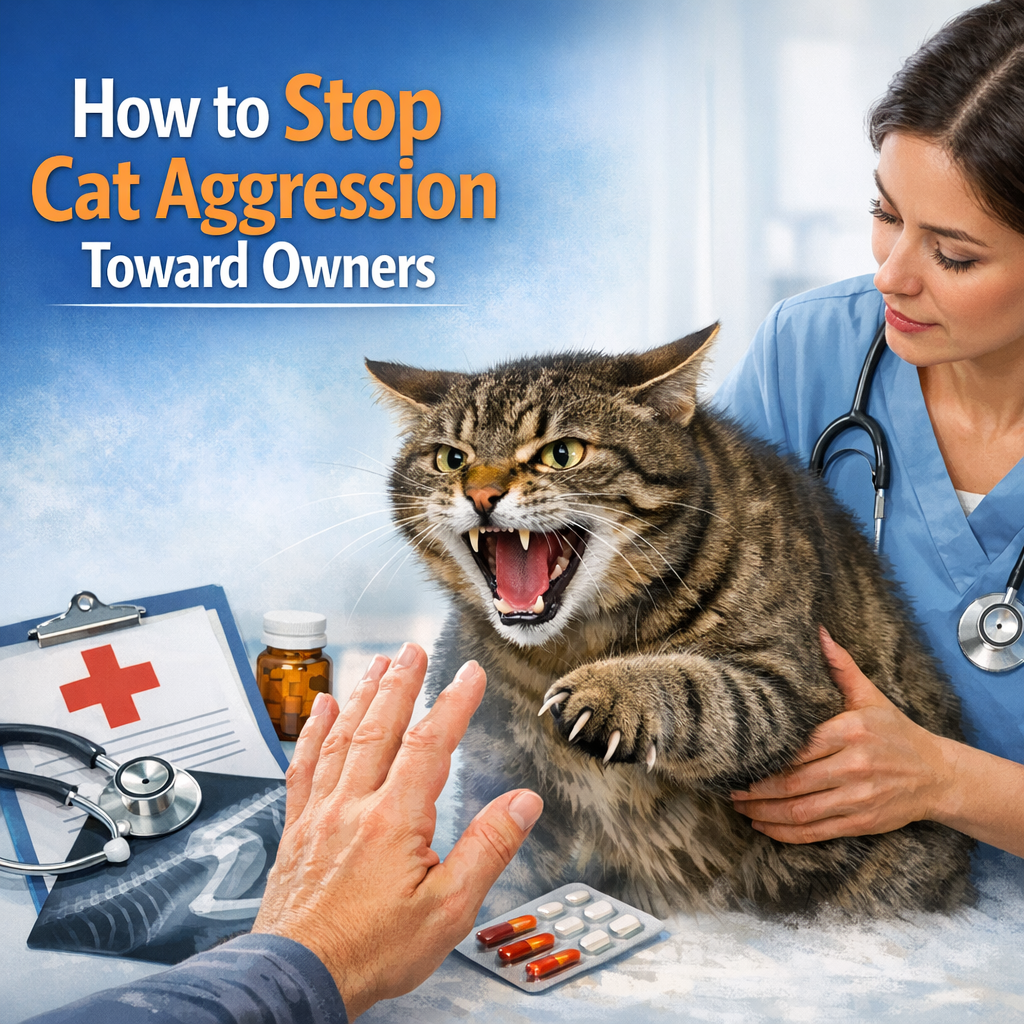
An offensive posture is meant to intimidate. You might see a stiff-legged stance, a tail held straight down or out, and a direct, unblinking stare that says I am the boss here.
Conversely, a defensive posture shows a cat is feeling threatened. Look for crouching, flattened ears, and dilated pupils as they try to look smaller while staying ready to protect themselves.
Watch for physical signs like piloerection, where the fur on the back and tail stands up. This feline communication is a clear warning that your cat is highly aroused and needs space immediately.
Identifying Aggressive Cat Triggers
Every hiss has a cause. Identifying aggressive cat triggers involves evaluating the who, when, where, and what that precedes every single swipe or nip.
Is the aggression happening near the front door? That could be territorial aggression. Does it happen when you reach for a toy? That might be play aggression or even predatory behavior.
Understanding these circumstances is essential for effective intervention. By tracking these patterns, you can predict an episode before it starts and change the environment to suit your cat.
Medical Causes of Feline Aggression
Before you call a cat behaviorist, you must rule out physical pain. Many aggressive cats are actually reacting to underlying cat health issues that make them feel vulnerable.
Conditions such as arthritis, dental disease, or hyperthyroidism can cause sudden irritability. Sensory decline or cognitive dysfunction in older cats often leads to confusion and lashing out at owners.
A thorough veterinary exam is the mandatory first step. Your vet can check for feline infectious disease or metabolic issues like toxoplasmosis that might be altering your cat’s temperament.
Classification of Feline Behavior Problems
Not all bites are created equal. Experts like the ASPCA categorize aggression into specific types to help cat parents find the right solution for their specific situation.
Common types include fear-based aggression, maternal aggression, and redirected aggression. The latter happens when a cat sees a bird outside but takes its frustration out on your ankles instead.
Other categories include petting-induced aggression, where a cat suddenly snaps during a cuddle session, and idiopathic aggression, which appears to have no clear external cause or trigger.
Managing Play Aggression and Predatory Behavior
Many owners accidentally encourage cat biting by using their fingers as toys. This teaches your cat that human skin is a valid target for their hunting instincts.
To manage play aggression, engage your cat in structured play sessions using long-distance toys like Da Bird. This allows them to channel predatory behavior away from your hands and feet.
Consistent play helps lower arousal levels. If your cat gets too rowdy, stop the session immediately so they learn that rough play results in the end of the fun.
The Importance of a Veterinary Examination
A professional veterinary examination ensures that your cat is not suffering in silence. Pain is a massive driver of defensive postures and sudden swatting during handling.
If your cat has a clean bill of health, your vet may refer you to animal behaviorists. These experts specialize in feline behavior problems and can create a custom plan for your home.
Never ignore the risks of cat scratching, as it can lead to cat scratch fever. Addressing the root cause protects both your cat’s health and your own safety.
Environmental Enrichment and Territory Management
A bored cat is often a grumpy cat. Providing environmental enrichment like vertical spaces, scratching posts, and hiding spots can significantly reduce stress and territorial aggression.
In multi-cat households, territory management is vital. Ensure there are enough resources so cats do not feel the need to guard food bowls or litter boxes from each other.
Adding window perches or puzzle feeders keeps their minds busy. When a cat feels secure in their space, they are much less likely to display offensive postures toward you or other pets.
How to Safely Handle Aggressive Cats
When your cat is mid-hiss, the worst thing you can do is punish them or try to pick them up. Punishment only increases fear and worsens the aggressive response.
Avoid direct eye contact and give them a clear exit path. If you must move an aggressive cat for safety, use a thick towel to gently scoop them up without making direct skin contact.
Wait for the cat to show calm behavior, like grooming or resting, before attempting to interact again. Patience is your best tool when rebuilding trust with a spicy feline friend.
Understanding Cat Body Language and Feline Communication
Your cat is constantly talking to you, just not with words. Learning to read their physical cues is essential for preventing a feline behavior problem from escalating into a full blown standoff.
According to the ASPCA, cat body language is subtle but readable. You need to watch the ears, tail, and eyes closely to catch an offensive posture or a defensive posture before things get hairy.
An offensive cat might have a stiff-legged stance, a tail held straight down, and a direct, unblinking stare. In contrast, a defensive cat often crouches low, flattens their ears, and tucks their tail to appear smaller.
Look for piloerection, which is when the fur along the spine or tail stands up. This is a clear sign of high arousal levels and a warning that you should back off immediately to avoid cat biting or cat scratching.
Common Visual Cues of Aggression
- Dilated pupils: This indicates a rush of adrenaline and high excitement, fear, or predatory behavior.
- Ear positions: Airplane ears flattened sideways show annoyance, while ears pinned back suggest a fight is imminent.
- Tail language: A rapidly swishing or thumping tail is a sign of irritation, not happiness like it is with dogs.
Identifying Triggers of Aggression
Understanding the circumstances leading to aggression is essential for effective intervention. You should evaluate the who, when, where, and what that precedes any aggressive episodes.
Aggressive cat triggers can range from a stray cat outside the window causing territorial aggression to a simple hand movement that sparks play aggression. Identifying these patterns helps you stay one step ahead of the claws.
If your cat is hissing or growling, they are giving you a fair warning. Recognizing these signals of feline communication allows cat parents to de-escalate the situation before it leads to cat scratch fever or other injuries.
Medical Causes of Aggression and the Veterinary Exam
Before you blame your cat’s personality, consider their health. Underlying issues like arthritis, dental disease, or hyperthyroidism can cause or worsen aggression due to chronic pain.
A thorough veterinary examination is the first step before starting any behavioral treatment. Conditions like cognitive dysfunction in senior cats or a feline infectious disease can drastically change how a cat interacts with you.
In some cases, metabolic issues or even toxoplasmosis can influence animal behavior. Always rule out medical discomfort to ensure you are not punishing a cat that is simply hurting.
Behavior Classification of Aggression
Not all feline aggression types are the same. Animal behaviorists categorize these outbursts into types such as fear based, territorial, redirected, or petting induced aggression.
Redirected aggression is particularly tricky, occurring when a cat is agitated by a stimulus they cannot reach, like a bird outside, and lashes out at the nearest person or pet instead.
Other forms include maternal aggression, pain induced responses, and even idiopathic aggression where the cause is unknown. Targeted treatment strategies depend entirely on this classification.
Medical Causes of Aggression
Before you call a professional cat behaviorist, your first stop must be the veterinary clinic. A thorough veterinary exam is the mandatory first step in treating any sudden change in feline behavior problems.
Cats are absolute masters at hiding physical discomfort. Health issues like arthritis, dental disease, or hyperthyroidism can make a cat feel incredibly vulnerable and prone to lashing out at cat parents.
In older cats, cognitive dysfunction or sensory decline can lead to confusion and fear-based cat aggression. Even serious conditions like feline infectious disease or toxoplasmosis can impact neurological health and trigger a sudden offensive posture.
Expert Insight
“The first step in managing an aggressive cat is to ensure that there is no medical reason for the behavior; if a pet is in pain, no amount of behavioral training will work until the underlying medical issue is addressed.”, Feline Health Specialist
Behavior Classification of Aggression
Not all bites are created equal. Experts and animal behaviorists categorize feline aggression types to determine the best treatment strategy for your tiny house panther. Understanding these categories helps you decode the “why” behind the hiss.
| Aggression Type |
Primary Trigger |
Common Signs |
| Play Aggression |
Lack of stimulation, moving limbs |
Pouncing, inhibited bites, stalking |
| Fear Aggression |
Unfamiliar people, loud noises |
Hissing, crouching, dilated pupils |
| Redirected Aggression |
Seeing a bird or another cat outside |
Sudden attack on a nearby person |
| Territorial Aggression |
Intruders in their space |
Urine spraying, blocking doorways |
| Petting-Induced |
Overstimulation from touch |
Tail twitching, skin rippling, biting |
Understanding Fear and Defensive Postures
Fear aggression is a common feline behavior problem often triggered by a perceived threat. When a cat feels cornered, they may display piloerection (hair standing on end) to look larger while hissing or growling to keep you away.
Managing Play Aggression and Predatory Behavior
Play aggression usually stems from a lack of appropriate environmental enrichment. If you use your hands or feet as toys, your cat learns that human skin is a fair target for predatory behavior. To curb this, redirect their energy toward appropriate outlets like wand toys.
Territorial Aggression and Urine Spraying
Territorial aggression occurs when a cat feels their home turf is under siege. This is common in multi-cat households where resources like food bowls or litter boxes are scarce. Providing vertical spaces like cat trees and multiple hiding spots can reduce tension.
The Danger of Redirected Aggression
Redirected aggression happens when a cat is agitated by a stimulus they cannot reach, such as a stray cat outside the window, and they lash out at the nearest person or pet instead. In these moments, it is best to give them space until they settle down.
Petting-Induced Aggression and Arousal Levels
Petting-induced aggression happens when a cat becomes overstimulated. Their nervous system hits a limit, and they use a bite to tell you to stop. Watch for subtle shifts in cat tail language, such as a twitching tail tip, as an early warning sign.
Managing Play Aggression and Predatory Behavior
Does your tiny house panther treat your ankles like a snack? This behavior usually involves young, energetic cats who have not yet learned that humans are friends, not food. Play aggression occurs when your pet lacks a productive outlet for their natural hunting instincts.
The golden rule for every cat parent is to never use your hands or feet as toys. Instead, use fishing pole toys to maintain a safe distance during high arousal levels. Schedule structured play sessions at least twice a day to drain their energy safely.
Behavioral Modification and Professional Support for Aggressive Cats
If your tiny tiger is transitioning from playful pounces to severe cat biting or deep cat scratching, it is time to call in the cavalry. Consult a certified animal behaviorist or a veterinary behaviorist to decode the nuances of cat communication.
When it comes to training, never use physical punishment or spray bottles. These improper techniques only increase fear and destroy your bond. Instead, experts use behavioral modification techniques like desensitization and counterconditioning to build trust.
Environmental Enrichment and Managing Territory
A bored cat is often a stressed cat. To reduce feline behavior problems, increase vertical space using cat trees and wall-mounted shelves. In multi-cat households, follow the N plus one rule for resources, ensuring there is one more litter box than you have cats.
How to Safely Handle Aggressive Cats
When your feline friend is mid-hiss, the most important rule is to keep your hands to yourself. Avoid direct eye contact and give your cat plenty of space in a quiet room to lower their arousal levels. If you must move them, use a thick towel as a shield.
Frequently Asked Questions
Can I use a spray bottle to stop my cat from attacking?
Most experts advise against using spray bottles. This method often backfires by making the cat fear you rather than stopping the behavior, and it can increase arousal levels.
What is redirected aggression?
Redirected aggression happens when a cat is agitated by a stimulus they cannot reach, such as a stray cat outside the window, and lashes out at the nearest person or pet instead.
Is my cat mean or just playing?
Play aggression usually involves inhibited bites and silent movement. True aggression includes cat hissing, growling, and an offensive posture meant to make the cat look larger.
Does spaying or neutering help?
Yes, neutering can significantly reduce territorial aggression and urine spraying driven by hormones, particularly in male cats.
What medical issues cause cat aggression?
Pain from arthritis, dental disease, or injury often causes a cat to swat or bite. Systemic issues like hyperthyroidism or cognitive dysfunction in older cats can also alter behavior.
How do I tell the difference between offensive and defensive postures?
An offensive posture includes a stiff-legged stance and a direct stare. A defensive posture involves crouching, tucking the tail, and flattening the ears against the head.