

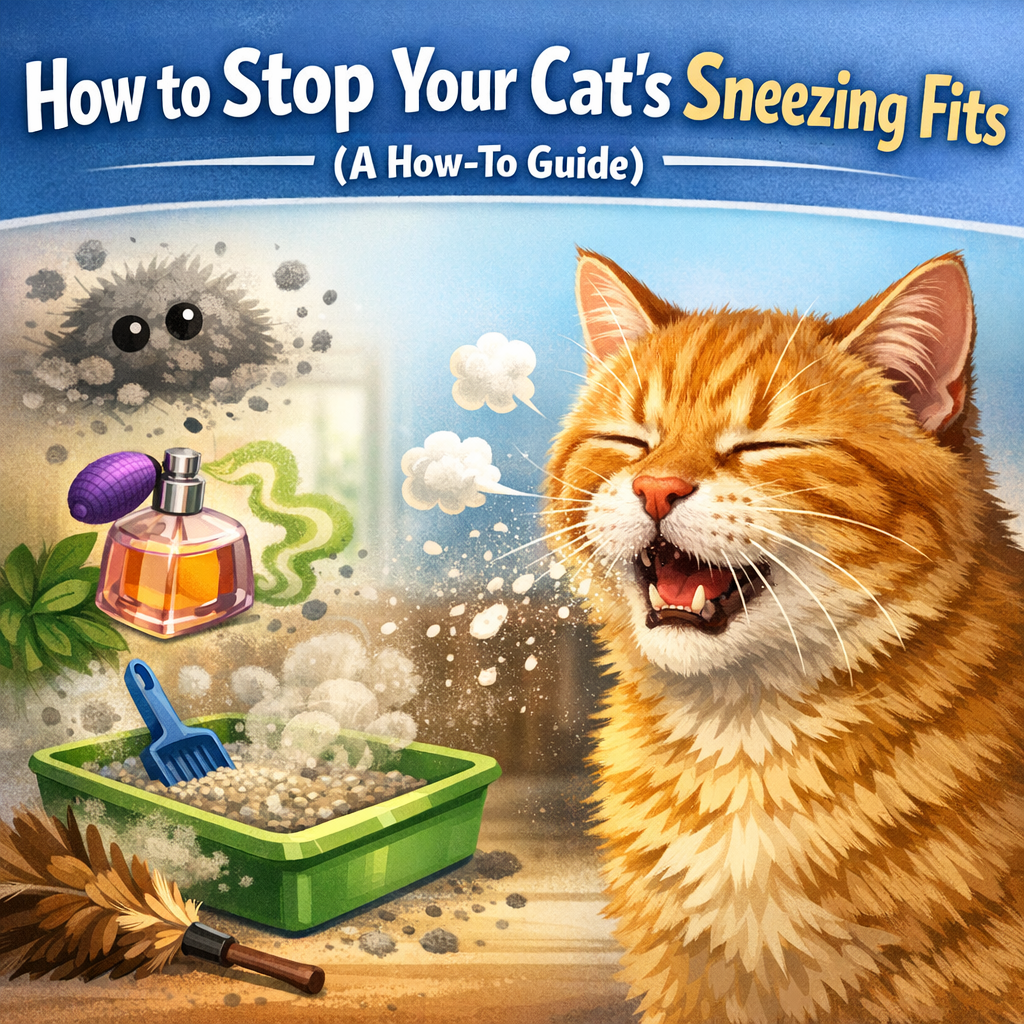
- Common Causes: Most cat sneezes are triggered by harmless environmental irritants like dust bunnies, strong perfumes, or dusty litter, which can be managed by switching to low-dust products and using HEPA filters.
- Red Flags: Seek veterinary care if sneezing persists for more than 48 hours or is accompanied by “red flag” symptoms such as loss of appetite, lethargy, labored breathing, or thick yellow/green/bloody nasal discharge.
- Underlying Health Issues: Persistent sneezing may indicate more serious conditions, including viral infections (Herpesvirus or Calicivirus), bacterial infections, dental disease, or foreign objects lodged in the nasal passage.
- Diagnosis & Treatment: Vets use tools like CT scans, rhinoscopy, and biopsies to identify causes; treatments range from antibiotics and antivirals to simple nasal flushes or environmental adjustments.
Table of Contents
- Decoding the Sneeze: The Usual Suspects
- The Action Plan: How to Stop the Sniffles
- When the Sneeze Isn’t Funny: Red Flags
- Beyond the Dust Bunny: Understanding Deeper Cat Sneezing Causes
- When the Sneeze Isn’t Funny: Red Flags for a Vet Visit
- When the Sneeze Isn’t Funny: Red Flags for a Vet Visit
- Diagnostic Tools Used by Vets: Getting to the Bottom of Feline Sneezing
- The Vet’s Game Plan: Treatment Options for Cat Sneezing
- Frequently Asked Questions About Feline Sneezes
That sound, the sudden “ACHOO!” from your beloved feline, can send any cat parent into an instant panic. Is it a cold? Something serious? Or just a rogue dust bunny making an unwelcome appearance?
You are not alone in this immediate worry. We understand that a kitty achoo is alarming. This guide is your definitive resource, helping you differentiate a simple dust sniffle from a situation requiring a serious veterinary visit. Let’s decode those sneezes together.
Decoding the Sneeze: The Usual Suspects
Most of the time, a cat’s sneeze is just their body’s way of dealing with something irritating their nasal passages. Think of it as their internal spring cleaning. Environmental factors are usually the culprit, leading to harmless, temporary irritation.
The Dust Bunny Attack: A Common Cat Sneezing Cause
Ah, the classic. Your cat, ever the curious explorer, has probably sniffed out a hidden dust bunny under the couch or in a forgotten corner. This is a super common cat sneezing cause. A quick inhalation of airborne particles, and out comes the sneeze. It’s usually a one-off event, nothing to fret over. This falls under the general category of environmental triggers for cat nasal irritation.
Litter Box Lung Irritation: Addressing Cat Nasal Congestion
Some cat litters are notorious for creating a dusty cloud. When your cat digs or covers their business, they can inhale these fine particles. This can lead to cat nasal irritation and even contribute to cat nasal congestion. Switching to a low-dust litter can make a huge difference in managing your feline respiratory health.
Perfume Panic and Chemical Conundrums: Understanding Feline Respiratory Signs
Strong scents from perfumes, air fresheners, cleaning sprays, or even scented candles can be overwhelming for a cat’s sensitive nose. Their nasal passages are delicate. These can easily trigger a sneezing fit as their body tries to expel the irritant. It is a common cause of cat sneezing, manifesting as temporary feline respiratory signs.
When the Sneeze Isn’t Funny: Identifying Abnormal Cat Sneezing
While occasional cat sneezing is entirely normal, persistent or severe sneezing, especially when accompanied by other symptoms, warrants a vet consultation. Competitors like PetMD and Chewy emphasize the importance of identifying whether sneezing is normal or abnormal. If your cat’s sneezing lasts more than a few days, or if you notice changes in their overall feline health symptoms, it’s time to pay close attention. Recording videos of the episodes can be incredibly helpful for your veterinary diagnosis.
When to See a Veterinarian for Sneezing: Red Flags for Feline Health
You should seek urgent veterinary diagnosis if your cat’s sneezing persists for several days, especially if it’s accompanied by other concerning feline health symptoms. Look out for loss of appetite, noticeable weight loss, or changes in cat nasal discharge. Any presence of blood in the discharge (cat sneezing blood) or a shift to yellow or green nasal discharge can indicate a more serious issue, possibly a bacterial infection cats might develop as a secondary bacterial infection. These are critical upper respiratory signs that demand immediate attention.
Beyond Dust: Other Significant Cat Sneezing Causes
While environmental irritants are common, other significant cat sneezing causes exist. Viral infections, particularly Feline Herpesvirus and Feline Calicivirus, are responsible for a large percentage of feline respiratory infections, with Feline Herpesvirus causing sneezing in up to 50% of cases. These are often managed with supportive care and sometimes antiviral medications like Famciclovir, or Lysine Supplements for immune support. Bacterial infections, such as those caused by Mycoplasma or Bordetella, frequently present with yellow or green nasal discharge. Fungal infections, like Fungal Cryptococcus, can also lead to chronic rhinitis cats experience, requiring specific antifungal treatments. Even dental disease in cats, especially if it involves the roots of upper teeth, can cause cat nasal discharge and sneezing.
In short, these everyday environmental factors are frequently behind those sudden feline respiratory signs. They are rarely a cause for long-term concern. However, understanding the full spectrum of cat sneezing causes is crucial for ensuring your feline friend’s optimal respiratory health.
The Action Plan: How to Stop the Sniffles
Now that we have covered the common culprits of cat sneezing, let’s talk about what you can do. You can proactively reduce your cat’s sneezing fits with a few simple steps. Here is your actionable guide:
Environmental Adjustments for Cat Respiratory Health
Many cases of cat nasal congestion and irritation stem from their immediate surroundings. Making a few tweaks can significantly improve their feline health symptoms.
- Switch to Low-Dust Litter: This is a game-changer for cat respiratory health. Look for litters specifically marketed as “low-dust” or “dust-free.” Your cat’s delicate nasal passages, and your clean floors, will thank you. Many veterinary diagnosis recommendations for chronic rhinitis in cats often start with this simple change.
-
- Embrace the HEPA Filter: A high-efficiency particulate air (HEPA) filter in your home can significantly reduce airborne allergens and dust, which are common cat sneezing causes. This creates a cleaner breathing environment for everyone, including your feline friends, potentially preventing issues like feline respiratory infection.
-
- Ventilate, Ventilate, Ventilate: When using cleaning products or strong scents, ensure proper ventilation. Open windows, run fans, and keep your cat out of the immediate area until the air clears. Strong odors can cause cat nose irritation, leading to more cat sneezing.
-
- Gentle Face Wipes: If your cat tolerates it, gently wipe their face and nose with a warm, moist cotton ball or soft cloth. This helps clear away any visible irritants or discharge, especially if they are experiencing feline calicivirus or feline herpesvirus flare-ups, which can cause increased nasal discharge.
-
- Regular Cleaning: Vacuuming and dusting frequently can drastically cut down on dust bunnies and other allergens that trigger cat sneezing. Keeping a clean home is crucial for managing environmental triggers.
When to See a Veterinarian for Sneezing
While occasional cat sneezing is often normal, persistent or severe sneezing, especially with other symptoms, warrants a vet consultation. PetMD and Chewy often highlight this critical distinction. You should seek urgent veterinary diagnosis if sneezing persists over several days, is accompanied by loss of appetite, significant nasal discharge (especially yellow or green nasal discharge), weight loss, or blood in discharge. These could indicate underlying serious conditions like a secondary bacterial infection or even a tumor.
Understanding Diagnostic Tools and Treatment Options
When you visit the vet for your cat’s sneezing, they have several diagnostic tools at their disposal. A physical exam is always the first step. They might recommend X-rays or a Computerized Tomography Scan (CT scan) to look for foreign bodies, tumors, or dental disease that could be causing the cat sneezing. Rhinoscopy, a procedure where a tiny camera is inserted into the nasal passages, and nasal biopsy are also crucial for identifying causes like Fungal Cryptococcus or Bacterial Mycoplasma. For treatment, antibiotics are prescribed for bacterial infections like Bordetella, while steroids and NSAIDs reduce inflammation in chronic rhinitis. Nasal lavage can temporarily relieve symptoms and expel foreign material, offering significant cat sneezing treatment.
These simple adjustments can often resolve those sniffles and promote better feline respiratory health. However, always remember that your cat’s health is paramount, and a vet visit is essential if symptoms worsen or persist.
Expert Insight
“While the most common cause of chronic upper respiratory disease signs in cats is viral disease, a logical diagnostic plan to differentiate probable etiologies and rule out non-viral causes, such as foreign bodies, dental disease, and neoplasia, is essential for appropriate therapeutic choices.” , Expert Veterinary Review, Journal of Feline Medicine and Surgery
When the Sneeze Isn’t Funny: Red Flags
While most cat sneezing is harmless, there are times when it signals something more serious. Your cat’s health is paramount. Pay close attention to these red flags that warrant a veterinary diagnosis.
Beyond the Dust Bunny: Understanding Deeper Cat Sneezing Causes
Okay, so we’ve covered the usual suspects like dust bunnies and litter box woes. But what if your cat’s sneezing isn’t just a simple sniffle? Sometimes, a kitty achoo can point to something more complex, requiring a closer look and a veterinary diagnosis.
The Sneaky Invaders: Viral & Bacterial Infections Cats Get
When it comes to persistent cat sneezing, infections are often the culprits. Viral infections are particularly common, with Feline Herpesvirus (also known as Feline Viral Rhinotracheitis) and Feline Calicivirus leading the pack. These can cause sneezing in up to 50% of cases, often accompanied by clear or watery nasal discharge and eye discharge. Stress, for our sensitive felines, can even trigger Feline Herpesvirus flare-ups. The FVRCP Vaccine helps protect against some of these nasty viral infections.
Then there are bacterial infections cats might experience. These are often secondary bacterial infections, meaning they pop up after a viral infection has weakened the immune system. You’ll usually spot these by thick, yellow or green nasal discharge, a clear sign of bacterial involvement. Common bacterial culprits include Bordetella and Bacterial Mycoplasma. These can lead to significant cat nasal congestion and upper respiratory signs.
The Rarer, But Serious, Causes of Chronic Rhinitis Cats Face
While less common, fungal infections, like Fungal Cryptococcus, can also lead to chronic rhinitis and persistent sneezing. These often require specialized veterinary diagnosis and treatment. If your cat’s sneezing seems to go on forever, your vet might consider these less frequent but serious possibilities.
Beyond infections, a pesky foreign material, like a blade of grass or a small seed, can get lodged in the nasal passages, causing sudden, intense sneezing as your cat tries to expel it. Imagine a tiny splinter in your nose! This can be a tricky one to diagnose without a rhinoscopy for cats.
When Dental Disease & Other Issues Lead to Sneezing
Did you know your cat’s teeth can cause sneezing? Feline dental disease, especially tooth root abscesses in the upper jaw, can create inflammation and discharge that irritates the nasal passages, leading to a surprising amount of sneezing. It’s a good reminder that feline health symptoms are often interconnected.
For older cats, tumors or neoplasia, though less common, are serious causes of chronic rhinitis and cat sneezing blood. These may require advanced diagnostic tools like a Computerized Tomography Scan or a nasal biopsy cats. This is why a thorough veterinary diagnosis is crucial for persistent cat sneezing.
The Confusing Case of Reverse Sneezing Cats
Sometimes, what sounds like a dramatic cat sneezing fit is actually reverse sneezing cats experience. While it can be alarming, this is usually a benign condition where air is rapidly inhaled, often mistaken for a sneeze. It’s usually nothing to worry about, but if you’re unsure, a quick video for your vet can clarify!
When to See a Veterinarian for Cat Sneezing
Occasional cat sneezing is normal, but persistent or severe sneezing, especially with other symptoms, warrants a vet consultation. If your cat’s sneezing lasts more than 48 hours, or if it’s accompanied by loss of appetite, weight loss, lethargy, significant cat nasal discharge (especially yellow, green, or cat sneezing snot), or cat sneezing blood, it’s time to call the vet. Recording videos of these episodes can be incredibly helpful for your vet to make an accurate veterinary diagnosis, as recommended by resources like PetMD and Chewy.
Diagnostic Tools: Uncovering the Truth About Cat Sneezing Causes
When you visit the vet for persistent cat sneezing, they have a toolkit of diagnostic options. A physical exam is always the first step to check for upper respiratory signs. Depending on the symptoms, they might recommend X-rays to look for feline nasal congestion, or a Computerized Tomography Scan (CT scan), which is considered the gold standard for detailed nasal evaluation. For more complex cases, a rhinoscopy for cats (inserting a tiny camera into the nasal passages) or a nasal biopsy cats might be necessary to identify causes like tumors, foreign bodies, or specific infections.
Cat Sneezing Treatment: Getting Your Feline Friend Back on Track
Once the cause of your cat’s sneezing is identified, your vet will discuss treatment options. For bacterial infections cats might have, antibiotics are typically prescribed. If inflammation is a major issue in chronic rhinitis, steroids or NSAIDs might be used to reduce it. For foreign material, a nasal lavage can temporarily relieve symptoms and sometimes even expel the object. In rare cases, surgery might be needed for tumors or persistent foreign bodies. For viral flare-ups, your vet might suggest antiviral medications like Famciclovir or immune support like Lysine Supplements to help with feline immune support. Keeping your cat comfortable and managing cat respiratory health is key!
When the Sneeze Isn’t Funny: Red Flags for a Vet Visit
While a dust-induced “kitty achoo” is often harmless, there are times when your cat’s sneezing signals something more serious. Knowing when to call the vet is crucial for your feline friend’s health. You should schedule an urgent vet visit if your cat’s sneezing persists for more than several days, or if it is accompanied by any concerning symptoms.
PetMD and Chewy both emphasize these critical upper respiratory signs: a significant loss of appetite, noticeable weight loss, or persistent lethargy. If your cat is acting unusually subdued or isn’t eating, it’s a major red flag.
Pay close attention to nasal discharge. While clear discharge can sometimes be normal, any colored discharge (yellow, green, or especially bloody) is a serious indicator of a potential bacterial infection. This could point to conditions like feline herpesvirus or feline calicivirus, or even a more complex issue like chronic rhinitis. Cat sneezing snot that is thick or discolored always warrants a call to your veterinarian.
Difficulty breathing, persistent coughing, or any sign of pain should prompt an immediate vet visit. These could indicate more severe feline respiratory infection or other serious underlying conditions. Remember, early intervention can make a significant difference in your cat’s recovery and overall feline health symptoms.
If you’re ever worried, a quick call to your veterinarian can provide peace of mind or prompt necessary action. It’s always best to err on the side of caution when it comes to your cat’s well-being. Documenting your cat’s sneezing episodes with videos for your vet, as suggested by many experts, can also be incredibly helpful for a veterinary diagnosis.
Expert Insight
“Open-mouth breathing in cats is always an emergency situation, as it indicates a struggle for oxygen, while mild sneezing may resolve at home, any signs of labored breathing, thick discolored discharge, or a refusal to eat for over 24 hours require immediate veterinary intervention.” , Veterinary Health Specialist
When the Sneeze Isn’t Funny: Red Flags for a Vet Visit
While a dust-induced “kitty achoo” is often harmless, there are times when your cat’s sneezing signals something more serious. Knowing when to call the vet is crucial for your feline friend’s health. You should schedule an urgent vet visit if your cat’s sneezing persists for more than several days, or if it is accompanied by any concerning symptoms.
PetMD and Chewy both emphasize these critical upper respiratory signs: a persistent cough, green or yellow nasal discharge, lethargy, loss of appetite, or difficulty breathing. These could indicate a serious feline respiratory infection, requiring immediate veterinary diagnosis.
Diagnostic Tools Used by Vets: Getting to the Bottom of Feline Sneezing
When you visit the vet for cat sneezing, they have several tools to get to the bottom of the issue. A thorough physical exam is always the first step. Your vet will check for other upper respiratory signs, listen to your cat’s lungs, and examine their mouth and nose for any obvious cat nose irritation or signs of feline dental disease.
To identify underlying causes like tumors, foreign bodies, or infections, vets may recommend imaging. X-rays can provide a basic view, but a Computerized Tomography Scan (CT scan) is often considered the gold standard for detailed nasal evaluation, offering a much clearer picture of the nasal passages and sinuses, especially when chronic rhinitis cats is suspected.
More invasive diagnostics include rhinoscopy for cats, where a small camera is inserted into the nasal passages to directly visualize any abnormalities or foreign material. A nasal biopsy cats might undergo involves taking a small tissue sample for laboratory analysis, which can help identify specific infections, fungal cryptococcus, or cancerous cells. Swabs for viral or bacterial cultures are also common, especially when Feline Herpesvirus, Feline Calicivirus, or bacterial Mycoplasma or Bordetella are suspected as causes of cat sneezing.
The Vet’s Game Plan: Treatment Options for Cat Sneezing
So, you’ve decided a vet visit is in order. Smart move! Once your veterinarian has made a definitive veterinary diagnosis, the treatment options for your cat’s sneezing can vary wildly, depending on the underlying cause. No two kitty sniffles are exactly alike, after all.
Unmasking the Cause: Diagnostic Tools and Expert Opinions
Before any treatment begins, your vet needs to play detective. They’ll start with a thorough physical exam, but sometimes the clues are deeper. Diagnostic tools are crucial for pinpointing the exact cause of your cat’s sneezing. X-rays can reveal issues in the chest, while a Computerized Tomography Scan (CT scan) is often considered the gold standard for detailed evaluation of the nasal passages and sinuses. This advanced imaging can detect foreign bodies, tumors, or even the extent of a feline respiratory infection.
For a closer look, a rhinoscopy for cats might be performed, where a tiny camera is inserted into the nasal passages. If something suspicious is found, a nasal biopsy cats procedure can collect tissue samples for further analysis, helping to identify specific types of bacterial infections cats, fungal Cryptococcus, or even cancerous growths. Remember, recording videos of your cat’s sneezing episodes, as often advised by experts like PetMD and Chewy, can provide invaluable diagnostic help for your vet.
Tackling Bacterial and Viral Invaders
If your vet identifies bacterial infections cats, such as those caused by Bordetella or Bacterial Mycoplasma, antibiotics are typically prescribed. These powerful medications work to reduce the infection and alleviate those pesky upper respiratory signs. Remember, bacterial issues often present with thick, yellow, or green cat nasal discharge, indicating a secondary infection.
For chronic viral infections, like the notorious Feline Herpesvirus (which, by the way, causes sneezing in up to 50% of cases!) or Feline Calicivirus, antiviral medications can be a game-changer. Medications like Famciclovir or Lysine Supplements might be recommended to help manage symptoms and reduce the frequency and severity of flare-ups. The FVRCP vaccine is also absolutely key in preventing severe forms of both Feline Calicivirus and Feline Herpesvirus, safeguarding your cat’s cat respiratory health.
Soothing Inflammation and Clearing Congestion
When inflammation is a major component, perhaps in cases of chronic rhinitis cats, steroids or non-steroidal anti-inflammatory drugs (NSAIDs) may be used. These medications work to reduce swelling and discomfort, helping your cat breathe easier. For severe cat nasal congestion, a procedure called nasal lavage, or a cat nasal flush, can be performed by a vet, often under sedation. This involves flushing saline solution through the nasal passages to temporarily relieve congestion and expel foreign material or thick discharge. It’s like a spa day for your cat’s nose!
When Things Get Physical: Foreign Bodies and Dental Woes
Sometimes, a persistent cat sneezing fit isn’t due to an infection at all, but a tiny foreign body lodged up your cat’s nose. Think grass seeds or a rogue piece of kibble. In these situations, surgical removal might be necessary to clear the airway and stop the irritation. And don’t forget feline dental disease! Believe it or not, a severe tooth infection can sometimes lead to cat sneezing or even cat nasal discharge if the infection spreads to the nasal cavity. Addressing the dental issue can resolve the sneezing.
Supportive Care: Your Role in Recovery
Beyond medical treatments, your supportive care is crucial for your cat’s recovery. Keep them hydrated, ensuring they always have fresh water available. If they’re struggling to eat, try warming up canned food to make it more appealing. Maintaining a clean environment is also vital to reduce cat nose irritation. For cats with significant cat nasal congestion, a humidifier can work wonders, helping to loosen secretions and make breathing easier. And remember, if you see cat sneezing blood, that’s an immediate red flag for your vet!
While occasional cat sneezing is normal, especially a little “reverse sneezing cats” episode, persistent or severe sneezing with other symptoms warrants a vet consultation. Your cat’s feline health symptoms are always best evaluated by a professional. And don’t forget to keep an eye out for cat flu symptoms, which often include sneezing, watery eyes, and lethargy.
| Symptom | Normal (Low Concern) | Worry (Vet Visit Recommended) |
|---|---|---|
| Frequency | Occasional, isolated sneezes | Persistent (over 48 hours), multiple sneezes in a row |
| Nasal Discharge | Clear, watery, minimal | Thick, yellow, green, bloody nasal discharge |
| Energy Level | Normal, playful | Lethargy, reduced activity |
| Appetite | Normal eating habits | Loss of appetite, weight loss |
| Other Signs | None | Watery eyes, coughing, difficulty breathing, pawing at face, mouth ulcers, fever |
Frequently Asked Questions About Feline Sneezes
What is reverse sneezing in cats?
Ever heard your cat make a weird snorting sound that’s not quite a sneeze? That’s likely reverse sneezing! It’s a common occurrence where a cat rapidly inhales air, sounding a bit like a honk. Often mistaken for a regular sneeze, it’s usually a benign reflex to clear the back of the throat, not the nose. Generally, reverse sneezing in cats isn’t a cause for concern unless it becomes frequent or severe. If you’re worried, a quick video for your vet can clarify things!
Can cats get allergies?
Yes, cats can absolutely suffer from allergies, just like their human companions! Environmental allergens like pollen, dust mites, and mold can trigger cat sneezing, watery eyes, and itching. These feline health symptoms can be tricky to pinpoint, but your vet can help determine if allergies are the cause and suggest management strategies, possibly involving a change in environment or diet.
Is Feline Herpesvirus serious?
Feline Herpesvirus (FHV-1) is a common viral infection cats experience that can cause upper respiratory signs, including sneezing, runny eyes, and nasal discharge. While it can cause discomfort and recurrent flare-ups, especially during times of stress, it’s usually manageable. However, in young kittens or immunocompromised cats, Feline Herpesvirus can lead to more severe complications. The FVRCP vaccine helps protect against it, making prevention key for feline respiratory health.
How can I prevent cat flu symptoms?
Preventing cat flu symptoms, which often include cat sneezing snot, involves a multi-pronged approach. Keeping your cat up-to-date on vaccinations, especially the FVRCP vaccine, is crucial. Minimizing exposure to sick cats, reducing environmental irritants like dust and strong scents, and providing strong feline immune support through a healthy diet can also significantly help. Remember, good hygiene and a stress-free environment contribute to overall cat respiratory health.
When should I worry about cat nasal congestion?
Occasional cat nasal congestion can be benign, but persistent issues are a red flag. You should worry about cat nasal congestion if it is persistent, accompanied by open-mouth breathing, lethargy, loss of appetite, or colored nasal discharge. This could indicate a feline respiratory infection, a foreign body, or another serious condition requiring a veterinary diagnosis. If you see blood in the discharge, that’s an immediate call to the vet!
Most cat sneezing is manageable and can be resolved with a little attention to their environment. You are now equipped to handle those kitty achoos with confidence and a clear plan. Remember, a happy, healthy cat means more cuddles for you!
And what better way to enjoy those purr-fect moments than by wearing a comfortable, expressive Bella Gatti soft cotton tee? Our unisex graphic t-shirts are perfect for snuggling up with your recovered (or temporarily irritated) feline friend, celebrating the unique bond you share. Explore our collection of funny slogan t-shirts and cat t-shirts today!