
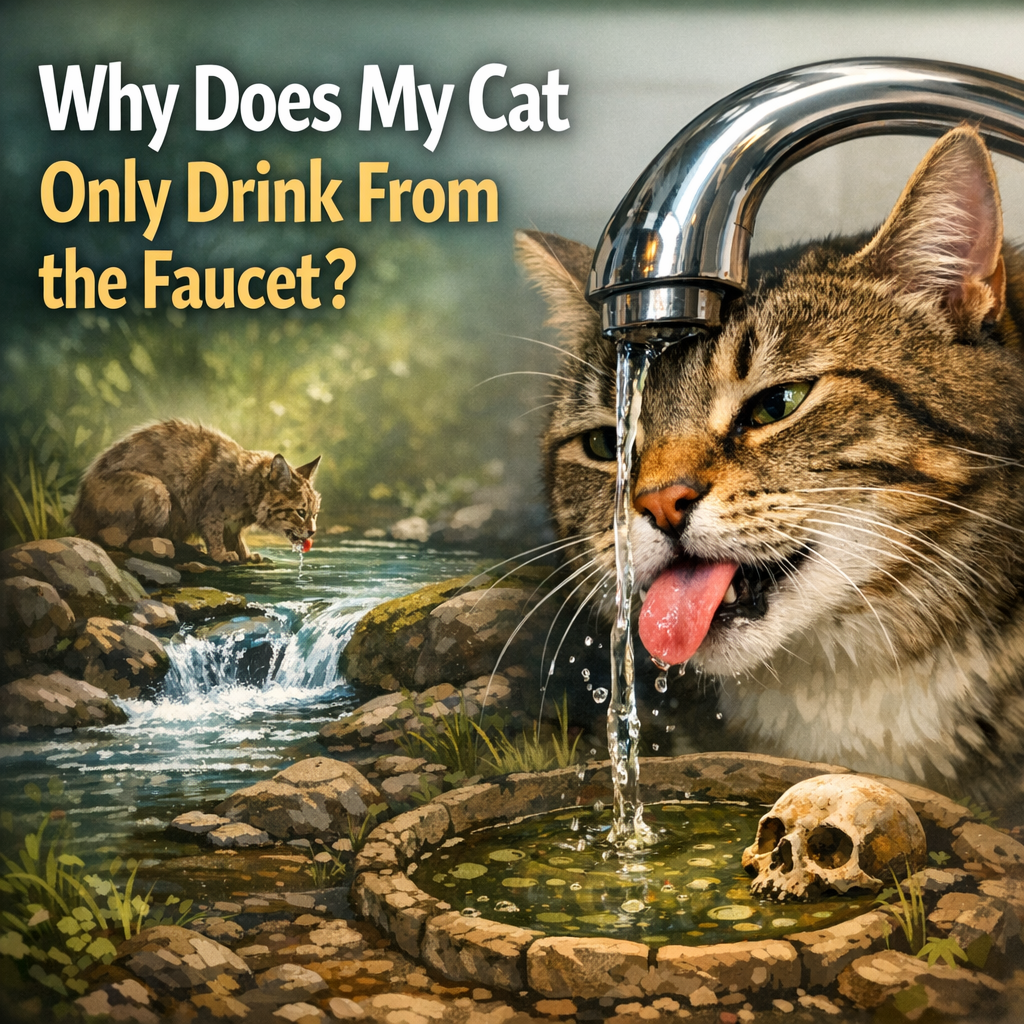
- Evolutionary Instincts: Cats prefer running water because their ancestors evolved to associate stagnant water with bacteria and toxins, viewing moving water as safer, cooler, and more oxygenated.
- Health Risks: If a cat refuses to drink from a bowl, they face a high risk of chronic dehydration, which can lead to serious conditions like kidney disease, urinary stones, and painful urinary disorders.
- Practical Solutions: To encourage better hydration, owners should use a cat water fountain to mimic a running tap, switch to ceramic or stainless steel bowls, and place water sources away from food to avoid cross-contamination.
- Dietary Support: Supplementing dry kibble with wet food is an effective way to increase overall moisture intake, supporting long-term kidney health and preventing dehydration-related issues.
Table of Contents
- The Evolution of Feline Hydration and Running Water
- Why Cats Prefer the Sink Over the Bowl
- Health Risks of Stagnant Water and Dehydration
- Using a Cat Water Fountain to Boost Hydration
- Strategies to Encourage Better Drinking Habits
- When to Seek Cat Advice and Veterinary Care
- The Science Behind Cat Drinking Habits and Running Water
- Feline Evolution and the Fear of Stagnant Water
- Health Risks of Dehydration and Stagnant Water
- Using a Cat Water Fountain to Promote Drinking
- Strategies to Encourage Cats to Drink from Bowls
- Expert Cat Advice on Nutrition and Hydration
- Feline Evolution and Drinking Habits
- Health Risks of Stagnant Water and Chronic Dehydration
- Why Feline Evolution Makes Them Hate the Bowl
- Strategies to Encourage Better Cat Drinking Habits
- The Magic of the Cat Water Fountain
- Strategies to Encourage Better Cat Drinking Habits
- Use of Water Fountains to Promote Drinking
- Diet and Hydration Impact
- Dehydration and Chronic Risks
- Frequently Asked Questions About Feline Hydration
You fill the bowl with crystal clear, filtered water. You scrub the dish until it shines. Yet, the moment you walk into the bathroom, your cat is already there, staring at the tap with intense longing.
It is a classic feline move. Whether it is a kitchen sink or a bathtub, many cats treat the faucet like a sacred fountain of life while ignoring their perfectly good water bowl.
In short: Your cat is not just being difficult. They are following deep-seated instincts that prioritize fresh, moving water over anything else.
The Evolution of Feline Hydration and Running Water
Your cat might be a pampered house pet, but their DNA still whispers secrets of the wild. Feline evolution tells us that ancestors of modern cats, like the African wildcat, lived in environments where stagnant water was a gamble.
In the wild, still water often harbors stagnant water bacteria and toxins. These ancestors learned that running water from rivers or streams was much safer and fresher to consume.
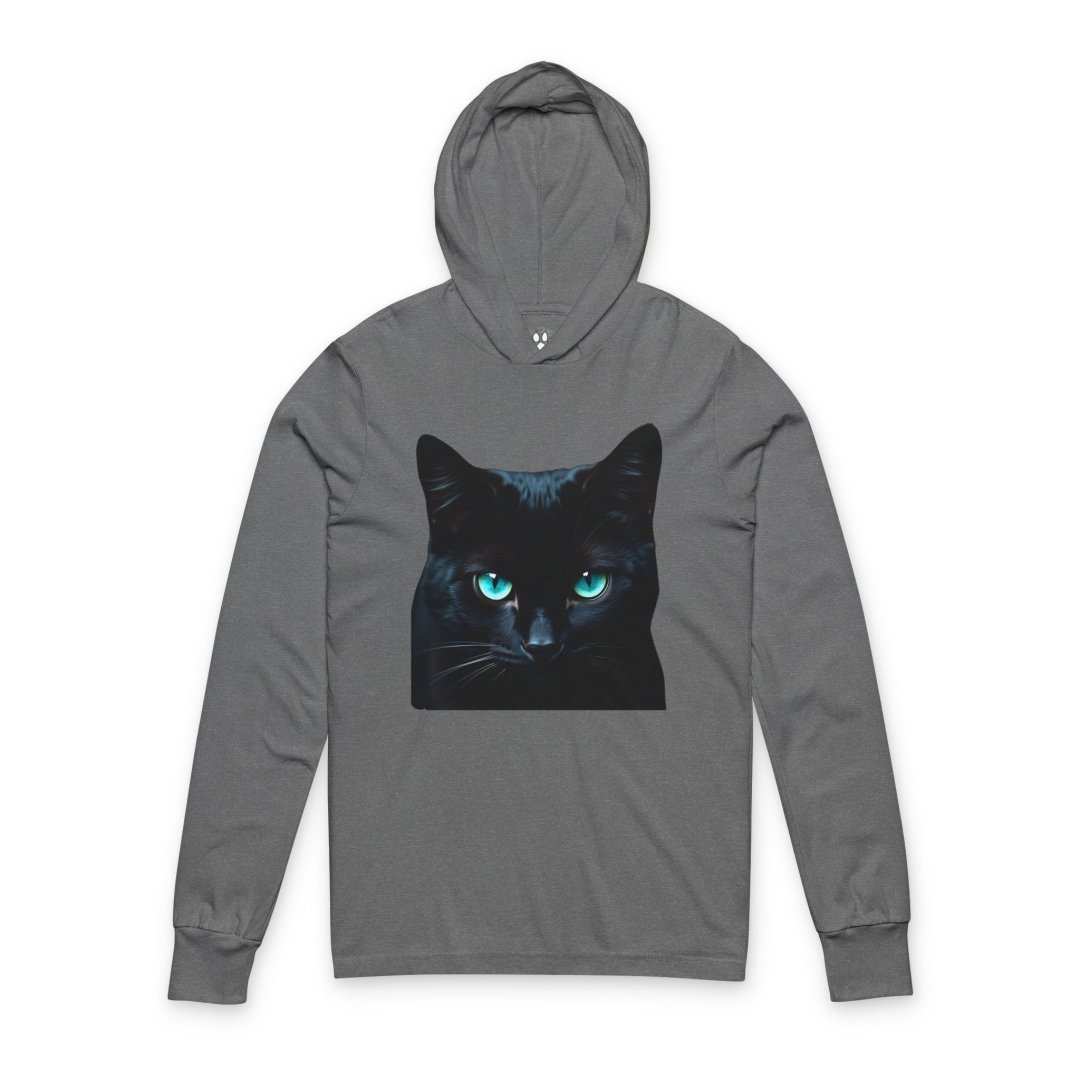
This natural instinct remains strong today. Whether your cat is a Ginger tabby or a sleek black cat named Ziggy, they instinctively avoid drinking near food to view a running tap as the ultimate source of feline hydration. instinctively avoid drinking near food
Why Cats Prefer the Sink Over the Bowl
There are several reasons cats prefer drinking from faucets. First, running water is naturally aerated, which means it contains more oxygen and simply tastes better to a discerning palate.
Stagnant water in a bowl can quickly become lukewarm or pick up a plastic taste. Many cats also have a physical aversion to deep bowls that cause whisker fatigue when their sensitive hairs touch the sides.
A running tap provides a constant stream of fresh water that is easy to see and hear. Since cats have a weak spot in their close-range vision, they may struggle to see the surface of still water, leading them to prefer the audible splash of a sink.
Health Risks of Stagnant Water and Dehydration
If your cat refuses their bowl, they may face a significant dehydration risk. Proper water consumption is vital for pet health, especially when it comes to kidney health preservation.
Stagnant water can lead to stagnant water contamination, which may introduce harmful bacteria into your cat’s system. Chronic dehydration is a serious concern that can lead to urinary disorders and the formation of urinary stones.
Veterinary nutrition experts, such as Géraldine Blanchard, emphasize that maintaining high moisture content is essential. Without enough water, cats are at a higher risk for kidney issues and painful urinary stones.
Using a Cat Water Fountain to Boost Hydration
If you are tired of being a personal doorman for the bathroom sink, a cat drinking fountain is the perfect solution. Devices like the Catit fountain or the Catit 2.0 mimic the flow of a running tap.
A high quality drinking fountain filters the water constantly, keeping it cool and free of debris. This encourages more frequent water consumption and supports overall cat health.
To keep your cat interested, make sure to clean the fountain weekly and change the filters monthly. This mimics the fresh water experience they crave from the kitchen sink or bathtub.
Strategies to Encourage Better Drinking Habits
Beyond fountains, there are several cat care tips to improve hydration. Try changing the water in their bowl multiple times a day and switching to ceramic or porcelain materials.
Place the water bowl in a quiet location away from their food. In the wild, cats do not drink where they kill their prey to avoid contamination, and this behavior persists in the home.
You can also increase their moisture intake by serving wet food. Since many cats are lactose intolerant, avoid giving them milk and focus on a diet rich in high quality protein and low phosphorus to protect their kidneys.
When to Seek Cat Advice and Veterinary Care
If your cat suddenly changes their drinking habits or seems obsessed with water, it could be a sign of an underlying issue. Increased thirst is often linked to feline diabetes or kidney disease.
Whether you are reading Reddit Advice for Cats or consulting a professional in New Jersey, stay vigilant. Monitoring your cat’s thirst and ensuring they have access to clean, running water is the best way to prevent chronic dehydration.
Even if your cat acts like a rock star like Glenn Danzig from the Misfits, they still need a steady supply of fresh water to stay healthy. Keep that tap dripping or invest in a fountain to keep your feline friend thriving.
The Science Behind Cat Drinking Habits and Running Water
The primary reason your cat prefers the sink water over their dish is a mix of taste and freshness. Running water from a running tap is highly oxygenated and stays significantly cooler than the stagnant water sitting in a bowl for hours.
Felines are incredibly sensitive to the flavor of their liquid. Still water can quickly develop a film or pick up the unpleasant taste of a plastic or metal water bowl, making your cat thirst for something cleaner.
It is also about the experience. Many cats find the sight and sound of a dripping tap fascinating, turning a simple drink into a session of cat behavior and play that keeps them entertained.
Feline Evolution and the Fear of Stagnant Water
Your cat’s ancestors were savvy survivalists who drank from rivers and streams. In the wild, stagnant water is often a breeding ground for bacteria, toxins, and parasites that can cause serious illness.
Evolutionary instincts tell your cat that moving water is safer and fresher. This is why even a pampered house cat might view their stationary water bowl with suspicion while treating the bathtub faucet like a gourmet spring.
This ancient preference for running water helps them avoid stagnant water contamination. When they hear the splash of a running tap, their biological programming confirms the water is safe for feline hydration.
Health Risks of Dehydration and Stagnant Water
Proper pet hydration is a cornerstone of cat care tips because cats have a naturally low thirst drive. If the water in their bowl is unappealing, they may simply stop drinking, leading to a high dehydration risk.
Chronic dehydration is a serious threat to cat health. It can lead to the formation of urinary stones, painful urinary disorders, and long term kidney health issues that require expensive veterinary nutrition plans.
By ensuring your cat has access to fresh water they actually want to drink, you help prevent these complications. Keeping them hydrated is the best way to support their internal systems and overall cat nutrition.
Using a Cat Water Fountain to Promote Drinking
If you are tired of being a personal faucet butler, a cat water fountain is a game changer. Devices like the Catit 2.0 or a high quality drinking fountain mimic the flow of a sink to encourage more water consumption.
These fountains filter out impurities and keep the water moving, which appeals to their natural instincts. To keep it effective, you should clean the fountain weekly and change filters monthly to maintain peak interest.
Whether you have a playful Ginger cat or a moody feline like Ziggy, a fountain provides the constant stream they crave. It is a simple way to ensure your pet stays healthy without you having to leave the kitchen sink running all day.
Strategies to Encourage Cats to Drink from Bowls
If a fountain is not an option, try changing the water multiple times daily. Using ceramic or porcelain materials can also help, as these do not leach flavors into the water like some plastics do.
Placement is key for feline comfort. Many cats prefer their water bowl to be in a separate location from their food. In the wild, a kill near a water source could contaminate it, so they often prefer a “clean” drinking zone.
Adding wet food to their diet is another excellent way to boost moisture content. Since many cats are lactose intolerant, avoid giving milk and stick to high quality protein wet foods to help manage their hydration levels.
Expert Cat Advice on Nutrition and Hydration
Experts like Géraldine Blanchard emphasize that a low phosphorus diet and proper veterinary nutrition are vital for aging cats. Maintaining hydration helps flush the kidneys and prevents the buildup of minerals that cause urinary stones.
Even cultural icons like Glenn Danzig of the Misfits have been spotted buying cat litter, proving that cat care is a universal responsibility. Whether you are seeking Reddit advice for cats or consulting a pro in New Jersey, the consensus is clear: keep the water flowing.
By understanding these cat drinking habits, you can better provide for your pet. From choosing the right water consumption methods to picking out a stylish Unisex Soft Cotton Tee for yourself, being a cat parent is all about the details.
Feline Evolution and Drinking Habits
Your pampered house cat might look adorable lounging on your Unisex Soft Cotton Tee, but they still carry the DNA of wild ancestors like the African wildcat. In the wild, stagnant water is often a breeding ground for bacteria, parasites, and nasty toxins.
Evolution has taught felines to associate running water with safety and fresh flavor. Rivers and streams are much more likely to be potable than a murky, still puddle that has been sitting in the sun for days.
This deep-seated instinct explains why your cat prefers the running tap over a still bowl. To a cat, the sink water represents a clean, oxygenated source, while the water bowl might trigger an ancient “danger” signal in their brain.
Furthermore, cats have a naturally low thirst drive. Because their ancestors obtained most of their moisture content from prey, they are biologically programmed to be picky about their water consumption to avoid stagnant water contamination.
This evolutionary trait can lead to chronic dehydration if they refuse to drink from their dish. When a cat does not get enough fresh water, they face a higher dehydration risk, which can lead to serious issues like urinary stones and constipation.
Veterinary nutrition experts, including Géraldine Blanchard, emphasize that maintaining feline hydration is critical for kidney health preservation. Without enough liquid, cats can develop painful urinary disorders that require expensive medical intervention.
Even famous cat lovers like Glenn Danzig from the Misfits or owners of internet-famous cats like Ginger and Ziggy have likely dealt with this finicky behavior. It is a common topic on platforms like Reddit Advice for Cats, where owners share stories of their pets demanding the kitchen faucet.
To combat these risks, many owners are switching to a high quality protein diet paired with wet food hydration. Since wet food has a higher moisture content than kibble, it helps bridge the gap for cats who are wary of their water bowl material.
If your cat is obsessed with the running tap, they are not just being difficult. They are following a survival blueprint that has kept felines alive for thousands of years, from the deserts of Africa to the suburbs of New Jersey.
Health Risks of Stagnant Water and Chronic Dehydration
If your cat ignores their water bowl, they are flirting with a serious dehydration risk. Unlike the fresh flow of a running tap, standing water is a magnet for stagnant water bacteria and environmental toxins.
When feline hydration levels drop, the body cannot effectively flush out waste. This lack of water consumption is a leading contributor to painful urinary stones and life threatening kidney disease.
Chronic dehydration often leads to feline urinary disorders that require expensive veterinary nutrition plans. Without enough moisture, your cat may suffer from constipation or even more severe internal health issues.
Why Feline Evolution Makes Them Hate the Bowl
Your cat is a tiny predator with instincts honed by ancestors like the African wildcat. In the wild, their relatives like Ginger and Ziggy learned that a murky puddle usually equals sickness.
Evolutionary cat behavior tells them that running water is safer and tastes better than a still dish. This is why they treat the sink water like a gourmet treat while ignoring the bowl sitting on your kitchen floor.
Even if you are lounging in your favorite Unisex Soft Cotton Tee, your cat is working hard to find a source that mimics a natural stream. They are hardwired to seek fresh water to avoid stagnant water contamination.
Strategies to Encourage Better Cat Drinking Habits
To improve pet hydration, try changing the water multiple times daily. Experts like Géraldine Blanchard suggest using ceramic or stainless steel bowls, as plastic can trap bacteria and alter the flavor.
Placement matters too. Try moving the water bowl away from their food dish. In the wild, cats rarely drink where they eat to avoid cross contamination, a tip often shared in Reddit Advice for Cats threads.
If your cat still demands a running tap, consider their diet. Increasing the moisture content in cat food by serving wet food can help. Just remember that cats are lactose intolerant, so stick to water and high quality protein.
The Magic of the Cat Water Fountain
A cat drinking fountain is the ultimate solution for a cat that only drinks from the faucet. Devices like the Catit 2.0 or a similar drinking fountain provide the constant movement cats crave.
These fountains mimic the running water preference seen in nature. They keep the water oxygenated and filtered, which appeals to your cat’s sharp sense of taste and thirst.
To keep your pet healthy, clean the fountain weekly and change the filters monthly. This setup ensures they get the fresh water they need without you having to leave the bathroom sink running all day.
Strategies to Encourage Better Cat Drinking Habits
If you want to stop being a faucet slave, start by evaluating your water bowl material. Many cats prefer ceramic, glass, or stainless steel over plastic, as plastic can scratch and trap stagnant water bacteria that leads to feline acne.
Placement is a huge factor in cat behavior. In the wild, feline ancestors avoided drinking near their kill to prevent cross-contamination. Try moving the water bowl to a different room, away from the food station, to satisfy this natural instinct.
Keep it fresh to boost water consumption. You should change the water at least twice a day and wash the bowl with mild soap daily to prevent biofilm buildup and ensure your pet health remains a top priority.
Feline Evolution and the Lure of Running Water
Your cat isn’t just being a diva when they demand sink water. Feline evolution plays a massive role here. Wild cats instinctively know that stagnant water is a breeding ground for parasites, while running water from rivers and streams is generally safer and oxygenated.
This deep-seated cat behavior explains why a running tap is so much more enticing than a still bowl. To a cat, the sound of a splashing faucet is a signal of fresh water, whereas a silent bowl looks like a risky, hidden puddle.
By understanding these cat drinking habits, you can better manage their hydration. Whether it is a Ginger tabby or a sleek black cat like Ziggy, every feline carries the DNA of a desert hunter that views moisture as a precious, life-saving resource.
Using a Cat Water Fountain to Promote Drinking
If your cat is obsessed with the running tap, a cat water fountain is the ultimate solution. A high-quality drinking fountain, like the Catit 2.0 or various models found on Reddit Advice for Cats, mimics the natural flow of a stream to keep your pet engaged.
A catit fountain or similar device provides continuous flow while using carbon filters to remove hair and debris. This ensures the water stays oxygenated and tasty, significantly reducing the dehydration risk associated with picky drinkers.
To keep the setup hygienic, you must clean the fountain weekly and change filters monthly. This prevents the growth of stagnant water contamination and keeps the water fresh enough to satisfy even the most demanding feline palate.
The Role of Diet in Feline Hydration
When dealing with chronic dehydration, cat nutrition is your secret weapon. Adding wet food to their diet is a fantastic way to increase moisture content in cat food, as kibble alone often leaves cats in a state of low-level thirst.
Veterinary nutrition experts like Géraldine Blanchard often emphasize that wet food hydration can prevent the formation of painful urinary stones. A low phosphorus diet rich in high quality protein supports kidney health preservation and long-term vitality.
While some owners think milk is a treat, remember that most cats are lactose intolerant. Stick to fresh water and moisture-rich meals to avoid digestive upset. Proper pet hydration is about more than just the bowl; it is about the entire lifestyle you provide.
Comparison of Hydration Methods for Your Cat
| Method | Pros | Cons |
|---|---|---|
| Standard Bowl | Easy to clean, no electricity needed, very affordable. | Water becomes stagnant and warm quickly; attracts bacteria. |
| Running Faucet | Extremely fresh, highly enticing, follows feline instincts. | Wastes water, requires human intervention, creates “faucet slaves.” |
| Cat Water Fountain | Continuous flow, filters out debris, encourages drinking. | Requires electricity, filter changes, and regular motor cleaning. |
Health Risks of Ignoring Proper Hydration
Ignoring a cat that only drinks from the tap can lead to serious pet health issues. Chronic dehydration is a leading contributor to urinary disorders and kidney disease, especially in older cats living in places from New Jersey to California.
When water consumption is too low, the body cannot flush out toxins effectively. This buildup can lead to the development of urinary stones, which are incredibly painful and often require expensive veterinary intervention to resolve.
Keep a close eye on your cat thirst levels. If they are constantly crying at the sink or acting lethargic, it is time to consult a pro. Whether you are a fan of Glenn Danzig and the Misfits or just a casual cat lover, keeping your feline hydrated is the coolest thing you can do.
Use of Water Fountains to Promote Drinking
If you want to stop being a faucet slave, investing in a cat water fountain is the ultimate solution for a tap-obsessed feline. These devices, like the popular Catit 2.0, perfectly mimic the flow of a running tap while constantly filtering the water for freshness.
A fountain provides that fresh water taste 24/7, which is essential for feline hydration. It also helps prevent whisker fatigue, as many models allow cats like a curious Ginger or a picky Ziggy to drink without their sensitive whiskers touching the sides of a traditional water bowl.
Veterinary experts like Géraldine Blanchard emphasize that running water is more than just a cat behavior quirk. It is a biological preference. In the wild, stagnant water often harbors stagnant water bacteria and toxins, whereas moving water is oxygenated and safer to consume.
By providing a drinking fountain, you help your pet avoid the dehydration risk associated with stagnant water contamination. This is a vital step in cat care tips to prevent chronic dehydration, which can lead to painful urinary stones and long-term kidney issues.
To keep the pet hydration system effective, you should clean the fountain weekly to prevent slime buildup. Remember to change the filters monthly to ensure the water consumption remains high quality and free of debris that might discourage your cat.
If you are browsing Reddit Advice for Cats in places like New Jersey, you will see many owners of Misfits like a cat named after Glenn Danzig swear by these fountains. They turn a stressful sink water obsession into a healthy, automated habit that supports pet health.
While a fountain is great, remember that cat nutrition plays a role too. Pairing a fountain with wet food increases overall moisture content in cat food, further protecting your pet from urinary disorders. Consult veterinary nutrition experts if you are managing a low phosphorus diet or a cat that is lactose intolerant.
Expert Insight
“Water fountains can deliver a lot of benefits for cats and dogs by continuously filtering the water, reducing impurities, and preventing bacterial growth, which mimics their evolutionary preference for fresh, moving water and encourages healthy hydration to help prevent kidney disease and urinary issues.” — Dr. Danielle Bernal, Veterinarian and Animal Nutrition Specialist
Diet and Hydration Impact
If your cat is a stubborn non-drinker, it is time to look at your approach to cat nutrition. Cats on an all-dry kibble diet face a much higher dehydration risk than those eating wet food.
Wet food has a high moisture content, often around 75 percent or more. This provides a natural way to boost feline hydration without your cat needing to visit the water bowl every five minutes.
In short, mixing extra water into wet food can be a lifesaver for cats prone to urinary stones. It is also a great trick for cats that are lactose intolerant and cannot have milk as a treat.
Dr. Géraldine Blanchard and other experts in veterinary nutrition emphasize that high quality protein and a low phosphorus diet are essential for long term wellness. This is especially true for senior cats like Ginger or Ziggy who might be slowing down.
Proper water consumption helps flush the kidneys and prevents the buildup of minerals that lead to chronic dehydration. Many owners on Reddit Advice for Cats suggest adding a splash of tuna juice to entice a picky drinker.
“Proper hydration is the cornerstone of kidney health preservation in domestic cats, especially as they age.”
Whether you are rocking a cool cat t-shirt or scrubbing out a bowl in New Jersey, remember that fresh water is the goal. If your cat treats the running tap like a concert stage for Glenn Danzig from the Misfits, they are just following their instincts.
Keep the moisture content high and the stagnant water bacteria low. Your cat will thank you for the extra effort with plenty of purrs and maybe a few less trips to the bathroom sink.
Expert Insight
“Proper hydration is the cornerstone of kidney health preservation in domestic cats, especially as they age, as wet food with over 75% moisture is superior for supporting kidney function and flushing minerals that lead to chronic dehydration.” — Veterinary Nutrition Specialist
Dehydration and Chronic Risks
Monitoring your cat for signs of thirst is a full time job for a dedicated pet parent. If your feline friend is constantly hanging out by the sink water, they might be trying to tell you that their feline hydration levels are dangerously low.
Dehydration risk is a serious concern that can escalate quickly. To check their status, look for dry gums or a “tented” skin coat. If you gently pull the skin at the back of their neck and it does not snap back immediately, your cat is likely suffering from chronic dehydration.
In these cases, you need cat care tips from a professional immediately. Chronic dehydration often leads to severe pet health issues such as constipation, urinary disorders, and the development of painful urinary stones.
Long term lack of water consumption is a primary driver for kidney health preservation issues. This is why encouraging cat drinking habits that involve frequent intake is so vital for their longevity and overall comfort.
Health Risks of Stagnant Water for Cats
Many owners do not realize that stagnant water in a standard bowl can quickly become a breeding ground for stagnant water bacteria and toxins. This environmental factor is a major reason why cats like Ginger or Ziggy might turn their noses up at a still dish.
Natural instincts inherited from wild ancestors tell cats to avoid still water, which is often contaminated in nature. When water sits out, it loses oxygen and picks up dust or hair, making it less appealing than a fresh running tap.
To combat this, experts like Géraldine Blanchard suggest focusing on veterinary nutrition and water purity. If your cat only drinks from the faucet, they are likely seeking the safest, most oxygenated source available to avoid the risks associated with stagnant water contamination.
Strategies to Encourage Cats to Drink from Bowls
If you want to move away from the running tap, start by changing the water multiple times daily to keep it fresh. The material of the bowl matters too; many cats prefer ceramic, glass, or stainless steel over plastic, which can harbor odors and bacteria.
Placement is another key factor in cat behavior. Try moving the water bowl away from their food station, as cats instinctively prefer not to drink where they kill or eat their prey to avoid cross contamination.
You can also experiment with water temperature. Some cats are picky and prefer chilled water, while others like it at room temperature. Providing multiple stations throughout your home can also increase the frequency of their water consumption.
Use of Water Fountains to Promote Drinking
Investing in a cat drinking fountain is one of the most effective ways to satisfy a cat’s craving for moving water. Products like the Catit 2.0 or a similar catit fountain mimic the flow of a natural stream, making the water much more enticing.
A drinking fountain filters out debris and keeps the water aerated. This constant movement prevents the growth of bacteria, providing the fresh water your cat craves without you having to leave the bathroom sink running all day.
To keep your cat interested, remember to clean the fountain weekly and change the filters monthly. This maintenance ensures the water remains high quality, supporting long term kidney health and keeping your cat away from the kitchen sink.
Feline Evolution and Drinking Habits
The preference for a running tap is not just a quirk; it is rooted in feline evolution. The ancestors of modern cats lived in arid environments where they primarily drank from rivers and streams.
Evolutionary biology has hardwired cats to be wary of still, standing water, which often harbors deadly pathogens in the wild. This is why your cat might paw at their bowl or stare at the faucet with intense longing.
Whether you are in New Jersey or anywhere else in the world, your cat’s DNA is whispering the same cat advice: moving water is safe water. Understanding this instinct helps you provide a better environment that caters to their natural needs.
The Role of Diet in Hydration
Beyond the bowl, consider the moisture content in cat food. A low phosphorus diet rich in wet food hydration can significantly reduce the strain on a cat’s kidneys, especially for those who are naturally low drinkers.
While some owners might wonder about treats like milk, remember that most cats are lactose intolerant. Stick to high quality protein and plenty of water to keep them healthy. Even a cat that loves the Misfits or a shirt featuring Glenn Danzig knows that hydration is the key to a long, happy life.
If you are ever in doubt, checking Reddit advice for cats can provide community tips, but nothing beats a consultation with a professional regarding your pet’s specific nutritional needs and drinking habits.
Frequently Asked Questions About Feline Hydration
Is it okay to let my cat drink from the faucet?
Generally, yes, as long as your tap water is safe for human consumption. However, letting your cat drink from the running tap can lead to a behavioral dependency where they refuse to drink at all unless you turn on the sink.
This habit can become a problem if you are away for the day. If your cat only drinks tap water twice a day when you are home, they may face a dehydration risk, especially if their diet lacks the moisture content in cat food found in wet varieties.
Why does my cat meow at the sink?
This is a learned behavior. Your cat, perhaps like the famous Ginger or Ziggy mentioned in Reddit advice for cats, has learned that meowing at the sink results in a fresh, cool drink. They associate the sound of the running tap with high quality hydration.
By rewarding the meow with a running faucet, you are reinforcing their preference for running water. They have figured out that you are the gatekeeper to the freshest water consumption available in the house.
How can I tell if my cat is dehydrated?
Monitoring cat health is a top priority for pet parents. Look for signs like lethargy, a dry mouth, or sunken eyes. You can also check for “tented” skin by gently pinching the skin between their shoulders; if it stays up, your cat is likely dehydrated.
Chronic dehydration can lead to serious issues like urinary stones and kidney health preservation concerns. If you notice these signs, consult a professional like Géraldine Blanchard or a local expert in veterinary nutrition in New Jersey or your local area.
Does the water bowl material really matter?
Yes, the material of the water bowl is a major factor in cat care tips. Plastic bowls can develop tiny scratches that harbor stagnant water bacteria. This can lead to feline acne or make the water taste “off” to a sensitive cat.
Switching to a ceramic, glass, or stainless steel bowl can improve hygiene. For cats on a low phosphorus diet or those with specific nutritional needs, keeping their water source pristine is essential for overall pet health.
How can I encourage my cat to drink from a bowl?
To mimic the running water preference your cat craves, consider a cat drinking fountain like the Catit 2.0 or a similar Catit fountain. These devices provide constant movement, which signals to your cat that the water is safe and fresh.
You should also place water bowls away from their food and litter box. In the wild, cats avoid drinking near their kill to prevent stagnant water contamination. Following these feline evolution and drinking habits can significantly increase their daily water intake.
Can diet help with feline hydration?
Absolutely. Incorporating wet food into their routine is one of the best ways to boost hydration. While dry kibble is convenient, it lacks the moisture content found in fresh water or canned diets. Even a mix of the two can help prevent urinary disorders.
Be careful with treats like milk, as most cats are lactose intolerant. Stick to high quality protein and fresh water. Even a fan of the Misfits like Glenn Danzig would agree that keeping your “cool cat” hydrated is the ultimate way to ensure a long, healthy life.
References
- My cat will only drink from the sink : r/CatAdvice – Reddit
- Why would a cat limit herself to only drinking out of the bathroom …
- Why does my cat drink from the tap? – Ziggy
- How to Deal With a Cat That Only Drinks From a Running Tap | WIRED
- My sister’s cat will only drink water out of the bathroom sink faucet.