TL;DR
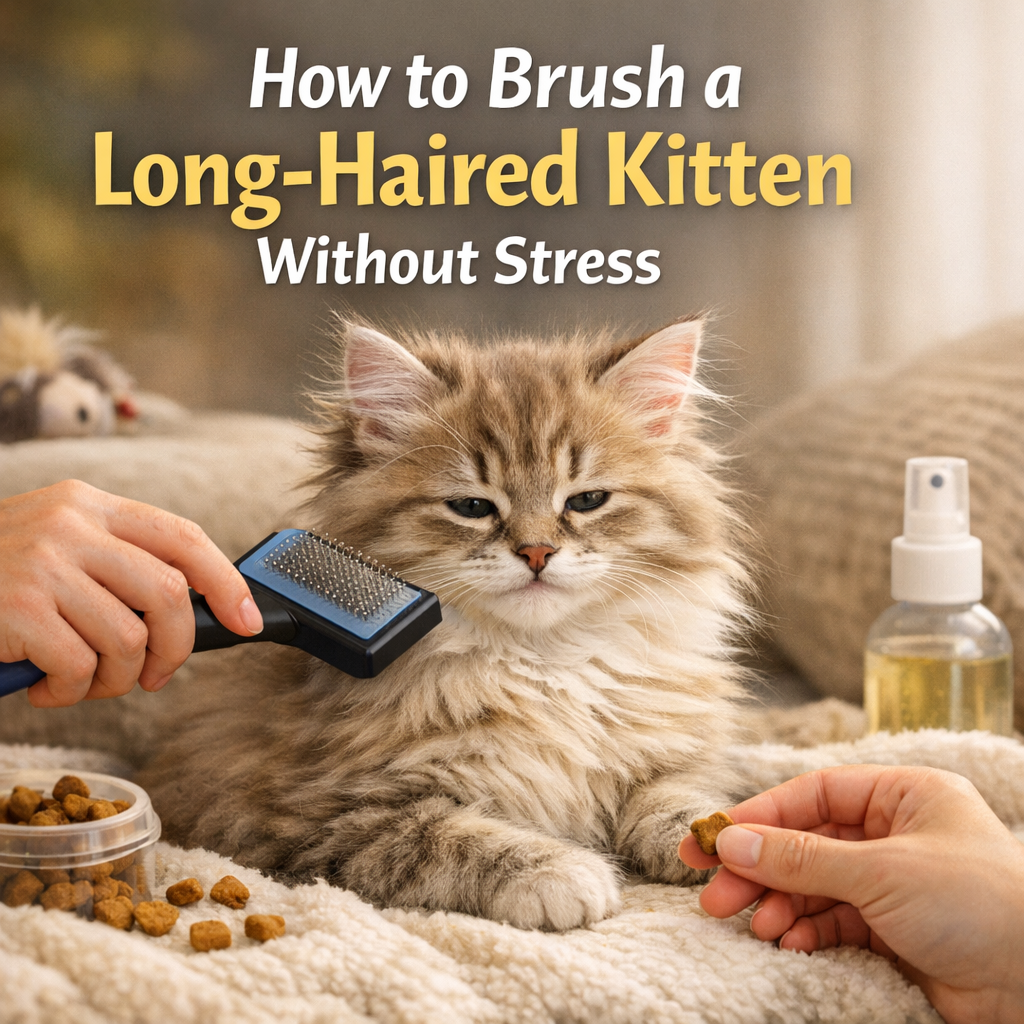
- Start Early and Stay Calm: Begin grooming sessions when your kitten is relaxed (after play or meals) and use gradual desensitization with treats to build a positive association with brushing.
- Use the Right Tools: Invest in metal combs and rubber brushes designed for long hair to reach the undercoat, and always trim claws before starting to ensure safety for both the pet and owner.
- Consistency is Key: Brush at least twice weekly (ideally daily) to prevent painful mats, reduce hairballs, and allow for regular checks of skin health and parasite control.
- Prioritize Safety: Never use human shampoo or scissors on mats; instead, use detangling sprays for knots and consult a professional groomer or vet for severe matting or skin issues.
Table of Contents
How to Brush a Long-Haired Kitten Without Stress
Bringing home a fluffy kitten is a dream, but managing that mountain of fur can quickly become a challenge. Long-haired breeds like Persians or Maine Coons require serious coat maintenance to stay healthy and mat-free.
If you do not start early, your kitten might grow to view the brush as an enemy. At Bella Gatti US Shop, we know that a well-groomed cat is a happy cat, much like a fresh Unisex Soft Cotton Tee makes for a happy human. The preparation phase (brushing) is essential to remove mats.
Preparation and patience are your best friends when tackling feline hair care for the first time. Mastering the art of cat grooming requires the right mindset and a few professional tricks to keep things purring along.
Safe Timing and Creating a Calm Grooming Environment
Timing is everything when it comes to stress-free cat grooming. Experts at the ASPCA suggest scheduling your sessions when your kitten is at her most mellow, such as immediately after an intense play session or a heavy meal.
Setting the stage is just as important as the brush itself. Choose a quiet room away from the hum of the vacuum or the noise of an iPhone to minimize anxiety and keep your kitten focused on the positive experience.
Creating a soothing atmosphere helps reduce stress-induced over-grooming. A calm kitten is much more likely to tolerate the detailed work required for long-term coat maintenance.
Proper Handling and Gentle Restraint Techniques
Success in grooming long-haired cats depends on how you hold your feline friend. Use gentle restraint methods like wrapping your kitten loosely in a soft towel, often called the burrito technique, to keep them feeling secure.
You can also try sitting on a quiet chair with the kitten on your lap, providing a stable base for feline hair care. Proper handling prevents sudden movements that could lead to accidental nicks or feline stress during the process.
The goal is to avoid force at all costs. If your kitten begins to struggle, take a break and consult a tutorial on low-stress handling or check for professional cat groomer tips on feline hygiene.
Essential Pre-Grooming Preparation and Supplies
Before you even touch the fur, you must prepare your pet grooming supplies. Advice from experts emphasizes trimming cat claws before you begin any brushing or bathing to protect your own skin from accidental scratches.
Gather your kit ahead of time, including soft brushes, metal combs, and perhaps some treats to reward good behavior. Being organized ensures you do not have to leave the kitten mid-session, which can break the sense of calm.
Regularly prepping your tools also allows you to check for flea and tick prevention needs. Having everything ready makes removing dead hair a seamless part of your daily routine rather than a chaotic chore.
Choosing the Most Appropriate Grooming Tools
Not all brushes are created equal when it comes to long-haired kitten care. Using metal combs or rubber brushes specifically designed for long hair is essential for reaching the undercoat where mats usually form.
For those stubborn knots, special mat-splitters or wide-toothed combs are recommended to manage long hair effectively without pulling on the skin. This prevents the development of allergic dermatitis caused by constant skin irritation.
Investing in quality tools is just as important as choosing a high-quality graphic tee. The right equipment ensures you are removing dead hair efficiently while supporting overall cat skin care and sebaceous gland health.
Gradual Desensitization to the Grooming Process
You cannot expect a kitten to enjoy a full grooming session overnight. Breaking feline hair care into short, positive sessions helps a long-haired kitten get accustomed to the sensation of being handled and brushed.
Start by letting them sniff the tools, then progress to a few strokes of the brush followed by a high-value treat. This gradual desensitization reduces the need for future veterinary grooming interventions due to behavioral issues.
Over time, your kitten will associate the brush with affection and rewards. This slow approach is the gold standard for trichobezoar management, as it ensures the cat remains cooperative for life-long hairball prevention.
The Step-by-Step Bathing Process for Kittens
Bathing your cat is not always necessary, but for long-haired breeds, a deep clean is sometimes required. Start by washing with lukewarm water and a gentle cat shampoo dilution specifically formulated for feline hygiene.
Careful rinsing is vital to prevent skin irritation, and you should always use cotton balls to protect the ears from water. This prevents potential infections and keeps the aural cleaning process separate and safe.
Finish by towel-drying or using a low-heat blow dryer if the kitten allows it. Always monitor their reaction closely to ensure the bathing steps do not cause a spike in feline stress levels.
Regular Brushing to Reduce Hairballs and Tangles
Brushing one or two times weekly is vital for long-haired cats, especially those living indoors. This routine is the most effective way to remove dead hair before it can be swallowed and turned into a hairball.
Consistent brushing also prevents the formation of matted fur, which can be painful and difficult to remove. Regular coat maintenance ensures that the fur remains silky and free of debris that could lead to prevent life-threatening intestinal blockages or choking by keeping small objects like hair ties, string, and small toy parts out of reach issues.
By staying on top of the shedding cycle, you contribute to a healthier home environment. Much like a well-maintained wardrobe, a well-brushed cat stays looking sharp and feeling comfortable every single day.
Checking for Skin and Coat Health During Sessions
Every grooming session is an opportunity to perform a mini-health check. Assess the coat condition for glossiness and keep a sharp eye out for signs of parasites, wounds, or unusual bumps on the skin.
Regular checks help detect issues like allergic dermatitis or fungal infections early, allowing for faster veterinary diagnostics. Monitoring the skin also helps you keep an eye on sebaceous gland health and general hydration.
If you notice any persistent redness or matted fur removal becomes too difficult, it may be time to consult a professional cat groomer. Early detection through grooming is a cornerstone of proactive feline health management.
Managing Tangles and Mats Safely
If you find a knot while brushing your cat, do not panic. Use your fingers to gently tease the hair apart before bringing in the comb. This stress-free handling technique is much less scary for a kitten than tugging at their sensitive skin.
For tougher clumps, apply a topical grooming solution or a detangling spray designed for feline hygiene. This lubricates the hair fibers and allows the comb to slide through more easily, supporting better coat maintenance without the drama.
If a mat is tight against the skin, do not pull or use scissors, as kitten skin is incredibly thin. This is when a professional cat groomer or a trip to the vet for matted fur removal becomes the safest option for your pet.
Nutritious Diet Supporting Coat and Skin Health
What goes into your kitten is just as important as the brush you use on the outside. A nutritious diet rich in Omega-3 and Omega-6 fatty acids is essential for supporting cat skin care and a glossy, resilient coat.
High-quality proteins help maintain the structural integrity of the fur, making it less prone to breakage and tangling. Consult your vet to ensure your kitten’s meals are optimized for long-term feline hygiene and dermatological health.
Proper hydration also plays a massive role in skin elasticity. A well-hydrated kitten will have a softer coat that is much easier to brush, reducing the overall stress of your weekly grooming routine.
Frequently Asked Questions and Expert Cat Grooming Tips
Brushing your long-haired kitten is more than just a beauty routine. It is a vital part of feline hygiene that prevents dermatological conditions and keeps your pet comfortable.
At Bella Gatti US Shop, we want your kitten to look as sharp as one of our Cat T-shirts. Here are the answers to the most common questions regarding coat maintenance and feline hair care.
How often should I brush my long-haired kitten?
Ideally, you should aim for a quick daily brush to remove dead hair. At a minimum, long-haired breeds require thorough grooming at least twice a week to prevent matted fur removal from becoming a necessity.
What should I do if my kitten bites the brush?
Stop immediately and redirect their attention to a toy. Biting often means they are over-stimulated or experiencing stress. Keep sessions shorter next time and use more treats to build a positive association.
Can I use human shampoo on my kitten?
No. Human shampoo has a different pH balance and can strip the natural oils from a cat’s skin. This leads to allergic dermatitis, irritation, and extreme dryness. Always use a dedicated cat shampoo.
Do long-haired kittens need their ears cleaned?
Yes, aural cleaning is a critical part of a full grooming routine. Long hair around the ears can trap dirt and wax, potentially leading to fungal infections or parasite control issues. Use a vet-approved cleaner and a cotton ball.
How do I handle nail trims and claw care?
Trimming cat claws is easiest when your kitten is calm or sleepy. Use specialized trimmers to avoid the quick, and offer a treat after every few nails to ensure they stay relaxed.
What is the best way to prevent flea and tick infestations?
Grooming is the perfect time for parasite control checks. Use a fine-toothed comb to look for flea dirt or ticks hiding in the dense undercoat of your Maine Coon or Persian.