TL;DR (Too Long; Didn’t Read)
- Prioritize Health & Isolation: Start with a veterinary wellness exam to ensure the kitten is vaccinated and healthy, then keep them in a dedicated separate room to prevent stress and illness transmission.
- Gradual Scent & Visual Introduction: Use “scent swapping” with bedding and visual barriers like baby gates to help both cats acclimate to each other’s presence without physical contact.
- Supervised Interaction & Positive Reinforcement: Monitor face-to-face meetings closely, distinguishing between normal play and true aggression, while using treats and praise to create positive associations.
- Respect the Resident Cat: Maintain the older cat’s existing routine and resources to minimize territorial behavior and ensure they feel secure throughout the transition.
Table of Contents
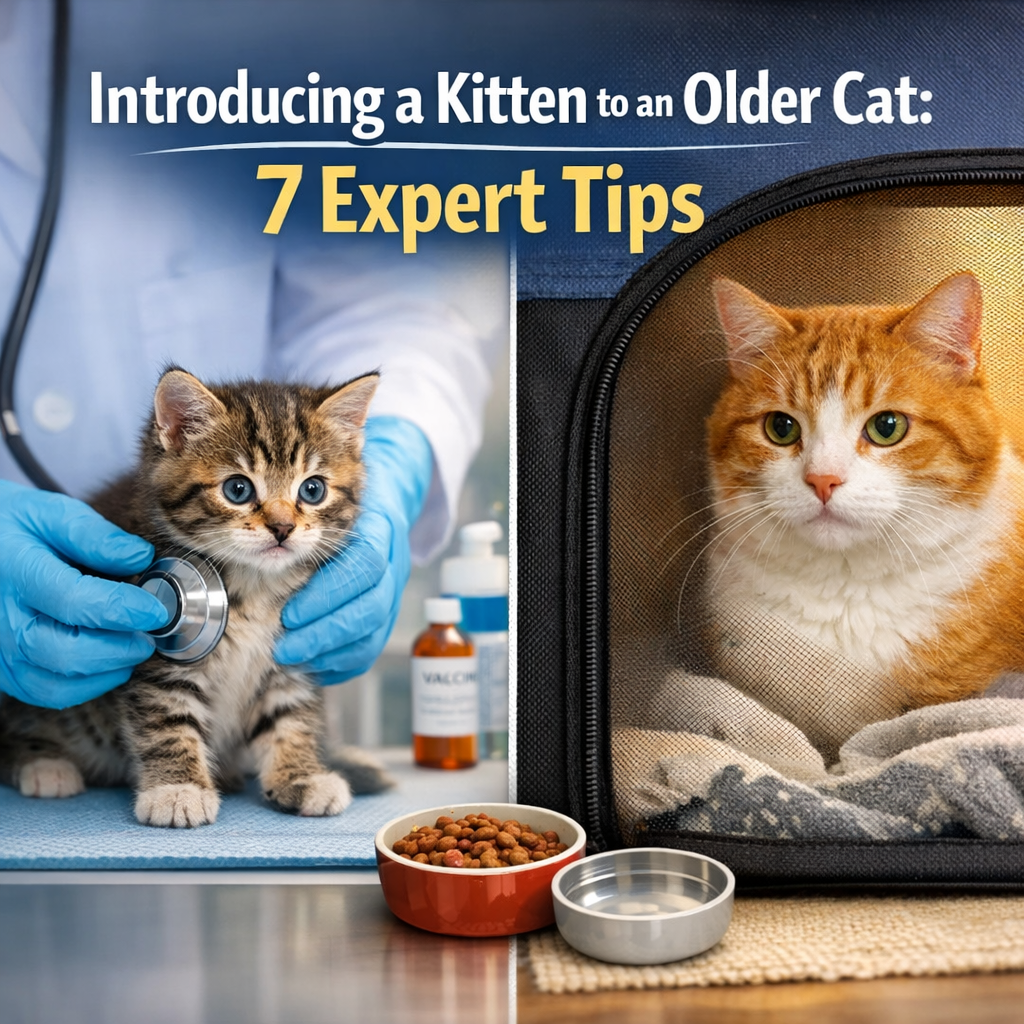
Introducing a Kitten to an Older Cat: 7 Expert Tips
Bringing a tiny ball of fluff into a home ruled by a seasoned feline veteran is an exciting milestone. However, your resident cat might see this new addition as a tiny, chaotic intruder rather than a friend.
In short: Patience is your best tool for a successful feline friendship.
At Bella Gatti US Shop, we know you want your home to be a peaceful sanctuary for all your pets. Whether you are rocking a Unisex Soft Cotton Tee with a witty cat slogan or preparing your living room for a new arrival, these expert tips will help you navigate the delicate process of cat introductions.
The Importance of a Veterinary Wellness Exam
Before the first nose to nose meeting, schedule a veterinary visit for your new kitten. A full veterinary wellness exam ensures your tiny newcomer is healthy and ready for cat socialization.
You must prioritize a strict vaccination schedule and complete any necessary feline vaccinations to protect your resident cat. It is also vital to discuss spaying and neutering with your vet to prevent hormonal territorial behavior later on.
Isolation is key during this time. Keep the kitten in a separate room until your vet clears them of parasites or respiratory issues that could cause feline stress for your older cat.
Creating a Dedicated Kitten Space and Resource Guarding
Providing separate safe spaces helps prevent resource guarding, a common cause of cat aggression. Your older cat needs to feel that their territory is secure and that their lifestyle is not being threatened.
Mastering Scent Swapping and Feline Behavior
Cats communicate primarily through smell. Scent swapping is a powerful technique to build positive reinforcement bonding before the cats ever see each other.
Try rubbing a soft cloth on the kitten and placing it near the resident cat, and vice versa. This introduces the cat scent in a non threatening way, helping to bypass common socialization barriers.
You can even search YouTube for videos on feline vocalization to understand the difference between a curious chirp and a warning hiss. Understanding these nuances in feline behavior is crucial for managing the isolation period.
Using Visual Barriers and Scent Exchange
Once both cats are calm with scent swapping, you can move to visual interactions using a baby gate or a screen door. This allows them to see each other without the risk of a physical altercation.
During this stage, watch for territorial behavior or signs of stress like arching backs or dilated pupils. If you see these warning signs, simply close the door and try again later.
Consulting resources like JustAnswer or watching expert advice from Dr. Phil the Vet can provide extra confidence during these early visual stages. Even a Maine Coon with a gentle reputation needs time to accept a new friend.
Monitoring Play Fighting Versus Aggression
When you finally allow supervised face to face time, you must distinguish between play fighting and true aggression. Playful swatting is normal, but screaming or deep growling indicates a high stress response.
If you notice aggression management is becoming difficult, use a loud noise or a toy to distract them. Never reach in with your hands during a spat; your safety is as important as cat wellness.
If things escalate to inappropriate elimination or excessive hiding, it may be time to restart the separation process. Patience is the only way to ensure a long term bond.
The Role of Positive Reinforcement Bonding
Always reward both cats with treats and praise when they are in the same vicinity. This creates a positive association with the other cat’s presence.
Whether you are grooming kittens to keep them calm or playing with your older cat using a feather wand, keep the energy light and fun. This reduces the chance of feline stress and territorial disputes.
Remember, the goal is a peaceful home where you can relax in your favorite cat themed apparel while your two feline friends nap nearby. With the right timing and a bit of love, your household will be a harmonious sanctuary.
1. Create a Dedicated Kitten Space
Before your new kitten even sets a paw inside, you must establish a separate kitten space. Think of it as a VIP lounge where the youngster can feel safe while the resident cat maintains their established cat territory.
Use a spare bedroom or a bathroom equipped with all the essentials. This includes a litter box, fresh food, water, and plenty of interactive toys to keep them occupied during the isolation period.
This separate rooms strategy is crucial for the feline acclimatization process. It prevents your senior cat from feeling like their entire world has been invaded overnight by a tiny, energetic stranger.
Make sure this sanctuary is completely secure. Kittens are surprisingly good at squeezing through small gaps, and you want to control every interaction during these early days to avoid a stress response.
Providing separate safe spaces helps establish familiarity. This setup reduces territorial behavior and resource guarding, which are common hurdles when you introduce a kitten to an older cat.
During this phase, ensure the room allows for easy socialization. You should spend quality time in the kitten space to help with cat bonding and to monitor for any signs of feline stress or illness.
While your new arrival settles in, remember that patience is key. The goal of this isolation period is to make the transition as smooth as possible for both the kitten and the resident cat.
At Bella Gatti US Shop, we believe a happy home starts with a comfortable cat. Just like you would not want a stranger crashing on your couch without notice, your older cat needs time to adjust.
Keep the door closed and let the scents do the talking for now. This approach respects the older cat’s boundaries while giving the new kitten a chance to build confidence in their new environment.
2. Prioritize a Veterinary Wellness Exam
Never introduce a new kitten to your older cat without a clean bill of health. Schedule a veterinary wellness exam on the very first day if you can, as ensuring both cats are healthy is the foundation of a stress response free home.
Your vet will check for parasites and ensure the vaccination schedule is up to date. This prevents the transmission of illnesses to your resident cat and protects your tiny newcomer from existing household germs. You might even want to record the visit on your phone to keep track of the vet’s specific advice for your Maine Coon or mixed breed.
Discussing spaying and neutering is essential during this visit. Intact cats often display more territorial behavior and cat aggression, which can lead to inappropriate elimination or loud feline vocalization that keeps the whole house awake.
In short: A healthy kitten is a happy kitten, and a safe resident cat is a relaxed one.
Health and Vaccination Status: Protecting Your Resident Cat
The kitten care phase requires strict isolation until your vet gives the thumbs up. This isolation period is not just for peace and quiet; it prevents the spread of socialization barriers like feline leukemia or respiratory infections.
If you have questions about specific symptoms, platforms like JustAnswer or experts like Dr. Phil the Vet can offer quick insights, but nothing replaces an in person cat wellness exam. Keeping the kitten in separate rooms until they are fully vaccinated is a non negotiable rule for responsible owners.
By prioritizing this veterinary visit, you reduce feline stress for everyone involved. Once the medical hurdles are cleared, you can begin the feline acclimatization process with confidence, moving toward scent swapping and eventual face to face bonding.
3. Master the Art of Scent Swapping
Cats live in a world of complex olfactory signals. Before they ever lock eyes, they should be well acquainted with each other’s cat scent.
This process, known as scent swapping, helps normalize the presence of the other animal without the pressure of a face to face encounter. It is a vital step in the feline acclimatization process.
Rub a soft cloth or a spare Unisex Soft Cotton Tee on the kitten and place it near the older cat’s food bowl. Do the same with the older cat’s scent for the new kitten.
If the resident cat reacts calmly to the cloth, reward them with high value treats. This creates a positive reinforcement bonding association with the newcomer’s smell before they even meet.
Managing Territorial Behavior and Feline Stress
During the initial isolation period, scent swapping serves as a bridge between separate rooms. It allows your senior cat to process the change without feeling a threat to their cat territory.
Territorial behavior is natural, but you can minimize aggression management issues by swapping bedding between the two areas. This blends the household scents together into a communal profile.
Watch for warning signs like hissing at the scented object or inappropriate elimination. If these occur, it suggests the feline stress levels are too high and you should slow the process down.
Comparison of Interaction Stages
| Stage |
Method |
Goal |
| Phase 1 |
Complete Separation |
Safety and health checks |
| Phase 2 |
Scent Swapping |
Olfactory recognition |
| Phase 3 |
Visual Barrier |
Safe observation via baby gate |
| Phase 4 |
Supervised Meeting |
Controlled socialization |
Responding to Aggression and Resource Guarding
If you notice resource guarding around food bowls or favorite spots during scent exchange, provide extra resources. Ensure both cats have their own dedicated kitten space and senior zones.
When you eventually move to visual barriers, keep a distraction ready. If you see signs of cat aggression, such as arching backs or intense feline vocalization, use a toy to redirect their attention.
Patience is key. Some cats bond in a weekend, while others may take a week or longer to move past play fighting versus aggression. If a physical altercation happens, return to the scent swapping phase immediately.
For more complex behavioral issues, many owners turn to resources like YouTube or JustAnswer. You can even find expert advice from professionals like Dr. Phil the Vet to ensure a smooth transition.
4. Use Visual Barriers and Socialization Barriers
Once your resident cat and new kitten are comfortable with scent swapping, it is time for the feline acclimatization process to go visual. A sturdy baby gate or a screen door serves as the perfect socialization barrier. This setup allows them to observe territorial behavior from a safe distance without the risk of a physical stress response.
You want to make these first glimpses as positive as possible. Try feeding both cats on opposite sides of the baby gate. This clever bit of positive reinforcement bonding encourages them to associate the sight of their new roommate with the glory of a full stomach.
If you hear feline vocalization like intense growling or hissing, do not panic. Simply increase the distance between the food bowls and try again later. Watching a YouTube video on feline behavior can help you distinguish between a curious chirp and a genuine warning sign of cat aggression.
Patience is vital during this isolation period. If the older cat shows signs of resource guarding or inappropriate elimination, it is a signal to slow down. You might even want to consult JustAnswer or a professional like Dr. Phil the Vet if the stress response seems excessive.
Remember that a kitten should ideally be kept in their separate kitten space until they have completed their vaccination schedule. Ensuring both cats are up to date on vaccinations and have had a recent veterinary wellness exam prevents the spread of illness during these face to face meetings.
Keep these visual sessions short and sweet. If things get heated, distract them with a toy or a soft Unisex Soft Cotton Tee. By managing the environment closely, you prevent play fighting from escalating into a real scrap, ensuring a smoother path toward total cat bonding.
5. Monitor for Warning Signs and Aggression
To keep the peace, you must become an expert in feline behavior and body language. Keep a close watch for warning signs like flattened ears, a puffed up tail, or intense resource guarding over toys and food bowls.
It is perfectly normal for a Maine Coon or any senior resident cat to hiss occasionally to set boundaries. This is a standard part of the feline acclimatization process and helps the kitten learn social limits.
However, if you witness actual cat aggression, you must intervene immediately to prevent a severe stress response. Never use your hands to break up a fight; instead, use a loud noise or a piece of cardboard to break their line of sight.
Watch for signs of feline stress such as inappropriate elimination or excessive feline vocalization. If these behaviors occur, it is a clear signal that the cat territory feels threatened and you may need to restart the isolation period.
Patience and timing are everything when introducing a kitten to an older cat. If you feel overwhelmed, you can search Google or YouTube for visual guides, or consult experts on JustAnswer and Dr. Phil the Vet for professional advice.
Remember that play fighting versus aggression can look similar on a video, but real aggression involves deep growls and intent to harm. If things get heated, distract them with toys to encourage a retreat.
Your goal during this stage is not immediate best friends, but a total lack of conflict. Consistent positive reinforcement bonding and respecting the isolation period will pay off in years of household harmony.
“The goal is not immediate best friends, but a lack of conflict. Patience during the isolation period pays off in years of harmony.”
6. Gradual Introduction and Supervised Play
When you finally allow your feline duo into the same room, keep these face to face sessions short and sweet. Use positive reinforcement bonding by offering high value treats and verbal praise to both the new kitten and your resident cat. Dr. Phil the Vet often suggests using wand toys during these meetings to distract the kitten’s high energy away from the older cat, ensuring the interaction remains controlled.
Distinguishing play fighting versus aggression is key to maintaining a peaceful home. Play is usually silent with inhibited bites and hopping movements, while true cat aggression involves loud feline vocalization, flattened ears, and unsheathed claws. If your older cat seems overwhelmed by the tiny intruder, ensure they have a high perch or a sturdy cat tree where the kitten cannot reach, allowing them to observe the situation from a safe distance.
Patience and timing are the most critical factors during this phase of the feline acclimatization process. Top experts agree that the introduction process may take a week or even longer, requiring dedicated bonding time and gradual exposure. Do not rush the process; if you notice signs of feline stress, it is perfectly okay to return to the isolation period for a few days to let everyone decompress.
Responding to aggression requires a calm but firm hand. If you witness threatening behaviors like hissing, arching, or intense resource guarding, distract the cats with a toy or a sudden noise to encourage a retreat. If physical altercations happen, separate them immediately to minimize injury risk and consult a professional via platforms like JustAnswer or YouTube for visual guides on managing territorial behavior.
Remember that your senior resident cat might have a different stress response than a bouncy Maine Coon kitten. While you are busy grooming kittens and managing their vaccination schedule, do not forget to give your older cat extra love. Much like our Unisex Soft Cotton Tees, a good introduction should feel comfortable, high quality, and perfectly fitted to your unique household dynamic.
7. Maintain Consistency for the Resident Cat
Your older cat was the ruler of this domain long before the fluff arrived. To minimize territorial behavior and resource guarding, keep their daily routine exactly the same. Feed your resident cat at the same time, in the same place, and ensure they receive plenty of exclusive one on one attention.
In short: Do not let the new kitten overshadow the king or queen of the house. Respecting the cat territory of your senior feline reduces the likelihood of aggression management issues. Your older cat needs to feel that their favorite sunny spots and high value resources are still secure despite the tiny roommate.
Monitoring Behavior and Warning Signs
Even with a steady routine, you must watch for warning signs of feline stress. Keep an eye out for inappropriate elimination, feline vocalization that sounds distressed, or abnormal grooming kittens behaviors. If your older cat begins hiding excessively or shows cat aggression, it is a sign the feline acclimatization process is moving too fast.
If you notice these socialization barriers, do not hesitate to restart the isolation period. It is better to take two steps back than to let a stress response turn into a permanent grudge. If the territorial behavior persists or you see signs of resource guarding, consult Dr. Phil the Vet or search for expert demonstrations on YouTube and Google via your phone.
Health, Vaccination, and Safety First
Before the resident cat and new kitten share a baby gate or a room, a veterinary wellness exam is mandatory. Ensure the kitten has completed their vaccination schedule to prevent disease transmission. Kitten care basics like spaying and neutering should also be addressed early to prevent hormonal cat aggression during the cat bonding phase.
Whether you are adopting a cat that is a Maine Coon or a local rescue, cat wellness exam results are the green light for physical interaction. If you have immediate concerns about feline behavior or play fighting versus aggression, platforms like JustAnswer can provide quick professional insights while you wait for your veterinary visit.
At Bella Gatti US Shop, we believe a happy home starts with a comfortable cat. While you navigate the scent swapping and separate rooms phase, remember that patience is your most valuable asset. Soon enough, your older cat and new kitten will be the perfect pair to feature on your next favorite Unisex Soft Cotton Tee.
Frequently Asked Questions About Cat Introductions
How long does it take to introduce a kitten to an older cat?
The feline acclimatization process typically takes anywhere from one week to several months. Every resident cat has a unique personality, and some may require an extended isolation period before they feel comfortable sharing their cat territory.
Your success depends on how strictly you follow steps like scent swapping and using visual barriers. If you rush the timeline, you risk triggering a long term stress response or territorial behavior that can be hard to reverse.
What if my older cat keeps hissing at the kitten?
Hissing is a natural form of feline vocalization used to establish socialization barriers. It is often the older cat teaching the kitten manners and setting boundaries within the home.
As long as the hissing does not escalate into physical cat aggression or resource guarding, it is a normal part of the process. If you notice warning signs like intense stalking or biting, go back a step in the introduction process.
Should I leave them alone together?
Never leave a new kitten and an older cat alone until you have observed multiple weeks of peaceful, unsupervised interactions. Kitten care requires constant monitoring to ensure the smaller cat does not get injured during play fighting.
Before allowing total freedom, ensure both cats exhibit positive reinforcement bonding behaviors, such as grooming each other or sleeping near one another without tension. Use a baby gate during the transition to maintain safety.
Can I use pheromone diffusers to help?
Yes, many owners find success using synthetic pheromones to reduce feline stress. These are especially helpful in the dedicated kitten space and the main living areas where the resident cat spends most of their time.
While diffusers help manage the environment, they are not a substitute for a gradual introduction. You should still prioritize scent swapping and maintaining a consistent routine to keep both cats feeling secure.
When should the kitten have a veterinary wellness exam?
Before the first physical meeting, the kitten must undergo a full veterinary wellness exam. This includes a vaccination schedule, feline leukemia testing, and a plan for spaying and neutering to prevent future behavioral issues.
It is vital to confirm the kitten is healthy to protect your resident cat from illness. Your vet can also provide advice on managing feline stress if your older cat has underlying health issues like arthritis or heart disease.
What are the warning signs of a bad introduction?
Watch for signs of extreme feline stress such as inappropriate elimination, excessive grooming, or hiding for long periods. If your older cat stops eating or shows intense aggression management issues, consult a professional like Dr. Phil the Vet.
If you see physical altercations, separate them immediately. You can find helpful tutorials on YouTube or Google that demonstrate the difference between normal play fighting and dangerous territorial behavior.