TL;DR (Too Long; Didn’t Read)
- Outdoor cats face significantly higher health risks, including fatal viral infections like Rabies and Feline Leukemia (FeLV), as well as highly contagious respiratory diseases.
- Environmental hazards such as vehicles, predators, and toxic garden plants (especially lilies) pose immediate life-threatening dangers to free-roaming felines.
- Internal and external parasites, including heartworms, fleas, and ticks, can lead to chronic illness and zoonotic diseases that may spread to human owners.
- A strict vaccination schedule (FVRCP and Rabies), consistent parasite prevention, and regular veterinary check-ups are essential to mitigating these outdoor risks.
Table of Contents
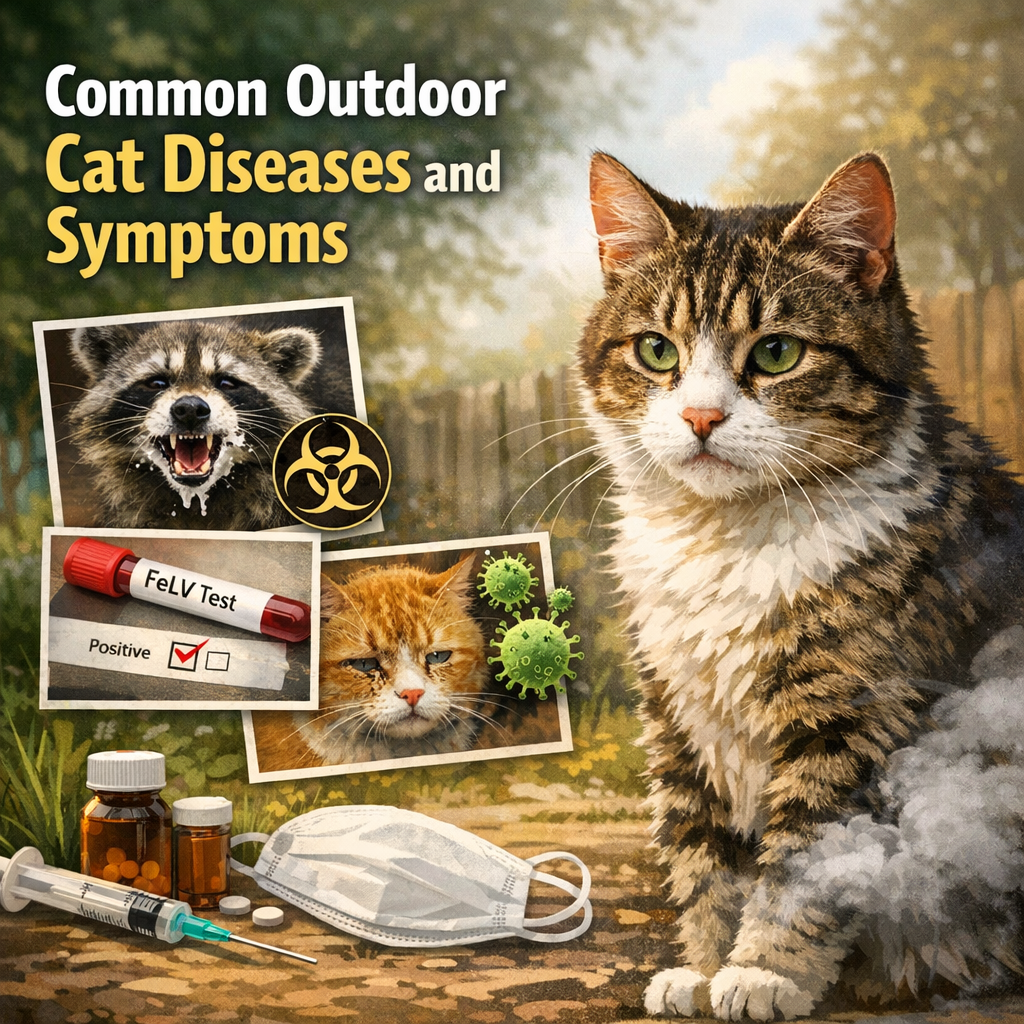
Common Outdoor Cat Diseases and Symptoms
Do you have a little adventurer who loves the great outdoors? While the backyard feels like a kingdom to your cat, it is also a playground for invisible germs and infectious diseases.
Knowing the risks helps you keep your feline friend safe while they explore. At Bella Gatti US Shop, we love a bold cat graphic on a soft cotton tee, but we love healthy cats even more. If you’re considering how to transition your cat from outdoor to indoor living, it’s important to understand the necessary steps.
In short: outdoor cats face significantly higher health risks than indoor pets. From tiny parasites to serious viral infections, the environment is full of challenges. Stay sharp and watch for the signs.
Understanding Feline Respiratory Tract Infections
Outdoor cat dangers often start with the air they breathe. Upper respiratory infections are highly contagious and spread through airborne droplet particles in the environment.
Key culprits include feline herpesvirus and calicivirus. These viruses lead to sneezing, nasal discharge, and painful mouth sores that can make your cat feel miserable.
The FVRCP vaccine is your best defense against these respiratory threats. Veterinary experts like Jo Myers and organizations like the ASPCA emphasize that prevention is easier than the cure.
The Threat of Feline Leukemia Virus and Feline Distemper
Feline leukemia virus is a major concern because it is the most common cause of feline cancer. It is highly contagious and spreads through direct contact or shared saliva.
Because this virus is almost always fatal if contracted, feline vaccinations are a non-negotiable part of outdoor cat safety. Every high risk outdoor explorer needs this protection.
Feline distemper, also known as panleukopenia, is another severe threat. This virus attacks the immune system and can be deadly if your cat is not caught up on their vaccine schedule.
Rabies and Zoonotic Disease Risks
Rabies is a terrifying reality for free roaming cats. It has a nearly 100 percent fatality rate and is often transmitted by infected wildlife or other stray animals.
This is a zoonotic disease, meaning it can jump from your cat to you. Vaccination is often legally required because it protects both cats and humans from this fatal virus. If you’re looking for ways to help ensure your cat’s health, you may want to explore some essential tips on how to care for a kitten.
If you suspect your cat has interacted with a rabid animal, contact your vet immediately. You can find helpful guides on platforms like Google and YouTube to identify early warning signs.
Internal Parasites and Heartworm Disease
Your cat might be a hunter, but they can also be a host. Outdoor cats are frequently exposed to internal parasites like hookworms or roundworms through infected soil or prey.
Heartworm disease is a silent killer transmitted by mosquitoes. While many think it only affects dogs, it is equally dangerous for cats and often has no cure once established.
Using consistent heartworm prevention and regular deworming treatments is vital. These tiny invaders can cause long term damage to your pet health if left untreated.
External Threats: Flea and Tick Prevention
Cat parasites are not just on the inside. Fleas and ticks are waiting in the grass to hitch a ride on your furry friend, leading to skin infections and blood borne illnesses.
Flea prevention is essential to avoid infestations in your home. Ticks can carry diseases that lead to joint pain, fever, and even feline infectious peritonitis in vulnerable cats.
Check your cat daily after they come inside. A quick brush and a consistent preventative routine will keep those itchy pests at bay while your cat enjoys their kingdom.
Toxic Outdoor Plants and Poisoning Risks
The garden can be a minefield of toxins. Lily toxicity is a major emergency, as even a small amount of pollen can cause total kidney failure in cats.
Other hazards include sago palms, castor beans, and even common landscaping items like toxic mulch. Symptoms like vomiting and lethargy should never be ignored.
Be wary of secondary toxicity from rat poison. If your cat catches a rodent that has ingested poison, they can become victims of the toxin themselves.
Predation and Cat Bite Wounds
The wild is full of competitors. Outdoor cats face predation from coyotes, dogs, and large birds of prey that view them as a meal rather than a neighbor.
Fighting with other cats often results in deep cat bite wounds. These injuries easily become abscessed and are a primary way feline immunodeficiency virus is spread.
If your cat returns with a wound, even a small one, it requires professional care. Vetster and other telehealth services can help you determine if an emergency visit is needed.
Environmental Hazards and Weather Safety
Vehicles are one of the most immediate outdoor cat dangers. Injuries from cars are often severe or fatal, making supervised outdoor activities a much safer alternative.
Extreme weather also plays a role in cat health risks. In winter, cats can suffer from hypothermia or chemical burns from ice salt and antifreeze poisoning.
In the summer, overheating is a risk, though cats are skilled at finding shade. Always ensure your cat has a way to get back inside if the temperature fluctuates rapidly.
Expert Insight
“While the outdoors offers exercise and stimulation, unsupervised cats face severe risks from predators, vehicles, and extreme temperatures, resulting in an average lifespan of just two to five years compared to fifteen or more years for indoor cats.” (Veterinary Health Expert, PetMD)
Feline Upper Respiratory Tract Infections
Think of these as the common cold, but for cats. Feline respiratory tract infections are highly contagious and often airborne, making them a top concern for outdoor cat safety.
These infectious diseases spread through tiny droplet particles when an infected cat sneezes or coughs nearby. Outdoors, your cat is much more likely to encounter these germs through contact with other free roaming cats.
The primary culprits behind these issues are feline herpesvirus and calicivirus. These viruses are major components of the standard FVRCP vaccine, which is a critical part of any cat vaccine schedule for outdoor roamers.
According to experts like Jo Myers at Vetster, these infections can linger in the environment. Symptoms usually include frequent sneezing, nasal discharge, and runny eyes that may look like a feline version of the flu.
You might also notice your cat seems congested or lethargic. If they stop eating because they cannot smell their food, it is time for a vet visit to prevent further health risks.
The ASPCA notes that while indoor cats can catch these, the risk of exposure to feline herpesvirus and calicivirus skyrocket once a cat steps outside. Keeping up with feline vaccinations is the best way to protect your pet.
Expert Insight
“The FVRCP vaccine is a core requirement for all cats regardless of lifestyle, as these highly contagious viruses can survive in the environment or be brought indoors on clothing, making vaccination the most effective way to prevent serious respiratory infections and life-threatening diseases.” (Cornell Feline Health Center Expert)
Feline Leukemia Virus (FeLV)
This is a heavy hitter in the world of cat health. Feline leukemia virus is a retrovirus that stands as the most common cause of feline cancer. It is a serious diagnosis that requires immediate attention from your vet to manage the long term effects.
Transmission happens through direct contact with an infected cat. This includes sharing water bowls, mutual grooming, or even through saliva during a scuffle. For high risk outdoor cats, getting the FeLV vaccine is a critical line of defense in your cat vaccine schedule.
The scary part? It is almost always fatal if contracted and often stays hidden for a long time. Regular testing is the only way to be sure your cat is clear, especially since infected cats can look perfectly healthy for months while the virus attacks their immune system.
Because FeLV is highly contagious, the ASPCA and experts recommend keeping infected cats strictly indoors to prevent spreading it to the local feline population. If your cat loves the outdoor lifestyle, this infectious disease is one of the primary outdoor cat dangers you need to guard against.
Feline leukemia virus can lead to various secondary infections and feline cancer, making pet health monitoring essential. You can find helpful videos on Google or YouTube to understand how this virus impacts a cat’s body, but nothing beats a professional consultation and proper feline vaccinations.
Expert Insight
“The feline leukemia virus (FeLV) is responsible for more cat deaths, directly or indirectly, than any other organism, with progressive infection resulting in the worst prognosis and a high risk of fatal associated diseases such as lymphoma and anemia.” (Feline Health Specialists)
The Danger of Rabies in Cats
Rabies is a word that strikes fear into the heart of every pet owner, and for good reason. This viral powerhouse has a nearly 100 percent fatality rate once symptoms appear, making it one of the most serious outdoor cat dangers you will ever face.
Your little explorer is at a much higher risk for rabies because the virus is often transmitted by infected wildlife. Raccoons, skunks, bats, and other free roaming cats are common carriers that your pet might stumble upon during a backyard patrol.
Because this is a zoonotic disease, it can jump directly from animals to humans. Protecting your pet from infected wildlife means you are also protecting yourself and your family from a very dangerous, life threatening situation.
Feline vaccinations are your best line of defense here. In fact, a rabies shot is not just a good idea; it is legally required in many areas. Since outdoor cat safety is a top priority, keeping this specific shot up to date is non negotiable.
If you suspect your cat has had a run in with a stray animal or a wild predator, you should contact a professional immediately. Early intervention and staying current on feline vaccinations are the only ways to manage these infectious diseases.
Internal Parasites and Heartworm Disease
Outdoor cats are constantly exposed to a variety of internal parasites that turn a fun afternoon of hunting into a health nightmare. Your little explorer can pick up these unwelcome guests from infected soil, feces, or by snacking on small rodents.
Common intestinal invaders like roundworms and hookworms are frequently found in the environment. Tapeworms are another common issue, often appearing after your cat ingests a flea or a piece of prey during their outdoor adventures.
Heartworm disease is a silent and deadly threat that many owners mistakenly think only affects dogs. This condition is spread by mosquitoes, which are nearly impossible to avoid once your cat steps off the porch and into the grass.
Because heartworm disease in cats can lead to sudden collapse or respiratory distress, prevention is the only real cure. A consistent monthly preventative treatment is your best defense against these invaders and the serious cat health risks they carry.
Common Parasite Symptoms and Sources
| Parasite Type |
Common Symptoms |
Primary Source |
| Roundworms |
Pot-bellied appearance, diarrhea, vomiting |
Infected soil, feces, or rodents |
| Hookworms |
Anemia, weight loss, skin irritation |
Larvae in the environment or soil |
| Tapeworms |
Rice-like segments near the tail or in stool |
Ingesting fleas or infected prey |
| Heartworms |
Coughing, breathing trouble, sudden collapse |
Infected mosquito bites |
Protecting Your Explorer from Cat Parasites
The ASPCA and experts at Vetster emphasize that regular diagnostic testing is essential for cats with outdoor access. Even if your cat looks healthy, internal parasites can be a zoonotic disease risk, meaning some can be passed from your pet to you.
Working with a professional to establish a strict vaccination schedule and parasite control plan is the best way to manage these outdoor cat dangers. Keeping up with heartworm prevention ensures your feline friend stays healthy and active.
Toxic Outdoor Plants and Poisons
Nature is beautiful, but your garden might be hiding some serious cat health risks. While your feline friend enjoys a sunny stroll, they might encounter flora that is literally poison.
Lily toxicity is a major concern for any pet owner. Even a small amount of pollen on a whisker or a quick nibble on a leaf can lead to acute kidney failure in a matter of hours.
Other botanical hazards include sago palms and castor beans, which can be fatal if ingested. The ASPCA maintains a detailed list of toxic plants that every cat owner should check to ensure outdoor cat safety.
Beyond the flower beds, watch out for man made toxins. Antifreeze poisoning is common in driveways and is often fatal because its sweet taste attracts curious pets. This substance causes rapid kidney failure and requires emergency intervention.
Rat poison is another massive risk in the neighborhood. Cats can suffer from secondary toxicity if they hunt and eat a rodent that has recently ingested the bait, leading to internal bleeding or neurological issues.
Predators and Environmental Hazards
The backyard might feel like a kingdom, but it is also a territory for predators. Outdoor cat dangers include encounters with dogs, coyotes, and even large birds of prey looking for an easy meal.
These interactions often lead to severe cat bite wounds. Without immediate care, these punctures quickly turn into painful, infected abscesses that require a trip to the vet.
Vehicles represent one of the most significant environmental hazards for any feline adventurer. Injuries from cars are often life-threatening and happen in a split second when a cat bolts into the road.
Feline Immunodeficiency Virus and Social Risks
Territorial disputes with other cats are more than just noisy. Fights are the primary way cats transmit feline immunodeficiency virus (FIV) through deep bite wounds.
FIV weakens the immune system over time, making your pet vulnerable to other infections. While cats can live long lives with this condition, they require strict medical management and regular checkups.
Extreme Temperatures and Weather Safety
Weather is another factor in cat health risks. During the winter, outdoor cats are at high risk for hypothermia or suffering chemical burns from ice salt and antifreeze.
In the summer, hyperthermia or overheating can occur if a cat cannot find shade. Always ensure your little explorer has access to a safe, climate-controlled space during extreme weather shifts.
Vaccination and Preventative Care
Prevention is the best medicine for your adventurous feline. Following a strict cat vaccine schedule is the most effective way to lower outdoor cat dangers. Your vet is your ultimate partner in keeping your feline explorer healthy.
Stay on top of flea prevention and tick prevention to avoid nasty cat parasites. These pests carry zoonotic diseases like Lyme or Bartonella, also known as cat scratch disease. A quick monthly treatment saves a lot of itching and potential illness for both you and your pet.
Regular check-ups are vital because cats are masters at hiding pain. A professional exam can catch issues like feline infectious peritonitis or early signs of feline cancer before they become crises.
FVRCP and Core Protection
The FVRCP vaccine is your primary defense against invisible threats. It protects against feline herpesvirus and calicivirus, which cause symptoms like sneezing and nasal discharge. It also covers panleukopenia, commonly known as feline distemper, which is incredibly hardy and can survive in the environment for long periods.
“The best way to protect an outdoor cat is through a combination of regular vaccinations, consistent parasite prevention, and keen observation for any changes in behavior.” (Jo Myers, Veterinarian at Vetster)
Frequently Asked Questions
Can my indoor cat get these diseases too?
Yes, though the risk is lower. Pests like fleas and mosquitoes can easily enter your home through screens or open doors. You can also track in pathogens on your shoes or clothing from the sidewalk.
How often should my outdoor cat see the vet?
At least once a year, but twice a year is much better for active roamers. Frequent wellness checks allow for regular testing for Feline Leukemia Virus and Feline Immunodeficiency Virus.
What is the FVRCP vaccine?
The FVRCP vaccine is a core feline vaccination that protects against three major threats: Feline Viral Rhinotracheitis, Calicivirus, and Panleukopenia.
Are there environmental hazards I should watch for?
The outdoors is full of hidden toxins. Lily toxicity is a major concern, as ingesting any part of the plant can lead to rapid kidney failure. Other dangerous items include antifreeze, rat poison, and toxic mulch.