TL;DR (Too Long; Didn’t Read)
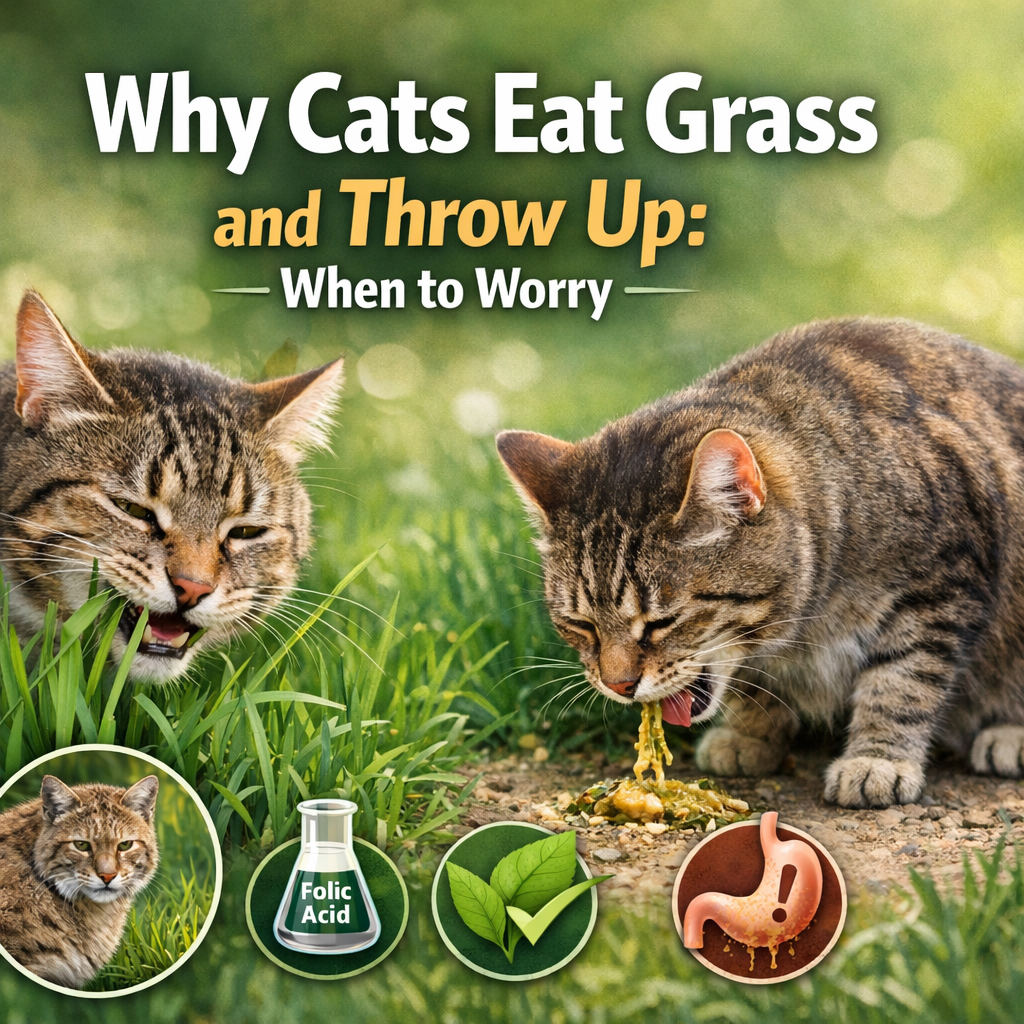
- Natural Instinct: Eating grass is a hardwired behavior inherited from wild ancestors to provide folic acid, act as a natural laxative, and assist in the expulsion of hairballs or indigestible matter.
- Digestive Aid: Because cats lack the enzymes to digest plant matter, grass acts as a mild emetic to clear the stomach of irritants and helps maintain gastrointestinal motility.
- Safety First: Avoid outdoor grass treated with pesticides and toxic houseplants; instead, provide “safe cat grass” (wheat, oat, or barley) for healthy environmental enrichment.
- When to Worry: While occasional grazing is normal, seek veterinary advice if your cat exhibits frequent vomiting, lethargy, weight loss, or if the vomit contains blood or mucus.
Table of Contents
You are relaxing on the sofa when you hear that unmistakable, rhythmic sound. Your cat is hunched over, hacking up a bright green surprise on your favorite rug. It is a classic feline move.
If you have ever wondered why your little predator acts like a tiny cow, you are not alone. While it looks alarming, grazing is actually a very common behavior for domestic cats and even their wild ancestors.
At Bella Gatti US Shop, we love the quirks of cat life, even the messy ones. Whether you are rocking one of our soft cotton Cat T-shirts or cleaning the carpet, understanding feline digestive health is key to being a great pet parent.
The Science of Feline Digestive Health and Grazing
Why do they do it? Experts at the ASPCA and Purina suggest that grass eating instinct is hardwired into their DNA. Even with a balanced cat food diet, your kitty might feel the need for a little extra roughage.
The Mystery of the Feline Salad
Cats are obligate carnivores, which means their bodies are built to process meat rather than plants. However, most owners have witnessed their pets nibbling on greenery at some point. While your cat enjoys a premium balanced cat food, their DNA still carries the instincts of their wild ancestors.
Wild cats often consume the stomach contents of their prey, which naturally includes plant matter. This instinctual behavior persists in our domestic friends today. Even the most pampered indoor cat feels the urge to engage in grazing behavior to support their feline digestive health.
Your cat is likely looking for a specific physiological result when they head for the grass. Whether it is seeking hairball relief or trying to soothe an upset stomach, the grass eating instinct is deeply rooted in their biology. It is not just a quirky habit; it is a survival mechanism passed down through generations. Understanding how to create an environment that promotes satisfying cat instincts can be beneficial for their overall health.
According to veterinary advice from organizations like the ASPCA and the Animal Poison Control Center, this behavior is usually harmless. However, it is important to ensure your cat is not snacking on toxic houseplants or grass treated with herbicides and pesticides. Providing safe cat grass is a great way to offer environmental enrichment while protecting them from poisonous plants.
Research into feline behavior suggests that grass may act as a natural laxative. This aids in gastrointestinal motility, helping your cat pass indigestible items like fur or feathers. By inducing vomiting, grass helps with hairball expulsion, preventing potential blockages in the digestive tract.
If you notice your cat grazing frequently, they might be seeking dietary fiber content or specific digestive enzymes not found in their standard meals. Some experts believe that grass juice contains folic acid, a vitamin that supports feline health symptoms like oxygen flow in the blood. Understanding these wild cat habits helps us provide better indoor cat health care.
Expert Insight
“Eating grass is an instinctive behavior that provides essential roughage and folic acid, acting as a natural laxative to aid digestion and help cats expel hairballs or indigestible matter.”, VCA Animal Hospitals Veterinary Expert
The Real Reasons Behind the Grazing Behavior
If your kitty is struggling with feline constipation, they might seek out a patch of green to help speed up their gastrointestinal motility. It is nature’s way of keeping the pipes clear.
When the Vomiting Becomes a Problem
Occasional vomiting after a grass snack is usually a normal part of feline digestive health. However, there is a fine line between a routine system flush and a medical emergency that requires veterinary diagnostics.
While your cat might be acting on a grass eating instinct to handle hairball relief, you need to be the judge of their gastrointestinal motility. If your kitty is hacking more than once a week or seems lethargic, it is time to seek professional veterinary advice.
Pay close attention to any signs of pesticide exposure or if they have been nibbling on toxic houseplants. If you suspect they have ingested poisonous plants, contact the Animal Poison Control Center or the ASPCA immediately for guidance.
| Behavior |
Is it Normal? |
Action Needed |
| Occasional grass eating |
Yes |
Provide safe cat grass for indoor cat health |
| Vomiting clear liquid with grass |
Yes |
Monitor for 24 hours and check for intestinal parasites |
| Vomiting blood or mucus |
No |
Immediate veterinary advice and diagnostics |
| Frequent hacking without grass |
No |
Check for hairball relief or inflammatory bowel disease |
| Eating toxic houseplants |
No |
Contact Animal Poison Control Center or Purina experts |
Monitoring cat health symptoms is easier when you understand their wild cat habits. Sometimes, a sudden change in grazing behavior can point toward a nutrient deficiency or a need for better enzymatic digestion.
For more tips on feline nutrition and environmental enrichment, you can check out resources like the MyPurina Pet Perks app or the HAPPi program. Staying informed helps ensure your furry friend maintains a balanced cat food diet while satisfying their natural urges.
Environmental Enrichment and Safety for Your Grazing Guru
If your cat loves to graze, you need to ensure their environment is safe. Outdoor grass is often treated with herbicides and pesticides, which are highly toxic to felines and can disrupt gastrointestinal motility.
Pesticide exposure can lead to seizures, extreme cat health symptoms, or worse. If you have an outdoor cat, be mindful of what your neighbors use on their lawns, as these chemicals are a major risk to feline digestive health.
For indoor cat health, the best solution is to grow your own greens. You can find kits for wheatgrass or barley grass that provide excellent environmental enrichment without the risk of poisonous plants or intestinal parasites.
Providing a safe, indoor source of grass allows cats to satisfy their instinctual behavior and grass eating instinct. This helps with hairball expulsion and provides a natural laxative effect without the dangers associated with outdoor chemicals.
According to the ASPCA and the Animal Poison Control Center, many common garden greens are safe, but you must avoid toxic houseplants. Always check resources like the MyPurina Pet Perks app or the HAPPi program for a list of cat-friendly foliage.
If you notice your cat is obsessively eating grass or showing signs of nutrient deficiency, it might be time for veterinary diagnostics. A professional can determine if your kitty needs more dietary fiber content or specific digestive enzymes in their balanced cat food.
By offering safe cat grass, you are supporting their wild cat habits in a controlled way. This simple addition to your home reduces feline constipation and ensures your little hunter stays happy, healthy, and stylish.
Hairballs, Diet, and Feline Digestive Health
If your cat is constantly seeking grass, they might be struggling with hairball relief. Long-haired breeds are especially prone to blockages that require extra help to move through the digestive tract.
Grass acts as a natural laxative, aiding in hairball expulsion and improving gastrointestinal motility. This instinctual behavior helps clear out undigested fur before it becomes a serious medical issue.
In some cases, frequent grass eating can be a sign of inflammatory bowel disease or a nutrient deficiency. If you use the MyPurina Pet Perks app or follow the HAPPi program, you can track these grazing behaviors over time.
Monitoring these trends is a great way to provide your vet with data during veterinary diagnostics. You can even find helpful tutorials on Google or YouTube to help identify subtle cat health symptoms.
Ensure you are providing a balanced cat food that meets all their cat dietary needs. Proper cat nutrition requires the right dietary fiber content and enzymatic digestion to keep things moving smoothly.
Sometimes, simply switching to a high-fiber formula can reduce their obsession with the lawn. If the behavior persists, it could indicate intestinal parasites or feline constipation, which require professional veterinary advice.
While grazing is often harmless, always check the ASPCA or the Animal Poison Control Center lists to ensure your indoor greenery is safe. Keeping your kitty away from toxic houseplants is the first rule of pet safety.
Frequently Asked Questions About Feline Grazing
Is safe cat grass different from the lawn in my yard?
Yes, and the difference is huge for feline digestive health. Most lawn grass is treated with herbicides and pesticides that are toxic to your pet.
Safe cat grass is typically grown from barley, oat, or wheat seeds. It is much softer on the throat and free from the nasty chemicals found on outdoor turf.
Can cats get addicted to eating grass?
While it might look like an obsession, it is actually an instinctual behavior inherited from wild cat habits. They are not addicts; they are just following their DNA.
If you notice your cat grazing constantly, they might be seeking upset stomach relief for a chronic issue like inflammatory bowel disease or a nutrient deficiency.
What should I do if my cat eats poisonous plants?
If your cat nibbles on toxic houseplants like lilies or azaleas, stop them immediately. This is a medical emergency that requires swift veterinary diagnostics.
Contact your local vet or the ASPCA Animal Poison Control Center right away. You can also check the MyPurina Pet Perks app or the HAPPi program for quick safety tips.
Does grass help with feline constipation?
It certainly does. The high dietary fiber content in grass acts as a natural laxative to help bulk up the stool.
This fiber stimulates gastrointestinal motility, helping your cat pass waste more easily. It is a simple way to support better feline digestive health through environmental enrichment.
Is cat vomiting grass always a bad sign?
Not necessarily. Many cats use grass to trigger the expulsion of indigestible items. It is a common part of their grazing behavior to clear out the system.
However, if the vomiting is accompanied by lethargy or weight loss, seek professional veterinary advice. Frequent vomiting could signal intestinal parasites or other underlying health issues.
Can grass help with hairball expulsion?
Absolutely. Grass provides the roughage needed to wrap around fur in the stomach. This makes it much easier for your cat to cough up those pesky hairballs.
By aiding in hairball relief, grass prevents fur from moving deeper into the tract where it could cause a dangerous blockage. It is a natural part of maintaining a balanced cat food routine.
Final Thoughts for Cat Parents
In most cases, your cat is just being a cat. They are small, weird, and highly efficient at managing their own self-care through ancient instincts. Whether they are seeking a natural laxative or just a bit of environmental enrichment, grazing is part of the feline experience.
Keep a close eye on their feline digestive health and overall mood. If your kitty is happy, eating their balanced cat food, and only occasionally decorating your floor with green bits, they are likely just fine. It is all part of the charm of owning a little predator who thinks they are a gardener.
While it is tempting to fall down a rabbit hole of Google and YouTube searches, trust your gut as a pet parent. If you notice signs of nutrient deficiency, lethargy, or frequent vomiting that seems unrelated to hairball expulsion, it is time to take action.
Professional veterinary advice is always the best path forward for any concerns regarding gastrointestinal motility or potential intestinal parasites. If you suspect your cat has nibbled on toxic houseplants or has had pesticide exposure, contact your vet or the ASPCA Animal Poison Control Center immediately.
Stay proactive with your indoor cat health by providing safe cat grass and monitoring their grazing behavior. For more tips on cat nutrition and feline constipation relief, you can check out resources like the MyPurina Pet Perks app or the Purina HAPPi program to keep your furry friend thriving.