TL;DR (Too Long; Didn’t Read)
- Muscle vs. Fat: Weight alone is a misleading health metric; cats can be overweight yet suffer from significant muscle wasting (sarcopenia or cachexia) which masks underlying illnesses.
- Early Detection: Muscle loss often appears years before other clinical symptoms; owners should regularly palpate their cat’s spine and shoulder blades to check for prominent or “sharp” bones.
- Age & Disease: While sarcopenia is natural age-related decline in seniors, cachexia is a rapid, dangerous muscle loss triggered by chronic diseases like kidney failure or cancer.
- Nutritional Defense: As obligate carnivores, cats—especially seniors—require high-quality animal protein and specific amino acids to maintain lean mass and metabolic health.
Table of Contents
Cat Weight vs Muscle Loss Guide
You love your cat and naturally want them to stay frisky and agile forever. However, as pets age or face health challenges, your feline friend may start feeling noticeably different under your touch. Subtle changes in body composition are often the first indicators of underlying issues.
Is your kitty simply shedding a few winter pounds, or are they distinguishing between simple fat loss and pathological muscle wasting? This distinction is vital for early disease detection and long-term wellness. At Bella Gatti US Shop, we care about your cat’s vitality as much as your personal style. Let’s dive deep into the essential science of feline health and modern medicine.
Detecting Muscle Loss in Cats Early
Detecting muscle loss in cats is one of the most important skills a pet parent can develop. Muscle wasting cats often show external signs of chronic illness years before other clinical symptoms appear.
Because cats are experts at hiding pain, feline muscle atrophy serves as a visible warning light. Catching these changes early through a regular cat physical examination allows for timely veterinary diagnostics and better health outcomes.
Studies found in the Journal of Veterinary Internal Medicine suggest that monitoring muscle mass assessment is just as critical as watching the scale. When you notice your cat thinning out, it is rarely just about fat.
Understanding Muscle Condition Scoring Methodology
Veterinarians utilize a standardized muscle condition score (MCS) to objectively evaluate your cat’s physical health. This clinical assessment involves the careful palpation of the epaxial muscles located along the spine, as well as checking for muscle mass over the shoulder blades, hips, and skull bones.
In a healthy cat with ideal mass, the vertebral spinous processes should be felt but not be overly prominent. In cases of mild, moderate, or marked muscle wasting, these bones become increasingly sharp and distinct to the touch. According to the World Small Animal Veterinary Association (WSAVA), this scoring should be a permanent part of every medical record. Consistent veterinary muscle scoring helps track vital nutritional trends over a cat’s entire lifespan.
Body Condition Score vs Muscle Condition Score
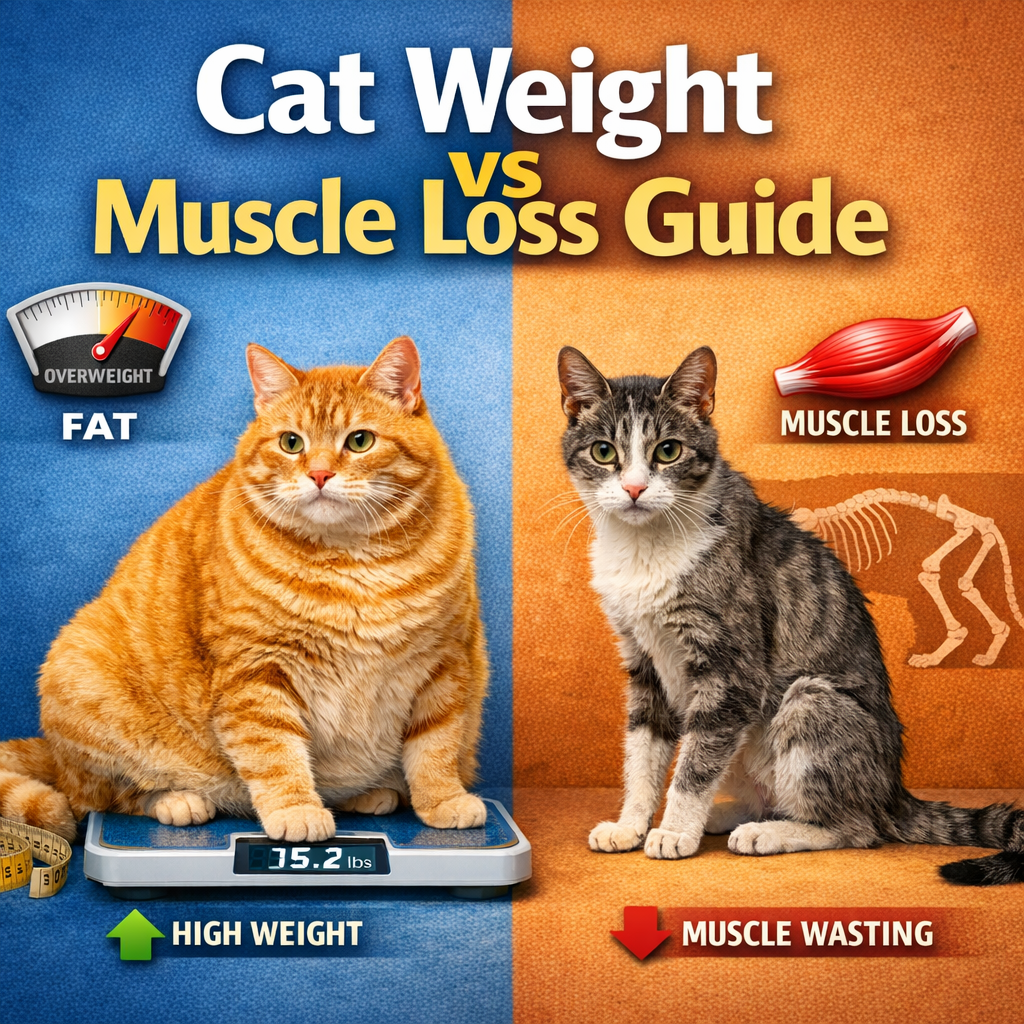
It is a common mistake to confuse a body condition score with a muscle condition score. While fat levels indicate energy storage, muscle mass reflects protein reserves and physical strength. Consequently, a cat can be medically overweight while simultaneously suffering from significant muscle loss, a condition often seen in aging or sedentary felines.
You might observe a “skinny fat” cat exhibiting a prominent hanging belly but withered, bony legs. This occurs because fat deposits and muscle tissue are regulated by entirely different metabolic pathways and nutritional needs. For instance, a high-calorie diet lacking quality protein might increase fat while allowing muscles to atrophy.
The ultimate goal for any comprehensive cat health assessment is achieving a functional balance. Your cat requires a modest fat reserve for energy and strong, dense musculature to ensure long-term mobility and metabolic health.
Causes of Muscle Loss: Sarcopenia and Cachexia
There are two main reasons cats lose muscle: sarcopenia and cachexia. Sarcopenia in cats typically affects senior cats over 11 years old and occurs even in the absence of specific diseases.
Cachexia in cats is much more serious and results from feline chronic disease like feline kidney disease, congestive heart failure, or various tumors. Cachexia involves the body burning its own muscle for amino acids.
The International Journal of Applied Research in Veterinary Medicine notes that cachexia is often driven by inflammatory cytokines. This rapid muscle wasting is a negative prognostic indicator that requires immediate nutritional interventions.
The Importance of Early Detection for Senior Cat Care
Early detection of muscle loss is the golden rule of senior cat care. Because muscle wasting is an early indicator of internal disease, regular cat spine palpation can save lives.
Research published by the Journal of the American Veterinary Medical Association and experts like L. M. Freeman and C. J. Cupp emphasizes that muscle scoring improves treatment outcomes. It gives you a head start on managing conditions like type 2 diabetes or osteoarthritis.
By integrating muscle mass assessment into your routine at home, you become a partner in your cat’s longevity. A quick feel of their back today could lead to a much longer life of purrs and head butts tomorrow.
Muscle Condition Scoring Methodology
Veterinarians use the Muscle Condition Score (MCS) to assess feline health beyond the scale. This hands-on evaluation focuses on the epaxial muscles along the spine, as well as the scapulae and skull. According to the WSAVA, monitoring muscle mass is crucial for early disease detection, often revealing issues years before other clinical signs appear.
| Score Level |
Physical Characteristics |
Visibility of Bones |
| Normal |
Smooth, rounded muscles. |
Bones not easily felt. |
| Mild Loss |
Slight back flattening. |
Spine felt with light pressure. |
| Moderate Loss |
Concave spinal areas. |
Prominent skull and shoulders. |
| Marked Loss |
Severe wasting. |
Bones are sharp and visible. |
Regular palpation helps identify sarcopenia or cachexia early, significantly improving prognosis and quality of life for senior cats.
Body Condition vs Muscle Condition Scores
Owners often confuse fat with muscle, yet these metrics differ significantly. A cat can be overweight while suffering from muscle atrophy, a dangerous combination where fat masks underlying illness. Conversely, thin cats may retain strong, healthy muscle mass.
The World Small Animal Veterinary Association emphasizes using both Body Condition Scores (fat) and Muscle Condition Scores (lean tissue) for a complete nutritional assessment. While fat levels reflect caloric intake, muscle mass serves as a vital indicator of internal health.
The Vital Difference Between Fat and Lean Mass
Muscle scoring helps detect early signs of sarcopenia or cachexia, which are often hidden by feline stoicism. Maintaining lean mass, particularly along the spine, improves outcomes for aging cats or those managing chronic diseases.
Causes of Muscle Loss: Sarcopenia and Cachexia
Feline muscle loss typically stems from two distinct causes. First is sarcopenia, a natural, age-related decline in lean mass affecting senior cats over 11, even those without underlying illnesses.
Second is cachexia, a serious clinical condition triggered by chronic diseases like kidney failure or cancer. In cachexia, inflammatory cytokines hijack the metabolism, forcing the body to consume muscle tissue for energy instead of fat stores. This rapid wasting can occur despite a normal appetite, serving as a critical prognostic indicator. Because cats instinctively mask illness, sudden physical changes necessitate immediate veterinary diagnostics to identify the root cause and begin metabolic support.
Expert Insight
“Muscle loss is an early and visible indicator of internal disease in cats, which are predisposed to hide signs of illness; therefore, assessing both body condition and muscle condition scores at every visit is vital for early detection and elevating the standard of feline care.” (Expert Consensus in Feline Medicine)
The Role of Nutrition and Amino Acids in Feline Strength
As obligate carnivores, cats depend on high-quality animal protein to sustain muscle mass and energy. Amino acids serve as vital building blocks for physical strength; without them, felines face a dangerous metabolic shift toward muscle wasting.
When protein intake is insufficient, the body consumes its own tissue to survive, leading to rapid atrophy. This is particularly critical for aging cats, who require higher protein levels than younger adults to combat sarcopenia. Experts like L.M. Freeman emphasize that targeted nutrition is the primary defense against age-related frailty and physical decline.
Expert Insight
“Older cats require higher amounts of high quality animal protein and increased caloric intake to combat impaired digestion and prevent the loss of lean muscle mass, as aging increases their energy requirements rather than decreasing them.” (Mark E. Peterson, DVM, Dip. ACVIM)
Early Disease Detection and Veterinary Diagnostics
If your cat’s spine feels like a row of speed bumps, schedule a veterinary physical examination immediately. Muscle loss is a primary indicator of chronic illness, often appearing years before other clinical symptoms. Early detection through professional muscle condition scoring can reveal feline diseases before they escalate into life-threatening crises.
Senior Cat Care and Quality of Life
As cats age, maintaining mobility is essential to combat muscle wasting. Regular mass assessments are vital, as muscle powers every movement and supports longevity. Research from the World Small Animal Veterinary Association indicates that cats with higher muscle scores experience better health outcomes. To preserve your senior cat’s vitality, prioritize targeted nutritional health and high-quality protein intake.
Frequently Asked Questions
Can a fat cat have muscle loss?
Yes. Overweight cats often suffer from sarcopenia, where fat masks underlying muscle atrophy. If epaxial muscles feel wasted despite high body fat, it typically indicates a chronic feline disease.
How can I check my cat’s muscle at home?
Perform spine palpation by running hands along the back. In healthy cats, vertebrae aren’t prominent; sharp, bony ridges suggest significant wasting.
What is the best food for muscle mass?
Prioritize diets with high-quality animal proteins. These provide essential amino acids necessary to maintain mass, especially for cats with metabolic issues or kidney disease.
Is muscle loss always a sign of cancer?
No. While cachexia accompanies serious illness, loss is frequently caused by natural aging (sarcopenia) or manageable conditions like feline hyperthyroidism.
Why is early detection of muscle loss so important?
Muscle wasting often precedes clinical symptoms of internal disease by years. Early assessment allows for proactive intervention, significantly improving long-term health outcomes.