TL;DR (Too Long; Didn’t Read)
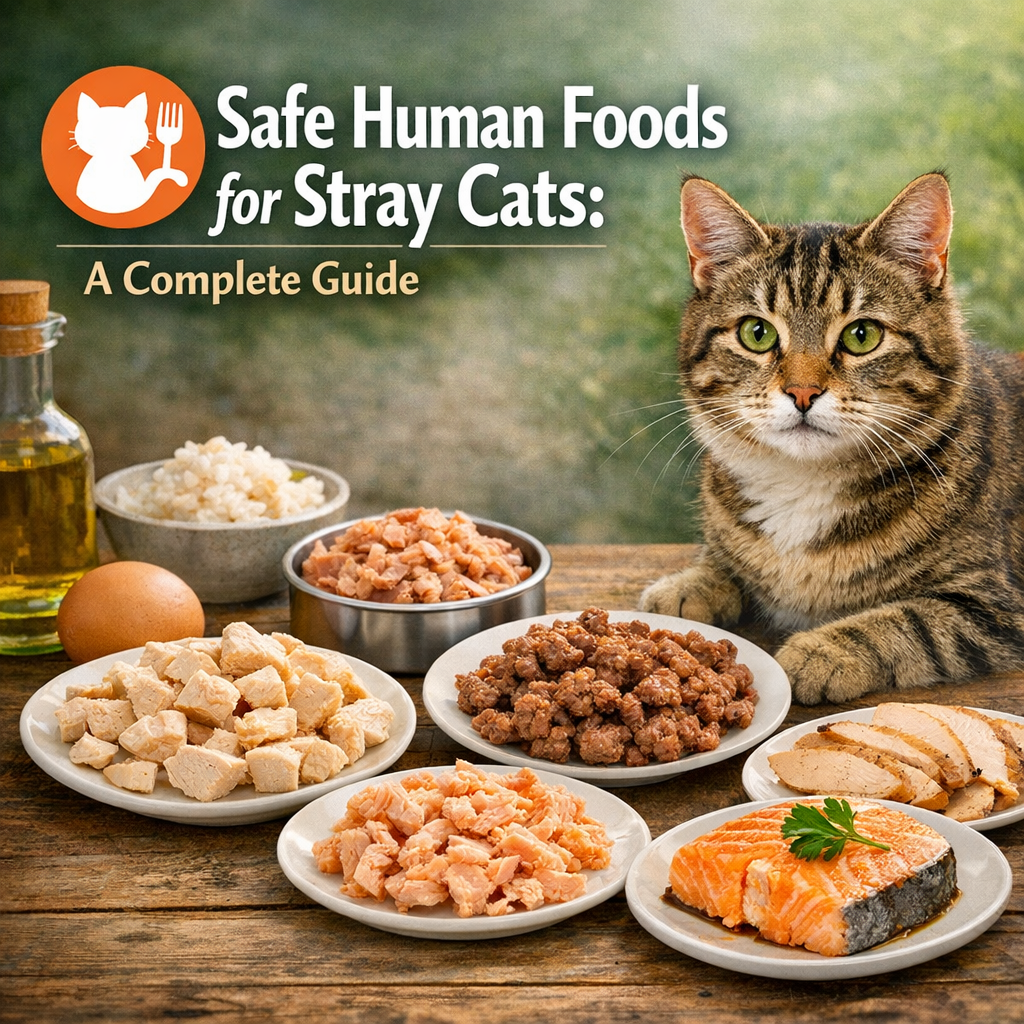
- Safe Food Choices: Offer plain, unseasoned, and cooked proteins such as chicken, beef, turkey, or deboned fish (tuna/salmon in water) to provide essential amino acids and healthy fats.
- Toxic Foods to Avoid: Never feed stray cats onions, garlic, grapes, raisins, chocolate, dairy, or highly seasoned/processed meats, as these can cause organ failure or severe toxicity.
- Hydration is Critical: Always provide fresh water alongside food; in winter, use heated bowls to prevent freezing, and consider mixing water into wet food to boost fluid intake.
- Consistency and Safety: Establish a regular feeding schedule to reduce scavenging stress, and maintain a safe distance when approaching to build trust and monitor the cat’s health.
Table of Contents
You are walking down the street and see a pair of hungry eyes peering from under a parked car. It is a stray cat, and your first instinct is to help. You want to share your snack, but you stop and wonder if that sandwich is actually safe for their feline health.
Feeding stray cats can be a rewarding way to support your local feline community. However, the feline digestive system is quite different from ours. What is a tasty treat for you might lead to gastrointestinal health issues or even a trip to the vet for them.
You can provide a life saving meal using items from your own kitchen if you know the rules. This guide will help you navigate the pantry to find safe, high protein food options for your neighborhood friends while avoiding dangerous cat foods.
Understanding Stray Cat Nutrition and Feral Cat Care
Stray and feral cats often suffer from severe malnutrition. Unlike indoor pets, they rely on scavenging, which lacks essential amino acids. To support their health, provide calorie-dense, high-protein meals like Whiskas Tuna in Jelly. Consistent feeding routines and proper hydration are vital for transforming their long-term well-being and survival.
Safe Human Foods for Stray Cats: High Protein Heroes
If you lack cat food, your kitchen offers safe alternatives. Cooked, boneless chicken, turkey, and beef provide essential protein for muscle health. Avoid processed meats like deli ham due to toxic salt levels. Small amounts of cooked liver or lamb also supply vital amino acids, helping stray cats maintain energy outdoors.
Nutritional Benefits of Fish: Tuna and Salmon for Cats
Fish provides essential omega-3 fatty acids and minerals that support a cat’s eyesight, joints, and brain function. Serve cooked, deboned fish or water-packed tuna to promote a weather-resistant coat. While nutritionally dense, fish should remain a high-value supplement alongside poultry or beef to ensure a balanced, complete feline diet.
Dangerous Cat Foods: What to Avoid at All Costs
Many pantry staples cause feline toxicity. Avoid onions, garlic, grapes, and raisins, which trigger organ failure. Chocolate, caffeine, and alcohol are potentially fatal. Skip dairy, as most cats are lactose intolerant. Instead of seasoned leftovers or xylitol, offer plain proteins or trusted options like Whiskas Chicken in Gravy for safe nutrition.
Cat Hydration and Water Needs
Hydration is vital for preventing feline urinary and digestive issues. Always provide fresh water, especially with low-moisture dry kibble. In extreme weather, use sheltered or heated bowls to prevent freezing or evaporation. Supplement fluid intake by mixing wet food or meat juices into meals to ensure strays remain properly hydrated.
Feeding Timing and Establishing a Routine
Feed stray cats once or twice daily at fixed times to reduce stress and monitor colony health. Consistency prevents overfeeding and deters pests. Coordinate with neighbors to avoid excessive feeding. Always move slowly and maintain distance during mealtimes; respecting their space builds the trust necessary for long-term care and observation.
Safe Human Foods for Stray Cats
Cats are obligate carnivores requiring high-protein diets. Focus on safe, unseasoned human foods to support their health.
Cooked Meat and Poultry for Stray Cats
Offer plain, boneless chicken or beef. Avoid oils, salt, and spices to prevent toxicity.
Nutritional Benefits of Fish for Cats
Cooked salmon or water-packed tuna provide essential omega-3 fatty acids for cognitive and joint health.
Hydration and Water Needs for Stray Cats
Provide fresh water daily or low-sodium broth to ensure proper kidney function and hydration.
Feeding Timing and Routine
Maintain a consistent schedule. Supplement human food with balanced commercial wet food for optimal nutrition.
Nutritional Benefits of Fish for Cats
Fish like tuna for cats provides omega 3 fatty acids for brain and joint health. This high-protein treat helps a malnourished cat regain strength. However, maintain a balanced feline digestive system by serving cooked, de-boned portions occasionally. Options like Whiskas Tuna in Jelly ensure proper nutrition and feline health without harmful additives.
Cooked Meat and Poultry for Stray Cats
Cooked, boneless beef, poultry, or lamb provide essential winter calories for feral cats. Avoid sodium-heavy processed meats like ham, which risk toxicity. For optimal nutrition, offer plain, unseasoned proteins or commercial options like Whiskas Chicken in Gravy. These high-protein choices support gastrointestinal health and help malnourished animals survive harsh elements.
Hydration and Water Needs for Stray Cats
Prioritizing cat hydration is vital for preventing urinary issues. Always provide fresh water to support long-term feline health.
In winter, use heated bowls to prevent freezing. During summer, offer wet cat food as a moisture boost. Whether managing a cat feeding routine or approaching stray cats, consistent water access remains essential for survival.
Cooked Meat and Poultry for Stray Cats
Offer plain, cooked meats like chicken or beef to provide essential protein for muscle health. While small amounts of liver offer vital Vitamin A, avoid processed meats high in sodium. Ensure all food is unseasoned, as onions and garlic are toxic. For convenience, high-quality commercial wet food ensures balanced nutrition.
Foods to Avoid When Feeding Stray Cats
Many human snacks cause severe feline toxicity. Onions, garlic, grapes, and chocolate are strictly dangerous, potentially leading to anemia or kidney failure. Avoid seasoned meats to prevent salt poisoning. For guaranteed safety and nutrition, choose high-quality commercial options like Whiskas wet food, ensuring kittens and adults receive proper, hydration-focused meals.
Safe Food Comparison Table for Feral Cat Nutrition
Choose safe human foods to nourish stray cats effectively.
| Category |
Safe |
Toxic |
| Protein |
Cooked Poultry |
Onions, Grapes |
Essential Care
Prioritize cooked, boneless meats and fresh water. Avoid dairy and seasoned leftovers to prevent toxicity. Establishing a consistent feeding routine with balanced commercial wet food ensures long-term feline health.
Hydration and Water Needs for Stray Cats
Hydration is vital for feline health, preventing kidney and urinary issues. Provide clean water daily, ensuring it hasn’t frozen or evaporated. Avoid milk, as most cats are lactose intolerant; instead, mix water into wet food for a hydrating slurry. A consistent water station offers a safe alternative to contaminated outdoor puddles.
Feeding Timing and Routine for Stray Cats
Consistent feeding schedules stabilize local feline populations by reducing dangerous scavenging and wandering. Providing meals once or twice daily prevents overfeeding and pests. This routine also allows for better health monitoring; any changes in appetite or behavior become immediately apparent, ensuring early detection of illness and professional-level feral cat care.
Risks of Feeding Improper Human Foods
Feline digestion is specialized; feeding stray cats human scraps causes gastrointestinal distress and life-threatening dehydration. Non-toxic fillers like bread provide empty calories, lacking essential amino acids for obligate carnivores. These snacks suppress natural hunting instincts, leading to severe malnutrition because the cat feels full without consuming the protein required for survival.
Dangerous Cat Foods and Toxicity Risks
Common staples like onions, garlic, grapes, and raisins are toxic to cats, potentially causing kidney failure. Avoid processed meats; high sodium levels can trigger tremors or seizures. Additionally, chocolate, caffeine, and alcohol are strictly off-limits, as even small amounts can cause life-threatening heart palpitations or central nervous system distress.
Prioritizing High Protein Food for Feral Cat Care
Prioritize high-protein meals rich in taurine for feline health. If fresh meat is unavailable, premium commercial foods like Whiskas wet formulas provide essential moisture and balanced nutrients. These specialized diets support growth and prevent deficiencies common in human scraps, ensuring strays receive the caloric energy required for their survival and well-being.
Expert Insight
“Cats are obligate carnivores, meaning they require meat in their diet and need little carbohydrates; to mimic their natural diet, it is best to feed them food with a protein content of 40 percent or higher to ensure they receive essential nutrients like taurine.” (Dr. Deb Zoran, Professor at the Texas A&M College of Veterinary Medicine & Biomedical Sciences)
Winter Feeding Strategies and Caloric Requirements in Winter
Winter demands higher caloric intake for feral cats to maintain body heat. Prioritize high-protein dry food to prevent freezing, or serve wet food in heated bowls. Supplemental fatty meats provide essential insulation. Consistent feeding routines ensure strays have the energy reserves necessary to survive extreme cold and avoid life-threatening malnutrition.
Approaching Stray Cats Safely
Distinguish between friendly strays and fearful feral cats before offering food. Place high-protein meals in a quiet spot, then step back to ensure they feel secure.
Avoid touching cats while they eat. If you spot an injury, contact TNR groups rather than handling the animal yourself to ensure safety.
Safe Human Foods for Stray Cats
If you lack Whiskas, serve plain, cooked meats like chicken, turkey, or boneless beef. These provide essential amino acids for a high protein diet. Avoid seasonings and sodium-heavy processed meats to prevent food induced toxicity. Boiled or baked options support gastrointestinal health in felines, helping malnourished cats recover safely.
Nutritional Benefits of Fish (Tuna, Salmon) for Cats
Fish like tuna and salmon provide essential omega 3 fatty acids, supporting a cat’s eyesight, joints, and brain. While Whiskas Tuna in Jelly Meal Adult Cat Wet Food offers balanced cat nutrition, you can serve plain, deboned, cooked fish. Use fish as an occasional treat to improve coat quality and inflammation.
Foods to Avoid When Feeding Stray Cats
Protect your feline colony by avoiding dangerous cat foods like toxic onions, garlic, grapes, and raisins. Items such as chocolate, alcohol, and dog food cause food induced toxicity or malnutrition. To maintain gastrointestinal health in felines, provide proper nutrition through high-quality wet cat food or dry cat food specifically formulated for cats.
Hydration and Water Needs for Stray Cats
Clean water is vital for feline health, preventing urinary issues and malnutrition in stray animals. Offer fresh water daily, separate from stray cat food areas. Use wet cat food for extra moisture in summer and heated bowls during winter. Proper hydration supports the feline digestive system and temperature regulation.
Feeding Timing and Routine for Stray Cats
Maintain a cat feeding routine by providing meals at set times daily. Using Whiskas Chicken in Gravy ensures balanced nutrition while reducing scavenging stress. Coordinate with neighbors to prevent overfeeding and pests. This consistency builds trust, simplifying health monitoring and future TNR efforts within your local feline community.
Frequently Asked Questions About Feeding Stray Cats
Feeding strays requires caution. Avoid dog food, raw meat, and toxic items like onions or chocolate. Instead, offer cooked eggs, plain chicken, or canned tuna in water. While small amounts of rice are safe, cats need high-protein feline diets. Ensure consistent portions and fresh water to support their health and hydration.