

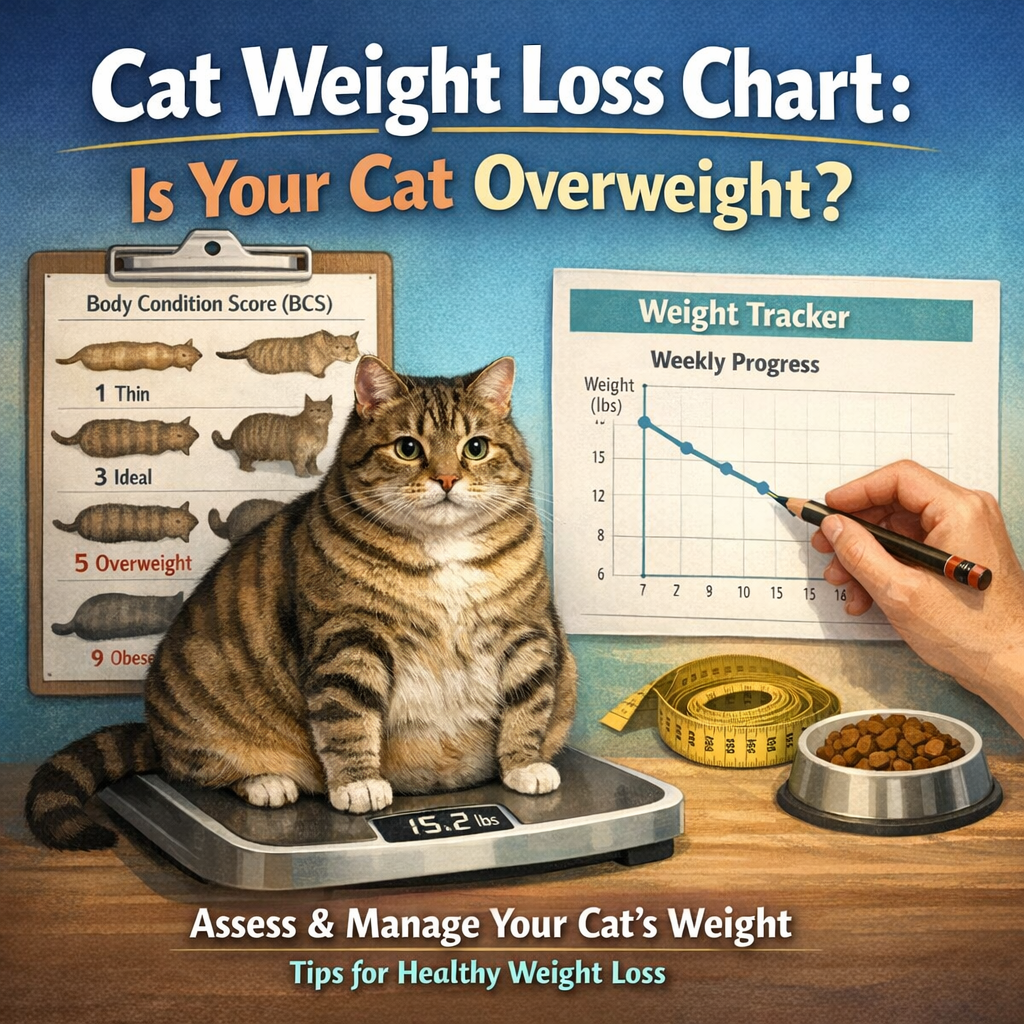
- This guide outlines a practical, step-by-step approach to assessing and managing a cat’s weight using the Body Condition Score (BCS) and regular home weight tracking.
- Focus on gradual weight loss (about 4-6% of body weight per month), portion control, and enrichment-based activity to preserve lean mass and liver health.
- Use visual checks, palpation, and consistent measurements to monitor progress, seeking veterinary guidance when weight changes stall or signs of illness appear.
- Introduction
- 1. Understanding Cat Body Condition Score (BCS)
- 2. Signs Your Cat May Be Overweight
- 3. How to Measure Your Cat’s Weight at Home
- 4. Safe, Gradual Weight Loss Targets for Cats
- 5. Diet Adjustments That Help with Weight Loss
- 6. Exercise and Activity Ideas for Weight Management
- 7. Veterinary Guidance and When to Seek Help
- FAQ
- Conclusion
- How to read the Body Condition Score (BCS) and what it means for weight management
- How to identify signs your cat may be overweight or underweight
- Simple steps to monitor cat weight over time
- Decreased activity or reluctance to jump and climb familiar perches
- Less interest in treats or play that previously excited them
- Breathing changes during routine activity or after light exertion
- Higher resting heart rate or fatigue after short play sessions
- Frequent grooming changes, including reduced grooming or skin issues from folds
- Digital luggage scale method: weigh yourself with the cat in a carrier, then weigh the carrier alone. Subtract to get the cat’s weight.
- Carrier technique: place the cat in a stable, empty carrier on a bathroom scale. Record the reading, then repeat after removing the cat to confirm accuracy.
- Consistency matters: weigh at the same time of day, ideally after a routine meal and before activity, to reduce fluctuations.
- Real world example: a 12 lb cat on a carrier scale shows 13.5 lb with you in the carrier. Subtract your 1.5 lb to confirm the cat’s baseline.
- Determine a target weight that reflects BCS, age, and activity level
- Recalculate every 4 weeks to adjust pace and caloric plan
- Involve the veterinary team to align goals with liver and metabolic health
- Include practical steps like measured meals, timed feeding, and enrichment to boost activity
- Measure each meal with a standard scoop or kitchen scale for accuracy
- Distribute daily calories into 2-3 evenly spaced feedings to support metabolism
- Adjust portions gradually based on weekly weigh-ins and body condition
- Choose low-calorie options or higher protein formulas to help preserve lean mass
- Avoid high-carbohydrate fillers that offer little satiety
- Incorporate puzzle feeders or interactive toys to slow eating and encourage activity
- Laser pointer games followed by a tangible toy to prevent frustration
- Interactive wand toys that mimic stalking and pouncing
- Fetch with lightweight, cat safe balls to encourage repeated movement
- Timed play sessions scattered through the day to maintain steady activity
- Cat trees and perches near windows for height and mental stimulation
- Puzzle feeders that pair eating with movement and problem solving
- Hidden treats in safe, accessible spots to promote stalking and movement
- Rotating toys to maintain novelty and motivation
- New or worsening abdominal distention
- Labored breathing or lethargy during routine activities
- Decreased grooming leading to skin or coat changes
- Baseline weight and body condition documentation
- Guidance on appropriate feeding strategies and portion sizes
- Monitoring schedules to adjust the plan as weight shifts occur
- Ribs are hard to palpate with a thick fat layer
- Waist is not visible or is absent when viewed from above
- Abdomen appears rounded or sagging
- Visual: look for a slim silhouette from above and a distinct abdominal tuck
- Palpation: feel ribs with light pressure and note fat coverage
- Trend: monitor weight changes over weeks rather than days
- Regularly reassess BCS and weight to catch shifts early
- Pair diet tweaks with enrichment and safe play to boost activity
- Consult a veterinary team for personalized targets and monitoring
Table of Contents
Introduction
Why feline weight matters
Your cat’s weight isn’t just a number. It signals overall health and well being. Excess body fat can raise risks like hepatic lipidosis, joint issues, and a shorter life expectancy. Keeping weight in a healthy range supports mobility, energy, and quality of life. Practical, steady management is preferred over drastic changes, and Bella Gatti US Shop offers appropriate feeders, choosing high fiber, moderate protein recipes, and enrichment options to promote activity without stressing your cat.
Consider a real world case: a middle aged cat gaining a half pound over a few months. A small adjustment like measuring portions and adding a brief daily play session can help prevent progression. Track changes with a simple weekly weigh in and note shifts in appetite or litter box habits.
Practical steps include selecting appropriate feeders, choosing high fiber, moderate protein recipes, and ensuring fresh water is always available. Avoid abrupt caloric cuts and consult a vet if you notice rapid weight changes, lethargy, or vomiting. These precautions keep weight management safe and sustainable.
What readers will learn about cat weight conditions
You’ll gain a clear understanding of key terms and how to apply them at home. We cover visual assessment and hands-on checks, practical at-home measurements, and when to seek veterinary guidance. The goal is to help you assess your cat’s body condition and set safe, achievable targets.
Expert Insight
“Obesity in cats is essential to manage, as it is a very serious risk factor for many underlying health conditions in cats.” , Veterinary Expert
1. Understanding Cat Body Condition Score (BCS)
What BCS is and why it matters
The Body Condition Score, or BCS, is a practical visual and hands-on method to gauge a cat’s fat versus muscle. It combines what you see with a gentle palpation to position your cat on a scale, typically 1 to 5 or 1 to 9. The aim is a healthy middle ground where fat is present but not excessive. This helps inform weight management decisions and flags potential health risks early.
BCS supports clear conversations with your veterinary team. It translates daily observations into a repeatable assessment so you can track changes over time without relying on weight alone. This approach is especially useful for breeds that carry fat differently, such as British Shorthairs or Oriental types.
Real-world example: if your cat hides after meals and you notice a soft, rounded abdomen, a BCS check can prompt a dietary tweak before obesity impacts joints or insulin levels. Bella Gatti US Shop customers often pair BCS with portion control guides to keep cats at an optimal range.
How to read a typical BCS chart
BCS charts rely on two elements: visual silhouette and a palpation check. Look for a waist behind the ribs, a gentle abdominal tuck, and ribs that are easy to feel with light fat coverage. The spine and hips should feel smooth rather than prominent or obscured by fat.
When you reference a chart, find the point that matches both how your cat looks and how it feels to the touch. The mid-range position usually represents an ideal state, while higher numbers indicate overweight and lower numbers signal underweight.
2. Signs Your Cat May Be Overweight
Visual cues to identify excess fat
Start with a straightforward visual check. Look for a waist behind the ribs and a smooth, rounded abdomen. If you can feel the ribs with light pressure under a thin fat layer, your cat is likely within a healthy range. A defined waist from above and a gentle abdominal tuck from the side signal a balanced condition.
Avoid relying on a single image. Some cats carry more fat on the abdomen or chest while maintaining a visible waist elsewhere. Monthly visual checks paired with occasional measurements help you spot gradual shifts early.
Hair and coat changes can reflect weight trends. Fat accumulation in the flank or chest, or a fuller abdomen, may indicate rising weight. If your cat looks puffier from the top or side, it could be trending overweight. Use a practical rule of thumb: pair visual checks with a scale reading for a fuller picture.
Behavioral and health indicators linked to overweight cats
3. How to Measure Your Cat’s Weight at Home
Baseline weight methods
Establish a reliable baseline to anchor future changes. Use a household scale for you and your cat, or a portable pet scale if available. If you don’t have a scale, a carrier method works well as a practical alternative. For example, weigh yourself with the cat in a carrier, then weigh the carrier alone to calculate the cat’s weight.
Tracking weight changes over time
Keep a simple log to monitor trends. Small, gradual shifts indicate progress, while rapid swings may require a veterinary check. Pair weight data with observations about body condition for a complete picture. Bella Gatti US Shop offers discreet, lightweight scales that fit behind furniture for a clutter-free routine.
| Tracking tip | Why it helps |
|---|---|
| Record weekly measurements | Identifies steady trends toward target weight |
| Note changes in appetite | Links weight shifts to intake adjustments |
| Pair with BCs observations | Offers a holistic view of progress |
4. Safe, Gradual Weight Loss Targets for Cats
Recommended weight loss rate per month
Aim for a slow, steady pace to protect liver health and preserve muscle. A practical target is about 4 to 6 percent of your cat’s total body weight each month. This gradual pace lowers hepatic lipidosis risk and supports sustainable, long term weight management.
Track progress with both weight and Body Condition Score (BCS). Small monthly shifts that align with BCS improvements indicate the plan is working. If weight loss slows or stalls, reassess intake and activity with your veterinary team.
Setting realistic goals based on body condition
Use the Body Condition Score to tailor goals. If your cat sits near the overweight end of the scale, start with a modest initial goal and progress gradually. For cats closer to ideal weight, smaller adjustments help prevent undernutrition while still moving toward a healthy weight.
Consider breed and temperament when planning. Some cats hide progress behind a plush coat or look lean despite changes. Regular checks and hands on evaluation help verify progress beyond looks alone.
5. Diet Adjustments That Help with Weight Loss
Calorie control and portion sizes
Calorie management remains essential for weight loss. Start by estimating your cat’s daily needs and create a modest deficit that supports steady progress. Avoid drastic cuts that could compromise nutrition or liver health.
Choosing cat foods and treats for weight management
Prioritize foods designed for weight management that deliver balanced nutrition without excess calories. Limit treats and select options that fit within the daily target.
| Consideration | Impact |
|---|---|
| Calorie density | Helps control intake while preserving meal volume |
| Protein content | Supports lean mass during weight loss |
| Treat policy | Prevents extra calories from treats |
6. Exercise and Activity Ideas for Weight Management
Engaging play routines to increase daily activity
You want movement woven into daily life, not a one off workout. Short, energetic bursts combined with longer, gentle sessions suit most cats. Adapt to their mood and environment to keep activity enjoyable.
Safe enrichment strategies to encourage movement
Enrichment should challenge your cat without risking injury. Build spaces that invite climbing and exploration to support weight and joint health.
| Activity type | Benefit |
|---|---|
| Short play bursts | Boosts daily energy expenditure and supports weight loss goals |
| Enrichment environments | Encourages exploration, movement variety, and mental engagement |
| Puzzle feeders | Links feeding to physical activity and brain work, aiding diet management |
7. Veterinary Guidance and When to Seek Help
When to schedule a check-up
If you notice persistent weight gain, a sudden drop in appetite, or changes in activity levels, schedule a veterinary check-up promptly. A professional can confirm your cat’s body condition score and rule out underlying health issues. Regular visits help track weight trends and adjust plans as needed.
Real world example: a middle aged cat that suddenly loses interest in play may be an early sign of hyperthyroidism or dental pain. A vet visit can differentiate behavior changes from true weight concerns and guide next steps.
Role of a vet in designing a weight loss plan
A veterinary team assesses liver health, metabolism, and overall nutrition. They tailor a weight loss plan that safely reduces body fat while preserving lean mass. The plan may include calibrated calorie targets, meal frequency, and recommended activity levels.
Practical steps you can take with Bella Gatti US Shop products: start with a measured 2-3 week trial of portion-controlled meals, monitor appetite changes, and increase activity with short play sessions twice daily. If you notice consistent weight loss without energy decline, you may extend the target slightly under veterinary guidance.
| Focus | Benefit |
|---|---|
| Medical screening | Identifies conditions that affect weight management |
| Personalized targets | Ensures gradual, safe fat loss |
| Ongoing monitoring | Detects stall points and adapts plan |
Expert Insight
“A veterinary team designs a weight loss plan that safely reduces body fat while preserving lean mass, with calibrated calorie targets, meal timing, and activity , and they monitor progress to adjust as weight shifts occur.” , Veterinary Weight Management Expert
FAQ
At what point is a cat considered overweight?
A cat is overweight when the Body Condition Score (BCS) sits above the ideal range. You may notice fat coverage makes ribs hard to feel, the waist fades, and the abdomen looks rounded. Use both a visual check and a light palpation to judge fat and muscle balance accurately.
How do I tell if my cat is under or overweight?
Combine visuals with gentle palpation. This paired method reduces errors from appearance alone. Schedule periodic checks with a veterinarian to confirm trends and adjust diet safely.
| Indicator | Interpretation |
|---|---|
| Rib palpation | Ribs easy to feel with minimal fat indicates healthy stores |
| Waist visibility | Visible waist suggests healthier conditioning |
| Abdominal profile | Clear tuck signals better fat-muscle balance |
Expert Insight
“A reliable read of fat and muscle balance comes from a hands-on, visual check of ribs, waist, and abdominal tuck, the Cat Body Condition Score (BCS) is a practical, 1-9 scale veterinarians use to guide safe weight management.” , Industry Analyst
Conclusion
Weight management for cats blends careful observation with regular measurements and steady daily routines. By using the Body Condition Score framework and monitoring weight changes over time, you gain a clear view of where your cat sits on the spectrum from underweight to overweight.
Small, consistent adjustments can yield meaningful results. The aim is a healthy weight without stressing your cat, preserving energy and mobility for a happy, active life.
| Key action | Expected outcome |
|---|---|
| Baseline weight tracking | Clear trend data to guide changes |
| Calorie aware feeding | Supports gradual fat loss without hunger |
| Activity enrichment | Increases daily energy expenditure |