TL;DR (Too Long; Didn’t Read)
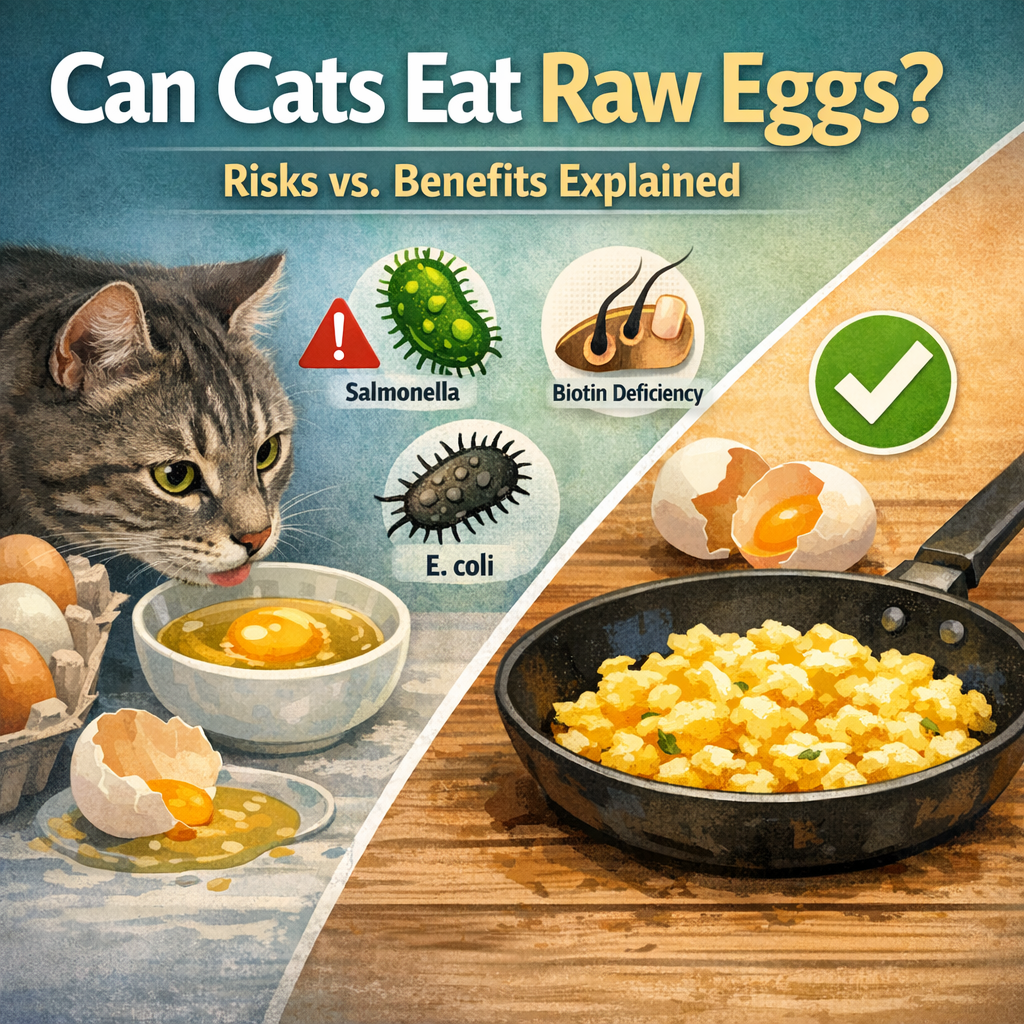
- Safety First: Avoid feeding raw eggs due to risks of Salmonella, E. coli, and biotin deficiency caused by the protein avidin; always cook eggs to at least 160°F to neutralize these hazards.
- Nutritional Value: Cooked eggs are an excellent source of digestible protein, taurine, and healthy fats that support heart health and a shiny coat.
- Portion Control: Eggs should be served plain (no salt, oil, or toxic seasonings) and limited to occasional treats, making up no more than 10% of your cat’s daily calories.
- Health Restrictions: Cats with chronic kidney disease, pancreatitis, or obesity should avoid eggs due to high levels of phosphorus, fat, and calories.
Table of Contents
Can Cats Eat Raw Eggs? Risks vs. Benefits Explained
You might be enjoying a relaxed Sunday brunch when your curious feline friend decides to investigate your plate. As they sniff around your omelet, it is natural to wonder if sharing a small bite is truly safe. While eggs are a versatile staple in most human kitchens, the nutritional rules for domestic pets are significantly different than those for humans.
Specifically, the ongoing debate regarding raw eggs pose a significant risk of Salmonella bacteria and can also interfere with biotin absorption. This guide breaks down the underlying science, the immediate safety concerns, and the necessary culinary boundaries for your cat. We will explore the complex arguments involved, examining why some raw-diet enthusiasts advocate for their use while the vast majority of licensed veterinarians strictly advise against them due to risks like Salmonella or E. coli. Understanding these biological nuances is essential for any responsible owner.
In short: Prioritizing “safety first” by cooking eggs thoroughly is the best policy for your cat’s bowl and long-term health.
Nutritional Benefits of Eggs for Cats
Cats are obligate carnivores, meaning their biological systems are specifically designed to thrive on animal protein. Eggs serve as a nutritional powerhouse for felines, offering highly digestible protein and a complete profile of essential amino acids. Most notably, they contain taurine, a critical nutrient for maintaining optimal heart function and retinal health that cats cannot synthesize on their own.
Egg yolks, in particular, are rich in healthy fats, including omega-3 and omega-6 fatty acids. These lipids are essential for maintaining a lustrous coat, reducing skin inflammation, and supporting a robust immune response. Furthermore, yolks are packed with fat-soluble vitamins such as A, D, and E, alongside vital minerals like iron, selenium, and zinc, which facilitate efficient oxygen transport and cellular repair.
Industry experts, including Karina Carbo-Johnson from Purina, emphasize that these nutrients are foundational for muscle development and collagen synthesis. However, while eggs are a superior protein source, they should serve only as a supplemental treat or topper to ensure a balanced diet.
Risks of Feeding Raw Eggs to Cats
Feeding raw eggs to cats carries significant health risks that outweigh any perceived nutritional benefits. The most immediate concern is the threat of Salmonella or E. coli bacteria. The Centers for Disease Control reports about 1.35 million human cases annually in the United States, and cats are equally susceptible to severe gastrointestinal distress, vomiting, and lethargy from these pathogens.
Beyond bacterial contamination, raw egg whites contain a specific protein called avidin. This protein acts as a biotin-binder, actively interfering with the absorption of biotin (Vitamin B7). Since biotin is essential for cellular growth and skin metabolism, a long-term deficiency often results in scaly skin, hair loss, and poor coat quality.
Veterinary researchers, including Anatoliy Sizov, emphasize that the risk of Salmonella in cats also poses a secondary danger to humans through cross-contamination via litter boxes or saliva. Consequently, most veterinary experts recommend thoroughly cooking eggs to neutralize these risks while preserving the protein content.
Cooked Eggs as a Safer Alternative
If you want to share this protein-rich treat, cooked eggs for cats are the only safe way to go. Cooking eggs to a minimum internal temperature of 160 degrees Fahrenheit effectively eliminates harmful pathogens like Salmonella and E. coli. Furthermore, the heating process deactivates avidin, a protein found in raw egg whites that interferes with the absorption of biotin, a B vitamin essential for healthy skin and coat.
Whether you prepare scrambled eggs for cats or plain boiled eggs for cats, ensure they are fully set and firm. Hard-boiled eggs are often the most practical method for owners, as they allow for precise portion control without the need for supplemental fats, butter, or oils that could lead to gastrointestinal upset or pancreatitis.
By opting for cooked versions, you provide essential amino acids and support hemoglobin production without the biological hazards found in raw poultry products. This remains the gold standard for feline nutritional safety.
Appropriate Serving Size and Frequency
While eggs are nutritionally dense, they are also significantly high in calories relative to a cat’s small body size. One large egg contains approximately 70 calories; for an average 10-pound cat, eating a whole egg is nutritionally equivalent to a human eating eight large meals in one sitting. Veterinary experts recommend that supplemental treats, including eggs, should never exceed 10 percent of a cat’s total daily caloric intake to maintain a balanced diet.
A safe, appropriate serving size is typically one tablespoon of plain, cooked egg whites or a very small morsel of yolk. You should view eggs as occasional feline dietary supplements or high-value rewards rather than a primary meal replacement. Overfeeding can quickly lead to an increased cat obesity risk and associated metabolic issues. Always monitor your pet’s body condition score and proactively adjust their primary kibble or wet food portions if you are incorporating these high-protein extras into their weekly feeding schedule.
Health Conditions Limiting Egg Consumption
Not every cat is a candidate for an egg snack, as certain underlying health issues make this protein source risky. For instance, cats suffering from chronic kidney disease should strictly avoid eggs due to their high phosphorus and protein content, which can strain renal function. Similarly, cats prone to pancreatitis or those with sensitive digestive tracts should avoid egg yolks because the concentrated fat levels can trigger painful inflammation.
If your cat is currently struggling with obesity, the extra calories found in even a small serving of egg might do more harm than good, potentially leading to unwanted weight gain. It is essential to consider your cat’s specific health profile and metabolic needs before introducing any human foods to their menu.
When in doubt, always consult a professional. Dalal Hares and other veterinary experts can provide tailored nutritional advice based on your cat’s unique medical history, age, and current physical condition to ensure their diet remains balanced and safe.
Preparation Tips for Safe Egg Feeding
When preparing eggs for your cat, keep it simple. Do not use salt, garlic, onions, or chives, as these are toxic to felines. Avoid using butter or heavy oils, which can cause gastrointestinal upset and unnecessary fat intake.
The best method is to poach or boil the egg. If you scramble them, use a non-stick pan without any additives. Serve the egg at room temperature to ensure it is palatable and safe for their sensitive mouths.
Small, bite-sized pieces are best to prevent choking, especially for kittens. Proper preparation ensures your cat gets the protein boost they crave without any of the nasty side effects of human seasonings.
Expert Insight
“When managing complex conditions like chronic kidney disease or pancreatitis, veterinary professionals need to feed the cat, not just the disease, by prioritizing highly palatable, easily digestible nutrition that supports the whole pet.”, Dr. Dottie Laflamme, Veterinary Nutrition Expert
Raw vs. Cooked Egg Comparison: What is Best for Your Cat?
Deciding between raw and cooked options is a major part of understanding cat nutrition. While you might see influencers on YouTube or Google promoting raw diets, the science from the United States Centers for Disease Control and experts like Anatoliy Sizov suggests caution.
| Feature |
Raw Eggs |
Cooked Eggs |
| Bacterial Safety |
High risk of Salmonella |
Safe (Bacteria killed at 160°F) |
| Biotin Absorption |
Blocked by Avidin |
Safe (Avidin neutralized) |
| Digestibility |
Moderate for obligate carnivores |
High (Easily absorbed amino acids) |
| Preparation Time |
None |
5 to 10 minutes |
Cooked eggs are the gold standard for cat food safety. When you boil or scramble an egg to an internal temperature of 160°F, you neutralize avidin and kill harmful pathogens, making it a safe, digestible protein for cats.
Expert Insight
“While eggs offer high-quality protein, they must be viewed as a supplement to a balanced feline diet, never a replacement for formulated cat food.”, Veterinary Nutrition Specialist
Frequently Asked Questions
Can kittens eat eggs?
Kittens can consume small portions of cooked eggs, but their primary nutrition must come from kitten-specific formulas to support rapid development. Always consult a veterinarian before introducing new proteins to a growing kitten’s diet.
Is egg yolk or egg white better for cats?
Both offer benefits. Egg whites provide lean, digestible protein ideal for muscle maintenance without excessive calories. Yolks are nutrient-dense, containing essential fatty acids and vitamins, though their higher fat content necessitates stricter portion control to prevent weight gain.
Can cats be allergic to eggs?
Yes. Egg proteins are common allergens. Monitor your cat for signs of itchy skin, persistent grooming, or digestive distress. If symptoms appear, discontinue feeding eggs and seek veterinary advice.
How often can I give my cat eggs?
Limit egg intake to once or twice weekly. Ensure portions fall within the “10 percent rule,” where treats do not exceed 10% of total daily caloric intake.
Are raw eggs safe for my cat?
No. Raw eggs pose Salmonella risks and contain avidin, a protein that inhibits biotin absorption, potentially causing skin and coat deficiencies. Always serve eggs fully cooked.