TL;DR
-
-
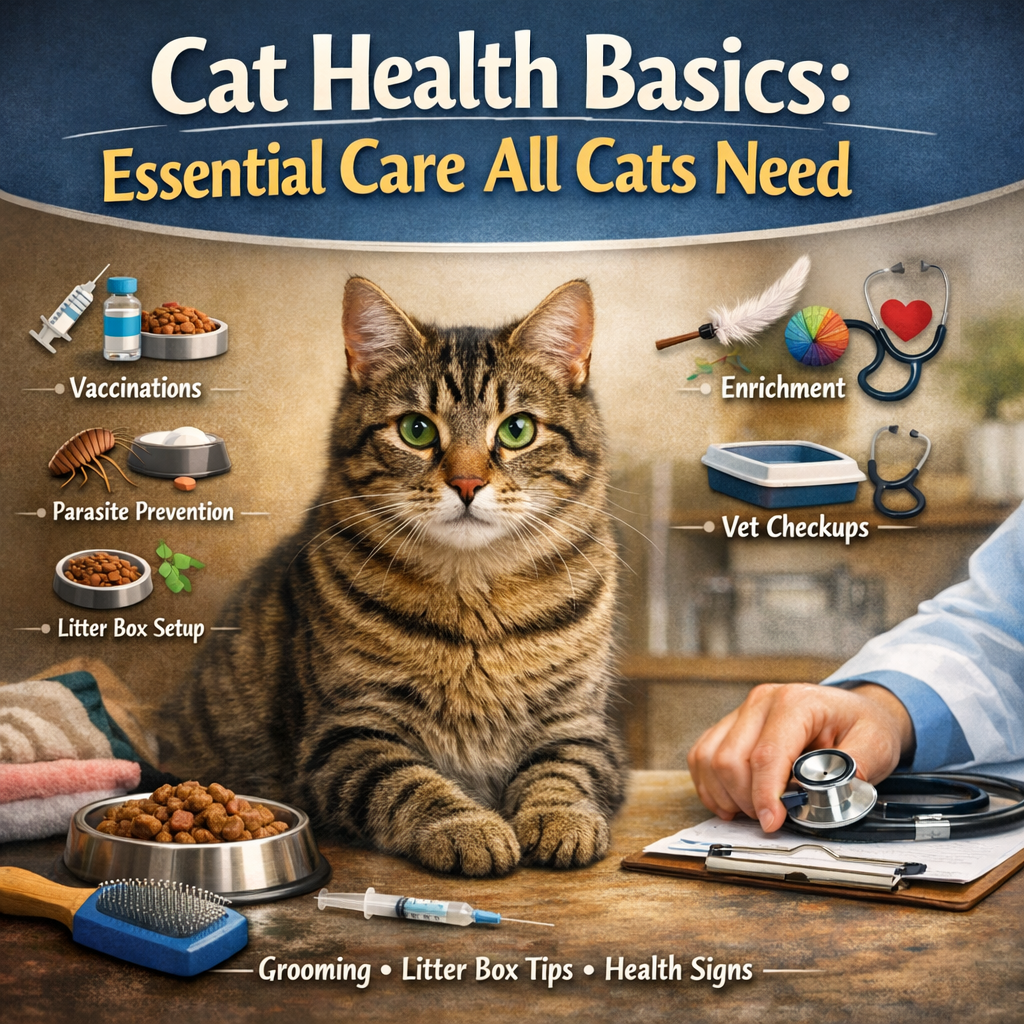
- This guide outlines essential, proactive cat care covering vaccines, nutrition, grooming, parasite prevention, litter box setup, enrichment, and recognizing health signals to seek timely veterinary help.
- Key life-stage guidance includes vaccination schedules, weight-appropriate nutrition, dental and parasite prevention, and regular checkups (annual or more frequent for seniors).
- It emphasizes creating a Safe Haven for Cats, an enriching home environment, and practical routines (feeding plans, litter box hygiene, grooming, and stress reduction) to promote long-term wellbeing.
Table of Contents
Cat Health Basics: Essential Care All Cats Need
Nutrition supports every stage of a cat’s life. Kittens need calorie-dense, protein-rich diets to support growth, with a transition to adult food around 10 to 12 months. When changing foods, do so gradually over 7 to 10 days to minimize stomach upset. For adult cats, look for high‑quality cat food that meets life stage needs and avoids low‑quality fillers. Consider learning more about nutrition to ensure your cat receives the best diet.
Introduction
What this guide covers
This guide outlines the core health foundations every cat needs. You’ll find practical basics on vaccination, nutrition, dental care, parasite prevention, and regular veterinary checkups. It draws on trusted cat care resources to give you a clear, actionable checklist you can use at home.
Look for a straightforward framework you can apply with confidence. We reference common cat care items like a Safe Haven for Cats, a reliable carrier, a proper litter box setup, and essential grooming tools. The aim is to help you build a practical health plan that fits your routine.
Why consistent care matters
Cats benefit from steady, proactive health practices. Regular veterinary care helps prevent issues before they become serious. Consistency also supports comfortable daily routines, from feeding to grooming to litter box maintenance.
By following a steady cat checklist, you reduce stress for both you and your cat. Small, repeated habits add up to a healthier, happier pet over time.
schedule vaccines and dental cleanings in advance with your vet, then set reminders on your phone. For Bella Gatti US Shop readers, pair each task with the right tool, such as a soft finger brush and a flavored toothpaste to improve acceptance.
Expert Insight
“Preventive care helps catch health problems early, monitor vital signs and dental health, keep vaccinations current, and provide parasite protection, keeping a healthy cat happier, longer.” , Veterinary Health Expert
1. Regular Veterinary Care: Vaccinations, Exams, and Preventive Care
Vaccination schedules by life stage
Vaccinations are tailored to your cat’s age and risk factors. Work with your veterinarian to map a plan that covers core vaccines and any additional ones based on lifestyle.
-
-
- Core vaccines defend against high‑risk diseases and form the baseline for kittens and adults.
- Kittens start early and complete the series within the first year, establishing lasting protection.
- Adult cats may require boosters at intervals, with adjustments for health status and changing exposure risks.
Importance of routine checkups
Regular exams help spot subtle changes before they escalate. Your cat’s comfort, energy, and behavior guide the visit. Bring notes on shifts in appetite, mood, or weight.
-
-
- Annual visits fit many adult cats with stable health.
- Biannual checkups are common for seniors or cats with ongoing issues.
- Each visit reviews vaccines, preventive care, and a tailored care plan based on current findings.
Parasite prevention and dental care
Preventive care extends beyond the surface. Controlling parasites and maintaining dental health lowers long‑term risks and improves comfort.
-
-
- Flea, tick, and worm protection should reflect local risks and your vet’s guidance; start early to minimize exposure.
- Dental checks during exams help catch early disease and guide future steps.
- Discuss practical routines, including dental chews, brushing methods, and treatments your cat may need based on individual risk.
Expert Insight
“Vaccination is a cornerstone of feline health care, ensuring your cat stays protected against various serious and sometimes fatal diseases.” , Industry Expert
2. Nutrition for Optimal Health: Diet, Hydration, and Weight Management
Choosing a protein rich diet
Cats are obligate carnivores, so seek foods where named animal protein sources are the primary ingredients. This supports muscle maintenance and energy needs across life stages.
-
-
- Prioritize high protein content with quality meat sources.
- Check for minimal fillers and recognizable ingredients.
- Match the diet to life stage and activity level.
Wet vs dry food considerations
Balancing wet and dry options can boost hydration and dental comfort. Each format offers benefits when used thoughtfully.
-
-
- Wet food adds moisture to help hydration, especially if water intake is low.
- Dry kibble can aid dental wear but may be calorie dense.
- Consider a mixed approach and adjust portions to maintain a healthy weight.
Hydration habits and weight monitoring
Keep water fresh and accessible, and observe intake patterns. Tracking weight trends can reveal changes before other signs appear.
-
-
- Provide multiple water sources or a water fountain to encourage drinking.
- Weigh your cat regularly and track changes over weeks to months.
- Adjust portions if weight drifts outside the healthy range, with guidance from your veterinarian.
3. Grooming and Hygiene: Coat, Skin, Teeth, and Nails
Regular brushing and coat care
Regular brushing helps reduce shedding, distributes natural oils, and prevents mats. Tailor the routine to your cat’s coat length and temperament, and increase frequency during seasonal shedding.
-
-
- Use a slicker for medium to long coats or a soft bristle brush for short coats to minimize skin irritation.
- Create a calm grooming routine in a quiet space, with steady, gentle handling and occasional treats to build trust.
- During sessions, inspect the skin for redness, lumps, or hotspots and monitor any changes over time.
Dental hygiene routines
Good dental care supports overall health and comfort. Establish a simple routine that fits your cat’s tolerance and daily life, aiming for daily care when possible.
-
-
- Brush with a cat‑safe toothpaste in poultry or seafood flavors using a small, soft brush.
- Consider approved dental chews or water additives, introduced gradually with veterinary guidance.
- Schedule periodic dental exams to catch tartar buildup or discomfort early and track changes with your vet.
Nail trimming and ear care
Nail maintenance protects against scratching and furniture damage, while ear care helps detect issues early.
-
-
- Trim nails carefully, avoiding the quick; if unsure, use a nail grinder or seek a professional service.
- Check ears for wax buildup, odor, or irritation during grooming and address problems promptly.
- Use a cat‑specific ear cleaner per product directions, and avoid inserting cleaner deep into the ear canal.
4. Litter Box Setup and House Environment
Litter box placement and cleanliness
Place the litter box in a quiet, low-traffic area to reduce stress and encourage use. For most households, provide one box per cat plus an extra to prevent competition.
-
-
- Choose unscented litter to avoid odor aversion and keep the box inviting for sensitive noses.
- Scoop regularly and change the litter as needed to maintain cleanliness and freshness.
- Position boxes away from food and water dishes to minimize contamination and encourage consistent use.
Real-world tip: if your cat starts avoiding the box after a move or new pet, relocate the box to a calmer area and add a second option on a different level.
Creating a cat-friendly home with enrichment
A stimulating environment supports behavior and mental health. Enrichment helps cats explore, stay engaged, and stay calm in daily life.
-
-
- Offer cat trees, scratching posts, and cardboard scratchers to satisfy natural scratching and climbing instincts.
- Provide a variety of toys and safe hiding spots in multiple rooms to prevent boredom.
- Use elevated perches to give safe vantage points and help new cats acclimate to a home.
Practical setup: rotate toys weekly, hide treats in puzzle feeders, and place a high perch near a window for watching birds or street activity.
Safe handling of common household hazards
Identify common risks and address them before trouble starts. Simple precautions protect your cat’s safety and wellbeing.
-
-
- Store cleaners, poisons, and small objects out of reach or in locked cabinets.
- Secure cords and blinds to prevent entanglement and injury.
- Keep dangerous human foods out of reach and avoid offering foods that can cause health issues for cats.
Edge case note: some plants and essential oils are toxic to cats. If you use greenery, verify safety with a quick Bella Gatti US Shop reference guide and remove any risky options from high-traffic rooms.
5. Behavioral Health and Enrichment: Mental Stimulation and Stress Reduction
Environmental enrichment ideas
Keep your cat mentally engaged with practical setups you can implement this week. A varied environment supports healthy behavior and reduces boredom.
-
-
- Install cat trees and perches at different heights to encourage climbing, surveying, and safe observation of rooms.
- Provide puzzle feeders and interactive toys to promote problem solving and gradual enrichment routines.
- Offer safe retreat spaces such as covered beds or cardboard crates to help your cat decompress when needed.
Recognizing and addressing stress
Stress signs can be subtle yet telling. Early action helps prevent escalation into aggression or litter box issues.
-
-
- Notice changes in appetite, grooming frequency, and litter box habits over several days.
- Look for pacing, hiding, or withdrawal from play as potential stress indicators.
- Identify triggers like loud appliances, new pets, or sudden routine changes and plan gradual adjustments.
Safe socialization and play
Structured interaction builds confidence while keeping play safe and enjoyable for both you and your cat.
-
-
- Schedule short, regular sessions (5-10 minutes) with wand toys that mimic hunting and stalking.
- Introduce unfamiliar animals slowly, using separate spaces and positive associations, and monitor stress cues.
- Foster calm shared spaces during feeding or grooming to promote relaxed interactions and bonding.
6. Common Health Signals and When to Seek Help
Early warning signs of illness
Cats hide discomfort, so watch for subtle changes in daily routines and behavior. Detecting issues early can improve outcomes.
-
-
- Changes in appetite or water intake, such as skipping meals or drinking more than usual
- Decreased activity or withdrawal from family interactions
- Vomiting or diarrhea, especially if persistent or after meals
- Lethargy, rapid weight loss, or pale gums
- Unusual vocalizations, hiding, or sudden aggression
Grocery list of urgent symptoms
If you notice any of these, contact a veterinarian promptly. Quick action can be life saving.
-
-
- Persistent vomiting or multiple episodes within 24 hours
- Severe lethargy, collapse, or inability to stand
- Disorientation, tremors, seizures, or confusion
- Labored breathing, coughing up blood, or blue or pale gums
- Bloody stool, facial swelling, or sudden trauma
How to prepare for a vet visit
Being prepared helps the appointment go smoothly and supports an accurate diagnosis.
-
-
- Note recent changes in diet, litter box habits, or home environment with dates
- Bring a current list of medications, dosages, and known allergies
- Record changes in weight, energy, urination patterns, and stool consistency
- Pack a urine or stool sample if requested by the clinic, and store it in a clean bag
- Offer a calm carrier, a familiar blanket, and comforting items to reduce stress
FAQ
What supplies should I have before bringing my cat home?
Prepare a Safe Haven for Cats with these concrete items: a padded cat bed, a carrier suitable for your cat’s size, a litter box plus litter, food and water dishes, and a high quality balanced cat food. Add a soft brush, cat nail clippers, and a scratching post or cat tree. Include a cardboard scratcher and simple enrichment toys to ease the transition and reduce stress during to the first week.
Practical setup tips
Position the litter box in a quiet, low-traffic area and place the food and water bowls nearby but not in the same spot. Use one litter box per cat in multi-cat homes, plus a small travel bag for vet trips. Bella Gatti US Shop recommends a lightweight carrier with a secure door latch and a removable, washable liner for easy cleaning.
Diet and health basics
Choose a diet aligned with your cat’s life stage and health needs. Start with a primary protein source the cat tolerates and offer wet food portions to boost hydration. Schedule a vet check soon after adoption to confirm weight and dental baseline, then follow a tailored feeding plan and parasite prevention schedule.
How often should I visit the vet for a healthy adult cat?
Set a preventive routine with annual wellness visits and targeted screenings. Kittens need an initial exam within a couple weeks of adoption, then vaccinations and health checks at recommended intervals. For adults, plan yearly checkups and more frequent visits if your cat has chronic conditions or aging needs.
Actionable vet-visit planning
-
-
- Bring a one-page health history and any prior vaccination records to the appointment.
- Ask about dental care, parasite prevention, and weight management specific to your cat.
- Request a tailored vaccination schedule and a milestone plan for senior cats.
Is wet food better than dry food for cats?
A balanced approach works best. Look for protein-rich options with moisture to aid hydration. Match the diet to your cat’s age, health, and preferences, and consult your vet to determine the right mix. A lower starch profile often helps many cats, but individual needs vary.
Diet optimization tips
-
-
- Introduce changes gradually over 7-10 days to prevent digestive upset.
- Monitor weight and energy, adjusting portions as advised by your vet.
- Consider a mix of high-protein, grain-free options if your cat shows grain sensitivity, under veterinary guidance.
How can I prevent litter box problems?
Pick a quiet, accessible spot and keep the box clean. Use the right litter type and provide a separate box for each cat in a multi-cat home. Maintain consistency by scooping daily and performing a full litter change weekly.
Common setup pitfalls
-
-
- Avoid placing boxes near noisy appliances or near the food area, which can deter use.
- Don’t move boxes frequently; cats prefer stable locations during the adjustment period.
- Ensure at least one box is large enough for easy turning and digging.
What signs indicate a veterinary visit is urgent?
Seek immediate care for persistent vomiting, breathing trouble, sudden lethargy, collapse, or severe pain. If you’re unsure, contact a veterinarian promptly for guidance and to determine if emergency care is needed.
Urgent signs you should not ignore
-
-
- Unrelenting vomiting or inability to keep fluids down for several hours.
- Labored or rapid breathing, blue gums, or collapse.
- Severe trauma, bleeding, or signs of extreme distress.
Expert Insight
“Preventive health care, regular veterinary exams, and a clean, well-maintained litter box are foundational to a cat’s long-term health and happiness, with early detection and proper care standing as the best defense against health issues.” , Veterinary Health Expert
Conclusion
Care for your cat starts with a steady routine that covers vaccines, nutrition, hygiene, and enrichment. A proactive approach reduces stress for both you and your feline friend. For example, schedule annual vaccines, dental cleanings when advised, and weight checks during growth or aging phases.
Practical steps you can take
Create a simple care calendar you review monthly. Keep a starter kit with a syringe for medications, a small nail trimmer, and a dental chews supply. When you notice changes in appetite or litter box habits, log them and discuss at the next vet visit.
Pair your plan with Bella Gatti US Shop by stocking staple items like a balanced, protein-rich cat food and a safe play area. Use a feeding timetable to prevent overeating and monitor portion sizes based on your cat’s weight and activity level.
By combining preventive care, balanced nutrition, and a stimulating environment, you support a long, happy life for your cat. Recognize age related needs; senior cats may require more frequent health checks and adjusted diets.
-
- Regular veterinary touchpoints support ongoing wellbeing.
- Protein rich, low starch diets align with feline needs.
- Enrichment and safe spaces prevent stress and promote healthy behavior.