





Table of Contents
- Understanding Why Cats Misbehave: Root Causes
- Introduction
- 1. Fear and Anxiety Triggers
- 2. Frustration and Boredom
- 3. Pain and Medical Conditions
- 4. Territorial and Social Dynamics
- 5. Inadequate Litter Box Setup and Hygiene
- 6. Reinforcement and Training Missteps
- 7. Environmental Stressors and Sensory Overload
- FAQ
- Conclusion
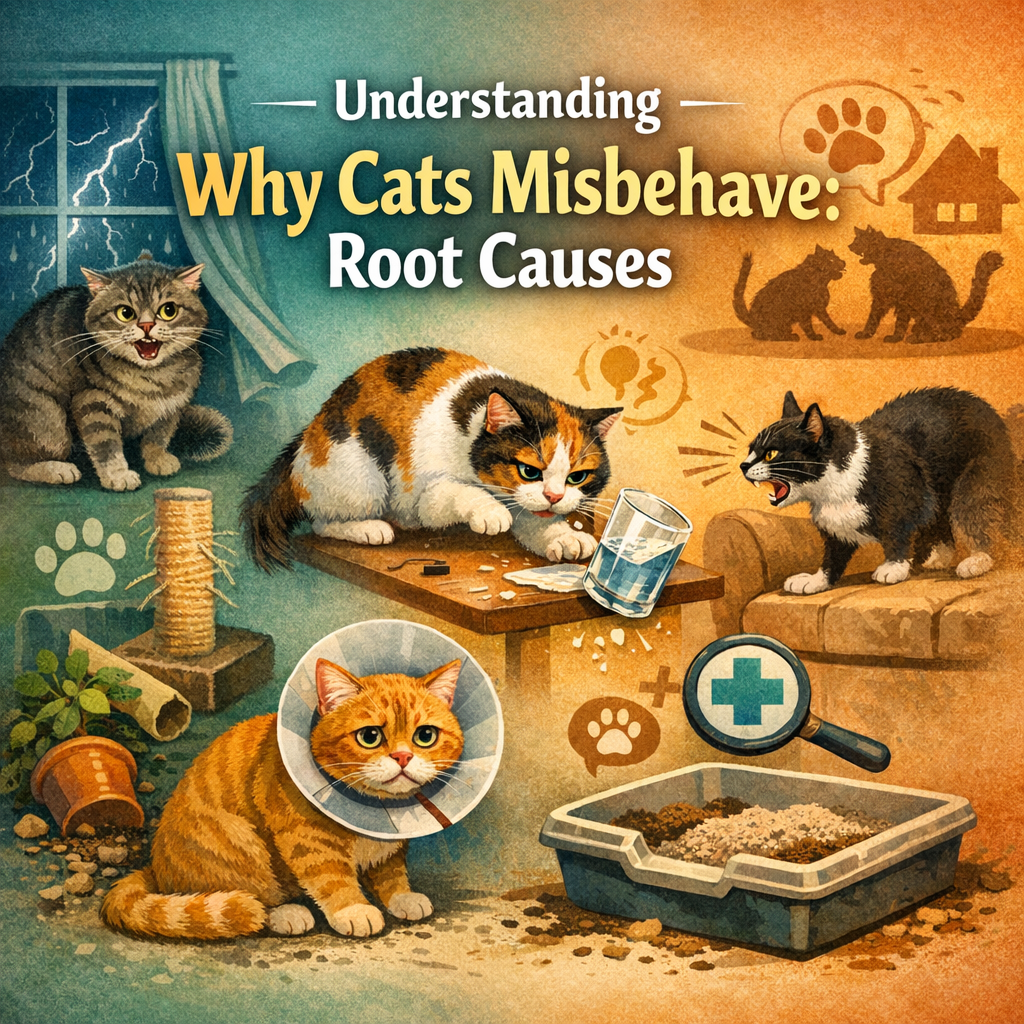
Understanding Why Cats Misbehave: Root Causes
You asked why your feline friend acts out, and the short answer is usually a mix of fear, pain, or unmet needs. Let’s break down the most common root causes and give you practical steps you can take right away.
Introduction
Overview of cat misbehavior in everyday life
Cats often act out in ways that puzzle us, from scratching furniture to sudden hissing. What looks like misbehavior is usually a signal that needs aren’t being met or hidden stressors at play. You might notice attention‑seeking pawing, abrupt aggression, or litter box issues that disrupt daily life.
Understanding the why behind these actions helps you respond calmly and effectively. When a cat feels overwhelmed or bored, they may redirect energy into unwanted behavior. By reading the signs, you can spot the root cause sooner and intervene with care.
Why understanding root causes matters for pet owners
Root‑cause awareness guides safer, kinder fixes. It shifts your approach from punishment to prevention, aligning training with your cat’s natural needs. This helps reduce anxiety, supports health, and strengthens trust between you and your feline friend.
- Identify real triggers such as fear, pain, or boredom
- Tailor enrichment and routines to prevent misbehavior
- Know when to seek veterinary or behavioral help
Concrete steps you can take now include setting up a simple enrichment plan: schedule 15 minutes of interactive play twice daily, rotate toys weekly, and provide a vertical space like a cat tree. If you notice litter box avoidance, start with a deeper, larger box and add a litter type your cat already prefers. Keep a behavior log for two weeks to link actions to times, rooms, or visitors.
Experts from Bella Gatti US Shop suggest tracking patterns with a calendar and noting changes in routine, as small shifts can trigger reactions. Consider a veterinary check if aggression or hiding lasts more than a few days, or if weight loss accompanies behavioral changes.
When to involve pros for chronic issues
Persistent problems may signal pain, anxiety disorders, or environmental gaps. A consult can uncover medical causes, while a behaviorist can tailor a plan to your home setup, maximizing success without unnecessary stress for you or your cat.
1. Fear and Anxiety Triggers
Common sources of fear (new environments, strangers, sudden noises)
Fear in cats often stems from changes in their surroundings. A new home, rearranged furniture, or a new pet can heighten vigilance. Strangers in the home may trigger defensive reactions. Sudden noises like thunder or a vacuum can startle a cat and provoke a cautious response.
Observe your cat for 48 hours after a change to identify triggers. For Bella Gatti US Shop customers, place a familiar blanket or toy in a quiet corner to create a trusted anchor. Use a crate or carrier during visits to reduce exposure to unfamiliar faces and scents. Consider pheromone sprays or calming treats to ease transitions without forcing interaction.
Understanding these triggers helps you adjust the environment. Create predictable routines and provide safe spaces where your cat can retreat. Rotate toys slowly and maintain consistent feeding times to reinforce security, lowering the risk that fear turns into misbehavior.
How fear manifests as misbehavior
Fear can show up as hiding, withdrawal, or sudden aggression. You might notice flattened ears, a tucked tail, or a low growl as warning signals. Some cats hiss or swipe when they feel cornered, signaling a defensive rather than proactive response.
Address fear early to prevent escalation. Gentle, gradual exposure, stable routines, and safe enrichment support confidence and reduce avoidance or reactive behaviors.
Expert Insight
“Fear in cats often stems from changes in surroundings and lack of early positive socialization, so creating predictable routines, safe spaces, and gradual, gentle exposure helps reduce fear and misbehavior.” , Veterinary Behavior Expert
2. Frustration and Boredom
Role of enrichment and play in preventing misbehavior
A cat with outlets for energy and curiosity is less likely to redirect that energy into destructive actions. Enrichment combines physical activity with mental challenges that mirror natural hunting and problem solving behaviors. Regular play sessions create positive associations with interaction and reduce the urge to seek attention through unwanted behaviors.
Incorporate toys that mimic prey, such as wand toys or laser pointers, and rotate them to maintain novelty. Guided play helps you gauge your cat’s preferences and tailor activities to individual needs. A well designed environment supports exploration without chaos.
Practical steps you can take now include scheduling two 10 minute play sessions daily and observing which toys hold interest for longer periods. Use puzzle feeders to challenge problem solving during meals, and add vertical zones like cat trees to encourage climbing. Bella Gatti US Shop offers rotating toy sets and puzzle feeders that fit small spaces and adapt as your cat grows.
Environmental enrichment also includes hiding spots, climbing structures, and accessible vertical space. A clutter‑free play area keeps things safe and inviting, encouraging healthy play rather than frustration driven behavior.
Signs your cat is bored or frustrated
- Increased meowing or attention seeking behavior, especially at specific times
- Destructive scratching beyond typical zones or furniture focus
- Chasing shadows or repetitive, aimless pacing around the home
- Excessive grooming or, conversely, sudden withdrawal from interactive moments
- Frequent restless pacing or sudden bursts of activity followed by lethargy
3. Pain and Medical Conditions
How illness or pain influences behavior
Pain and illness can quietly shift a cat’s behavior. A normally affectionate pet may become withdrawn or irritable when discomfort appears. You might notice changes in activity, appetite, or grooming. For example, a jumpy cat may skip stairs or avoid lying on a favorite pillow.
Medical concerns can also alter how a cat responds to touch or play. If a cat reacts with sudden aggression or avoidance during routine care, this may reflect discomfort rather than a bad temper. Track patterns over several days to tell temporary mood from a medical problem. Keep a quick log of when episodes start and what triggered them.
When to consult a veterinarian
- New or persistent changes in energy, appetite, or litter box use
- Unexplained growling, hissing, or recoil when touched in specific areas
- Difficulty moving, limping, or reluctance to jump or climb
- Signs of dental pain such as drooling, bad breath, or reluctance to eat
| Warning signs | Potential cause | Next steps |
|---|---|---|
| Decreased grooming | Pain or fatigue | Schedule a veterinary check-up |
| Increased hiding | Discomfort or anxiety | Note patterns and seek guidance |
| Changes in litter box behavior | Urinary or gastrointestinal issues | Urgent veterinary evaluation |
4. Territorial and Social Dynamics
Impact of new cats or changed household dynamics
A new cat or a shift in household roles can unsettle your resident feline’s sense of territory. Even if there isn’t visible tension, changes to feeding routines, sleeping spots, or favorite perches can trigger guarding behaviors. You may notice heightened vigilance, subtle avoidance, or brief standoffs between cats.
when a second cat arrives, you might see the resident monitor the new arrival from a distance, then retreat to a familiar high perch after small verbal cues from the newcomer. In families with kids, a child rearranging bowls can trigger guarding of the feeding area for hours.
Practical steps you can take include a slow, staged introduction plan. Start by feeding on opposite ends of the same room for several days, then gradually increase shared space time. Keep daily routines consistent for meals, play, and grooming during the transition. Provide multiple resources at all levels, water bowls, litter boxes, and resting locations, to reduce competition.
Real-world tip: Bella Gatti US Shop offers calming pheromone diffusers and modular cat furniture that can be positioned to create separate zones without isolating the cats. A calm environment supports smoother adjustments and lowers reactive impulses during change.
Understanding inter-cat conflict and marking
Inter-cat conflict often stems from perceived competition over resources or space. Watch for tense body language, displaced grooming, and short warning vocalizations. Early detection helps prevent escalation into full aggression.
Evidence from animal behavior studies suggests that providing ample private space per cat reduces incidents in multi-cat households. Extra resting spots or vertical space give cats a retreat and reduce friction.
Territory marking, such as urine spraying or scent rubbing, signals a cat asserting boundaries. Ensure ample resources and private spaces to minimize triggers. Address underlying stressors with enrichment and predictable schedules to reduce the urge to mark. Common mistakes include removing all hiding spots or forcing interactions, which can backfire and heighten stress.
| Situation | Behavior you might see | What to do |
|---|---|---|
| New cat in the home | Clustering around feeders, avoidance, or mock aggression | Slow introductions, separate resources, supervised time |
| Changed routines | Guarded zones, increased scent marking | Preserve routine, provide multiple resting areas |
| Inter-cat conflict | Tension, hissing, swatting | Increase enrichment, monitor for injuries and seek veterinary guidance if needed |
5. Inadequate Litter Box Setup and Hygiene
Common litter box issues that trigger misbehavior
Cats are particular about cleanliness and location. A litter box that smells or looks soiled can cause avoidance and lead to inappropriate elimination or hiding behavior. For example, a cat may start avoiding the box and instead urinate behind furniture or chew on objects out of stress.
Too few boxes relative to cats elevates stress during bathroom time. If boxes are tucked in cramped corners or hidden behind doors, a cat may choose a less convenient area to relieve itself or mark territory with scent. This is especially common in multi‑cat households where routines clash.
Best practices for placement and maintenance
- Provide one box per cat plus one extra to reduce crowding and stress
- Place boxes in quiet, private areas away from feeding spots and high‑traffic zones
- Clean daily by removing waste, with a full wash weekly using mild soap
- Avoid harsh chemicals like bleach that can irritate a sensitive cat nose
- Choose the right box style and size to accommodate your cat’s size and mobility
- Consider covered boxes only if your cat prefers privacy; some cats avoid them if they feel trapped
- Test box placement over a two week period and note any shifts in litter usage
- If a cat starts avoiding a box after a move, reintroduce gradually by placing a litter tray in the new area
| Consideration | Recommended practice |
|---|---|
| Number of boxes | One per cat plus one extra |
| Placement | Quiet, private areas away from feeding zones |
| Maintenance | Daily scooping, weekly thorough wash |
Expert Insight
“Provide one box per cat, plus one extra, place boxes in quiet, private areas away from feeding zones, and maintain daily scooping with a weekly thorough wash to reduce stress and ensure your cat feels safe using the litter box.” , Cat Behavior and Litter Box Management Expert
6. Reinforcement and Training Missteps
Why punishment backfires with cats
Punishing a cat often creates fear and confusion rather than the desired behavior. Instead of learning, your cat may associate you with stress, leading to withdrawal or hidden aggression. This approach can escalate incidents rather than reduce them.
Many cat behaviors stem from motivation or environment. When you punish, you remove safe communication and erode trust. The result is a cycle of avoidance, more misbehavior, and strained interactions.
Positive reinforcement techniques that work
- Reward desired actions with tasty treats, praise, or play. For example, give a small treat right after your cat uses a scratching post.
- Pair cues with rewards to teach new behaviors. Use a distinct word like go or a clicker just before the reward.
- Keep training sessions short and end on a positive note. Aim for 3-5 focused minutes several times a day.
- Provide ample enrichment to reduce the frequency of unwanted acts. Rotate toys, hide treats, and offer vertical spaces.
- Redirect misdirected energy to appropriate outlets like interactive toys. If a cat pounces on hands, switch to a wand toy immediately.
| Technique | Effect | Best practice |
|---|---|---|
| Positive reinforcement | Encourages repeat behavior | Praise immediately after the action |
| Cue association | Predictable responses | Use a clear word or clicker before reward |
| Environmental enrichment | Reduces boredom related misbehavior | Rotate toys and provide puzzle feeders |
7. Environmental Stressors and Sensory Overload
Noise, smells, and crowded spaces as stressors
Cats interpret their surroundings rapidly. Sudden noises or strong fragrances can trigger defensive postures or hiding. You may see hissing, flattened ears, or a cautious growl when overstimulated.
In multi‑cat homes, scarce quiet zones and shared scent trails raise tension. A startled cat might retreat, dart away, or show redirected aggression as a coping tactic.
Creating a calming home environment
- Offer quiet retreat spaces with elevated perches and covered hideaways
- Introduce scents gradually, using one mild fragrance at a time and keeping resting areas scent-free
- Establish predictable routines with regular feeding, play, and litter checks
- Incorporate calming enrichment like puzzle toys and seasonal scent safes
- Coordinate play to avoid peak chaos, and ensure ample resources for every cat
| Stressor | Impact on behavior | Mitigation |
|---|---|---|
| Noise | Startle responses, agitation | Quiet rooms, soft sounds, schedule loud tasks away from cats |
| Strong smells | Disorientation, irritability | Use cat-safe products, limit scent near beds |
| Crowded spaces | Overstimulation, stress signals | Private zones, staggered activity, ample resources |
FAQ
What causes cats to misbehave?
Cats act out when their environment fails to meet their needs. Fear, frustration, pain, and changes at home can trigger unwanted acts. You can address the underlying cause by observing context, not just the act itself.
Common root causes include play aggression, fear aggression, and litter box issues. Watch for signals like hissing, flattened ears, or growling as warnings before a bite or scratch. Medical conditions can also drive behavior, so a vet visit is wise if symptoms are new or worsening.
How can I tell if my cat is stressed?
Look for signs such as flattened ears, a tucked tail, growling, or reluctance to engage. Changes in appetite, overgrooming or bald patches, and avoidance of favorite spaces also indicate stress. Track patterns that repeat over several days to identify triggers.
Stress may also show as avoiding touch, reduced play, or increased hiding. In multi‑cat households, competition for space raises tension. Improve environmental enrichment, provide safe zones, and rotate toys to keep your cat mentally engaged.
When is it essential to seek professional help?
Consult a veterinarian if behavior shifts abruptly, aggression causes injuries, or you suspect a medical condition. A vet or behaviorist can separate medical from behavioral causes and tailor a safety‑focused plan. Look for persistent litter box avoidance, tail thrashing, or unusual aggression during petting and seek guidance promptly.
Conclusion
Key takeaways for addressing root causes
Understanding why a cat misbehaves starts with spotting underlying needs. Look for triggers such as fear, pain, or boredom before addressing a behavior. Prioritize safety and welfare, and shift from punishment to calm, clear communication. Ground your approach in reliable, cat centered strategies that reduce stress and build trust.
- Identify the driver behind the act, not just the act itself
- Use positive reinforcement to encourage desired behaviors
- Ensure health concerns are ruled out with a vet check when needed
Steps to implement a behavior friendly routine
- Create predictable daily patterns for feeding, play, and rest
- Provide enrichment that matches your cat’s preferences
- Install quiet zones and escape routes to reduce stress
- Monitor litter box setup and hygiene to prevent avoidance
- Avoid punishment and redirect energy to appropriate outlets
Practical tips and real world considerations
- Track incidents in a simple notebook note time, trigger, and outcome to spot patterns
- If your cat hides during storms or fireworks, create a safe burrow with familiar scents and soft lighting
- Rotate three to five toys weekly and hide treats in puzzle feeders to combat boredom
- Schedule a vet visit if a behavior change accompanies appetite loss, hiding, or litter box avoidance
- Bella Gatti US Shop offers calming aids backed by veterinary guidance to support transitions
| Action | Expected Outcome | Notes |
|---|---|---|
| Health check | Rule out medical causes | Visit a veterinarian if new aggression appears |
| Enrichment | Reduced boredom related misbehavior | Rotate toys and include puzzle feeders |
| Positive reinforcement | Stronger bond and repeatable good behavior | Reward immediately after action |