



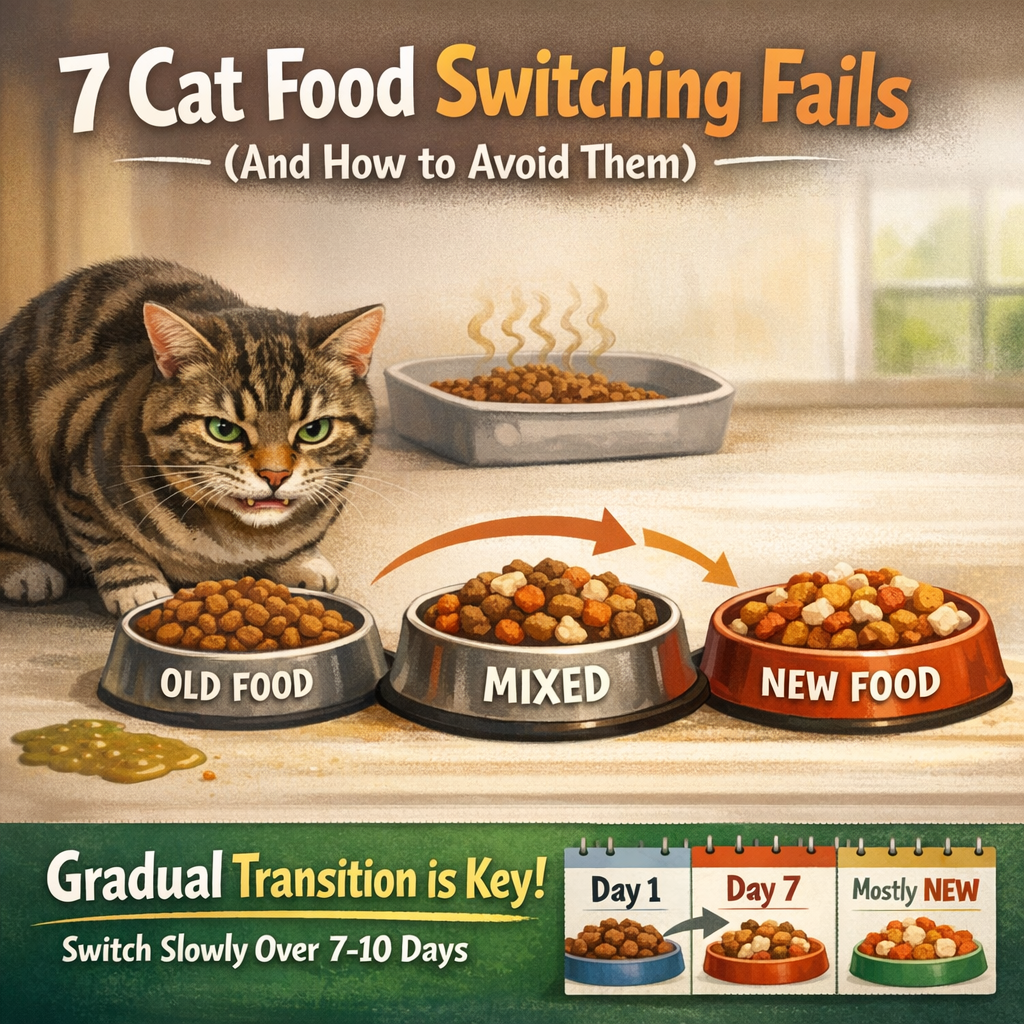
- Gradual Transition is Key: Always switch cat food slowly over 7-10 days (or more for sensitive cats) to prevent digestive upset like vomiting or diarrhea.
- Mind Texture, Age, and Quality: Match food texture, ensure it’s appropriate for your cat’s life stage (kitten, adult, senior), and prioritize high-quality ingredients with real meat.
- Monitor and Be Patient: Watch stool consistency daily for signs of trouble. If your picky eater refuses new food, be patient, try warming it or adding treats, and consult a vet if refusal persists.
- Avoid Common Fails: Don’t go “cold turkey,” leave food out all day, or ignore signs of health issues; proper hydration is also crucial during transitions.
Table of Contents
Ever feel like you’re caught in a never-ending ‘Cat Food War’? (If the battle includes runny poop or other GI drama, check out Stop the Squirt: Kitten Tummy Troubles 101.) You are not alone. Pleasing your picky feline overlord while preventing digestive upset is a true feat.
Transitioning cat food can be tricky. But fear not, fellow cat parent. We are here to guide you through the common pitfalls with a dash of humor and plenty of practical advice.
Let’s dive into the seven biggest common mistakes when switching cat food that cat owners make when changing their cat’s diet, and how to avoid them for a perfectly smooth cat food transition.
The 7 Fails of Cat Food Switching
1. Going Cold Turkey Catastrophe: The Puke Problem
This is the number one fail when changing cat food. Just swapping out the old kibble for new? Prepare for the dreaded ‘Puke Problem’ or, worse, a hunger strike from your feline overlord.
Consequence: Digestive upset is almost guaranteed. (Not sure what “normal” vs. “concerning” looks like? See Signs Your Cat Has Poor Gut Health: A Checklist.) Your cat’s sensitive stomach can react with vomiting, diarrhea, or a complete refusal to eat. To avoid this discomfort, it’s crucial to implement gradual food transition strategies, which allow your cat’s digestive system to adapt slowly to new foods. An abrupt change can cause severe gastrointestinal symptoms and discomfort, leading to a very unhappy cat.
Solution: A gradual introduction of new food for cats is absolutely critical to avoid digestive upset, and employing effective gradual cat food transitioning techniques can make all the difference in this process. You need a slow, deliberate change over 7 to 10 days, sometimes even 14 days for extra sensitive cats. This gradual transition allows their digestive system to acclimate to the new ingredients and nutrient density smoothly, reducing the risk of any adverse reactions. Brands like Purina and Blue Buffalo consistently emphasize these gradual transition methods, recognizing their importance in promoting feline health. Do not just dump the new food in their bowl!
2. Ignoring the Texture Snob Factor: Finicky Eaters Beware
Cats are notoriously particular, often exhibiting the traits of finicky eaters with distinct food texture preferences for picky eaters. If your cat loves pate, do not suddenly offer chunky stew and expect applause. They have strong preferences, especially when it comes to consistency, and abrupt changes can lead to dinner table drama!
Consequence: Food refusal is a common outcome. Your finicky eater might turn their nose up at the new cat food, regardless of how good the ingredients are. They might even develop an aversion to the new food altogether, making future attempts even harder.
Solution: Try to match the texture and form of their current food as closely as possible. If switching from dry kibble to wet food, consider a similar protein source first. If they like shredded, stick to shredded. This is especially true for senior cat formula where specific textures might be easier to eat, supporting their overall body condition.
3. The Permanent Buffet Mistake: Hindering a Healthy Weight Formula
Leaving food out all day might seem convenient, but it makes cat food transition much harder and can impact their body condition.
Consequence: Picky eating and overeating are common. Your cat learns they can always hold out for their favorite, or graze excessively leading to weight gain. This can hinder achieving an ideal body condition and complicate any healthy weight formula plans.
Solution: Implement scheduled feeding times, which offer numerous scheduled feeding benefits for cat nutrition. Serve food for 15-20 minutes, then remove it. This practice creates a sense of routine and encourages them to eat what is offered, while also allowing you to effectively monitor their food intake during the transition schedule, ultimately supporting better overall cat nutrition.
4. Forgetting the Age-Appropriate Formula: Essential Nutritional Needs
Choosing the right cat food based on age is crucial, as kitten nutritional needs are vastly different from adult cat food requirements, while senior cats specifically benefit from senior cat formulas. Transitioning cat food for young cats is an important process, as it helps ensure they move from the high-energy needs of kitten food to the balanced diet necessary for adults. Comparing senior cat formula vs kitten/adult diets reveals essential differences; senior formulas tend to be lower in calories and higher in fiber, aimed at supporting aging cats, while adult cat food focuses on maintaining energy levels and overall health. Ignoring these age-specific needs is a major fail in cat nutrition.
Consequence: Nutritional imbalance is a serious risk. Feeding kitten food to an adult cat can lead to weight gain due to higher calories. Conversely, an adult cat on senior formula might miss out on essential protein content for their active life. Risks of feeding 7+ or senior formulas to adult cats include lower phosphorus and sodium levels, which are not ideal for younger, healthier kidneys.
Solution: Always choose food appropriate for your cat’s life stage, as health considerations when switching cat food are crucial. Kitten food provides higher fat and protein for growth, while adult cat food supports maintenance. Senior cat formulas often include ingredients for joint health and immune system support. When making a transition, consider potential sensitivities or allergies, and consult your veterinarian for recommendations, especially for a healthy weight formula or a prescription diet, ensuring optimal cat health.
5. Not Monitoring Stool Consistency: A Key to Digestive Health
Your cat’s litter box tells a crucial story about their digestive health, especially during a new cat food introduction.
Consequence: Ignoring early signs of trouble means you miss critical cues. Soft or watery stools indicate that your cat’s digestive system is struggling with the new food. This can escalate to full-blown diarrhea if not addressed, exacerbating digestive upset.
Solution: Implement stool consistency monitoring daily. If you notice changes, slow down the transition immediately. Maintain the current ratio of old to new food for a few extra days until their stools return to normal. Firm stools are a good sign to increase the new cat food, indicating successful adaptation. This gradual transition approach is vital.
“A slow, gradual transition over 7-14 days helps prevent gastrointestinal issues such as diarrhea, vomiting, and reduced appetite, ensuring a smooth change in diet.” , PetMD.
6. The “One and Done” Mentality for Picky Eaters: Patience is Key
If your cat refuses the new food once, do not give up immediately. Handling food refusals requires patience, especially with finicky eaters.
Consequence: Missing out on a perfectly good food is likely. Some cats are simply wary of new things. Giving up too soon means you might never find a better, healthier option for them, potentially missing out on improved cat nutrition or a sensitive stomach formula.
Solution: Patience is key for picky eaters. Try warming wet food slightly to enhance its aroma. Mix in a tiny amount of a favored treat or a lickable snack. Offer small “tastings” of the new food on its own before mixing. Sometimes, simply offering a sensitive stomach formula can help entice them. That said, if they consistently refuse to eat, consult your veterinarian for further advice on their cat diet.
7. Ignoring Quality Ingredients: The Soft Cotton Tee Parallel
Just like you wouldn’t wear a scratchy shirt, don’t feed your cat scratchy food! Quality ingredients are paramount for cat health and comfort.
Consequence: Poor cat nutrition and long-term cat health issues are the result. Cheap, filler-heavy foods might save money in the short term but can lead to a host of problems, including sensitive skin and stomach formula needs, hairball control issues, or poor body condition and weight gain.
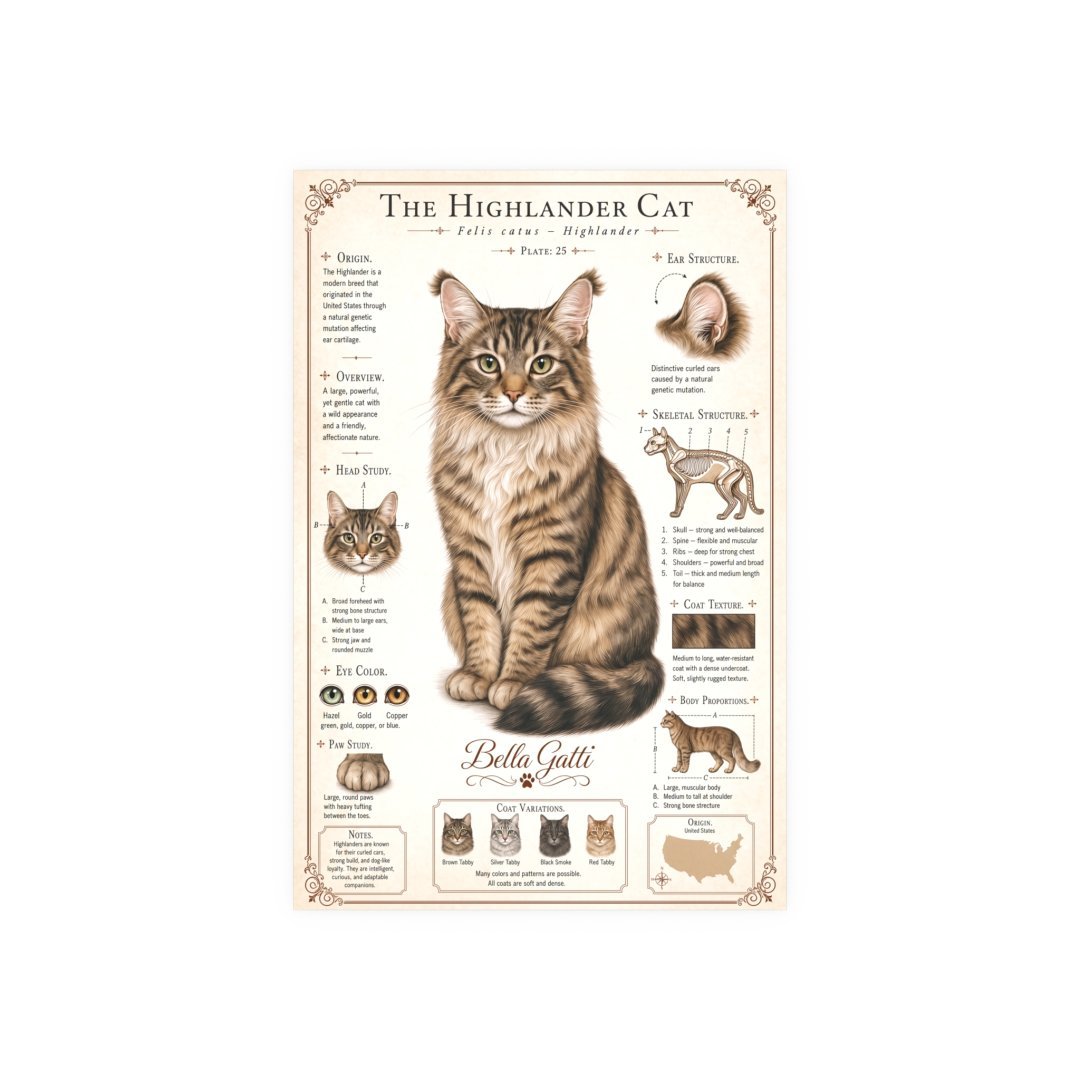
Solution: Focus on high-quality ingredients. Look for real meat as the first ingredient to ensure proper protein content. Brands like Wellness, Purina, and Blue Buffalo offer a range of premium options. Consider formulas like indoor cat food or sensitive skin formula if applicable. Good cat nutrition is an investment in their overall well-being, much like choosing a comfortable, premium Bella Gatti Unisex Soft Cotton Tee for yourself.
Recommended Gradual Food Transition Schedule
Here is a quick look at a recommended transition schedule for switching cat food:
| Days | Old Food Percentage | New Food Percentage | Monitoring Cue |
|---|---|---|---|
| 1-2 | 75% | 25% | No digestive upset? Proceed. |
| 3-4 | 50% | 50% | Stools firm? Increase new food. |
| 5-7 | 25% | 75% | Continue monitoring stool consistency. |
| 8-10+ | 0% | 100% | Adjust if gastrointestinal symptoms appear. |
Remember, every cat is unique, and this transition schedule is a guideline. If your cat shows signs of health issues during switching, such as persistent refusal to eat, vomiting, or diarrhea, it is critical to consult a veterinarian immediately. These could indicate underlying food sensitivities or other health problems. Reddit’s r/CatAdvice often discusses similar scenarios and offers community support for cat feeding tips.
Expert Insight
“Diet is the brick and mortar of health. Cats have a better chance at optimal health if they are fed canned food (or a balanced homemade diet) instead of dry kibble, which is often too low in water, too high in carbohydrates, and relies on plant-based proteins.” , Lisa A. Pierson, DVM
Frequently Asked Questions About Changing Cat Food
Navigating a cat food transition can feel like deciphering ancient feline hieroglyphs. As you make this switch, keep an eye out for signs your cat is adjusting to new food, like increased enthusiasm at mealtime or a healthy, shiny coat. But don’t worry, we’ve got answers to some of the most common questions about switching cat food, ensuring your furry overlord stays happy and healthy.
What if my cat refuses to eat during the transition?
Ah, the classic finicky eater move! If your cat refuses to eat at all, especially during a gradual food transition, immediately revert to the previous food ratio. This gives their sensitive stomach a break. Try warming wet food slightly to enhance its aroma, or mix in a tiny amount of a highly palatable treat. Scheduled feeding can also help encourage them to eat when food is offered, rather than grazing all day. If refusal continues for more than 24 hours, or you notice any gastrointestinal symptoms like vomiting or diarrhea, contact your veterinarian. Brands like Purina or Wellness often have lines specifically for finicky eaters that might be worth exploring for future transitions.
Can I mix different brands of cat food?
Absolutely, you can mix different brands, especially during a cat food transition! Just ensure the new cat food aligns with your cat’s specific nutritional needs, whether it’s kitten food for the little ones, adult cat food, or a senior formula. Always check for veterinarian recommendations if you’re unsure. Many cat parents successfully transition between brands like Blue Buffalo and Wellness, focusing on the quality of ingredients and appropriate cat nutrition for their pet’s life stage and body condition.
How do I know if the new food is causing problems?
Keep a close eye on your feline friend during any changing cat food process. Watch for gastrointestinal symptoms like vomiting, diarrhea, constipation, or excessive gas, as these could be signs your cat may need a food switch. Changes in appetite, lethargy, or even skin irritations could also indicate digestive upset or a food sensitivity. Stool consistency monitoring is crucial; ideally, stools should remain firm and well-formed. If symptoms persist or worsen, especially if your cat refuses to eat or shows signs of distress, consult your vet immediately. This is vital to rule out more serious cat health issues.
Is it okay to feed senior formula to an adult cat?
While not immediately dangerous, feeding a senior cat formula long-term to an adult cat isn’t ideal. Senior formulas are specifically designed with lower calorie counts and adjusted phosphorus and sodium levels to support the unique needs of older cats, addressing concerns like joint health and kidney function. Feeding it to an adult cat might not provide adequate nutrient density for their active life stage, potentially impacting their ideal body condition or immune system. Always aim for a formula appropriate for their current life stage, whether it’s kitten nutritional needs, adult cat food, or a healthy weight formula if needed.
How important is water access during a food transition?
Hydration is always crucial for cat health, but it becomes even more vital during the process of switching cat food. Ensuring that your cat has constant access to fresh, clean water is essential, as proper hydration plays a key role in supporting their well-being during this transition. Increased water intake can help prevent dehydration, particularly if they experience digestive upset like diarrhea. Good hydration also supports overall cat nutrition and can aid in the smooth processing of new cat food, making hydration particularly important during times of dietary adjustment. Think of it as a crucial part of their cat diet, especially when their system is adjusting to new ingredients.
Expert Insight
“A gradual transition over 7-10 days is crucial when switching cat food to prevent digestive upset and allow the cat’s system, particularly its gut bacteria, to adjust to new ingredients, while always ensuring constant access to fresh water to prevent dehydration.” , Veterinary Expert
Conclusion: You’ve Conquered the Cat Food War!
Phew! Switching cat food can certainly feel like a high-stakes game for both human and feline. But with a little patience, a dash of humor, and these battle-tested cat feeding tips, you’ve got this. You can now navigate the ‘Cat Food War’ like a true champion, ensuring a smooth gradual transition and preventing digestive upset.
The Importance of a Gradual Transition to Avoid Digestive Upset
Remember, the golden rule of cat nutrition is a slow, gradual transition. Rushing the process is a prime cause of gastrointestinal symptoms like vomiting, diarrhea, and a sudden refusal to eat. A proper transition schedule over 7-10 days allows your cat’s digestive system to adjust to the new protein content and nutrient density, whether it’s kitten food, adult cat food, or a senior formula. This approach significantly reduces the risk of tummy troubles and keeps their immune system strong.
Recommended Transition Schedule (The 7-10 Day Plan)
To ensure a smooth cat food transition, here’s a typical schedule. Start by mixing 25% new cat food (like Purina or Blue Buffalo) with 75% old food for the first 2-3 days. If all looks good (especially stool consistency), move to 50/50 for days 4-6. Then, increase to 75% new food and 25% old for days 7-9. Finally, by day 10, your cat should be happily on 100% new food. Adjust this pace if your cat shows any signs of discomfort.
Monitoring Stool Consistency: Your Feline Feedback Loop
Your cat’s litter box is your most honest feedback mechanism during a cat food transition! Closely monitor stool consistency. If stools are firm and well-formed, you’re on the right track to increase the proportion of new food. Watery stools or diarrhea are clear signs to slow down the transition schedule. This simple check helps prevent severe digestive upset and guides your pace.
Handling Food Refusals and Picky Eating Like a Pro
Even with the best intentions, some finicky eaters might refuse the new cat food. Don’t panic! Try warming wet food slightly to enhance its aroma. Mixing in a tiny amount of a highly palatable treat can also encourage them. Scheduled feeding can help create anticipation, making the new food more appealing. If your cat, perhaps a Reddit r/CatAdvice star, still refuses to eat for more than 24 hours, especially if they are a senior cat formula user or have a sensitive stomach, it’s time for veterinarian recommendations.
Signs of Health Issues During Switching
While a gradual transition minimizes risks, it’s essential to watch for any signs of health issues, particularly when identifying food sensitivities in cats. Symptoms such as persistent vomiting, severe diarrhea, lethargy, or a complete refusal to eat (old or new food) are red flags that may indicate a food sensitivity or a more serious issue. In such cases, reverting to the old food is vital, along with consulting your veterinarian immediately. This guidance is especially crucial if your cat is on a prescription diet or has a known need for a sensitive skin and stomach formula, as your veterinarian can provide tailored advice to ensure a safe transition and help pinpoint the underlying cause of any food sensitivities.
You’ve navigated the complexities of cat nutrition, from understanding kitten nutritional needs to managing an indoor cat food diet. That’s no small feat!
You’ve earned a well-deserved break after all that hard work. Perhaps a comfortable new Unisex Soft Cotton Tee from Bella Gatti US Shop, celebrating your mastery of cat nutrition and ideal body condition, is in order? After all, a happy human often leads to a happy cat!
Keep those purrs coming, and remember, a happy tummy makes a happy cat! If you enjoyed this, you might also like Raw Deal: Starting Your Cat on a Safe Raw Food Diet. If you enjoyed this, you might also like Wet Food vs. Dry Kibble: The Ultimate Cat Diet Showdown. If you’re worried about anything more serious, Blood in Cat Poo: When is it an Emergency? is a helpful next read.
Expert Insight
“Cats can be sensitive to the physical form, odor, and taste of foods, so patience and a slow, gradual transition over one to two weeks, or even up to 40 days for some, are key to avoid gastrointestinal upset and ensure acceptance, especially when considering factors like main ingredients, guaranteed analysis, and texture.” , AAHA Nutritional Resources, PetMD, and Lisa A. Pierson, DVM (catinfo.org)
References
- Changing Cat Food: How to Transition Your Cat to New Food – Purina
- I accidentally bought 7+ wet cat food for my 2 year old cats. Is it okay …
- How to Transition Cat Food – Blue Buffalo
- Everything to Know on How to Switch Cat Food | Go! Solutions
- How do you gradually change your cats food to avoid tummy upsets …