



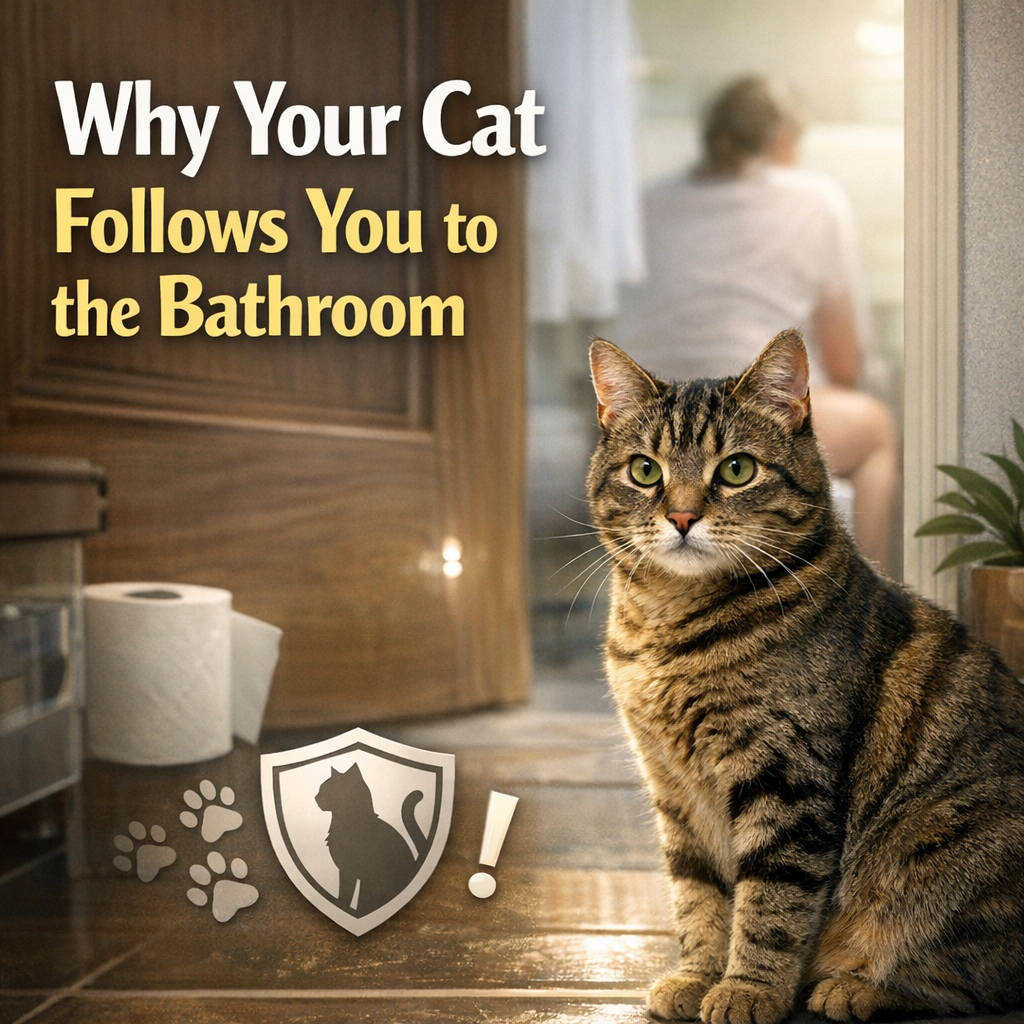
- Instinctual Protection: Cats often view humans as vulnerable while in the bathroom and follow them to act as “bodyguards,” standing guard against perceived threats.
- Social Bonding & Affection: Because you are stationary and undistracted, cats see the bathroom as a VIP lounge for exclusive one-on-one attention, lap-sitting, and strengthening their emotional bond with you.
- Curiosity & Routine: Driven by a natural need to investigate running water and closed doors, cats also mirror your daily schedule to feel secure and integrated into your morning habits.
- Wellness Check: While usually harmless, persistent meowing or distress can indicate separation anxiety or environmental boredom, which can be managed with enrichment or veterinary advice.
Table of Contents
- Why Your Cat Follows You to the Bathroom
- Protection and Guarding Instincts
- Expression of Affection and Bond
- Seeking Company and Avoiding Loneliness
- Curiosity about Human Activities
- Routine and Habitual Behavior
- Protection and Guarding Instincts
- Expression of Affection and Feline Attachment
- Seeking Company and Avoiding Loneliness
- Curiosity about Human Activities
- Creatures of Habit and Routine
- Curiosity and Feline Sensory Perception
- Routine and Habitual Behavior
- Protection and Guarding Instincts
- Seeking Company and Avoiding Loneliness
- Routine and Habitual Behavior
- Protection and Guarding Instincts
- Expression of Affection and Bond
- Seeking Company and Avoiding Loneliness
- Curiosity About Human Activities
- Seeking Company and Avoiding Loneliness
- Decoding Feline Bathroom Behaviors
- Separation Anxiety and Hyper Attachment
- The Bathroom as a Play Zone for Environmental Enrichment
- Frequently Asked Questions
- Why does my cat meow at the bathroom door?
- Curiosity about Human Activities and Feline Habits
- Protection and Guarding Instincts
- Expression of Affection and the Feline Bond
- Seeking Company and Avoiding Loneliness
- Routine and Habitual Behavior
- When to Seek Veterinary Medical Advice
- Is it bad to let my cat in the bathroom?
- Can my cat catch anything from the bathroom?
- What if my cat starts acting weird in the bathroom?
- Summary of Feline Bathroom Habits
Why Your Cat Follows You to the Bathroom
You are sitting there, minding your own business, when a small paw slides under the door. Or perhaps you have a furry spectator staring at you while you shower. If you are a cat parent, you know the struggle.
Your bathroom is no longer a private sanctuary. It is a VIP lounge for your feline shadow. But why do they do it? Is it simple cat curiosity or something deeper in the feline soul?
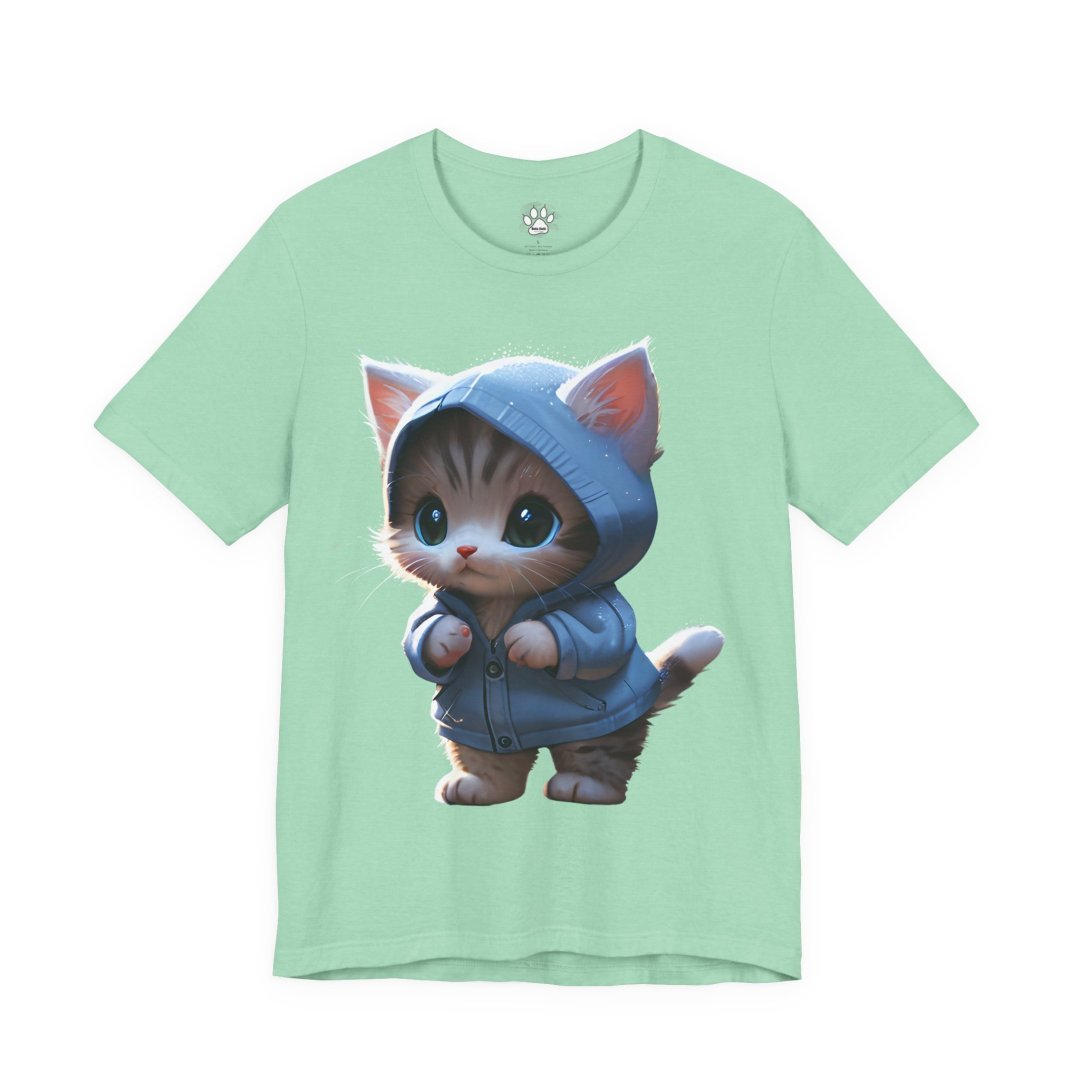
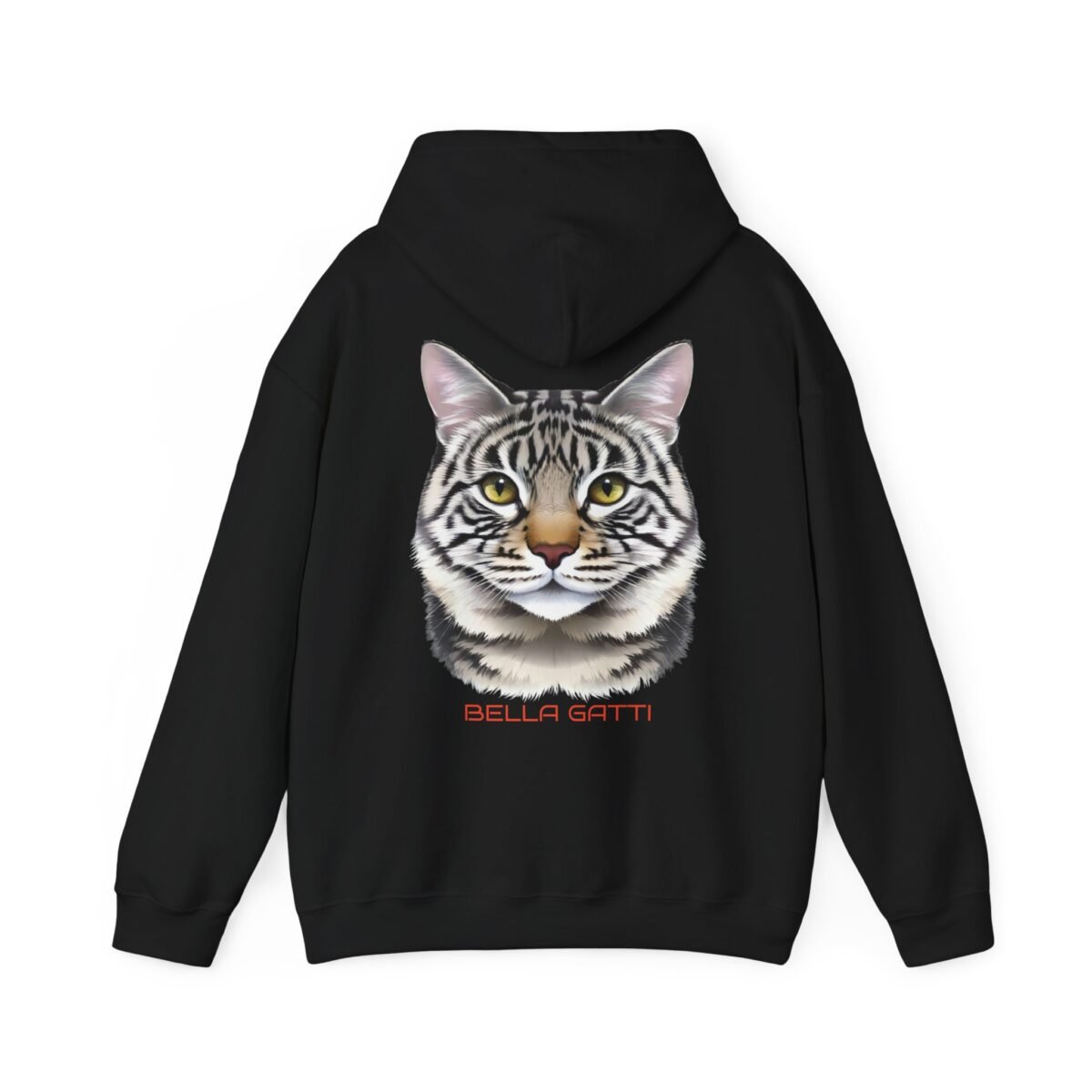
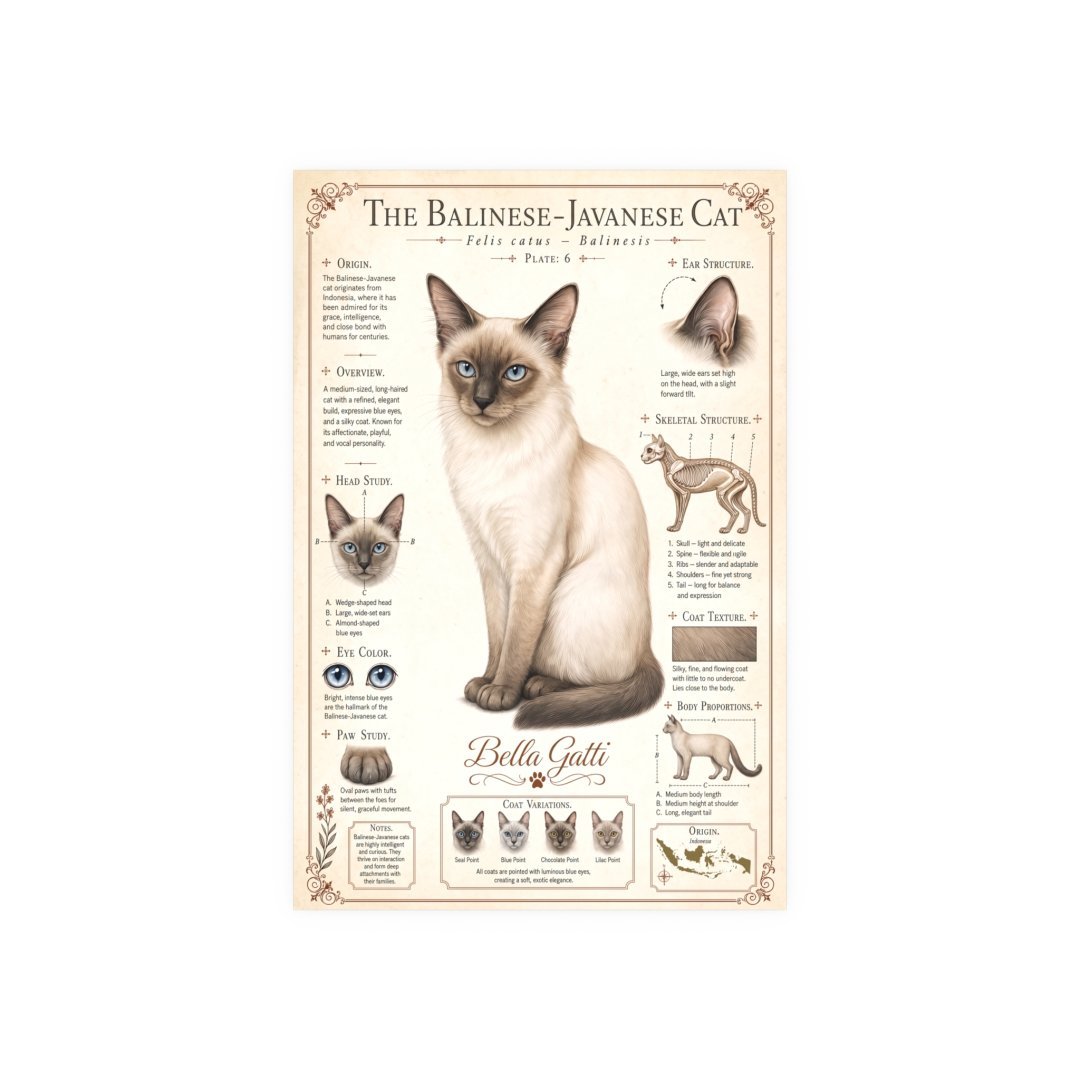
At Bella Gatti US Shop, we celebrate these quirky feline habits with our graphic apparel. Whether you are wearing a Unisex Soft Cotton Tee or lounging in your pajamas, your cat is likely right behind you. Let us dive into the science and humor behind this bathroom routine.
Protection and Guarding Instincts
According to cat experts like Dr. Mark Biehl and the team at the College Station Cat Clinic, your cat might be acting as a tiny bodyguard. They often perceive humans as vulnerable when using the toilet or showering.
Your feline shadow is protecting you on instinct. They see the bathroom as a place where you are exposed, and they step in to keep you safe at a very vulnerable moment. It is a primitive drive that turns your pet into a watchful sentinel.
Feline behavioral patterns suggest that in the wild, being stationary makes an animal a target. By standing guard, your cat is ensuring their favorite human stays safe from any imaginary predators lurking near the bathtub. To enhance this instinctual behavior, consider implementing advanced environmental enrichment in your home.
Expression of Affection and Bond
Many cat parents, including those sharing stories on TikTok, report that the bathroom is actually a prime spot for cat bonding. As Janelle Leeson and other experts note, cats often view this as special alone time.
Your cat loves you and wants to be wherever you are. Whether they are rubbing against your legs or sitting on your lap while you are occupied, it is a clear expression of feline attachment and trust.
Some cats even wait for this specific interaction as part of their daily social bonding. For a creature that can be quite independent, choosing to join you in a small, tiled room is a major compliment to your relationship.
Seeking Company and Avoiding Loneliness
Cats are often misunderstood as solitary, but they frequently seek companionship to avoid loneliness. A survey cited by Rover shows that a third of pet owners allow animals in the bathroom, highlighting the strength of this social bond.
Your cat simply wants to be involved in your life. When you close that door, it can trigger separation anxiety in pets or a feeling of being left out of the pack activity. They want to look after you and stay close to their source of security.
This behavior is common in cats from rescues like Homeward Trail Animal Rescue, where feline habits often revolve around constant proximity to their new owners. They are social creatures who thrive on being part of your inner circle.
Curiosity about Human Activities
Cat curiosity is legendary for a reason. As Dr. Mikel Maria Delgado and Angela Kotsell point out, cats are instinctively driven to investigate everything their humans do, especially activities involving running water.
Whether you are brushing your teeth or stepping into the shower, your cat is fascinated by the sensory experience. They are creatures of habit who need to inspect every change in their environment, including the steam from your morning routine.
The bathroom is full of interesting smells and textures. From the cold porcelain to the dripping faucet, it is a playground for a curious cat. They are not just being nosy; they are performing a vital feline inspection of their territory.
Routine and Habitual Behavior
Cats are ultimate creatures of habit. If you always go to the bathroom first thing in the morning, your cat will likely incorporate that into their own internal clock. They excel at routine mimicry and want to be part of the schedule.
Experts at VCA Hospitals and contributors like Edwin Tan emphasize that cats find comfort in predictability. If your morning routine includes them sitting on the bath mat, they will view that as a mandatory daily appointment.
This consistency helps manage cat health and reduces stress. By following you, they are simply sticking to the plan. It is a ritual that reinforces their place in your home and ensures they do not miss a single moment of the day with you.
Expert Insight
“Sitting in one place for a while, whether on the toilet or lounging in bed, creates predictable and opportune times for cats to have social interactions with you, as our stationary posture signals we are open to interaction without threat.” : Mieshelle Nagelschneider, Cat Behaviorist
Protection and Guarding Instincts
One of the most fascinating reasons for this behavior is rooted in survival and feline behavioral patterns. Many experts, including those at the College Station Cat Clinic, suggest that cats are protecting you on instinct.
In the wild, doing your business is a vulnerable moment. Your cat sees you in a stationary position and thinks you are at risk from predators. They are essentially acting as your personal bodyguard during your bathroom routine.
Dr. Mark Biehl, a respected veterinarian, often points out that cats are highly aware of their environment. By standing guard, they are ensuring your safety during what they perceive as a risky activity. It is a strange way to show love, but it is deeply ingrained in cat psychology.
This feline shadow behavior is a sign of pet socialization and wellness. Your cat perceives you as part of their colony. When you are occupied, they feel the need to monitor the perimeter to keep the pack safe from imaginary threats.
While we see a toilet, your cat sees a tactical liability. According to Angela Kotsell and other feline specialists, this guarding instinct is a core part of cat communication signals. They are telling you that they have your back while you are distracted.
At Bella Gatti US Shop, we know that being a cat parent means never being truly alone. Whether you are wearing a Unisex Soft Cotton Tee or just trying to brush your teeth, your tiny protector is always on duty.
Expert Insight
“Does your cat guard you in the restroom? That just means they love you and want to protect you.” : Dr. Matt McGlasson, Veterinarian
Expression of Affection and Feline Attachment
Believe it or not, your cat might just think the bathroom is the ultimate VIP lounge for some “us time.” Since you are sitting still, you are a captive audience for their demands for attention and affection.
Many cat parents report that their pets use this time to sit on laps or rub against legs. Dr. Mikel Maria Delgado, a noted cat expert, explains that this is a significant sign of feline attachment. They enjoy the predictable nature of your morning routine.
In short: they love you. They want to be wherever you are, even if that place involves tile floors and running water. It is a special bonding moment that many feline behavioral patterns highlight as a sign of a healthy relationship.
Seeking Company and Avoiding Loneliness
Cats are often unfairly labeled as solitary, but they are actually social creatures that crave companionship. Following you into the bathroom is a clear sign they want to be looking after you and avoiding any sense of isolation.
According to data shared by Janelle Leeson and observations from the Homeward Trail Animal Rescue, cats often view the bathroom as a communal space. They simply want to be part of your world, regardless of the setting.
A survey cited by industry sources states that a third of pet owners allow animals in the bathroom. This highlights how deeply integrated our pets are in our lives, often seeking social bonding during our most private moments.
Curiosity about Human Activities
Your cat is a natural explorer with an instinct to be curious. Whether you are showering, brushing your teeth, or just washing your hands, these activities are fascinating to a curious cat.
Experts like Dr. Mark Biehl and the team at VCA Hospitals note that cats are drawn to the sensory experiences of the bathroom. The sound of running water or the movement of a toothbrush can trigger their investigative instincts.
This cat curiosity is part of their basic cat psychology. They need to know what is happening in their territory, especially when their favorite human is interacting with strange objects like faucets or mirrors.
Creatures of Habit and Routine
Cats are famous for being creatures of habit. They thrive on a set schedule, and your bathroom routine is a major landmark in their daily internal clock.
If you head to the bathroom every morning after waking up, your cat will likely join you as part of their routine mimicry. They associate these specific times with your presence and potential interaction.
As noted by Angela Kotsell and other behavioral specialists, this habitual behavior reinforces their bond with you. By participating in your morning routine, they are confirming their place in your life and your shared environment.
Expert Insight
“If your cat follows you into the bathroom, it is not just being nosy, it is acting as a ‘tiny furry bodyguard’ driven by a wild instinct to stay safe and connected to their group, while simultaneously mimicking your daily habits to reinforce their bond with you.” : Angela Kotsell, Behavioral Specialist
Curiosity and Feline Sensory Perception
Cats are notoriously curious creatures. The bathroom is a treasure trove of interesting sights and sounds that pique their cat curiosity. From the flushing toilet to the steam rising from a hot shower, the room acts like an indoor amusement park for your feline shadow.
To a curious cat, a closed door is a personal insult and a barrier to their core territory. They want to know exactly what you are doing behind that wood panel. This drive to investigate the mystery of running water and strange scents is a fundamental part of cat psychology.
This natural curiosity often leads to playful cat communication signals. You might see them bat at the toilet paper or watch the water swirl down the drain with intense focus. Experts like Angela Kotsell and Edwin Tan note that these feline behavioral patterns are often driven by sensory enrichment.
Routine and Habitual Behavior
Cats are ultimate creatures of habit. They thrive on a predictable internal clock and often mirror your morning routine to feel secure. If you head to the sink to brush your teeth every day at 7:00 AM, your cat will likely be there waiting for you.
Janelle Leeson and other cat experts suggest that cats incorporate your bathroom visits into their own daily schedule. This routine mimicry helps them feel like an active participant in the household. It is not just about the room; it is about the consistency of the interaction.
Whether it is sitting on the vanity while you get ready or waiting for the shower to turn off, these feline habits are deeply ingrained. This behavior is frequently discussed on platforms like TikTok, where pet owners share videos of their cats demanding to be part of every ritual.
Protection and Guarding Instincts
One of the most fascinating reasons your cat follows you is their protective instinct. Many feline experts, including those at the College Station Cat Clinic, believe cats perceive humans as being in a vulnerable state while using the bathroom.
In the wild, a cat is most at risk when they are eliminating or distracted. By standing guard, your cat is essentially saying, “I have your back.” One pet owner famously noted that their cat is protecting them on instinct during a very vulnerable moment.
Studies suggest that this guarding behavior is a sign of a strong bond. Your cat is not just being nosy; they are acting as a tiny, furry bodyguard. This instinctual drive to keep you safe is a hallmark of pet socialization and wellness within the home environment.
Seeking Company and Avoiding Loneliness
The bathroom provides a unique opportunity for social bonding. A survey cited by Rover found that nearly a third of pet owners allow their animals into the bathroom, highlighting the deep need for companionship.
Many cats follow you simply because they want to be wherever you are. They view the bathroom as a VIP lounge for exclusive one on one time. Since you are a captive audience, it is the perfect moment for them to demand head scratches or a quick play session.
This behavior is a clear expression of feline attachment. Whether they are rubbing against your legs or sitting on your lap, they are looking after you and seeking your presence. It is their way of ensuring they are never left out of the action.
Routine and Habitual Behavior
Cats are the ultimate creatures of habit. If you head to the bathroom every morning at 7:00 AM, your feline shadow will likely beat you to the door. They thrive on consistency, and your morning routine becomes a vital part of their internal clock.
Your bathroom habits are more than just a schedule; they are a key component of pet socialization and wellness. If you usually offer a chin scratch while brushing your teeth, your cat will expect that interaction every single day. This routine mimicry helps them feel integrated into your life.
According to experts at VCA Hospitals, maintaining a strict routine helps reduce stress and separation anxiety in pets. Your bathroom visits provide a reliable, predictable schedule that makes your curious cat feel secure and confident in their home environment.
Protection and Guarding Instincts
Have you ever noticed your cat staring intensely at the door while you are occupied? Many cat behavior experts, including those at the College Station Cat Clinic, suggest this is a protective behavior. Your cat may perceive you as being in a vulnerable position while using the toilet.
In the wild, feline behavioral patterns involve watching over members of the pride during moments of vulnerability. By following you, your cat is acting on a primitive instinct to keep you safe. They are essentially standing guard to ensure no predators interrupt your private time.
This guarding instinct is a fascinating look into cat psychology. Even though there are no lions in your hallway, your cat parent status means you are part of their family. They are simply providing the same security they would expect from you in the wild.
Expression of Affection and Bond
For many owners, the bathroom is a place for cat bonding. Whether it is sitting on your lap or rubbing against your legs, your cat uses this time to show love. As Janelle Leeson and other feline experts note, some cats view this as their special alone time with you.
This behavior is a clear sign of feline attachment. While you see a quick pit stop, your cat sees an opportunity for undivided attention. They know you are not going anywhere for a few minutes, making it the perfect window for some intense affection and purring.
Social media platforms like TikTok are full of videos showing this “velcro cat” behavior. It highlights the deep emotional connection between humans and their pets. When your cat follows you into the bathroom, they are effectively saying, “I love being wherever you are.”
Seeking Company and Avoiding Loneliness
Cats are often unfairly labeled as solitary, but they frequently seek companionship to avoid loneliness. A feline shadow following you into the bathroom is often just looking for a friend. They want to be involved in every aspect of your day to maintain that social bond.
Homeward Trail Animal Rescue and other welfare organizations emphasize that cats are social animals that require environmental enrichment. If they feel bored or lonely, your trip to the bathroom becomes the most exciting event of the hour. It is their way of looking after you while ensuring they are not left out.
Surveys frequently cited by news outlets indicate that a large percentage of pet owners allow their animals into the bathroom. This reflects a growing understanding of cat communication signals and our desire to accommodate their need for constant proximity and social interaction.
Curiosity About Human Activities
A curious cat cannot stand a closed door. To them, a shut door is a personal insult and a barrier to their core territory. They are instinctively driven to investigate what you are doing behind that wood panel, especially when it involves running water or steam.
From watching the toilet flush to inspecting the shower curtain, the bathroom is an indoor amusement park for feline sensory perception. Dr. Mikel Maria Delgado and other cat experts explain that this curiosity is a natural part of their predatory drive to understand their surroundings.
Whether it is the sound of the electric toothbrush or the movement of the bathwater, these activities pique their interest. Your cat is not just being nosy; they are performing a detailed inspection of their environment to ensure everything is functioning correctly in their kingdom.
Seeking Company and Avoiding Loneliness
While cats have a reputation for being fiercely independent, they are actually incredibly social creatures. Your feline attachment is real. They do not just want your house; they want your presence.
A survey revealed that a third of pet owners allow their animals into the bathroom. This suggests that the desire for companionship is a two way street. For your cat, the bathroom is just another room for pet socialization and wellness.
If you have been away at work all day, your cat is likely looking after you the moment you walk through the door. They want to make up for lost time and bridge the gap caused by your absence. Following you to the bathroom is their way to avoid loneliness and strengthen the cat bonding process.
In some cases, this behavior can border on separation anxiety in pets. If your cat becomes distressed, cries, or exhibits excessive grooming when they cannot reach you, it might be time to look into independence training for pets.
Experts like Dr. Mikel Maria Delgado and the team at VCA Hospitals often suggest environmental enrichment for indoor cats to help manage hyper attachment. If the behavior becomes destructive, consulting a cat expert or seeking veterinary medical advice is a smart move for any cat parent.
At Bella Gatti US Shop, we know that being a feline shadow is just part of the job description for a happy kitty. Whether they are watching you brush your teeth or waiting for a lap to sit on, it is all about that unique connection.
Decoding Feline Bathroom Behaviors
Your cat is a master of body language and subtle cues. Understanding why they choose the bathroom as their favorite hangout spot helps you appreciate your feline shadow even more.
Whether they are displaying protective instincts or simply indulging in their morning routine, these behaviors are rooted in deep feline psychology. Experts like Dr. Mikel Maria Delgado and the team at VCA Hospitals often point to these patterns as signs of a healthy, attached pet.
| Behavior | Primary Motivation | Common Sign |
|---|---|---|
| Pawing at the door | Curiosity and territory | Small paws visible under the gap while you try to hide |
| Sitting on your lap | Affection and bonding | Purring and kneading while you are stationary on the porcelain throne |
| Watching the shower | Feline sensory perception | Staring at the water or steam with intense cat curiosity |
| Guarding the door | Protection instincts | Facing away from you toward the exit to keep you safe |
| Excessive grooming | Self-soothing or routine | Licking paws while waiting for you to finish your business |
According to experts at the College Station Cat Clinic, these interactions are vital for pet socialization and wellness. When your cat follows you, they are checking in on their favorite human.
At Bella Gatti US Shop, we think this “velcro cat” energy is adorable. It is exactly the kind of feline attachment that inspires our Unisex Soft Cotton Tees. If your cat thinks you are vulnerable in the bathroom, they are just being a loyal bodyguard.
If you notice a sudden shift toward aggressive behavior or signs of separation anxiety in pets, it might be time for veterinary medical advice. However, for most of us, it is just a curious cat being a creature of habit.
From TikTok trends to advice from Janelle Leeson, the consensus is clear: your bathroom is the ultimate venue for cat communication. Embrace the feline shadow and enjoy the unique bond you share.
Separation Anxiety and Hyper Attachment
Is your cat a feline shadow that never leaves your side? While it is usually cute, it can sometimes indicate hyper attachment in animals. This is especially common in cats that were separated from their mothers too early, leading to a lifelong craving for constant security.
If your cat exhibits aggressive behavior or excessive grooming when you leave, they may need veterinary medical advice. Organizations like Homeward Trail Animal Rescue often see these traits in rescued felines who struggle with being alone. Dr. Mark Biehl and experts at the College Station Cat Clinic suggest monitoring these feline behavioral patterns closely to ensure your pet feels safe.
Separation anxiety in pets can turn a simple trip to the bathroom into a stressful event for your kitty. When the door closes, a curious cat might feel excluded from the pack. This is why many cat parents find their morning routine interrupted by a paw under the door or frantic meowing.
Positive reinforcement training can help manage these feline habits. By rewarding your cat for staying calm in another room, you can build their confidence through independence training for pets. This helps them understand that you will always come back, even if you go behind the forbidden bathroom door.
Environmental enrichment for indoor cats, such as interactive food puzzles, can also distract a feline shadow. According to Janelle Leeson and Angela Kotsell, providing mental stimulation reduces the need for constant human contact. This supports better pet socialization and wellness over time.
If the behavior becomes destructive, seeking a cat expert or checking resources from VCA Hospitals is a smart move. They can help you distinguish between a clingy cat and one suffering from genuine distress. Remember, a healthy bond involves both love and the ability to spend five minutes alone in the shower.
The Bathroom as a Play Zone for Environmental Enrichment
For many cats, the bathroom is simply the ultimate playground. The cool porcelain surfaces of the tub and the crinkle of the shower curtain provide essential environmental enrichment for indoor cats. It is a space where feline habits meet pure entertainment.
You might notice your curious cat loves to wrestle with the bath mat or chase their tail on the tiles. This cat play is healthy and helps them burn off energy, though you should watch the toilet paper. Otherwise, you might find a shredded mess waiting for you after your morning routine.
Some pet owners even use interactive food puzzles in the bathroom to keep their cats occupied while they get ready for work. This turns a functional space into a stimulating environment that satisfies feline sensory perception and curiosity.
Curiosity About Human Activities and Routine
Cats are instinctively curious creatures that thrive on routine and habit. When you enter the bathroom to brush your teeth or hop in the shower, your feline shadow sees an opportunity to investigate your mysterious human activities.
Experts like Dr. Mikel Maria Delgado and Janelle Leeson note that cats are creatures of habit who love to mirror your daily schedule. If you are in the bathroom, they want to be part of the action, whether it is watching the water run or inspecting your grooming tools.
This curiosity is a core part of cat psychology. By joining you, they are simply performing their duty as a feline expert in your household, ensuring they do not miss a single moment of your morning routine.
Protection and Guarding Instincts
Have you ever felt like your cat is standing guard while you are on the toilet? You are not imagining it. Many cats follow their owners into the bathroom due to deep-seated protection and guarding instincts.
Feline behavioral patterns suggest that cats perceive humans as vulnerable during these moments. By sitting at your feet or staring at the door, your cat is protecting you on instinct, keeping you safe at what they consider a very vulnerable time.
According to professionals at the College Station Cat Clinic and VCA Hospitals, this behavior is a sign of a strong bond. Your cat is essentially acting as a tiny bodyguard, ensuring no predators sneak up on you while your guard is down.
An Expression of Affection and Social Bonding
Beyond protection, this behavior is a clear expression of affection and bond. For a cat parent, the bathroom often becomes the only place where you have one-on-one time without the distractions of the TV or other people.
Many cats use this “special alone time” to seek pets or sit on your lap, showing they love you through physical closeness. This cat communication signal highlights their desire for pet socialization and undivided attention from their favorite human.
As noted by Edwin Tan and Angela Kotsell, this social interaction is a key part of feline attachment. Whether they are rubbing against your legs or purring loudly, they are using the bathroom as a VIP lounge for cat bonding.
Seeking Company and Avoiding Loneliness
Cats are often unfairly labeled as solitary, but they frequently seek company to avoid loneliness. A third of pet owners allow animals in the bathroom because their pets simply want to be wherever they are.
If your cat exhibits cat body language like pawing at the door or meowing, they are likely looking after you and seeking companionship. This behavior is common in cats that crave constant security and social interaction throughout the day.
While this is usually a sweet sign of feline habits, if it escalates into aggressive behavior or excessive grooming, it may be time to seek veterinary medical advice. Organizations like Homeward Trail Animal Rescue and experts like Dr. Mark Biehl suggest monitoring these patterns to ensure your pet’s wellness.
“Cats perceive the bathroom as a safe, enclosed space where they have your undivided attention. It is the ultimate spot for social interaction and positive reinforcement training without the distractions of the outside world.”
Frequently Asked Questions
Still wondering why your feline shadow refuses to let you pee in peace? You are not alone in this bathroom routine. Many cat parents turn to TikTok or consult a cat expert like Dr. Mikel Maria Delgado to understand these quirky feline habits.
At Bella Gatti US Shop, we know that being a pet owner means embracing the chaos. Whether you are wearing your favorite Unisex Soft Cotton Tee or just trying to brush your teeth, your curious cat is likely right there with you. Here are the answers to your most pressing questions about cat psychology.
Is my cat protecting me while I use the toilet?
Yes, your cat is likely acting on a deep protection and guarding instinct. According to experts like Dr. Mark Biehl and teams at the College Station Cat Clinic, cats perceive humans as vulnerable when they are sitting down in the bathroom.
One common theory shared by veterinary medical advice sources is that your cat stays close to keep you safe at a very vulnerable moment. By standing guard, your feline shadow is using their cat body language to say they have your back while you are occupied.
Why does my cat want to bond with me in the bathroom?
For many cats, this is a clear expression of affection and bond. As Janelle Leeson and other feline behavioral patterns researchers note, cats often view the bathroom as a place for special alone time away from the rest of the household.
Some cats will even jump onto your lap or rub against your legs while you are busy. This is their way of saying they love you. It is a moment of pure feline attachment where they have your undivided attention without the distractions of the living room or kitchen.
Does my cat follow me because they are lonely?
Seeking company and avoiding loneliness is a major driver for pet socialization and wellness. A survey indicates that a third of pet owners allow animals in the bathroom because the pets simply want to be wherever you are.
If your cat exhibits signs of separation anxiety in pets, such as excessive grooming or loud vocalization when a door is closed, they may be following you to self soothe. While they are creatures of habit, this behavior often stems from a deep need for companionship.
Are cats just curious about what happens in the shower?
Curiosity about human activities is a hallmark of the curious cat. Whether it is the sound of running water or the steam from the shower, cats have an instinct to investigate everything. Edwin Tan and other observers often highlight how cats treat the bathroom like a laboratory.
They might watch you brush your teeth or stare at the drain with intense cat curiosity. This interest in your morning routine is part of their environmental enrichment for indoor cats, as the bathroom offers unique sensory experiences like cool porcelain and crinkly curtains.
Is my cat following a specific schedule?
Cats are famous creatures of habit. They thrive on routine and habitual behavior, often syncing their internal clock with yours. If you go to the bathroom every morning right after waking up, your cat will incorporate that into their own morning routine.
This routine mimicry is common in feline habits. As noted by VCA Hospitals and Homeward Trail Animal Rescue, cats feel secure when they know what to expect. If your bathroom visit is part of the daily flow, your cat will be there to ensure the schedule is strictly followed.
When should I worry about my cat following me?
While most bathroom stalking is harmless cat play, sometimes it can signal a need for veterinary help. If the behavior is accompanied by aggressive behavior, hyper attachment in animals, or signs of cat health issues, consult a professional.
Angela Kotsell and other specialists suggest looking for sudden changes in cat communication signals. If your cat seems distressed rather than just curious, it may be time for independence training for pets or a checkup at a local clinic to rule out illness.
Whether your cat is a feline shadow or just a fan of the bath mat, these behaviors are a testament to the unique cat bonding experience. For more ways to celebrate your feline friends, check out our latest collection of graphic tees at Bella Gatti US Shop.
Why does my cat meow at the bathroom door?
If you have ever tried to close the door for a moment of privacy, you have likely heard that insistent, high pitched protest. Your feline shadow is not just being noisy. They are communicating a deep seated need to be part of your bathroom routine.
Cats are notoriously curious about human activities and generally dislike closed doors because it limits their access to their territory. To a cat parent, that closed door is a barrier to a VIP lounge they believe they have every right to enter. They are simply asking for an invite to the party.
Curiosity about Human Activities and Feline Habits
Cats are instinctively curious creatures that thrive on investigating everything you do. Whether you are showering or brushing your teeth, your cat perceives these as fascinating events. Experts like Janelle Leeson and Edwin Tan often note that cats have an instinct to be curious about water sources and the strange sounds of the sink.
By meowing at the door, they are expressing their cat curiosity. They want to know why you are in there without them. This behavior is a cornerstone of feline habits, as they hate being left out of any room within their kingdom.
Protection and Guarding Instincts
According to experts at the College Station Cat Clinic and Homeward Trail Animal Rescue, your cat might be meowing to protect you. Many feline behavioral patterns suggest that cats perceive humans as vulnerable when using the toilet.
Dr. Mark Biehl and other specialists suggest that she is protecting you on instinct. By guarding the door or meowing to get in, your pet is trying to keep you safe at a very vulnerable moment. It is a primitive survival tactic where they act as your furry bodyguard.
Expression of Affection and the Feline Bond
Meowing at the bathroom door is often a clear expression of affection and bond. As Dr. Mikel Maria Delgado explains, cats often see this as special alone time. They want to be wherever you are because they love you and value your feline attachment.
Many cat parents on TikTok share stories of their cats sitting on their laps or waiting for interaction while they are on the toilet. This bathroom routine becomes a sign of attachment, showing that your cat chooses this quiet space to reinforce your cat bonding.
Seeking Company and Avoiding Loneliness
A survey cited by VCA Hospitals indicates that a third of pet owners allow animals in the bathroom because of social bonding. Your cat is a social creature that wants companionship and is looking after you.
If your cat meows incessantly, they might be experiencing separation anxiety in pets or hyper-attachment in animals. They want to ensure they are not left alone, even for a few minutes. Providing environmental enrichment for indoor cats can sometimes help, but often, they just want to be near their favorite human.
Routine and Habitual Behavior
Cats are true creatures of habit. They often join your morning routine because it reflects their internal clock and routine mimicry. If you always go to the bathroom first thing in the morning, your cat learns to expect this interaction.
Angela Kotsell and other feline experts suggest that cats follow routines religiously. Whether you are wearing your Unisex Soft Cotton Tee from Bella Gatti US Shop or getting ready for work, your cat sees the bathroom as a scheduled stop for attention. This consistency helps them feel secure in their environment.
When to Seek Veterinary Medical Advice
While meowing is usually just cat communication, sometimes it can signal a problem. If the meowing is accompanied by aggressive behavior, excessive grooming, or changes in cat body language, it might be time for veterinary help.
Consulting a professional or checking reputable medical resources can help determine if the behavior is behavioral or medical. In some cases, positive reinforcement training or independence training for pets can help manage excessive vocalization and ensure your pet socialization and wellness remain on track.
Is it bad to let my cat in the bathroom?
Generally, it is a harmless part of your morning routine. Most cat parents find that letting their feline shadow tag along is just another way to strengthen that unique cat bonding experience.
However, safety is key for any curious cat. Ensure your pet cannot reach cleaning chemicals, medications, or razors. Dr. Mikel Maria Delgado and other cat experts suggest keeping the toilet lid down to prevent accidental falls or ingestion of treated water.
While it is usually fine, keep an eye out for signs of separation anxiety in pets. If your cat shows aggressive behavior or excessive grooming when they cannot reach you, it might be time for some independence training or veterinary medical advice.
Protection and Guarding Instincts
According to experts like Dr. Mark Biehl and teams at the College Station Cat Clinic, your cat might be acting as a tiny bodyguard. They follow you because they perceive you as vulnerable while using the toilet.
This behavior is rooted in feline behavioral patterns where cats look out for their colony members. By standing guard, your cat is protecting you on instinct during what they consider a high risk moment in the wild.
At Homeward Trail Animal Rescue and VCA Hospitals, staff often observe this protective streak. Your cat is not just being nosy; they are ensuring their favorite human stays safe from any imaginary bathroom predators.
Expression of Affection and Bond
Many cat parents share videos of their cats sitting on their laps or rubbing against their legs in the bathroom. This is a clear expression of feline attachment and love.
For a busy cat parent, the bathroom might be the only time you are sitting still. Your cat recognizes this and claims it as your special alone time to reinforce your bond through cat body language and purrs.
Janelle Leeson and Angela Kotsell have noted that cats often see the bathroom as a prime location for undivided attention. It is a quiet space where pet socialization and wellness take center stage away from the distractions of the house.
Seeking Company and Avoiding Loneliness
Cats are often unfairly labeled as loners, but they are actually social creatures of habit. They want to be wherever you are, especially if you have been gone at work all day.
A survey indicates that a third of pet owners allow animals in the bathroom. This highlights how much we value their companionship and how much they dislike being excluded from the group.
If your cat follows you inside, they are likely just looking after you and seeking the comfort of your presence. It is an easy way for them to satisfy their social needs without requiring intense cat play or interactive food puzzles.
Curiosity about Human Activities
We all know the saying about the curious cat, and it holds true in the restroom. Whether you are showering, brushing your teeth, or getting ready for work, your cat is fascinated by the feline sensory perception of running water.
Edwin Tan and other researchers have observed that cats are instinctively drawn to the sights and sounds of the bathroom. They often investigate the sink or the shower curtain to understand what their human is doing in this humid playground.
This cat curiosity is part of their natural drive to monitor their territory. To them, the bathroom is a room full of interesting smells and moving water that demands a thorough investigation as part of their environmental enrichment.
Routine and Habitual Behavior
Cats thrive on a strict internal clock. If you go to the bathroom every morning after waking up, your cat will quickly incorporate this into their own morning routine through routine mimicry.
Feline habits are hard to break once they are established. If you have ever used positive reinforcement training or simply given them a head scratch in the bathroom, you have reinforced the idea that this is a designated meeting spot.
Whether it is checking their feline nutritional requirements or just following you to the sink, cats love the predictability of a shared schedule. At Bella Gatti US Shop, we think this dedication to the routine is exactly what makes being a cat parent so entertaining.
Can my cat catch anything from the bathroom?
Generally, as long as your home is tidy, the risks of your feline shadow picking up a bug are quite low. However, the bathroom is a hub of bacterial activity that requires a bit of feline hygiene management.
Pet hygiene and dental care are vital when your cat treats the sink like a private lounge. Ensure your cat has access to fresh, filtered water in other rooms so they are not tempted to sip from the toilet or a soapy bathtub.
Dr. Mikel Maria Delgado and other experts at VCA Hospitals emphasize that while the bathroom is a playground for a curious cat, it can also host hyper-attachment behaviors. If your cat shows signs of separation anxiety in pets, such as excessive grooming or aggressive behavior when you close the door, it may be time for independence training for pets.
According to Janelle Leeson and veterinary medical advice from the College Station Cat Clinic, cats are creatures of habit. They often view your morning routine as a prime opportunity for cat bonding. Whether they are investigating the humidity of the shower or the sound of the toothbrush, they are simply practicing feline sensory perception.
While most bathroom visits are harmless, keep an eye on cat body language. If your pet seems obsessed with water or shows changes in feline nutritional requirements, consult a cat expert or seek veterinary help. Organizations like Homeward Trail Animal Rescue often suggest environmental enrichment for indoor cats, such as interactive food puzzles, to keep them occupied while you enjoy a rare moment of privacy.
At Bella Gatti US Shop, we know your cat is basically your furry supervisor. Why not celebrate your bathroom buddy with a Unisex Soft Cotton Tee that captures their quirky cat communication? After all, if you cannot beat the feline shadow, you might as well dress for the occasion.
What if my cat starts acting weird in the bathroom?
While having a feline shadow is usually just a quirky part of being a cat parent, sometimes their bathroom behavior takes a turn for the concerning. If your cat is suddenly straining, vocalizing in pain, or avoiding their own litter box entirely, you should seek veterinary help immediately.
According to experts like Dr. Mark Biehl and the team at VCA Hospitals, these shifts in feline habits can signal serious cat health issues. Urinary tract infections or blockages are common culprits that require professional veterinary medical advice to resolve quickly.
Protection and Guarding Instincts
Have you ever wondered why your curious cat stares at you while you are on the throne? Many cat experts, including those at the College Station Cat Clinic, suggest this is a protective behavior rooted in deep instinct.
In the wild, doing your business is a very vulnerable moment. Your cat may believe they are protecting you on instinct, keeping you safe from invisible predators while you are occupied. It is their way of standing guard during your private morning routine.
Expression of Affection and Bond
For many, the bathroom is the only place where the door is closed, making it the perfect spot for some special alone time. Feline attachment often peaks here because your cat knows they have your undivided attention without the distraction of the TV or kitchen chores.
Whether they are rubbing against your legs or sitting on your lap, this cat bonding is a clear sign that they love you. Angela Kotsell and other behaviorists often note that this proximity is a vital part of pet socialization and wellness.
Seeking Company and Avoiding Loneliness
Cats are social creatures that want to be wherever you are. A survey indicates that a third of pet owners allow animals in the bathroom to foster this social bonding.
If your cat follows you inside, they are likely looking after you and seeking companionship. This behavior helps prevent separation anxiety in pets by ensuring they are never truly isolated from their favorite human.
Curiosity about Human Activities
Cats have an instinct to be curious, and the bathroom is full of sensory delights. From the rushing water of the shower to the minty scent of you brushing your teeth, your feline shadow finds your bathroom routine fascinating.
Researchers like Dr. Mikel Maria Delgado and Janelle Leeson point out that cats investigate water sources and new smells to understand their environment. This cat curiosity is why they might bat at the faucet or watch the toilet flush with intense focus.
Routine and Habitual Behavior
Our cats are famous creatures of habit. They thrive on predictable feline behavioral patterns and often sync their internal clocks with your daily schedule. If you head to the bathroom as soon as you wake up, your cat will likely join you as part of their own morning routine.
This routine mimicry is common in households everywhere. By following you, they are simply participating in the established flow of the day, ensuring they do not miss out on a single moment of the household action.
At Bella Gatti US Shop, we know that whether they are guarding the door or demand-purring for pets, your cat is the heart of the home. Our Unisex Soft Cotton Tee collection is designed for every pet owner who understands that privacy is a thing of the past when you live with a feline.
Summary of Feline Bathroom Habits
Understanding why your feline shadow insists on joining your morning routine helps strengthen the bond between you and your pet. Whether they are seeking pet socialization or displaying classic feline attachment, these behaviors are deeply rooted in cat psychology.
Protection and Guarding Instincts
Many experts suggest that cats follow you into the bathroom because they are protecting you on instinct. In the wild, animals are most vulnerable when eliminating, and your cat perceives you as being at a very vulnerable moment.
By standing guard, your cat is making sure you stay safe while you are occupied. This protective behavior is a sign that they view you as a vital member of their pride who needs a little extra supervision during your private time.
Expression of Affection and Bonding
For many cat parents, the bathroom is the only place where they are sitting still and not distracted by phones or chores. Cats recognize this and use it as an opportunity for cat bonding and special alone time.
Whether they are sitting on your lap or rubbing against your legs, this feline habit is a clear expression of love. According to resources like the College Station Cat Clinic, this undivided attention is a form of positive reinforcement training that reinforces your emotional connection.
Seeking Company and Avoiding Loneliness
Cats are social creatures that often want to be wherever you are. Surveys frequently cited by animal welfare groups show that a third of pet owners allow their animals in the bathroom to facilitate social bonding.
If your cat exhibits signs of separation anxiety in pets, they may follow you to avoid the stress of being behind a closed door. They view you as their primary social partner and simply want to maintain proximity to their favorite human.
Curiosity About Human Activities
A curious cat is often fascinated by the unique sights and sounds of the bathroom. From the rushing water of the shower to the spinning of the toilet paper roll, these environmental factors trigger their natural hunting and exploration instincts.
Experts note that cats are instinctively drawn to investigate water sources and new scents. This cat curiosity is why they often stare intently while you brush your teeth or wash your face.
Routine and Habitual Behavior
Cats are famous creatures of habit that follow a strict internal daily clock. If your morning routine involves going to the bathroom first thing, your cat will likely mirror that schedule as part of their own feline behavioral patterns.
This routine mimicry helps them feel secure in their environment. By joining you, they are simply participating in the scheduled events of the day, ensuring that every part of the household routine goes according to plan.
Common Questions About Feline Bathroom Habits
Whether you have seen a viral video or read advice from behaviorists, the internet is obsessed with these quirky feline habits. Here are a few things every cat parent should know.
Why does my cat meow at the bathroom door?
They likely want to be with you or are curious about what you are doing. Cats generally dislike closed doors because it limits their access to what they consider their territory.
Is it bad to let my cat in the bathroom?
Generally, it is harmless and can even be a fun part of your pet socialization and wellness. However, you should ensure they cannot reach any cleaning chemicals, medications, or small objects that could be a choking hazard.
Can my cat catch anything from the bathroom?
As long as the area is clean, the risks are low. It is always a good idea to maintain proper pet hygiene and dental care for your cat to ensure they stay healthy while they hang out with you.
Next time your cat follows you in, remember it is a compliment. They see you as part of their pride and want to ensure you are safe and loved. It is a universal experience for the modern cat parent that reminds us how deeply integrated our pets are in our lives.
If you want to show off your status as a dedicated cat parent, check out our collection at Bella Gatti US Shop. Our designs are as witty and playful as your cat’s bathroom antics. From a Funny Slogan T-shirt to an artistic Nature T-shirt, our Unisex Soft Cotton Tee is the perfect way to celebrate your favorite feline shadow.