TL;DR (Too Long; Didn’t Read)
- Early Socialization: Start grooming between 2 and 7 weeks of age to build trust, reduce future stress, and strengthen the bond through positive reinforcement.
- Coat & Nail Care: Use breed-specific tools (slicker brushes for longhair, grooming gloves for shorthair) to prevent painful mats and hairballs, and trim only the clear tips of nails to avoid the sensitive “quick.”
- Safety-First Bathing: Only bathe kittens after the weaning stage (approx. 8 weeks) using lukewarm water and kitten-safe shampoo, ensuring they are dried immediately to prevent chilling.
- Proactive Health Monitoring: Regular grooming sessions serve as vital mini-physicals to check for parasites, ear mites, dental issues, and unusual skin growths.
Table of Contents
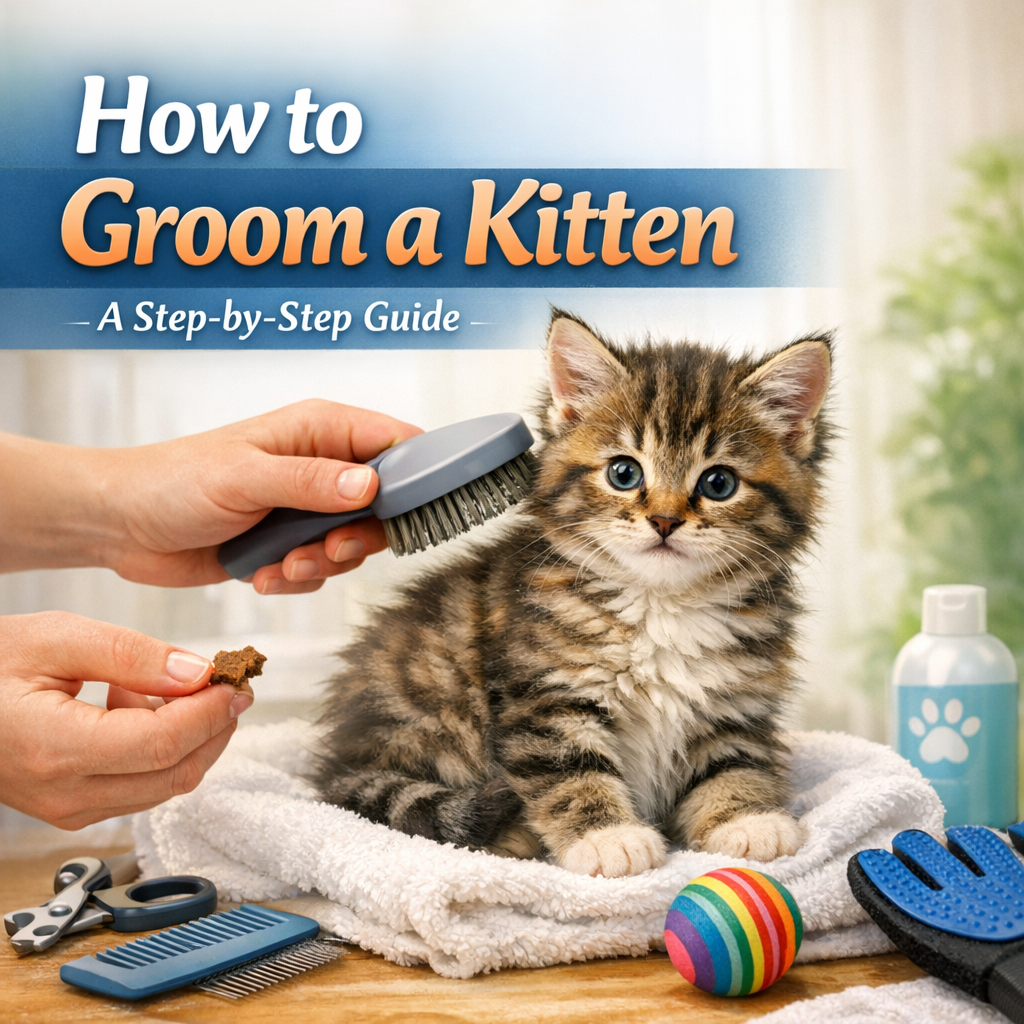
How to Groom a Kitten: A Step-by-Step Guide
Bringing a new furball home is a joy, but it also means taking on the role of a personal stylist. While kittens are famous for their self-grooming behavior, they often need a helping hand to stay in tip-top shape.
Starting a grooming routine early ensures your feline friend grows up comfortable with being handled. It is about more than just looking good; it is about health, comfort, and bonding with pets during their most formative weeks. Remember, poor grooming is a classic sign of potential health issues.
In short: A well-groomed kitten is a happy kitten.
The Importance of Early Kitten Grooming and Socialization
The socialization window for kitten development is surprisingly small, typically peaking between 2 and 7 weeks of age. Introducing a kitten grooming guide during this weaning stage helps your pet associate touch with comfort rather than fear.
By starting early, you ensure your cat remains calm during future vet visits or professional grooming sessions. This phase is crucial for building trust and ensuring your kitten grows into a confident, relaxed adult cat.
Regular grooming sessions are perfect for positive reinforcement. Using cat treats and plenty of praise turns a simple brushing into a rewarding experience that strengthens the bond between you and your new companion.
Health Monitoring and Feline Well-being
Proactive kitten care tips are vital because they allow for frequent skin inspections. While you brush, you can check for parasites, skin growths, or unusual lumps that might otherwise go unnoticed.
Maintaining cat coat health is essential for preventing painful mats and removing hairballs before they cause an intestinal blockage. This is especially important for long haired breeds like the Maine Coon, which require more intensive upkeep than short haired breeds.
Beyond the fur, a full kitten hygiene check includes a dental inspection and ear cleaning. Keeping a close eye on their physical condition ensures high levels of feline well-being and helps you catch potential health issues before they become serious.
Essential Kitten Grooming Tools for Success
Choosing the right kitten grooming tools makes the process easier for both you and your pet. A soft kitten brush or a rubber grooming glove is perfect for sensitive skin, while a slicker brush is the gold standard for a British Short hair or other dense-coated breeds.
For nail care, you will need specialized kitten nail trimmers and a bottle of styptic powder just in case of accidents. Always have kitten safe shampoo on hand for those moments when they get into a mess that self-cleaning cannot fix.
Top brands like Purina and Royal Canin often emphasize that the right tools prevent skin irritation. Using a high-quality kitten brush ensures you are effectively managing shedding management without scratching their delicate skin.
Mastering Brushing and Shedding Management
Brushing a kitten should be a gentle process that follows the direction of hair growth. For short haired breeds, a quick weekly session with a grooming glove is usually enough to maintain healthy skin and a shiny coat.
Long haired breeds require daily attention to prevent tangles from turning into tight mats. Focus on high-friction areas like the armpits and behind the ears where knots tend to form most frequently.
Consistent brushing is the most effective method for removing hairballs at the source. By capturing loose fur on the brush, you reduce the amount of hair your kitten swallows during their daily self-grooming routine.
How to Groom and Trim Kitten Nails Safely
Trimming kitten nails is a skill every owner should master early on to protect furniture and skin. Start by gently squeezing the digit pads to expose the claws, allowing the kitten to get used to the sensation of their paws being handled.
The key to safe trimming is quick identification. Locate the pink area inside the nail known as the quick, which contains nerves and blood vessels, and be sure to clip only the sharp white tip above it.
Always keep styptic powder nearby during your first few attempts. If you accidentally nick the quick, a quick styptic powder application will stop any bleeding instantly, keeping the experience stress-free for your feline friend.
Bathing a Kitten: Water Temperature and Safety
While cats rarely need full baths, knowing how to groom them through a wash is helpful for emergencies. Introduce water gradually, ensuring the water temperature safety is maintained with lukewarm water that feels comfortable to your touch.
Use only a specialized kitten safe shampoo, as human products can strip the natural oils from their skin. Keep the sessions short and use a washcloth for their face to avoid getting soap in their eyes or ears.
After the bath, wrap your kitten in a warm towel immediately. Drying and after-bath care are essential to prevent them from getting chilled, especially during the early stages of kitten development when they cannot regulate their body temperature well.
Why Early Grooming Matters
Kittens typically begin to explore self-grooming behavior around four weeks of age. While they learn the basics from their mothers during the weaning stage, their skills are limited, and they cannot manage a full coat alone.
You should start introducing grooming a kitten between 2 and 7 weeks of age. This period is the vital socialization window where your feline friend is most adaptable to new experiences and tactile sensations.
Establishing a kitten grooming guide early on ensures feline well-being by preventing a painful intestinal blockage caused by hairballs. Regular brushing sessions remove loose fur so they swallow less hair during their cleaning rituals.
Beyond aesthetics, grooming is the perfect time for a mini health check. You can perform skin inspections to spot skin growths, parasites, or infections before they become serious problems for your pet.
The Benefits of Socializing Kittens Through Grooming
Early kitten development relies heavily on positive reinforcement. By using a soft kitten brush or a grooming glove during their first few months, you build a foundation of trust and comfort with being handled.
This process is about more than just kitten hygiene; it is about bonding with pets. A kitten that is used to having its paws touched and its coat handled will be much calmer during future vet visits or professional grooming sessions.
Whether you have a sleek British Shorthair or a fluffy Maine Coon, starting young prevents grooming from becoming a stressful battle. Consistent kitten care tips involve keeping these initial sessions short, sweet, and full of tasty cat treats.
Health Monitoring and Hairball Prevention
Maintaining cat coat health is essential for preventing shedding management issues later in life. Brushing a kitten regularly helps distribute natural oils across the skin, promoting healthy skin and a shiny, vibrant coat.
During your routine, take a moment for a quick dental inspection and ear check. Identifying redness or unusual odors early can save you from expensive medical treatments down the road.
Brands like Purina and Royal Canin often emphasize that a proactive approach to grooming is a pillar of feline health. By removing dead hair, you significantly reduce the risk of matting, especially in longhaired breeds.
Essential Kitten Grooming Tools for a Purr-fect Start
You cannot just grab any old brush from your junk drawer and hope for the best. Kittens have incredibly sensitive skin and delicate frames that require specific kitten grooming tools designed for their unique size and coat type.
For short haired breeds like the British Short hair, a rubber grooming glove or a soft bristle brush works wonders. These tools gently massage the skin while lifting dead hair, making it a favorite for kittens who enjoy a little extra petting during their grooming session.
Long haired breeds, such as the Maine Coon, require a high quality slicker brush or a sturdy metal comb. These specialized tools reach through the thick undercoat to prevent painful matting and help with shedding management before tangles become a disaster.
Choosing the Right Tools for Feline Well-being
When you are brushing a kitten, the goal is to keep their coat health in peak condition while ensuring they stay relaxed. Using the wrong equipment can cause skin irritation or even accidental scratches, which creates a negative association with grooming.
Stocking your kit with kitten safe shampoo and nail trimmers is essential for maintaining overall kitten hygiene. Brands like Purina and Royal Canin often emphasize that a well groomed kitten is a happy kitten, as it prevents issues like intestinal blockage caused by excessive self grooming behavior.
Always keep styptic powder nearby when trimming kitten nails. Even the most careful stylists can accidentally nick the quick, and having this powder ready ensures you can stop any bleeding instantly, keeping the experience safe and stress free.
| Tool Type |
Best For |
Purpose |
| Slicker Brush |
Long haired Breeds (Maine Coon) |
Removing tangles and preventing hairball issues |
| Grooming Glove |
Short haired Breeds (British Short hair) |
Massaging skin and removing loose fur during socialization |
| Nail Trimmers |
All Kittens |
Keeping claws blunt and protecting your furniture |
| Kitten-Safe Shampoo |
Occasional Messes |
Cleaning without stripping natural oils or irritating skin |
| Styptic Powder |
Nail Trimming Accidents |
Quickly stopping blood flow if the quick is nicked |
The Importance of Quality Supplies
Investing in the right kitten brush early on makes a massive difference in how your feline friend perceives their spa days. High quality tools allow for better skin inspections, helping you spot any unusual bumps or parasites during your regular bonding sessions.
By using positive reinforcement and the correct gear, you turn a chore into a highlight of your day. Remember, the right tools do not just make your kitten look like a superstar; they support long term health and comfort from the weaning stage through adulthood.
How to Brush Your Kitten: The Secret to Feline Well-being
Brushing is the absolute foundation of feline hygiene. It keeps the cat coat health high and the shedding in your house low enough that you might actually see the color of your rug again.
When you are grooming a kitten, start by letting your little friend sniff the kitten brush or grooming glove. This builds trust during the critical socialization window when they are still learning about the world.
Once they are relaxed, begin with gentle strokes in the direction of hair growth. For short haired breeds like the British Short hair, a rubber grooming glove is perfect for removing loose fur without irritating their skin.
If you are raising a floofy Maine Coon or other long haired breeds, you will need a slicker brush to prevent painful mats. Focus on areas that tangle easily, such as behind the ears and under the armpits.
Use positive reinforcement by offering delicious cat treats and verbal praise throughout the session. This creates a happy association with being handled, making future kitten care tips much easier to implement.
Keep these first few sessions short, usually 5 to 10 minutes. This prevents your kitten from feeling overwhelmed or overstimulated during this vital stage of kitten development.
Regular brushing is about more than just aesthetics; it is essential for hairball prevention. By removing loose fur, you reduce the risk of your kitten swallowing hair that could lead to a dangerous intestinal blockage.
While you brush, perform quick skin inspections to check for parasites or unusual bumps. This habit of monitoring feline well-being ensures you catch any health issues long before they become serious problems.
Whether your kitten is still in the weaning stage or already a confident explorer, daily brushing sessions are the perfect time for bonding with pets. It turns a chore into a spa day for your tiny stylist.
Trimming Kitten Nails Like a Pro
Kitten claws are like tiny needles, and if you do not manage them, your favorite upholstery or your own skin might pay the price. Trimming kitten nails is a vital part of kitten care tips that prevents accidental scratches and keeps your furniture intact.
To start, gently squeeze the digit pads to expose the nail. You will see a pink area inside the nail called the quick, which contains blood vessels and nerves. This is the most important part of quick identification: you must avoid cutting this area at all costs.
Only trim the sharp, clear tip of the nail to ensure a pain-free experience. When you are trimming kitten nails, always keep styptic powder nearby. If you accidentally nick the quick, a quick styptic powder application stops the bleeding instantly and keeps your feline friend comfortable.
Introducing nail trimmers during the socialization window is a brilliant way of socializing kittens to handle touch. Whether your pet is a sleek British Shorthair or a fluffy Maine Coon, they all need to learn that the clipper is not a monster. Use positive reinforcement like cat treats to make the experience rewarding.
Regular nail clipping technique is about more than just avoiding scratches. It is a moment for health monitoring where you can perform skin inspections and check for any torn claws or infections. Keeping those talons tidy is a major win for feline well-being and helps your kitten grow into a well-adjusted adult cat.
Bathing a Kitten Without the Drama
While kittens are masters of self-grooming behavior, they occasionally find themselves in sticky situations that require more than a tongue-bath. Whether it is a litter box mishap or a curious encounter with spilled food, knowing how to bathe a kitten is an essential skill for any pet parent.
Wait until the weaning stage is complete before introducing full baths. For the best results, use lukewarm water and a specialized kitten-safe shampoo. Avoid human products or adult cat shampoos, as these can strip necessary oils from their developing coat and irritate sensitive skin.
Safety is key to feline well-being during bath time. Place a rubber mat in the sink to prevent slipping, which helps your kitten feel secure and prevents a panicked scramble. This is a critical part of the socialization window, where positive reinforcement and gentle handling turn a scary chore into a bonding moment.
Keep the water level low and avoid the face entirely. Use a soft washcloth for a gentle dental inspection and face wipe, while using a light stream of water for the rest of the body. Always keep a warm towel nearby to wrap them up immediately, as kittens can struggle with temperature regulation after getting wet.
“The goal is to make the bath a calm experience, not a battle. Patience and a warm towel go a long way in building trust and ensuring long-term coat health.”
Post-Bath Care and Drying Techniques
Once the splashing is over, drying your kitten thoroughly is vital for their health. Use a thick, absorbent towel to pat them dry rather than rubbing vigorously, which can cause tangles in long haired breeds like the Maine Coon or British Short hair.
Keep your kitten in a warm, draft-free room until they are completely dry to prevent them from chilling. If your kitten is brave, you can try a hair dryer on the lowest, coolest setting, but most prefer the quiet comfort of a snugly towel and a few cat treats for being such a brave little lion.
Regular bathing procedures, when done correctly, allow for frequent skin inspections. This helps you spot any unusual skin growth or parasites early on. Combining a bath with a quick session using a grooming glove or slicker brush once dry will ensure their fur remains soft and free of debris.
Health Monitoring and Inspections
Grooming your miniature lion is about more than just a shiny coat. It is your best opportunity for a dental inspection and ear check to ensure your pet is feeling their best.
Healthy ears should be pale pink and free of debris or odor. If you spot anything resembling coffee grounds, it might be a sign of ear mites, which require a quick trip to the vet.
During your skin inspections, look closely for any signs of fleas or ticks. Catching these pests early prevents full-blown infestations in your home and keeps your kitten from becoming a tiny, itchy snack.
Check the paw pads for any cracks or foreign objects. Since kittens are constantly exploring every nook and cranny, they can easily pick up splinters or bits of debris that might cause discomfort.
Regular checks promote overall feline well-being and allow you to track kitten development effectively. It is much easier to notice skin growth detection or subtle changes when you are already up close and personal.
Whether you have a British Short hair or a fluffy Maine Coon, these inspections help you stay ahead of health issues. Think of it as a mini-physical exam that ends with cat treats and extra chin scratches.
By incorporating these checks into your kitten grooming guide, you are practicing proactive kitten care tips. Early detection is the secret to a long, happy life for your favorite feline friend.
Kitten Grooming FAQ: Expert Tips for Your Miniature Lion
Grooming a kitten is a vital part of kitten development and feline well-being. Whether you are raising a sleek British Short hair or a fluffy Maine Coon, these kitten care tips will help you navigate the weaning stage and beyond.
How often should I be grooming a kitten?
Frequency depends on the coat type. Short haired breeds generally need a session with a kitten brush or grooming glove once or twice a week to manage shedding.
Long haired breeds require daily brushing to prevent mats and intestinal blockage from hairballs. Regular brushing also promotes healthy skin and allows for early skin growth detection.
What if my kitten hates being brushed or handled?
Socializing kittens during the socialization window (2 to 7 weeks) is key. If they resist, stop immediately to avoid stress and try again when they are sleepy.
Use positive reinforcement by offering cat treats and praise. This builds a strong bond and ensures they associate the kitten grooming tools with a rewarding experience.
When can I give my kitten their first bath?
You can introduce water play early, but a full bath with kitten safe shampoo is best after the weaning stage is complete, usually around 8 weeks.
Ensure the water temperature safety is a priority by using lukewarm water. Always dry them thoroughly afterward to keep your feline friend warm and comfortable.
How do I handle trimming kitten nails safely?
Start trimming kitten nails as soon as you bring them home. Use specific kitten nail trimmers and gently squeeze the digit pads to expose the claw.
Avoid the quick (the pink area) to prevent bleeding. Always keep styptic powder nearby for quick styptic powder application if an accidental nick occurs.
Do I need to perform ear and dental inspections?
Yes, kitten hygiene includes regular checks. Healthy ears are pale pink; if you see debris, wipe the outer ear with a damp cotton ball but never enter the canal.
A routine dental inspection helps you spot issues early. This holistic approach to how to groom your pet ensures they stay healthy from their teeth to their tail.