



-
-
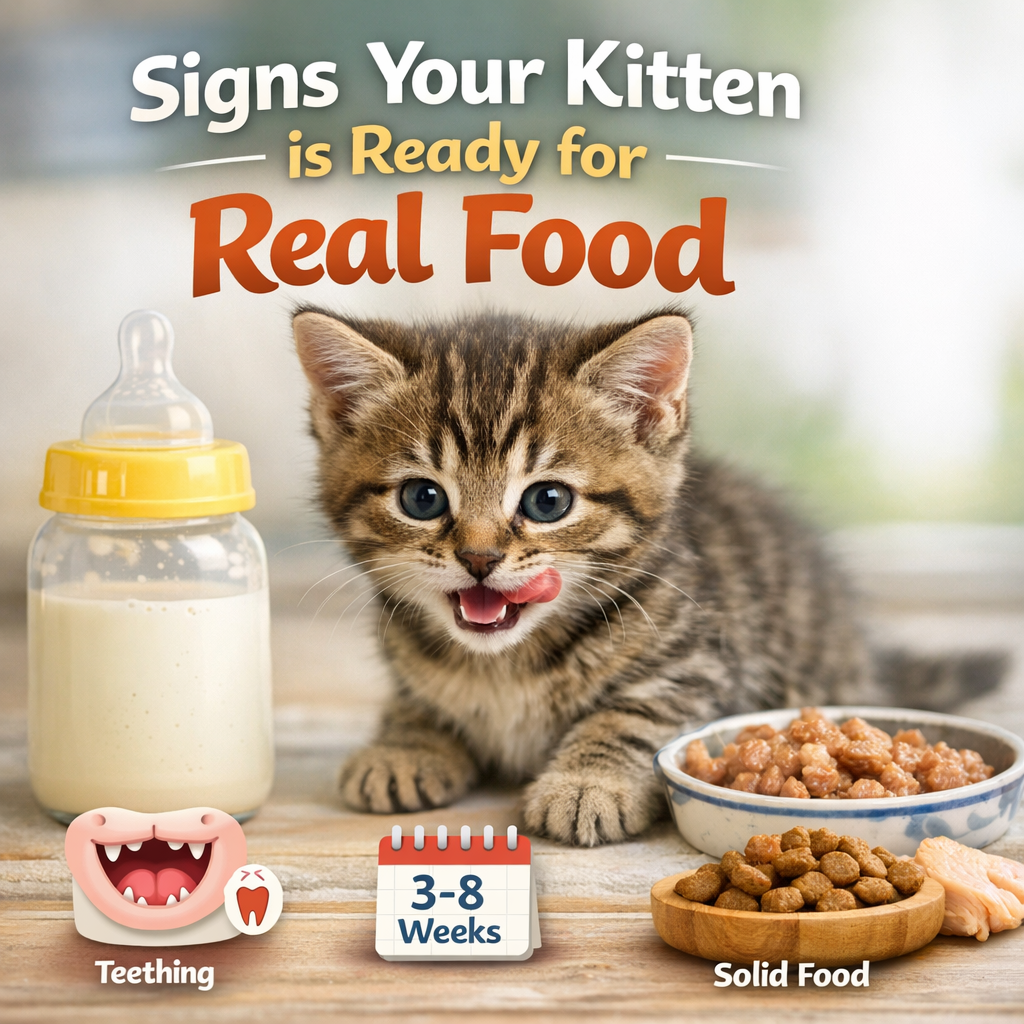
- The article guides transitioning a kitten from milk to real, kitten-specific solid food, emphasizing a gradual, staged weaning between roughly 3 and 8 weeks.
- Key readiness cues include teething, growing mobility and curiosity, and interest in textures, followed by a textured progression from soft to firmer foods.
- Practical plan covers texture progression, portion sizes, feeding frequency, and safety, with emphasis on AAFCO-compliant kitten nutrition and monitoring for signs of digestive distress.
-
Table of Contents
-
-
- Introduction
- 1. Age Milestones: From Teething to Weaning
- 2. Physical Readiness: Mobility and Curiosity
- 3. Nutritional Guidance: Choosing the Right Start Foods
- 4. Safe Introduction: Step-By-Step Weaning Process
- 5. Common Signs of Readiness vs. Red Flags
- 6. What Not to Feed: Safe vs. Unsafe Options
- FAQ
- Conclusion
-
Introduction
Why early nutrition matters for growing kittens
Early nutrition sets the foundation for a healthy, active cat. Proper feeding supports rapid growth, brain development, and sustained energy as kittens explore their world. A smooth weaning process helps keep them strong and curious.
Transitioning from milk to solid foods should be gradual and deliberate. Rushing this stage can lead to digestive upset or nutritional gaps. A thoughtful approach matters during the critical weaning window from about 3 to 8 weeks of age.
What “real food” means for kittens
Real food for kittens refers to kitten-specific solid foods that meet growth standards. Look for products aligned with AAFCO guidelines for growth and development. Start with kitten-formulated textures and gradually introduce varied textures to build chewing skills and acceptance.
Always pair food changes with fresh water and monitor tolerance. When you begin weaning, offer small portions and observe how your kitten responds to food changes in texture and taste.
1. Age Milestones: From Teething to Weaning
Key age ranges to watch (3-4 weeks, 5-7 weeks, 8 weeks and beyond)
At 3-4 weeks, neonate kittens start showing interest in outside textures. This is the window to gently introduce soft, kitten specific foods while they still nurse or receive kitten formula.
Between 5-7 weeks, many kittens are ready to progress to more substantial solid foods. Use a gradual transition to help them adapt to new flavors and textures while continuing nursing or bottle feeding as needed.
From 8 weeks onward, most kittens confidently eat regular meals of kitten kibble or canned kitten food and can stretch longer between feeds. This marks the typical shift toward regular meals of kitten kibble or canned kitten food.
How tooth development signals readiness
As baby teeth erupt, kittens gain the ability to chew firmer textures. You’ll notice more jaw movement and interest in solid foods beyond licking or nursing.
Tooth development, paired with growing curiosity about mom’s food, signals readiness to test solid options. Start with soft, kitten appropriate textures, then gradually progress to firmer textures as chewing improves.
2. Physical Readiness: Mobility and Curiosity
Increased mobility and exploration as readiness indicators
Your kitten’s movement will become more confident as they grow. Expect longer play sessions, more purposeful movements, and less hesitation. These changes signal readiness for a broader feeding routine alongside milk or formula.
Coordination matters too. If a kitten climbs, pounces, and navigates obstacles with growing ease, it suggests their digestive system is ready for textured foods.
Interest in mom’s food and new textures
Curiosity about solid foods is a practical cue. When a kitten investigates bowls or responds to the aroma of new textures, start gentle introductions. Combine curiosity with small, supervised tastings of kitten formula mixed into soft textures to ease the transition.
Texture progression should be gradual. Begin with smooth, soft foods and slowly add mildly textured options as chewing muscles develop. Observe how they handle swallowing and digestion during the transition.
3. Nutritional Guidance: Choosing the Right Start Foods
Transitioning from milk to kitten-specific solid foods
Begin the shift with kitten foods formulated for growth and easy digestion. If your neonate relies on bottle feeding, offer a small amount of soft, easy-to-lap textures alongside the familiar formula. Progress gradually to minimize digestive upset and build confidence with new tastes.
Look for products that meet AAFCO growth guidelines, providing nutrients essential for rapid development. For the initial transitions, mix kitten food with a little water or kitten formula to create a palatable paste and monitor weight and energy as you advance.
Texture progression: from wet to dry kitten meals
Start with soft or canned kitten food to mirror the milk-like texture and support chewing ease. As the kitten’s jaw and swallowing mature, gradually introduce more textured options toward dry kibble.
Follow a staged plan that increases texture variety while keeping feeding times regular. If needed, soak dry kibble or present it in softened formats to prevent gulping and aid dental development.
4. Safe Introduction: Step-By-Step Weaning Process
Creating a gradual transition plan
Begin with small, supervised sessions that mix a tiny amount of kitten food with familiar milk or formula. The aim is to introduce texture without overwhelming the neonate’s system. Observe how the kitten licks, chews, and swallows during each session.
Progress to a paste-like texture before trying firmer textures. Keep sessions brief and frequent, then extend them gradually as tolerance grows. Maintain a consistent routine to reduce stress during the changeover.
Portion sizes and feeding frequency for kittens
-
-
- 3-4 weeks: offer small amounts several times a day, pairing with ongoing bottle feeding or formula as needed.
- 5-7 weeks: increase portions gradually and shift toward structured meal times with access to fresh water.
- 8 weeks and beyond: adopt a typical kitten feeding schedule based on age and weight, aiming for 3-4 meals daily with clean water available.
-
Monitor weight changes and overall energy during each step. If a kitten shows persistent digestive upset, slow the transition and consult a veterinarian for guidance.
5. Common Signs of Readiness vs. Red Flags
Positive signs to look for
You’ll observe growing curiosity about solid foods alongside ongoing nursing. A kitten with steady weight gain, consistent energy, and a willingness to sample small bites indicates readiness. Look for signs such as baby teeth eruption near the back of the mouth and a calm approach during gentle tasting.
Good meal coordination matters too. If a kitten can sit or stand comfortably while a tiny portion is offered and swallows with ease, that supports a smooth transition. Regular bowel movements and normal stool texture during trial feeds are reassuring indicators.
When to pause and consult a veterinarian
Pause the transition if vomiting, diarrhea, or weight loss persists despite adjustments. Digestive distress merits professional guidance. If a kitten becomes lethargic, dehydrated, or shows disinterest in food for more than a day, seek veterinary advice.
Stop the process if the kitten refuses multiple feeding attempts or strains during swallowing, which may mean the plan needs adjustment. A veterinarian can tailor portions, texture progression, and the weaning pace to your neonate kitten’s needs.
Expert Insight
“Neonatal kittens are completely dependent on maternal care in the first 2 months, making meticulous monitoring and tailored feeding strategies essential to reduce perinatal losses and guide a healthy transition to weaning.” , Feline Neonatology Expert
6. What Not to Feed: Safe vs. Unsafe Options
Foods to avoid for kittens
You should avoid human foods that can upset a kitten’s digestion or pose a choking risk. Dairy remains unreliable for many kittens due to lactose intolerance. Skip foods high in fat, salt, or added sugar, and be cautious of artificial sweeteners.
-
-
- Raw meat or eggs that may carry pathogens
- Onions, garlic, chives, or any allium family members
- Chocolate, caffeine, grapes, and raisins
- Salty snacks, processed meats, and high-fat table scraps
- Bones or oversized pieces that could cause choking or internal injury
-
Potential allergens and sensitivities
Some kittens develop sensitivities to common ingredients. Start with limited exposure and monitor for digestive upset or skin reactions. If you notice persistent vomiting, diarrhea, or itching, pause the new food and consult a veterinarian.
-
-
- Common allergens include dairy proteins and certain plant proteins
- Avoid abrupt switches between completely different protein sources
- Introduce one new ingredient at a time to identify reactions
- Check labels for fillers or artificial additives that may irritate small stomachs
-
FAQ
You may have questions as you help a kitten transition from milk to real food. Here are concise, practical answers to common concerns.
-
-
- When should I start weaning? Look for readiness cues like increased curiosity, exploring textures, and the eruption of baby teeth. Kittens typically begin transitioning around 3 to 4 weeks, with more solid foods introduced by 5 to 7 weeks.
- What should I feed first? Start with kitten formulated soft foods that are easy to lick and swallow. Begin with easy-to-digest textures and gradually move toward a mix of wet and then dry kitten food as the kitten shows interest and can chew comfortably.
- How often should I feed? In the early days, offer small portions several times a day. As the kitten grows, shift to structured meal times while ensuring fresh water is always available.
- How do I know if the transition is going well? Look for steady weight gain, normal energy, and a healthy appetite during trials. Regular stools and calm eating behavior are good signs that the transition is on track.
- What if there is vomiting or diarrhea? Slow the transition, offer bland or easily digestible textures, and contact a veterinarian if symptoms persist beyond a day or two.
- Are there foods to avoid? Avoid dairy as a primary food, high fat or salty human foods, and anything that could be a choking hazard. Stick to kitten specific formulas during the transition.
-
| Stage | What to Offer | How Often |
|---|---|---|
| 3-4 weeks | Tiny amounts of softened kitten food mixed with a milk substitute or water | Multiple small feeds daily |
| 5-7 weeks | Texture begins to firm; introduce wet kitten food, then gradually add dry kitten food | 3-4 meals daily |
| 8 weeks+ | Balanced kitten kibble with fresh water | 3-4 meals daily |
Expert Insight
“Weaning is the process of helping a kitten transition from nursing (or bottle feeding) to eating solid food on her own, and it should be timed with careful attention to the kitten’s development and health to ensure steady weight gain, proper nutrition, and social comfort.” , Kitten Care Expert
Conclusion
Bringing real food into a kitten’s routine is a staged, mindful process. Start by watching for teeth development, curiosity, and growing independence as signals to begin the transition.
Pair readiness with a structured plan that gradually increases solid food while scaling texture and portion size. A thoughtful, step by step approach helps prevent GI upset and supports steady growth.
-
-
- Monitor weight and energy during each transition phase to ensure healthy progress.
- Progress from soft textures to firmer kitten meals as they adapt.
- Always provide access to fresh water to support hydration and digestion.
-
If you notice persistent issues or hesitation from your kitten, pause the transition and consult a veterinarian. Every kitten is different, so tailor steps to their pace and needs. At Bella Gatti US Shop, we guide you with reliable, kitten-safe nutrition options when you’re ready to choose the right real-food approach.
Expert Insight
“Bringing real food into a kitten’s routine is a staged, mindful process. Start by watching for teeth development, curiosity, and growing independence as signals to begin the transition. Pair readiness with a structured plan that gradually increases solid food while scaling texture and portion size.” , Industry Expert