TL;DR (Too Long; Didn’t Read)
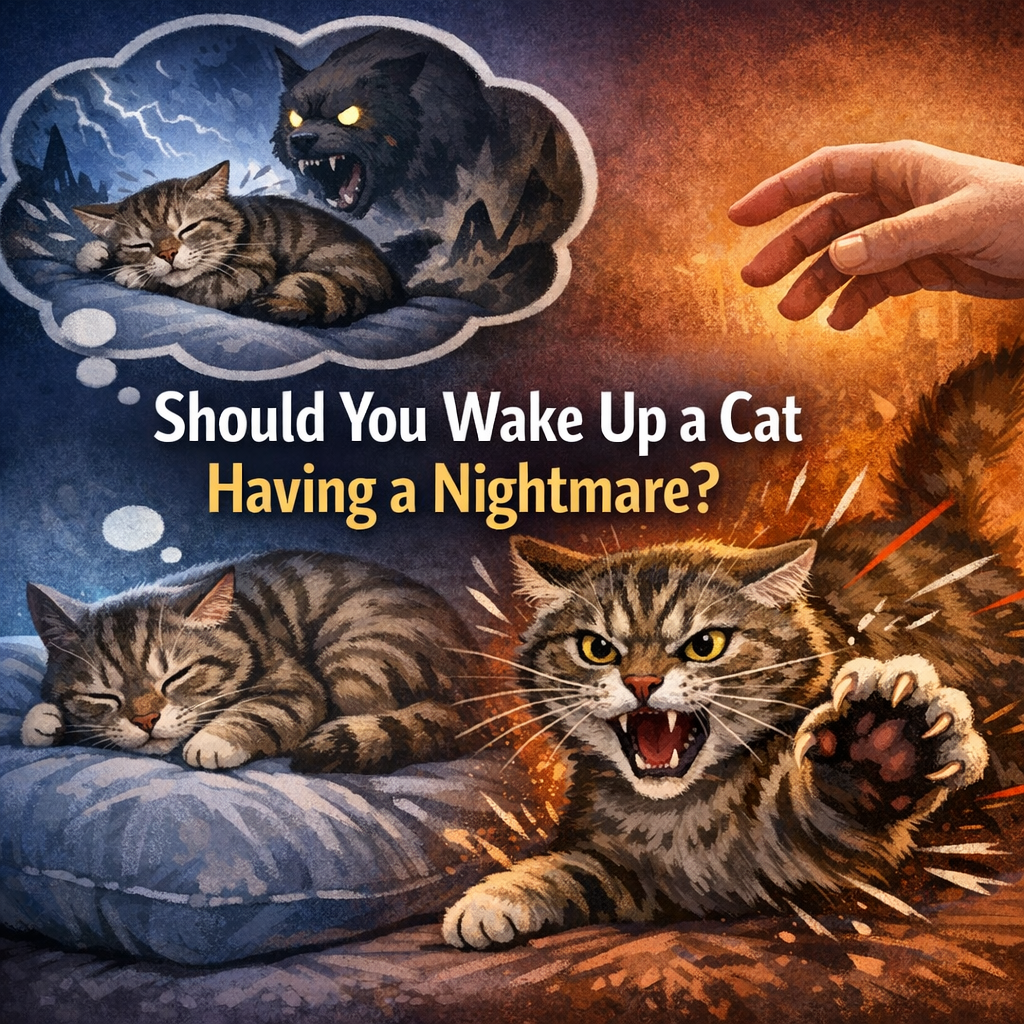
- Don’t touch a dreaming cat: Waking a cat abruptly can trigger “sleep aggression,” causing them to scratch or bite instinctively before they realize they are safe.
- Use your voice: If your cat seems distressed (hissing, growling, or yowling), softly call their name from a distance to gently tether them back to reality.
- Normal vs. Medical: While twitching and muffled noises are normal REM sleep behaviors, violent thrashing or loss of bladder control may indicate a medical issue like seizures or sleep apnea.
- Feline Dreamland: Cats primarily dream about daily activities like hunting, playing, and interacting with their owners, though rescue pets may occasionally relive past traumas.
Table of Contents
Should You Wake Up a Cat Having a Nightmare?
You are sitting on the sofa, scrolling through Reddit or watching YouTube on your iPhone, when you hear it.
Your cat is twitching. Their paws are flailing, and they let out a tiny, muffled growl. It is a scene straight out of a John Wick action sequence, minus the tiny suits.
It looks like a cat nightmare is in full swing. Your first instinct is to reach out and wake them up to offer some pet reassurance techniques. You might wonder, can cats have nightmares?
In short: Hold that thought. Waking a sleeping cat can be more complicated than it looks on a CatAdvice thread.
The Science of Feline Sleep Cycles
To understand cat nightmares, we have to look at feline sleep behavior. Much like humans, cats experience Rapid Eye Movement in Cats, or cat REM sleep.
Research by Michel Jouvet shows that cats have low voltage brain activity during this stage, which is a classic sign of animal dreaming behavior. This is when the dreaming cat behavior really kicks in.
During cat deep sleep, you might notice cat twitching sleep or a cat tail moving rhythmically. These cat sleep movements suggest they are processing their day.
Signs Your Cat is Having a Nightmare
While cat anxiety symptoms can play a role, most cat sleeping habits involve normal hunting instinct dreams, like chasing a laser pointer or a very fast bird.
What Do Cats Dream About?
Experts believe cats dream about their daily adventures. This includes stalking prey, interacting with their favorite humans, or feline sleep cycles that involve play.
Because REM sleep in cats decreases as they get older, kittens are actually more likely to experience these intense cat nightmares. Their brains are busy processing a whole new world.
Whether it is a cat dreaming of a fresh bowl of tuna or a post-traumatic stress in rescued pets scenario, their cat behavioral health is tied to these rest periods.
Should You Wake a Cat Experiencing a Nightmare?
The general pet advice is to be cautious. Waking a sleeping cat abruptly can lead to feline aggression upon waking or cat sleep aggression.
If they seem truly distressed, try reassuring your cat without physical contact first. Softly call their name to bring them out of deep sleep in felines gently.
Avoid petting a sleeping cat that is mid-nightmare, as they might scratch or bite before they realize they are safe at home. Safety first for both you and your feline friend.
How to Comfort Your Cat After a Bad Dream
Most of the time, they just need a little love and maybe a new soft shirt for you to wear while you provide the snuggles they deserve.
Do Cats Actually Have Dreams and Nightmares?
Yes, cats definitely dream. Science backs this up with data that proves your fluffy roommate is doing more than just recharging their batteries.
Research by Michel Jouvet in the 1960s showed that cats experience REM sleep just like humans do. This Rapid Eye Movement in Cats is the golden ticket to the dream world.
During this stage, feline sleep behavior shows low voltage electrical patterns in the brain. This is the prime time for animal dreaming behavior where their imagination takes flight.
Interestingly, cat REM sleep decreases as they get older. This means kittens likely dream more than seniors, perhaps because their tiny brains are processing so many new things.
When your cat is in this state, their brain is busy processing their day. They are likely hunting that feather toy or reliving a high stakes chase across the kitchen counter.
Feline sleep cycles are complex, and just like us, they can have feline bad dreams. This often happens when they are processing stress or a particularly scary trip to the vet.
If you see your cat twitching during sleep or notice their cat tail moving rhythmically, they are deep in the zone. They might even be dreaming about that time you forgot to refill the kibble bowl.
Understanding dreaming cat behavior helps us appreciate their inner lives. Whether they are chasing mice or running from a vacuum, their minds are incredibly active during deep sleep in felines.
It is common to see signs of cats dreaming, such as twitching eyes, moving limbs, or even subtle head movements. These physical cues suggest they are fully immersed in their feline sleep behavior.
Sometimes a dream turns into a nightmare, leading to a cat growling in sleep or a cat yowling in sleep. These vocalizations can be startling if you are just trying to relax with your iPhone.
While it might look like a scene from a movie, a cat having a nightmare is just a natural part of their cat personality traits. Their hunting instinct dreams can sometimes get a little too intense.
Common Signs of Cats Having Nightmares
How can you tell if your feline friend is enjoying a peaceful nap or trapped in a feline bad dream? Spotting the difference between a standard cat dream cycle and a full blown nightmare requires a bit of detective work.
Normal dreaming cat behavior usually involves subtle, rhythmic movements. You might notice cat twitching sleep patterns where their whiskers vibrate or their ears rotate as if they are listening to a phantom bird on a YouTube video.
Common physical signs of a standard dream include:
- Twitching eyes behind closed lids, a classic sign of cat REM sleep.
- Paws moving rhythmically, often referred to as bread kneading or “muffin making.”
- A cat tail moving gently or a slight twitch at the very tip.
- Soft chirps or “murps” that sound like your cat is chatting with a friend on Reddit.
When a dream takes a dark turn into cat nightmares, the physical cues become much more intense. Instead of gentle twitching, you might witness a cat jolting awake or see cat sleep movements that look frantic and uncoordinated.
Vocalizations are the biggest giveaway. While a happy dreamer might chirp, a cat having a nightmare may begin hissing in sleep or exhibit cat growling sleep noises. These sounds often mirror their natural hunting instinct dreams but with an added layer of distress.
Some cats even experience cat yowling sleep episodes that sound quite mournful. This specific feline sleep behavior is often tied to cat anxiety symptoms or past trauma, especially in rescued pets who may be reliving stressful memories.
Keep an eye out for cat sleep aggression as well. If your cat is puffing out their fur or baring their teeth while unconscious, they are likely in the middle of a stressful feline sleep cycle. If they look distressed, they probably are.
What Do Cats Dream About?
Ever wonder what is happening behind those closed eyelids? Much like your favorite Reddit threads or YouTube clips of kittens, feline sleep behavior is a mix of the adorable and the mysterious. Science shows that cats experience REM sleep, the stage where vivid dreaming occurs.
Studies on Animal Dreaming Behavior suggest that cats likely dream about their daily reality. Their hunting instinct dreams are the most common. You might see a cat tail moving or paws swiping as they stalk a phantom mouse or chase a laser in their mind.
Your cat also dreams about you. Research into feline sleep cycles indicates that cats dream of social interactions with their humans. They might be reliving the moment you opened a can of tuna or the feeling of wearing your favorite soft cotton tee while cuddling on your lap.
However, not all dreams are about treats and play. For a startled cat with a history of post-traumatic stress in rescued pets, the dreamscape can be much darker. These feline bad dreams often involve reliving scary encounters with dogs or loud noises.
When cat anxiety symptoms manifest during rest, you might notice hissing in sleep or a cat growling sleep. This suggests they are processing stress or fear. During these intense moments of cat REM sleep, their brains are just as active as yours after an action movie marathon.
Feline sleep behavior is complex. Whether they are dreaming of the hunt or a cozy nap on your iPhone, these dreams are a vital part of cat behavioral health. Understanding these patterns helps you provide the best pet advice and reassurance to your furry friend.
Should You Wake a Cat Experiencing a Nightmare?
This is the big question every cat parent asks on CatAdvice or Reddit after seeing their feline friend struggle. While your heart might break for them, the short answer is: proceed with caution.
Most experts suggest letting them wake up on their own to complete their cat dream cycle. Just like you might feel disoriented after an iPhone alarm blares mid-dream, a cat needs time to transition from cat REM sleep back to the living room.
The primary risk of waking a sleeping cat is cat sleep aggression. This isn’t your cat being mean; it is a startled cat reacting to a perceived threat. In the heat of the moment, they don’t realize the “monster” in their dream is actually your hand.
A cat jolting awake can lead to an accidental scratch or bite. This feline aggression upon waking occurs because their hunting instinct dreams or feline bad dreams have their adrenaline pumping before their eyes even open.
If you notice cat twitching sleep or cat growling sleep and feel you must intervene, do not use your hands. Use your voice first to offer pet reassurance techniques from a safe distance.
Calling their name softly is the best way of reassuring your cat. Your familiar voice acts as a tether to reality, helping them exit deep sleep in felines without the physical shock of being touched.
If they are hissing in sleep or cat yowling sleep, they may be experiencing post-traumatic stress in rescued pets. In these cases, dreaming cat behavior can be intense, and a gentle wake-up prevents them from staying trapped in a loop of cat anxiety symptoms.
In short: your voice is safer than your fingers. Once they are fully awake and recognize you, then you can move in for the cuddles and head scritches they deserve.
Expert Insight
“If your cat is hissing or growling in their sleep, use your voice from a safe distance rather than your hands to wake them; your familiar voice acts as a tether to reality and prevents the physical shock or defensive aggression that can occur when a cat’s hunting instincts are triggered by intense dreams.”, Feline Behavior Specialist
How to Comfort a Cat During or After a Nightmare
If you decide to intervene because your feline friend looks like they are fighting a tiny, invisible opponent, use pet reassurance techniques that keep everyone safe.
Start by softly calling their name from a safe distance. This helps them transition from deep sleep in felines back to reality without the shock of a physical touch.
Once they open their eyes, they might look confused or display cat jolting awake behavior. This is a normal part of feline sleep behavior as they process the shift from a dreaming cat behavior state to the living room.
Offer a gentle reassuring your cat moment with a soft, melodic tone. Avoid sudden movements or petting a sleeping cat on its limbs immediately, as this could trigger a startled cat response or feline aggression upon waking.
If they seem jumpy or exhibit cat anxiety symptoms, give them space. They will eventually come to you for head scratches once they realize they are safe in their cozy home environment.
Managing Cat Sleep Aggression and Safety
It is important to understand cat sleep aggression. When a cat is in the middle of cat REM sleep, their brain is active but their body is usually paralyzed to prevent them from acting out hunting instinct dreams.
If you wake them during a peak cat dream cycle, their survival instincts might kick in before their conscious mind does. This is why some cats might hiss or swat when startled out of feline bad dreams.
If your cat shows frequent cat vocalization during sleep, such as cat growling sleep or cat yowling sleep, keep your face away from their paws. Use a calm voice to ground them back to the physical world.
For post-traumatic stress in rescued pets, these cat nightmares might be more frequent. Creating a consistent, stress-free routine can help improve their overall cat behavioral health and cat physical health over time.
If the cat twitching sleep becomes violent or you suspect feline sleep apnea, a veterinary consultation for sleep disorders is a smart move.
Comparing Sleep States and Feline Sleep Behavior
Understanding the difference between a normal dream and a nightmare helps you react correctly. Just like when you are browsing Reddit or YouTube on your iPhone and see a viral clip of a cat twitching, it can be hard to tell if they are chasing a laser or running from a monster.
Feline sleep cycles are complex. During Rapid Eye Movement in Cats, their brains are highly active. Michel Jouvet, a pioneer in sleep research, discovered that cats experience low voltage brain activity during REM sleep, much like humans do. This is when the dreaming cat behavior really kicks into high gear.
| Behavior |
Normal Dream |
Nightmare |
| Vocalization |
Quiet chirps or purrs |
Growling, hissing, or yowling sleep sounds |
| Movement |
Rhythmic paw twitching |
Violent jolting or thrashing |
| Wake-up State |
Slow and sleepy |
Agitated, confused, or aggressive |
| Heart Rate |
Slightly elevated |
Rapid and heavy breathing |
While a cat tail moving gently might indicate a pleasant hunting instinct dream, cat yowling sleep or cat growling sleep is a sign of feline bad dreams. This level of distress often points toward a nightmare rather than a standard dream cycle.
The cat dream cycle changes as your pet gets older. Research suggests that kittens actually spend more time in REM sleep than adult cats, meaning your little furball might be dreaming more often than you think. This deep sleep in felines is vital for their cat behavioral health and processing their daily adventures.
If you notice a startled cat frequently waking up in a panic, it might be more than just a bad dream. Feline sleep apnea or post-traumatic stress in rescued pets can cause chronic sleep disturbances. In these cases, pet advice from a professional is best, so consider a veterinary consultation for sleep disorders to ensure their cat physical health is on track.
When you see your cat jolting awake, your instinct is to provide immediate pet reassurance techniques. However, cat sleep aggression is a real risk. A cat’s sleeping habits are tied to their survival instincts, and a sudden touch can lead to an accidental scratch or bite before they even realize they are awake and safe at home.
Always remember that cat personality traits play a role in how they dream. A bold hunter might have more active hunting dreams, while a shy rescue might show more cat anxiety symptoms during their rest. Watching their cat sleep movements closely will help you become an expert on their unique nighttime needs.
Expert Insight
“While cats dream just like humans, behaviors like aggressive hissing, howling, or jumping awake in a panic can signal deeper issues, ranging from hormone-driven frustration in unneutered males to behavioral anxiety and sleep disorders that require professional veterinary consultation.”, Feline Behavioral Specialist
Risks of Waking a Cat Abruptly
Waking a cat during a vivid dream can trigger an immediate cat sleep aggression response. This isn’t your feline friend being mean; it is a hardwired survival instinct.
In the wild, a sudden disturbance during deep rest usually means a predator is closing in. Your cat’s cat physical health is tied to these ancient defensive mechanisms.
A cat jolting awake might lash out with claws or teeth before they are fully conscious of their surroundings. This feline aggression upon waking is especially common in older cats or those dealing with cat behavioral health issues.
If you reach out to touch a startled cat, you might end up with a scratch that requires more than just a bandage. It is much safer to use your voice than your hands when providing pet advice for a dreaming kitty.
Feline Sleep Apnea and Medical Red Flags
Sometimes, what looks like cat nightmares might actually be a physical struggle. If your cat has feline sleep apnea or other respiratory issues, their “nightmares” could be signs of oxygen deprivation or physical distress.
During cat REM sleep, dreaming cat behavior typically involves minor cat sleep movements like cat twitching sleep or a cat tail moving. This is normal feline sleep behavior because their muscles are usually paralyzed to prevent them from acting out dreams.
However, if they are thrashing violently, cat growling sleep turns into gasping, or you notice cat yowling sleep that sounds pained, it is time for a veterinary consultation for sleep disorders. Cat physical health should always be monitored if cat sleeping habits change suddenly.
“When a cat is in REM sleep, their muscles are usually paralyzed to prevent them from acting out dreams. If they are thrashing wildly, it might be more than just a bad dream.”
Post-Traumatic Stress in Rescued Pets
Post-traumatic stress in rescued pets often manifests as frequent feline bad dreams. Cats with a history of trauma may show cat anxiety symptoms even while napping on your iPhone or laptop keyboard.
If you share your home with a rescue, you might see more hissing in sleep or intense cat twitching during sleep. These cat personality traits are often linked to their past experiences before they found safety with you.
Understanding animal dreaming behavior helps you realize that a startled cat isn’t trying to be difficult. They are simply processing their world, one deep sleep in felines cycle at a time.
Expert Insight
“Violent sleep movements, where dreaming motions are forceful enough to propel a pet across the floor, can indicate REM sleep behavior disorder and may closely resemble seizures, requiring a thorough veterinary evaluation to differentiate between behavioral and physical health issues.”, VCA Animal Hospitals
When to See a Vet: Is It a Dream or a Medical Issue?
Sometimes, what looks like a typical case of cat twitching sleep is actually a sign of a deeper medical problem. While dreaming cat behavior usually involves light movements, veterinary consultation for sleep disorders becomes necessary if the behavior turns extreme or violent.
If you notice your cat jolting awake and losing control of their bladder during sleep, this is a major red flag. Involuntary urination often indicates seizures rather than standard cat nightmares. If these episodes happen frequently, you should record a video on your iPhone to show your veterinarian for an accurate diagnosis.
You should also monitor your feline friend for feline sleep apnea. If those cat sleep movements are accompanied by loud snoring, gasping, or visible breathing difficulties, your cat might not be getting enough oxygen. This can impact their cat physical health and leave them feeling exhausted despite sleeping all day.
Keep a close eye on your cat personality traits. If a normally calm cat suddenly becomes terrified of their bed or displays unusual cat anxiety symptoms after waking, something is wrong. Changes in feline sleep behavior can sometimes be linked to post-traumatic stress in rescued pets or underlying pain.
If you see your cat growling sleep or cat yowling sleep followed by disorientation that lasts more than a minute, it is time to seek pet advice from a professional. While most cats having nightmares just need a soft word, some require medical intervention to ensure their cat behavioral health stays on track.
In short: When in doubt about your cat’s sleeping habits, call a professional. It is better to be safe than sorry when it comes to your furry best friend.
Frequently Asked Questions About Feline Sleep Cycles
Do all cats have nightmares?
Most cats experience feline sleep cycles that include dreaming. While not every dream is a scary one, most cats will have at least a few bad ones in their lifetime as they process daily stress.
Evidence from researchers like Michel Jouvet suggests that cats experience Rapid Eye Movement in Cats (REM), showing low voltage brain activity similar to humans. This suggests they are absolutely capable of complex animal dreaming behavior.
Can kittens have more nightmares than adult cats?
Kittens spend significantly more time in cat REM sleep than older cats. Because their young brains are processing massive amounts of new information and hunting instinct dreams, they often appear more active.
This increased dreaming cat behavior means you might see more cat twitching sleep or sudden cat sleep movements in a kitten. As they age, the amount of REM sleep decreases, though their cat personality traits still influence their dream intensity.
Is my cat hissing in sleep a sign of trauma?
It can be a red flag. Cats with a history of post-traumatic stress in rescued pets often vocalize more, showing cat anxiety symptoms even while resting. If you see your cat growling sleep or hissing in sleep, they might be reliving a past conflict.
However, even a house cat might hiss if they are dreaming of a neighborhood rival or a startled cat encounter. If your cat is cat yowling sleep frequently, it may be worth checking their cat physical health for underlying discomfort.
What is the best way to wake a cat from a bad dream?
The safest pet advice is to use your voice. Say their name softly from a foot away to avoid cat sleep aggression. A startled cat may react with claws first and questions later, so avoid petting a sleeping cat until their eyes are open.
Once they are alert, focus on reassuring your cat. Gentle pet reassurance techniques, like speaking in a calm tone, help them transition from a feline bad dreams state back to reality. You want them to feel safe in their cat sleeping habits.
Can cats have sleep disorders?
Yes, cats can suffer from legitimate medical issues like feline sleep apnea or neurological disturbances. If you notice a cat jolting awake violently or losing control of bodily functions, it is more than just a bad dream.
When dreaming cat behavior becomes extreme or involves feline aggression upon waking, a veterinary consultation for sleep disorders is necessary. Monitoring cat behavioral health is just as important as tracking their diet or play.