


Table of Contents
- Introduction
- 1. Essential Nutrients for Cats
- 2. Choosing the Right Commercial Cat Food
- 3. Life Stage Nutrition: Kittens, Adults, and Seniors
- 4. Feeding Strategies for Optimal Health
- 5. Special Diet Considerations and Common Myths
- 6. Hydration and Urinary Health
- FAQ
- Conclusion
Introduction
Overview of life stages and feeding considerations
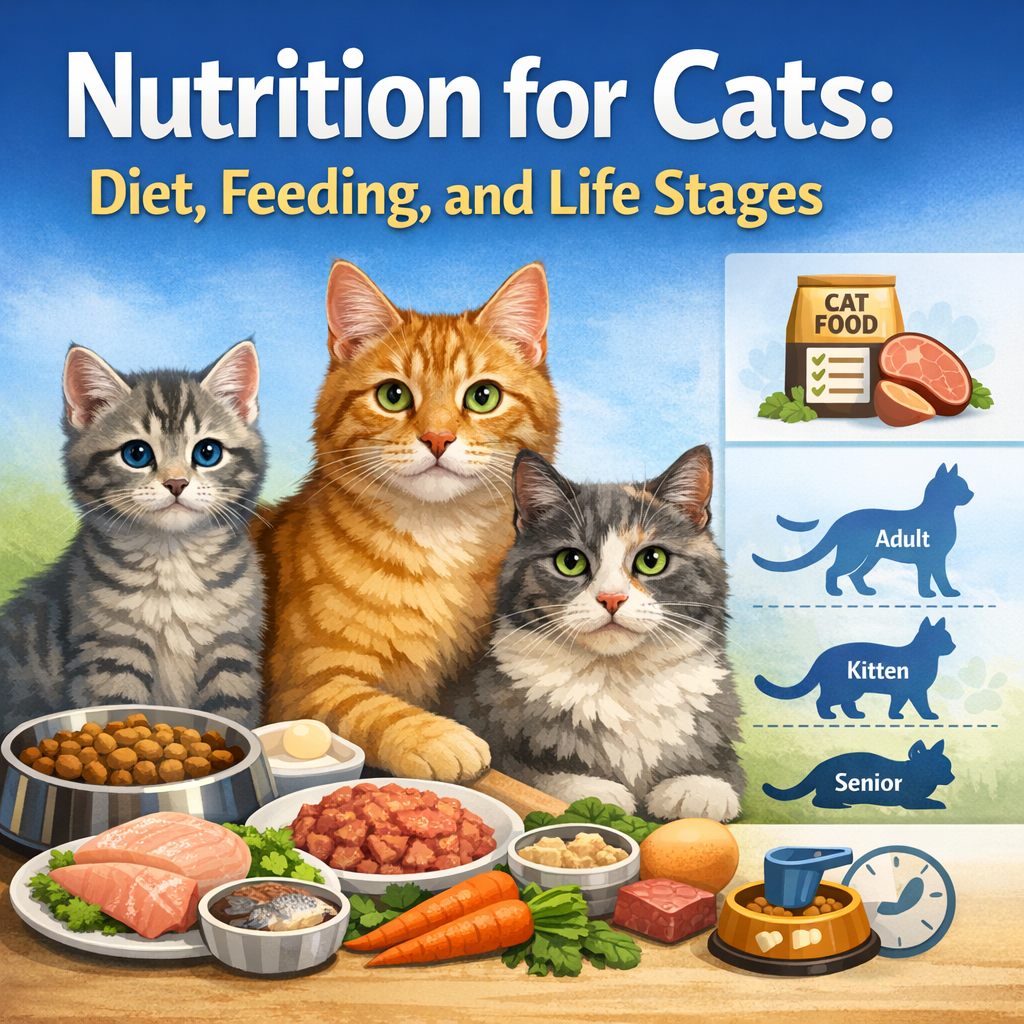
Nutrition needs shift as cats grow. Kittens require calories and nutrients that support rapid development, while adults focus on maintaining weight and activity. Seniors often need adjustments for metabolism and joint health.
Key factors to consider at every stage include protein quality, fat and carbohydrate balance, essential vitamins and minerals, fresh water, and appropriate portion sizes. Work with a veterinarian to tailor the plan and ensure your cat receives a balanced diet that matches their life stage.
1. Essential Nutrients for Cats
Protein and amino acids that cats require
Cats need high quality animal protein to support muscle, organ function, and metabolism. They rely on essential amino acids that must come from the diet, including at least 11 they cannot synthesize in sufficient amounts. Adequate protein supports growth, tissue repair, and immune health.
- Choose diets with animal-based protein as the primary ingredient to maximize bioavailability and help hit daily targets without excessive calories.
Real‑world example: a senior cat on a protein‑rich canned diet often shows improved energy and coat condition compared with lower‑protein options. When adjusting meals, introduce changes gradually over 7 to 10 days to minimize digestive upset.
Fat, fatty acids, and energy balance
Fat provides a dense energy source and aids in the absorption of fat‑soluble vitamins. Certain fatty acids support skin and coat health and help manage inflammation. Balancing fat intake helps meet activity needs without promoting weight gain.
- Track daily calories and adjust portions when switching to foods with different fat content to prevent abrupt weight changes.
- Prioritize omega-3 and omega-6 fatty acids from sources such as fish oil or balanced commercial formulas to support coat condition and joint comfort.
add a small amount of a vet‑approved omega‑3 supplement if your cat shows dry skin or seasonal shedding, but confirm compatibility with your cat’s health status through Bella Gatti US Shop.
Vitamins, minerals, and the role of water
Vitamins and minerals support metabolism, bone health, and fluid balance. Fresh water is essential for hydration, digestion, and waste elimination. Look for diets that meet nutritional adequacy guidelines and carry a clear nutrition guarantee.
- Commercial cat foods labeled with an AAFCO statement help ensure a complete and balanced micronutrient profile.
- Incorporate a routine that includes both wet and dry textures to boost water intake and provide variety.
Edge case: cats with kidney disease may require tailored mineral levels and controlled protein intake. Work with a veterinarian and use Bella Gatti US Shop to source formulas designed for health conditions, and recheck kidney function every 6-12 months as recommended.
2. Choosing the Right Commercial Cat Food
Reading labels: what to look for in complete and balanced diets
Check the product’s statements for completeness and balance according to AAFCO guidelines. Compare guaranteed analysis for protein and fat levels to your cat’s needs, and confirm the food is appropriate for your cat’s life stage. Ensure fresh water is always available.
3. Life Stage Nutrition: Kittens, Adults, and Seniors
Kittens: growth, calories, and DHA for development
Kittens require energy-dense nutrition to support rapid growth and organ development. A well‑balanced diet helps establish a healthy foundation for lifelong health.
- Calorie density supports steady growth without excessive fat gain.
- DHA supports brain and eye development during early life.
- Protein quality and a complete amino acid profile are essential for skeletal and muscle development.
Adult cats: maintaining weight and energy
Adults need consistent energy to sustain weight, activity, and well‑being. Emphasize balanced nutrients and appropriate portions to preserve lean mass.
- Protein remains important for lean body mass.
- Moderate fat provides energy without promoting weight gain.
- Limit simple carbohydrates to support metabolic health.
Senior cats: changes in metabolism and nutrient needs
Many seniors experience slower metabolism and mobility changes. Nutrition should support digestion, joints, and organ function.
- Prioritize digestibility and consider mineral balance relevant to kidney and bone health.
- Vet‑guided consideration of supplements based on health status.
- Ensure ongoing access to fresh water, as thirst perception can decline with age.
4. Feeding Strategies for Optimal Health
Meal frequency and portion control
Consistent meal timing supports energy levels and digestion. Adjust portions to match life stage, activity, and body condition for a balanced diet.
- Most adult cats do well with two meals per day, though some rely on dry food for free access if it suits their energy needs.
- Kittens need more frequent feeding due to growth and high energy demand.
- Follow a measured feeding plan and adjust portions based on weight changes and veterinary guidance.
Transitioning foods safely between life stages
Move between foods gradually to minimize digestive upset. Plan changes over 7 to 14 days, depending on tolerance and diet complexity.
- Start by mixing a small portion of the new diet with the current food.
- Increase the new diet percentage slowly while decreasing the old option over several days.
- Monitor stool consistency, appetite, and general well being during the transition.
Recognizing signs of over and under feeding
Track weight and appetite to guide adjustments. Subtle changes can signal the need for dietary tweaks.
- Over feeding may show as gradual weight gain, excess fat deposits, or reduced activity.
- Under feeding can lead to weight loss, dull coat, and lower energy or appetite.
- Record weekly weights and consult a veterinarian if measurements drift outside target ranges.
Practical tips for Bella Gatti US Shop customers
Use portioning tools and feeding schedules that fit your cat’s routine. Pair meals with feeders that help slow fast eaters when needed.
- Invest in a digital scale for precise portions; start with 10-15 gram adjustments and track changes over two weeks.
- Consult your vet about target weight ranges and adjust by small increments to avoid drastic shifts.
- Keep fresh water accessible and offer a small, high-protein snack between meals if your cat is highly active.
5. Special Diet Considerations and Common Myths
Common dietary myths debunked
Rely on balanced, complete diets rather than trends. Your cat’s needs vary with age, activity, and health status. Look for AAFCO statements and nutrition labels to guide choices toward a truly complete and balanced diet.
- Myth: more protein always leads to weight gain. Fact: protein quality and portion size matter for lean mass and satiety.
- Myth: all fats are harmful. Fact: essential fatty acids support skin, coat, and inflammation control when balanced.
- Myth: supplements fix every problem. Fact: supplements can be unnecessary or harmful without veterinary approval.
Addressing weight management and obesity
Weight control is a core part of cat nutrition. A higher protein intake with controlled calories can support fat loss while preserving muscle.
- Monitor body condition and adjust portions rather than free feeding.
- Prioritize high quality protein and limit empty calories from excess carbohydrates.
- Work with a veterinarian to set a target weight and plan meals accordingly.
Supplements: when they are and aren’t appropriate
Supplements should not replace a balanced diet. They require professional guidance to avoid imbalances or interactions.
- Essential supplements are rarely needed in healthy cats fed a complete diet.
- Vitamin and mineral additions should be vet approved to prevent excess or deficiencies.
- Always disclose current diet and health conditions before adding any supplement.
Expert Insight
“Simply recommending a diet designed for weight loss fails, in most cases, to result in successful weight loss in the obese or overweight cat.” , Veterinary Nutrition Expert
6. Hydration and Urinary Health
Importance of fresh water
Hydration supports kidney function, digestion, and every metabolic process. Cats often drink less than other pets, so keep clean, fresh water available at all times. Adequate water intake helps prevent urinary crystals and other urinary tract issues common in felines.
Encouraging water intake: tips and techniques
- Offer multiple sources, including a fountain, to entice drinking and reduce avoidance of stale water.
- Refresh water daily and place bowls away from the food dish to minimize competition for space.
- Add hydrating toppers or lightly moisture-enhanced meals to boost intake without adding excessive calories.
- Position bowls in quiet, accessible areas and keep them clean to encourage regular sipping.
- Provide wide, shallow bowls if your cat prefers them, and rotate bowl materials to reduce plastic odor buildup.
Signs of hydration issues and when to seek care
- Dry gums, lethargy, or sunken eyes can indicate dehydration and warrant prompt veterinary assessment.
- Decreased urination, dark or strong smelling urine, or straining may signal urinary concerns needing evaluation.
- Notice persistent changes in drinking or urination patterns and consult a veterinarian for guidance and a tailored hydration plan.
FAQ
What cat food is best for hyperthyroidism?
Diet can support thyroid health, but always follow your veterinarian’s guidance. Look for a complete diet with an AAFCO statement and appropriate iodine levels, rather than ad hoc options.
Real‑world note: some cats benefit from a veterinary‑supervised diet that regulates iodine, used in conjunction with treatment and monitoring.
Practical steps: check iodine content on the label, follow a clear feeding guide, and choose options that stay within approved categories as your cat’s health plan evolves. Your veterinarian or Bella Gatti US Shop can help identify vet‑recommended brands aligned with thyroid management.
How many meals should a cat eat per day?
Meal frequency should reflect life stage and health status. Kittens typically thrive on multiple small meals, while many adults do well with two meals daily. Some cats with medical needs may require a tailored schedule.
Tip: establish a consistent feeding routine and measure portions to support steady energy and weight. For cats with thyroid concerns, smaller, regular meals can help stabilize energy between visits.
Can I feed homemade meals to my cat?
Homemade meals can fit into a balanced plan when guided by a veterinarian or veterinary nutritionist. They require careful attention to protein quality, taurine, amino acids, vitamins, and minerals to prevent deficiencies.
Note: taurine is essential for cats, and any homemade plan should include taurine supplementation if not provided by commercial options. Bella Gatti US Shop can help locate veterinary guidance for formula planning.
When should I switch to senior formula?
Switching is often appropriate as metabolism slows and activity changes with age. Transition gradually over 7 to 14 days, and monitor weight, stool quality, and energy with veterinarian input.
Practical approach: avoid abrupt changes, and plan incremental increases in senior formula every few days while watching coat condition and vitality. Bella Gatti US Shop offers senior options vetted by veterinary nutritionists.
Conclusion
Key takeaways for keeping a cat healthy through nutrition
Nutrition underpins a cat’s health across life stages. Focus on a complete, balanced diet that aligns with energy needs, supports growth, and preserves lean mass. Provide fresh water consistently to support kidney function and hydration. Track weight and body condition, adjusting portions to prevent both under and overfeeding.
Choose foods with clearly defined protein sources and balanced amino acids. Cats are obligate carnivores and rely on animal-based ingredients for essential nutrients. Watch for excess carbohydrates and favor moisture-rich options. Reassess the diet as life stages shift and health concerns emerge, using gradual transitions when changing foods.
Working with a veterinarian to tailor diet
Collaborate with a veterinarian to tailor feeding plans by age, reproductive status, and activity. A gradual transition between foods helps minimize digestive upset and stabilize energy. Seek guidance on weight management, health concerns, and appropriate supplements when needed.
Keep a record of weight, stool quality, and hydration. Use these notes to adjust portions and feeding frequency, ensuring long term wellness with Bella Gatti US Shop recommendations when suitable.