TL;DR (Too Long; Didn’t Read)
- Recognizing Fear: While cats have excellent low-light vision, they cannot see in total darkness; signs of anxiety include dilated pupils, flattened ears, hiding, or nighttime aggression.
- Common Causes: Nighttime agitation is often triggered by aging (cognitive decline), medical issues like feline idiopathic cystitis, or past traumatic experiences associated with the dark.
- Simple Solutions: Implementing “nightlight therapy” using dim LEDs or fairy lights can provide visual landmarks that significantly reduce stress and help nervous cats navigate safely.
- Professional Support: Severe cases may require behavioral desensitization, environmental enrichment, or veterinary intervention involving pheromone therapy or prescribed anti-anxiety medications.
Table of Contents
Is My Cat Scared of the Dark? Signs and Solutions
You probably think of your cat as a tiny, furry ninja. They prowl the hallway at 3 AM and always seem to know exactly where your toes are under the covers. While we often assume they have perfect night vision, the truth is a bit more complex. Some cats actually develop feline anxiety or a genuine fear of the dark.
If your feline friend is acting jumpy once the sun goes down, you are not alone. Whether it is a result of aging or past experiences, nighttime agitation is a real thing in the kitty world, and signs of a cat scared of the dark can manifest in various ways. Look for behaviors such as hiding, excessive vocalization, or sudden attempts to cling to you for comfort. Let us dive into why your brave hunter might suddenly need a nightlight and how to provide anxious cat help.
Recognizing Scared Cat Signs and Body Language
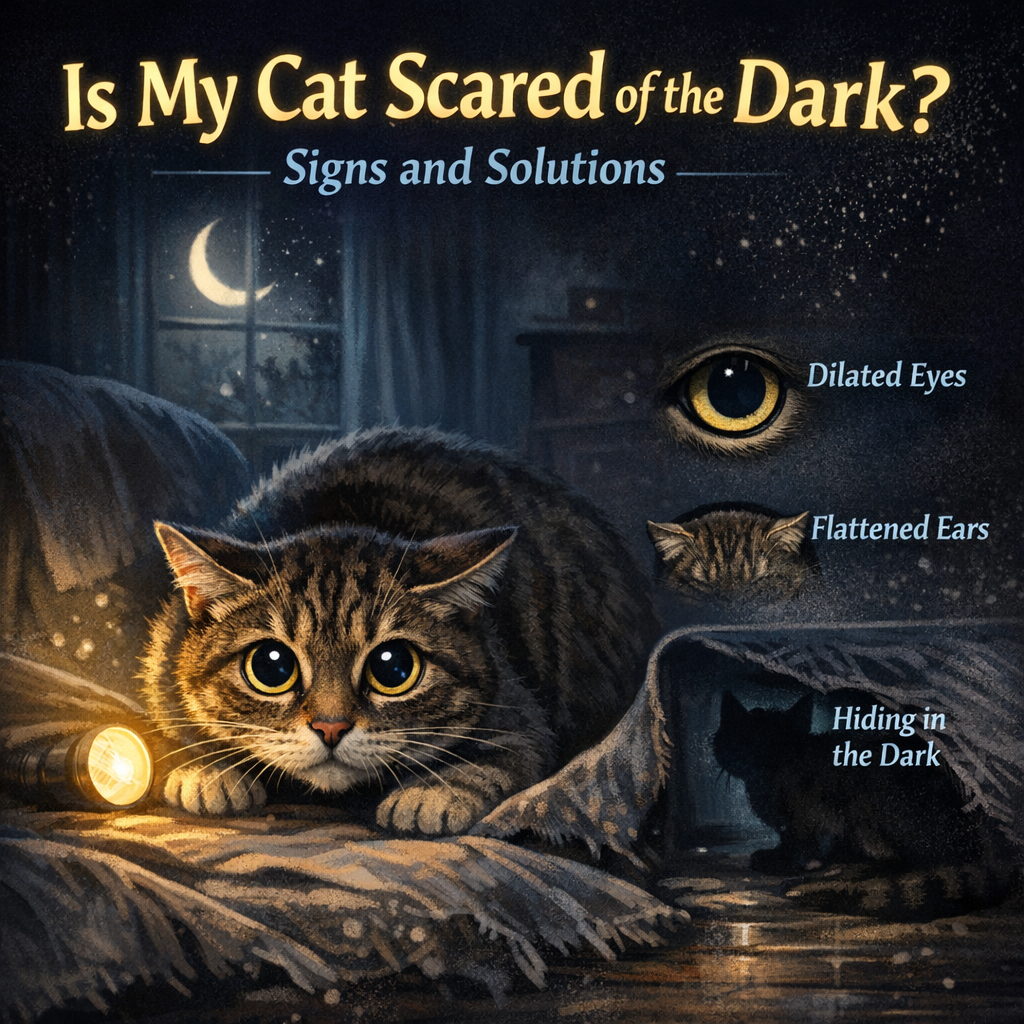
To understand if your pet has phobias, you must learn to read cat body language. Feline behavior experts at the Animal Behaviour and Training Council note that fear often manifests through physical behavioral cues. Look for wide eyes with pupillary dilation, which is a classic sign of feline stress symptoms in low light.
Your cat might also display a tucked tail, flattened or sideways cat ear position, and puffed fur. If you notice your cat hiding behavior increasing as dusk approaches, they are likely seeking a safe zone. Some cats even exhibit cat aggression night behaviors, such as cat biting feet, because they feel vulnerable in the shadows.
If these quirks persist, consulting a Veterinarian is the best way to rule out hidden pain or vision loss. They can provide a professional check-up to ensure your kitty’s nighttime spooks aren’t actually medical SOS signals.
The Impact of Darkness and Light on Feline Behavior
While cats can see better in low light than humans, they cannot see in total darkness. Research shows that cats are highly sensitive to light changes, and dim environments can trigger feline idiopathic cystitis or stress induced bladder issues. A simple cat nightlight or soft fairy lights can drastically reduce fear and stop unwanted behaviors like biting.
Pet health hubs often recommend nightlight therapy as a primary low light solution. Providing a consistent light source helps a nervous cat navigate the home without feeling startled. This environmental enrichment allows them to feel in control of their surroundings when the sun disappears.
Historical Trauma and the Fear of the Dark
Cat trauma recovery is a significant part of feline behavior science. A cat might develop a fear of the dark after a traumatic injury, such as a spinal damage incident or a cat spine injury that occurred at night. These past negative associations make the darkness feel dangerous rather than a time for hunting.
If your cat had a bad experience with a loud noise or a fall in the dark, they may associate the lack of light with pain. Organizations like the People’s Dispensary for Sick Animals emphasize that understanding these historical triggers is the first step toward calming a cat. You can find helpful tutorials on YouTube or Google to see how other owners manage cat night anxiety.
Supporting Strategies to Reduce Feline Anxiety
Creating a predictable environment is essential for a cat afraid of dark spaces. Provide a dedicated safe space or den where your cat can retreat if they feel overwhelmed. Reducing frightening stimuli and maintaining a strict routine helps lower their overall stress levels and prevents nighttime agitation.
Environmental enrichment, such as climbing trees or interactive toys, can distract them from their fear. Ensure they have easy access to resources through a microchip pet access door if they go between rooms. A stable, secure home base is the best defense against feline medical problems rooted in chronic stress.
Behavioral Techniques: Desensitization and Training
Desensitization is a powerful tool for managing pet phobias. This involves gradual exposure to fear inducing sounds or environments at a very low intensity. You can use your iPhone to play quiet recordings of nighttime sounds while offering treats to create a positive association.
Reward based training helps condition your cat to accept the dark. By slowly dimming the lights while playing or feeding, you teach them that the dark is not a threat. If you are struggling, consulting an accredited animal behaviorist or a professional cat behaviorist can provide a tailored plan for your pet.
Medical and Pharmacological Assistance for Cats
In cases of severe feline anxiety, a veterinary consultation is necessary to rule out feline medical problems. Some cats may suffer from feline idiopathic cystitis or other stress related conditions that require professional intervention. Your vet might suggest pheromone therapy or specific anti anxiety medication to help manage the fear.
You can also try a Feliway diffuser to release calming pheromones into your cat’s favorite hangout. It’s like a spa day in a plug-in, helping them feel zen even when the lights go low.
Never use human medications for your pet, as they are unsafe. Licensed anxiolytics or behavioral medications can be life changing for a cat with chronic night anxiety. For more community advice, pet owners often share experiences on various social platforms to find the best path forward.
Expert Insight
“Once a cat’s acute anxiety and fear are identified, a plan to mitigate may include desensitization and implementing feline friendly techniques, including consideration of pre-visit pharmaceuticals.”, Tracey Deiss, DVM, BS
Signs of Fear in Cats
Some cats resort to cat aggression night behaviors, such as hissing or cat biting feet when you walk past them. They are not being mean; they are just startled by nighttime agitation.
Historical Trauma and Fear of the Dark
Past experiences play a massive role in how your cat views the night. A traumatic injury, such as an accident in the dark, can lead to a long-lasting fear of darkness.
If a cat suffered spinal damage or a cat spine injury during a nighttime fall, they may associate low light with pain. Past negative associations often contribute to chronic nighttime anxiety.
Cat trauma recovery takes time and patience. Identifying if your cat has a history of pet phobias can help you understand why they suddenly retreat to cat hiding behavior when the sun sets.
Impact of Darkness and Light on Cats
While we think of them as nocturnal hunters, cats’ eyes are actually highly sensitive to light. Dim lighting can significantly reduce fear caused by pitch-black environments.
Data shows that simple low light solutions, like a cat nightlight or fairy lights, can calm a cat down and stop unwanted behaviors like biting or frantic pacing.
Providing a consistent light source helps your cat navigate without stress. Nightlight therapy is a simple yet effective way to manage feline stress symptoms during the late hours.
Medical and Pharmacological Assistance
Sometimes, fear goes beyond simple jitters and requires professional help. Feline medical problems can often manifest as behavioral changes or increased cat night anxiety.
Feline idiopathic cystitis and other stress-induced bladder issues are common in anxious cats. If your cat is struggling, a veterinary consultation is essential to rule out feline stress cystitis.
A vet may suggest licensed anxiolytics or anti-anxiety medication. Never use human medications, as they are unsafe for pets. Consult a cat behaviorist for a tailored plan.
Supporting Strategies to Reduce Fear
Creating a predictable environment is key to helping a nervous cat. Providing a safe space or a dedicated den allows your cat to retreat when they feel overwhelmed.
Environmental enrichment, such as climbing trees and interactive toys, helps lower anxiety levels. Maintaining a strict routine for feeding and play provides the stability they crave.
Using secluded spots for hiding helps cats feel secure. Reducing frightening stimuli in the home ensures your cat feels like the king or queen of their castle again.
Behavioral Techniques: Desensitization
Desensitization is a powerful tool for overcoming pet phobias. This involves gradual exposure to fear-inducing sounds or environments at a very low, manageable volume.
You can use reward-based training to condition your cat to accept dark spaces. Pair short periods of low light with high-value treats to create a positive association.
Organizations like the Animal Behaviour and Training Council recommend this slow approach. It helps your cat build confidence without triggering a full-blown fear response.
The Role of Vision in Nighttime Agitation
While your feline friend is a master of the midnight pounce, they cannot see in total darkness. Their eyes are incredibly sensitive to light, requiring at least some illumination to map out the room. When a space is pitch black, a cat may lose their sense of security and experience nighttime agitation.
If your cat’s eyes look like giant black saucers, this pupillary dilation is a major sign of feline anxiety. Without enough light to create contrast, your tiny tiger might feel vulnerable to perceived threats. This lack of visual input can lead to stress-induced bladder issues like feline idiopathic cystitis or even physical accidents.
A simple cat nightlight can make a world of difference for a nervous pet. Many owners find that low light solutions, such as a dim LED or stringing up fairy lights, provide immediate anxious cat help. These small glows allow your cat to navigate safely without feeling like they are being hunted in the shadows.
Providing illumination near the litter box or in the hallway helps your cat feel like the king of the jungle again. It turns a scary, void-like room into a manageable environment where they can display confident cat body language instead of hiding under the sofa.
Expert Insight
“The characteristics of a secure cat include greeting their owner and then returning to their activities; it is vital for owners to recognize that in stressful situations, their own behavior can have a direct impact on their cat’s sense of security.”, Kristyn Vitale, Lead Study Author and Researcher
Common Causes of Nighttime Anxiety
Your cat might look like a fearless predator, but even the bravest hunters have their limits. When the sun goes down, feline night anxiety can take over for several reasons.
According to the People’s Dispensary for Sick Animals, understanding the root cause is the first step toward calming a cat. Whether it is a physical ailment or a mental hurdle, identifying the trigger helps you provide the right support.
| Cause |
Description |
Common Sign |
| Aging |
Cognitive decline or failing eyesight in senior cats. |
Disorientation or loud meowing at night. |
| Medical Issues |
Conditions like feline idiopathic cystitis. |
Frequent trips to the litter box or straining. |
| Past Trauma |
Previous accidents that occurred in low light. |
Hiding or sudden aggression when lights dim. |
| Lack of Socialization |
Not being exposed to different environments as a kitten. |
General skittishness and fear of new sounds. |
Expert Insight
“Darkness is not inherently foreboding to cats, so there is typically no need for nightlights unless they have eyesight issues or cognitive dysfunction; in those cases, a soft glow helps them navigate and reduces the stress of sudden total darkness.”, Dr. Carly Fox, Veterinarian at Schwarzman Animal Medical Center
Frequently Asked Questions About Feline Nighttime Agitation
Can cats see in total darkness?
No, they cannot. While cats are excellent at utilizing low light, they still require at least a small amount of light to navigate. Their eyes are designed to amplify dim glow, but in 100 percent darkness, they are just as blind as humans are.
Why is my cat suddenly meowing at night?
This is often a primary sign of nighttime agitation. It could be due to feline medical problems, such as hyperthyroidism, or cognitive dysfunction in older cats who feel lonely and disoriented. Sometimes, it is a cry for environmental enrichment because they are bored.
Will a nightlight really help my cat?
For many cats, yes. A nightlight therapy approach provides vital visual landmarks, which reduces the startle factor when they move around the house. It is an effective first step to help an anxious cat feel more secure in their territory.
When should I see a cat behaviorist?
If your cat’s fear leads to cat aggression at night, self-harm, or refusing to eat, you should consult a professional. If you have ruled out physical pain with your vet, a behavioral expert is the next logical step.
How can I tell if my cat is scared or just playing?
Look at the cat body language. A playful cat has a curved tail and forward ears. A scared cat displays signs like flattened ears, a tucked tail, and puffed fur. If you see extreme cat eye dilation or they are hiding under the sofa, it is likely fear.