




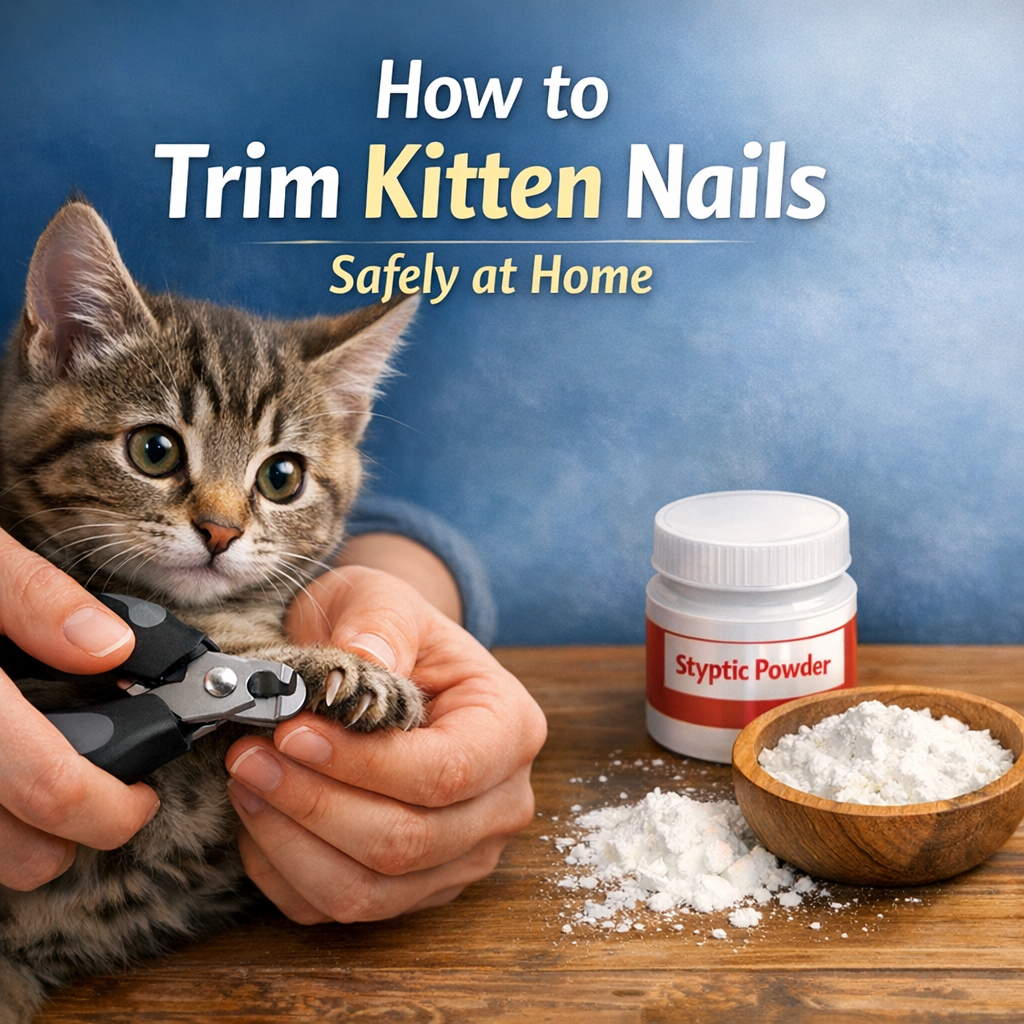
- Use the Right Tools: Always use professional-grade cat nail clippers and keep styptic powder or cornstarch on hand to safely stop bleeding if the “quick” (the pink sensitive area) is accidentally nicked.
- Timing & Handling: Trim nails when your kitten is sleepy or relaxed, using gentle restraint techniques like the “cat burrito” towel wrap to keep them secure and calm.
- Positive Reinforcement: Build trust through “toe bean” massages and frequent high-value treats before, during, and after sessions to create a positive association with grooming.
- Patience is Key: Take a gradual approach by trimming only one or two nails at a time, ensuring the experience remains stress-free for both you and your kitten.
Table of Contents
- How to Trim Kitten Nails Safely at Home
- Essential Cat Nail Clippers and Grooming Supplies
- Timing Your Kitten Grooming Sessions
- Mastering Restraint and Handling Techniques
- Training Your Kitten to Stand Still
- Desensitization and Acclimatizing Your Feline
- The Power of Positive Reinforcement and Treats
- A Step-by-Step Approach to Cutting Cat Claws
- Identifying the Quick and Safe Cutting Zones
- Proper Nail Clipping Tools and Supplies
- Techniques for Restraining and Handling Cats
- Desensitization and Acclimation Strategies
- How to Identify Quick and Safe Cutting Zones
- Timing and When to Trim Kitten Nails
- Training Cats to Stand Still for Nail Trims
- Positive Reinforcement and Treats as Motivation
- Techniques for Restraining and Handling Cats
- Positive Reinforcement and Treats as Motivation
- Step-by-Step Approach to Trimming
- Frequently Asked Questions and Expert Kitten Grooming Tips
How to Trim Kitten Nails Safely at Home
Welcome to the ultimate guide for feline manicures. Trimming those tiny, needle like claws can feel like defusing a bomb, but it is a vital part of kitten grooming. At Bella Gatti US Shop, we know you love your furniture as much as your cat. Keeping those claws in check reduces the sharpness of the claws and protects your sofa and your skin.
In short: You can do this. It just takes patience, positive reinforcement, and the right tools. Let us dive into the world of kitten claw care with confidence.
Essential Cat Nail Clippers and Grooming Supplies
Before you start, you need the right gear. Using dull or human clippers can crush the nail, causing pain. Professional grade cat nail clippers are designed to provide a clean, sharp cut that improves safety and efficiency. High quality tools are a staple recommendation on platforms like Chewy and Reddit for a reason.
Studies indicate that using appropriate tools reduces the risk of cutting too deeply into the quick. Keep some styptic powder or cornstarch nearby just in case of a nick. Having everything ready ensures pet nail care stays fast and stress free for both you and your tiny tiger.
Timing Your Kitten Grooming Sessions
Timing is everything when it comes to trimming cat nails. Most experts on YouTube suggest grooming sleepy cats or those in a post play nap. When your kitten is relaxed or calm, they are far more likely to cooperate with cat handling techniques.
Avoid trying to trim claws when your kitten is in high energy zoomie mode. A calm environment promotes cat relaxation and makes the process feel like a bonding moment rather than a battle. A quiet room away from distractions is the best place for kitten health maintenance. Consider using Positive Reinforcement with Treats and Play to help make the experience more enjoyable for your furry friend.
Mastering Restraint and Handling Techniques
If your kitten is a wiggler, you might need some restraining a cat strategies. The towel burrito technique, often called the cat burrito method, is a favorite among veterinary professionals. By wrapping the kitten in a soft blanket and isolating one paw at a time, you significantly increase your success rate.
For more active kittens, a cat grooming bag or products like Cat in the Bag can provide a secure environment. Some owners find success holding kittens on their back in their lap. Always avoid scruffing, as modern behavioral conditioning suggests gentler methods lead to better long term cat behavior training results.
Training Your Kitten to Stand Still
Success starts with cat training tips that focus on stillness. You can teach your kitten to accept touch by petting their paws during normal cuddle time. This desensitization to touch is a cornerstone of cooperative care, making future pet grooming sessions a breeze.
Start by gently pressing on the toe bean to extend the claw without actually cutting. If they stay still, offer cat treats immediately. This behavioral conditioning ensures they associate cat paw handling with rewards rather than fear.
Desensitization and Acclimatizing Your Feline
Early habituation is key to indoor cat grooming success. Frequent, gentle touch on the paws paired with high value rewards helps make feline claw trimming a normal part of life. Organizations like the ASPCA emphasize that early kitten socialization reduces stress during veterinary procedure handling later in life.
Make the clippers part of the environment. Let your kitten sniff them and hear the clicking sound while eating. This desensitization and acclimating process removes the “scary” element from the tool, turning it into just another household object.
The Power of Positive Reinforcement and Treats
Never underestimate the power of a good snack. Positive reinforcement training is the most effective way to build trust. Give your kitten their favorite cat treats before, during, and after the session to foster a positive association with kitten care tips.
If your kitten starts to get frustrated, stop immediately and give a treat. You want them to remember the session ending on a high note. Over time, they might even come running when they see the cat nail clippers because they know a tasty reward is coming.
A Step-by-Step Approach to Cutting Cat Claws
Don’t feel pressured to do all twenty claws at once. A great step-by-step approach involves trimming just one paw, or even just one or two claws, per session. Taking breaks ensures the kitten doesn’t become overwhelmed or anxious.
Start with the front paws, as these usually grow faster and do the most damage to your furniture. Gently squeeze the cat paw massage style to reveal the claw, clip the tip, and then offer praise. Slow and steady wins the kitten grooming race.
Identifying the Quick and Safe Cutting Zones
The most important part of cutting cat claws is identifying the quick. This is the pink area inside the nail that contains nerves and blood vessels. You should only clip the clear, hook like tip of the nail to avoid causing pain.
In kittens, the nails are often translucent, making the quick easy to spot with a bit of research for visual aids. Interestingly, as cats age, the quick tends to recede, making pet nail care even safer. Always err on the side of caution and cut less rather than more to prevent cat scratching accidents.
Proper Nail Clipping Tools and Supplies
Do not reach for those rusty human nail clippers in your bathroom drawer. Human clippers are flat, but feline claws are curved. Using the wrong gear can crush the nail rather than slicing it.
High ranking experts and retailers like Chewy recommend sharp, professional grade cat nail clippers. These specialized tools ensure a clean cut without splintering the nail, making kitten grooming a breeze for you and your stylish furball.
Using the right pet nail care tools reduces the risk of cutting into the quick, which is the sensitive pink area inside the claw. This prevents pain and bleeding for your little friend. If you are nervous, check out tutorials on YouTube or Reddit for visual cat training tips.
Always keep a safety kit nearby. If you accidentally nick the quick, Styptic Powder or cornstarch will stop the bleeding instantly. Proper kitten claw care is about being prepared for anything, even if your kitten decides to do a mid-air gymnastics routine.
| Tool Type | Best For | Pro Tip |
|---|---|---|
| Scissor Clippers | Small Kittens | Perfect for tiny, thin claws and easy cat handling techniques. |
| Guillotine Trimmers | Adult Cats | Provides extra leverage for thick nails and indoor cat grooming. |
| Styptic Powder | Emergencies | Essential for feline claw trimming safety to stop bleeding. |
Techniques for Restraining and Handling Cats
If your kitten thinks trimming cat nails is a wrestling match, it is time for some restraint techniques. Many owners find success with the towel burrito method, also known as the cat burrito.
Wrap your kitten snugly in a soft blanket, leaving only one paw exposed at a time. This cat relaxation tactic prevents scratching and keeps them secure. Some even use a specialized cat grooming bag or a Cat in the Bag product to keep limbs tucked away safely.
For a less restrictive approach, try restraining a cat by holding them on their back in your lap while they are sleepy. Grooming sleepy cats is a pro move because their natural defenses are down. Avoid scruffing whenever possible, as it can cause unnecessary stress.
Desensitization and Acclimation Strategies
The secret to cutting cat claws without a struggle is behavioral conditioning. Start kitten socialization early by practicing toe bean stimulation. Gently massage their paws while they are relaxing on your lap.
This desensitization to touch helps them realize that cat paw handling is not a threat. Organizations like the ASPCA suggest that cooperative care starts with trust. If they let you press on their paw to extend the claw, reward them immediately.
Combine cat paw massage with positive reinforcement. Use cat treats or a little bit of wet food to create a positive reinforcement training loop. Soon, they will associate the clipper sound with a tasty snack rather than a veterinary procedure handling session.
How to Identify Quick and Safe Cutting Zones
Before you snip, you must locate the quick. This is the pink part of the claw that contains blood vessels and nerves. Kitten health depends on you staying in the clear, translucent zone at the tip of the nail.
In younger kittens, the quick is very easy to see. As they grow into adult cats, the quick may recede, but the rule remains the same: when in doubt, cut less. It is better to trim a tiny bit every week than to go too deep once.
If your cat has dark nails, use a flashlight or search for images of feline claw trimming for reference. Staying in the safe zone prevents cat scratching issues and keeps your kitten happy. We want your kitten looking sharp but feeling comfortable.
Timing and When to Trim Kitten Nails
Timing is everything when it comes to feline claw trimming. If your kitten is currently in zoomie mode or hunting imaginary dust bunnies, put those cat nail clippers away. Trying to restrain a high energy kitten is a recipe for a scratched arm and a very grumpy pet.
The golden rule for successful kitten grooming is targeting sleepy cats. Wait until your little fluffball is relaxed, perhaps during a mid afternoon nap or right after a heavy meal. A calm kitten is a cooperative kitten, and catching them while they are drowsy makes the process much smoother.
Many owners find success by scheduling a session after a vigorous play period. Once they have burned off that frantic kitten energy, they are much more likely to sit still for pet nail care. This strategic timing increases your success rate and keeps stress levels low for everyone involved.
Training Cats to Stand Still for Nail Trims
Training a cat to sit still requires a mix of patience and clever cat training tips. Start by letting your kitten sniff the clippers while they are closed. You can even find helpful tutorials that demonstrate how to click the clippers near the cat without actually cutting, just to get them used to the sound.
As you move toward cutting cat claws, use a gradual approach. You do not have to finish all ten front claws in one sitting. Trimming one paw at a time or even just one or two nails per day is a perfectly valid strategy recommended by pet grooming professionals at Chewy.
If your kitten becomes wiggly, do not force it. Take a break and try again later. Forcing a kitten can lead to a negative association with grooming. Instead, focus on short, successful sessions that end on a high note, ensuring your cat remains calm and confident throughout their life.
Positive Reinforcement and Treats as Motivation
Positive reinforcement training is your best friend when it comes to indoor cat grooming. Always have a stash of high value cat treats nearby before you begin. Most experts, including those at the ASPCA, agree that treats and praise help reinforce calm behavior during what could be a stressful event.
Give your kitten a treat before you start, one after every few successful clips, and a final jackpot treat once you are finished. This creates a strong positive association between the clippers and delicious rewards. Eventually, your kitten might even come running when they see the grooming kit come out.
Using treats as motivation fosters a sense of trust between you and your pet. Whether you are using crunchy bites or lickable treats, the goal is to make the experience rewarding. This simple step turns a chore into a bonding moment, protecting your furniture and your relationship simultaneously.
Techniques for Restraining and Handling Cats
Sometimes you need a little extra help to keep your tiny tiger still. Restraining a cat does not have to be a struggle or a wrestling match. At Bella Gatti US Shop, we suggest making the process as cozy as a soft cotton tee.
One popular method recommended by experts on Reddit and YouTube is the towel burrito technique. You wrap the kitten snugly in a blanket, leaving only one paw exposed at a time. This prevents them from wiggling away or using their other paws to help with a well timed scratch.
The cat burrito method mimics the feeling of being held tightly. This sensation can actually soothe some kittens during pet grooming and veterinary procedure handling. It is a classic move for a reason: it works for both the human and the feline.
Using Restraint Devices and Cooperative Care
If the towel feels a bit too DIY, you might prefer a professional cat grooming bag. These bags, like those from Cat in the Bag, allow you to zip the kitten in securely while accessing individual limbs through small openings. This is often the safest bet if you are working alone.
Avoid techniques like scruffing, which can increase stress and anxiety. Instead, focus on cooperative care and behavioral conditioning. The goal of feline claw trimming is to make your kitten feel safe, not trapped. If they start to panic, take a break and try again later.
Desensitization and Acclimation Strategies
Kitten care tips from the ASPCA emphasize that early habituation reduces lifelong stress. Spend a few minutes each day practicing toe bean stimulation. Gently press on the paw pad to extend the claw without actually cutting it.
This acclimation process helps with kitten health and long term indoor cat grooming success. Once your cat is used to the sensation of their paws being handled, the actual cat nail trimming becomes a non-event. It is all about building trust through consistent, gentle contact.
Step-by-Step Approach to Trimming
When you are ready to start cutting cat claws, take it slow. Trim one paw at a time, or even just one nail per session. There is no rule saying you have to finish all twenty claws in one sitting. Use sharp, professional grade cat nail clippers to ensure a clean, quick cut.
Always identify the quick, which is the pink area inside the nail containing nerves and blood vessels. Avoiding the quick is essential for pet nail care safety. If you are nervous, just trim the very tip of the needle like point to keep your furniture safe from cat scratching.
By pairing these cat handling techniques with grooming sleepy cats, you turn a potential battle into a bonding moment. Keep the mood light, keep the treats flowing, and remember that a calm kitten is a cooperative kitten.
Positive Reinforcement and Treats as Motivation
Let us be honest: bribes work. In the world of kitten grooming, positive reinforcement is your absolute best friend. Just like you might treat yourself to a new nature t-shirt after a long week, your kitten needs a high value incentive to participate in feline claw trimming.
Always have a stash of premium cat treats ready before you even touch a paw. Professional groomers on YouTube and Reddit often suggest a three step reward system: give a snack before you start, one after every successful clip, and a massive jackpot of treats when the session ends. This creates a lasting positive association with the cat nail clippers.
If they get their favorite snack every time those needles get a trim, they might actually start looking forward to the process. This cat relaxation technique is a cornerstone of behavioral conditioning, ensuring your pet stays happy and focused instead of plotting their escape.
Step-by-Step Approach to Trimming
Do not feel pressured to do all twenty claws at once. Trimming cat nails can be done in stages to keep things stress free. If your kitten gets restless after two claws, stop immediately. Give a treat and try again later. Taking breaks is much better than forcing the issue and creating a bad memory for your feline friend.
Start by finding a quiet spot away from distractions like loud TVs or other pets. Many owners find success by checking visual demonstrations of the cat burrito method or using a specialized cat grooming bag. If you are flying solo, these restraint techniques can be a total lifesaver for wiggly kittens.
Gently squeeze the cat paw between your thumb and forefinger to extend the claw. This is where your previous work with toe bean stimulation pays off. Once the nail is visible, identify the quick, which is the pink part inside the nail containing blood vessels and nerves. Cutting into this area causes pain and bleeding, so always err on the side of caution.
Using sharp, professional grade cat nail clippers, clip only the sharp, clear tip of the claw. If you are nervous, you can look up guides on Reddit or Chewy for advice on the best brands to use. Reward your kitten with high value cat treats immediately after each successful clip to build a positive association with the process.
Frequently Asked Questions and Expert Kitten Grooming Tips
Trimming kitten claws is a skill that improves with every session. At Bella Gatti US Shop, we want your home to be a haven for both your style and your pets. Whether you are rocking one of our Nature T-shirts or a clean white tee, keeping those claws blunt is the best way to prevent snags and scratches.
How often should I trim my kitten’s nails?
Most indoor cat grooming schedules require a trim every two to three weeks. Kittens grow incredibly fast, so their needle like nails may need attention more frequently than an older cat. Regular kitten claw care prevents the nails from becoming snagged on carpets or your favorite clothing.
Establishing a routine early is a key part of kitten health and socialization. If you notice the nails are getting caught in the fabric of your sofa or during play, it is time for a quick maintenance session. Consistency helps your kitten understand that this is a normal part of their life.
What if I accidentally cut the quick?
Don’t panic if you nip the pink area. Apply styptic powder or a bit of cornstarch to the nail to stop the bleeding immediately. This is a common part of the learning curve in pet grooming, and while it may cause a momentary sting, your kitten will be okay.
Give your kitten an extra treat and plenty of love to move past the moment. Using positive reinforcement training helps rebuild trust. You can find many helpful tutorials on YouTube or Reddit that demonstrate how to handle this situation calmly without causing long term fear.
How do I train my kitten to stand still for trims?
Cat behavior training starts with desensitization to touch. Spend time every day performing a cat paw massage and practicing toe bean stimulation. Gently pressing on the paw to extend the claw without actually cutting it helps the kitten get used to the sensation.
Pair these sessions with high value cat treats like those found on Chewy. This behavioral conditioning teaches the kitten that paw handling equals delicious rewards. Cooperative care is much easier to achieve when your pet views the experience as a positive reinforcement session rather than a chore.