TL;DR (Too Long; Didn’t Read)
- Extreme Sensitivity: Cats have up to 80 million olfactory receptors—nearly 14 times more than humans—making strong scents like citrus, vinegar, and menthol physically overwhelming and effective as natural deterrents.
- Safety Risks: Many common household smells, including essential oils (eucalyptus, tea tree) and spices (cayenne pepper), can cause respiratory distress, salicylate poisoning, or capsaicin toxicity.
- Litter Preferences: Experts recommend unscented, moisture-absorbing litters (like silica gel) over perfumed varieties to prevent litter box avoidance and manage ammonia levels without irritating the feline nose.
- Positive Enrichment: While they dislike chemical and acidic odors, cats are naturally drawn to “happy” scents like catnip (nepetalactone), silvervine, valerian root, and the familiar personal scent of their owners.
Table of Contents
Cat Smell Sensitivity: Scents Your Feline Hates
Your cat is a furry little detective. While you are busy looking for your keys, your cat is busy processing a world of data through its nose. Feline olfactory ability is a superpower that defines how they see the world.
At Bella Gatti US Shop, we love a good graphic tee, but we love happy cats even more. Understanding what makes your kitty crinkle their nose is the first step to a peaceful home. Let us dive into the scents that send them running.
The Power of Feline Olfaction and Olfactory Receptors
To understand why your cat hates certain smells, you have to appreciate their hardware. Cats possess an extraordinary feline sense of smell that puts humans to shame. While we stumble around with five million olfactory receptors, your cat is rocking between 45 to 80 million.
This massive sensory surface area allows them to detect chemical signatures we cannot even imagine. Their nose is not just for smelling dinner, it is a complex tool for feline pheromone signaling and environmental mapping. They use this data to identify friends, foes, and territory boundaries.
Beyond the nose, cats utilize the vomeronasal organ, also known as Jacobson’s organ, located in the roof of the mouth. This allows them to “taste” scents in the air, a behavior you might recognize as the Flehmen response. When a scent is too strong, it does not just smell bad, it overwhelms their entire sensory system.
Natural Feline Deterrents: What Makes a Cat Cringe?
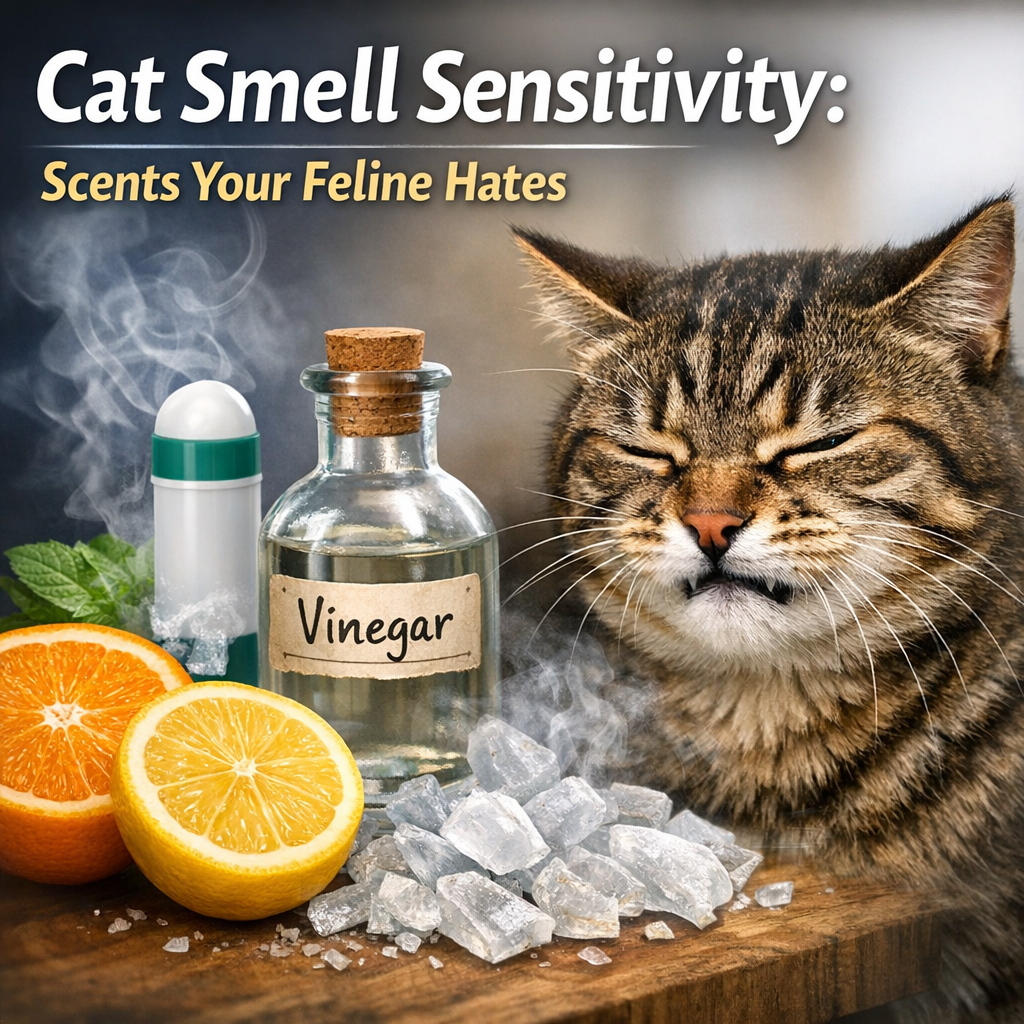
Because their noses are so sensitive, certain “pleasant” human smells act as powerful natural feline deterrents. Citrus is the heavy hitter here. The sharp aroma of lemon, orange, and grapefruit is often used as a citrus deterrent to keep cats away from expensive furniture.
Vinegar smell is another major offender. While we see it as a clean, eco-friendly solution, the acidic punch is far too intense for sensitive cat noses. Similarly, menthol for cats is a big no-no. Scents like peppermint and eucalyptus can be physically irritating to their respiratory system.
Other common dislikes include rosemary for cats and the pungent kick of cayenne pepper. These scents trigger avoidance behaviors because the cat’s brain flags them as potentially toxic or overwhelming. Even the smell of certain flowers or cleaning chemicals can cause a cat to abandon a room entirely.
Scented vs. Unscented Litter: The Great Box Debate
The choice between scented vs unscented litter is often the difference between a clean house and a “mistake” on your rug. Many commercial brands use heavy perfumes to mask odors, but these fragrances are often too much for a cat trapped in a small plastic box.
Leading experts at PetMD and Science journals suggest that cats generally prefer unscented options. High-tech solutions like PrettyLitter or silica gel litter are popular because they focus on odor control through moisture absorption rather than floral masking. These materials help with ammonia reduction and keep ammonia levels low.
If a litter box smells too much like “Fresh Meadows,” your cat might decide the laundry basket is a better alternative. Using products like CatGenie or specialized odor encapsulation technology ensures the environment stays clean without offending the feline sense of smell. Always prioritize a neutral-smelling box to prevent litter box avoidance.
Euphoria and Enrichment: Scents Cats Actually Love
It is not all bad news for your cat’s nose. Feline enrichment often involves “happy” smells that trigger playful or relaxed moods. Catnip (Nepeta cataria) is the gold standard, containing a compound called nepetalactone that triggers a blissful, euphoric reaction in about 70 percent of cats.
For the cats that do not care for catnip, silvervine is a fantastic alternative. It contains nepetalactol, which often works on cats that are immune to the charms of traditional catnip. You might also see them rolling around in valerian root or sniffing at earthy aromas like green olives.
Interestingly, your cat also loves your personal “funk.” They find comfort in your unique scent glands’ output, which is why they love sleeping on your discarded Unisex Soft Cotton Tee. Combining these positive scents with the right environment creates the perfect balance for a pampered pet.
Managing the Scent Landscape of Your Home
Creating a cat-friendly home means being mindful of the invisible world. Avoid overusing heavily perfumed sprays or essential oils that could lead to salicylate poisoning or capsaicin toxicity if used improperly. Instead, focus on natural ways to manage odors.
Check out resources on YouTube or Pet Care RX for DIY tips on keeping your home smelling fresh for humans without stressing out your pet. Remember, a happy cat is a cat that does not feel like their home is a perfume factory. Keep the scents subtle and the graphic tees stylish.
Whether you are researching on Google or watching Tiger Jack videos for pet tips, the consensus is clear: respect the nose. By choosing the right litter and avoiding harsh deterrents, you ensure your feline friend feels safe and secure in their territory.
The Science of the Feline Nose and Olfactory Receptors
Cats have an extraordinary olfactory capacity that puts human biology to shame. While you might be proud of your ability to sniff out a fresh batch of cookies, you are working with a measly five million scent receptors.
Your cat is flaunting between 45 to 80 million receptors. Some scientific studies, often cited by experts at PetMD and Science journals, suggest this number can reach a staggering 200 million depending on the breed.
In short, the feline sense of smell is roughly 14 times stronger than yours. This makes feline olfaction a superpower and a crucial part of their perception of the world. They are not just being dramatic when they bolt from the room after you peel an orange.
Cats also possess a specialized tool called the vomeronasal organ, or Jacobson’s organ. Located on the roof of their mouth, it allows them to essentially taste scents in the air through feline pheromone signaling.
This is why you might see your cat standing with its mouth half open, looking slightly confused. This behavior, known as the Flehmen response, helps them process complex chemical data from their environment.
This heightened sensitivity means that odors we find pleasant can be physically overwhelming for them. A faint whiff of perfume to you is a sensory explosion to their sensitive cat noses.
Understanding these olfactory receptors helps us respect their space. Just like you appreciate the breathable comfort of a Unisex Soft Cotton Tee from Bella Gatti US Shop, your cat appreciates a home that does not smell like a chemical factory.
Beyond basic scents, feline enrichment often involves specific botanical triggers. You have likely seen the euphoric reactions caused by nepetalactone, the active compound in catnip, or the similar effects of nepetalactol found in silvervine.
Whether it is the musk of a tiger jack or the subtle earthy aromas of the outdoors, your cat is constantly scanning for data. When we ignore these preferences, we risk causing stress or litter box avoidance.
By learning about feline olfaction, we can create a better environment. Whether you are browsing Google for tips or watching a YouTube tutorial on cat behavior, the consensus is clear: the nose knows best.
Scents Cats Dislike and Avoid
There is a long list of smells that cats dislike, often triggering avoidance behaviors. Many of these are natural feline deterrents that evolution taught them to stay away from to ensure their safety.
If you want to keep your cat off the counter or away from the holiday tree, these scents are your best friends. Understanding these triggers is essential for feline enrichment and maintaining a stress free home.
At Bella Gatti US Shop, we know that while you might love the smell of a fresh lemon zested over your dinner, your cat likely views it as a chemical biohazard. It is all part of their unique feline sense of smell.
Citrus Deterrents: The Sharp Enemy
Citrus is the undisputed champion of scents cats hate. Whether it is lemon, orange, lime, or grapefruit, the sharp and acidic aroma is a major turnoff for those sensitive cat noses.
Most cats will squint and back away the moment a citrus fruit is cracked open. This is because the concentrated oils in citrus peels can be overwhelming and even irritating to their delicate respiratory systems.
Using a citrus deterrent is a classic way to manage cat behavior without using harsh chemicals. It is a natural signal that tells your cat this specific area is not a feline friendly zone.
Vinegar Smell and Strong Cleaning Agents
The vinegar smell is particularly offensive to the feline nose. It is a sharp, pungent odor that lingers long after you have finished wiping down the kitchen surfaces.
While vinegar is a great natural cleaner for humans, it is a massive red flag for a cat. Its high acidity mimics the smell of spoiled food or territorial markings from other animals, causing immediate avoidance.
Strong chemical cleaners containing bleach or ammonia are even worse. High ammonia levels can actually trick a cat into thinking another animal has sprayed in their territory, leading to stress or litter box avoidance.
Menthol for Cats and Minty Dangers
Menthol for cats is a tricky subject. While some cats are indifferent to the smell of a garden mint leaf, many find concentrated peppermint and eucalyptus absolutely repulsive.
This aversion is actually a brilliant safety mechanism. These plants often contain salicylate, which can lead to salicylate poisoning or other toxic reactions if ingested in high amounts.
To protect your pet, many experts at PetMD and Science journals suggest keeping medicated rubs and strong essential oils out of reach. Their olfactory receptors are designed to warn them of these potential toxins.
Spices and Environmental Irritants
Beyond the pantry staples, cats are highly sensitive to capsaicin found in peppers. Cayenne pepper and chili flakes are common natural feline deterrents used to keep curious paws out of garden beds.
Even certain herbs like rosemary for cats can be hit or miss. While not toxic, the woody and resinous scent of rosemary is often cited as a smell that cats dislike and will actively avoid when possible.
Overpowering fragrances from air fresheners or heavy perfumes can also cause significant stress. When a cat cannot escape a strong scent, it can interfere with their own feline pheromone signaling and sense of security.
Litter Box Avoidance and Odor Control
One of the most common mistakes in scent use around cats is choosing a heavily scented vs unscented litter. While humans might prefer “spring breeze” or “lavender” scents, your cat usually hates them.
Scented litters can be so overwhelming that they lead to litter box avoidance. This is why many owners are switching to high tech options like PrettyLitter or CatGenie that focus on odor control rather than masking smells.
Solutions like silica gel litter are popular because they provide excellent odor encapsulation. By keeping ammonia levels low without adding artificial perfumes, you respect your cat’s olfactory boundaries while keeping your home fresh.
Dangerous and Toxic Smells to Avoid
At Bella Gatti US Shop, we know that keeping your cat safe is just as important as keeping them stylish. Not all scent dislikes are just about preference, some represent a genuine threat to your feline friend health. You must be careful with concentrated oils and spices around the house.
Feline health depends on a scent-neutral environment. Overpowering fragrances can lead to feline pheromone signaling interference and chronic stress. If a scent smells strong to you, it is likely far too intense for their sensitive cat noses.
Some common household items can cause capsaicin toxicity or respiratory distress. Never use spicy scents like cayenne pepper or chili powder as natural feline deterrents. These can burn their sensitive eyes and nose, leading to unnecessary pain and medical issues.
Toxicity and Safety of Scents and Oils
When researching feline olfaction on sites like PetMD or Science, you will find that certain substances are chemically dangerous. Cats lack specific liver enzymes to process many compounds found in essential oils. This can lead to salicylate poisoning or organ failure if they inhale or ingest concentrated vapors.
Popular scents like menthol, peppermint, and eucalyptus can be particularly irritating. While humans use these for congestion, they can cause a cat to experience breathing difficulties. Always consult resources like Pet Care RX before introducing new aromatic diffusers into your home.
If you are looking for ways to manage your cat behavior, avoid environmental manipulation that involves toxic triggers. Instead of harsh chemicals, look for safe feline enrichment activities. Providing a scratching post or a new toy is much better than using a dangerous citrus deterrent.
Scented vs Unscented Litter and Odor Control
One of the biggest mistakes owners make is choosing heavily perfumed litter to mask smells. Cats often develop litter box avoidance because the artificial floral or “fresh” scents are overwhelming. Their vomeronasal organ is constantly processing these chemicals, which can be exhausting for them.
Many experts and top resources like PrettyLitter and CatGenie suggest that unscented litters are superior. These products focus on ammonia reduction and odor encapsulation rather than just covering up the smell. Silica gel litter is a great option for maintaining low ammonia levels without irritating a cat sense of smell.
Maintaining a clean box is the best form of odor control. High ammonia levels are not just a nuisance, they are a health hazard for both you and your pet. Stick to natural, unscented options to ensure your cat feels comfortable and safe in their most private space.
Expert Insight
“Scents make no sense when it comes to cat litter, because cats have a sense of smell 14 times more sensitive than humans, added fragrances can overwhelm their natural instincts, causing stress, litter box avoidance, and house soiling.” : Dr. Elsey’s Veterinarian-Owned Team
Comparison of Common Household Scents
Navigating the world of feline olfaction is a bit like choosing the right graphic tee. You want something that looks great but feels comfortable. For your cat, comfort starts with their nose.
Feline sense of smell is truly a superpower. While humans have about five million olfactory receptors, cats boast between 45 to 80 million. This incredible sensitivity is why a hint of lemon to you feels like a sensory explosion to them.
| Scent Category |
Common Examples |
Cat Reaction |
Safety Level |
| Citrus |
Lemon, Orange, Lime |
Strong Avoidance |
Safe Natural Feline Deterrents |
| Herbs |
Rosemary, Thyme, Lavender |
Mild Dislike |
Generally Safe for Rosemary for Cats |
| Spices |
Cinnamon, Pepper, Cayenne |
Intense Irritation |
Use Caution due to Capsaicin Toxicity |
| Essential Oils |
Tea Tree, Eucalyptus, Menthol |
Toxic Risk |
Dangerous Salicylate Poisoning Risk |
Understanding Why Cats Dislike These Smells
When you use a citrus deterrent or a vinegar smell to keep Kitty off the counter, you are tapping into their natural avoidance behaviors. These sharp scents can interfere with feline pheromone signaling and create a stressful environment.
Strong fragrances like menthol for cats or peppermint can be physically overwhelming. Because cats use their vomeronasal organ to “taste” scents in the air, a strong perfume is not just a smell, it is a full body experience that can lead to chronic stress.
Feline Scent Preferences and Enrichment
To keep your home a feline sanctuary, focus on smells cats like. Incorporating nepetalactone found in catnip or nepetalactol in silvervine provides excellent feline enrichment. These compounds trigger euphoric reactions that help your cat stay active and happy.
Valerian root and even green olives are other surprising favorites. These earthy aromas stimulate their natural instincts. At Bella Gatti US Shop, we believe a happy cat makes for a better home, and understanding these scent glands and preferences is key to that harmony.
The Importance of a Clean Litter Box
One of the most common causes of litter box avoidance is the smell of ammonia levels. Cats have a low tolerance for the scent of their own waste when it becomes concentrated. This is why odor control is vital for a peaceful household.
Many owners debate between scented vs unscented litter. Experts at PetMD and Science journals often suggest that unscented options, such as silica gel litter, are superior. These products focus on ammonia reduction and odor encapsulation rather than masking smells with heavy perfumes.
Brands like PrettyLitter or systems like CatGenie focus on maintaining a scent-neutral environment. By choosing unscented litters that prioritize drying waste quickly, you respect your cat’s sensitive nose and prevent the stress associated with a smelly box.
Safety and Toxicity in the Air
Always research before diffusing oils. Many popular scents can lead to salicylate poisoning or respiratory distress. If you are looking for tips on cat behavior or safety, reputable sources like Pet Care RX and Tiger Jack provide extensive guides on what to avoid.
You can even find helpful tutorials on YouTube or Google regarding natural feline deterrents that are safe to use. Always prioritize your cat’s health over home fragrance trends. A scent-free home is often the most stylish choice for a feline-friendly lifestyle.
The Sweet Side of Feline Olfaction: Scents That Cats Actually Like
It is not all bad news for the sensitive feline nose. While your cat might recoil at your lemon-scented floor cleaner, there are several aromas that trigger euphoric reactions and provide essential feline enrichment.
Understanding cat scent preferences is about more than just avoiding the bad stuff. It is about using science to turn your home into a kitty paradise. When you choose the right smells, you are tapping directly into their biological hardwiring.
Catnip, Silvervine, and the Science of Bliss
Catnip is the undisputed heavyweight champion of feline favorites. This herb contains a potent compound called nepetalactone, which binds to olfactory receptors and sends your cat into a state of pure joy.
About 70 percent of cats respond to nepetalactone, but if your cat is in the minority that ignores it, do not worry. Silvervine is a fantastic alternative that contains nepetalactol, a similar compound that often works on cats immune to traditional catnip.
Using these plants is a core part of cat enrichment activities. They encourage natural hunting, rolling, and rubbing behaviors. Watching your cat interact with silvervine is better than any viral video on YouTube or Google.
Earthy Aromas: Valerian Root and Rosemary for Cats
Beyond the “cat weeds,” many felines are drawn to deep, earthy aromas. Valerian root is a popular choice that acts as a stimulant for many cats, often leading to playful pouncing and increased activity levels.
Rosemary for cats is another safe, aromatic option. While it smells fresh to us, its woody undertones appeal to a cat’s wilder instincts. These natural scents help create a stimulating environment that mimics the great outdoors.
The Comfort of Your Funk and Feline Pheromone Signaling
Your cat has a deep affinity for your personal scent. Whether it is a worn gym shirt or your favorite pillow, your specific “funk” provides them with an immense sense of security and emotional grounding.
This connection is tied to feline pheromone signaling. By mixing their scent with yours through head-bunting, they use their cat scent glands to mark you as part of their safe territory. It is the ultimate compliment in the feline world.
Managing the Litter Box: Scented vs Unscented Litter
When it comes to the bathroom, cat scent preferences lean toward the subtle. Many owners make the mistake of buying heavily perfumed litters to mask odors, but this can lead to litter box avoidance.
Experts at PetMD and Pet Care RX often suggest that unscented litters are superior for sensitive cat noses. Products like PrettyLitter or silica gel litter focus on odor control by maintaining low ammonia levels rather than overpowering the room with fake floral scents.
Using advanced options like CatGenie or high-quality silica gel litter ensures proper odor encapsulation. This keeps the air fresh for you without overwhelming your cat’s 80 million olfactory receptors with artificial fragrances.
Using Scent for Better Cat Behavior
Integrating these preferred scents can significantly improve cat behavior. If you want your cat to use a new scratching post, try rubbing a bit of catnip or silvervine on it to mark it as a “good” spot.
By balancing the smells they hate with the earthy aromas they love, you create a harmonious home. It is just like wearing a soft cotton tee from Bella Gatti US Shop. When the vibe is right and the “fabric” of the home feels good, everyone is happy.
The Great Litter Box Debate: Scented vs Unscented Litter
Scented versus unscented litter is a major topic in the feline world. While you might prefer floral or fresh scents to mask odors, your cat likely disagrees. Their sensitive cat noses are far more powerful than ours, making those heavy perfumes feel like a sensory assault.
Feline olfaction is a primary way cats communicate and understand their territory. When you introduce heavily perfumed sprays or scented litters, you might accidentally trigger litter box avoidance. This can lead to your cat doing their business in places you definitely do not want, like your favorite rug.
Unscented litters like PrettyLitter are often the gold standard for feline comfort. These types of silica gel litter focus on high performance odor control by maintaining low ammonia levels and drying out waste quickly. This process is known as odor encapsulation, which is much better than simply masking smells.
Science shows that ammonia reduction is key to a happy kitty. High ammonia levels are not just smelly, they are a signal to cats that a space is dirty or occupied. By using silica gel litter, you manage these levels without the need for overpowering fragrances that can irritate olfactory receptors.
If your cat starts avoiding the box, the scent of the litter is the first thing you should check. Brands like CatGenie or PrettyLitter emphasize the importance of a neutral environment. A clean, scent-free box reduces stress and supports natural feline pheromone signaling within the home.
Keep the box clean to prevent the buildup of bacteria and strong smells. Remember, your cat has between 45 to 80 million olfactory receptors. What smells like a faint hint of lavender to you might feel like a perfume factory to them. Stick to the basics to keep your furry detective happy.
Impact of Scent on Cat Behavior and Environment
Scent influences every aspect of a cat’s life because it is their primary tool for navigating reality. Feline olfaction is a superpower, with cats possessing between 45 to 80 million olfactory receptors. This far surpasses the measly five million receptors found in humans.
Your cat uses feline scent glands located on their cheeks and paws to mark territory and claim ownership of their space. When you bring home a new item that smells strongly of a warehouse or store, it can disrupt their delicate feline pheromone signaling. This causes your kitty to feel like a stranger in their own living room.
A happy cat is a cat that recognizes its home through a complex scent map. If you use too many air fresheners or scented candles, you might be accidentally erasing this map. This often leads to feline anxiety, stress, or even unwanted territorial marking as they try to reclaim their territory.
Overpowering fragrances can lead to litter box avoidance. Many owners choose scented litters to mask odors, but products like PrettyLitter or CatGenie are often better choices because they focus on ammonia reduction and odor control without the heavy perfumes. High ammonia levels are a major deterrent for cats who value a clean, neutral environment.
Science shows that cats use their vomeronasal organ to process chemical signals in a way humans cannot imagine. When you introduce a sensory assault of citrus or menthol, you are essentially shouting at their nose. This can lead to significant changes in cat behavior, ranging from hiding to increased aggression.
At Bella Gatti US Shop, we want your home to be as comfortable as a Unisex Soft Cotton Tee. Providing feline enrichment means respecting those sensitive cat noses. Instead of masking smells with chemicals, try using natural feline deterrents only where necessary and keeping the rest of the house smelling like home.
For more tips on feline health and behavior, you can check out resources like PetMD or Pet Care RX. You can also find great visual guides on Google or YouTube to see how to create a scent-friendly environment. Remember, a scent-neutral home is a happy home for your feline detective.
Common Mistakes in Scent Use and Feline Safety
Even the most well-meaning cat parents can accidentally overwhelm those 80 million olfactory receptors. Because feline olfaction is so much more powerful than ours, what smells like a “hint of lemon” to you might feel like a sensory assault to your cat.
One of the most frequent errors is using essential oil diffusers in small, unventilated rooms. Cats have a unique liver metabolism that makes it difficult for them to process certain compounds, leading to risks like salicylate poisoning or capsaicin toxicity if the wrong oils are used.
Many owners assume that natural means safe for a cat’s liver, but botanical extracts can be potent. Applying scented lotions or perfumes right before petting your cat can transfer irritating chemicals directly onto their fur, which they will later ingest during grooming.
Cleaning litter boxes with strong citrus-scented soap or ammonia-based cleaners is another common pitfall. Since cats use their vomeronasal organ to evaluate their environment, a harsh chemical smell can lead to litter box avoidance and high stress levels.
To avoid these issues, many experts at PetMD and Pet Care RX suggest switching to unscented options. Products like PrettyLitter or CatGenie focus on ammonia reduction and odor encapsulation rather than masking smells with heavy perfumes that irritate sensitive cat noses.
If you are painting or using strong cleaners, always make sure your cat has a scent-free room to retreat to. Providing a “safe zone” is a vital part of feline enrichment activities and ensures their environment remains a sanctuary rather than a source of olfactory distress.
Always give your cat a way to escape a scent. Whether it is the smell of vinegar or a new floral spray, their instinct will be to find a neutral space. Their nose, and their overall behavior, will thank you for the breathing room.
Frequently Asked Questions About Feline Olfaction
Is lavender safe for cats to smell?
While many cats dislike the pungent floral notes of lavender, it is generally safe in dried form. However, lavender essential oil is a different story because it contains compounds that can be toxic if ingested or absorbed.
Because cats have a unique liver metabolism, they cannot process certain plant chemicals as easily as humans. Always check with resources like PetMD or Pet Care RX before using concentrated oils around your feline friend.
Why does my cat hate the smell of my shoes?
Actually, most cats are obsessed with the “funk” of your shoes because they carry a concentrated version of your personal scent. It is a form of feline enrichment that helps them feel connected to you.
If your cat recoils, they might be reacting to a specific cleaning product or a chemical you stepped in outside. Their sensitive cat noses can pick up trace amounts of toxins that we completely miss.
Can I use vinegar to stop my cat from scratching?
Yes, vinegar is a safe and effective natural feline deterrent. Since cats find the sharp, acidic aroma of vinegar absolutely repulsive, spraying a diluted mixture on furniture can discourage them from hanging around that area.
Just be prepared for your living room to smell like a salad for a little while. While it is a great tool for cat behavior management, remember that it only works as long as the scent remains fresh.
What is the best way to remove cat urine smell?
To truly eliminate the odor, you must use enzymatic cleaners that break down uric acid at a molecular level. Standard scented sprays only mask the smell for human noses while leaving the ammonia levels detectable to cats.
If the ammonia reduction isn’t complete, your cat may return to the same spot to mark their territory. Products that focus on odor encapsulation are much more effective at preventing repeat accidents than flowery perfumes.
What scents are known to trigger a euphoric catnip response?
The most famous trigger is nepetalactone, the active compound in catnip. However, many cats also respond to nepetalactol found in silvervine, which often produces an even more intense reaction than traditional catnip.
Other natural alternatives include valerian root and rosemary for cats. These earthy aromas stimulate the vomeronasal organ, providing a healthy burst of excitement and playfulness for your pet.
Should I choose scented vs unscented litter?
Most experts and studies in Science journals suggest that unscented litter is the superior choice for cat comfort. Cats have 40 to 80 million olfactory receptors, making heavy floral or “ocean breeze” scents feel like a sensory assault.
Brands like PrettyLitter or systems like CatGenie often focus on high-quality materials like silica gel litter. These options prioritize moisture absorption and ammonia control over heavy perfumes, which helps prevent litter box avoidance.
Expert Insight
“Most cats prefer unscented litter, artificial fragrances can overwhelm their sensitive sense of smell, leading to respiratory issues and stress-related conditions like Feline Idiopathic Cystitis.” : Expert Veterinary Insight