TL;DR (Too Long; Didn’t Read)
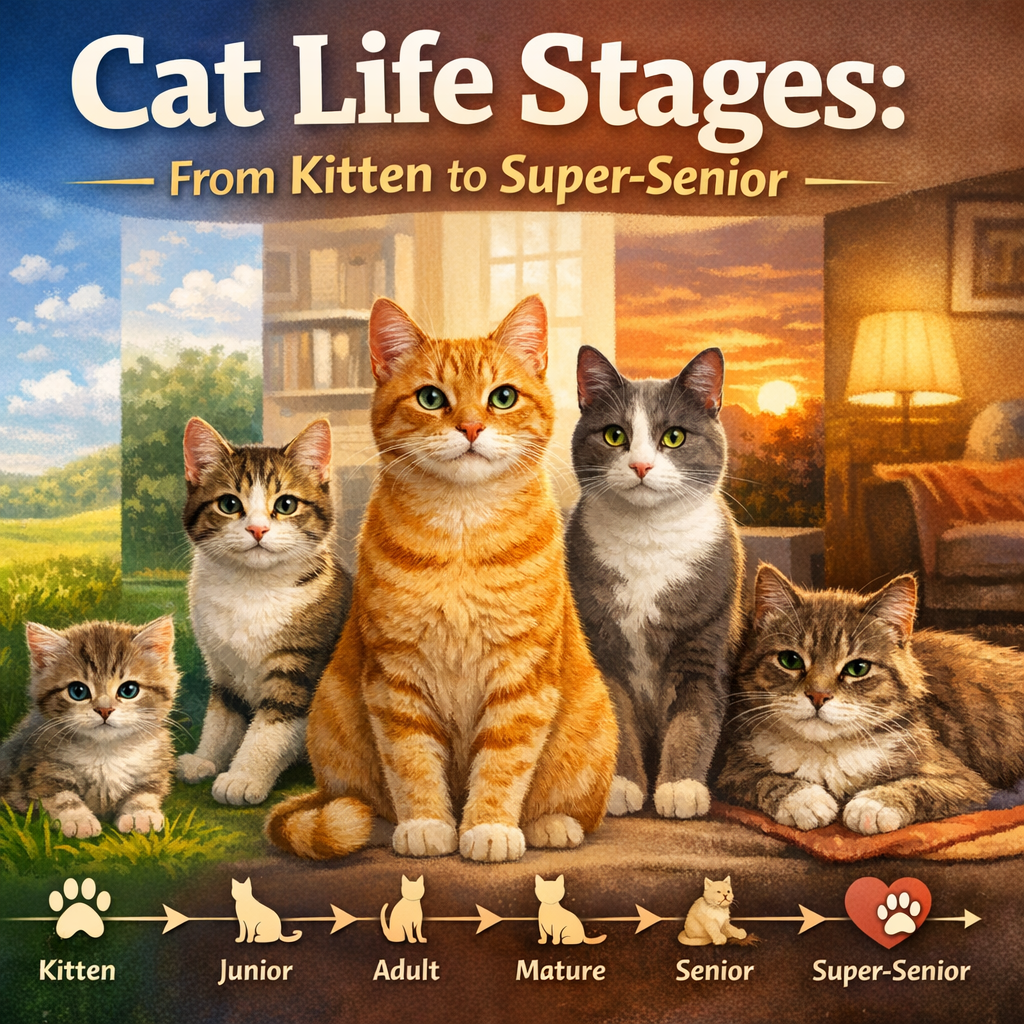
- Six Distinct Life Stages: Cats age rapidly in their first two years (a 1-year-old cat equals a 15-year-old human) and transition through six phases: Kitten, Junior, Adult, Mature, Senior, and Super-Senior.
- Evolving Care Needs: Requirements shift from high-energy socialization and essential vaccinations in kittenhood to weight management in adulthood, and specialized geriatric care for cats aged 15+.
- Proactive Health Monitoring: While annual exams suffice for adult cats, felines over age 7 should visit the vet twice yearly to manage age-related issues like dental disease, kidney function, and arthritis.
- Behavioral Awareness: Owners should monitor physical and cognitive changes, such as decreased mobility or altered sleep patterns, adapting the home environment to ensure comfort throughout the feline life cycle.
Table of Contents
Cat Life Stages: From Kitten to Super-Senior
Whether you are rocking a Unisex Soft Cotton Tee covered in cat hair or just starting your journey, navigating feline life stages requires a solid cat health guide. We look to experts like The Cat Doctor and organizations like International Cat Care (iCatCare) to understand these transitions.
Cat Age and Developmental Stages: The Cat Age Chart
Understanding feline development starts with a cat age chart. It helps you visualize cat human years so you can provide age appropriate care at every milestone.
The feline life cycles are generally divided into six distinct phases. These include the kitten (0 to 6 months), junior (7 months to 2 years), adult prime (3 to 6 years), mature (7 to 10 years), senior (11 to 14 years), and geriatric or super-senior (15 years and older).
By comparing cat to human age, a one year old cat is roughly equivalent to a 15 year old human. This rapid growth explains why kitten care and junior cat behavior are so high energy compared to the calm of later years.
Kitten Care and Growth Milestones
Kitten development is a whirlwind of biological changes. Their eyes usually open between 7 and 14 days, and their weight should double within the first 4 to 6 weeks of life.
By three months, you will see the first teeth eruption. At 3 to 4 weeks, they begin the transition to solid food. This is a critical time for socialization and handling to ensure they grow into confident adults.
During this phase, owners must be vigilant about health issues like fading kitten syndrome or flat-chested kitten syndrome. Proper kitten sex determination and early veterinary health checks are essential for a healthy start.
Behavior Changes at Different Life Stages
In super-senior cats, sleep patterns shift even further. While they remain regal, their social needs may increase, or they might become more sensitive to changes in their environment, requiring extra patience from their human roommates.
Health and Veterinary Needs by Stage
Your cat health stages dictate your schedule for veterinary health checks. While adult cat needs focus on maintenance, cats over 7 years old should visit the vet more frequently to monitor for age related issues.
Weight gain is a common concern during the mature cat care stage. Monitoring litter box habits and watching for signs of discomfort are vital for geriatric cat management to ensure they stay comfortable in their golden years.
Routine feline wellness exams help catch dental issues or joint pain early. Just as you would choose a high quality Unisex Soft Cotton Tee for comfort, your cat deserves a comfortable environment tailored to their physical abilities.
Vaccination and Preventive Care for Kittens
Feline vaccination is the cornerstone of early kitten care. Starting at 6 to 8 weeks, kittens need protection against serious diseases to build a strong immune system.
Early cat neutering is also a high priority topic. Most experts recommend spaying or neutering before the cat reaches sexual maturity to prevent unwanted litters and reduce territorial aggression.
A comprehensive parasite control plan is necessary during these early feline life stages. Regular checkups during the first year set the foundation for a long, healthy life from kittenhood through the super-senior years.
Understanding Feline Life Stages
Cats are masters of disguise, especially when it comes to aging. While they might look like the same sleek hunters for years, their internal biology is shifting constantly. Understanding these feline life stages is the first step to providing a high quality of life for your furry friend.
Experts at iCatCare and The Cat Doctor generally recognize six distinct life stages. Comparing these to human years helps you grasp their physical and mental development more clearly. It is the best way to ensure your cat health guide is tailored to their specific age.
A one year old cat is roughly equivalent to a fifteen year old human. They hit their “terrible teens” much faster than we do! Using a cat age chart helps you track these milestones from kitten growth to the needs of super senior cats.
| Life Stage |
Age Range |
Human Equivalent (Approx.) |
| Kitten |
0 to 6 Months |
0 to 10 Years |
| Junior |
7 Months to 2 Years |
12 to 24 Years |
| Adult |
3 to 6 Years |
28 to 40 Years |
| Mature |
7 to 10 Years |
44 to 56 Years |
| Senior |
11 to 14 Years |
60 to 72 Years |
| Super-Senior |
15+ Years |
76+ Years |
Cat Age and Developmental Stages
International Cat Care emphasizes the importance of understanding feline life cycles to provide proper veterinary health checks. Every stage requires a different approach to cat wellness, from kitten vaccinations to geriatric cat management.
The cat to human age comparison shows that cats age rapidly in their first two years. By the time a cat reaches the Adult Prime stage at age three, they have already navigated significant feline development milestones that would take a human decades to achieve.
As they move into the Mature and Senior phases, feline aging becomes more apparent through cat behavioral changes. Keeping a close eye on these shifts allows you to adapt their environment and maintain their comfort as they transition into being super senior cats.
Kitten Care and Growth Milestones
Kitten development is a whirlwind of activity and rapid physical changes. Their eyes typically open between 7 and 14 days, and you will see their first teeth eruption around three months of age.
During the first few weeks, kitten growth is explosive, with most healthy kittens doubling their weight by 4 to 6 weeks. They usually begin the transition to solid food at 3 to 4 weeks, marking a major step in their independence.
This stage is also critical for cat socialization and kitten sex determination. Proper handling during these early weeks prevents fearfulness and ensures they grow into well adjusted adult cats with minimal territorial aggression.
Behavior Changes at Different Life Stages
You will notice that kitten care involves managing high energy and constant playfulness. As they move into the Junior cat behavior stage, they become more settled but remain highly exploratory and curious about their boundaries.
Adult cats are generally in their physical prime and have established steady routines. However, as they reach the Senior and Super-Senior stages, they often become more sedentary and spend more time in those regal naps we love to photograph.
Watching for fluctuations in energy or social needs is vital. Older cats may experience cognitive changes or shift their sleep patterns, requiring extra patience and environmental enrichment to keep them engaged and happy.
Health and Veterinary Needs by Stage
Preventive care is the backbone of adult cat needs. Regular health checks help monitor for weight gain in middle age, which can lead to more serious issues if left unmanaged.
For cats over 7 years old, most experts recommend more frequent vet visits. Monitoring litter box habits and looking for signs of discomfort or feline dental care needs becomes a top priority for mature cat health.
As they reach the geriatric cat health phase, diagnostic screenings become more important. Early detection of age related conditions ensures that your senior cat care plan remains effective and keeps them purring for as long as possible.
Vaccination and Preventive Care for Kittens
Feline vaccination is a cornerstone of early kitten care, protecting them from serious diseases. These essential shots usually start around 6 to 8 weeks of age to build a strong immune system.
Cat neutering or spaying is another high priority topic for young felines. Most veterinarians recommend this procedure early to prevent health issues and unwanted behaviors as the cat matures into the junior stage.
A comprehensive parasite control plan is also vital during early life. By staying on top of these preventive measures, you set the foundation for a long, healthy life, avoiding complications like fading kitten syndrome or other early developmental hurdles.
Kitten Care and Growth Milestones
The kitten stage is a whirlwind of kitten development. Newborns are born helpless with eyes and ears sealed shut, relying entirely on their mother for warmth and food. If you are hand rearing kittens, you must act as their surrogate parent to ensure they stay warm and fed every few hours.
Critical milestones happen fast during these early feline life stages. Eyes usually open around 7 to 14 days, and their weight should double by 4 to 6 weeks. By three months, those tiny needle teeth start falling out to make room for adult teeth. This is also the time to begin weaning them onto solid food.
During this window, kitten socialization is paramount. You should handle them frequently to get them used to human touch, cat grooming, and even nail clipping. Proper socialization now prevents behavioral issues later, making them the perfect companion for your favorite lifestyle.
Keep a close eye on their health during this fragile time. Watch for fading kitten syndrome, a tragic condition where kittens fail to thrive. You should also check for physical abnormalities like flat-chested kitten syndrome, which can severely affect their breathing and overall kitten growth.
Vaccination and Preventive Care for Kittens
Protecting your tiny hunter starts with a solid cat health guide. Kitten vaccinations are vital to prevent serious diseases and typically begin around 6 to 8 weeks of age. Your vet at a clinic like The Cat Doctor will set up a schedule to build their immune system against common feline threats.
Early kitten care also involves a strict parasite control plan to keep fleas and worms at bay. This is the foundation of feline wellness that carries them through all future cat health stages. Regular checkups during these first six months ensure they are hitting every developmental mark on the cat age chart.
Neutering cats is another essential step recommended by experts at iCatCare and International Cat Care. Spaying or neutering usually happens around four to six months. This procedure prevents unwanted litters and reduces future health risks, ensuring your kitten transitions smoothly into the junior cat stage.
Kitten Sexing and Behavioral Development
Determining the gender of a young feline, often called kitten sex determination or kitten sexing, can be tricky for new owners. It involves checking the distance between the genital openings, which is a standard part of any initial veterinary health checks. Knowing the sex early helps you prepare for their specific behavioral needs.
Kitten behavior is defined by high energy and intense play. This is when they learn the boundaries of hunting and social interaction. Providing environmental enrichment during this phase prevents boredom and helps them burn off that famous chaotic kitten energy before they reach the more settled adult cat prime.
Junior Cat Behavior and Development
The junior stage, lasting from 6 months to 2 years, is essentially the teenage phase of the cat life cycles. Your cat is physically mature but still mentally impulsive, much like a human adolescent with a new driver’s license.
During this period of junior cat behavior, you might notice your feline friend testing boundaries. This is when cat territorial aggression often makes its debut as they figure out their place in the household hierarchy.
According to organizations like iCatCare and International Cat Care, this is the prime time for neutering cats. Most vets at clinics like The Cat Doctor recommend this early to prevent unwanted litters and curb wandering or spraying behaviors.
Feline Development and Socialization
Junior cat development requires plenty of environmental enrichment. Their energy levels are at an all-time high, and without an outlet like puzzles or interactive toys, your curtains will surely pay the price.
Socialization remains critical during these feline life stages. While they are no longer tiny kittens, continuing to handle them and introducing new experiences helps prevent behavioral issues as they transition into the adult cat prime years.
Keep a close eye on their growth during this phase. While they look like adults, their bones and joints are still finishing their development, so high quality feline nutrition and diet are essential for building a strong foundation.
Health and Veterinary Needs by Stage
As your cat moves through these cat health stages, regular veterinary health checks are vital. This is the time to complete any remaining feline vaccination series and establish a baseline for their adult health.
Preventive care during the junior stage sets the tone for future cat wellness. Discussing a long term parasite control plan with your vet now will protect them as they become more adventurous and exploratory.
Remember that even a healthy junior cat needs an annual exam. These visits allow professionals to monitor for early signs of issues that could impact their transition into the mature cat health phase later in life.
Expert Insight
“Since cats age faster than humans, an annual veterinary exam is equivalent to a human visiting a doctor every four to five years; therefore, preventive care and early intervention are essential to translate evidence-based medicine into actionable best practices that help cats live longer, healthier lives.”, Dr. Krista Williams & Dr. Ryan Llera, DVM
The Adult Cat Prime Years
From age 3 to 6, your feline friend enters the golden era known as the Adult Cat Prime. This is the stage where they have finally traded their teenage chaos for a more predictable personality. They are generally at their healthiest and most active, perfectly matching the energy of your favorite graphic tee.
Maintenance is the name of the game here. Regular veterinary health checks are essential to ensure that small issues do not become big problems later in life. Think of these visits as a tune up for your furry roommate to keep them purring smoothly through all their feline life stages.
Focusing on feline nutrition and diet is critical during these years. It is very easy for an indoor adult cat to gain excess weight, which puts unnecessary strain on their joints and organs. Keeping them lean is the best way to ensure they stay in their prime for as long as possible.
Adult Cat Needs and Health Monitoring
During the Adult Cat Prime, you should establish a solid health baseline. International Cat Care, also known as iCatCare, suggests that annual wellness exams are the best way to track changes in weight or behavior. These benchmarks are vital for comparing your cat to a cat age chart as they mature.
Your cat health guide for this stage should include a heavy emphasis on feline dental care. Plaque and tartar can build up quickly, leading to systemic health issues if ignored. Just like you keep your wardrobe fresh, you need to keep those feline pearly whites clean with regular brushing or dental treats.
Even though they are calmer than kittens, adult cat needs still include plenty of mental stimulation. Environmental enrichment, such as scratching posts and interactive play, prevents boredom and helps manage cat territorial aggression. A happy cat is a cat that does not decide to use your furniture as a personal gym.
“The adult stage is the perfect time to establish a baseline for your cat’s health through annual wellness exams.” : International Cat Care
Feline Vaccination and Preventive Maintenance
While the heavy lifting of kitten vaccinations is over, staying current on boosters is a must. Your vet at The Cat Doctor will recommend a schedule based on your cat’s lifestyle to protect them from common feline diseases. Prevention is always easier than a cure when it comes to your pet’s longevity.
If you have not already, ensure your cat is part of a consistent parasite control plan. Even indoor cats can encounter fleas or ticks brought in on your clothes. Keeping your cat protected ensures they remain the healthy, vibrant center of your home throughout their entire cat life cycles.
Mature Cat Health and Senior Transitions
Once your feline roommate hits the 7 year mark, they officially enter the phase of mature cat health. By age 11, they are promoted to senior cat care status. This is the stage where they might swap their high speed zoomies for a more refined, sedentary lifestyle of professional napping.
According to guidelines from International Cat Care and iCatCare, senior cat health requires a proactive approach. You should schedule more frequent veterinary health checks, as cats over 7 years old benefit from twice yearly exams to catch age related changes early.
Keep a close eye on their litter box habits. Changes in frequency or consistency can signal kidney issues or discomfort, which are common in feline aging. Monitoring these cat health stages closely ensures your senior remains as comfortable as a soft cotton tee.
Senior and Geriatric Cat Management
When your cat reaches 15 years, they enter the super senior cats or geriatric cat health category. At this point, a cat to human age comparison shows they are well into their 70s or 80s. Understanding this cat age chart helps you appreciate why they might be a bit more grumpy or slow to move.
Feline dental care is a major priority during these years. Decaying teeth or gum disease can cause systemic infections and significant pain. This often leads to what owners mistake for being a picky eater, when in reality, your cat just needs a visit to The Cat Doctor for a dental checkup.
Even with these cat behavioral changes, many seniors remain surprisingly playful. They simply need a bit more time to warm up their joints before a session with the feather wand. Providing environmental enrichment like low entry litter boxes and heated beds can make a world of difference for their feline development and comfort.
Maintaining proper feline nutrition and diet is the final piece of the puzzle. Older cats may need more digestible proteins or specific supplements to support their aging organs. By following a comprehensive cat health guide, you can ensure your senior friend enjoys their golden years with dignity and style.
Geriatric Cat Management and Super-Senior Life
Once your feline friend hits the 15 year mark, they officially join the elite club of super senior cats. Thanks to modern cat wellness and the expertise of organizations like International Cat Care and iCatCare, many cats now live well into their twenties.
During this final phase of feline aging, you will notice significant cat behavioral changes. Your once Olympic level jumper might now prefer a slow stroll to the food bowl, and that is perfectly okay for a cat in their golden years.
Geriatric cat health often involves managing vision loss, hearing impairment, or cognitive dysfunction. If your cat seems confused or yowls at night, they might be experiencing feline dementia, a common part of the super senior journey.
To support their aging joints, make their environment accessible. Use low sided litter boxes and provide pet steps so they can still reach their favorite sunny windowsill or your bed for a snuggle.
Feline Health Stages: Monitoring the Golden Years
Regular blood work is essential for geriatric cat management. Detecting thyroid issues, hypertension, or kidney disease early can significantly extend their quality of life and keep them comfortable.
According to The Cat Doctor, weight monitoring is critical at this stage. Many super senior cats lose muscle mass, so high quality feline nutrition and diet adjustments are necessary to maintain their strength.
Keep a close eye on their litter box habits and water intake. Changes here are often the first signs of health issues that require a quick trip to the vet for a professional health check.
Even though they move slower, these old timers still enjoy gentle play and grooming. Keeping their coat clean and their nails clipped prevents discomfort and helps them feel like the regal rulers of the house they truly are.
Feline Vaccination and Preventive Care
Regardless of age, feline vaccination is a cornerstone of responsible ownership. This is your first line of defense in the cat health guide to keep your roommate purring for years to come.
Kittens require a series of kitten vaccinations starting at 6 to 8 weeks to build immunity. During this phase of kitten care, your vet will also discuss cat neutering to prevent health issues later in life.
Adult and senior cats still need boosters to maintain their defenses. Your vet at a clinic like The Cat Doctor will tailor a plan based on whether your cat goes outdoors or stays strictly inside.
Don’t forget parasite control. Even indoor cats can get fleas or heartworms from hitchhiking insects. Feline wellness means staying ahead of these tiny invaders before they cause a big problem.
Health and Veterinary Needs by Stage
As your cat moves through the feline life stages, their medical requirements shift. Adult cat needs focus on weight management and dental care to prevent middle age spread from turning into obesity.
Once your pet enters the mature cat health stage around age seven, experts from iCatCare recommend more frequent vet visits. Bi annual checkups help catch issues like kidney disease or arthritis early.
Geriatric cat management for super senior cats involves monitoring cat behavioral changes and litter box habits. Small shifts in how they act can be the first sign of discomfort or age related illness.
International Cat Care emphasizes that preventive care is much easier than treating a chronic condition. Regular screenings for feline aging issues ensure your cat enjoys their golden years in total comfort.
Cat Age and Developmental Stages
Understanding cat human years helps put your feline friend’s needs into perspective. Using a cat age chart, you can see that a one year old cat is roughly equivalent to a fifteen year old human.
The feline life cycle moves fast. Kittens reach junior cat development within months, while the adult cat prime lasts from ages three to six. By age ten, they have officially reached the senior cat care phase.
Each stage requires a different approach to feline nutrition and diet. A high energy kitten needs much more protein than a sedentary super senior cat who spends twenty hours a day napping.
By following a comprehensive cat health stages plan, you can support your pet through every milestone. From the first kitten growth spurt to the regal slow down of a geriatric cat, you are their best advocate.
Frequently Asked Questions
How can I tell the sex of a kitten?
Kitten sex determination can be tricky even for experienced owners. To check, look at the distance between the anus and the urinary opening. In males, the gap is wider and the openings look like a colon (:). In females, the openings are much closer together, resembling an inverted exclamation point (!).
Kitten sexing is easier once they are a few weeks old. If you are unsure, your vet can confirm the gender during their first round of kitten vaccinations. Knowing the sex early helps you prepare for future needs like neutering cats to prevent unwanted behaviors.
What are the signs of fading kitten syndrome?
Fading kitten syndrome is a life threatening condition that occurs during the earliest feline life stages. Symptoms include extreme lethargy, an inability to nurse, low body temperature, and labored breathing. This condition progresses very quickly and requires emergency veterinary care to save the kitten.
Other red flags include a flat chested kitten appearance or constant crying. Organizations like International Cat Care and iCatCare emphasize that early intervention is the only way to treat these fragile newborns. Hand rearing kittens may be necessary if the mother cannot provide adequate care.
When should I switch to senior cat food?
Most experts, including those at The Cat Doctor, recommend transitioning to a senior formula between 7 and 10 years of age. This is the period when mature cat care becomes a priority. These diets are designed to be easier to digest while supporting aging joints and kidney function.
As your pet enters the senior cat health phase, their metabolism slows down. A specialized diet helps manage weight and provides the specific feline nutrition and diet required for older bodies. Always consult your vet before making major changes to their cat wellness routine.
How often should a senior cat see the vet?
Once your feline friend hits age 7, they should ideally have a checkup every six months. Cats are masters at hiding pain, so frequent exams are the best way to catch age related diseases early. Regular blood work is a staple of geriatric cat management.
During these visits, your vet will monitor for cat behavioral changes that might signal discomfort. Maintaining a consistent cat health guide for your senior or super senior cats ensures they stay comfortable. Routine feline dental care and nail clipping are also vital during these later cat life cycles.